


 English
  Español
  عربى
عربى 
Transparent Machine Stretch Film for High-Efficiency Industrial Pallet Packaging
Content
- 1 What Transparent Machine Stretch Film Does in Industrial Packaging
- 2 Core Material Advantages: PE and Metallocene Copolymer
- 3 Product Specifications
- 4 Why Machine Stretch Film Outperforms Manual Wrapping in High-Volume Operations
- 5 Advantages Over Competing Stretch Films
- 6 Advanced Manufacturing Strengths Behind Reliable Film Performance
- 7 Company Strengths Supporting Industrial Customers
- 8 Application Scenarios
- 9 How to Select the Right Thickness
- 10 Best Practices for Machine Wrapping
- 11 Storage and Handling Recommendations
- 12 Packaging Cost Analysis: Why Quality Film Can Lower Total Cost
- 13 Compatibility With Other Packaging Materials
- 14 Quality Control From Raw Material to Finished Roll
- 15 Environmental and Resource Considerations
- 16 Typical Industries That Benefit From Transparent Machine Stretch Film
- 17 How Transparent Film Supports Supply Chain Visibility
- 18 Performance in Transportation Conditions
- 19 Guidance for Procurement Teams
- 20 Frequently Asked Questions
- 20.1 What is transparent machine stretch film mainly used for?
- 20.2 How is machine stretch film different from hand stretch film?
- 20.3 Why is metallocene copolymer added to the film?
- 20.4 What thickness should be selected?
- 20.5 Can the film be used for irregularly shaped products?
- 20.6 Why is transparent film useful in warehouses?
- 20.7 How should the film be stored?
- 20.8 Can roll length and weight be customized?
- 20.9 Does higher-quality film reduce packaging cost?
- 20.10 What company strengths support product reliability?
- 21 Conclusion
- 22 References
- 23 Product: Transparent machine stretch film
Transparent machine stretch film is an essential industrial packaging material designed for fast, stable, and protective pallet unitization. In modern logistics, where goods move through warehouses, forklifts, trucks, containers, distribution centers, and retail supply chains, pallet stability directly affects product safety, operating efficiency, and total packaging cost. A reliable machine stretch film helps turn individual cartons, bags, components, and irregular items into a secure load that can withstand vibration, stacking pressure, moisture exposure, dust, and repeated handling.
Unlike ordinary manual wrapping film, machine stretch film is optimized for mechanical stretching equipment. It is engineered to work with wrapping machines that apply controlled tension, consistent overlap, and uniform multi-layer coverage. This improves packaging speed, reduces manual labor, and helps companies achieve repeatable packaging quality across high-volume operations. For manufacturers, exporters, warehouse operators, and logistics companies, transparent machine stretch film provides a practical balance of strength, flexibility, clarity, and cost efficiency.
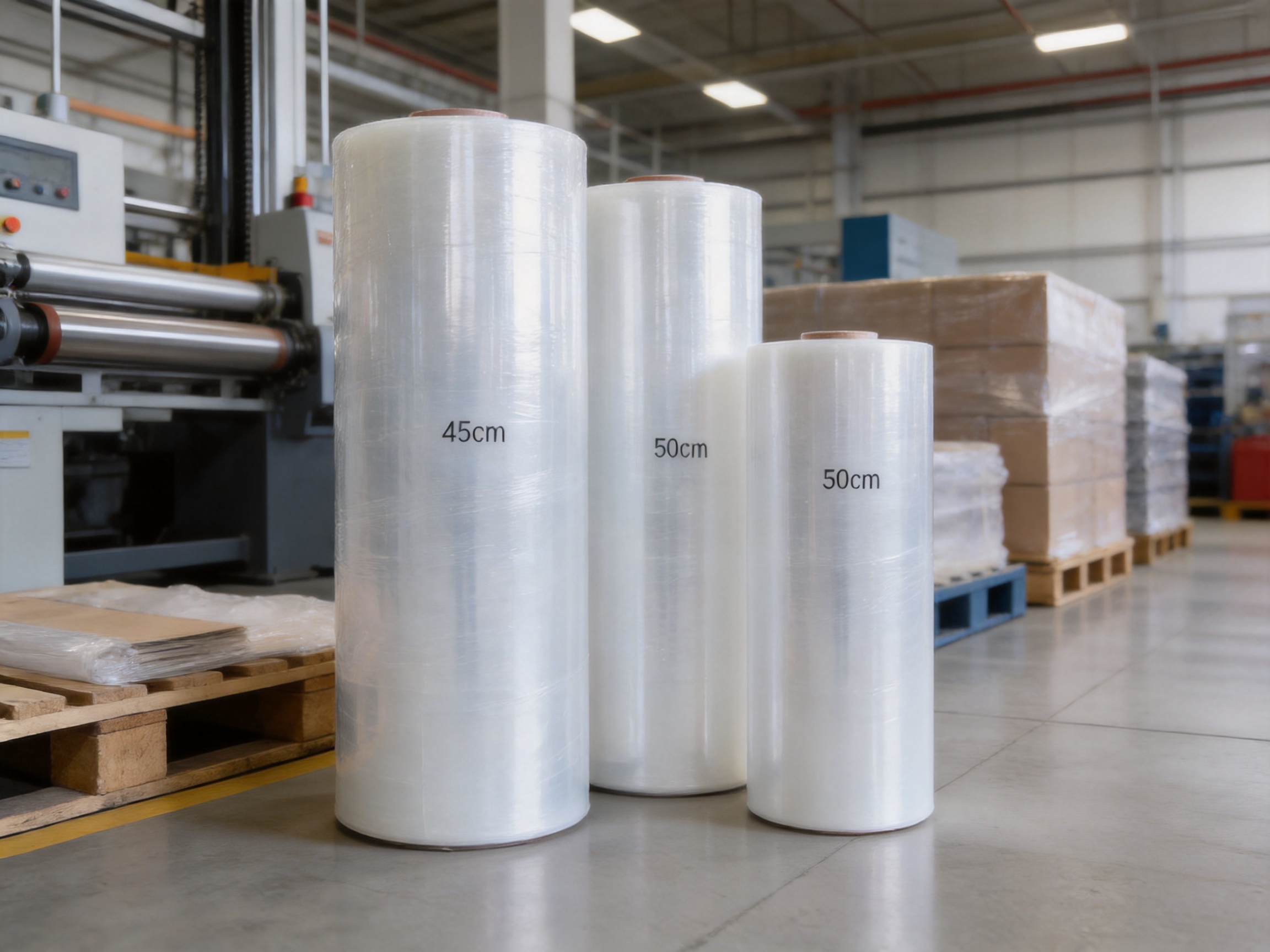
The product discussed in this article is made from pure polyethylene, enhanced with metallocene copolymer for improved toughness. Available in transparent color, with common heights of 45 centimeters and 50 centimeters, and thickness options from 0.015 millimeters to 0.045 millimeters, it is suitable for a wide range of industrial packaging needs. Its length and roll weight can be customized according to each customer’s application scenario, making it adaptable to different wrapping machines, load sizes, cargo weights, and logistics conditions.
Zhejiang Geruite Packaging Materials Co., Ltd. manufactures this type of stretch film as part of its wider portfolio of packaging materials, including BOPP tapes, kraft paper tapes, masking tapes, high-temperature resistant tapes, metal tapes, PE stretch film, PP strapping, and PET strapping. With advanced production equipment, strict quality control, and a long-term focus on packaging material research and development, the company provides industrial customers with reliable packaging solutions that support safer transport, cleaner storage, and more efficient operations.
Transparent machine stretch film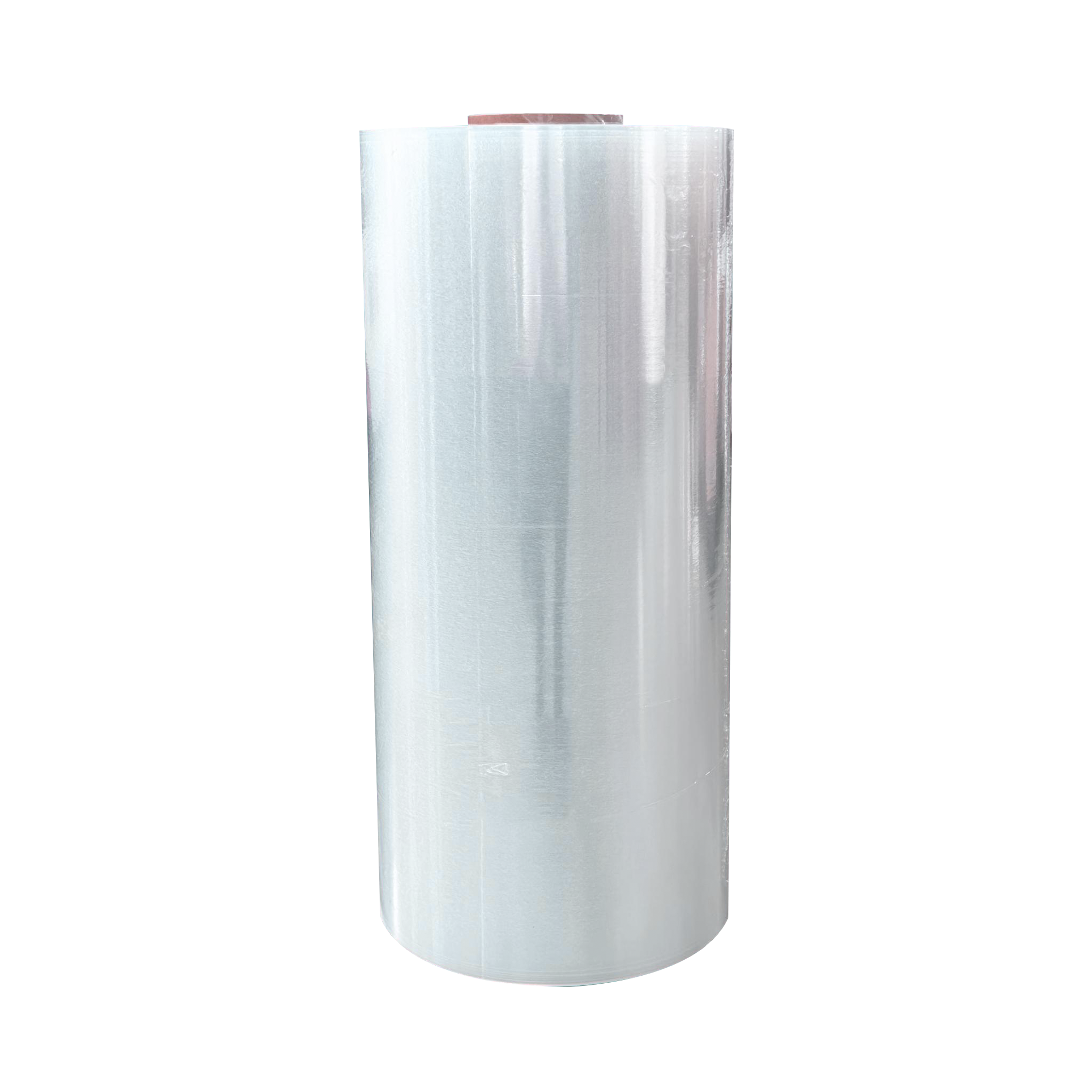
What Transparent Machine Stretch Film Does in Industrial Packaging
Transparent machine stretch film is primarily used to wrap palletized goods. When cartons, bags, buckets, or other products are stacked on a pallet, the load must remain stable during movement. Without an effective unitization method, goods can shift, scatter, fall, or become damaged. Stretch film solves this problem by creating a tight, elastic protective layer around the pallet load. The film stretches during application and then attempts to recover, creating a holding force that keeps the load together.
The transparent appearance offers an additional practical advantage: workers can identify labels, barcodes, product information, and package contents without removing the wrap. This is especially valuable in warehouses and distribution centers where speed, accuracy, and inventory visibility are important. Transparent film also makes inspection easier, because operators can quickly check whether cartons are aligned, whether labels are visible, and whether the load has been wrapped correctly.
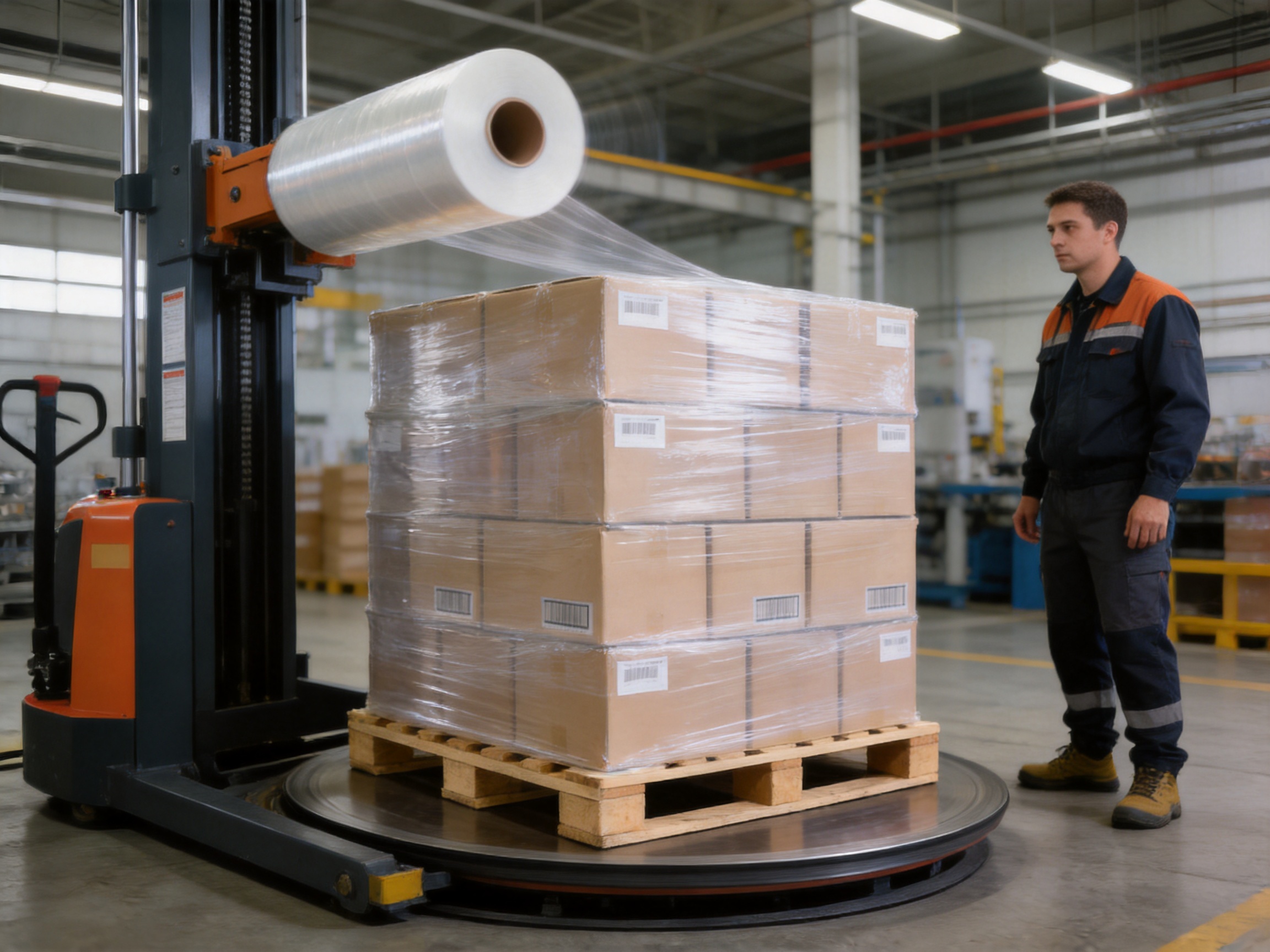
Machine application is a major feature of this product. With a dedicated wrapping machine, the film is stretched mechanically and applied around the load with controlled tension. Compared with hand wrapping, machine wrapping provides more consistent results. Operators can set wrapping parameters such as pre-stretch ratio, turntable speed, film carriage speed, top and bottom reinforcement wraps, and overlap percentage. This reduces human variation and helps ensure every pallet receives the right level of protection.
The film is also suitable for irregularly shaped products such as pipes, cable reels, door and window frames, metal components, and long goods. Its flexibility allows it to conform to different contours without scratching or damaging surfaces. Because the material is soft and elastic, it is especially useful for bundling and protecting items that require surface care during storage and transport.
Core Material Advantages: PE and Metallocene Copolymer
The film is made from pure polyethylene, commonly known as PE, with metallocene copolymer added to enhance toughness. Polyethylene is widely used in packaging because it is flexible, moisture-resistant, chemically stable, and suitable for film extrusion. In stretch film applications, PE provides the base properties needed for elongation, recovery, puncture resistance, and load containment.
Metallocene copolymer improves the film’s mechanical performance. Compared with conventional polyethylene formulations, metallocene-enhanced films can offer better tensile strength, better puncture resistance, improved tear resistance, and more stable stretching performance. This allows the film to maintain a tight wrap around the load without tearing easily during machine operation. It can also help reduce film consumption, because a stronger film may achieve the same or better load stability at a more optimized thickness.
One of the most important performance characteristics of machine stretch film is recovery memory. After the film is stretched, it attempts to return toward its original state. This recovery creates the holding force that secures the pallet. If a film stretches but does not recover well, it may become loose after application. If it is too stiff, it may break during wrapping or damage product edges. A well-balanced PE and metallocene formulation provides the elasticity and recovery needed for dependable pallet stabilization.
The film also provides dustproof, moistureproof, and oil-resistant protection. In real logistics environments, goods may be stored in warehouses, loaded into trucks, moved through outdoor areas, or placed in temporary storage. Dust can affect product appearance, moisture can damage cartons or labels, and oil contamination can reduce cleanliness. A properly wrapped pallet creates a protective barrier that helps reduce these risks.
Product Specifications
The following table summarizes the main technical parameters of the transparent machine stretch film.
| Parameter | Specification | Practical Packaging Value |
| Material | Pure polyethylene plus metallocene copolymer | Provides flexibility, toughness, stretchability, and strong recovery memory |
| Common Height | 45 centimeters and 50 centimeters | Suitable for many standard machine wrapping operations and pallet sizes |
| Thickness Range | 0.015 millimeters to 0.045 millimeters | Allows selection according to load weight, cargo shape, and transport risk |
| Length and Roll Weight | Customizable | Supports different machine models, usage volumes, and cost-control plans |
| Color | Transparent | Enables barcode scanning, label visibility, and easy load inspection |
| Application Method | Machine wrapping | Improves packaging speed, consistency, labor efficiency, and material utilization |
Why Machine Stretch Film Outperforms Manual Wrapping in High-Volume Operations
Manual wrapping can be useful for small warehouses, low-volume packaging tasks, or temporary operations. However, it depends heavily on worker experience, physical strength, and consistency. Different workers may apply different tension levels, overlaps, and wrap patterns. Even the same worker may produce inconsistent results over a long shift due to fatigue. This can lead to unstable pallets, wasted film, uneven protection, and higher labor intensity.
Machine stretch film is designed to solve these problems. When paired with an automated or semi-automated wrapping machine, it delivers repeatable performance. The machine stretches the film evenly, wraps the pallet at controlled speed, and applies consistent layers. This can significantly improve packaging efficiency, especially in factories and distribution centers that handle many pallets per day.
Another advantage is labor saving. Machine wrapping reduces the amount of manual work required to secure pallets. Workers no longer need to bend, walk repeatedly around pallets, pull film by hand, or apply high force for tight wrapping. This reduces physical strain and can improve workplace ergonomics. It also allows employees to focus on loading, inspection, labeling, and other value-added tasks.
Machine wrapping can also reduce material waste. When film is stretched correctly before application, more coverage can be achieved from each roll. Controlled pre-stretch helps improve material utilization while maintaining load holding force. In contrast, manual wrapping often uses more film because operators may add extra layers to compensate for inconsistent tension. Over time, optimized machine wrapping can lower packaging cost per pallet.
For companies that ship goods over long distances, consistency is not just a matter of efficiency; it is a matter of risk control. A poorly wrapped pallet may fail during road vibration, forklift turning, container loading, or warehouse stacking. Machine stretch film helps provide balanced constrictive force around the load, reducing movement and improving transport reliability.
Advantages Over Competing Stretch Films
In a competitive packaging market, not all stretch films perform equally. Some films may appear economical at first glance but tear frequently, stretch unevenly, lose holding force, or require excessive material to secure a pallet. Transparent machine stretch film made with a strong PE and metallocene formulation provides several advantages that help it stand out from lower-grade alternatives.
Higher Toughness and Better Puncture Resistance
During pallet wrapping, sharp carton corners, uneven stacking, wooden pallet edges, plastic buckets, metal components, and protruding products can puncture weak film. Once punctured, low-quality film may tear across the pallet, reducing containment strength and wasting material. The metallocene-enhanced structure improves toughness and helps the film resist puncture during machine stretching and transport handling.
Stable Stretching Performance
A good machine stretch film must stretch smoothly under mechanical force. If the film stretches unevenly, the roll may break during wrapping or create inconsistent tension around the load. Stable stretchability allows machines to operate at efficient speeds while maintaining film integrity. This is especially important for customers using automated wrapping systems, where downtime caused by film breaks can reduce productivity.
Balanced Holding Force
Some films are strong but too stiff, while others are flexible but lack recovery. The ideal film offers a controlled balance: it stretches enough to cover the load efficiently, then recovers enough to keep the load tight. Balanced holding force helps prevent pallet shifting without crushing cartons or damaging product packaging. This makes the film suitable for a broad range of cargo types, from lightweight boxes to heavier industrial products.
Improved Clarity for Warehouse Control
Opaque or cloudy packaging can hide labels and make inspection difficult. Transparent film supports inventory management by keeping barcodes and markings visible. This can reduce errors during receiving, picking, loading, and shipping. It also helps quality control teams inspect whether goods remain properly stacked and undamaged.
Customizable Roll Length and Weight
Packaging operations vary widely. A customer running a high-speed wrapping line may need larger rolls to reduce changeover frequency, while a smaller warehouse may prefer roll weights that are easier to handle. Customizable length and weight options help match the film to the machine, work environment, and consumption pattern. This flexibility is a practical advantage over one-size-fits-all products.
Cost Efficiency Through Material Optimization
The lowest-priced film is not always the lowest-cost film. If a film breaks often, requires more layers, causes damaged goods, or slows down wrapping machines, the total cost rises. A durable, stable, and efficient machine stretch film can reduce hidden costs by improving uptime, lowering waste, minimizing cargo damage, and reducing labor requirements.
Advanced Manufacturing Strengths Behind Reliable Film Performance
Consistent stretch film performance begins with manufacturing control. Zhejiang Geruite Packaging Materials Co., Ltd. focuses on research, development, production, and quality management across its packaging materials. For stretch film, advanced manufacturing involves raw material selection, formula control, extrusion stability, thickness uniformity, roll winding quality, inspection, and packaging.
The production process starts with selecting suitable polyethylene raw materials and metallocene copolymer additives. The quality of raw materials has a direct effect on film clarity, strength, elasticity, and processing stability. By controlling material inputs, the manufacturer helps ensure that each batch meets expected performance requirements.
During extrusion, polymer materials are melted and formed into a thin film. This step requires temperature control, die control, cooling control, and tension management. If the process is unstable, the film may have uneven thickness, weak points, surface defects, or inconsistent mechanical properties. Advanced extrusion equipment and skilled operators help produce film with uniform thickness and reliable stretch behavior.
Thickness uniformity is especially important for machine stretch film. A film that is too thin in certain areas may break during machine stretching. A film that is too thick in other areas wastes material and increases cost. Consistent thickness supports predictable machine performance and makes it easier for customers to calculate packaging cost per pallet.
Roll winding quality is another essential factor. Machine stretch film must unwind smoothly during operation. Poor winding can cause roll deformation, edge damage, telescoping, blocking, or uneven tension. A well-wound roll improves machine compatibility and reduces interruptions during wrapping. For high-volume users, fewer stoppages can translate into meaningful productivity gains.
Quality inspection completes the manufacturing process. Film appearance, thickness, width, tensile behavior, puncture resistance, roll weight, and winding condition may be checked according to internal standards and customer requirements. This systematic quality control reflects the company’s belief that quality is the lifeline of the enterprise.
Company Strengths Supporting Industrial Customers
Zhejiang Geruite Packaging Materials Co., Ltd. is located in Zhejiang Province, China, an area known for developed manufacturing capacity and a strong industrial supply chain. The company has built its business around packaging material research, production, and service. Its product range covers several categories used in industrial packaging, including adhesive tapes, stretch film, shrink film, PP strapping, and PET strapping.
This broad product portfolio is an advantage for customers seeking integrated packaging solutions. A factory or logistics company may need stretch film for pallet wrapping, tape for carton sealing, and strapping for heavy load reinforcement. Working with a manufacturer that understands multiple packaging materials can simplify procurement and improve compatibility between packaging methods.
The company also emphasizes professional service. Packaging requirements are rarely identical from one customer to another. Load height, pallet weight, cargo shape, machine model, transport distance, storage environment, and budget all influence film selection. By offering customizable length and weight, along with a range of thickness options, the company can help customers choose practical specifications rather than forcing a standard product into every application.
Its annual output value has reached over RMB 60 million, reflecting production scale and market acceptance. Scale matters in industrial supply because customers need stable availability, repeat orders, consistent quality, and responsive delivery. A company with established production capacity is better positioned to support long-term supply programs and large-volume packaging users.
Geruite’s focus on technological research and development also supports future improvements. Packaging markets are evolving toward stronger films, lower material consumption, improved recyclability, better machine compatibility, and more efficient logistics protection. A manufacturer that continues to invest in product structure and service levels can provide customers with solutions that keep pace with these changes.
Application Scenarios
Palletized Transport Packaging
The most common application is palletized transport packaging. Cartons, bagged goods, consumer products, industrial parts, and packaged raw materials can be stacked on pallets and wrapped with machine stretch film. The wrap stabilizes the load and reduces the risk of goods shifting during forklift movement, truck vibration, braking, turning, and loading or unloading.
Warehouse Storage Protection
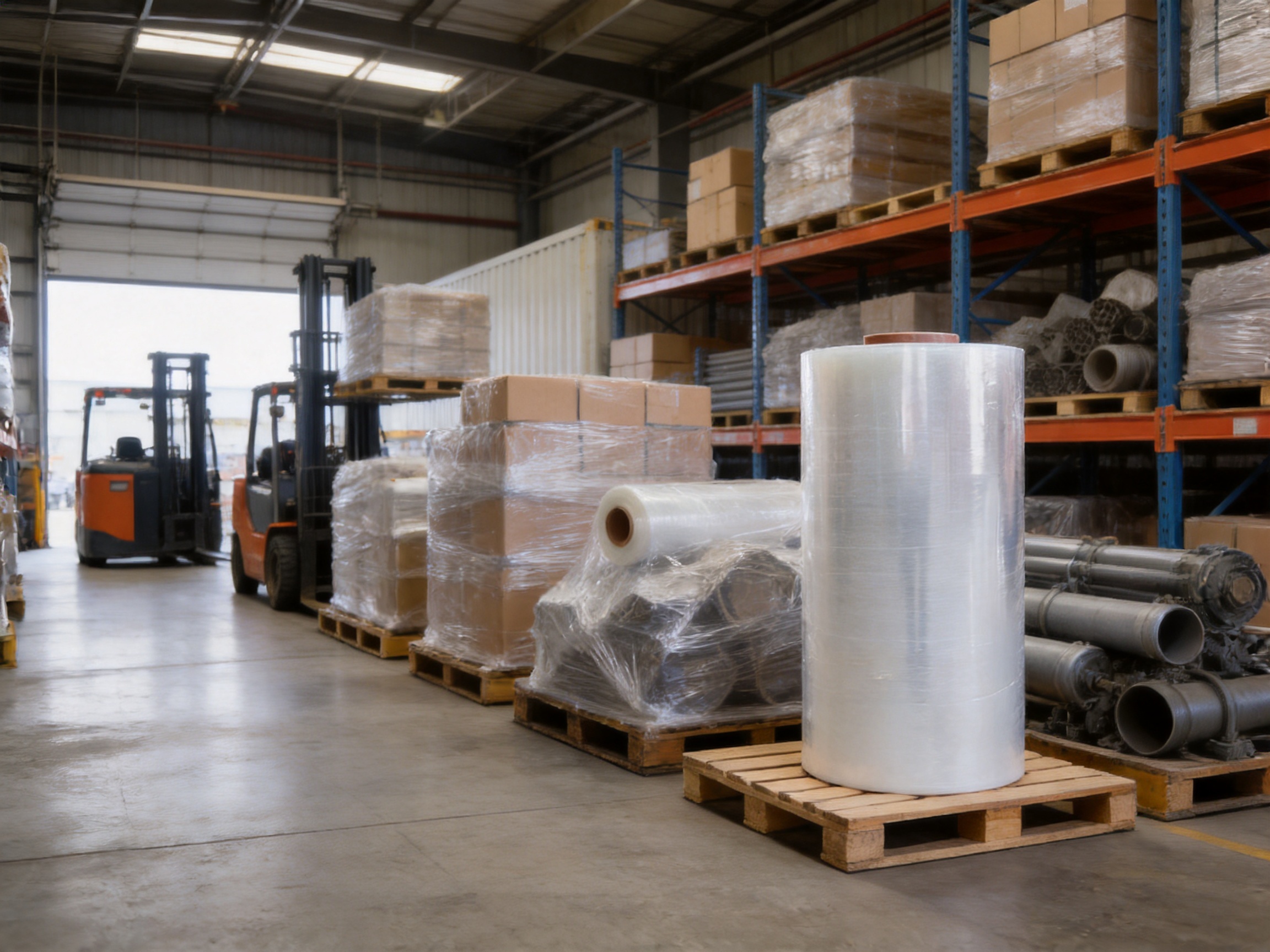
During storage, goods may be exposed to dust, humidity, insects, handling dirt, and accidental contamination. Transparent machine stretch film creates a protective outer layer that helps keep goods clean. It is especially useful for long-term storage, seasonal inventory, export goods waiting for shipment, and products stored in large warehouses.
Irregular Item Protection
Products such as pipes, cable reels, doors, windows, metal profiles, and equipment parts are often difficult to package with standard cartons. Stretch film can conform to irregular shapes and hold bundled items together. Because the film is soft, it helps avoid scratching surfaces during wrapping. For long items or objects with non-standard contours, it can be used with other packaging materials such as corner protectors, foam, tape, or strapping.
Logistics and Distribution
Distribution centers handle mixed products and repeated pallet movement. Transparent film allows quick visual identification while maintaining load stability. It supports efficient scanning, sorting, staging, and loading processes. For logistics operators, consistent machine wrapping also helps standardize outbound packaging quality across different shifts and teams.
Industrial Manufacturing
Factories use machine stretch film to secure finished goods, semi-finished products, components, and production materials. It can be integrated into end-of-line packaging systems, reducing manual handling and improving packaging throughput. In industries where output is continuous, such as household goods, electronics, building materials, and general manufacturing, machine stretch film supports smooth production flow.
How to Select the Right Thickness
The film is available in a thickness range from 0.015 millimeters to 0.045 millimeters. Selecting the correct thickness depends on several factors. A lighter, uniform load may be secured with a thinner film, while a heavy, sharp-edged, unstable, or high-value load may require thicker film. The goal is not simply to choose the thickest film, but to choose the film that provides adequate protection at an efficient cost.
For light cartons with smooth surfaces and short-distance transport, thinner film may provide sufficient containment. For medium-weight pallet loads moving through normal warehouse and truck transport, mid-range thickness may offer a good balance of strength and economy. For heavy industrial goods, irregular items, tall pallet stacks, export shipments, or loads with puncture risks, thicker film can improve safety and reliability.
Machine settings also matter. A film that performs well at one pre-stretch ratio may not be ideal at another. Customers should consider machine type, pre-stretch capability, film carriage design, wrapping speed, and desired holding force. Testing under actual operating conditions is the best way to confirm the most economical specification.
Pallet condition should not be ignored. Broken boards, exposed nails, sharp wood splinters, and protruding corners can puncture film. Even a strong film may fail if the pallet has severe sharp points. Before wrapping, operators should ensure pallet edges are safe and products are stacked evenly. Corner boards or edge protectors may be used when necessary.
Best Practices for Machine Wrapping
To achieve consistent packaging results, the film should be used with a dedicated wrapping machine. The machine should be properly maintained and adjusted according to the film specification and load requirements. Operators should confirm that the roll is installed correctly and that the film feeds smoothly through the carriage.
Bottom wraps are important because they connect the load to the pallet. If the film does not secure the load base, goods may slide even if the upper layers are wrapped tightly. Many operations apply extra reinforcement wraps at the bottom and top of the pallet. The bottom wraps help anchor the load, while top wraps help prevent upper cartons from separating or tilting.
Overlap should be consistent. If film layers are too far apart, gaps may reduce protection. If overlap is excessive, material consumption may rise unnecessarily. Machine settings should be adjusted to provide suitable coverage based on load height and stability.
Tension should be controlled carefully. Too little tension may result in loose pallets, while too much tension may crush cartons or cause film breaks. The correct tension provides firm load containment without product deformation. Transparent machine stretch film with stable stretch behavior helps make this adjustment easier and more repeatable.
Operators should also inspect wrapped pallets regularly. A good wrap should look smooth, tight, and evenly distributed. There should be no major tears, holes, loose tails, or unstable sections. If film breaks occur frequently, the cause may be sharp load edges, excessive machine tension, unsuitable film thickness, damaged rolls, or mechanical issues with the wrapper.
Storage and Handling Recommendations
Proper storage helps maintain film performance. Stretch film should be stored in a cool, dry place away from direct sunlight and high-temperature environments. The recommended storage temperature is between 15 degrees Celsius and 25 degrees Celsius. Excessive heat may affect roll condition, film blocking, and unwind behavior. Direct sunlight can also contribute to material aging over time.
Rolls should be protected from dust, moisture, impact, and deformation. If rolls are dropped or compressed, the edges may become damaged, causing film breaks during use. Storage areas should be clean and organized, with rolls placed according to inventory rotation principles. Using older stock first helps preserve consistent performance.
Before use, the operator should check whether the roll surface and edges are intact. Any visible damage should be considered before installing the roll on a high-speed machine. If the operating environment is very cold, the film may need time to adjust to normal room temperature before wrapping, because low temperature can influence flexibility.
Packaging Cost Analysis: Why Quality Film Can Lower Total Cost
Many buyers initially compare stretch film by roll price or price per kilogram. While these figures are important, they do not reveal the full packaging cost. A more accurate evaluation includes film consumption per pallet, machine downtime, labor requirements, product damage rates, roll change frequency, and customer complaints caused by unstable shipments.
A high-quality transparent machine stretch film can reduce total cost in several ways. First, stronger film may require fewer layers to achieve the same containment force. Second, stable machine performance reduces film breaks and production interruptions. Third, better load stability reduces damage during transportation. Fourth, optimized roll weight and length can reduce changeovers and improve operating efficiency.
For example, a low-cost film that tears often may force workers to stop the machine, reattach film, rewrap pallets, and discard damaged material. These hidden costs can exceed the apparent savings from a cheaper roll. Similarly, if weak film fails during transport, damaged goods, returns, repacking, and customer dissatisfaction can become much more expensive than the film itself.
Therefore, procurement teams should consider value rather than only unit price. The best film is the one that delivers reliable load security at the lowest total operating cost. Transparent machine stretch film with PE and metallocene toughness is designed for that purpose.
Compatibility With Other Packaging Materials
Stretch film often works best as part of a complete packaging system. Carton sealing tape keeps individual boxes closed. Strapping can reinforce heavy loads. Corner protectors can prevent edge damage. Labels and barcodes support tracking. Shrink film may be used for different packaging functions. Because Zhejiang Geruite Packaging Materials Co., Ltd. manufactures multiple packaging materials, it can support customers who need coordinated packaging solutions.
For heavy pallets, PET strapping may be combined with stretch film to provide both vertical compression and lateral containment. For lighter goods, stretch film alone may be sufficient. For fragile or sharp products, protective pads may be applied before wrapping. The correct combination depends on load characteristics and logistics conditions.
A packaging system should be tested under real conditions whenever possible. Vibration, tilt, acceleration, and forklift handling can reveal weaknesses not visible during static warehouse storage. A strong film is important, but proper stacking, pallet quality, wrapping method, and accessory materials also contribute to final load stability.
Quality Control From Raw Material to Finished Roll
Quality control is a continuous process rather than a final checkpoint. It begins with raw material selection. Polyethylene and metallocene copolymer must be suitable for film extrusion and consistent from batch to batch. Material inconsistency can lead to changes in clarity, stretching behavior, toughness, or sealing characteristics.
During production, process parameters must be monitored carefully. Extrusion temperature, film cooling, line speed, width control, and winding tension all affect final quality. Skilled production teams and advanced equipment help maintain stable output. In industrial packaging, small variations can become significant when film is used on fast machines or for heavy cargo.
Finished rolls should meet customer requirements for width, thickness, weight, length, appearance, and winding condition. Uniform roll edges reduce machine problems. Smooth unwinding prevents tension fluctuations. Proper packaging protects rolls during delivery and storage.
The company’s rigorous quality control system supports stable product performance and helps meet diverse customer needs. This is especially valuable for customers who operate multiple packaging lines or ship to demanding markets. Consistent film quality enables them to standardize machine settings, train operators more easily, and reduce unexpected packaging failures.
Environmental and Resource Considerations
Industrial packaging must protect goods while also managing material use responsibly. Stretch film contributes to sustainability when it prevents product damage, because damaged products often represent a much larger environmental cost than the packaging itself. However, responsible film use also requires thickness optimization, efficient machine settings, and proper waste handling.
Machine stretch film can support material efficiency through controlled pre-stretch and consistent application. When the film is stretched properly, each roll covers more pallets. Stronger formulations may allow down-gauging, meaning customers may use a thinner film while maintaining required performance. This reduces material consumption and can lower transport weight.
Polyethylene film can be recycled where suitable collection and recycling systems exist. Industrial users should separate clean film waste when possible and follow local recycling regulations. Keeping film waste clean, dry, and free from contaminants improves recyclability. Training employees to reduce unnecessary wrapping and handle film waste properly can further improve environmental performance.
Typical Industries That Benefit From Transparent Machine Stretch Film
Food and beverage packaging operations use stretch film to stabilize cartons, bottled goods, canned goods, and ingredient shipments. Transparency helps identify products quickly and supports warehouse traceability. Moisture resistance is useful in environments where condensation or humidity may occur.
Household goods manufacturers use the film for boxed products, appliances, cleaning supplies, and general merchandise. Stable pallet wrapping helps protect retail-ready goods during distribution. Clear film also supports label visibility during inventory management.
Electronics and electrical product manufacturers require clean packaging and stable handling. While stretch film is not a substitute for antistatic or specialized protective packaging when required, it can secure outer cartons and protect them from dust and moisture during logistics.
Building material suppliers use stretch film for cartons, boards, fittings, metal components, doors, windows, and profiles. Irregular shapes often benefit from film flexibility. For heavy or sharp products, thicker film and edge protection may be selected.
General industrial manufacturing uses machine stretch film for components, spare parts, tools, plastic products, textile goods, chemical packaging, and export pallets. The film’s combination of strength, clarity, and machine efficiency makes it suitable for many operational environments.
How Transparent Film Supports Supply Chain Visibility
Supply chain visibility depends on the ability to identify goods quickly and accurately. Transparent machine stretch film helps maintain visibility after wrapping. Labels, shipping marks, product codes, warning signs, and barcodes can remain visible through the film. This reduces the need to cut open pallets for inspection and lowers the risk of misidentification.
In fast-moving warehouses, workers may handle hundreds or thousands of pallets. If labels are hidden by opaque packaging, errors can occur. Transparent film allows visual confirmation without compromising protection. It also supports customer receiving processes, because buyers can inspect incoming goods more easily.
For export shipments, transparent wrapping can help inspection teams check load condition before container loading. It allows them to see whether cartons have collapsed, shifted, or been mislabeled. This practical benefit makes transparent film a preferred choice for many industrial users.
Performance in Transportation Conditions
Transportation exposes palletized goods to dynamic forces. Trucks accelerate, brake, turn, and vibrate. Forklifts lift, lower, tilt, and move pallets across uneven floors. Containers may experience temperature changes and long-distance motion. A stretch film must maintain containment force under these conditions.
Reliable film performance depends on elastic recovery, tear resistance, and puncture resistance. If the film relaxes too much after wrapping, the load may become loose. If it tears at stress points, the entire pallet can lose stability. The PE and metallocene structure helps maintain a strong protective wrap around the load.
Load stability also depends on wrapping pattern. Bottom layers should secure the pallet base. Middle layers should hold the body of the load. Top layers should prevent upper movement. For tall or unstable loads, additional reinforcement may be required. Machine wrapping allows these patterns to be applied consistently.
Guidance for Procurement Teams
When purchasing machine stretch film, procurement teams should gather information about actual packaging conditions. Important details include pallet dimensions, average load weight, maximum load weight, product shape, carton strength, transport distance, storage environment, wrapping machine model, pre-stretch capability, and current film consumption.
Buyers should request specifications that match these conditions. A thin film may be economical for light loads but unsuitable for heavy goods. A thick film may be safe but unnecessarily expensive for low-risk shipments. Custom roll length and weight can also improve operational efficiency by matching machine capacity and roll handling requirements.
Supplier reliability is another key factor. Industrial users need consistent quality, stable delivery, and technical support when packaging problems occur. Zhejiang Geruite Packaging Materials Co., Ltd. offers manufacturing experience, advanced equipment, a broad product portfolio, and quality-focused production management, making it a strong partner for customers seeking dependable packaging materials.
Frequently Asked Questions
What is transparent machine stretch film mainly used for?
It is mainly used for wrapping palletized goods to prevent shifting, scattering, and toppling during storage and transportation. It also protects goods from dust, moisture, and oil contamination.
How is machine stretch film different from hand stretch film?
Machine stretch film is designed for wrapping machines. It can withstand mechanical stretching, provides more consistent tension, improves packaging speed, and reduces manual labor compared with hand wrapping.
Why is metallocene copolymer added to the film?
Metallocene copolymer improves toughness, puncture resistance, stretch performance, and durability. It helps the film maintain strong containment force while reducing the risk of tearing during machine application.
What thickness should be selected?
The correct thickness depends on load weight, pallet height, cargo shape, transport risk, and machine settings. Light and regular loads may use thinner film, while heavy, sharp-edged, or export loads may require thicker film.
Can the film be used for irregularly shaped products?
Yes. The film is flexible and can conform to irregular contours such as pipes, cable reels, door frames, window frames, and metal components. For sharp edges, additional protection may be recommended.
Why is transparent film useful in warehouses?
Transparent film allows workers to see labels, barcodes, shipping marks, and product information without removing the wrap. This improves inventory control and reduces handling errors.
How should the film be stored?
It should be stored in a cool, dry place away from direct sunlight and high temperatures. A recommended storage temperature is between 15 degrees Celsius and 25 degrees Celsius.
Can roll length and weight be customized?
Yes. Length and roll weight can be customized according to the customer’s application scenario, wrapping machine, consumption volume, and handling requirements.
Does higher-quality film reduce packaging cost?
Often, yes. Strong and stable film can reduce breakage, downtime, material waste, labor intensity, and cargo damage. Total cost should be evaluated by performance per pallet, not only by roll price.
What company strengths support product reliability?
Zhejiang Geruite Packaging Materials Co., Ltd. has advanced production equipment, a rigorous quality control system, packaging material research and development capability, and a broad product range. These strengths support consistent product quality and professional packaging solutions.
Conclusion
Transparent machine stretch film is a practical and high-value solution for modern industrial packaging. It stabilizes palletized goods, protects products from dust and moisture, improves warehouse visibility, and supports efficient machine wrapping. Made from pure polyethylene with metallocene copolymer enhancement, it offers strong stretchability, recovery memory, puncture resistance, and reliable load containment.
Compared with lower-grade or manual-use films, this machine stretch film provides better consistency, better productivity, and better total cost control. Its transparent appearance supports barcode scanning and inspection, while customizable roll length and weight help customers match the film to their machines and packaging operations.
Behind the product is a manufacturing system that values raw material quality, extrusion stability, thickness uniformity, roll winding quality, and final inspection. Zhejiang Geruite Packaging Materials Co., Ltd. combines advanced production equipment, quality control, research capability, and broad packaging material expertise to serve customers in logistics, manufacturing, storage, export, and distribution.
For companies seeking safer pallets, faster packaging, lower labor intensity, and more reliable transport protection, transparent machine stretch film is not merely a consumable material. It is a key part of an efficient packaging system and a strategic tool for reducing logistics risk.
References
Yam, K. L. The Wiley Encyclopedia of Packaging Technology. Wiley.
Robertson, G. L. Food Packaging: Principles and Practice. CRC Press.
Soroka, W. Fundamentals of Packaging Technology. Institute of Packaging Professionals.
Han, J. H. Innovations in Food Packaging. Academic Press.
Marsh, K., and Bugusu, B. Food Packaging: Roles, Materials, and Environmental Issues. Journal of Food Science.
International Safe Transit Association. Guidelines for Transport Packaging Performance Testing.
Plastics Industry Association. Polyethylene Film Processing and Application Guidance.
ASTM International. Standard Test Methods for Tensile Properties of Thin Plastic Sheeting.
Product: Transparent machine stretch film

LATEST POST
Let’s create something amazing together
contact usFeatured Products
-
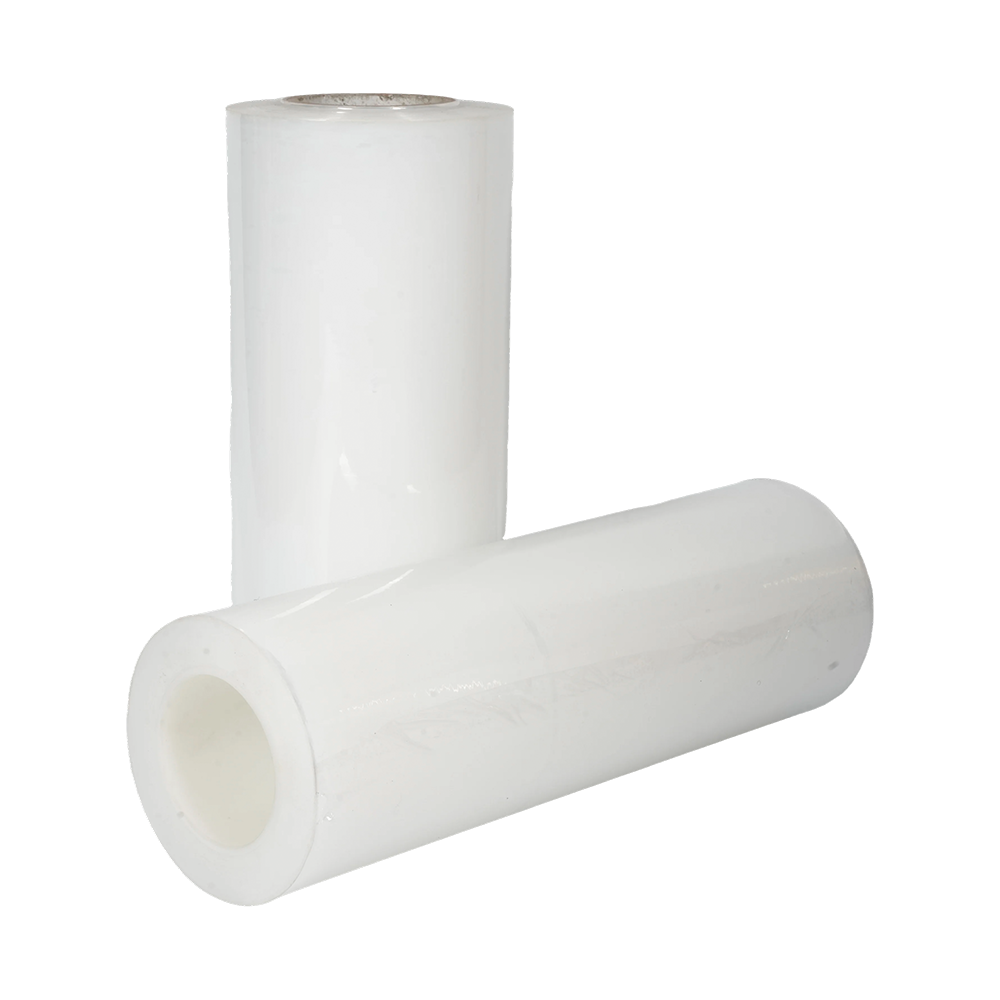
Transparent Protective Film Rolls, Clear PE Stretch Film
-
Transparent Strapping Band, Clear PP Packing Strap For Pelletizing Machine
-
Transparent machine stretch film
-
High-temperature resistant masking tape, crepe paper tape
-
High viscosity, Tearable by hand Plastic-free kraft paper tape
-
PE + Metallocene Materials Stretch film master roll
CONTACT DETAILS
- Address:No. 241, Yaojiafan, Zhangpanqiao, Shushan Street, Xiaoshan District, Hangzhou City, Zhejiang Province, China
- TEL:+86-0571-83175630
- Phone:+86-13336160217
- Email:anqiaocun@163.com
PRODUCTS
NEWS CENTER
MOBILE TERMINAL
Copyright© Zhejiang Geruite Packaging Materials Co., Ltd. All Rights Reserved.
Privacy Wholesale industrial packaging tape Manufacturers