


 English
  Español
  عربى
عربى 
0.14mm Regular Masking Tape for Clean, Efficient, and Reliable Surface Protection
Content
- 1 Product Overview
- 2 Key Product Specifications
- 3 Why 0.14mm Thickness Matters
- 4 Core Advantages Over Ordinary Competitor Products
- 5 Material Design and Adhesive Engineering
- 6 Manufacturing Strength Behind Consistent Tape Quality
- 7 Quality Control from Raw Material to Finished Roll
- 8 Application Scenarios
- 9 Usage Recommendations for Best Results
- 10 Storage and Shelf Stability
- 11 Comparison with Other Adhesive Tape Types
- 12 Advantages for Distributors and Bulk Buyers
- 13 Company Manufacturing Strength and Product Portfolio Synergy
- 14 Sustainability and Responsible Use
- 15 Common Selection Guidelines
- 16 Q&A Section
- 16.1 Q1: What is 0.14mm regular masking tape mainly used for?
- 16.2 Q2: Why is crepe paper used as the backing material?
- 16.3 Q3: Is the tape easy to remove?
- 16.4 Q4: Can this masking tape be used outdoors?
- 16.5 Q5: What surfaces are suitable for this tape?
- 16.6 Q6: Can it withstand heat?
- 16.7 Q7: What widths are available?
- 16.8 Q8: How does this tape compare with ordinary low-cost masking tapes?
- 16.9 Q9: Can users write on the tape?
- 16.10 Q10: How should the tape be stored?
- 17 Conclusion
- 18 References
- 19 Product: 0.14MM Thickness Regular masking tape
Regular masking tape is one of the most widely used adhesive products in painting, decorating, industrial spraying, construction protection, temporary fixing, and everyday marking. Although it appears simple, a good masking tape must balance several technical requirements at the same time: it must adhere firmly enough to remain in place during work, tear easily by hand, conform to slightly uneven surfaces, resist short-term painting temperatures, and remove cleanly without damaging the substrate or leaving excessive residue. The 0.14mm thickness regular masking tape described here is designed precisely for this balance, offering an economical yet dependable solution for general masking and protection applications.
Made with a special crepe paper backing coated with pressure-sensitive adhesive, this masking tape is also commonly known as crepe paper tape. Its 0.14mm thickness gives it a practical combination of flexibility, handling strength, and surface adaptability. It is suitable for common surfaces such as walls, wood, glass, and selected metals, making it useful across construction sites, decoration projects, automotive touch-up work, industrial workshops, schools, offices, and household DIY environments.
Compared with many general-purpose masking tapes on the market, this product emphasizes stable adhesion, easy tearing, clean removability, customizable dimensions, and consistent roll quality. These features are especially important for users who need repeatable performance in daily operations rather than occasional one-time use. Whether the tape is used to protect door frames during painting, define neat paint lines, hold lightweight materials temporarily, or mark areas on a work surface, it helps improve efficiency while reducing the risk of rework.
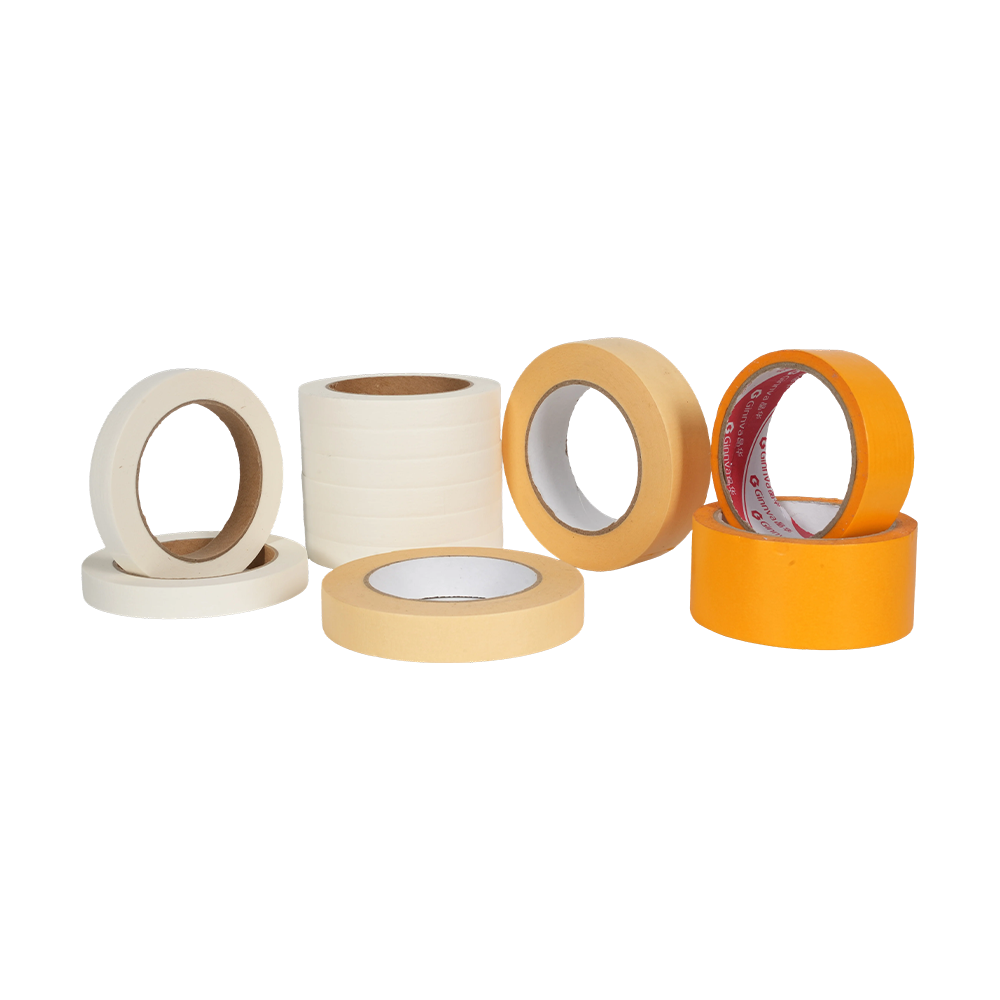
0.14MM Thickness Regular masking tape
Product Overview
The 0.14mm regular masking tape is a pressure-sensitive adhesive tape constructed with crepe paper as the backing material. Crepe paper is valued because of its textured, slightly elastic structure. Unlike flat paper, crepe paper can stretch and conform more effectively to corners, curves, edges, and uneven surfaces. This makes it especially suitable for masking tasks where straight but adaptable coverage is required.
The tape is coated with a rubber-based or synthetic pressure-sensitive adhesive. Pressure-sensitive adhesive means that the tape bonds to a surface when light pressure is applied, without the need for water, heat, solvent activation, or curing time. The adhesive is formulated for moderate adhesion, which is essential for masking applications. If adhesion is too weak, the tape may lift during painting or surface protection. If adhesion is too aggressive, removal may damage paint, wallpaper, delicate coatings, or leave behind residue. This product is designed to occupy the practical middle range, giving reliable holding power while remaining removable when used correctly.
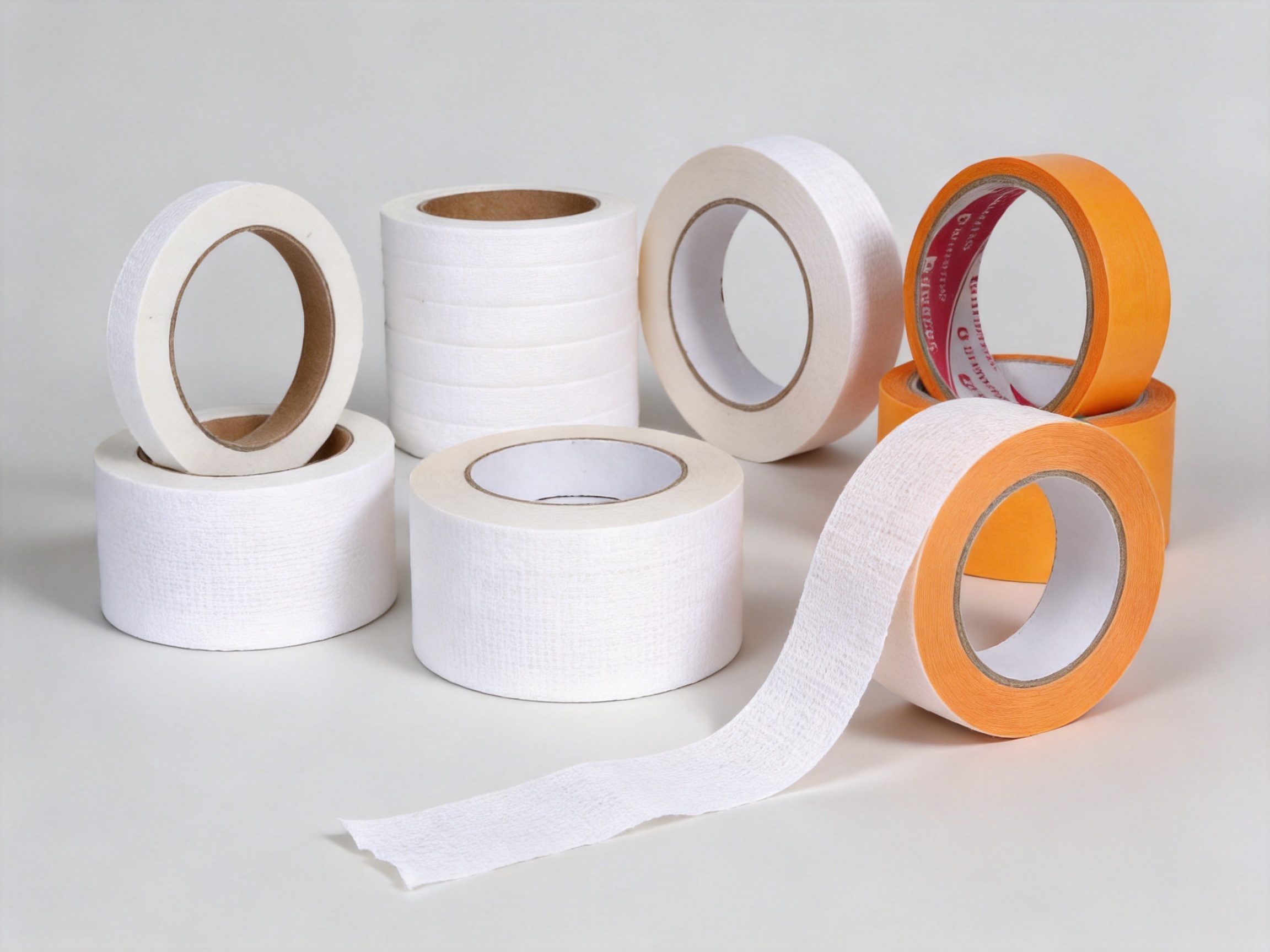
The available colors include white and orange, while natural kraft-style tones may also be common in masking tape categories. White tape is especially useful where high visibility, neatness, and a clean working appearance are important. Orange tape can provide stronger visual contrast on light-colored walls, glass, or construction materials, helping workers quickly identify masked areas, boundary lines, or temporary marks.
The tape’s width can be customized from 5mm to 500mm, making it suitable for narrow precision masking as well as broad surface protection. Common roll widths include 12mm, 18mm, 24mm, 36mm, and 48mm, while common lengths include 50m and 100m per roll. The ability to customize width is a major advantage for industrial and professional users, because it allows the tape to match specific process requirements rather than forcing users to adapt their work to standard sizes only.
Key Product Specifications
| Parameter | Specification | Practical Meaning |
| Product Type | Regular masking tape, also known as crepe paper tape | General-purpose masking, protection, marking, and temporary holding |
| Backing Material | Special crepe paper | Easy hand tearing, good flexibility, and surface conformity |
| Adhesive Type | Pressure-sensitive adhesive, rubber-based or synthetic | Bonds with light pressure and removes cleanly under proper conditions |
| Thickness | 0.14mm | Balanced strength, flexibility, and handling performance |
| Color | White, orange | Suitable for clean appearance or high-visibility marking |
| Width Range | Customizable from 5mm to 500mm | Supports precision masking and wide-area protection |
| Common Length | 50m or 100m per roll | Convenient for professional and repeated daily use |
| Temperature Resistance | Short-term exposure generally up to 70℃ in painting environments | Suitable for many standard painting and decorating conditions |
| Recommended Surfaces | Walls, wood, glass, selected metals, and other compatible clean surfaces | Useful in construction, decoration, industrial, and household applications |
| Storage | Cool, dry place away from direct sunlight and heat | Helps maintain adhesive stability and roll quality |
Why 0.14mm Thickness Matters
Thickness is one of the most important structural properties of masking tape. A tape that is too thin may tear unpredictably, wrinkle during application, or lack the strength needed for removal. A tape that is too thick may be less conformable, harder to apply around corners, and less economical for general-purpose use. The 0.14mm thickness of this regular masking tape provides a practical compromise for daily masking work.
At 0.14mm, the tape offers enough body to be handled easily by workers wearing gloves or operating quickly on a job site. It can be unwound smoothly from the roll, positioned accurately, and torn by hand without requiring cutting tools. The thickness also helps the tape resist minor stretching or tearing during application, especially when it is pulled across frames, panels, trim edges, or wall surfaces.
For painting and decorating applications, thickness also affects the quality of mask lines. A tape with insufficient structure may lift or curl at the edges, allowing paint to bleed underneath. A properly balanced crepe paper tape can maintain closer contact with the surface, especially when the edge is pressed down firmly. While no regular masking tape should be considered a substitute for specialized fine-line automotive tape or high-temperature baking tape, this product provides reliable performance for standard painting, protection, and marking work.
For users comparing products from different suppliers, the thickness value also reflects production consistency. A reliable manufacturer must control coating thickness, backing uniformity, and slitting accuracy so that every roll behaves similarly. Inconsistent thickness can lead to uneven adhesion, roll telescoping, tearing problems, or poor edge definition. The 0.14mm specification supports predictable quality and reduces variation during use.
Core Advantages Over Ordinary Competitor Products
Easy Hand Tearing Without Tools
One of the most appreciated features of crepe paper masking tape is easy tearing. On a construction site, in a painting workshop, or during a home improvement project, workers often need to apply tape quickly and continuously. If scissors or knives are required for every cut, the process slows down and safety risks increase. This masking tape can be torn by hand, allowing users to work efficiently and maintain workflow continuity.
Compared with lower-quality tapes that tear irregularly or split lengthwise, this product is designed to break cleanly across the width. Clean tearing helps create neat tape ends, reduces waste, and prevents long fiber strands from interfering with adhesion. This is particularly useful when workers apply multiple short pieces around switches, sockets, corners, handles, or trim details.
Moderate Adhesion for Practical Masking
Adhesion must be carefully balanced in masking tape. Some competitor products emphasize strong tack but fail during removal, leaving residue or pulling off weak surface coatings. Others are too low-tack and lift during painting, causing paint seepage or protection failure. This 0.14mm regular masking tape is designed for moderate adhesion, making it suitable for temporary masking tasks where both holding power and clean removal are required.
The pressure-sensitive adhesive bonds effectively to clean, dry surfaces. Once applied and pressed down, it helps maintain position during painting, marking, and light protection. After the work is completed, the tape can be removed by pulling back slowly at approximately a 180-degree angle. Proper removal technique helps minimize tearing and residue, especially on compatible surfaces.
Clean Removal Under Proper Conditions
Clean removal is a defining quality of good masking tape. If tape leaves adhesive residue, workers must spend additional time cleaning, scraping, or repairing the surface. If tape tears during removal, productivity drops and frustration increases. This product is engineered to remove cleanly from many common surfaces when used within recommended time, temperature, and surface conditions.
Unlike low-grade tapes that may dry out quickly, bond too aggressively, or fail when exposed to sunlight and heat, this tape is intended for standard temporary applications. It is important to remove masking tape promptly after work rather than leaving it for long-term outdoor exposure. When used correctly, it helps protect surfaces without creating unnecessary cleanup work.
General-Purpose Versatility
Many users prefer a masking tape that can serve multiple departments and scenarios. Instead of stocking separate tapes for every small task, a dependable regular masking tape can be used for construction decoration, industrial spraying, student art, temporary labeling, surface protection, and household installation. This product is compatible with a variety of common materials, including walls, wood, glass, and selected metals.
Its versatility makes inventory management easier. Contractors, distributors, hardware stores, and industrial users can keep this tape as a standard item for daily demand. The ability to order customized widths further expands its use, allowing narrow rolls for detail work and wider rolls for protection or bundling assistance.
Cost-Effective Daily Performance
Not every masking project requires premium high-temperature, UV-resistant, automotive-grade, or delicate-surface specialty tape. For many everyday tasks, users need a product that is reliable, economical, and easy to use. This regular masking tape provides practical performance at a competitive cost, making it suitable for high-volume consumption in professional and commercial environments.
Compared with cheaper tapes that fail during use and increase rework costs, this product offers better total value. A low purchase price is not truly economical if the tape tears, lifts, bleeds, or leaves residue. The better measure is work efficiency, reduced waste, stable quality, and fewer application problems. In this sense, the 0.14mm regular masking tape delivers value through reliable daily performance.
Material Design and Adhesive Engineering
The performance of masking tape comes from the interaction of backing, adhesive, coating process, and finishing quality. The crepe paper backing provides flexibility and tearability. Its textured structure allows the tape to bend around edges and conform to mild surface irregularities. This is particularly important in painting and decoration, where surfaces are rarely perfectly smooth.
The pressure-sensitive adhesive is selected to provide controlled tack. Rubber-based adhesives are known for good initial adhesion and flexible bonding behavior, while synthetic pressure-sensitive systems may offer improved stability depending on formulation. The final adhesive choice can be adjusted according to application requirements, production standards, and customer needs.
Uniform adhesive coating is critical. If the adhesive layer is uneven, some areas may bond too strongly while others may fail to hold. Uneven coating can also cause roll blocking, edge ooze, inconsistent unwinding, or residue problems. Advanced coating control helps ensure that the tape performs consistently from the first meter to the last meter of the roll.
The 0.14mm structure reflects not only paper thickness but also coating balance. During production, the backing must be prepared properly, adhesive must be applied evenly, drying or curing conditions must be controlled, and the finished jumbo roll must be slit accurately into customer-specified widths. Each stage influences the final user experience.
Manufacturing Strength Behind Consistent Tape Quality
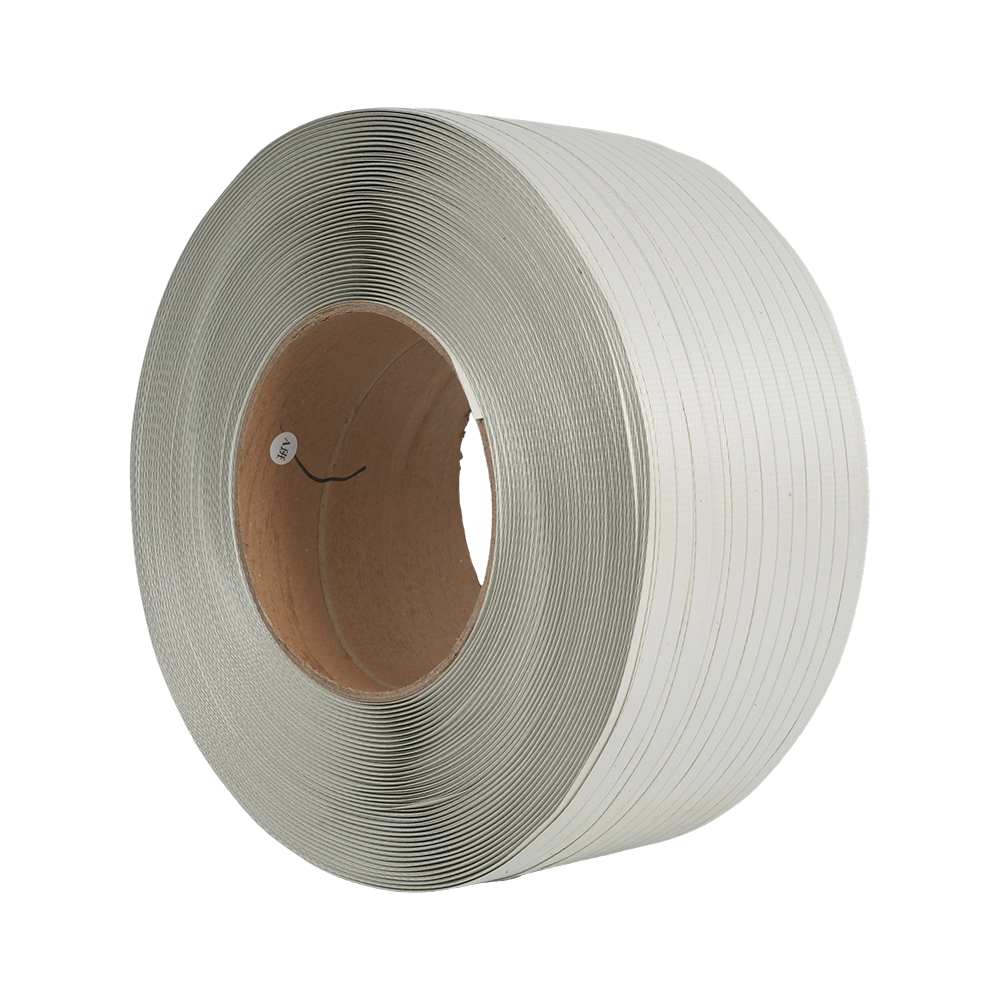
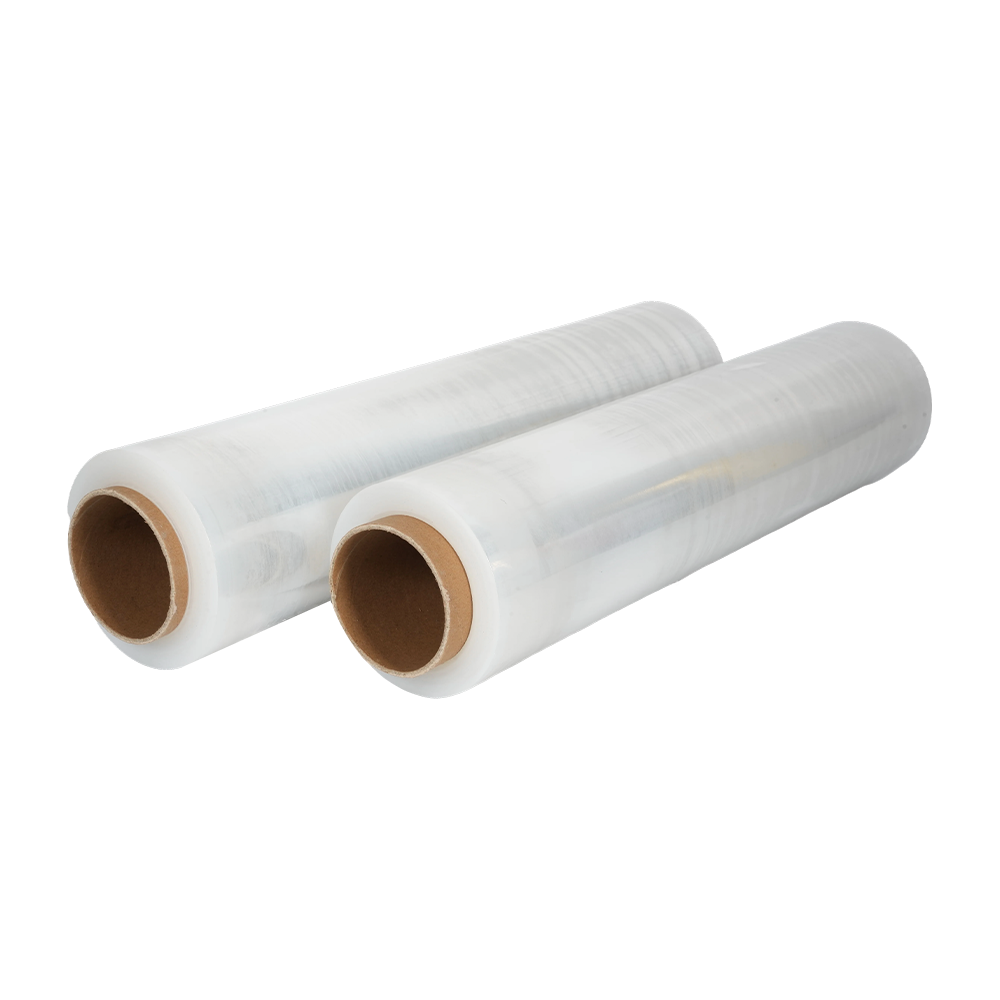
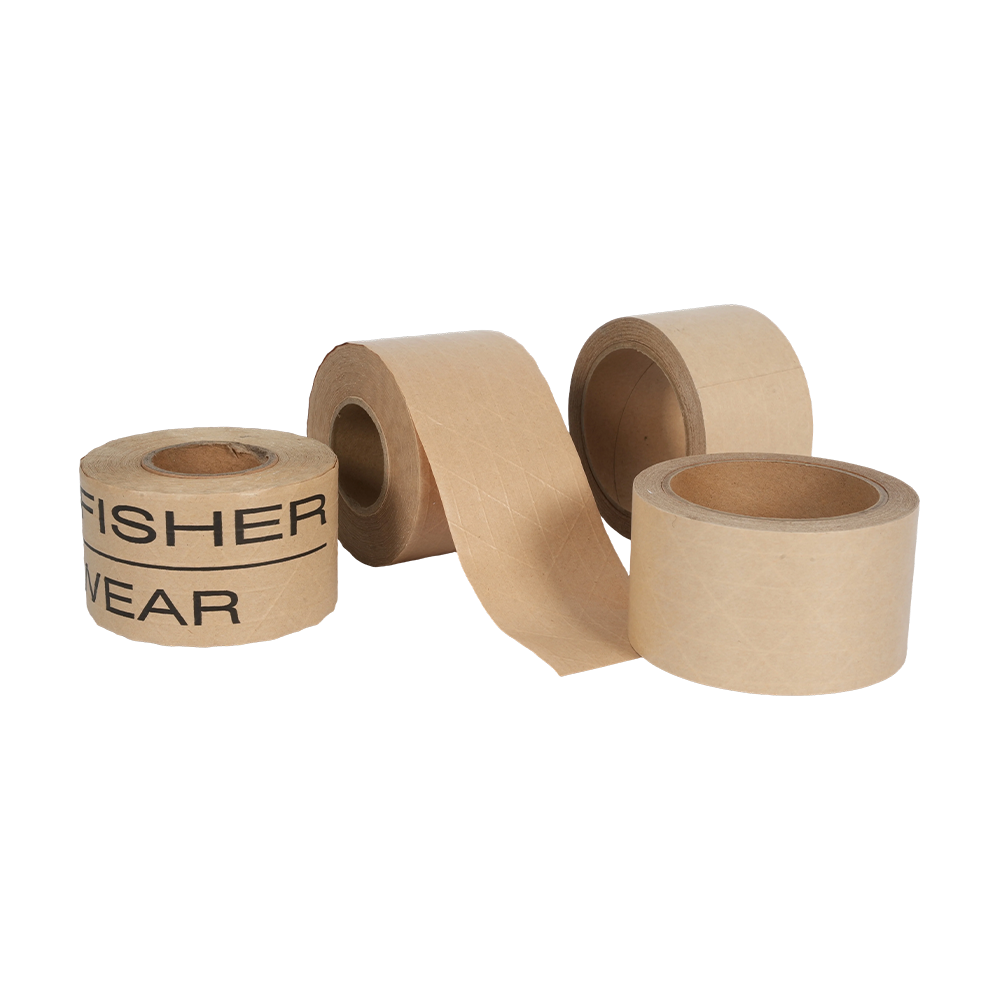
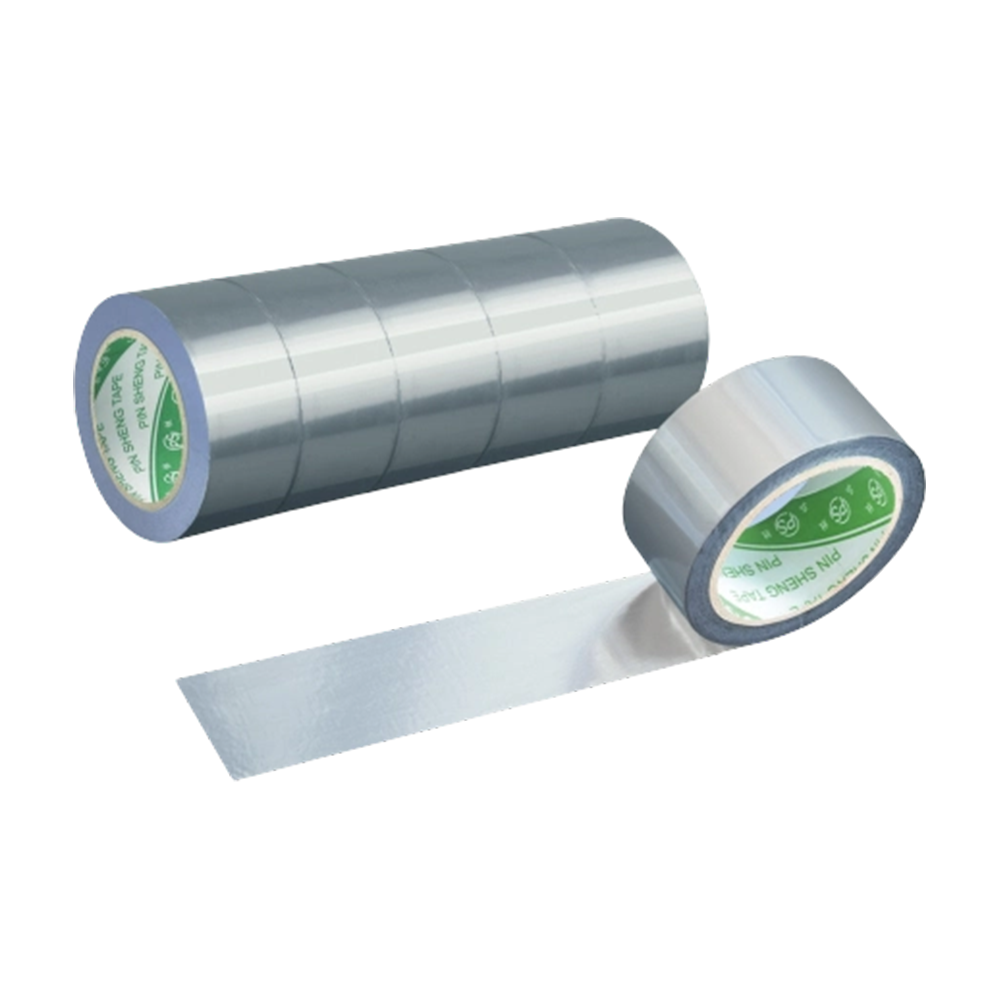
Zhejiang Geruite Packaging Materials Co., Ltd. operates in Zhejiang Province, China, a region with a strong manufacturing foundation and mature industrial supply chain. The company focuses on research, development, production, and sales of high-performance tapes and packaging materials. Its product range includes BOPP tapes, kraft paper tapes, masking tapes, high-temperature resistant tapes, metal tapes, PE stretch film, PP strapping, and high-strength PET strapping. This broad manufacturing background supports a deeper understanding of adhesive materials, backing substrates, coating processes, and converting technology.
For masking tape production, manufacturing capability is more important than appearance alone. Two tapes may look similar on the shelf, yet perform very differently in actual work. Stable adhesion, easy unwinding, neat edges, consistent color, accurate width, and clean removal depend on disciplined production methods. The company’s emphasis on quality control from raw material procurement to production and final inspection helps ensure dependable performance.
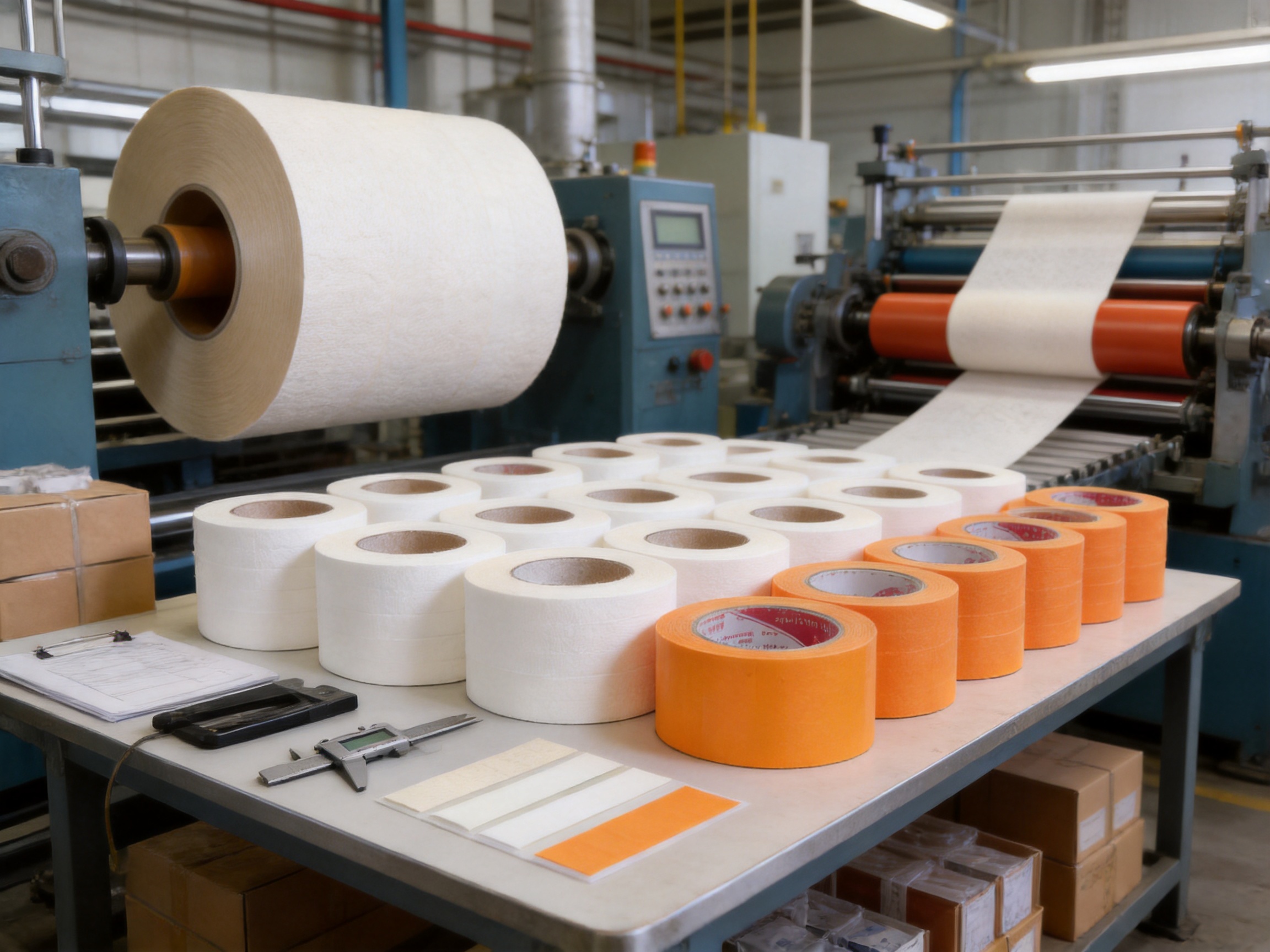
Advanced production equipment allows better control of coating thickness, roll tension, drying conditions, and slitting precision. These factors are essential for masking tape because small variations can create major user problems. For example, poor roll tension can cause telescoping or deformation. Dull slitting blades can leave rough edges that tear unpredictably. Improper drying can affect adhesive stability. In contrast, controlled manufacturing improves roll appearance, usability, and shelf stability.
The company’s annual output value has reached over RMB 60 million, demonstrating production scale and market experience. Scale matters because it supports raw material procurement stability, process optimization, quality monitoring, and the ability to serve wholesale and industrial customers. For distributors and large users, supplier reliability is as important as product performance. Consistent supply reduces purchasing risk and supports long-term cooperation.
Quality Control from Raw Material to Finished Roll
Quality begins with raw materials. For masking tape, the crepe paper must have appropriate strength, flexibility, absorbency, and surface texture. If the paper is too weak, the tape may tear during unwinding or removal. If it is too stiff, it may not conform well. If it absorbs adhesive unevenly, performance will vary across the roll. Careful raw material selection helps prevent these issues before production begins.
Adhesive quality is equally important. The adhesive must maintain stable tack, peel strength, and removability. It must coat evenly and remain compatible with the paper backing. Quality control of adhesive materials helps reduce problems such as residue, insufficient bonding, excessive odor, or aging instability.
During coating, process parameters must be managed carefully. Coating weight, line speed, drying temperature, and web tension all affect final performance. Advanced production management helps maintain consistent adhesive distribution. For users, this means predictable performance across multiple rolls and batches.
After coating, the material is wound into larger rolls and then slit into finished widths. Slitting accuracy determines whether the roll edges are smooth and whether the actual width meets customer requirements. Since this product can be customized from 5mm to 500mm, precise converting is especially important. Narrow rolls require clean, stable slitting to prevent edge damage, while wide rolls require proper tension and flatness.
Final inspection may include checks for appearance, width, length, adhesion, unwind behavior, thickness, color, roll shape, and packaging condition. These checks help ensure that customers receive tape suitable for professional use. The result is not merely a roll of paper tape, but a controlled adhesive product designed for practical reliability.
Application Scenarios
Construction and Decoration
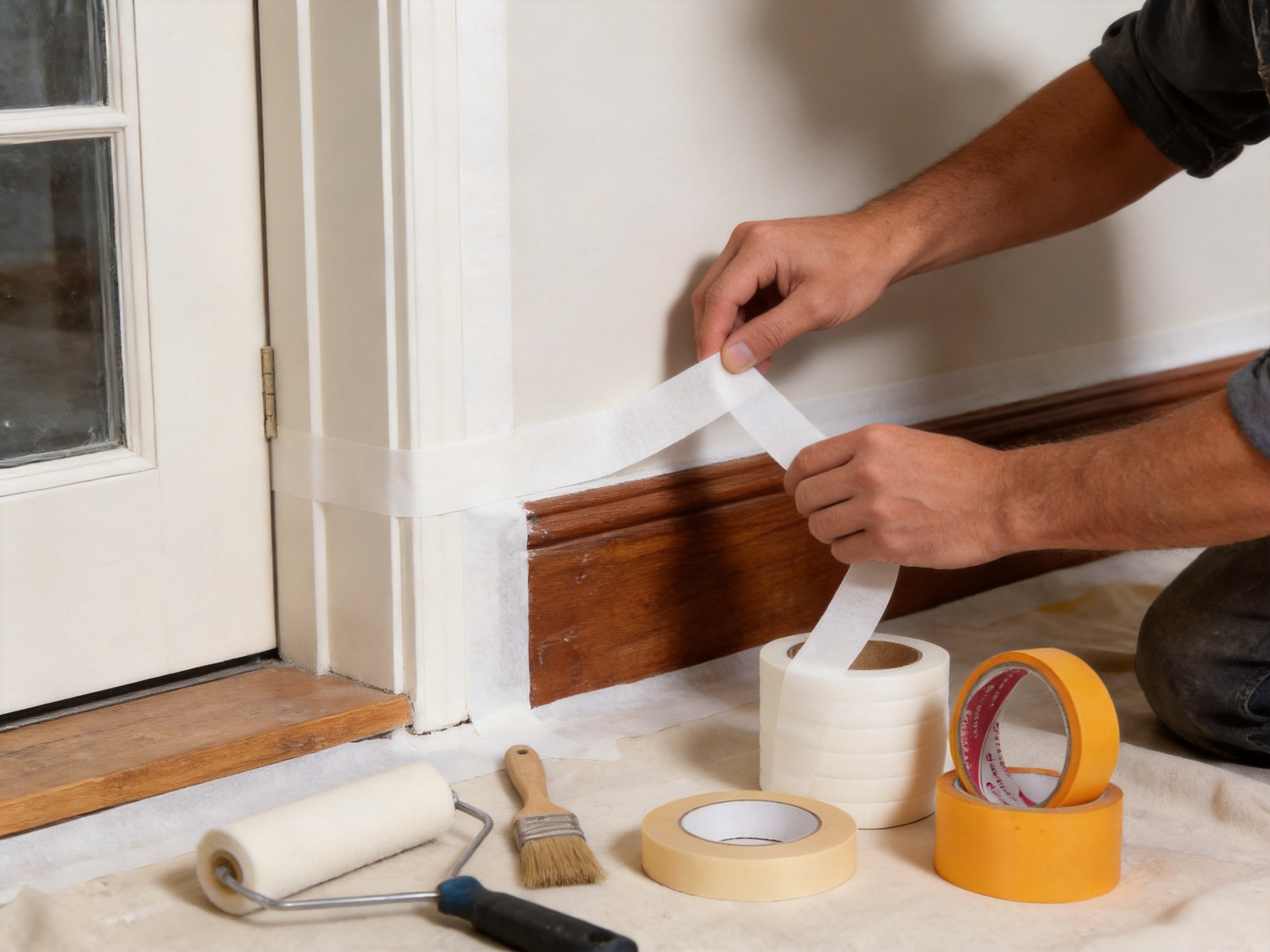
In construction and decoration, masking tape is commonly used to protect door frames, window frames, baseboards, switches, sockets, handles, glass edges, and other surfaces during painting or finishing. The 0.14mm regular masking tape helps define work boundaries and reduce accidental paint marks. It is also useful when applying caulking, sealant, or decorative coatings, where a neat edge improves the final appearance.
For wall painting, the tape should be applied to clean, dry surfaces and pressed firmly along the edge. After painting, it should be removed promptly before the paint fully hardens, depending on the coating system and working conditions. Proper use helps create cleaner lines and reduces the time spent on correction.
Industrial Spraying and Touch-Up Work
In industrial spraying and automotive touch-up painting, masking tape can protect areas such as trim, headlights, fixtures, edges, and panels that should not receive coating. This product is suitable for standard masking tasks where short-term exposure to painting conditions is expected. Its general temperature resistance of up to approximately 70℃ in typical painting environments makes it useful for many non-baking processes.
However, users should note that standard regular masking tape is not intended for high-temperature baking finishes or extreme industrial heat exposure. For baked paint systems, powder coating, or high-temperature masking, a specialized high-temperature resistant tape should be selected. Proper product selection protects both the workpiece and the production process.
Art, Education, and Marking
Masking tape is widely used in schools, studios, offices, and creative spaces. Students and artists use it to create borders, hold paper temporarily, mark guidelines, or separate color areas. Its easy tearability and moderate adhesion make it convenient for quick creative tasks. White and orange color options support both clean appearance and visible marking.
For delicate art paper or freshly painted surfaces, a small test is recommended before full use. Paper fibers, coatings, and surface treatments vary widely, so testing helps avoid tearing or surface lifting. When used appropriately, this tape is a useful tool for organized, efficient creative work.
Household DIY and Temporary Protection
In daily household projects, masking tape can assist with installation, labeling, light holding, protection, and alignment. It can be used to mark drilling positions, hold small protective sheets, cover edges during simple repairs, or organize temporary work areas. Because it tears by hand and removes cleanly from many compatible surfaces, it is more convenient than many stronger tapes for temporary jobs.
Household users should avoid applying the tape to dusty, oily, wet, fragile, or sun-heated surfaces. They should also avoid leaving it in place for extended periods, especially near windows or outdoors. Following these basic guidelines helps preserve the advantage of clean removal.
Packaging and Workshop Organization
Although masking tape is not a replacement for carton sealing tape or high-strength strapping, it is useful in workshops and packaging areas for temporary identification, bundling assistance, sample labeling, and process marking. Workers can write on many paper-based masking tapes more easily than on plastic tapes, making them useful for temporary notes or production marks.
In warehouse and manufacturing settings, orange tape may be selected for visibility, while white tape can be used where a cleaner appearance is needed. Custom widths allow companies to define tape formats for specific internal procedures.
Usage Recommendations for Best Results
To obtain the best performance from regular masking tape, surface preparation is essential. The surface should be dry, clean, and free from dust, oil, moisture, loose paint, or powder. Adhesive cannot bond reliably to contamination, and poor surface preparation is one of the most common reasons for tape failure.
Before large-scale application, users should conduct a small test on an inconspicuous area. This is especially important on freshly painted walls, delicate coatings, old surfaces, wallpaper, untreated wood, plastics, and specialty finishes. The test should verify adhesion, removability, and any possible surface effect.
During application, the tape should be unrolled smoothly and applied without excessive stretching. Stretching can cause the tape to shrink back later, leading to lifting edges. After positioning, users should press the tape firmly, especially along the masking edge. A firm edge seal helps reduce paint seepage.
During removal, the tape should be pulled back slowly at a low angle or approximately 180 degrees against itself. Fast vertical pulling can increase the risk of tearing or lifting weak coatings. If paint has dried heavily over the tape edge, light scoring may be needed in some situations to avoid pulling the paint film.
The tape should not be used for long-term outdoor exposure, extreme heat, damp surfaces, or baked finishes. Standard grades are designed for temporary indoor or controlled-environment tasks. For demanding outdoor, UV-resistant, high-temperature, or delicate-surface applications, users should choose a specialized tape grade.
Storage and Shelf Stability
Proper storage helps preserve masking tape performance. Rolls should be stored in a cool, dry place away from direct sunlight, heat sources, and high humidity. Excessive heat can accelerate adhesive aging, increase tack, cause edge ooze, or make removal more difficult. Excessive moisture can affect paper backing strength and roll stability.
Rolls should remain in their original packaging until use whenever possible. Packaging helps protect the tape from dust, deformation, and environmental exposure. Rolls should be stored upright or in stable cartons to prevent crushing or edge damage. Damaged edges can lead to uneven unwinding or tearing during application.
Inventory rotation is also recommended. Older stock should be used before newer stock to maintain consistent performance. While well-made masking tape can remain usable for a reasonable period under proper storage conditions, all pressure-sensitive adhesive products gradually change over time. Good warehouse management supports better field results.
Comparison with Other Adhesive Tape Types
Masking tape is often compared with BOPP packing tape, duct tape, kraft paper tape, and painter’s tape. Each tape type has its own role. BOPP packing tape is excellent for carton sealing but is usually not designed for clean removal from painted surfaces. Duct tape can be strong and flexible but may leave residue and is often too aggressive for masking. Kraft paper tape is useful for packaging and sealing but may not offer the same hand-tear and paint-edge function. Specialty painter’s tape may provide enhanced line sharpness or delicate-surface removal, but often at a higher cost.
The 0.14mm regular masking tape is positioned as a practical general-purpose solution. It offers clean handling, easy tearing, moderate adhesion, and economical value. It is not meant to replace every specialty tape, but it is a reliable choice for common masking and temporary protection tasks. For many users, this balance is more valuable than extreme performance in one narrow category.
Advantages for Distributors and Bulk Buyers
Distributors and bulk buyers need products that are easy to sell, easy to store, and suitable for a broad customer base. Regular masking tape meets these requirements because it serves multiple industries and user groups. Painters, decorators, contractors, factories, schools, workshops, and households all use masking tape regularly.
The customizable width range from 5mm to 500mm allows distributors to build a product portfolio suited to local demand. Narrow widths can target craft, electronics, and detail masking markets. Medium widths such as 18mm, 24mm, and 36mm can serve general painting and decoration. Wider rolls can serve surface protection and industrial users.
Stable manufacturing capacity supports consistent supply, which is critical for wholesalers and private-label customers. When a tape product performs consistently, customers are more likely to reorder. When dimensions, color, adhesion, and roll appearance remain stable, distributors can build trust in the market.
Company Manufacturing Strength and Product Portfolio Synergy
Zhejiang Geruite Packaging Materials Co., Ltd. has developed expertise across adhesive tapes and packaging materials. This broad product background is valuable because many customers require more than one material for their operations. A logistics company may need BOPP tape, stretch film, and strapping. A construction supplier may need masking tape, kraft paper tape, and protection film. An industrial manufacturer may require different adhesive products for production, packing, and shipment.
By offering a diverse range, the company can provide integrated packaging and adhesive solutions rather than isolated products. This supports procurement efficiency for customers and allows technical knowledge to transfer across product categories. Experience with coating, slitting, winding, inspection, and packaging contributes to improved masking tape production as well.
The company’s quality philosophy emphasizes that quality is the lifeline of the enterprise. This approach is particularly important in adhesive products because quality problems are often discovered only during use. A tape that fails on the job site can cause delays, rework, damaged surfaces, or customer complaints. Preventive quality control is therefore more valuable than after-sales correction.
The combination of production equipment, process discipline, raw material management, and final inspection helps the company maintain stable performance. For international and domestic buyers, this means a dependable partner capable of supporting repeated orders and customized specifications.
Sustainability and Responsible Use
Masking tape is generally used as a consumable product, so responsible selection and use are important. A reliable tape can reduce waste by performing correctly the first time. When tape tears poorly, lifts during painting, or leaves residue, users often consume more material and create additional waste through cleaning and rework. Stable quality therefore contributes indirectly to more efficient material use.
Proper width selection also reduces waste. Instead of using a tape that is unnecessarily wide for a small masking edge, customers can select customized widths that match the application. This helps improve cost control and material efficiency. For large industrial users, even small reductions in waste per roll can become meaningful over repeated production cycles.
Responsible storage further extends usable life. Keeping tape away from heat, sunlight, and moisture reduces premature aging and discarded stock. Training workers in correct application and removal also helps maximize performance and minimize waste.
Common Selection Guidelines
When selecting masking tape, users should consider the surface, application duration, temperature, required edge quality, removal conditions, and budget. The 0.14mm regular masking tape is a strong choice for general-purpose masking on compatible clean surfaces. It is especially suitable where easy tearing, moderate adhesion, and economical value are priorities.
For delicate surfaces, users should test first or consider a low-tack specialty tape. For high-temperature baking, a high-temperature resistant masking tape should be used. For long-term outdoor exposure, a UV-resistant tape is more appropriate. For carton sealing, BOPP packing tape or kraft paper packing tape may be better. Good tape selection begins with understanding the actual job conditions.
For most routine construction, decoration, marking, and temporary protection tasks, however, this regular masking tape provides a practical and convenient solution. Its 0.14mm thickness, crepe paper backing, customizable width, and removable adhesive design make it a dependable everyday product.
Q&A Section
Q1: What is 0.14mm regular masking tape mainly used for?
It is mainly used for temporary masking, surface protection, marking, painting preparation, decoration work, industrial touch-up spraying, art projects, household DIY, and light temporary holding. It helps protect areas that should not be painted or contaminated and can also be used to create visual boundaries or temporary marks.
Q2: Why is crepe paper used as the backing material?
Crepe paper offers flexibility, easy hand tearing, and surface conformity. Its textured structure allows the tape to adapt better to corners, trim, edges, and mildly uneven surfaces compared with flat paper. This makes it especially suitable for masking applications.
Q3: Is the tape easy to remove?
Yes, it is designed for clean removal on many compatible surfaces when used properly. The surface should be clean and dry, and the tape should be removed promptly after the work is completed. Removal should be done slowly by pulling the tape back against itself, preferably around a 180-degree angle.
Q4: Can this masking tape be used outdoors?
It is not recommended for long-term outdoor exposure. Standard regular masking tape is intended mainly for temporary indoor or controlled-environment tasks. Outdoor sunlight, heat, moisture, and weathering can affect adhesion and removability. For outdoor applications, a specialized UV-resistant or weather-resistant tape should be considered.
Q5: What surfaces are suitable for this tape?
It can be used on many clean, dry, and compatible surfaces such as walls, wood, glass, and selected metals. However, users should always test first on delicate, freshly painted, old, porous, powdery, or specialty surfaces to confirm adhesion and removability.
Q6: Can it withstand heat?
The tape generally withstands short-term exposure up to approximately 70℃ in standard painting environments. It is not suitable for high-temperature baking, powder coating, or extreme heat applications. For those conditions, high-temperature resistant tape should be selected.
Q7: What widths are available?
The tape can be customized from 5mm to 500mm. Common widths include 12mm, 18mm, 24mm, 36mm, and 48mm. Custom width availability is useful for distributors, industrial users, and customers with special process requirements.
Q8: How does this tape compare with ordinary low-cost masking tapes?
It offers a stronger balance of easy tearing, moderate adhesion, clean removal, consistent thickness, and customizable dimensions. Low-cost tapes may appear similar but often fail through edge lifting, uneven adhesion, poor tearing, residue, or inconsistent roll quality. This product is designed for dependable daily performance and better total value.
Q9: Can users write on the tape?
Many paper-based masking tapes can be written on with suitable pens or markers, depending on the surface and ink type. This makes the tape useful for temporary labeling, workshop notes, and process identification. Users should test the writing tool if legibility or drying time is important.
Q10: How should the tape be stored?
It should be stored in a cool, dry place away from direct sunlight, heat sources, and humidity. Rolls should remain protected in packaging until use, and inventory should be rotated so older stock is used first. Proper storage helps preserve adhesive performance and roll stability.
Conclusion
The 0.14mm regular masking tape is a practical, efficient, and economical adhesive solution for a wide range of temporary masking and protection tasks. Its special crepe paper backing provides easy hand tearing and good surface conformity, while its pressure-sensitive adhesive delivers moderate adhesion and clean removability under proper conditions. With available colors such as white and orange, common roll lengths of 50m or 100m, and customizable widths from 5mm to 500mm, it can meet the needs of painters, decorators, industrial users, distributors, schools, workshops, and households.
Its advantages over many ordinary competitor products lie in balanced performance rather than excessive specialization. It is easy to apply, convenient to tear, reliable during temporary work, and removable from many common surfaces. It helps users improve efficiency, reduce rework, protect surfaces, and maintain cleaner work areas.
Behind the product is the manufacturing strength of Zhejiang Geruite Packaging Materials Co., Ltd., a packaging materials producer with experience across adhesive tapes, stretch film, strapping, and related industrial materials. With advanced production equipment, raw material control, coating management, slitting precision, and final inspection, the company supports stable product quality and dependable supply. For customers seeking a general-purpose masking tape that combines usability, customization, and cost-effective performance, this 0.14mm regular masking tape is a strong and reliable choice.
References
1. Pressure Sensitive Tape Council. Technical Principles of Pressure-Sensitive Adhesive Tape Performance.
2. Adhesion Society. Fundamentals of Adhesive Bonding and Surface Preparation.
3. ASTM International. Standard Test Methods Related to Pressure-Sensitive Adhesive Tapes.
4. Edward M. Petrie. Handbook of Adhesives and Sealants.
5. Sina Ebnesajjad. Adhesives Technology Handbook.
6. Industry practice materials on masking tape selection, storage, application, and clean removal methods.
Product: 0.14MM Thickness Regular masking tape


CONTACT DETAILS
- Address:No. 241, Yaojiafan, Zhangpanqiao, Shushan Street, Xiaoshan District, Hangzhou City, Zhejiang Province, China
- TEL:+86-0571-83175630
- Phone:+86-13336160217
- Email:anqiaocun@163.com
PRODUCTS
NEWS CENTER
MOBILE TERMINAL
Copyright© Zhejiang Geruite Packaging Materials Co., Ltd. All Rights Reserved.
Privacy Wholesale industrial packaging tape Manufacturers