


 English
 Español
 عربى

Transparent Machine Stretch Film for Efficient, Secure Industrial Packaging
Content
- 1 What Is Transparent Machine Stretch Film?
- 2 Key Product Specifications
- 3 How Mechanical Stretching Improves Packaging Performance
- 4 Core Advantages Over Conventional Packaging Methods
- 5 Performance of the Polyethylene and Metallocene Structure
- 6 Applications Across Industrial and Commercial Operations
- 7 Manufacturing and Quality Strengths
- 8 Comparing Machine Stretch Film With Other Packaging Solutions
- 9 Recommended Application Procedure
- 10 Storage and Handling Recommendations
- 11 How to Evaluate Total Packaging Cost
- 12 Why Transparent Film Is Valuable in Supply Chains
- 13 Company Service and Manufacturing Position
- 14 Quality and Purchasing Checklist
- 15 Q&A About Transparent Machine Stretch Film
- 15.1 What is transparent machine stretch film mainly used for?
- 15.2 Can this film be applied by hand?
- 15.3 What thickness should be selected?
- 15.4 Is the film suitable for irregular products?
- 15.5 Does the film protect against moisture?
- 15.6 Can customers order customized roll lengths and weights?
- 15.7 What colors are available?
- 15.8 How should the film be stored?
- 15.9 Can stretch film replace strapping in every application?
- 15.10 What makes machine application more efficient?
- 16 Conclusion
- 17 References
- 18 Product: Transparent machine stretch film
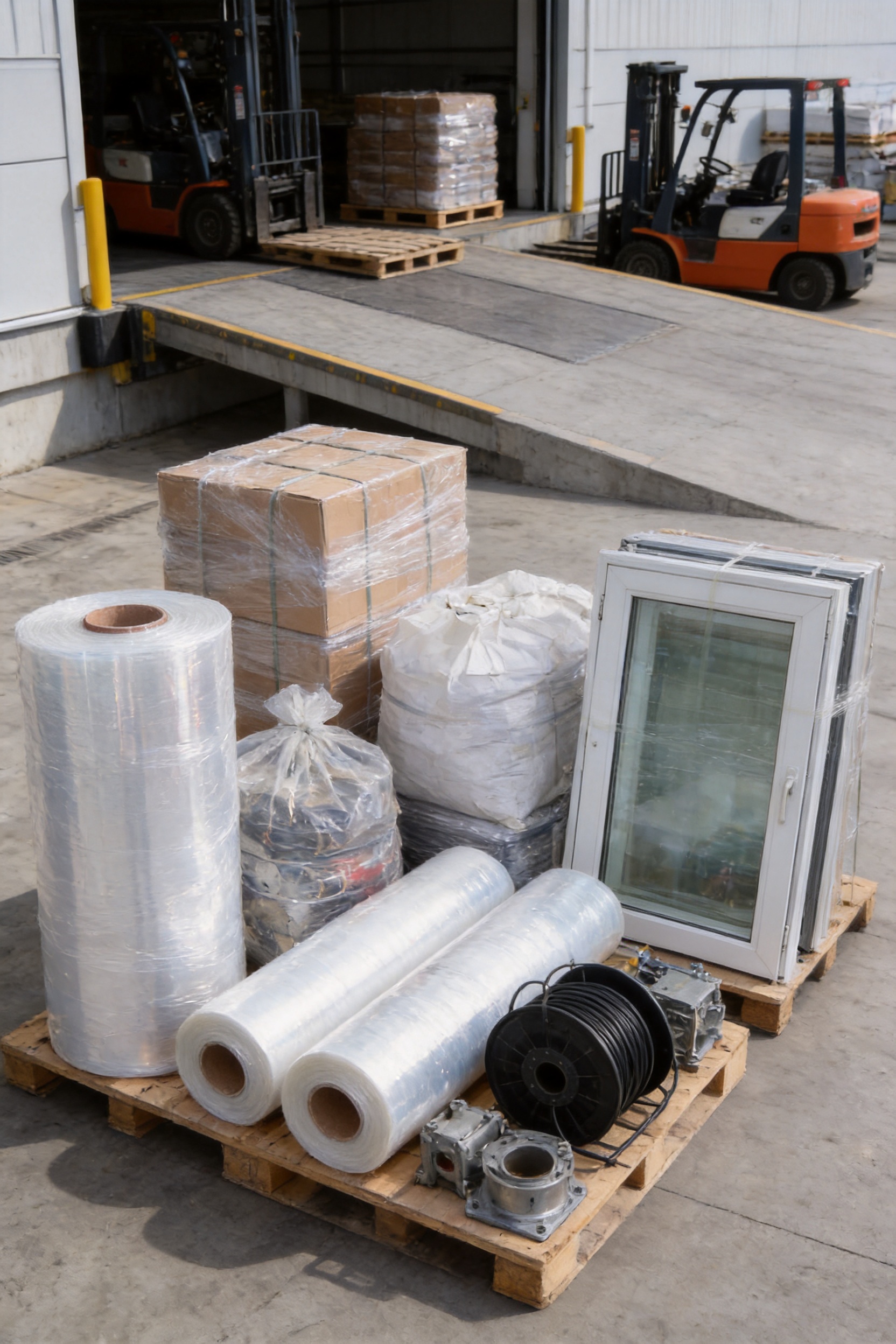
Modern logistics depends on packaging materials that can protect products, stabilize pallet loads, reduce handling time, and control operating costs. Among the many materials used in industrial packaging, transparent machine stretch film has become an essential solution for warehouses, manufacturers, distributors, and transportation providers. Designed for application with mechanical wrapping equipment, this film creates a tight and continuous protective layer around palletized goods and irregularly shaped products.
Unlike ordinary hand-applied wrapping film, machine stretch film is engineered for controlled tension, consistent elongation, and rapid application. When the correct film specification is matched with suitable wrapping equipment, it can help prevent cartons from scattering, shifting, leaning, or toppling during storage and transportation. It also creates a barrier against dust, moisture, and oil while allowing operators to inspect the packaged goods without removing the film.
The transparent machine stretch film supplied by Zhejiang Geruite Packaging Materials Co., Ltd. is manufactured from pure polyethylene combined with a metallocene copolymer to enhance toughness. It is available in heights of 45 cm and 50 cm, with thicknesses ranging from 0.015 mm to 0.045 mm. Length and weight can be customized according to the customer’s application scenario, giving buyers greater flexibility when selecting material for different pallet sizes, product weights, wrapping speeds, and logistics conditions.
What Is Transparent Machine Stretch Film?
Transparent machine stretch film is a highly elastic polyethylene packaging film intended for use with automatic or semi-automatic wrapping machines. During application, the film is stretched mechanically and wrapped around a pallet or product. Once released from the tension system, the film attempts to recover toward its original dimensions. This recovery creates a constrictive force that holds the load together.
The film is not simply a thin plastic cover. Its primary function is load stabilization. A properly wrapped pallet acts as a more unified packaging unit, allowing cartons, bags, components, and other products to move together rather than independently. This is particularly important during truck transportation, container loading, warehouse movement, and repeated forklift handling.
Transparency is another important feature. Clear film allows warehouse personnel, logistics operators, and customers to identify the product, read visible labels, and inspect the condition of the load without removing the packaging. This can support inventory management and reduce unnecessary unpacking.
The film’s flexibility also allows it to conform to different product profiles. It can be used for standard cartons and palletized bags, but it is also suitable for pipes, cable reels, door and window frames, metal components, and other irregular objects. Its soft surface helps reduce the risk of scratches and abrasions that may occur when rougher packaging materials come into direct contact with finished products.
Key Product Specifications
The product is made from pure polyethylene and metallocene copolymer. Polyethylene provides the flexible base structure required for wrapping, while the metallocene copolymer contributes to improved toughness and resistance to tearing. This material combination is intended to support stable performance during mechanical stretching and handling.
| Parameter | Specification | Packaging Significance |
| Material | Pure polyethylene and metallocene copolymer | Provides flexibility, toughness, stretchability, and recovery memory |
| Available height | 45 cm and 50 cm | Suitable for different wrapping machine configurations and load sizes |
| Thickness | 0.015 mm to 0.045 mm | Allows selection according to load weight, handling conditions, and required strength |
| Length and weight | Customizable | Supports different usage rates, machine requirements, and customer applications |
| Color | Transparent | Permits product visibility and label inspection after wrapping |
| Application | Mechanical wrapping equipment | Enables uniform tension, repeatable wrapping, and labor-efficient packaging |
Because the suitable film thickness depends on the cargo, a single specification cannot provide the best result for every application. Lightweight cartons may require a different film selection from heavy bagged goods, tall pallets, or products exposed to long-distance transportation. The available thickness range enables customers to balance puncture resistance, load stability, material consumption, and cost.
Length and weight can also be customized. This is valuable for companies that operate wrapping machines with defined roll dimensions or that require a particular number of pallet wraps per roll. Customization can help customers align film supply with machine settings, purchasing plans, storage capacity, and production schedules.
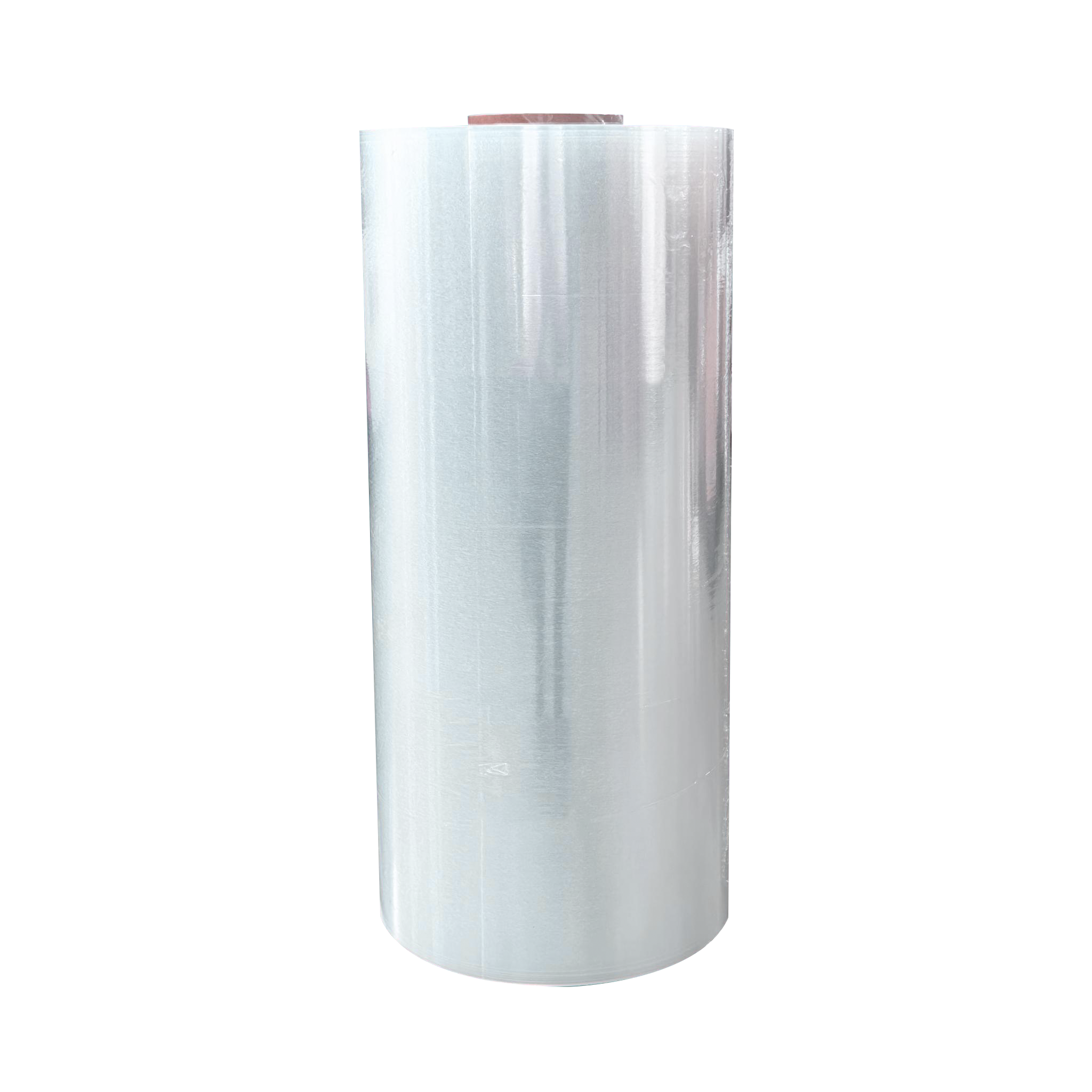
Transparent machine stretch film
How Mechanical Stretching Improves Packaging Performance
Mechanical application is one of the principal differences between machine stretch film and conventional hand stretch film. A wrapping machine controls the speed at which the film is unwound, the amount of stretch applied, the position of the film carriage, and the number of film layers placed around the load. These controls create a more uniform wrapping pattern than manual application can normally achieve.
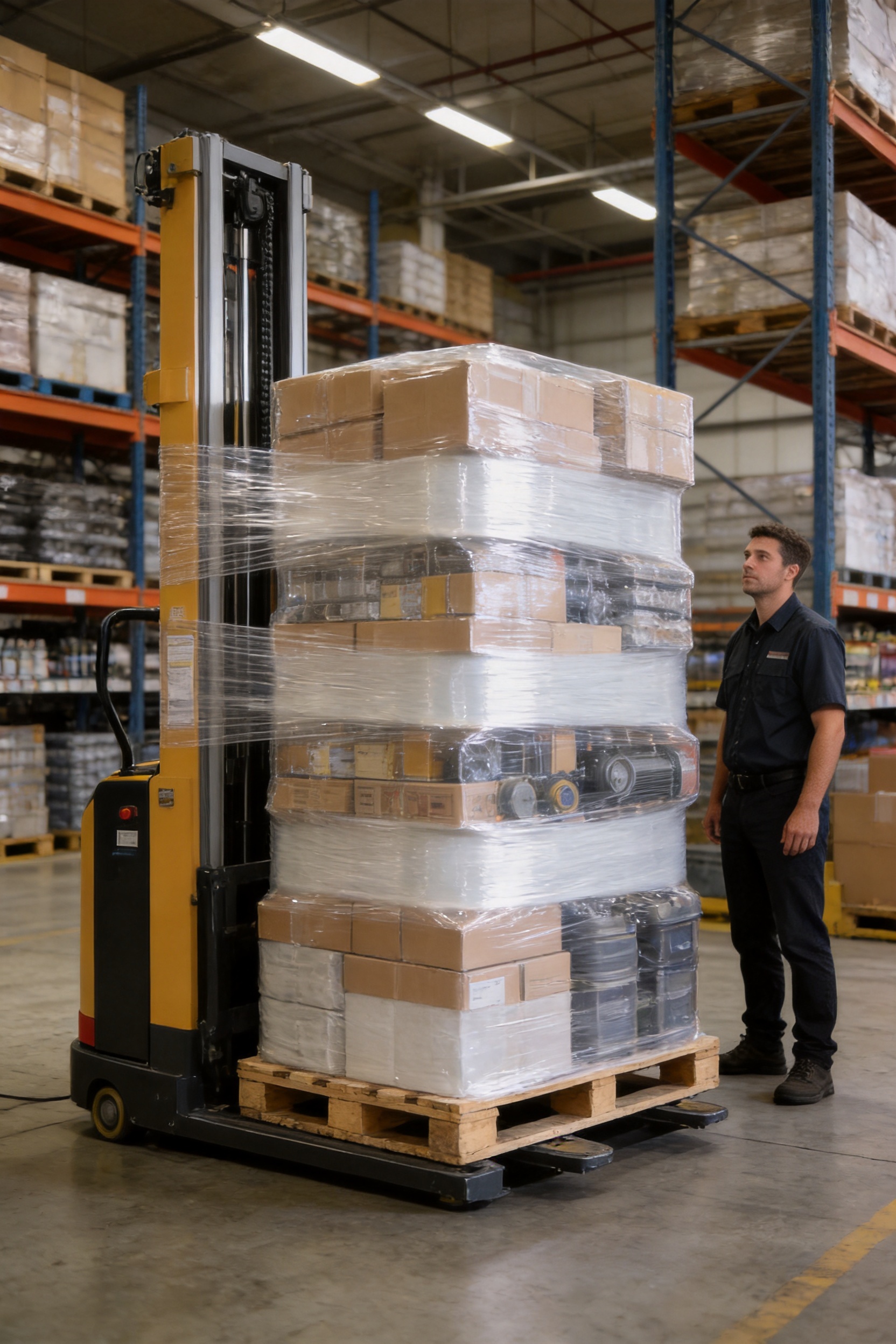
Consistent tension is important because insufficient tension may leave the load loose, while excessive or uneven tension may damage cartons or cause film failure. A mechanical wrapping system helps maintain a repeatable balance. The film is applied around the lower, middle, and upper portions of the pallet, allowing the load to be secured as an integrated unit.
The film’s recovery memory contributes to long-term holding performance. After being stretched around a load, it continues to exert inward force. This force helps compensate for minor movement that occurs when pallets are lifted, placed on warehouse racks, transferred between vehicles, or exposed to vibration during transportation.
Mechanical wrapping also supports multi-layer coverage. Areas that need additional reinforcement can receive more film passes, while lighter loads may be packaged using a lower material level. This allows the customer to adjust the packaging method according to the load’s center of gravity, shape, weight distribution, and transportation risk.
Core Advantages Over Conventional Packaging Methods
Higher Packaging Efficiency
The most visible advantage of machine stretch film is improved packaging speed. A wrapping machine can complete a pallet wrapping cycle with limited operator involvement. Employees do not need to walk repeatedly around the load while manually stretching and applying film. This shortens the time required for each pallet and creates a more predictable workflow.
Higher speed can be especially valuable in distribution centers, manufacturing plants, and logistics operations that process large volumes of goods every day. When packaging demand increases, a mechanized wrapping process can help the company increase output without increasing labor intensity at the same rate.
Reduced Labor Intensity
Manual wrapping requires repetitive walking, pulling, bending, cutting, and repositioning. Over time, these movements may create physical strain and make packaging quality dependent on the individual operator. Machine application reduces much of this repetitive work. The operator generally places the load in the wrapping area, starts or controls the machine, and completes the finishing step.
Reducing physical effort does not merely improve convenience. It can support more consistent production scheduling and help companies allocate personnel to inspection, picking, order preparation, or other value-adding tasks. The result is a packaging process that is easier to standardize and manage.
Reliable Load Stabilization
Transport vibration, acceleration, braking, cornering, and repeated handling can cause cartons and containers to move against each other. If the load is not properly unitized, products may shift toward the pallet edge, lean, collapse, or become separated. Machine stretch film creates a continuous holding layer that helps limit this movement.
The film is particularly effective when applied in a planned wrapping pattern. Wrapping the lower portion of the load helps connect the products to the pallet. Wrapping the middle section helps maintain vertical unity, while upper layers can reduce the risk of individual cartons moving outward. The exact pattern should be selected according to the cargo structure and machine capability.
Protection From Environmental Exposure
During storage and transportation, goods may encounter dust, humidity, handling residue, and oil contamination. A continuous film layer helps reduce direct contact between the packaged products and these external factors. This is useful for products stored in warehouses, transferred through loading areas, or transported through changing environmental conditions.
Stretch film is not a substitute for specialized waterproof packaging or climate-controlled storage. However, it can provide a practical protective layer that limits exposure to ordinary dust and surface moisture. For many industrial products, this additional protection helps preserve cleanliness and improves the appearance of the shipment when it reaches the customer.
Surface-Friendly Wrapping
Some products have finished, painted, polished, coated, or easily marked surfaces. Packaging materials with rough edges or rigid structures can create scratches during wrapping and movement. The flexible polyethylene film conforms to the product without requiring hard straps or abrasive contact over every surface.
For this reason, the film can be used with doors, window frames, cables, pipes, metal components, and other products where surface protection matters. Sharp edges should still be covered or managed before wrapping, because any sharp protrusion can puncture the film and reduce the stability of the package.
Clear Product Visibility
Transparent film allows operators to see the general condition and identity of the wrapped goods. Labels may remain readable, and the contents can be visually checked without opening the package. This supports stock verification, dispatch inspection, receiving operations, and warehouse organization.
Clear packaging can also help identify damaged cartons or contamination on the outside of the load. If a pallet has been compromised, the problem may be visible through the film, allowing personnel to inspect and rewrap the load before shipment.
Improved Material Utilization
A machine-controlled process can apply an appropriate amount of film based on the load and the required stabilization level. The customer can adjust the number of rotations, the wrapping speed, the film tension, and the coverage pattern. This may reduce unnecessary overlap and improve the relationship between material consumption and packaging performance.
Material efficiency should not be evaluated only by film thickness. A thinner film used with appropriate mechanical tension and an optimized wrapping pattern may provide better overall economy than a thicker film applied inconsistently. The correct decision depends on load weight, pallet geometry, product edges, transport distance, and the consequences of load movement.
Performance of the Polyethylene and Metallocene Structure
Polyethylene is widely used in stretch packaging because it combines flexibility with good elongation characteristics. It can be stretched around products without becoming immediately rigid, allowing the film to follow corners, contours, and changes in load width. This is important when a single pallet contains products of slightly different sizes.
The metallocene copolymer component is used to enhance toughness. In practical packaging operations, toughness helps the film withstand the stress created during mechanical stretching and routine handling. It also supports resistance to tearing when the film encounters moderate irregularities in the load.
Stretchability and recovery memory work together. Stretchability allows the film to be extended during application, while recovery memory helps it maintain pressure around the product after wrapping. This combination creates a tight package without requiring rigid external structures for every load.
Even with a tough film, preparation remains important. Sharp corners, exposed nails, metal edges, and damaged pallets can create concentrated stress points. The film should be applied to a load that has been inspected and prepared. Corner protection, edge boards, or additional film passes may be appropriate where the cargo geometry demands them.
Applications Across Industrial and Commercial Operations
Palletized Cartons
Cartons are one of the most common applications for machine stretch film. Boxes stacked on pallets may have different friction levels and may shift when exposed to vibration. Wrapping the entire pallet provides a unifying layer around the outer surfaces and helps maintain the stacking arrangement.
The film is suitable for consumer goods, household products, industrial parts, packaged materials, and many other cartonized products. The transparent finish permits labels, printed marks, and pallet identification information to remain visible.
Bagged Goods
Bags containing powders, granules, chemicals, agricultural products, or other materials may change shape under pressure. Machine stretch film can help hold the bags together after stacking and reduce the risk of individual bags moving beyond the pallet footprint.
When bagged products have irregular surfaces, the operator should choose a film thickness and wrapping pattern that provide sufficient puncture resistance. The load should also be arranged so that unstable voids and excessive overhang are minimized before wrapping.
Pipes and Long Products
Pipes and similar long products are difficult to secure with simple outer packaging because their cylindrical surfaces can roll or separate. Stretch film can be used as part of a bundling and protection system to hold grouped items together and limit exposure to dust and moisture.
For long or heavy products, film may need to be combined with appropriate supports, pallets, blocking materials, or strapping. Stretch film provides flexible containment, but the complete packaging design must reflect the weight and movement characteristics of the product.
Cable Reels and Cables
Cable products can have uneven profiles and exposed coils. Transparent machine stretch film can help group cable-related components and protect surfaces during storage. Its flexibility allows it to follow the general shape of the reel or bundled cable without requiring a rigid cover for every section.
Care should be taken to avoid excessive compression that could deform sensitive products. The wrapping tension should be adjusted according to the product’s structure and the manufacturer’s packaging requirements.
Doors, Windows, and Frames
Door and window frames often have broad, smooth surfaces that can be scratched during storage or shipment. Stretch film provides a soft separating layer and helps keep protective materials in position. Its transparency also allows the finish, color, and product label to remain visible.
Because frames may have corners and edges, preliminary edge protection is recommended where necessary. The film should be applied evenly so that the product is protected without creating damaging concentrated pressure.
Metal Components and Industrial Parts
Metal parts may require protection from dust, handling marks, and surface contamination. Machine stretch film can be used to unitize groups of components on pallets and reduce direct exposure during warehouse movement and transportation.
For products that are highly sensitive to corrosion, the customer should evaluate whether additional vapor protection, desiccants, or specialized corrosion-control packaging is required. Stretch film can contribute to general protection but should be selected as part of a complete packaging system.
Manufacturing and Quality Strengths
Zhejiang Geruite Packaging Materials Co., Ltd. focuses on the research, development, production, and sales of packaging materials. Its product range includes BOPP tapes, kraft paper tapes, masking tapes, high-temperature resistant tapes, metal tapes, PE stretch film, PP strapping, and high-strength PET strapping. This product breadth gives the company experience across several packaging categories rather than a single isolated material.
A broad product portfolio can be valuable for customers that require several packaging components from one source. For example, a logistics customer may need stretch film for pallet stabilization, adhesive tape for carton sealing, and strapping for heavier loads. A supplier with knowledge of these complementary products can help customers consider how the materials work together.
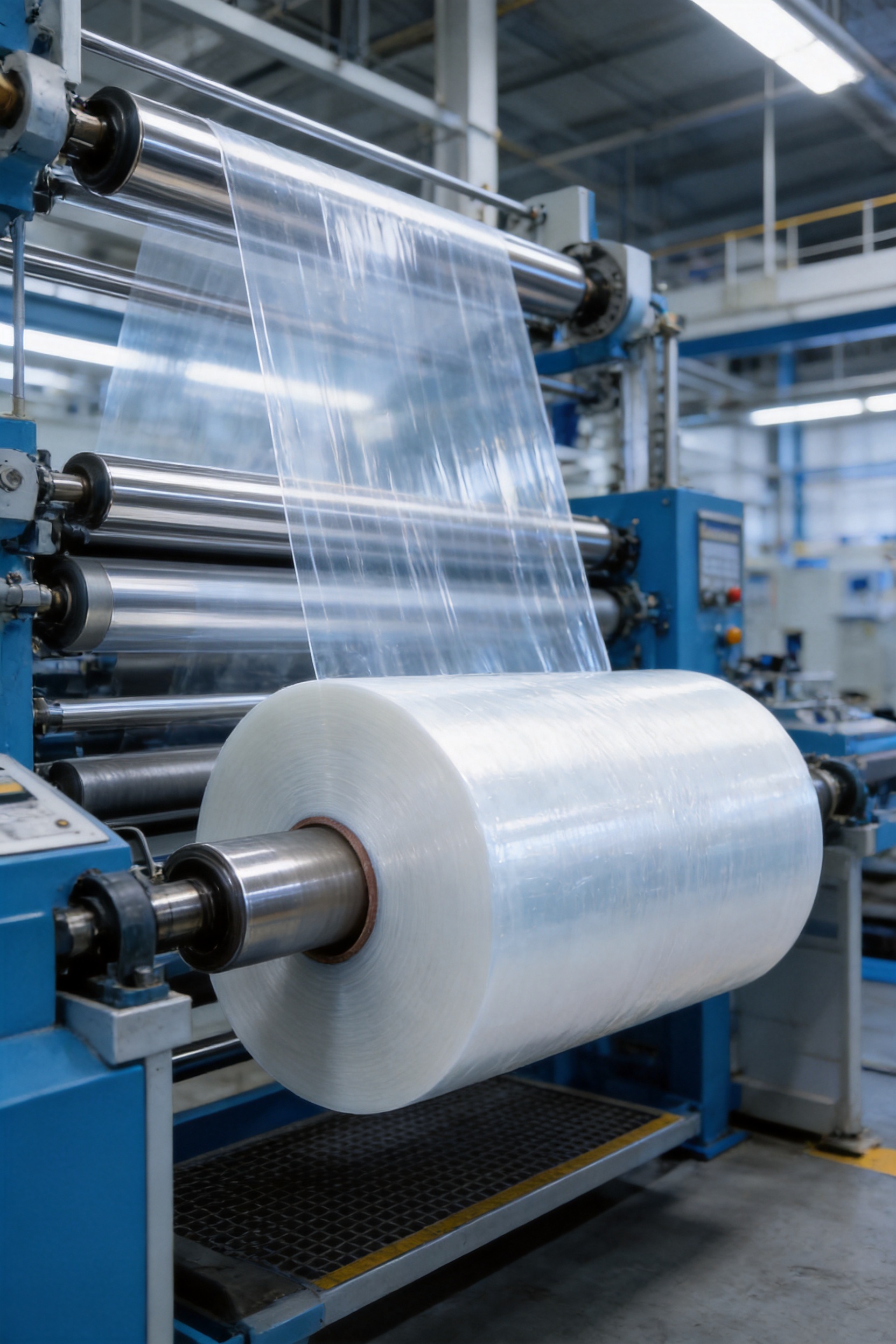
The company operates with a focus on production quality and process control. According to the provided company information, its quality approach covers raw material procurement, production, and final inspection. This type of full-stage control is important because film performance is influenced by material consistency, formulation, extrusion conditions, winding quality, roll dimensions, and finished-product inspection.
Raw material management is the first stage of reliable production. Pure polyethylene and metallocene copolymer must be selected and handled consistently to support the required balance between stretchability and toughness. Variations in raw material quality can influence elongation, tear resistance, clarity, and the film’s behavior on wrapping equipment.
During production, process stability is essential. A machine stretch film must be manufactured with controlled thickness and a uniform surface so that it unwinds smoothly and stretches consistently. Uneven thickness can create weak areas, irregular tension, or unpredictable material consumption. Stable winding is also necessary to prevent telescoping, wrinkles, and roll deformation.
Final inspection provides an additional safeguard before shipment. Finished rolls can be evaluated for appearance, dimensions, winding condition, and conformity with the customer’s specified thickness, height, length, and weight. For customized orders, final verification helps ensure that the product matches the intended machine and application requirements.
The company’s reported annual output value of more than RMB 60 million indicates an established production and sales operation. Scale alone does not guarantee product quality, but an established manufacturing organization can provide production continuity, broader technical experience, and greater capacity to serve repeat industrial orders.
Customization Capability
Packaging requirements differ significantly between industries. A small warehouse may need compact rolls and moderate stretch performance, while a high-volume factory may require specific roll weights, machine-compatible dimensions, and scheduled bulk deliveries. The ability to customize length and weight allows the film to be adapted to these different operating conditions.
Customization may also help customers manage inventory. If the roll length is matched to a defined wrapping cycle, the customer can estimate how many pallets can be wrapped before a roll change is required. This can simplify production planning and reduce interruptions caused by unexpected material replacement.
Height selection is another practical consideration. The available 45 cm and 50 cm heights can be matched with machine carriages and load profiles. A suitable film height helps achieve complete vertical coverage while avoiding unnecessary film overlap beyond the target wrapping area.
Experience in Packaging Materials
Experience with adhesive tapes, strapping, and stretch film gives the manufacturer a broader understanding of load containment. Stretch film is often one part of a packaging system. Adhesive tape closes cartons, strapping supplies direct compression, and stretch film unifies the outer load. The best solution depends on how these materials interact with the product and the transportation environment.
This wider packaging perspective can help customers compare alternatives based on more than price per roll. Important factors include labor requirements, packaging speed, product damage, material consumption, machine compatibility, storage conditions, and the cost of unstable loads.
Comparing Machine Stretch Film With Other Packaging Solutions
Machine Stretch Film Versus Hand Stretch Film
Hand stretch film is useful for low-volume operations, occasional shipments, and loads that cannot be placed on a wrapping machine. However, manual application produces greater variation in tension and coverage. It may also require more labor and physical effort.
Machine stretch film is the stronger choice for repetitive pallet wrapping and high-volume operations. It is designed to work with mechanical tension systems, making the wrapping process faster and more repeatable. Companies should select the appropriate product according to their equipment, volume, and load requirements rather than assuming that one film type suits every operation.
Machine Stretch Film Versus Shrink Film
Shrink film requires heat to contract around a product. This can create a tight package, but it also requires heating equipment and additional energy. Some products may not be suitable for heat exposure, and the process may involve greater equipment complexity.
Machine stretch film is applied through mechanical stretching and does not depend on a heat-shrink tunnel for its primary function. It is therefore suitable for operations seeking a fast, flexible, and comparatively simple load-unitization process. It is especially practical for pallet loads that need stabilization rather than a fully sealed retail package.
Machine Stretch Film Versus Strapping
Strapping provides concentrated holding force along specific bands. It can be highly effective for rigid, heavy, or regularly shaped loads. However, straps may press against product edges and can leave portions of the load exposed to dust or moisture.
Stretch film distributes containment around a larger surface area and provides continuous outer coverage. It is often more suitable for mixed cartons, unstable stacks, and products that benefit from surface protection. In demanding applications, stretch film and strapping may be used together: strapping supplies direct reinforcement while film stabilizes and protects the complete load.
Recommended Application Procedure
Prepare the Load
Before wrapping, inspect the pallet and the products. Remove or secure sharp protrusions, damaged boards, loose packaging, and unstable components. The load should be arranged as evenly as possible, with heavy items placed below lighter items and excessive overhang avoided.
Check that the pallet is suitable for the load and that the center of gravity is reasonably balanced. A wrapping machine can stabilize a well-prepared load, but it cannot fully correct severe imbalance or poor stacking.
Choose the Film Specification
Select the thickness according to cargo weight, product shape, stacking height, handling frequency, and transportation conditions. Lightweight goods may not require the same thickness as dense metal parts or tall palletized bags. Consider the risk of puncture, the required number of film layers, and the consequences of load movement.
Confirm that the film height and roll dimensions match the wrapping machine. The roll should be installed according to the machine manufacturer’s instructions so that it unwinds in the correct direction and passes through the tension system properly.
Set the Wrapping Machine
Adjust the machine speed, film tension, carriage movement, and wrapping cycle according to the load. The settings should provide stable coverage without causing carton deformation or film breakage. A trial wrap is recommended when introducing a new film thickness or a new product type.
Use sufficient film overlap between adjacent passes. The lower section of the load should normally receive adequate coverage to connect the goods with the pallet, while the upper section should be secured against outward movement. Additional passes may be required for irregular or heavy loads.
Inspect the Finished Package
After wrapping, check for loose film, exposed unstable areas, tears, excessive wrinkles, and insufficient pallet connection. Confirm that labels remain accessible when required and that the film does not block safety information or handling marks.
If a tear occurs, identify the cause. It may result from a sharp edge, excessive tension, poor threading, an unsuitable thickness, or a machine setting that requires adjustment. Correcting the cause is more effective than simply adding more film to every load.
Storage and Handling Recommendations
Film rolls should be stored in a cool, dry location away from direct sunlight and high-temperature environments. The recommended storage temperature is between 15°C and 25°C. Stable storage conditions help preserve the film’s physical properties and reduce the risk of deformation before use.
Do not place heavy objects on top of film rolls. Rolls should be protected from impact, puncture, water exposure, and contamination. They should remain in suitable packaging until they are needed for production.
Before loading a roll onto the machine, inspect it for visible damage. A roll with crushed edges, severe wrinkles, or punctures may not unwind correctly. Using damaged material can create interruptions and may reduce the stability of the finished pallet.
Storage rotation should also be managed carefully. Applying a first-in, first-out principle can help prevent older material from remaining unused for extended periods. Although the recommended storage environment helps preserve performance, packaging materials should still be managed as production inventory rather than left indefinitely in storage.
How to Evaluate Total Packaging Cost
The cost of stretch film should not be measured only by the purchase price of a single roll. A more meaningful calculation includes film consumption per pallet, wrapping cycle time, labor input, equipment productivity, product damage, rejected loads, and transportation incidents.
A film that costs slightly more per roll may provide better value if it requires fewer layers, produces fewer breaks, and allows the machine to operate more efficiently. Conversely, using an unnecessarily thick film may increase material cost without producing a corresponding improvement in stability.
Customers should compare several practical measurements during a trial:
| Evaluation factor | What to measure | Why it matters |
| Film consumption | Weight or length used per pallet | Shows the actual material cost of each wrapped load |
| Wrapping cycle time | Time required to complete one pallet | Indicates production capacity and labor efficiency |
| Film break frequency | Number of interruptions during wrapping | Reflects consistency, toughness, and machine compatibility |
| Load stability | Movement after handling and transport simulation | Shows whether the film provides adequate containment |
| Surface condition | Marks, scratches, or contamination after unpacking | Evaluates product protection during packaging and movement |
| Roll change frequency | Number of rolls used during a production period | Helps estimate machine downtime and material management needs |
This type of evaluation helps customers select the most economical specification for their real operation. It also creates a factual basis for deciding whether a different thickness, roll weight, or wrapping pattern is justified.
Why Transparent Film Is Valuable in Supply Chains
Supply chains require visibility as well as protection. Goods may pass through manufacturing, storage, loading, transportation, distribution, and final delivery. At each stage, personnel need to identify the pallet and confirm that the load remains intact. Transparent film supports this process by allowing visual inspection without opening the package.
Clear wrapping can help reduce handling errors. A warehouse employee may be able to verify carton labels, product colors, or visible markings while the pallet remains fully wrapped. This can save time during picking and receiving operations.
Transparency also improves the visibility of damage. If cartons become crushed or if the load shifts inside the wrapping, the problem may be detected before shipment or at the receiving dock. Early detection gives the operator an opportunity to reinforce or repackage the load.
For export shipments and long-distance transportation, load stability is particularly important. Vibration and repeated transfers can expose weaknesses that are not visible during initial packaging. Consistent mechanical wrapping helps create a more reliable package at the beginning of the logistics cycle.
Company Service and Manufacturing Position
Zhejiang Geruite Packaging Materials Co., Ltd. is located in Zhejiang Province, China, an important manufacturing region with a developed industrial base. The company serves customers through the research, development, production, and sale of packaging materials. Its stated business direction emphasizes product quality, technical development, production capability, and professional service.
The company maintains a quality-oriented approach from raw material procurement through final inspection. This is relevant to machine stretch film because customers depend on predictable roll-to-roll performance. A film that varies significantly in thickness, toughness, or winding quality can disrupt a mechanized line. Process discipline is therefore essential for industrial buyers.
The company’s product range includes materials for logistics, express delivery, household goods, electronics, construction and decoration, industrial manufacturing, cargo stabilization, and packaging protection. This industry coverage indicates experience with different packaging requirements and load types.
Its annual output value has reportedly exceeded RMB 60 million. This provides evidence of an established commercial operation with experience in production and market supply. For customers seeking a continuing packaging-material partner, production continuity and the ability to support repeat orders are important considerations.
The company also emphasizes continued investment in research and development, product-structure optimization, and service improvement. These priorities are relevant as customers increasingly seek packaging solutions that combine reliable performance, labor efficiency, material economy, and compatibility with automated equipment.
Quality and Purchasing Checklist
Before placing an order, buyers should provide accurate information about the intended application. Important details include the load type, pallet dimensions, total weight, stacking height, product edges, transport distance, storage duration, wrapping machine model, and expected daily volume.
Buyers should also confirm the required film height, thickness, roll weight, roll length, core dimensions, and delivery packaging. If the length and weight are customizable, these details should be agreed upon before production to prevent compatibility problems.
A sample or trial order can be useful when the film will be introduced to a new machine or product line. The trial should assess film feeding, tension control, break frequency, coverage, pallet stability, and finished-load appearance.
Purchasers should request clear inspection criteria for customized products. These criteria may cover dimensions, thickness tolerance, roll appearance, winding condition, transparency, packaging integrity, and labeling. Clear specifications help both the buyer and supplier evaluate whether the finished product meets the intended application.
Q&A About Transparent Machine Stretch Film
What is transparent machine stretch film mainly used for?
It is mainly used to stabilize and protect palletized goods during storage, handling, and transportation. It can wrap cartons, bags, industrial components, and irregular products such as pipes, cable reels, doors, and window frames.
Can this film be applied by hand?
The product is optimized for mechanical wrapping equipment. Although polyethylene stretch film may sometimes be handled manually, this product is intended to deliver its best performance when the machine controls tension, speed, and coverage.
What thickness should be selected?
The suitable thickness depends on the load weight, stacking height, product shape, edge condition, transport environment, and required number of layers. The available range is 0.015 mm to 0.045 mm. Customers should conduct a trial or consult the supplier when the application is new or demanding.
Is the film suitable for irregular products?
Yes. Its flexible structure can conform to irregular shapes, including pipes, cables, door and window frames, and metal components. Sharp edges should be covered or controlled before wrapping to reduce the risk of puncture.
Does the film protect against moisture?
The film provides moisture-resistant surface protection and helps reduce exposure to ordinary humidity and surface moisture. It should not be considered a replacement for specialized waterproof, vapor-barrier, or climate-controlled packaging when those conditions are required.
Can customers order customized roll lengths and weights?
Yes. Length and weight are customizable according to the customer’s application scenario. Buyers should provide their machine requirements, desired pallet output per roll, and storage or handling preferences when discussing customization.
What colors are available?
The listed product color is transparent. This allows the packaged goods and visible labels to remain identifiable after wrapping.
How should the film be stored?
Store it in a cool, dry place away from direct sunlight and high temperatures. The recommended storage temperature is between 15°C and 25°C. Protect the rolls from impact, water, contamination, and deformation.
Can stretch film replace strapping in every application?
No. Stretch film is effective for many palletized and mixed loads, but very heavy, rigid, or high-risk products may require strapping, blocking, edge protection, or a combined packaging system. The packaging method should reflect the product and transportation conditions.
What makes machine application more efficient?
A wrapping machine controls film tension, movement, speed, and coverage. This reduces manual labor, improves consistency, supports faster packaging cycles, and can help reduce unnecessary material use.
Conclusion
Transparent machine stretch film is a practical solution for industrial load unitization, product protection, and logistics efficiency. Its high-elasticity polyethylene structure, enhanced with metallocene copolymer for improved toughness, is designed to stretch mechanically and recover around the load. The resulting pressure helps keep pallets and irregular products stable during storage and transportation.
The product offers several advantages over less specialized packaging methods. It supports faster machine-assisted wrapping, reduces labor intensity, protects surfaces from scratches, limits exposure to dust and moisture, and maintains clear visibility of the packaged goods. Its available thickness range, two height options, and customizable length and weight make it suitable for different operating requirements.
Performance depends on choosing the correct specification and applying the film correctly. Load preparation, machine adjustment, edge protection, suitable tension, and proper storage all contribute to a successful result. Customers should evaluate the complete packaging process rather than selecting film based solely on price or thickness.
With experience across stretch film, adhesive tape, strapping, and other packaging materials, Zhejiang Geruite Packaging Materials Co., Ltd. provides a broad manufacturing foundation for industrial packaging customers. Its quality-control approach, customization capability, production experience, and focus on research and development support the requirements of businesses seeking reliable packaging materials for modern supply chains.
References
1. Company-provided product specification for transparent machine stretch film, including material, dimensions, thickness, color, and customization information.
2. Company-provided technical description of machine stretch film applications, advantages, usage methods, and storage recommendations.
3. Company-provided corporate information concerning packaging-material research, manufacturing, quality control, product categories, and production capability.
4. General principles of industrial pallet unitization, load stabilization, mechanical wrapping, and packaging-material selection.
5. General polyethylene film handling and storage practices for industrial packaging applications.
Product: Transparent machine stretch film

LATEST POST
Let’s create something amazing together
contact us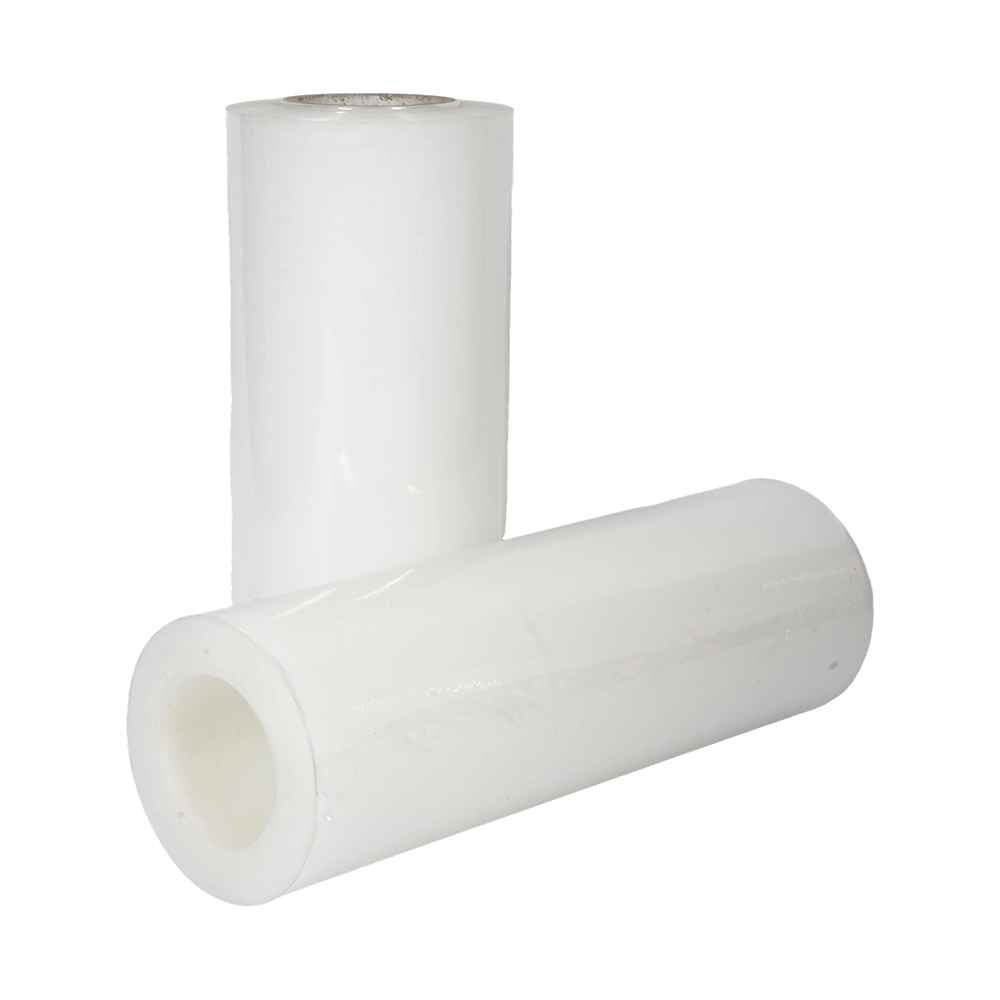
CONTACT DETAILS
- Address:No. 241, Yaojiafan, Zhangpanqiao, Shushan Street, Xiaoshan District, Hangzhou City, Zhejiang Province, China
- TEL:+86-0571-83175630
- Phone:+86-13336160217
- Email:jeffrey@grtpk.com
- WeChat/WhatsApp:+86-18058115265
PRODUCTS
NEWS CENTER
MOBILE TERMINAL
Copyright© Zhejiang Geruite Packaging Materials Co., Ltd. All Rights Reserved.
Privacy Wholesale industrial packaging tape Manufacturers