


 English
 Español
 عربى

Engineering-Grade Polyester Insulation Tape for Reliable Electrical and Electronic Protection
Content
- 1 What Is LY-XX Mylar Tape?
- 2 Core Product Advantages
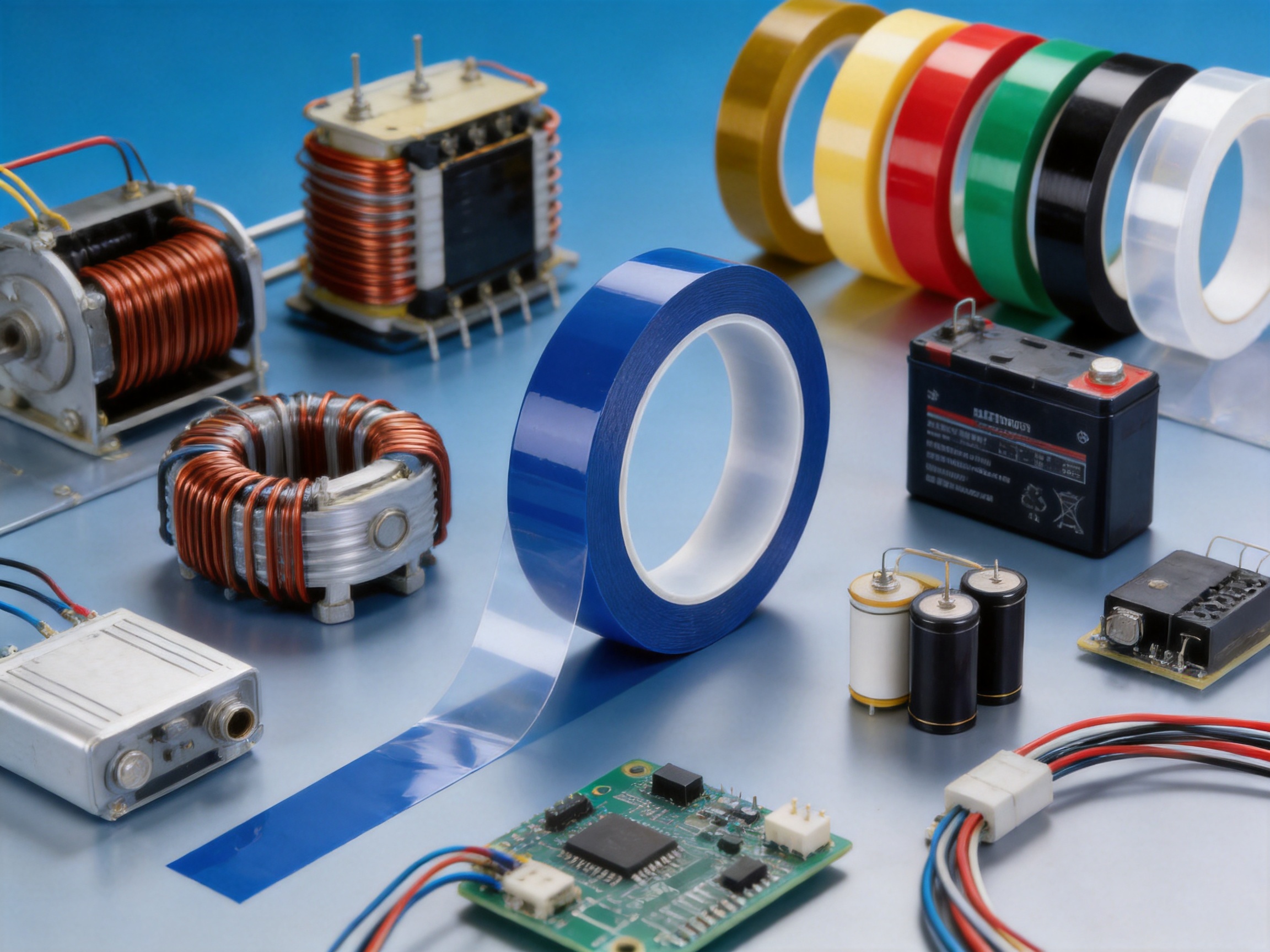
- 3 Applications Across Electrical and Electronic Industries
- 4 Manufacturing Strengths and Process Control
- 5 Performance Characteristics in Detail
- 6 Advantages Compared with General-Purpose and Lower-Specification Alternatives
- 7 Selection Guide for Buyers and Engineers
- 8 Application and Storage Recommendations
- 9 Company Manufacturing and Service Capabilities
- 10 Quality Management for Industrial Buyers
- 11 Sustainability and Operational Efficiency
- 12 Frequently Asked Questions
- 12.1 What is the main purpose of LY-XX Mylar Tape?
- 12.2 What material is used as the substrate?
- 12.3 What adhesive systems are available?
- 12.4 What temperature can the tape withstand?
- 12.5 Is the tape flame retardant?
- 12.6 Which model is the thinnest?
- 12.7 Which models provide the greatest listed withstand voltage?
- 12.8 Can the tape be used on battery packs?
- 12.9 How should the tape be stored?
- 12.10 How can maximum adhesion be achieved?
- 12.11 Can different colors be ordered?
- 12.12 Is the tape suitable for automated equipment?
- 12.13 What information should be included in a quotation request?
- 13 Conclusion
- 14 References
- 15 Product: LY-XX Mylar Tape
Reliable insulation is fundamental to the performance, safety, and service life of electrical and electronic equipment. From transformer windings and motor coils to battery packs, capacitors, generators, and compact electronic assemblies, insulating tape must do far more than simply adhere to a surface. It must provide consistent dielectric protection, resist heat and solvents, conform to irregular shapes, maintain mechanical integrity during assembly, and remain stable throughout the operating life of the finished product.
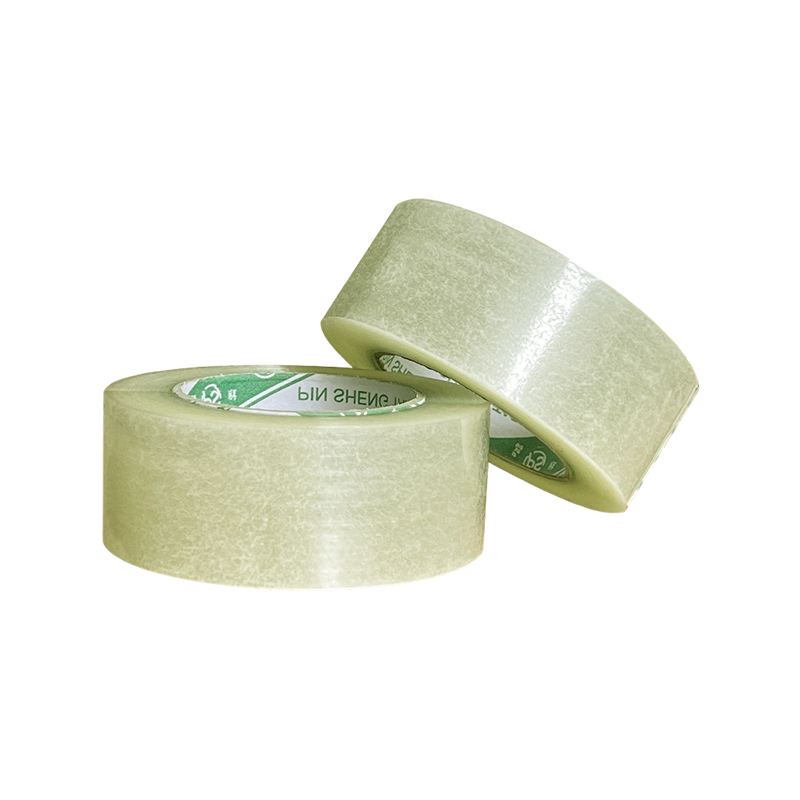
LY-XX Mylar Tape is a polyester film insulation tape developed for demanding electrical and electronic applications. Built on a polyester film substrate and combined with a pressure-sensitive adhesive system, the product is designed to support coil wrapping, electrical separation, bundling, fixing, component identification, and general insulation work. Its available configurations include standard thicknesses, ultra-thin versions, double-layer composite constructions, three-layer composite constructions, and multiple colors.
The tape is manufactured by Zhejiang Geruite Packaging Materials Co., Ltd., a Chinese producer of packaging and specialty adhesive materials. Although the company supplies a broad portfolio that includes BOPP tape, kraft paper tape, masking tape, high-temperature tape, metal tape, stretch film, PP strapping, and PET strapping, the LY-XX series demonstrates its ability to serve applications where process control and technical consistency are especially important.
The product’s value is based on the relationship between substrate quality, adhesive formulation, coating accuracy, slitting precision, inspection capability, and application suitability. Instead of treating the tape as a basic consumable, the manufacturing process addresses it as a functional material used within electrical systems. This approach gives customers a practical alternative to general-purpose packaging tape when stable insulation performance and controlled construction are required.
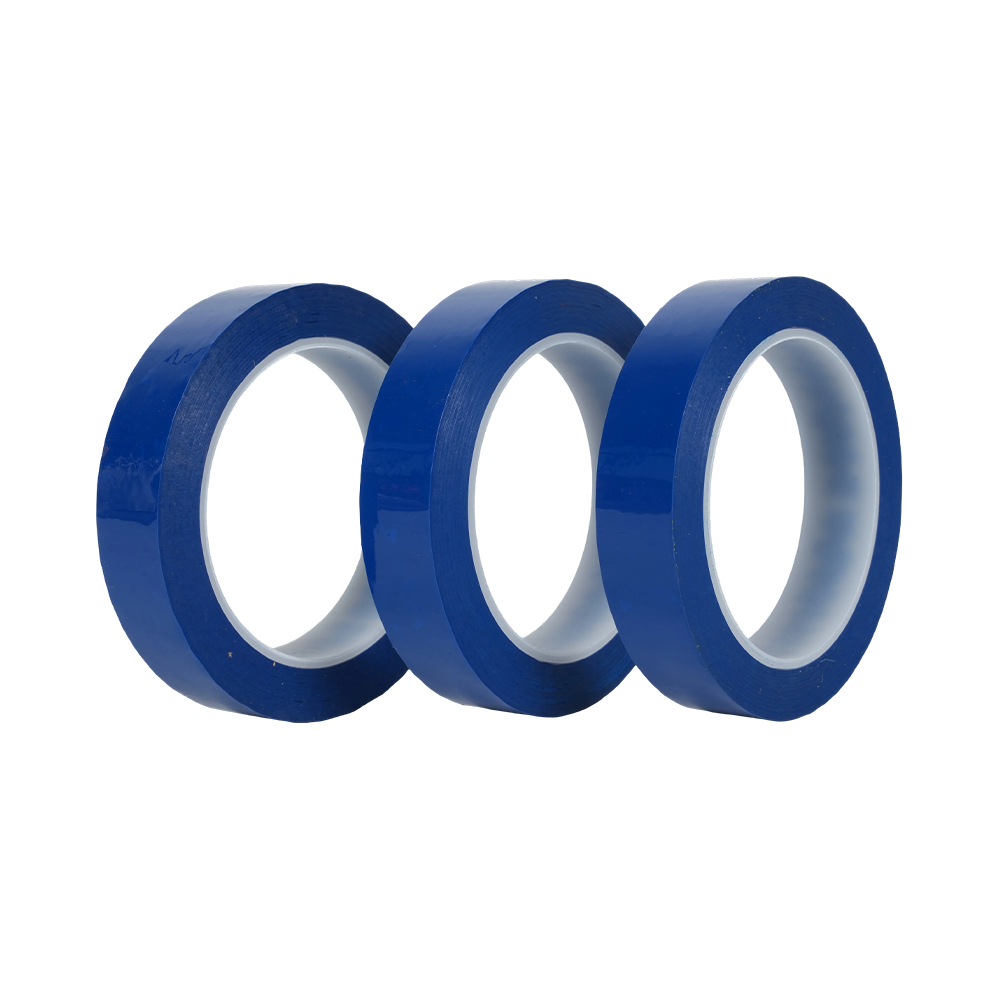
LY-XX Mylar Tape
What Is LY-XX Mylar Tape?
LY-XX Mylar Tape is an insulating tape made with polyester film, commonly known as Mylar in industrial usage. Polyester film is valued for its dimensional stability, mechanical strength, electrical insulation, surface uniformity, and resistance to many common chemicals and solvents. These properties make it suitable for applications in which a thin protective layer must remain intact while being wrapped, overlapped, pressed, or exposed to moderate heat.
The LY-XX range uses pressure-sensitive adhesive technology. Depending on the specific model, the adhesive system may be acrylic-based or rubber-based. The supplied technical information identifies the listed LY-01 through LY-18 and composite models primarily with acrylic adhesive, while the broader product description allows for model-specific adhesive selection. Customers should therefore confirm the relevant technical datasheet when a particular adhesive chemistry, aging profile, or regulatory requirement is critical.
The tape is supplied in a range of colors and constructions. Dark yellow, light yellow, red, blue, green, black, white, and transparent versions are available across selected models. Color selection can support production organization, circuit or winding identification, visual differentiation, and assembly control. The transparent model can be used where the underlying surface needs to remain visible.
Several thickness levels allow the tape to be matched to the insulation and mechanical requirements of a particular design. The standard models include a 0.025 mm polyester film option with a total thickness of approximately 0.055 mm, and a 0.05 mm polyester film option with a total thickness of approximately 0.08 mm. The series also includes a 0.019 mm ultra-thin film version, a double-layer composite construction, and a three-layer composite construction.
With a typical temperature resistance of up to 130°C, a peel strength of at least 200 or 250 N/m depending on model, and a dielectric withstand voltage ranging from approximately 3 kV to 8 kV in the listed configurations, the range can serve numerous low- and medium-duty insulation and assembly requirements. Actual performance depends on the model, application method, substrate condition, environmental exposure, and design geometry.
Core Product Advantages
Stable Polyester Film Substrate
The polyester film substrate provides a balance of electrical insulation, flexibility, tensile strength, and dimensional stability. During wrapping, the tape can be guided around coils, leads, edges, and component surfaces without behaving like a fragile paper material. Its film structure also provides a smooth and uniform base for adhesive coating and helps produce a clean finished appearance.
Compared with many general-purpose packaging tapes, polyester insulation tape is better suited to applications in which electrical separation and controlled thickness are essential. Packaging tapes are commonly optimized for carton sealing or load retention, while LY-XX Mylar Tape is designed around the needs of electrical assembly. Its film substrate and electrical specifications make it more appropriate for insulating windings, securing wires, and protecting components from unintended contact.
Electrical Insulation for Component-Level Applications
Electrical assemblies require insulation that can separate conductive parts without creating excessive bulk. The LY-XX series provides multiple thickness and construction choices so engineers can select a suitable balance between dielectric protection, flexibility, and space utilization. Listed withstand voltage values range from 3 kV for the ultra-thin model to 8 kV for the three-layer composite construction.
The supplied data identifies UL 510 flame-retardancy performance for most listed models. Certain model entries show a dash rather than a “YES,” so the exact approval or rating status should always be checked against the current model-specific documentation. This distinction is important because electrical systems often have detailed certification requirements based on tape thickness, color, adhesive, application, and system construction.
Broad Thickness Selection
Different electrical products require different levels of insulation. A compact electronic component may need an ultra-thin layer that occupies minimal space, while a transformer winding or battery pack may benefit from a thicker or multilayer construction. The LY-XX range addresses these needs through several product configurations.
| Model or Series | Film Thickness | Total Thickness | Peel Strength | Withstand Voltage | Temperature Resistance |
|---|---|---|---|---|---|
| LY-01 to LY-10 | 0.025 mm | 0.055 ± 0.005 mm | At least 250 N/m | 4.2 kV | 130°C |
| LY-11 to LY-18 | 0.05 mm | 0.08 ± 0.005 mm | At least 250 N/m | 5 kV | 130°C |
| LY-02-2L | 0.025 mm double-layer composite | 0.11 ± 0.01 mm | At least 250 N/m | 6.5 kV | 130°C |
| LY-02-3L | 0.025 mm three-layer composite | 0.16 ± 0.02 mm | At least 250 N/m | 8 kV | 130°C |
| LY-02Z | 0.019 mm | 0.035 ± 0.003 mm | At least 200 N/m | 3 kV | 130°C |
The table summarizes the supplied technical information and is intended for product selection guidance. Final engineering decisions should be based on the applicable technical datasheet, test method, electrical design, and regulatory requirements.
Color and Identification Options
Color is not merely an aesthetic feature in industrial assembly. It can help operators distinguish winding sections, identify process stages, separate polarity or circuit groups, and verify that the correct material has been applied. The LY-XX range includes dark yellow, light yellow, red, blue, green, black, white, and transparent options.
A transparent tape can be useful when visual access to labels, markings, or the underlying component is required. Colored tape can improve visual inspection and reduce the risk of assembly errors. In high-volume manufacturing, the use of standardized colors can also support work instructions and quality-control procedures.
Strong Adhesion and Conformability
The listed peel strength of at least 250 N/m for most standard and composite models indicates a strong bonding capability under the specified test conditions. The ultra-thin LY-02Z model is listed at a minimum of 200 N/m. Strong adhesion helps the tape remain in place during wrapping, handling, and subsequent assembly operations.
Adhesion is influenced by more than the adhesive itself. Surface cleanliness, pressure, temperature, contact area, winding tension, and substrate energy all affect final bonding performance. For this reason, LY-XX Mylar Tape should be applied to surfaces that are clean, dry, and free from oil, dust, release agents, and loose particles. Applying firm, even pressure after placement helps the adhesive wet out the surface and develop a more reliable bond.
Applications Across Electrical and Electronic Industries
Transformer Coil Wrapping
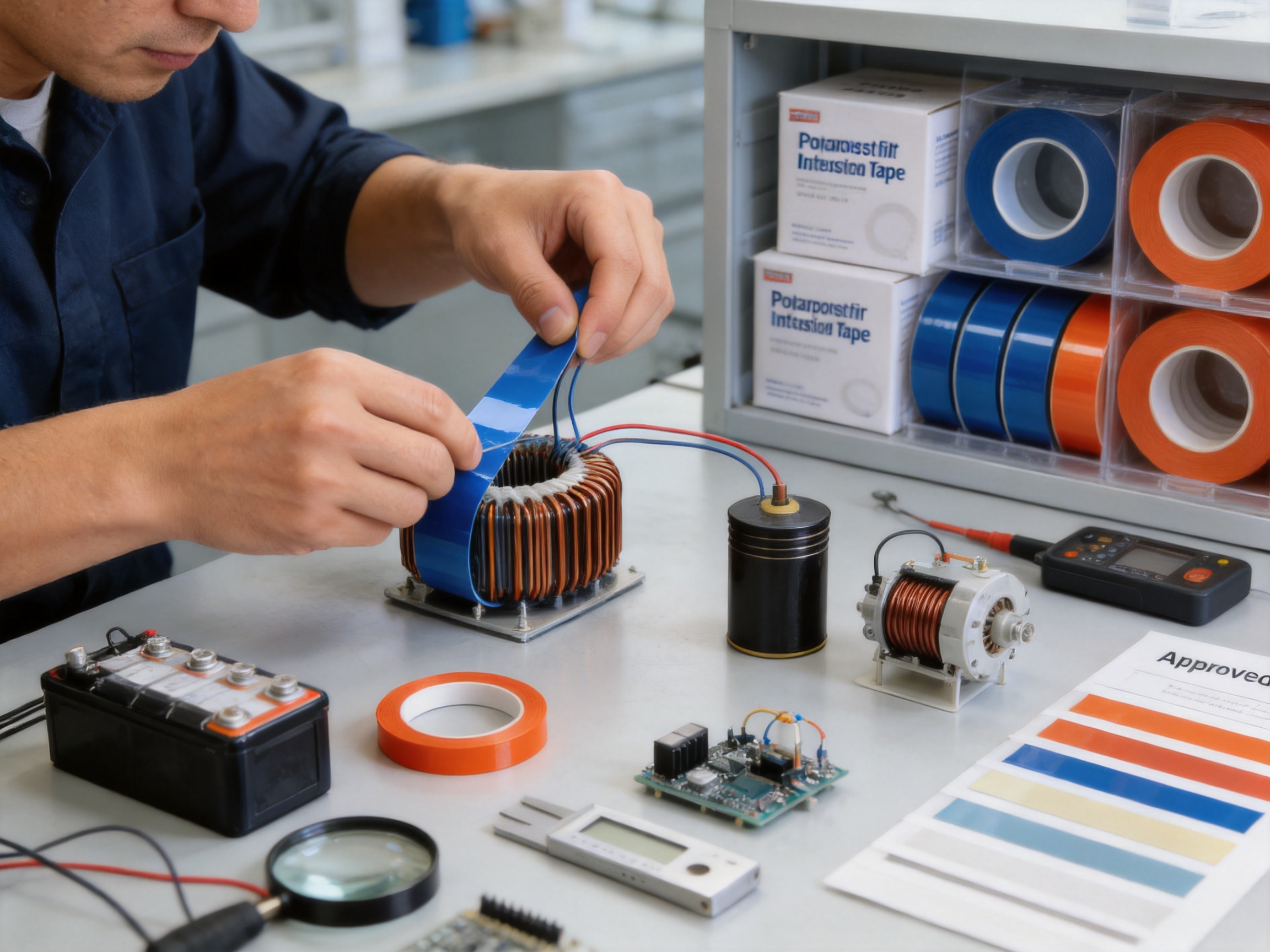
Transformer manufacturing often requires insulation between winding layers, around coil structures, and near lead exits. The tape must combine thin construction with consistent coverage so that it does not create unnecessary dimensional variation. LY-XX models can be selected according to required thickness, voltage resistance, color, and composite structure.
The 0.025 mm film models are suitable where moderate insulation and compact construction are required. Thicker models can provide additional mechanical coverage, while double-layer and three-layer versions offer greater total thickness and higher listed withstand voltage. The tape can also be used for temporary fixation during winding or for securing insulation materials before further assembly.
Motor and Generator Insulation
Motors and generators contain coils, leads, slots, terminals, and other areas where conductive parts must be separated and protected. Polyester film tape can support insulation and bundling in these assemblies while maintaining a relatively low profile. Its temperature resistance of up to 130°C makes it suitable for selected applications within that thermal range, subject to the overall insulation system and operating conditions.
In motor production, tape may be used to hold wires together, protect exposed areas, cover transition points, and assist with coil organization. In generator assemblies, it can support controlled insulation placement and improve handling during production. Because operating temperatures, vibration levels, voltage conditions, and chemical exposure vary widely, the selected model should be validated under the actual working conditions.
Battery Pack Insulation and Fixation
Battery pack assembly requires careful control of electrical separation, component movement, and surface protection. LY-XX Mylar Tape may be used for insulation and fixation around battery components, connection areas, and supporting structures. The film substrate provides a thin barrier, while the pressure-sensitive adhesive helps hold the tape in place during assembly.
Battery applications require special engineering attention. The tape must be compatible with the battery enclosure, cell materials, adhesives, thermal conditions, and expected vibration. The listed 130°C temperature resistance should not be interpreted as approval for every battery environment. Cell chemistry, thermal runaway considerations, flame-retardancy requirements, voltage level, and pack design should be reviewed before production use.
Capacitors and Electronic Components
Capacitors, relays, sensors, connectors, and other electronic components may require localized insulation, bundling, labeling, or protection from accidental contact. The tape’s multiple colors can help with identification, while its thin polyester film can be applied in compact spaces.
Transparent tape is particularly useful when the operator needs to inspect a printed marking or underlying structure. White and light-colored versions can provide a visible background for identification. Dark colors may be chosen when visual contrast or light-blocking characteristics are beneficial, depending on the application.
Internal Bundling and Labeling
In addition to dielectric insulation, the tape can support internal wire bundling and component organization. Its pressure-sensitive adhesive allows it to be applied without heat activation or a separate liquid adhesive. This can simplify assembly and reduce the need for mechanical clips in selected low-load applications.
When used for bundling, the tape should not be treated as a substitute for structural fastening where high tensile loads, sharp edges, or severe vibration are present. It is best suited to organization, fixation, and insulation tasks defined by the product’s mechanical and electrical limits.
Manufacturing Strengths and Process Control
Closed-Loop Production Philosophy
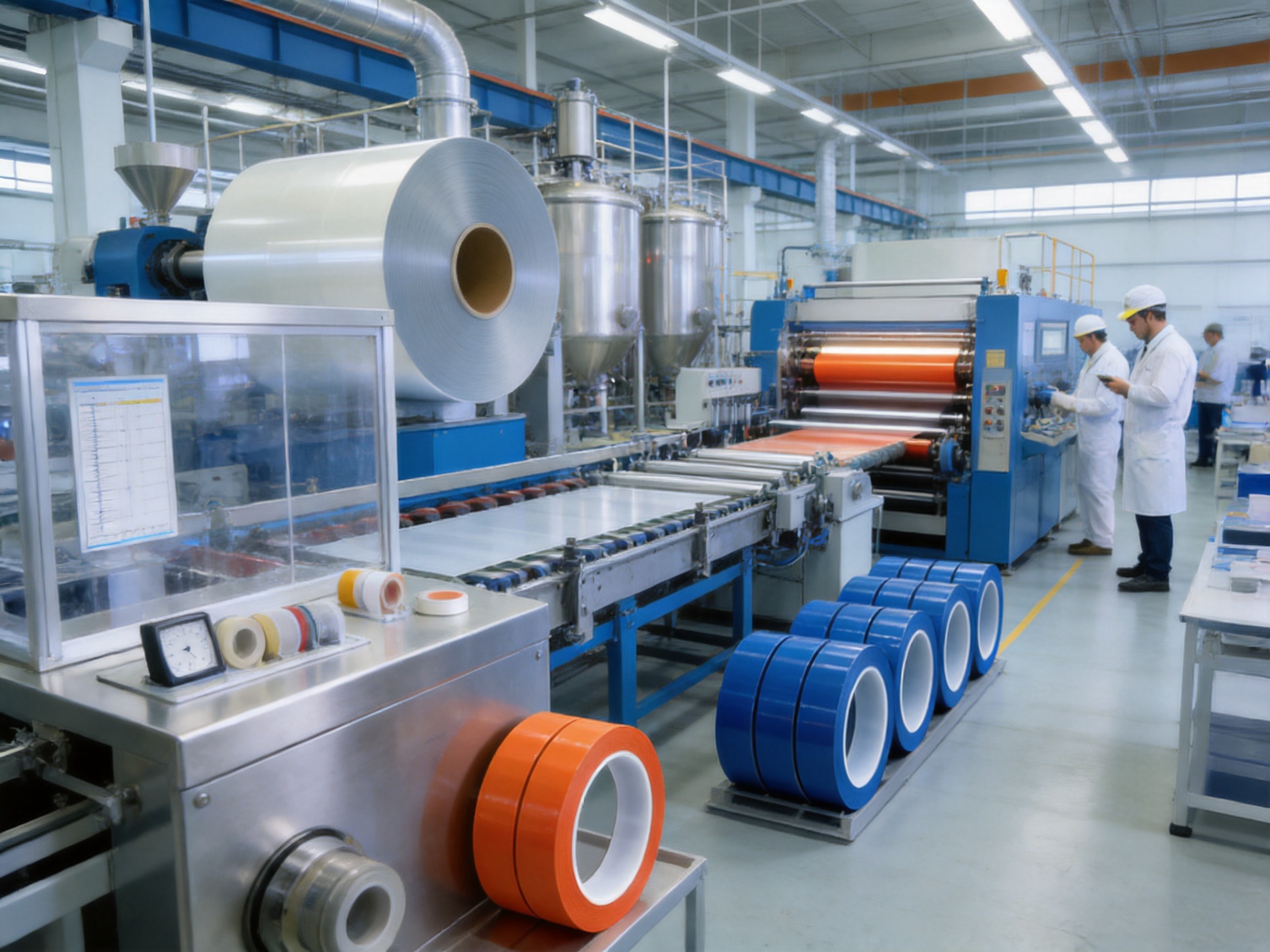
One of the most important strengths associated with the product is the company’s in-house control of multiple manufacturing stages. The stated process includes pigment grinding, adhesive synthesis, coating, slitting, and testing. Controlling these stages within one production organization can improve communication between departments and reduce dependence on uncontrolled external variables.
For specialty tape, small variations in adhesive viscosity, pigment dispersion, coating weight, drying conditions, film tension, and slit width can influence the finished product. A closed-loop manufacturing approach allows production and technical teams to trace these factors more effectively. It can also support faster process adjustment when a customer requires a different color, thickness, width, adhesive behavior, or packaging format.
In-House Pigment Grinding
Color consistency is important for both appearance and manufacturing identification. In-house pigment grinding allows the producer to manage dispersion quality and color formulation more closely. Proper pigment dispersion helps reduce visible agglomeration, uneven shade, and coating defects.
For colored electrical tape, consistent pigment distribution may also contribute to a more uniform tape surface. It helps ensure that rolls from different production batches maintain a similar visual appearance, subject to the agreed color standard and inspection method. This is especially useful for customers operating standardized production lines or using colors as part of an assembly-control system.
Adhesive Synthesis and Formulation Control
The adhesive is a functional part of an insulation tape, not simply a layer used to make the product sticky. Its formulation affects initial tack, peel strength, shear resistance, aging, solvent resistance, temperature performance, and interaction with the target surface.
By maintaining control over adhesive synthesis and formulation, the manufacturer can better coordinate adhesive properties with the polyester film and coating process. The supplied specifications identify excellent solvent resistance for the listed models. This feature is valuable in manufacturing environments where the tape may encounter cleaning agents, insulating varnishes, oils, or other process chemicals. Actual compatibility should be confirmed through application testing because solvent composition, concentration, exposure time, and temperature can vary.
Precision Coating
Coating determines how evenly the adhesive is distributed across the polyester film. Inconsistent coating can result in variable adhesion, exposed areas, excessive thickness, or difficulty during unwinding. Controlled coating is therefore essential when tape is used in electrical systems where reliable coverage and consistent dimensions are required.
The listed total thickness tolerances illustrate the importance of controlled coating and converting. For example, standard 0.025 mm film models are specified at approximately 0.055 ± 0.005 mm total thickness, while 0.05 mm film models are specified at approximately 0.08 ± 0.005 mm. Composite products have their own tolerances. These values help customers evaluate whether a product is compatible with winding clearances, component geometry, and automated application equipment.
Slitting and Roll Conversion
Slitting is the stage in which coated jumbo rolls are converted into usable widths and roll formats. Accurate slitting helps create clean edges, controlled roll dimensions, and consistent unwinding behavior. This matters in both manual and automated production.
Poorly controlled slitting can produce telescoping rolls, uneven edges, adhesive transfer, excessive dust, or unstable unwinding. Such defects may increase waste and interrupt production. A manufacturer with in-house slitting capability can connect customer width requirements to the upstream coating and inspection process, improving traceability and response speed.
Laboratory-Based Quality Testing
The company operates an in-house laboratory for testing from research and development through shipment. Laboratory support is a meaningful advantage because it allows product performance to be assessed at several stages rather than only after a customer complaint or final inspection.
Relevant testing may include thickness, peel strength, elongation, dielectric withstand voltage, solvent resistance, flame-retardancy characteristics, color, appearance, and temperature-related performance. The exact test methods and acceptance criteria should be confirmed in the product documentation, but the existence of full-process laboratory support indicates a structured approach to quality management.
Performance Characteristics in Detail
Temperature Resistance
The listed LY-XX models have a temperature resistance of 130°C. This rating provides a useful reference for applications exposed to moderate thermal stress. It may be suitable for selected transformer, motor, generator, battery, and electronic component applications when the entire insulation system is designed within the same thermal class or operating range.
Temperature resistance is not the same as indefinite exposure under all conditions. Continuous heat, intermittent peaks, electrical loading, pressure, vibration, humidity, and chemical contact can all affect service life. Engineers should consider the actual temperature profile rather than relying only on a single maximum value.
Elongation and Handling
The listed elongation is at least 40% for most models. This indicates that the tape can accommodate a degree of stretching during application. Controlled elongation can be helpful when wrapping curved surfaces or maintaining contact around a coil.
However, excessive stretching may reduce the effective thickness and change the stress within the tape. Operators should use consistent application tension, particularly in automated winding or high-speed assembly. Training and work instructions should define the appropriate overlap, tension, pressure, and number of layers for each application.
Solvent Resistance
Excellent solvent resistance is listed for the supplied models. This characteristic can be important in electrical manufacturing, where components may be exposed to cleaning solutions, varnishes, oils, or process chemicals. Solvent resistance may help prevent adhesive softening, lifting, residue formation, or loss of insulation coverage.
Compatibility testing remains necessary because “solvent resistance” is not universal for every chemical. A tape that performs well against one solvent may react differently to another, especially when exposure is prolonged or occurs at elevated temperature. Customers should submit representative samples for validation when chemical exposure is a major part of the application.
Flame-Retardancy Considerations
Most of the listed models are marked “YES” under the UL510 flame-retardancy column, while some entries are marked with a dash. This information should be reviewed carefully during product selection. A flame-retardant rating may be essential in electrical equipment, but the relevant requirement can depend on the tape construction, thickness, color, adhesive, end-use system, and certification pathway.
The manufacturer states that the tape is UL recognized in the United States and included in multiple domestic and international insulation systems. Customers should request current recognition information and confirm that the selected model is covered by the required certification. Product approval should never be inferred solely from a general series description.
Advantages Compared with General-Purpose and Lower-Specification Alternatives
Designed for Electrical Use Rather Than Carton Sealing
Packaging tapes are commonly designed to close boxes, bundle shipments, or secure protective materials. Their key performance criteria may include tack to corrugated board, tensile strength, printability, and ease of dispensing. These characteristics do not automatically qualify them for electrical insulation.
LY-XX Mylar Tape is designed around electrical and electronic applications. It provides stated dielectric withstand voltage, insulation-related construction options, temperature resistance, elongation, solvent resistance, and flame-retardancy information for selected models. This more complete technical profile allows engineers to make a reasoned choice rather than using a general-purpose tape outside its intended purpose.
More Configurations Than a Single-Thickness Product
Some competing products are supplied in only one thickness, one color, or one adhesive system. Such limited ranges can force users to over-specify a material, increasing cost and bulk, or under-specify it, increasing technical risk. The LY-XX range provides several thicknesses and constructions so the selected tape can be better matched to the application.
The ultra-thin model is useful where space is limited. Standard 0.025 mm film products provide a balance of insulation and compactness. The 0.05 mm film versions offer greater thickness, while composite models provide higher listed withstand voltage and additional material depth. This range can simplify material standardization across several product families.
Integrated Manufacturing and Testing
Another differentiating factor is the integration of pigment grinding, adhesive synthesis, coating, slitting, and laboratory testing. A converter that purchases all intermediate materials from unrelated suppliers may have less control over formulation changes, batch variation, or technical response. In-house control can improve traceability and enable more direct troubleshooting.
For customers, this may translate into more consistent supply, clearer communication, and better support for product customization. It also gives the manufacturer a stronger foundation for developing new constructions or adapting existing products to changing industry requirements.
Suitable for Both Manual and Industrial Workflows
The pressure-sensitive adhesive system allows the tape to be applied using standard manual methods, while the film and roll construction can support industrial converting and assembly processes. This flexibility is useful for customers with both prototype and mass-production requirements.
Manual users can cut and wrap the tape with common tools. Industrial users may integrate the material into winding, bundling, labeling, or automated dispensing operations after confirming roll dimensions, unwinding force, splice policy, and equipment compatibility.
Selection Guide for Buyers and Engineers
Choosing the Correct Thickness
Begin by evaluating the required electrical separation, available space, number of layers, and mechanical protection. The 0.019 mm ultra-thin model may be appropriate where minimal thickness is important. Standard 0.025 mm film models can serve many general insulation and bundling tasks. The 0.05 mm versions may be preferable when a thicker barrier or greater handling strength is desired.
Double-layer and three-layer composite products should be considered when the application requires increased total thickness or a higher listed withstand voltage. Their larger dimensions may affect winding design, clearances, and component fit, so they should be tested on production-representative parts.
Choosing the Adhesive System
Acrylic adhesives are often selected for their aging, temperature, and solvent-resistance characteristics, while rubber-based systems may offer different tack and bonding behavior. The choice depends on the target substrate, application temperature, required repositionability, long-term aging, and environmental exposure.
Because the general product description allows for rubber-based or acrylic-based adhesive systems while the listed products identify acrylic adhesive, the specific model datasheet should be treated as the controlling reference. Buyers should request confirmation of adhesive chemistry when it affects compliance, process compatibility, or recycling requirements.
Choosing Color
Color should be selected according to identification needs, visibility, light exposure, underlying component appearance, and customer specifications. Light yellow and dark yellow are common choices for insulation work, while red, blue, green, black, and white can support visual coding. Transparent tape can preserve visibility of markings and surfaces.
Checking Certification Requirements
Electrical products may require UL recognition, flame-retardancy performance, system-level insulation approval, or other regional certifications. The customer should identify the applicable standard before ordering. Confirm the exact model, thickness, color, adhesive, and construction covered by the certification rather than assuming that one approved version represents the entire product family.
Confirming Width and Roll Format
Width, roll length, core size, outer diameter, and unwinding direction can influence production efficiency. Narrow rolls may be required for wire bundling or localized insulation, while wider rolls may be used for coil wrapping or sheet conversion. The supplier should be provided with application details and equipment requirements so that the roll format can be matched to the process.
Application and Storage Recommendations
Surface Preparation
Before application, the surface should be clean, dry, and free of oil, dust, moisture, and loose particles. Contamination can reduce adhesive wet-out and create channels beneath the tape. On difficult substrates, a cleaning procedure or surface treatment may be required, but the compatibility of any cleaning agent should be verified first.
Application Pressure
Apply adequate, even pressure after positioning the tape. Pressure helps the adhesive contact microscopic surface irregularities and improves the bond. For coil wrapping, maintain consistent tension and overlap so that the finished insulation has uniform coverage. Avoid creases, trapped air, exposed edges, and sharp folds that could create local electrical or mechanical weaknesses.
Temperature During Application
Store and apply the tape at a suitable room temperature whenever possible. Extremely cold surfaces may reduce initial tack, while excessively hot surfaces can change adhesive flow and handling behavior. The supplied guidance recommends storage at approximately 20–25°C in a cool, dry environment. The product should be conditioned before use if it has been exposed to unusual temperatures during transportation.
Storage Conditions
Keep rolls in their original packaging until they are ready for use. Store them away from direct sunlight, excessive humidity, dust, heat sources, and chemicals. Rolls should be positioned to prevent deformation, crushing, or edge damage. Good stock rotation practices can help ensure that older material is used according to the supplier’s recommended shelf-life policy.
Quality Checks Before Production
Before releasing the material to a production line, inspect the roll for damaged edges, telescoping, contamination, blocking, unusual odor, adhesive transfer, or inconsistent color. A trial application should confirm unwinding behavior, adhesion, cutting, wrapping, and removal requirements. For safety-critical insulation, production validation should include the relevant dielectric, thermal, mechanical, and environmental tests.
Company Manufacturing and Service Capabilities
Zhejiang Geruite Packaging Materials Co., Ltd. is located in Hangzhou, Zhejiang Province, China, an area with a strong manufacturing base and extensive industrial supply networks. The company focuses on the research, development, production, and sale of adhesive tapes and packaging materials. Its product portfolio covers both conventional packaging products and higher-performance materials used in industrial applications.
The company reports an annual output value of more than RMB 60 million. Its manufacturing approach emphasizes quality control from raw material procurement through production and final inspection. This structure is relevant to industrial buyers who require dependable supply, repeatable product performance, and a supplier capable of supporting multiple material categories.
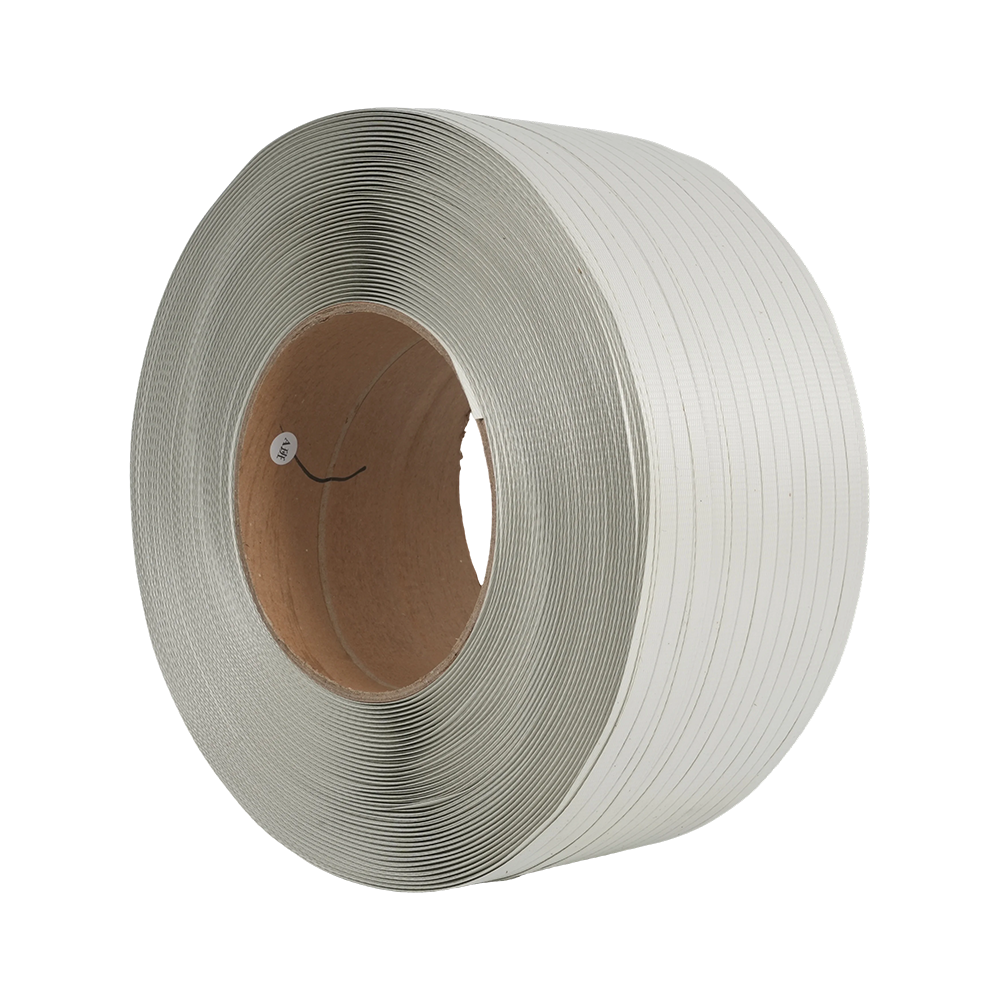
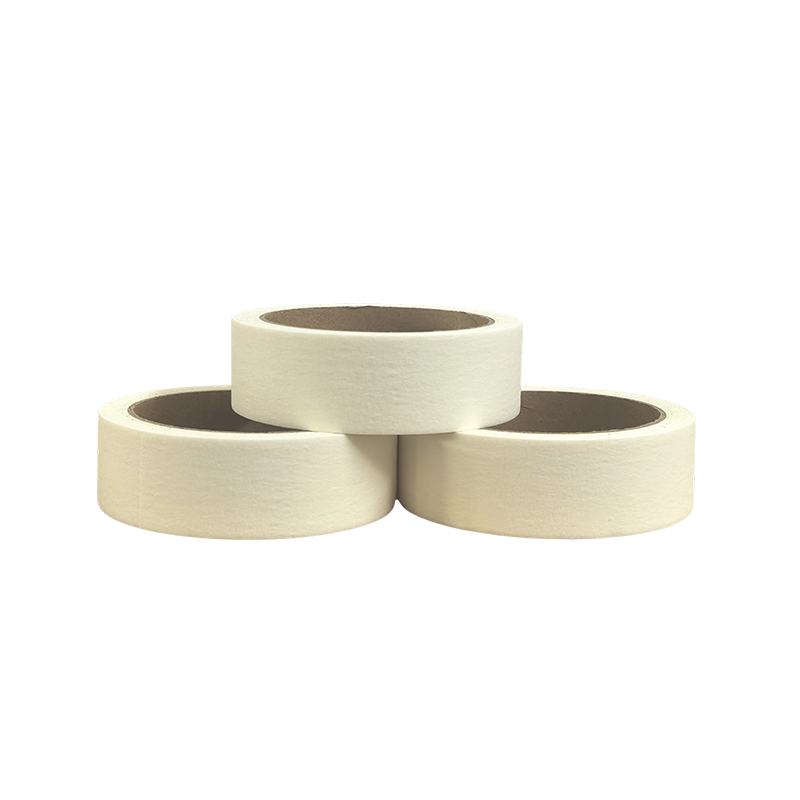
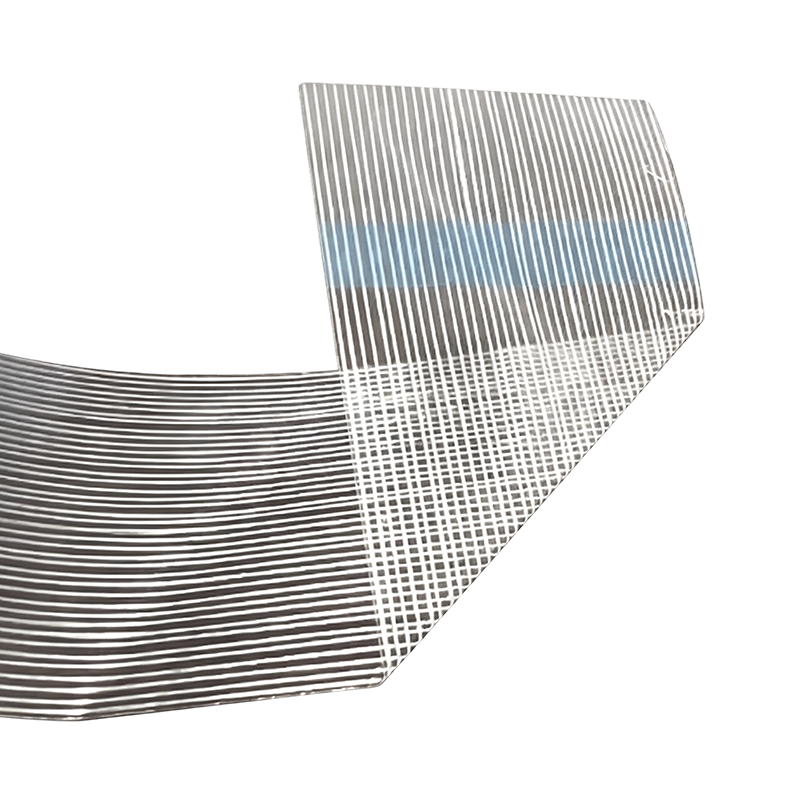
In addition to LY-XX Mylar Tape, the company manufactures or supplies BOPP tape, kraft paper tape, masking tape, high-temperature tape, metal tape, PE stretch film, PP strapping, and high-strength PET strapping. This broad product base may benefit customers seeking to consolidate procurement across packaging, logistics, assembly, and industrial protection materials.
The company’s in-house laboratory and closed-loop process control strengthen its ability to support product development. Customers can discuss performance targets such as thickness, color, adhesive type, insulation level, roll format, and application environment. Final feasibility depends on technical evaluation, production capacity, and agreed specifications, but the integrated manufacturing structure provides a practical foundation for customized supply.
Quality Management for Industrial Buyers
Industrial customers typically evaluate more than the initial price of adhesive tape. They consider batch consistency, production interruptions, waste, labor efficiency, certification, packaging, delivery reliability, and technical support. A tape that performs consistently may reduce the total cost of ownership even when its purchase price is not the lowest available.
For LY-XX Mylar Tape, quality management should include control of polyester film, adhesive formulation, pigment dispersion, coating weight, drying, slitting, roll packaging, and finished-product testing. Each stage can affect the final product. A clean film surface supports uniform coating. Controlled adhesive viscosity supports coating stability. Accurate drying supports the intended adhesive properties. Precise slitting supports smooth conversion and application.
Documentation is equally important. Buyers should request a technical datasheet, applicable safety information, certification details, packaging specifications, inspection records, and agreed acceptance criteria. For recurring orders, a retained reference sample or approved color standard can help maintain continuity between batches.
Sustainability and Operational Efficiency
Material efficiency is one practical sustainability advantage of selecting the correct tape construction. An ultra-thin tape may reduce material consumption where a thinner insulation layer is sufficient. Conversely, selecting a suitable multilayer product can prevent repeated wrapping or premature failure when a higher level of insulation is needed. Correct specification helps avoid both overuse and underperformance.
In-house process control may also reduce waste associated with off-color material, coating defects, inaccurate slitting, and rejected rolls. Laboratory testing during development and production can identify problems before large quantities are converted or shipped. Customers can support efficient use by specifying exact widths, roll lengths, core sizes, and packaging requirements.
Environmental claims should be evaluated carefully. Polyester film, adhesives, liners, cores, and packaging may follow different recycling or disposal pathways. Customers should consult the manufacturer regarding available packaging options, material composition, restricted substances, and end-of-life considerations for the selected model.
Frequently Asked Questions
What is the main purpose of LY-XX Mylar Tape?
The tape is primarily used for electrical insulation, coil wrapping, component fixation, wire bundling, battery pack insulation, and internal labeling in electrical and electronic assemblies. It is designed for functional industrial use rather than ordinary carton sealing.
What material is used as the substrate?
The substrate is polyester film, commonly referred to as PET or Mylar film. Polyester provides a combination of dielectric insulation, dimensional stability, mechanical strength, and resistance to many common solvents.
What adhesive systems are available?
The product description identifies rubber-based or acrylic-based pressure-sensitive adhesive systems depending on the model. The listed technical table identifies acrylic adhesive for the primary product entries. Buyers should confirm the adhesive system for the exact model being ordered.
What temperature can the tape withstand?
The supplied specifications list temperature resistance up to 130°C for the listed models. The correct model must be selected according to the actual continuous and intermittent temperature profile, electrical load, humidity, vibration, and chemical exposure of the application.
Is the tape flame retardant?
Most listed models are marked “YES” under the UL510 flame-retardancy column, while some model entries show a dash. Certification and flame-retardancy status should be verified for the exact model, thickness, color, adhesive, and construction before use in a regulated electrical system.
Which model is the thinnest?
LY-02Z is listed as the ultra-thin version, with a 0.019 mm substrate and an approximate total thickness of 0.035 ± 0.003 mm. It has a listed withstand voltage of 3 kV and a minimum peel strength of 200 N/m.
Which models provide the greatest listed withstand voltage?
The LY-02-3L three-layer composite construction has the highest listed withstand voltage at 8 kV. The LY-02-2L double-layer composite is listed at 6.5 kV. These products are thicker than the standard versions and should be checked for dimensional compatibility.
Can the tape be used on battery packs?
Yes, the product description identifies battery pack insulation and fixation as an application. However, battery designs vary significantly. Compatibility with cell surfaces, enclosures, thermal conditions, chemicals, voltage levels, and flame-retardancy requirements must be validated before production use.
How should the tape be stored?
Store the tape in a cool, dry place at approximately 20–25°C, away from direct sunlight, moisture, dust, heat sources, and chemicals. Keep rolls protected in their original packaging and avoid crushing or deforming the edges.
How can maximum adhesion be achieved?
Apply the tape to a clean, dry, oil-free, dust-free surface. Use adequate pressure after application and maintain controlled tension during wrapping. Avoid wrinkles, contamination, and trapped air. Application trials should be conducted on the actual substrate before large-scale production.
Can different colors be ordered?
The range includes dark yellow, light yellow, red, blue, green, black, white, and transparent options across selected models. Color availability should be confirmed for the required thickness, adhesive, and construction.
Is the tape suitable for automated equipment?
The film and pressure-sensitive adhesive construction can support industrial assembly, but automated compatibility depends on width, roll diameter, core size, unwinding force, splice requirements, application speed, and equipment design. A production trial is recommended before approval.
What information should be included in a quotation request?
Customers should provide the required model or performance target, film and total thickness, width, roll length, color, adhesive system, application surface, temperature range, electrical requirements, certification needs, packaging format, annual demand, and delivery destination. Detailed information helps the manufacturer recommend an appropriate configuration.
Conclusion
LY-XX Mylar Tape is a versatile polyester film insulation solution for transformer, motor, generator, battery, capacitor, electronic component, and internal assembly applications. Its key advantages include a stable PET substrate, pressure-sensitive adhesive technology, multiple thicknesses, composite constructions, color choices, solvent resistance, up to 130°C temperature resistance, and model-specific dielectric performance.
The product is further strengthened by Zhejiang Geruite Packaging Materials Co., Ltd.’s integrated manufacturing approach. In-house pigment grinding, adhesive synthesis, coating, slitting, and laboratory testing provide greater control over the production chain than a simple converting model. This structure supports improved traceability, more consistent quality, technical development, and responsive service for industrial customers.
Compared with general-purpose packaging tapes or limited single-specification alternatives, the LY-XX series offers a more complete selection framework for electrical insulation and component assembly. Customers can choose between ultra-thin, standard, thicker, double-layer, and three-layer constructions according to the balance of space, adhesion, mechanical handling, and dielectric requirements.
Successful use depends on correct model selection, surface preparation, application pressure, storage, and validation under real operating conditions. When these factors are properly controlled, LY-XX Mylar Tape can provide a practical and dependable insulation material for manufacturers seeking stable performance and a capable long-term supply partner.
References
1. Zhejiang Geruite Packaging Materials Co., Ltd., LY-XX Polyester Film Insulation Tape Product Information and Technical Specifications.
2. UL 510, Polyvinyl Chloride, Polyethylene, and Rubber Insulating Tape, relevant insulation tape performance considerations.
3. General industrial guidance for pressure-sensitive adhesive tape application, surface preparation, storage, and bonding pressure.
4. General engineering references for polyester film electrical insulation, dielectric strength, thermal performance, and dimensional stability.
5. General quality-control principles for adhesive coating, slitting, roll conversion, laboratory testing, and industrial material traceability.
Product: LY-XX Mylar Tape

CONTACT DETAILS
- Address:No. 241, Yaojiafan, Zhangpanqiao, Shushan Street, Xiaoshan District, Hangzhou City, Zhejiang Province, China
- TEL:+86-0571-83175630
- Phone:+86-13336160217
- Email:jeffrey@grtpk.com
- WeChat/WhatsApp:+86-18058115265
PRODUCTS
NEWS CENTER
MOBILE TERMINAL
Copyright© Zhejiang Geruite Packaging Materials Co., Ltd. All Rights Reserved.
Privacy Wholesale industrial packaging tape Manufacturers