


 English
 Español
 عربى

Glass Fibre Mesh Tape: High-Strength Reinforcement for Industrial Packaging and Load Protection
Content
- 1 What Is Glass Fibre Mesh Tape?
- 2 Why Reinforced Tape Matters in Industrial Packaging
- 3 Key Product Advantages
- 4 Technical Specifications
- 5 Comparison with Conventional Packaging Tape
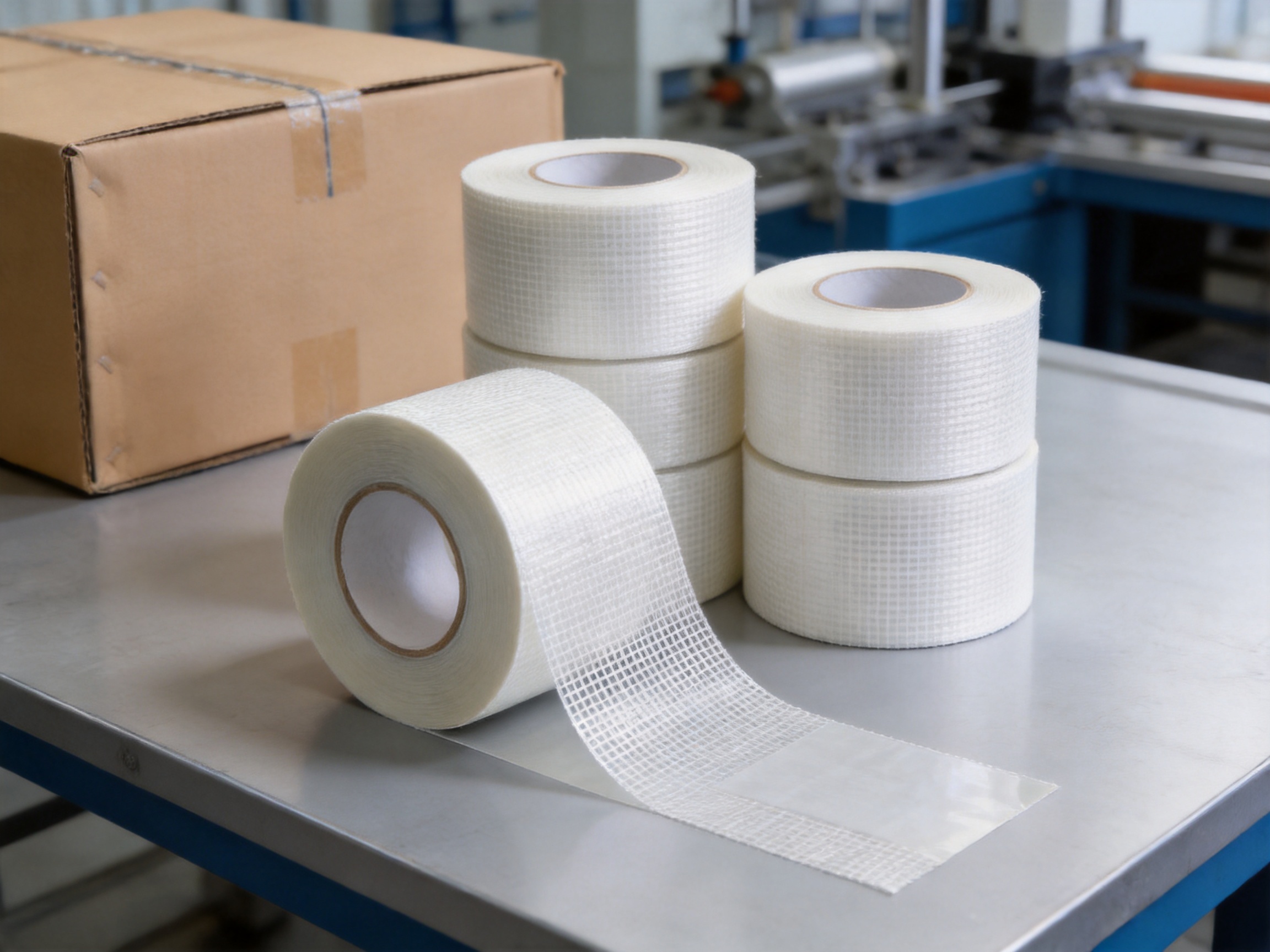
- 6 Applications Across Industrial Packaging
- 7 Manufacturing Strengths and Quality Philosophy
- 8 Application Recommendations
- 9 Storage and Handling Guidance
- 10 Advantages for Purchasing and Supply Chain Management
- 11 Environmental and Efficiency Considerations
- 12 Quality, Compliance, and Product Selection
- 13 Why Choose a Specialized Packaging Material Manufacturer?
- 14 Frequently Asked Questions
- 14.1 What is Glass Fibre Mesh Tape mainly used for?
- 14.2 What makes the tape different from standard packing tape?
- 14.3 What is the tensile strength of the product?
- 14.4 Does the tape stretch significantly during application?
- 14.5 Can it be used to seal heavy cartons?
- 14.6 Can the tape replace plastic strapping?
- 14.7 Can the tape be used with stretch film?
- 14.8 What is the product’s typical thickness?
- 14.9 What is the initial tack value?
- 14.10 What is the peel strength?
- 14.11 Is the tape suitable for all surfaces?
- 14.12 How should the tape be stored?
- 14.13 Can the product be customized?
- 14.14 How can customers evaluate the tape before purchase?
- 15 Conclusion
- 16 References
- 17 Product: Glass Fibre Mesh Tape
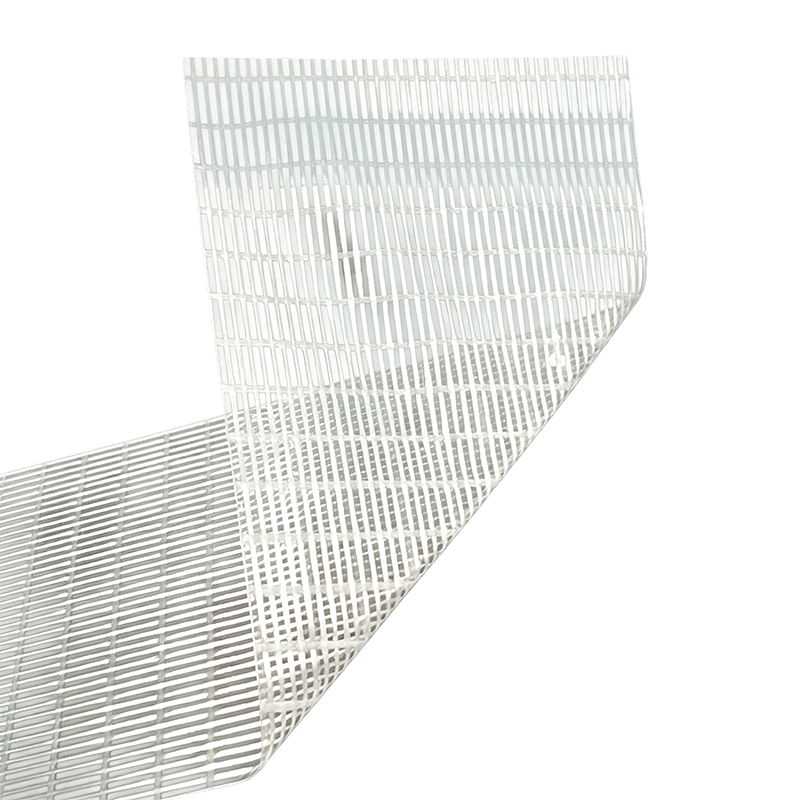
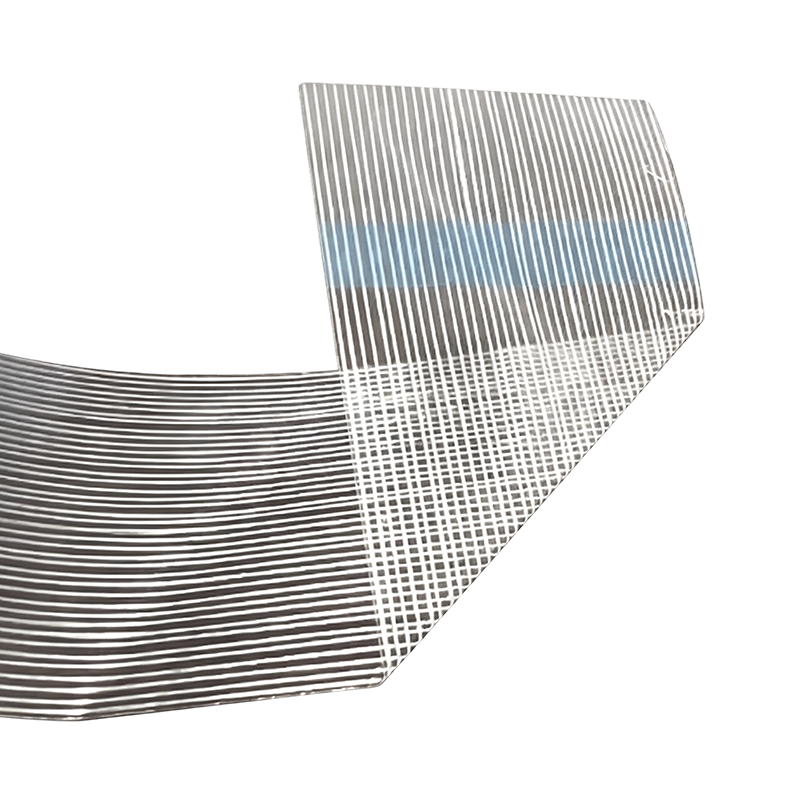
Glass Fibre Mesh Tape is a high-performance industrial packaging tape designed for applications that demand more than ordinary carton-sealing tape can provide. Combining a pressure-sensitive adhesive with a strong fiberglass mesh carrier, this tape delivers dependable reinforcement, high tensile strength, strong adhesion, wear resistance, and dimensional stability. It is suitable for securing heavy loads, reinforcing cartons, sealing boxes, bundling materials, strapping packages, and providing robust protection during storage, handling, and transportation.
In modern supply chains, packaging is exposed to impact, vibration, compression, friction, temperature changes, and repeated handling. Standard packaging tape may be adequate for light cartons and short-distance movement, but it can become insufficient when packages are heavy, oversized, irregularly shaped, or subject to demanding logistics conditions. Glass Fibre Mesh Tape addresses these challenges by distributing stress across a woven fiberglass structure while maintaining strong contact with the packaging surface.
Manufactured by Zhejiang Geruite Packaging Materials Co., Ltd., the product is developed for customers seeking a reliable alternative to conventional adhesive tape, paper strapping, or less-reinforced plastic tape. Its typical total thickness is 0.135 mm, its 180-degree peel strength is 27.3 N/25 mm, and its tensile strength reaches 650 N/in. With an elongation at break of approximately 5%, the tape is designed to remain stable under tension rather than stretching excessively during use.
This combination of reinforcement, adhesion, and controlled elongation makes Glass Fibre Mesh Tape a practical solution for industrial packaging, export packaging, warehouse operations, appliance packaging, furniture protection, construction-related bundling, and other applications where package integrity is a priority.
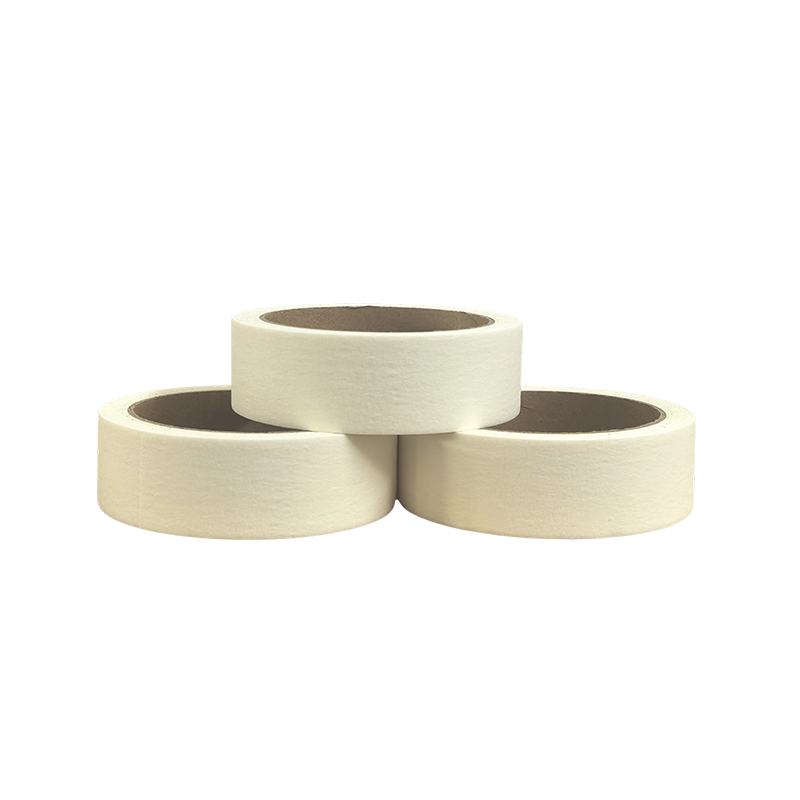
Glass Fibre Mesh Tape
What Is Glass Fibre Mesh Tape?
Glass Fibre Mesh Tape is a reinforced adhesive tape in which fiberglass filaments are arranged in a mesh structure and integrated with a pressure-sensitive adhesive system. The fiberglass carrier supplies mechanical strength, while the adhesive provides surface bonding. Together, these components create a tape that can help hold, stabilize, reinforce, and protect packaged products.
Unlike ordinary packaging tape, which relies primarily on a thin polymer film and adhesive layer, mesh-reinforced tape has an internal structure that helps resist tearing and splitting. When force is applied to a carton or bundle, the fiberglass mesh spreads the load over a wider area. This can reduce the likelihood of sudden tape failure, especially when the package is exposed to lifting, pulling, vibration, or impact.
The mesh design also provides a useful balance between strength and flexibility. The tape can conform to many common packaging surfaces while retaining sufficient reinforcement for demanding conditions. It is suitable for use on corrugated cartons, rigid packaging boards, wrapped components, palletized products, and other surfaces that require additional support.
The tape’s high-viscosity adhesive is intended to create firm contact with suitable packaging materials. Strong adhesion is particularly important when the tape is used to close cartons, reinforce seams, secure heavy loads, or prevent the movement of protective packaging. A reinforced tape without adequate adhesion may detach from the surface, while an adhesive-only product may lack the structural strength needed for heavy-duty applications. Glass Fibre Mesh Tape is designed to address both requirements.
Why Reinforced Tape Matters in Industrial Packaging
Packaging failure can generate costs far beyond the price of the packaging material itself. A broken carton, shifted load, or opened package may lead to product damage, returns, delays, rework, customer complaints, and additional labor. In export and distribution environments, a package may pass through multiple stages, including filling, sealing, palletizing, warehouse storage, vehicle loading, transportation, unloading, and final delivery. Each stage introduces opportunities for stress and damage.
Heavy or dense products create especially high loads at carton seams and closure points. When a package is lifted or moved, its contents may pull downward while the carton walls attempt to remain in position. Ordinary tape can stretch, split, or peel when the load exceeds its design capability. Fiberglass reinforcement helps the tape resist these forces and supports the packaging structure at key points.
Glass Fibre Mesh Tape is also useful when packaging materials have already experienced wear. Corrugated cartons can become weakened by humidity, abrasion, stacking pressure, or repeated handling. Applying reinforced tape over a seam, edge, or vulnerable area can provide additional support and help extend the functional life of the package.
For companies that handle different product sizes and weights, using a high-strength tape can simplify packaging operations. Instead of relying on multiple layers of ordinary tape, operators may use a purpose-designed reinforced tape in areas where higher performance is required. This can improve consistency, reduce unnecessary tape usage, and help create a more uniform packaging standard.
Key Product Advantages
High Tensile Strength
The typical tensile strength of the tape is 650 N/in according to the stated test reference. This level of strength supports applications involving heavy cartons, bundled materials, and load stabilization. Tensile strength indicates how much pulling force the tape can withstand before breaking. Although actual performance depends on application conditions, substrate quality, tape width, temperature, and installation method, a high tensile rating is an important indicator of the product’s reinforcement capability.
Compared with ordinary carton-sealing tape, fiberglass mesh tape is better suited to applications where the tape must contribute to the mechanical stability of the package. It can be used to reinforce carton seams, secure bundled items, and help restrain movement during transportation.
Strong 180-Degree Peel Adhesion
The typical 180-degree peel strength is 27.3 N/25 mm. Peel strength reflects the force required to remove the tape from a surface under a specified test method. A strong peel value is important because packaging tape must remain attached during lifting, storage, vibration, and handling.
The tape’s high-viscosity adhesive is formulated to provide reliable contact with suitable packaging surfaces. When the tape is applied correctly to a clean, dry, and relatively smooth surface, the adhesive can help maintain the closure or reinforcement point. Operators should press the tape firmly onto the substrate to improve contact and reduce the risk of air pockets or incomplete bonding.
Controlled Elongation
The typical elongation at break is 5%. This relatively controlled elongation helps the tape maintain dimensional stability under tension. A tape that stretches excessively may allow a carton seam or bundle to shift before the tape reaches its full reinforcing effect. Lower elongation is often desirable for applications that require restraint and structural support.
Controlled elongation also improves handling consistency. When a worker applies the tape by hand or with a dispenser, the tape can be pulled across the package without excessive deformation. This supports more uniform application and helps ensure that the reinforcing fibers remain properly positioned over the target area.
Wear Resistance
Industrial packages are frequently exposed to abrasion from pallets, conveyor systems, warehouse floors, vehicle interiors, and neighboring cartons. The fiberglass mesh structure contributes to the tape’s resistance to tearing and wear. This is valuable when the tape is applied around carton corners, over seams, or across areas likely to experience friction.
Wear resistance is particularly beneficial for packages that are stored for extended periods or moved repeatedly. While the tape should not be considered a substitute for proper packaging design, its reinforced structure can provide an extra protective layer in demanding environments.
Reinforcement for Heavy Loads
The product is intended for securing heavy loads and providing robust protection. It can be applied to carton closures, package edges, bundle joints, and other locations where stress is concentrated. The mesh carrier helps distribute force, reducing the chance that a single narrow line of adhesive will bear the entire load.
For particularly heavy or unstable products, the tape can be used together with stretch film, strapping bands, corner protectors, pallets, and other packaging materials. This creates a layered packaging system in which each material performs a different function. The mesh tape reinforces and seals, stretch film contains and protects, and strapping supplies additional compression and load restraint.
Technical Specifications
The following values are typical product data supplied for Glass Fibre Mesh Tape. They are provided for product evaluation and packaging design reference. Actual performance may vary depending on tape width, roll length, storage conditions, substrate, application pressure, temperature, and test conditions.
| Test Item | Reference Standard | Typical Value | Packaging Relevance |
|---|---|---|---|
| Total Thickness | GB/T 7125-2014 | 0.135 mm | Provides a practical balance between reinforcement, flexibility, and application efficiency |
| Initial Tack | GB/T 4852-2002 | No. 28 steel ball | Indicates initial adhesive grab during application |
| 180-Degree Peel Strength | GB/T 2792-2014 | 27.3 N/25 mm | Supports secure bonding to appropriate packaging surfaces |
| Tensile Strength | GB/T 7753-87 | 650 N/in | Supports heavy-load reinforcement and load stabilization |
| Elongation at Break | GB/T 7753-87 | 5% | Helps maintain shape and restraint under tension |
These values demonstrate the product’s focus on strength and structural support. The combination of 0.135 mm thickness, high tensile strength, strong peel adhesion, and limited elongation distinguishes the tape from lightweight tapes designed only for basic carton closure.
Comparison with Conventional Packaging Tape
Conventional BOPP carton-sealing tape is widely used because it is economical, easy to apply, and suitable for general-purpose packaging. However, it may not provide sufficient reinforcement for heavy, sharp-edged, or high-value products. When a package requires greater resistance to splitting and pulling, a fiberglass mesh structure offers a significant functional advantage.
Paper tape can provide a useful appearance and may be selected for certain carton-sealing applications, but its performance can depend strongly on paper quality, moisture exposure, and adhesive formulation. Glass Fibre Mesh Tape is designed around a fiberglass reinforcement system, giving it a different mechanical profile and making it more suitable for high-load applications.
Plastic strapping is effective for bundling and pallet stabilization, but it generally requires a strapping tool and may exert concentrated pressure on carton edges. Mesh tape can be applied quickly to seams, joints, and localized areas where strapping is inconvenient. In many packaging systems, the two products can be used together rather than treated as direct substitutes.
Ordinary filament tape may contain reinforcing strands, but the structure, adhesive performance, tensile strength, and quality consistency can vary considerably between products. Glass Fibre Mesh Tape is positioned as a purpose-designed industrial material with stated technical values and a production system focused on packaging materials.
Functional Comparison
| Feature | Glass Fibre Mesh Tape | Standard Carton-Sealing Tape | Plastic Strapping |
|---|---|---|---|
| Primary function | Reinforcement, sealing, bundling, and load support | General carton closure | Bundling and pallet load restraint |
| Reinforcement structure | Fiberglass mesh carrier | Usually polymer film without structural mesh | Continuous plastic strap |
| Application method | Hand application or suitable dispenser | Hand application or tape dispenser | Usually requires a tensioning or strapping tool |
| Suitability for heavy loads | High, when correctly selected and applied | Limited compared with reinforced tape | High, especially for palletized loads |
| Localized seam reinforcement | Highly suitable | Suitable mainly for light-duty sealing | Less convenient for small or irregular areas |
| Resistance to tearing | Supported by fiberglass mesh | Depends mainly on film thickness and formulation | Generally high along the strap direction |
The correct choice depends on the package design and handling requirements. Glass Fibre Mesh Tape is especially advantageous where a flexible adhesive material must also supply reinforcement. It offers a practical middle ground between ordinary tape and heavier strapping systems.
Applications Across Industrial Packaging
Heavy Carton Sealing
Heavy cartons place significant stress on closure seams. Glass Fibre Mesh Tape can be applied along the central seam, across end flaps, or around vulnerable corners. The fiberglass reinforcement helps maintain the connection between the carton panels while the adhesive bonds to the surface.
For best results, the carton should be filled without excessive bulging. The flaps should meet properly, and the surface should be free from dust, moisture, oil, and loose fibers. The tape should be pressed down firmly along the entire seam. If the carton is exceptionally heavy, multiple strips or a combination of tape and strapping may be appropriate.
Sealing Export Cartons
Export cartons may undergo longer transportation routes and more handling stages than domestic packages. They can be exposed to vibration, stacking, loading equipment, and changes in humidity. Reinforced tape can help improve closure reliability, especially when the package contains dense components or valuable goods.
It is important to remember that tape selection is only one part of export packaging. Carton grade, internal cushioning, pallet configuration, moisture protection, corner protection, and stacking height also influence performance. Glass Fibre Mesh Tape contributes additional reinforcement within this broader packaging system.
Bundling Long or Irregular Products
Products such as profiles, pipes, panels, rods, components, and construction materials may be difficult to package in standard cartons. Mesh tape can be wrapped around grouped products to help keep them together before they are placed on a pallet or covered with stretch film.
Its controlled elongation is useful in bundling because the tape can provide restraint without becoming excessively loose. The tape should be applied with consistent tension, avoiding sharp folds or contact with edges that could damage the adhesive or carrier.
Reinforcing Carton Corners and Edges
Carton edges and corners are common points of failure. They may be crushed by stacking, scraped during movement, or weakened by repeated contact with handling equipment. Strips of Glass Fibre Mesh Tape can be applied over selected edges to provide additional support.
This method is useful for furniture packaging, appliance packaging, machinery components, and other products that require added protection at specific points. When used with corner boards or edge protectors, the tape can help hold the protective components in place.
Warehouse and Distribution Operations
Warehouses often handle packages at high speed. A tape that can be applied quickly and consistently helps reduce interruptions and rework. Glass Fibre Mesh Tape can be used in receiving, order fulfillment, repacking, returns processing, and dispatch operations.
For warehouse standardization, operators can establish clear guidelines regarding tape width, number of strips, overlap length, and application locations. Such procedures help reduce variation between workers and improve package appearance and reliability.
Industrial Components and Machinery
Machinery parts and industrial components may be heavy, sharp, or difficult to stabilize. Mesh tape can assist with temporary securing, protective wrapping, bundle organization, and carton reinforcement. It may be applied over protective films, cushioning materials, or wrapping layers to help keep them in place during movement.
Where the product surface is sensitive, users should test the tape before full-scale application. Adhesion and removability can differ depending on paint, metal finish, plastic composition, coating, and surface energy.
Construction and Decoration Materials
Construction and decoration products frequently require bundling and surface protection. Glass Fibre Mesh Tape may be used for securing packaged panels, grouping profiles, holding protective films, and reinforcing temporary packaging closures. Its high tensile strength can be useful when materials are transported in groups or stored in vertical and horizontal configurations.
The tape should not be used as a structural substitute for certified construction reinforcement systems unless it has been specifically tested and approved for that purpose. Its principal role is industrial packaging, securing, sealing, and protection.
Manufacturing Strengths and Quality Philosophy
Zhejiang Geruite Packaging Materials Co., Ltd. focuses on the research, development, production, and sales of tapes and packaging materials. Its product range includes BOPP tapes, kraft paper tapes, masking tapes, high-temperature-resistant tapes, metal tapes, polyethylene stretch film, polypropylene strapping, and high-strength PET strapping.
This broad product portfolio provides an important manufacturing advantage. Packaging customers often require more than one material to complete a packaging system. A supplier with experience across adhesive tapes, stretch film, and strapping can better understand how materials work together in real packaging environments.
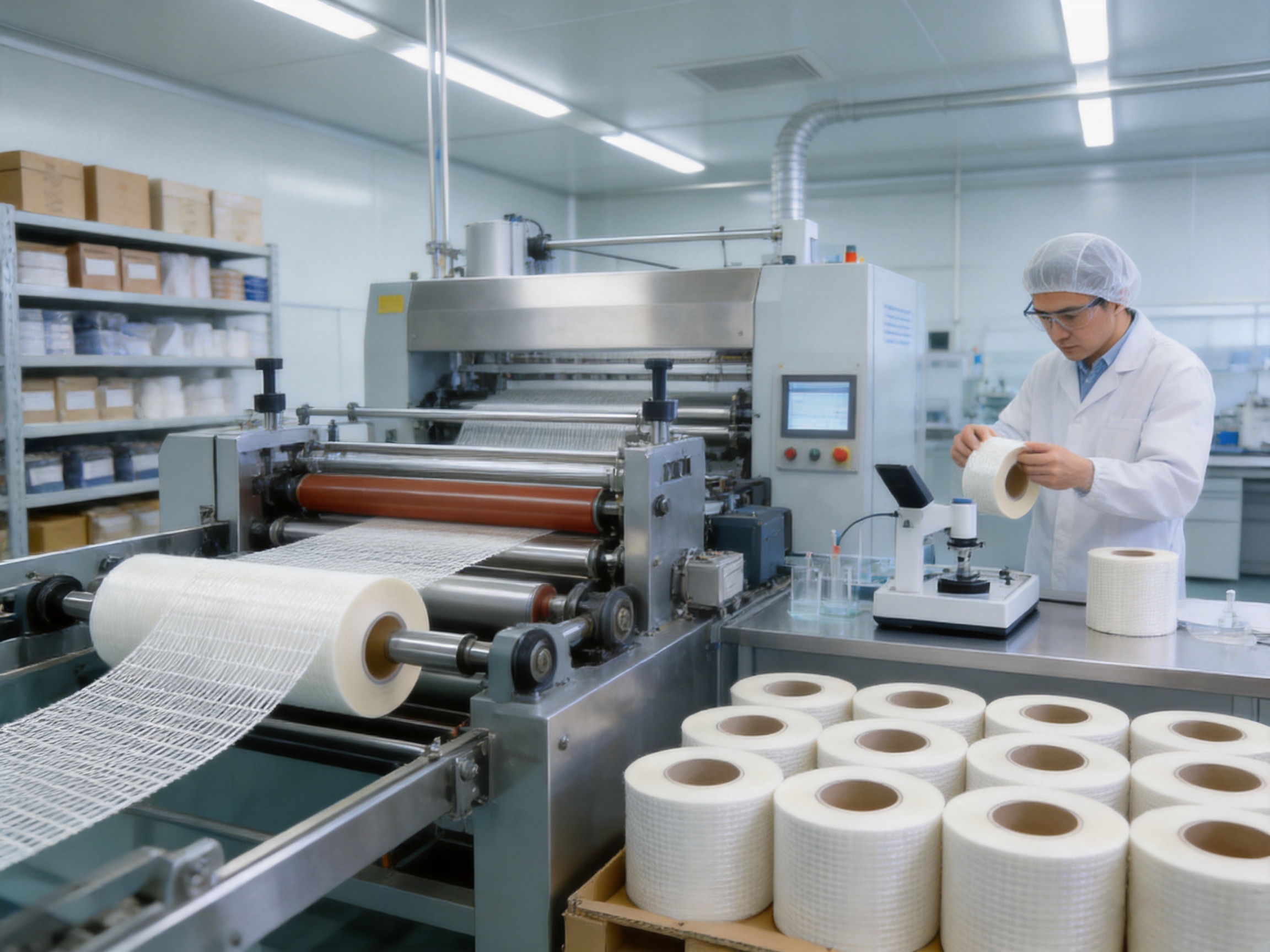
The company states that it is equipped with advanced production equipment and a rigorous quality control system. Quality management covers key stages from raw material procurement through production and final inspection. This process-oriented approach is essential for reinforced tape because performance depends on the consistency of multiple components, including fiberglass mesh, adhesive, coating, winding, slitting, and packaging.
Raw Material Control
Consistent raw materials are the foundation of stable tape performance. Fiberglass mesh must provide appropriate strength and dimensional stability. The adhesive system must deliver the required initial tack and peel adhesion. Supporting materials must be compatible with the coating and converting processes.
Effective raw material control may include supplier qualification, incoming inspection, specification management, batch identification, and sample testing. These activities help reduce variation and support traceability throughout the production process.
Coating and Adhesive Application
The adhesive coating stage is critical to product performance. An uneven adhesive layer may cause inconsistent tack, weak bonding, exposed areas, or excess transfer. Controlled coating conditions help maintain uniformity across the tape web.
For Glass Fibre Mesh Tape, the coating process must also work effectively with the mesh structure. The adhesive needs to contact the carrier consistently while preserving the desired balance between tack, peel strength, flexibility, and handling performance.
Mesh Integration and Web Handling
Fiberglass mesh must be handled carefully during converting. Excessive tension, misalignment, or uneven web movement can affect the finished tape. Stable web handling supports consistent dimensions and helps maintain the intended reinforcement pattern throughout the roll.
Accurate control during this stage contributes to product reliability. It also helps reduce defects such as wrinkles, telescoping, uneven edges, broken strands, and irregular winding.
Slitting and Rewinding
Industrial customers may require different tape widths and roll configurations. Slitting and rewinding equipment must produce clean edges, stable roll structure, and consistent lengths. A well-converted roll should unwind smoothly and remain suitable for hand application or use with a compatible dispenser.
Slitting quality is particularly important for fiberglass-reinforced products. Damaged edges or loose winding may affect application performance and reduce operator efficiency. Proper inspection during converting helps identify and control these issues before shipment.
Testing and Final Inspection
The stated product data includes testing for total thickness, initial tack, 180-degree peel strength, tensile strength, and elongation at break. These tests evaluate different aspects of performance. Thickness relates to construction consistency, tack reflects initial grab, peel strength measures adhesion, tensile strength evaluates resistance to pulling force, and elongation indicates how much the tape stretches before breaking.
A rigorous final inspection program can include visual checks, dimensional verification, roll appearance evaluation, and performance testing. By comparing test results with internal specifications and customer requirements, the manufacturer can support more consistent product supply.
The company’s stated annual output value of more than RMB 60 million reflects an established production and commercial operation. Combined with its regional manufacturing base in Zhejiang, this provides a foundation for serving domestic and international packaging customers.
Application Recommendations
Prepare the Surface
Before applying the tape, remove dust, loose fibers, oil, condensation, and other contaminants. A clean and dry surface allows the adhesive to make more complete contact. Corrugated cardboard should be intact and free from excessive powder or damaged fibers where possible.
Apply with Adequate Pressure
Pressure-sensitive adhesive requires contact pressure to wet out against the surface. Press the tape firmly along its full length, especially at the beginning, end, and edges. A hand roller or suitable dispenser may improve consistency in high-volume operations.
Avoid Excessive Wrinkles
Wrinkles can reduce the effective contact area and create stress concentrations. Apply the tape steadily and keep it aligned with the seam or bundle. If the package has a sharp corner, use an appropriate overlap or additional strip rather than forcing the tape into a severe fold.
Use Suitable Overlap
When one strip is not long enough, overlap adjacent strips sufficiently to maintain continuity. The correct overlap depends on package design, load, tape width, and handling conditions. Heavy packages should be tested under realistic conditions before the packaging method is adopted for production.
Combine with Other Packaging Materials When Necessary
Glass Fibre Mesh Tape is a reinforcement and sealing material, not a complete replacement for all packaging components. Heavy palletized loads may also require stretch film, PP strapping, PET strapping, edge protectors, corner boards, cushioning, or a rigid outer container.
Combining materials allows each product to perform its intended function. Mesh tape can reinforce carton seams and hold protective elements, while stretch film can contain the overall pallet and strapping can provide high-tension load restraint.
Conduct Application Trials
Before large-scale use, customers should conduct trials using the actual carton, substrate, product weight, environmental conditions, and handling process. Testing should include lifting, stacking, vibration, transport simulation, and storage where relevant.
Application trials are especially important when the tape is used on coated boards, recycled cartons, plastics, painted metals, dusty surfaces, or temperature-sensitive packaging. Test results should be recorded and used to establish a packaging specification.
Storage and Handling Guidance
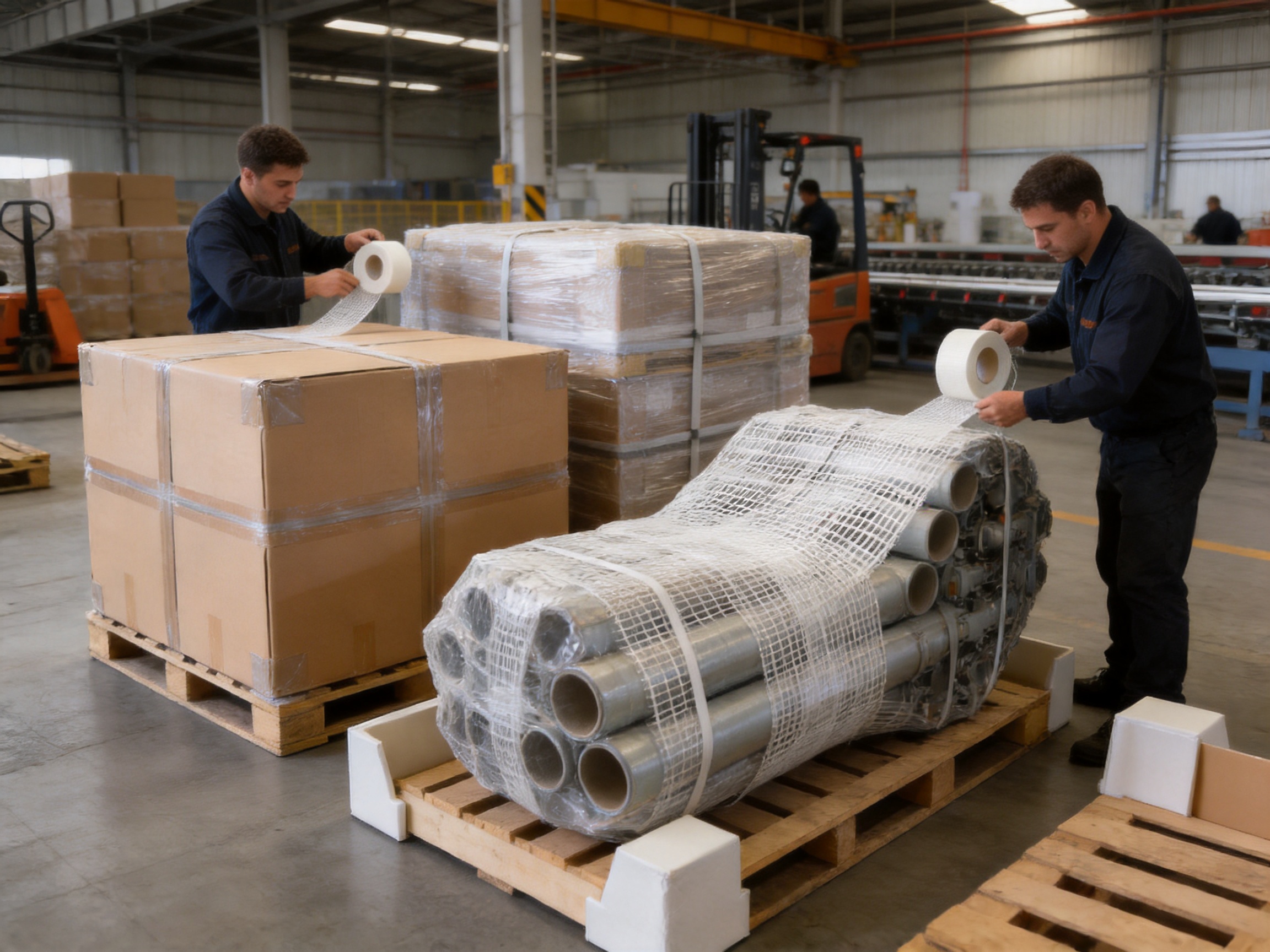
Store tape in a clean, dry environment away from direct sunlight, excessive heat, and moisture. Keep rolls in their original packaging until they are ready for use. Avoid placing heavy objects on the rolls because deformation can affect unwinding and application.
Temperature and humidity can influence pressure-sensitive adhesive performance. If the tape has been stored in a particularly cold or hot environment, allow it to reach the normal application environment before use. The precise conditioning period depends on the storage and operating conditions.
Protect the roll edges from impact and contamination. Damaged edges may cause uneven application or difficulty during dispensing. Operators should inspect rolls before use and remove any roll with severe deformation, contamination, or visible damage.
Advantages for Purchasing and Supply Chain Management
For procurement teams, product performance is only one part of the purchasing decision. Supply stability, technical support, product range, quality control, and communication also matter. A supplier that manufactures several categories of packaging material can provide a more coordinated purchasing experience.
Geruite’s product portfolio covers adhesive tapes, stretch film, and strapping-related materials. This enables customers to evaluate packaging systems rather than isolated products. For example, a customer may require Glass Fibre Mesh Tape for carton reinforcement, stretch film for pallet containment, and PET strapping for long-distance load stabilization.
Product development capability is another advantage. The company states that it focuses on research and innovation in packaging materials. This creates a basis for developing product variations that address different widths, roll lengths, adhesive requirements, reinforcement levels, and packaging formats, subject to technical evaluation and production feasibility.
Quality consistency is also important for automated or high-volume packaging lines. Variations in thickness, tack, roll winding, or tensile performance may cause interruptions and inconsistent package results. A systematic production and inspection process helps customers establish repeatable packaging operations.
Environmental and Efficiency Considerations
Packaging efficiency involves more than selecting the thinnest material. A package that fails may require replacement cartons, additional tape, repacking labor, reverse logistics, and disposal of damaged goods. By improving package integrity, a suitable reinforced tape may help reduce these indirect losses.
Controlled application can also prevent unnecessary overuse. Operators should use the minimum practical amount of tape required for the package design, while maintaining a sufficient safety margin for transport conditions. Standardized application patterns can reduce random layering and improve material utilization.
Customers should evaluate the full packaging system, including the tape carrier, adhesive, carton, protective materials, and disposal requirements. Recycling and disposal practices may vary according to local facilities and the combination of materials used. Where environmental targets apply, packaging engineers should assess the complete system rather than making assumptions based on a single component.
Quality, Compliance, and Product Selection
When selecting Glass Fibre Mesh Tape, customers should define the application requirements clearly. Important factors include package weight, carton construction, substrate type, surface condition, transportation distance, stacking method, temperature, humidity, application speed, and whether the tape will be applied manually or mechanically.
The typical values supplied for this product provide a useful technical starting point. However, test values should not be interpreted as a universal guarantee for every application. Packaging performance is affected by the interaction between tape and substrate. A tape that performs well on one carton board may behave differently on a coated board, recycled board, plastic surface, or painted component.
For critical applications, buyers should request samples, technical data, batch information, and application support. A structured evaluation may include peel testing on the actual substrate, tensile testing of applied strips, package drop testing, vibration testing, and storage trials.
Customers should also confirm roll dimensions, core size, packaging format, labeling requirements, and delivery arrangements before placing a production order. Clear specifications help reduce misunderstandings and support long-term supply consistency.
Why Choose a Specialized Packaging Material Manufacturer?
A specialized manufacturer understands that packaging materials must perform in practical operating environments, not only in laboratory tests. The product must unwind properly, adhere to the intended substrate, tolerate handling, fit existing equipment, and contribute to efficient packaging workflows.
Geruite’s focus on packaging materials gives it experience across multiple product categories and end-use sectors. Its products serve logistics and express delivery, household goods, electronics, construction and decoration, industrial manufacturing, cargo stabilization, and packaging protection.
The company’s manufacturing philosophy emphasizes quality from raw material procurement to final inspection. This whole-process approach is valuable for reinforced tape because product performance depends on the coordinated control of materials, coating, mesh handling, slitting, rewinding, inspection, and packing.
Its location in Zhejiang Province provides access to a developed manufacturing ecosystem and established logistics connections. The company’s stated commitment to research, product optimization, service improvement, and international cooperation supports its role as a potential packaging material partner for customers in different markets.
Frequently Asked Questions
What is Glass Fibre Mesh Tape mainly used for?
It is mainly used for securing heavy loads, reinforcing and sealing cartons, bundling materials, supporting package seams, resisting wear, and providing robust packaging protection. It is suitable for industrial packaging applications where ordinary carton tape may not provide enough strength.
What makes the tape different from standard packing tape?
The main difference is the fiberglass mesh reinforcement. Standard packing tape generally depends on its polymer film and adhesive, while Glass Fibre Mesh Tape combines adhesive bonding with a strong mesh carrier. This gives it higher tensile strength and better resistance to tearing and splitting in demanding applications.
What is the tensile strength of the product?
The stated typical tensile strength is 650 N/in according to the supplied product information and its referenced test method. Actual performance may vary according to tape width, application conditions, substrate, and other packaging factors.
Does the tape stretch significantly during application?
The typical elongation at break is 5%, indicating controlled stretch. This helps the tape maintain dimensional stability and provide effective restraint. Users should still apply the tape evenly and avoid excessive pulling that could distort the package or affect adhesion.
Can it be used to seal heavy cartons?
Yes. Heavy carton sealing is one of its intended applications. The carton should be properly formed, the surface should be clean and dry, and the tape should be pressed firmly along the seam. For exceptionally heavy or unstable cartons, combine the tape with suitable strapping and other protective packaging materials.
Can the tape replace plastic strapping?
It can replace strapping in some localized or moderate-duty applications, but it is not automatically a complete substitute for high-tension pallet strapping. The correct choice depends on load weight, package configuration, transport conditions, and safety requirements. In many cases, mesh tape and strapping work effectively together.
Can the tape be used with stretch film?
Yes. The materials perform different functions and can be used in the same packaging system. Glass Fibre Mesh Tape can reinforce carton seams and hold packaging components, while stretch film can contain products and stabilize a palletized load.
What is the product’s typical thickness?
The typical total thickness is 0.135 mm, based on the supplied product information. Thickness may influence handling, reinforcement, adhesive coverage, and the amount of material required for a particular application.
What is the initial tack value?
The supplied typical value is No. 28 steel ball under the referenced initial tack test. Initial tack indicates the adhesive’s ability to grab the surface during the first stage of application.
What is the peel strength?
The typical 180-degree peel strength is 27.3 N/25 mm. This value indicates the force required to peel the tape from a suitable test surface under the referenced method. Actual adhesion depends on the substrate, cleanliness, pressure, temperature, and dwell time.
Is the tape suitable for all surfaces?
No tape should be assumed to perform equally on every surface. The product is intended for suitable packaging and industrial substrates, but customers should test it on their actual carton board, film, metal, plastic, painted surface, or other material before full-scale use.
How should the tape be stored?
Store it in a clean, dry place away from direct sunlight, excessive heat, and moisture. Keep the rolls in their original packaging, protect the edges from impact, and avoid placing heavy objects on top of the rolls.
Can the product be customized?
Customization may be possible depending on the required width, roll length, packaging format, application method, and technical specification. Customers should discuss their requirements with the manufacturer and confirm feasibility through samples and testing.
How can customers evaluate the tape before purchase?
Customers should request samples and apply them to the actual packaging materials. Evaluation may include visual inspection, peel testing, carton sealing, lifting tests, stacking tests, vibration simulation, and storage trials. The best evaluation method depends on the intended application and transportation conditions.
Conclusion
Glass Fibre Mesh Tape is a strong and versatile solution for industrial packaging tasks that require more than basic carton sealing. Its fiberglass mesh carrier provides reinforcement, while its high-viscosity adhesive supports secure bonding. The product’s typical 650 N/in tensile strength, 27.3 N/25 mm peel strength, 5% elongation at break, and 0.135 mm total thickness create a practical performance profile for heavy-load packaging, carton reinforcement, bundling, wear resistance, and load protection.
Its advantages over conventional packaging tape are most apparent when packages are heavy, exposed to repeated handling, subject to vibration, or vulnerable to seam and edge failure. Compared with strapping, it offers greater flexibility for localized reinforcement and quick application. When used together with stretch film, PP strapping, PET strapping, corner protectors, and suitable cartons, it can contribute to a complete and dependable packaging system.
The manufacturing strengths of Zhejiang Geruite Packaging Materials Co., Ltd. further support the product’s industrial positioning. The company’s broad packaging material portfolio, stated use of advanced production equipment, quality control from raw materials through final inspection, research and development focus, and experience serving multiple industries provide a foundation for consistent supply and technical cooperation.
For the best results, customers should match the tape to the package design, test it on the actual substrate, apply it with adequate pressure, and establish clear packaging procedures. When selected and applied correctly, Glass Fibre Mesh Tape can help improve package integrity, reduce handling risks, and provide a dependable reinforcement layer for modern logistics and industrial packaging operations.
References
1. GB/T 7125-2014, reference method for determining the thickness of pressure-sensitive adhesive tapes.
2. GB/T 4852-2002, reference method for evaluating the initial tack of pressure-sensitive adhesive products.
3. GB/T 2792-2014, reference method for determining the peel adhesion of pressure-sensitive adhesive products.
4. GB/T 7753-87, reference method for evaluating tensile strength and elongation characteristics of adhesive tape materials.
5. Product technical information supplied for Glass Fibre Mesh Tape, including typical thickness, tack, peel strength, tensile strength, and elongation values.
6. Industrial packaging principles relating to carton sealing, load stabilization, pallet protection, material handling, and transport packaging design.
7. Manufacturer information concerning packaging material production, quality control, research and development, product categories, and company capabilities.
Product: Glass Fibre Mesh Tape

CONTACT DETAILS
- Address:No. 241, Yaojiafan, Zhangpanqiao, Shushan Street, Xiaoshan District, Hangzhou City, Zhejiang Province, China
- TEL:+86-0571-83175630
- Phone:+86-13336160217
- Email:jeffrey@grtpk.com
- WeChat/WhatsApp:+86-18058115265
PRODUCTS
NEWS CENTER
MOBILE TERMINAL
Copyright© Zhejiang Geruite Packaging Materials Co., Ltd. All Rights Reserved.
Privacy Wholesale industrial packaging tape Manufacturers