


 English
  Español
  عربى
عربى 
How Opaque PET Strapping Improves Manual Packaging Efficiency and Load Security
Content
- 1 Product Overview
- 2 Why PET Strapping Is Important in Modern Packaging
- 3 Available Specifications and Selection Flexibility
- 4 Core Performance Advantages
- 5 Comparison with Common Strapping Alternatives
- 6 Manufacturing Strengths and Quality Approach
- 7 Thermal-Fusion Sealing and Joint Integrity
- 8 Application Scenarios
- 9 Recommended Operating Procedure
- 10 Storage and Handling Guidance
- 11 Safety Considerations
- 12 How the Product Supports Cost Efficiency
- 13 Environmental and Material Considerations
- 14 Advantages of Working with an Experienced Packaging Manufacturer
- 15 Quality Verification Before Bulk Purchase
- 16 Frequently Asked Questions
- 16.1 What material is the 1608/1610/1910/2512 strapping made from?
- 16.2 What widths are available?
- 16.3 What thicknesses are available?
- 16.4 Is the product suitable for manual packaging?
- 16.5 How is the strap sealed?
- 16.6 Is the strap suitable for outdoor storage?
- 16.7 What types of products can be bundled?
- 16.8 How does PET strapping compare with steel banding?
- 16.9 How does PET strapping compare with polypropylene strapping?
- 16.10 Why does the strap have a textured surface?
- 16.11 What should be checked before using a roll?
- 16.12 How should the product be stored?
- 16.13 Can the strap be recycled?
- 16.14 What is the listed dimensional specification for the 16mm product?
- 16.15 What tensile strength is available?
- 17 Conclusion
- 18 References
- 19 Product: 1608/1610/1910/2512 Handheld Opaque PET Plastic Steel Belt
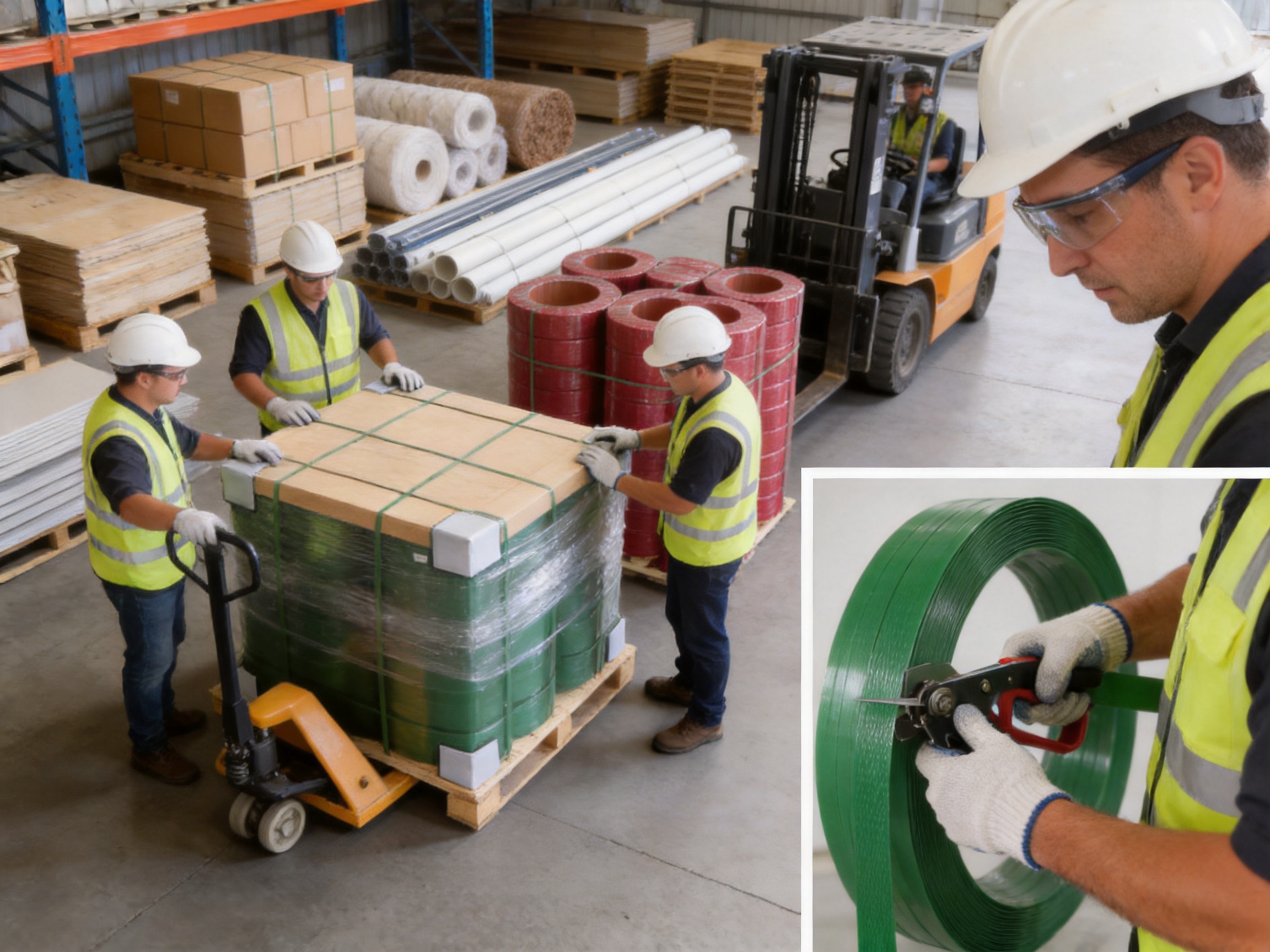
Reliable load stabilization is essential in logistics, warehousing, manufacturing, construction-material handling, and many other industries. When cartons, panels, pipes, profiles, textiles, or palletized products need to remain together during storage and transportation, the choice of strapping material can directly influence product protection, operating efficiency, and total packaging cost. The 1608/1610/1910/2512 handheld opaque PET plastic steel belt is designed for these requirements. It combines the strength and dimensional stability of polyethylene terephthalate with the convenience of manual application and thermal-fusion sealing.
Unlike rigid metal banding, PET strapping provides a practical balance between tensile performance, flexibility, handling comfort, and resistance to common environmental conditions. It is also less prone to rust and sharp corrosion-related edges than steel alternatives. Compared with some basic plastic straps, the product offers a stronger and more stable structure for general industrial bundling. Its opaque, textured surface contributes to friction between the strap and the load, helping reduce slippage when the bundle is properly tensioned and sealed.
The product series includes multiple width and thickness combinations, allowing users to select a suitable specification according to cargo weight, package dimensions, and required holding force. The listed widths are 16mm, 19mm, and 25mm, while available thicknesses include 0.8mm, 1.0mm, and 1.2mm. The product information also identifies a 16mm by 1.0mm specification with a width tolerance of ±0.5mm and a thickness tolerance of ±0.05mm. Exact performance should be confirmed against the selected specification and production batch before large-scale use.
Product Overview
The 1608/1610/1910/2512 series is a handheld opaque PET plastic steel strapping product intended for manual packaging operations. It is manufactured from polyethylene terephthalate, commonly known as PET, a thermoplastic material recognized for its combination of strength, stiffness, dimensional stability, and resistance to moisture and many everyday chemicals.
The term “plastic steel belt” describes the product’s role as a plastic alternative to steel strapping in suitable packaging applications. PET strapping is not intended to replace every type of heavy-duty steel banding operation. Instead, it is particularly useful when users need dependable bundling performance without the weight, corrosion concerns, and sharp handling hazards associated with metal strap. The series is well suited to general warehousing, logistics, lightweight industrial products, pallet reinforcement, and temporary bundling.
Manual operation is a central feature of the design. Operators can tension the belt around a load using compatible handheld tools and then create a joint through thermal fusion. This eliminates the need for complex automated equipment in many packaging environments. It also enables flexible packaging work in locations where products vary in size or where a fixed production line is impractical.
The opaque surface gives the strap a solid, non-transparent appearance and is combined with a textured finish. This texture increases surface friction, which can help the strap maintain contact with cartons, panels, and other regularly shaped goods. The result is a packaging material intended to deliver stable performance while remaining practical for everyday manual use.
Why PET Strapping Is Important in Modern Packaging
Packaging strapping must perform several functions at the same time. It must hold individual items together, prevent movement within a pallet, maintain sufficient tension during handling, and withstand ordinary changes in storage and transportation conditions. It should also be easy for operators to apply without causing unnecessary fatigue or safety risks.
PET is suitable for these requirements because it has a useful balance between rigidity and flexibility. A strap that is too rigid may be difficult to wrap around irregular surfaces and may create concentrated pressure points. A strap that is too soft may lose its shape or fail to maintain adequate tension. PET strapping is engineered to occupy a practical middle ground, helping users form secure bundles while retaining enough flexibility for manual handling.
Another advantage is dimensional stability. The product information specifies elongation at break of no more than 3 percent, indicating that the strap is intended to retain its dimensions under normal bundling conditions. Lower elongation can help reduce unwanted loosening after the strap has been applied, provided that the operator selects a suitable specification and applies the correct tension.
PET strapping also supports cleaner handling than many traditional metal alternatives. It does not rust in the same manner as unprotected steel, and its edges are generally easier to manage when the strap is handled correctly. Nevertheless, operators should always inspect the edges before use and apply suitable personal protective procedures, because any tensioned strap can create a hazard if it is cut, released, or improperly removed.
Available Specifications and Selection Flexibility
The 1608/1610/1910/2512 naming system represents commonly used combinations of strap width and thickness. The series covers widths of 16mm, 19mm, and 25mm, and thicknesses of 0.8mm, 1.0mm, and 1.2mm. This range enables users to choose a product according to the size and weight of the bundle rather than relying on one universal strap.
| Item | Available or Listed Specification | Packaging Significance |
|---|---|---|
| Material | Polyethylene terephthalate | Provides strength, flexibility, and resistance suitable for general bundling |
| Surface | Opaque and textured | Improves visual consistency and increases friction against the load |
| Widths | 16mm, 19mm, and 25mm | Allows selection according to load dimensions and required contact area |
| Thicknesses | 0.8mm, 1.0mm, and 1.2mm | Supports different load weights and tension requirements |
| Listed dimensional example | 16mm ± 0.5mm width; 1.0mm ± 0.05mm thickness | Provides a reference for dimensional control |
| Tensile strength | Approximately 300–500 MPa depending on specification | Indicates the broad strength range across the series |
| Elongation at break | Not more than 3 percent | Supports dimensional stability after bundling |
| Sealing method | Thermal fusion | Forms an integrated joint using compatible handheld equipment |
The 16mm width is suitable for many cartons, light panels, textile packages, and compact palletized loads. A 19mm strap provides a wider contact surface and may be selected when additional load distribution is beneficial. The 25mm option is appropriate for larger packages or applications where a broader band is preferred. Thickness also influences handling characteristics and load capacity, so users should not select a specification based only on width.
For example, a lightweight bundle of regularly shaped cartons may require a narrower and more flexible strap. A larger pallet containing panels or industrial products may benefit from a wider or thicker strap. The correct selection depends on the cargo’s mass, shape, surface friction, stacking arrangement, transportation distance, and expected handling conditions.
The listed specifications should be treated as product-family information rather than a substitute for application testing. Load weight, edge geometry, vibration, temperature, and the number of straps used can all affect performance. For critical shipments, users should conduct a packaging trial and confirm joint strength, retained tension, and load stability before approving the final packaging method.
Core Performance Advantages
Balanced Tensile Strength and Flexibility
The product is designed to provide strong resistance to pulling forces while remaining workable during manual application. Its reported tensile strength range of approximately 300–500 MPa, depending on specification, gives the series a solid performance foundation for general bundling operations. The combination of strength and controlled flexibility helps operators wrap the strap around products without excessive difficulty.
In practical terms, balanced performance is important because packaging strap is exposed to more than one type of force. It may experience direct tension from the tool, bending around package corners, friction against the load surface, and repeated vibration during transportation. A suitable PET strap must tolerate these conditions without excessive cracking, splitting, or loss of shape.
Low Elongation and Tension Retention
With elongation at break specified at no more than 3 percent, the series is intended to remain dimensionally stable after application. Low elongation helps the strap retain its form and can support more consistent bundling results. This is especially valuable for palletized loads that may be moved several times before reaching the final destination.
Tension retention is influenced by many factors, including strap specification, storage temperature, application force, joint quality, and load movement. The strap itself cannot compensate for unsuitable packaging design. However, a dimensionally stable PET structure gives the operator a reliable basis for building a secure bundle.
Textured Surface for Improved Grip
The opaque textured surface is more than an appearance feature. Surface texture increases contact friction between the strap and the packaged material. Higher friction can help limit sliding, particularly when the strap is applied around smooth cartons, finished panels, or regularly shaped products.
A textured strap may also be easier to manage during manual application because its surface provides tactile feedback. When used with proper tension and a correctly formed thermal-fusion joint, the surface design contributes to overall package stability. It is still necessary to place the strap correctly and use edge protectors when the cargo has sharp corners or concentrated pressure points.
Resistance to Ordinary Storage Conditions
The product is described as resistant to most climatic conditions and general chemicals. This makes it appropriate for indoor warehouses and many outdoor storage environments, provided that it is protected from prolonged direct sunlight and corrosive substances. PET does not eliminate the need for responsible storage, but it provides useful resistance for routine logistics and industrial operations.
Moisture resistance is particularly helpful in warehousing and transportation because packages can encounter humidity, condensation, or occasional exposure to water. Chemical resistance is also valuable in general industrial settings, although compatibility should be checked whenever the strap may contact concentrated solvents, aggressive acids, strong alkalis, or other unusual substances.
Manual Tool Compatibility
Many packaging operations require flexibility rather than a fully automated line. The 1608/1610/1910/2512 series is designed for handheld tools, allowing operators to tension and seal straps at different workstations. This is useful for mixed-product warehouses, small and medium production facilities, construction-material yards, and shipping areas with changing package dimensions.
Handheld operation can reduce the initial equipment requirements of a packaging process. It also permits operators to secure a single pallet, a partial shipment, or a temporary bundle without relocating the product to a dedicated machine. Thermal fusion creates an integrated joint without depending on separate metal buckles for every application.
Comparison with Common Strapping Alternatives
Compared with Steel Strapping
Steel strapping remains valuable for very heavy, rigid, or high-tension applications. However, it is heavier than PET and may create greater handling concerns because of sharp edges, recoil, and corrosion. Steel can also damage finished surfaces if it is applied without suitable protection.
PET strapping offers a lighter alternative for applications where metal strength is unnecessary. It is easier to transport and handle at the workstation, and it does not develop rust in the same way as unprotected steel. Its flexibility can help reduce surface damage on packaged goods, particularly when edge protectors and appropriate tension are used.
The advantage is therefore application-specific. PET should be selected when its verified strength and joint performance meet the load requirements. It should not be used as a direct replacement for heavy-duty steel in applications that exceed its design range.
Compared with Basic Polypropylene Strapping
Polypropylene strapping is often selected for lightweight cartons and low-tension packaging because it is economical and easy to process. However, PET generally provides greater tensile strength and improved dimensional stability. For loads that experience vibration, stacking pressure, or longer transportation distances, PET may offer a more dependable level of restraint.
The 1608/1610/1910/2512 series is therefore positioned between lightweight plastic strapping and more rigid metal banding. It is a practical option when users need more strength than basic polypropylene can provide but do not require the mass and rigidity of steel.
Compared with Buckle-Based Manual Bundling
Buckles can be useful in certain manual applications, but they add a separate component to the packaging process. Thermal fusion allows compatible PET tools to create a sealed joint directly in the strap. This can simplify material management and produce a clean, integrated connection.
Joint quality depends on correct tool temperature, pressure, surface cleanliness, and operating technique. When these conditions are controlled, thermal fusion can provide a consistent connection without the protruding hardware associated with some buckle systems.
Compared with Smooth-Surface Strapping
Smooth straps may slide more easily across certain products, especially when the load surface is polished, coated, or otherwise low in friction. The textured surface of this PET series is intended to improve grip and reduce movement during handling. This advantage can be particularly useful for bundled profiles, lightweight panels, and regularly shaped industrial products.
Texture is not a substitute for adequate tension. It works as part of a complete packaging system that includes correct strap placement, suitable tension, a strong joint, and appropriate load arrangement.

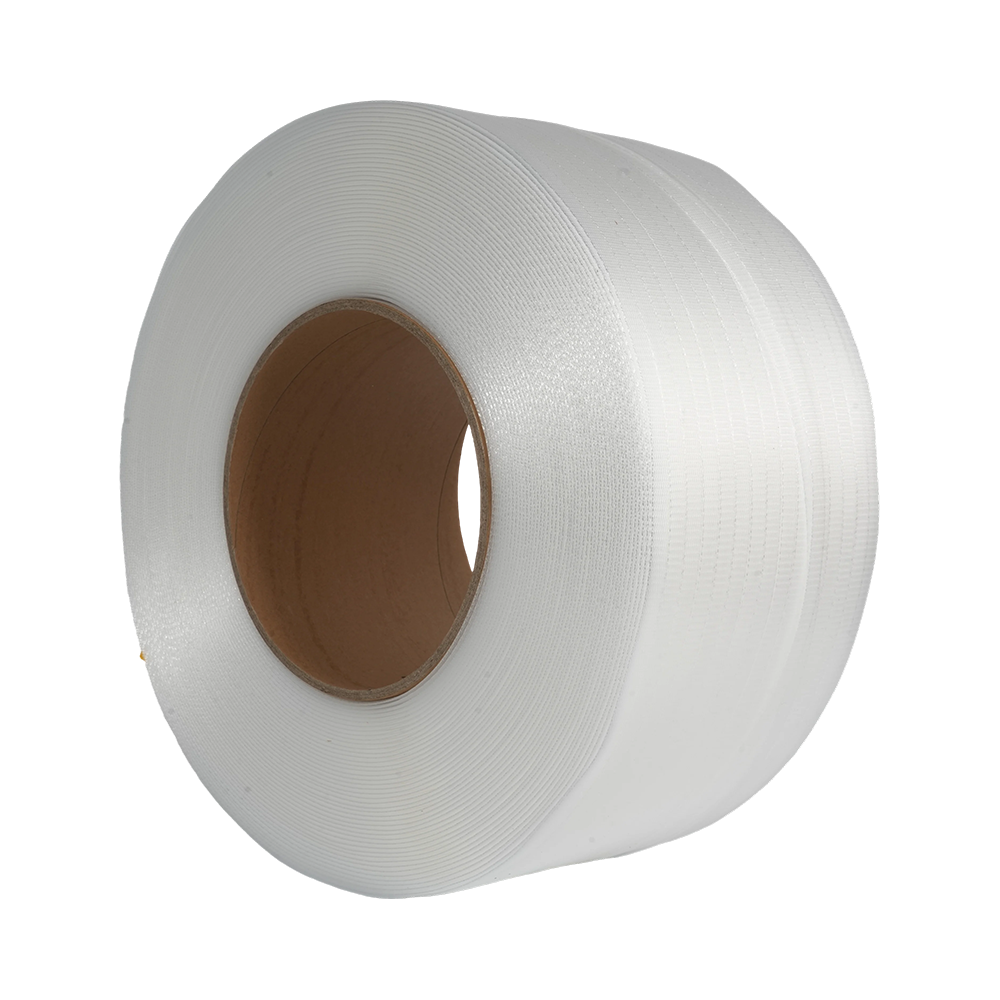
1608/1610/1910/2512 Handheld Opaque PET Plastic Steel Belt
Manufacturing Strengths and Quality Approach
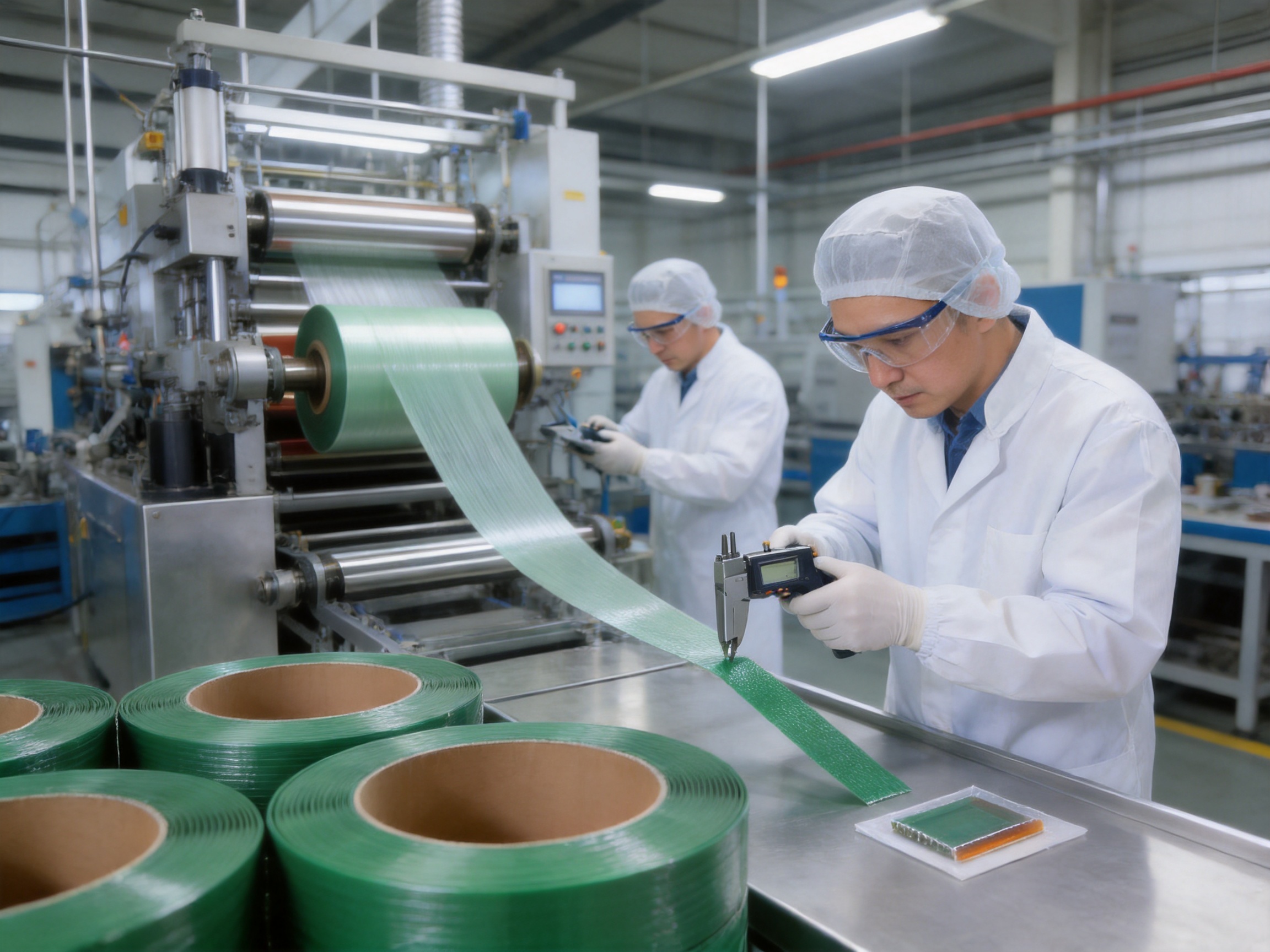
The performance of packaging strapping begins with manufacturing consistency. Even a well-designed material can perform poorly if its width, thickness, surface, molecular orientation, or sealing behavior varies excessively. The manufacturer’s stated approach emphasizes research, production control, inspection, and service, creating a foundation for stable product quality.
Zhejiang Geruite Packaging Materials Co., Ltd. operates in Zhejiang Province, a region with a developed manufacturing base and a broad industrial supply chain. The company focuses on packaging materials and serves customers in logistics, express delivery, household goods, electronics, construction and decoration, industrial manufacturing, cargo stabilization, and packaging protection.
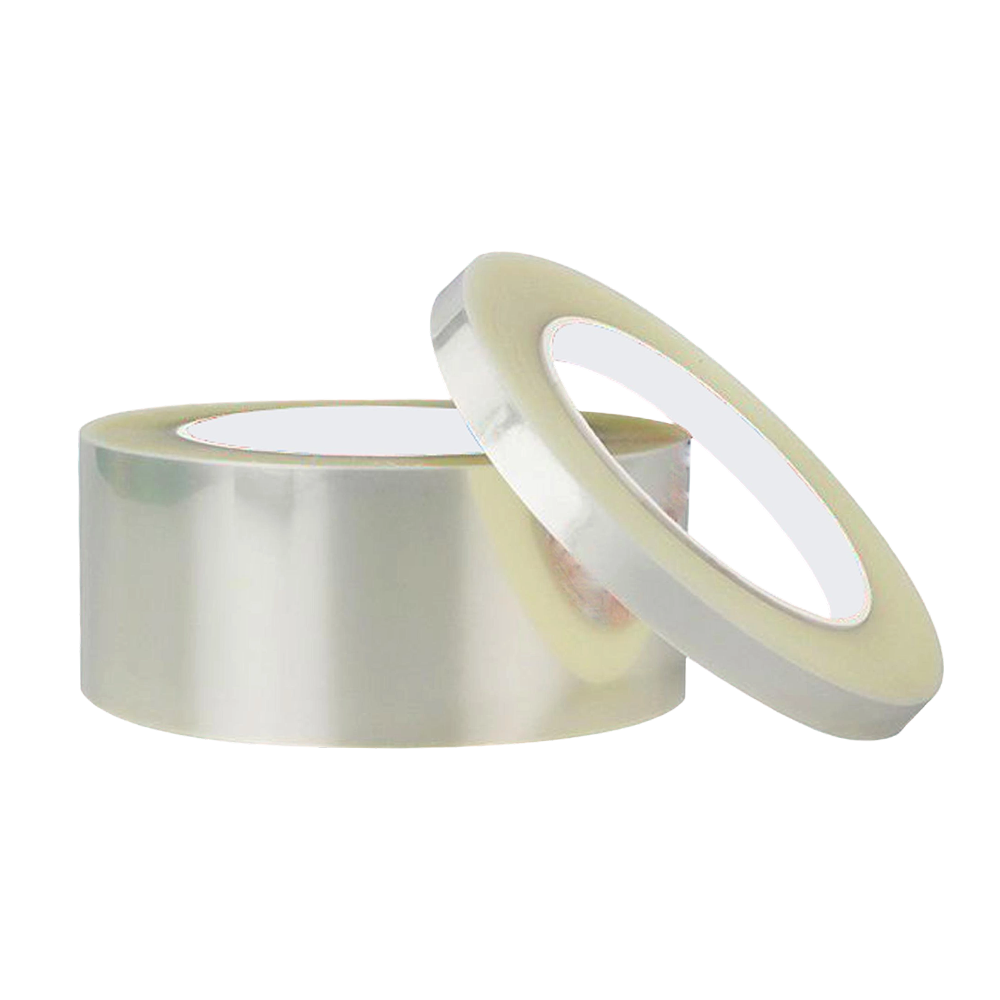
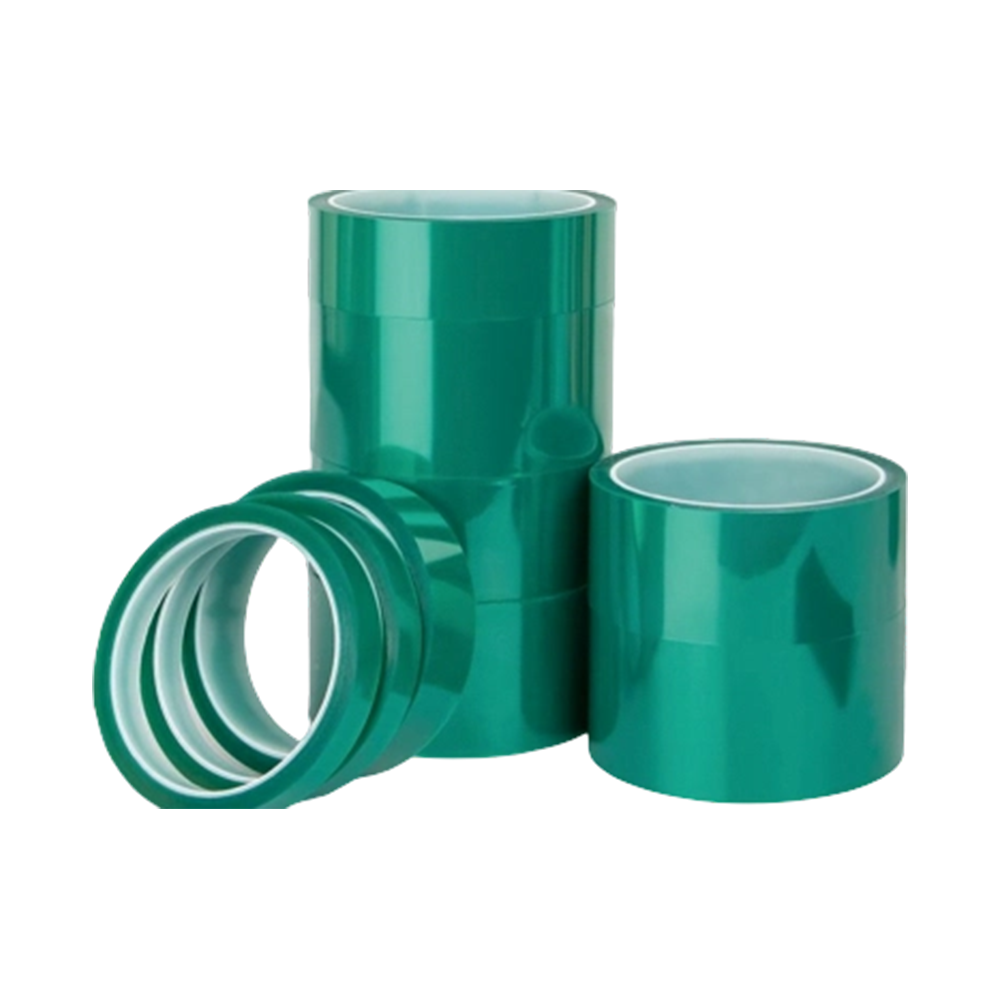
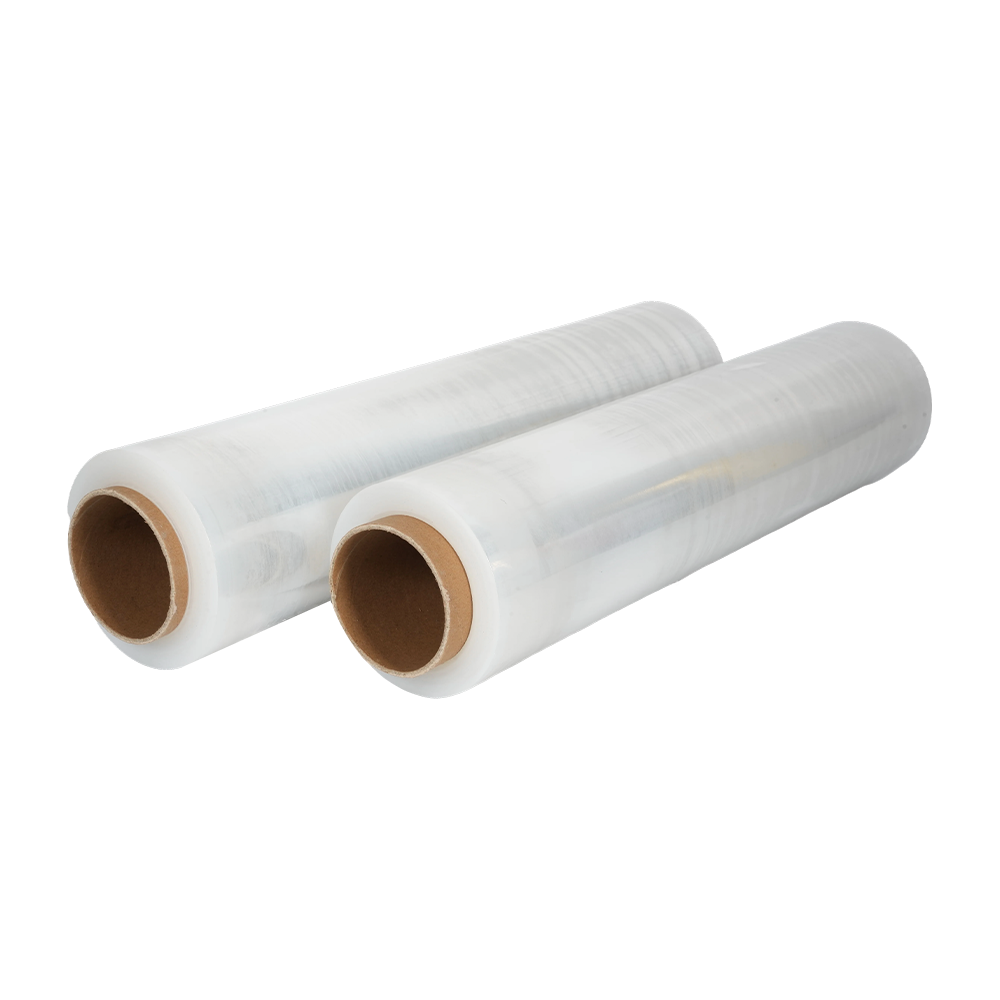
Its product portfolio includes BOPP tape, kraft paper tape, masking tape, high-temperature-resistant tape, metal tape, PE stretch film, PP strapping, and high-strength PET strapping. This breadth is important because it gives the company experience across different packaging technologies. Knowledge of adhesive materials, films, and strapping can support more complete packaging recommendations for customers with multiple requirements.
Research and Product Development
The company describes research, development, production, and sales as core parts of its business. Continuous product development is relevant to PET strapping because packaging requirements differ widely between markets. A strap intended for lightweight cartons may need different characteristics from a strap used for palletized industrial products or construction materials.
Product development may involve improvements in resin selection, extrusion stability, cooling control, stretching behavior, surface texture, winding quality, and sealing response. Each of these factors can influence the user’s experience. A stable strap should unwind smoothly, maintain consistent dimensions, withstand normal tension, and form a reliable fusion joint with compatible equipment.
Advanced Production Equipment
The company states that it is equipped with advanced production equipment. In PET strapping manufacturing, appropriate equipment supports precise control of heating, extrusion, orientation, cooling, surface treatment, winding, and packaging. Equipment capability is particularly important when producing multiple widths and thicknesses because each specification requires controlled processing conditions.
Stable production equipment helps reduce variation from roll to roll. Consistent thickness supports predictable tool feeding and tensioning. Controlled width helps the strap sit correctly in the tool and distribute pressure across the package. Uniform surface texture supports consistent friction and handling. Reliable winding prevents telescoping, tangling, or uneven unwinding during use.
These manufacturing details directly affect productivity. Operators lose time when a strap breaks unexpectedly, jams in a tool, or develops an irregular joint. A consistent product reduces avoidable interruptions and helps packaging teams maintain a smoother workflow.
Quality Control from Raw Materials to Final Inspection
The company emphasizes a rigorous quality-control system extending from raw-material procurement through production and final inspection. This full-process approach is more effective than relying only on a final visual check. Incoming materials influence the physical properties of the finished strap, while processing conditions determine orientation, dimensions, surface characteristics, and winding behavior.
Quality control for PET strapping may include examination of width, thickness, tensile strength, elongation, appearance, edge condition, winding, and thermal-fusion performance. The specific inspection plan may vary according to the product specification and customer requirements. Maintaining records for these characteristics helps support production traceability and consistent delivery.
Edge quality deserves particular attention. Rough, cracked, or excessively sharp edges can increase the risk of cuts, abrasions, and premature failure. The supplied usage guidance recommends inspecting the edges before use. Manufacturing control can reduce such defects, while customer-side inspection provides an additional safeguard before the strap is applied.
Production Capacity and Business Reliability
The company reports annual output value exceeding RMB 60 million. This indicates an established operating scale and the ability to support a broad customer base. Scale can contribute to supply reliability, manufacturing experience, process improvement, and more efficient coordination of raw materials and finished goods.
For industrial buyers, supplier reliability involves more than product price. It includes the ability to maintain specification consistency, communicate clearly, support repeat orders, manage multiple product categories, and respond to changing packaging needs. A manufacturer with experience in several packaging-material segments may be better positioned to provide coordinated solutions rather than isolated products.
Thermal-Fusion Sealing and Joint Integrity
The joint is one of the most important parts of any strapping system. A strong strap can still fail if the connection is weak, improperly aligned, overheated, underheated, or contaminated. The 1608/1610/1910/2512 series is suitable for thermal-fusion sealing with compatible handheld tools.
During thermal fusion, the contact surfaces of the PET strap are heated until they soften. The tool then presses the surfaces together, allowing them to bond as they cool. When the temperature, pressure, and timing are appropriate, the result is an integrated joint that holds the strap ends together without requiring a separate buckle.
Tool temperature is a critical operating factor. If the temperature is too low, the surfaces may not fuse adequately. If it is too high, the strap may deform excessively or experience localized damage. Operators should follow the tool manufacturer’s instructions and conduct regular checks, especially when changing strap thickness or working in a different ambient temperature.
Joint alignment is equally important. The strap should be positioned correctly within the tool, with sufficient overlap and clean contact surfaces. Dust, oil, moisture, or surface contamination can reduce bond quality. Operators should also avoid applying excessive tension that exceeds the strap or joint’s intended capacity.
For quality assurance, users can establish routine checks such as visual inspection of the fusion area, periodic peel or pull testing, and monitoring of tool settings. A properly formed joint should be uniform and securely bonded rather than brittle, excessively melted, or visibly incomplete.
Application Scenarios
Warehousing and Logistics
Warehouses frequently handle products with different dimensions and packaging requirements. The handheld design allows staff to bundle cartons, consolidate lightweight products, and reinforce palletized loads without moving each item to a fixed strapping station.
During transportation, vibration and repeated handling can cause separate cartons to shift. PET strapping helps maintain unit integrity and can make loads easier to move with forklifts, pallet trucks, or manual handling equipment. The textured surface contributes to friction, while the chosen width and thickness provide the required restraint for the load.
Carton and Lightweight Panel Bundling
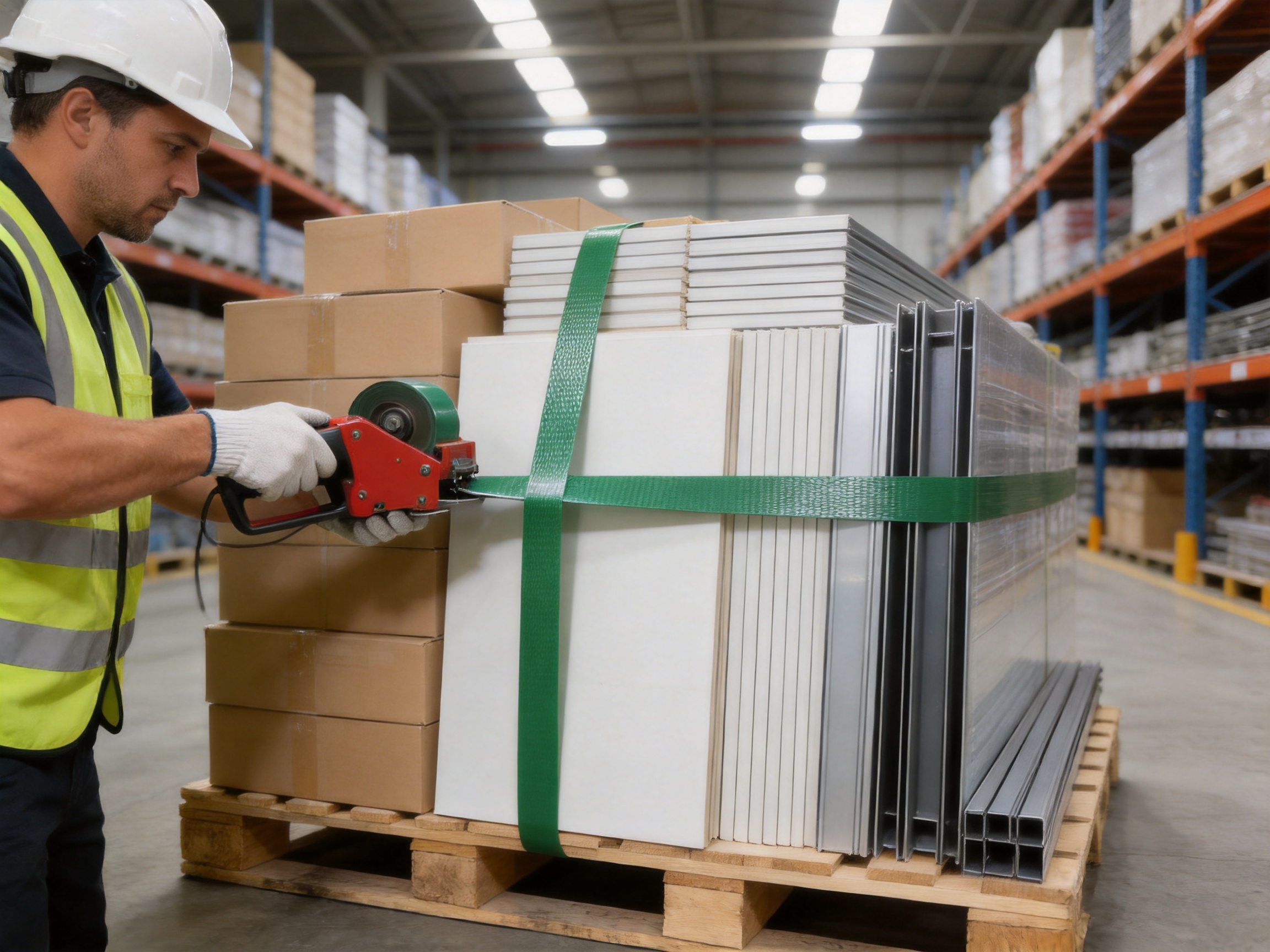
Cartons and lightweight panels often require a strap that is strong enough to hold the group together but not so aggressive that it crushes or marks the product. PET provides a flexible packaging option, especially when edge protection is used at corners or under the strap.
For panels with smooth faces, the textured strap can help reduce sliding. For cartons, the operator should ensure that the strap is positioned across a structurally stable part of the package and that the tension is sufficient without collapsing the carton walls.
Textile and Regularly Shaped Industrial Products
Textile rolls, bundled fabrics, molded parts, and other regularly shaped goods can benefit from a clean and adjustable manual strapping method. The range of widths allows the packaging team to match the strap to the package size, while thermal fusion avoids the need to manage a large number of separate fastening components.
When packaging soft or compressible products, operators should apply enough tension to prevent movement but avoid excessive compression. A trial bundle is recommended to determine the appropriate setting for each product type.
Construction Materials
Lightweight pipes, profiles, trim pieces, and other construction materials may need temporary bundling during storage or delivery. Handheld PET strapping can be applied at a construction-material yard, warehouse, or loading area where product dimensions vary.
For pipes and profiles, strap placement should prevent individual pieces from sliding out of the bundle. If the product has sharp edges, protective pads or corner guards should be used. The strap should never be dragged over abrasive surfaces or applied across edges that may cut into the material.
Pallet Reinforcement
Palletized loads are often exposed to acceleration, braking, vibration, and repeated transfers. PET strapping can supplement stretch film or other packaging materials by adding direct mechanical restraint. It may be applied vertically, horizontally, or in a crossed arrangement depending on the load design.
Strapping and stretch film serve different functions. Stretch film helps contain the outer surface of a load and can protect against dust and minor movement. Strapping provides concentrated holding force around the unit. Using both may improve load stability when the combination is properly designed.
Recommended Operating Procedure
Step One: Inspect the Load
Before applying the strap, confirm that the products are stacked evenly and that unstable items have been repositioned. Remove loose debris from the contact area. If the load has sharp corners, install edge protectors or cushioning material before tensioning the strap.
Step Two: Choose the Specification
Select the width and thickness according to the cargo weight, package shape, surface condition, and transportation requirements. The narrowest available option is not always the most economical choice if it requires additional straps or creates greater risk of movement. Conversely, an oversized strap may be unnecessarily difficult to handle.
Step Three: Position the Strap
Wrap the strap evenly around the load and keep it aligned with the intended packaging path. Avoid twists because a twisted strap may not distribute tension uniformly. The strap should sit flat against the load or against the protective edge material.
Step Four: Apply Tension
Use a compatible handheld tool to apply controlled tension. The goal is to secure the load without crushing cartons, deforming panels, or damaging finished surfaces. Operators should be trained to recognize the difference between adequate tension and over-tensioning.
Step Five: Complete Thermal Fusion
Insert the strap ends correctly into the sealing tool and create the joint according to the equipment instructions. Confirm that the tool temperature and cycle are suitable for the selected PET specification. Allow the joint to stabilize before moving the bundle.
Step Six: Inspect the Finished Bundle
Check that the strap remains flat, the joint is complete, and the load has not shifted. Look for cuts, edge damage, cracks, excessive melting, or insufficient fusion. If the joint appears questionable, remove the strap safely and apply a new one rather than relying on a defective connection.
Storage and Handling Guidance
Correct storage helps preserve the performance of PET strapping before it reaches the packaging line. Rolls should be stored in a dry, ventilated area and protected from prolonged direct sunlight. Excessive heat, ultraviolet exposure, moisture, and contamination can affect the material or its processing behavior over time.
The strap should not be stored in contact with corrosive chemicals. If the product is used in a chemical-processing environment, users should evaluate compatibility with the specific substances present. General resistance does not mean unlimited resistance to all chemicals and concentrations.
Rolls should be handled carefully to avoid crushing, impact damage, or deformation. Packaging teams should keep the product in its original protective packaging until it is needed. During use, the roll should be placed on an appropriate dispenser or holder so that it unwinds smoothly and does not drag across rough floors.
Before application, inspect the visible strap for uneven edges, cuts, surface defects, contamination, or abnormal winding. Any roll that appears damaged should be isolated for evaluation. Proper stock rotation is also recommended so that older material is used before newer material, subject to the supplier’s storage guidance.
Safety Considerations
Tensioned strapping stores energy. If it is cut suddenly, the strap or load may move unexpectedly. Operators should stand to the side rather than directly in front of a tensioned strap and should keep hands clear of pinch points during tensioning and sealing.
When removing a strap, use a suitable cutting tool and control the release. Do not place the face or body in the potential path of recoil. Gloves and eye protection may be appropriate depending on the work environment and company safety procedures.
Sharp cargo edges must be addressed before strapping. Edge protectors help distribute pressure, protect the product, and reduce the likelihood that the strap will be cut during tensioning. The operator should also ensure that the handheld fusion tool is maintained and that hot surfaces are not touched directly.
Training is especially important when new workers are introduced to the packaging line. Instruction should cover specification selection, tool operation, thermal-fusion settings, joint inspection, safe cutting, and load handling. A consistent procedure improves both productivity and workplace safety.
How the Product Supports Cost Efficiency
Packaging cost should be evaluated as a complete system rather than by comparing the price per kilogram or roll alone. A strap that is inexpensive but frequently breaks may create higher labor costs, product damage, and shipment delays. A product with stable dimensions and reliable joint formation can reduce interruptions and rework.
The handheld design may also lower equipment requirements for companies that package varied products or operate several small work areas. Instead of installing a dedicated automatic machine at every station, a compatible handheld tool can be moved between packaging locations as needed.
The range of specifications supports material optimization. Users can select a narrower strap for lighter loads and a wider or thicker strap for larger bundles. Correct specification selection can prevent overuse of material while preserving load security.
Thermal-fusion sealing can simplify inventory management because the fastening function is integrated into the strap and tool system. Reducing dependence on separate buckles may lower the number of packaging components that must be purchased, stored, and replenished. The exact benefit depends on the operating method and the customer’s existing equipment.
Environmental and Material Considerations
PET is a thermoplastic material that can be collected and recycled through suitable waste-management systems. Recycling availability depends on local infrastructure, contamination levels, and separation practices. Companies should establish procedures for collecting used PET strapping rather than allowing it to enter general waste streams where recycling may be more difficult.
Material efficiency is another environmental consideration. Selecting the correct strap specification helps avoid unnecessary material consumption. Applying the right number of straps and using appropriate tension can provide sufficient security without excessive packaging.
Environmental performance should always be evaluated alongside load protection. A damaged or collapsed shipment can result in product waste, replacement transportation, and additional packaging consumption. A durable strap that prevents damage may contribute to a more efficient overall packaging system.
Users should also store unused strapping responsibly. Protection from prolonged sunlight and corrosive chemicals helps preserve product life and reduces the risk of premature disposal caused by storage-related degradation.
Advantages of Working with an Experienced Packaging Manufacturer
A manufacturer with a broad packaging-material portfolio can understand how different products work together. For example, a customer may need PET strapping for structural restraint, PE stretch film for outer containment, and adhesive tape for carton closure. Coordinating these materials can help create a more consistent packaging process.
Zhejiang Geruite Packaging Materials Co., Ltd. states that it has built its business around research, manufacturing, quality assurance, and professional service. Its product range covers several major categories, including tapes, films, PP strapping, and PET strapping. This provides a basis for serving customers with different packaging requirements across logistics, manufacturing, construction, and commercial distribution.
The company’s stated quality philosophy treats quality as a central part of the production process. Attention to raw-material procurement, manufacturing control, and final inspection is particularly relevant to strapping because small variations can affect tool feeding, tension behavior, and joint performance.
Its location in Hangzhou, Zhejiang Province, also places it within a region known for manufacturing resources, transportation connections, and industrial suppliers. For international buyers, supplier evaluation should still include product samples, technical documentation, quality records, packaging requirements, lead times, and communication procedures.
Customers can improve purchasing results by providing detailed information about the load. Useful data includes the product type, approximate weight, dimensions, surface condition, number of straps, storage environment, transportation method, and whether sealing will be manual or automated. This information allows the manufacturer to recommend a more suitable width and thickness rather than relying on a generic selection.
Quality Verification Before Bulk Purchase
Before approving a large order, buyers should conduct a sample evaluation under actual or simulated operating conditions. The evaluation should include roll appearance, dimensional measurement, ease of unwinding, tool compatibility, tension response, thermal-fusion quality, and load stability.
Width and thickness should be checked against the agreed specification. For the listed example, the reference values are 16mm ± 0.5mm in width and 1.0mm ± 0.05mm in thickness. Buyers should confirm whether these tolerances apply to the specific order and whether additional quality requirements are needed.
Joint testing is also important. A strap can meet dimensional requirements but still require tool adjustment for optimal fusion. Users should test the selected tool, temperature, cycle time, and tension level together. The finished joint should be inspected visually and, where appropriate, tested mechanically.
Packaging trials should reflect real conditions. If the goods will be stored outdoors, exposed to vibration, or transported over long distances, the trial should include comparable environmental and handling factors. This helps ensure that the selected specification is suitable for the complete logistics cycle.
Frequently Asked Questions
What material is the 1608/1610/1910/2512 strapping made from?
The product is made from polyethylene terephthalate, or PET. PET provides a combination of tensile strength, flexibility, dimensional stability, and resistance to common storage conditions.
What widths are available?
The product series includes widths of 16mm, 19mm, and 25mm. The appropriate width depends on the cargo dimensions, required contact area, load weight, and packaging design.
What thicknesses are available?
Available thicknesses include 0.8mm, 1.0mm, and 1.2mm. Users should confirm the exact combination required for their application and should not select thickness based on appearance alone.
Is the product suitable for manual packaging?
Yes. The series is designed for handheld operation and can be tensioned and thermally fused using compatible handheld tools. This makes it suitable for warehouses, loading areas, construction-material yards, and other flexible packaging environments.
How is the strap sealed?
The strap is suitable for thermal-fusion sealing. A compatible tool heats the overlapping PET surfaces and presses them together to form an integrated joint. Correct temperature, pressure, timing, and alignment are necessary for reliable performance.
Is the strap suitable for outdoor storage?
It is suitable for many indoor and outdoor storage environments because it is resistant to ordinary climatic conditions. However, it should be protected from prolonged direct sunlight, excessive heat, and corrosive chemicals. Application testing is recommended for demanding environments.
What types of products can be bundled?
Typical applications include cartons, lightweight panels, textiles, regularly shaped industrial products, lightweight pipes, profiles, and palletized loads. The product should be matched to the cargo weight and handling conditions.
How does PET strapping compare with steel banding?
PET strapping is lighter, easier to handle, and less affected by rust than unprotected steel. It is also generally more flexible. Steel remains appropriate for applications requiring exceptionally high restraint or heavy-duty metal banding, so users should compare verified performance requirements before substituting materials.
How does PET strapping compare with polypropylene strapping?
PET generally offers higher tensile strength and better dimensional stability than basic polypropylene strapping. It is often selected for loads that need more secure restraint, improved tension retention, or greater resistance to movement during transportation.
Why does the strap have a textured surface?
The textured surface increases friction between the strap and the load. This can help reduce slippage, particularly on smooth or regularly shaped products. Proper tension, placement, and joint formation remain essential.
What should be checked before using a roll?
Inspect the roll for damaged edges, cuts, abrasions, contamination, abnormal winding, or other visible defects. Confirm that the selected width and thickness match the packaging requirement and that the tool is suitable for the product.
How should the product be stored?
Store the strapping in a dry, ventilated area away from prolonged direct sunlight and corrosive chemicals. Keep rolls protected from impact, crushing, and contamination, and use suitable stock rotation practices.
Can the strap be recycled?
PET strapping can be recyclable through suitable collection and processing systems. Recycling depends on local facilities, material separation, and contamination control. Users should follow local waste-management requirements.
What is the listed dimensional specification for the 16mm product?
The supplied information lists a width of 16mm ± 0.5mm and a thickness of 1.0mm ± 0.05mm. Buyers should confirm the applicable specification for the exact product order.
What tensile strength is available?
The supplied product information states a tensile-strength range of approximately 300–500 MPa depending on specification. The exact value should be verified using the technical documentation and test results for the selected width and thickness.
Conclusion
The 1608/1610/1910/2512 handheld opaque PET plastic steel belt provides a versatile solution for manual bundling and load stabilization. Its PET construction offers a balanced combination of tensile strength, flexibility, low elongation, and resistance to ordinary climatic and chemical conditions. The opaque textured surface improves friction and supports more stable contact with the load, while the multiple width and thickness options allow users to match the strap to different packaging requirements.
Compared with steel strapping, PET can reduce weight, corrosion concerns, and handling difficulty in suitable applications. Compared with basic polypropylene strapping, it offers a stronger and more dimensionally stable option for loads that need improved restraint. Compared with buckle-based systems, thermal fusion can create an integrated joint while supporting a streamlined manual process.
The product’s performance is supported by the manufacturer’s stated focus on research, advanced production equipment, process-wide quality control, and professional packaging-material service. Its broad product portfolio and reported annual output value exceeding RMB 60 million indicate an established manufacturing operation capable of supporting diverse packaging needs.
For best results, users should select the specification according to actual load conditions, store the material correctly, inspect the strap before use, maintain appropriate tool settings, and verify the thermal-fusion joint. When these practices are combined with suitable load design and operator training, PET strapping can improve packaging consistency, reduce handling interruptions, and provide dependable protection throughout warehousing and transportation.
References
1. Product specification information for the 1608/1610/1910/2512 handheld opaque PET plastic steel belt, including dimensions, material, tensile-strength range, elongation, surface characteristics, and sealing method.
2. Company information supplied for Zhejiang Geruite Packaging Materials Co., Ltd., including manufacturing capabilities, product portfolio, quality-control approach, and business background.
3. General principles of PET strapping selection, manual tensioning, thermal-fusion sealing, package stability, and industrial load restraint.
4. General packaging safety practices concerning tensioned straps, edge protection, cutting procedures, tool handling, and operator training.
5. General material-management guidance for storage, handling, collection, and recycling of PET packaging products.
Product: 1608/1610/1910/2512 Handheld Opaque PET Plastic Steel Belt

LATEST POST
Let’s create something amazing together
contact us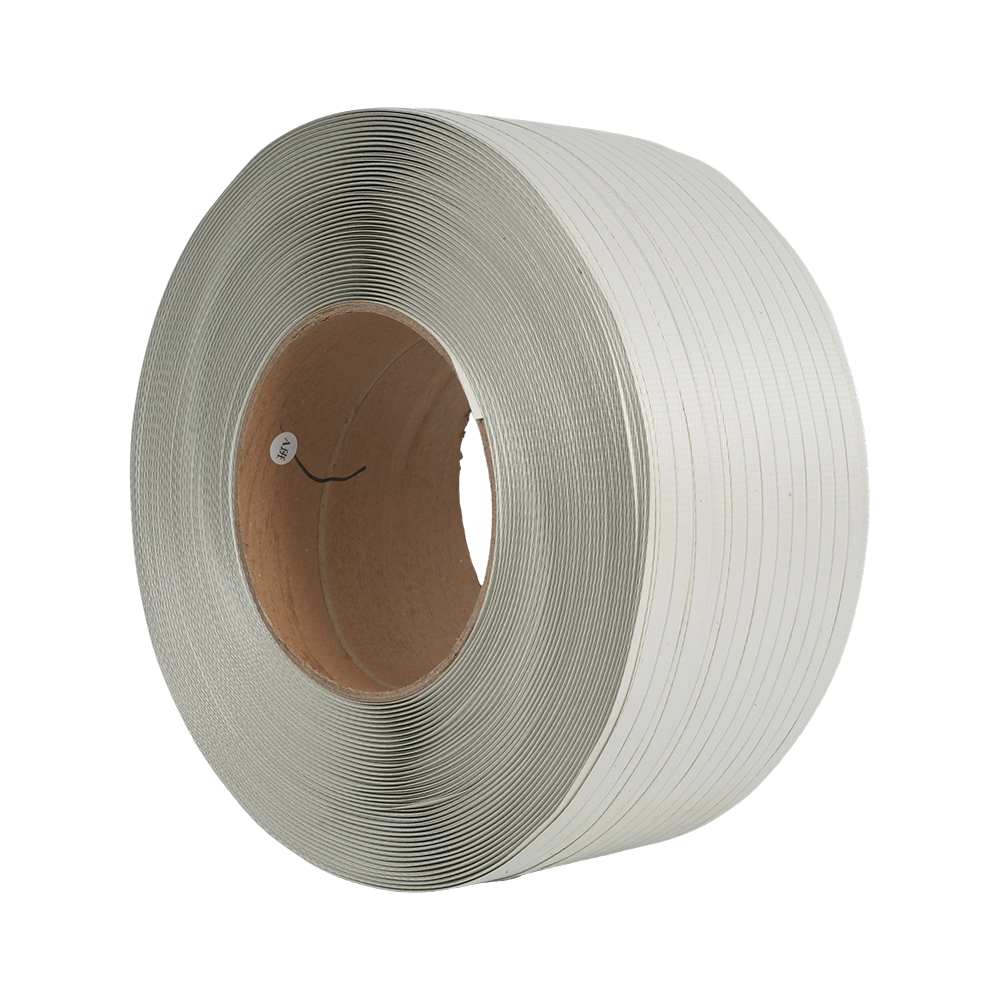
CONTACT DETAILS
- Address:No. 241, Yaojiafan, Zhangpanqiao, Shushan Street, Xiaoshan District, Hangzhou City, Zhejiang Province, China
- TEL:+86-0571-83175630
- Phone:+86-13336160217
- Email:anqiaocun@163.com
PRODUCTS
NEWS CENTER
MOBILE TERMINAL
Copyright© Zhejiang Geruite Packaging Materials Co., Ltd. All Rights Reserved.
Privacy Wholesale industrial packaging tape Manufacturers