


 English
  Español
  عربى
عربى 
High-Performance Polyester Film Insulation Tape for Electrical and Electronic Applications
Content
- 1 Product Overview
- 2 Why Polyester Film Insulation Tape Matters
- 3 Core Competitive Advantages
- 4 Manufacturing Strength and Process Excellence
- 5 Technical Characteristics of the LY-XX Mylar Tape
- 6 Representative Product Data
- 7 Advantages Over Ordinary Competing Tapes
- 8 Application Scenarios
- 9 How to Select the Right Model
- 10 Handling and Storage Recommendations
- 11 Quality Control from Raw Material to Shipment
- 12 Why Manufacturing Integration Creates Customer Value
- 13 Role in Industrial Packaging and Electrical Material Supply
- 14 Comparison with Common Alternatives
- 15 Design and Engineering Considerations
- 16 Procurement Benefits
- 17 Q&A Section
- 17.1 What is the LY-XX Mylar Tape mainly used for?
- 17.2 What substrate is used in this tape?
- 17.3 What adhesive systems are available?
- 17.4 What temperature resistance does the tape provide?
- 17.5 Does the tape meet flame-retardant requirements?
- 17.6 Why is closed-loop production important?
- 17.7 How does this tape compare with ordinary PET tape?
- 17.8 Which model should be selected for limited space?
- 17.9 Which model should be selected for higher withstand voltage?
- 17.10 How should the tape be stored?
- 17.11 What should be checked before application?
- 17.12 Why is laboratory testing valuable for customers?
- 18 Conclusion
- 19 References
- 20 Product: LY-XX Mylar Tape
In electrical and electronic manufacturing, insulation tape is not a minor consumable; it is a functional material that influences safety, durability, assembly efficiency, and product reliability. Polyester film insulation tape, commonly known as Mylar tape, has become one of the most widely used choices for transformers, motors, generators, battery packs, capacitors, and precision electronic assemblies. The LY-XX Mylar Tape is designed for these demanding environments, combining a polyester film substrate with pressure-sensitive adhesive technology to deliver stable insulation, controlled thickness, dependable adhesion, and consistent processing performance.
This article introduces the LY-XX Mylar Tape as a high-performance insulating tape solution, with emphasis on its technical advantages, manufacturing strengths, product structure, application value, and selection guidance. It also explains why closed-loop production, laboratory testing, certification support, and stable material control can create measurable advantages over conventional competing tapes in the market.

Product Overview
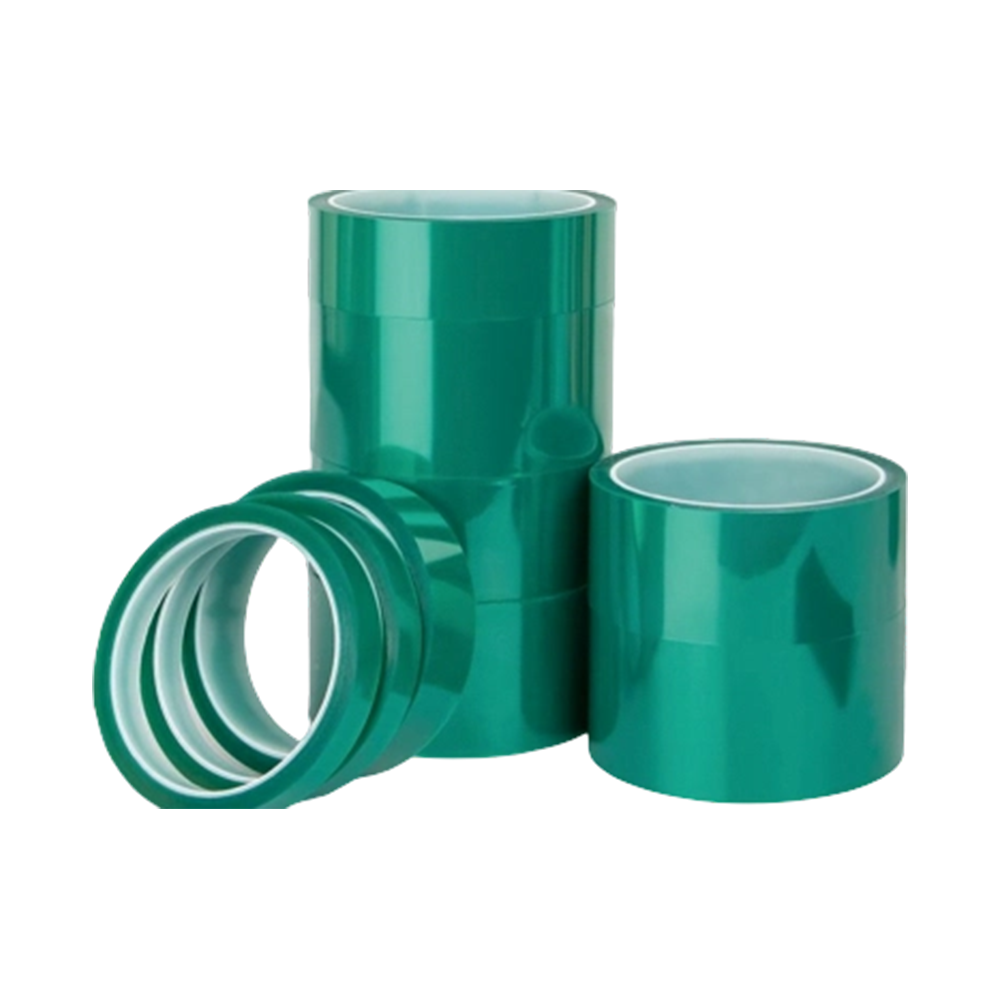
The LY-XX Mylar Tape is a polyester film insulation tape made with a polyethylene terephthalate film substrate and a pressure-sensitive adhesive system. Depending on the model and application requirement, the adhesive may be rubber-based or acrylic-based. The product range includes multiple colors, substrate thicknesses, total thicknesses, flame-retardant versions, ultra-thin versions, and composite multi-layer versions. This allows customers to select a tape based on dielectric strength, thickness limitation, flame retardancy requirement, color identification, bonding force, and processing method.
Polyester film is valued in insulation tapes because it provides excellent dimensional stability, good dielectric performance, high tensile strength, and resistance to many common industrial conditions. When combined with a suitable adhesive system, the result is a tape that can wrap coils, secure components, insulate surfaces, protect conductors, label internal structures, and bundle wires without adding unnecessary bulk.
The LY-XX series is suitable for applications requiring stable insulation performance. Typical uses include coil wrapping in electronic transformers, insulation and fixation in motors and generators, battery pack insulation, internal bundling of electronic components, capacitor insulation, component identification, and electrical assembly protection. The operating temperature resistance of the series is typically up to 130 degrees Celsius, depending on the exact model and technical datasheet.
Why Polyester Film Insulation Tape Matters
Electrical insulation is a system-level requirement. A device may contain magnetic cores, copper windings, terminals, housing structures, separators, films, varnishes, wires, adhesives, tapes, and encapsulation materials. If one insulating material fails, the entire assembly may be compromised. Mylar tape performs several functions in this system. It creates a dielectric barrier, fixes winding layers, improves spacing control, separates dissimilar materials, reduces short-circuit risks, and helps manufacturers standardize production.
Compared with paper tapes, many polyester film tapes provide higher dielectric strength and better dimensional stability. Compared with some cloth tapes, they typically offer smoother surfaces, thinner profiles, and more precise winding properties. Compared with low-grade plastic film tapes, properly manufactured polyester film tape can provide more reliable insulation, better temperature resistance, and more predictable mechanical behavior.
For electrical manufacturers, tape consistency is just as important as nominal specifications. A tape that performs well in one roll but poorly in another can cause assembly defects, rejection, rework, and safety concerns. The LY-XX Mylar Tape is positioned to answer this need through controlled production, laboratory testing, and a complete manufacturing process that extends from raw material handling to coating and slitting.
Core Competitive Advantages
Closed-Loop Production Control
A major advantage of the LY-XX Mylar Tape is closed-loop production. The production system controls key processes in-house, including pigment grinding, adhesive synthesis, coating, and slitting. This structure is different from many ordinary tape suppliers that rely heavily on outsourced adhesive preparation, third-party coating, or inconsistent semi-finished materials. In-house process control improves traceability, reduces variation, and allows engineers to adjust formulations and parameters with greater precision.
Closed-loop manufacturing is especially important for insulation tapes because small changes in adhesive coating thickness, curing behavior, film tension, pigment dispersion, or slitting quality can influence dielectric performance, peel strength, appearance, unwinding force, and edge cleanliness. When a manufacturer manages each step internally, it can identify root causes faster and maintain more stable product performance from batch to batch.
Certification and Insulation System Support
The tape is UL recognized in the United States and is included in multiple domestic and international insulation systems. Compliance with relevant industry management system certifications provides additional confidence for manufacturers who must satisfy safety, quality, and documentation requirements. For many electrical component producers, selecting materials already recognized in insulation systems can simplify design verification and improve customer acceptance.
UL recognition is not merely a marketing statement. It indicates that the material has been evaluated according to applicable requirements and is suitable for specified uses within defined conditions. For users, this reduces uncertainty when building insulation structures for transformers, motors, and electronic devices.
In-House Laboratory Testing
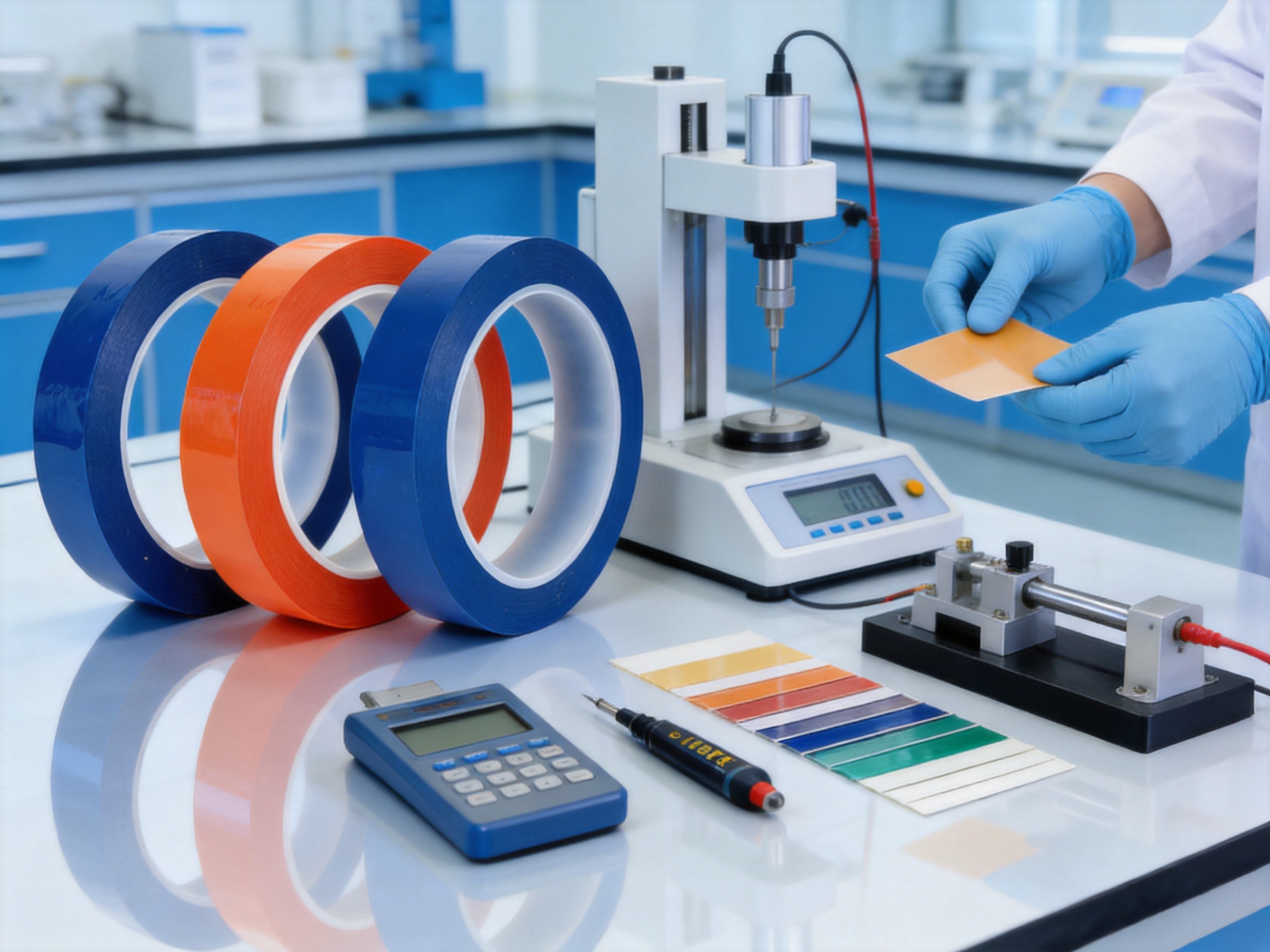
The company operates its own laboratory for full-process quality testing, supporting research and development, production monitoring, and shipment inspection. Testing capability is a practical advantage because insulation tape must meet multiple performance dimensions. These include total thickness, substrate thickness, peel strength, elongation, withstand voltage, flame retardancy, solvent resistance, temperature resistance, and appearance quality.
In-house laboratory support allows the manufacturer to test materials before shipment and continuously improve formulations. It also helps customers who need technical confirmation for new projects, replacement materials, cost optimization, or product upgrades. Instead of relying only on supplier declarations, the production team can use controlled test data to support selection and quality decisions.
Broad Model Availability
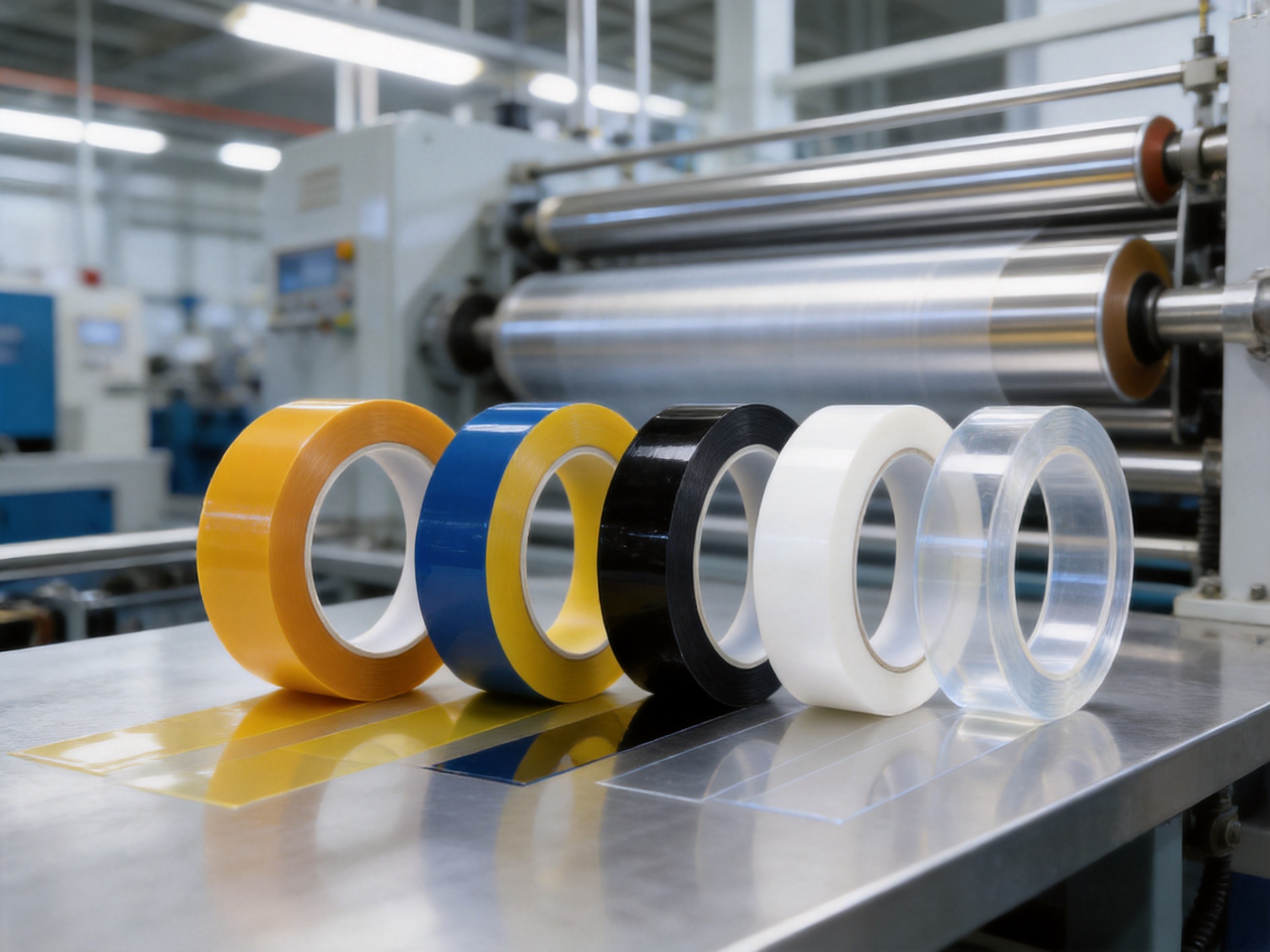
The LY-XX series includes several model variations. Common product options include dark yellow, light yellow, red, blue, green, black, white, and transparent tapes. Thickness options include ultra-thin versions, standard versions, thicker versions, and multi-layer composite versions. This range makes the tape suitable for both compact electronic assemblies and higher dielectric strength insulation structures.
Many competing products offer only one or two standard thicknesses or limited color options. In contrast, a broader selection helps engineers match the tape to the actual assembly requirement. For example, a compact transformer may need an ultra-thin tape to preserve winding space, while a high-voltage insulation layer may require a thicker or composite version with higher withstand voltage.
Manufacturing Strength and Process Excellence
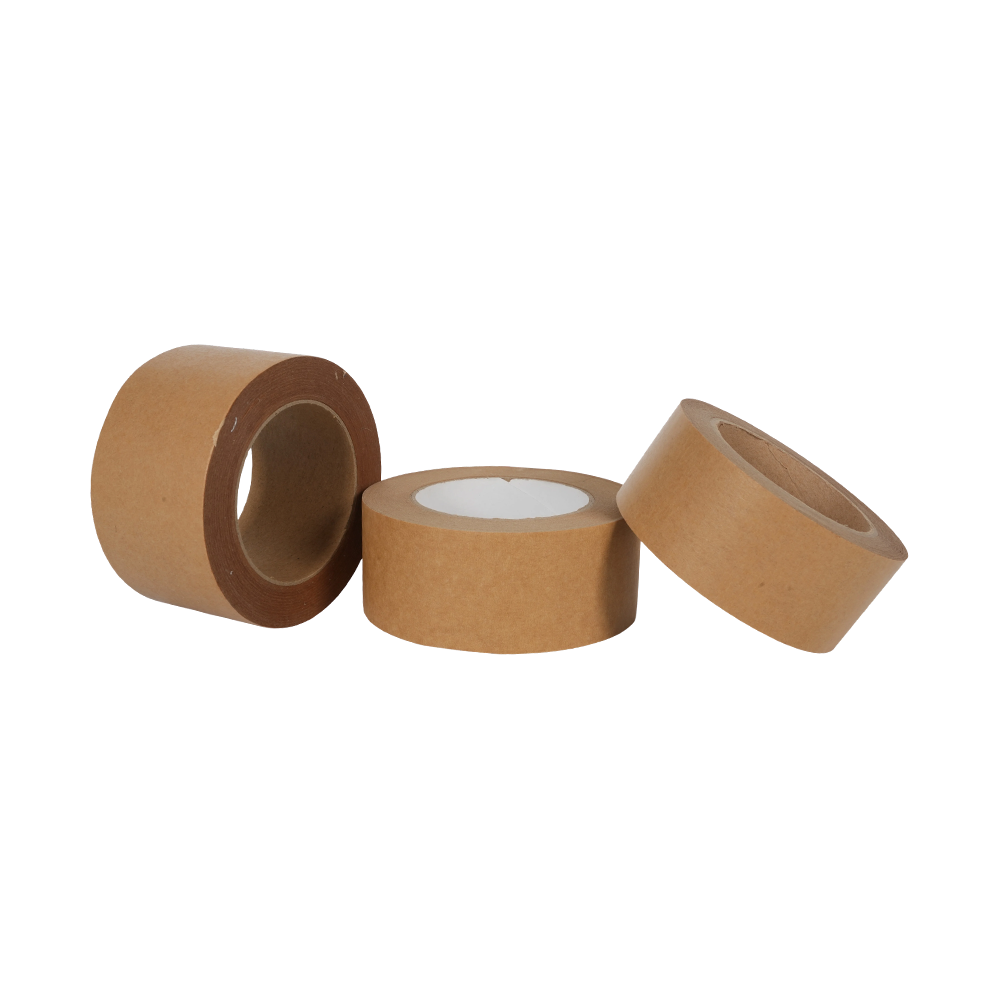
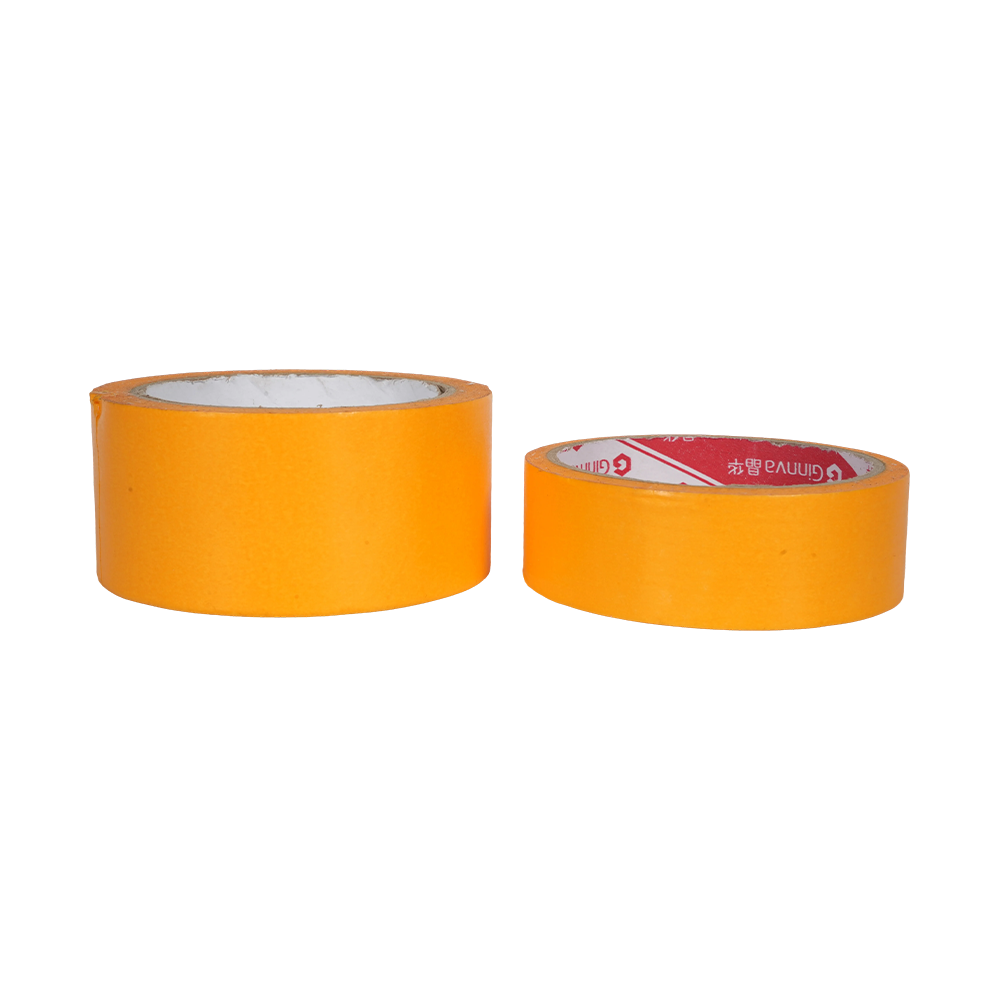
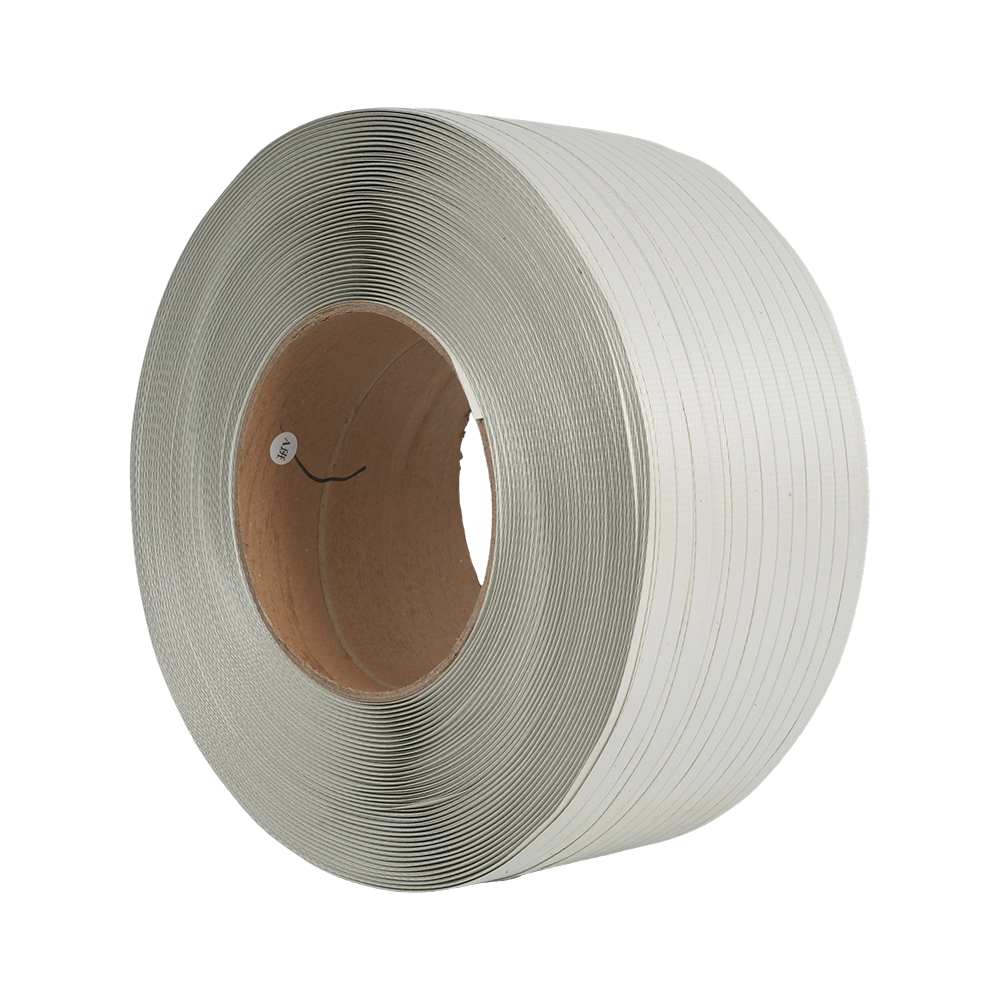
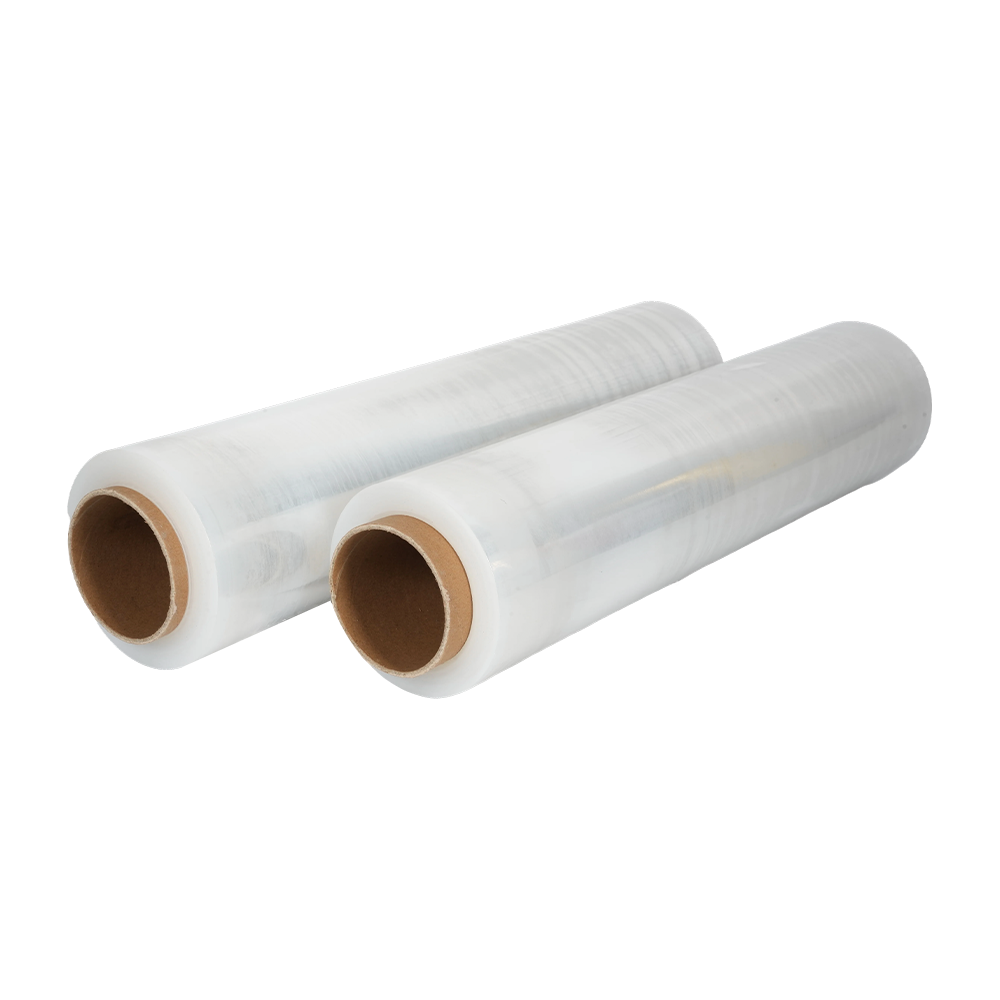
Zhejiang Geruite Packaging Materials Co., Ltd. is located in Zhejiang Province, China, an area known for advanced manufacturing resources, strong supply chains, and a highly developed industrial base. The company focuses on the research, development, production, and sales of high-performance tapes and packaging materials. Its product range includes BOPP tapes, kraft paper tapes, masking tapes, high-temperature resistant tapes, metal tapes, PE stretch film, PP strapping, PET strapping, and functional adhesive tapes for industrial use.
The company’s production philosophy is based on quality control from the beginning of the process rather than inspection only at the end. Raw material procurement, adhesive preparation, coating stability, drying or curing control, rewinding, slitting, packaging, and final inspection are managed through a structured process. This is particularly important for Mylar tape because the end user may apply the tape in high-speed winding equipment, automated component assembly, or safety-related electrical insulation systems.
Advanced production equipment helps maintain coating uniformity and dimensional accuracy. A good insulation tape must not only have strong nominal specifications; it must also unwind smoothly, maintain consistent width, resist edge lifting, and remain stable during storage and use. The company’s commitment to process management supports these practical performance requirements.
The annual output value of the company has reached over RMB 60 million, reflecting a solid production foundation and market presence. Scale matters in the tape industry because customers often need stable supply, consistent repeat orders, and reliable delivery. A supplier with established production capacity can better support customers in electronics, logistics, construction, industrial manufacturing, and packaging protection.
Technical Characteristics of the LY-XX Mylar Tape
Polyester Film Substrate
The substrate is polyester film, also known as PET film. PET film provides excellent mechanical strength relative to its thickness. It has good dimensional stability, meaning that it resists stretching, shrinking, or deforming excessively under normal processing and service conditions. In coil wrapping and component insulation, this helps maintain uniform insulation layers and predictable coverage.
Polyester film also offers good dielectric performance. When used as an insulating barrier, it helps prevent electrical breakdown between conductive parts. The LY-XX series includes models with withstand voltage values such as 3 kilovolts, 4.2 kilovolts, 5 kilovolts, 6.5 kilovolts, and 8 kilovolts, depending on thickness and construction. This enables the product to support different insulation designs.
Pressure-Sensitive Adhesive System
The adhesive system may be acrylic-based or rubber-based, depending on the tape model and target application. Acrylic adhesive is commonly used where temperature resistance, aging resistance, solvent resistance, and long-term stability are required. Rubber-based adhesive can provide strong initial tack and good bonding to certain surfaces. The availability of adhesive options helps users balance performance, processing, and cost.
For electrical insulation tape, adhesive quality is critical. A poor adhesive can ooze, dry out, lift at the edges, lose tack after aging, or contaminate components. The LY-XX Mylar Tape emphasizes controlled adhesive synthesis and coating, helping ensure stable peel strength and clean application. Many models provide peel strength of at least 250 N/M, while the ultra-thin model provides at least 200 N/M.
Temperature Resistance
The series typically supports temperature resistance up to 130 degrees Celsius, subject to specific model datasheets and application conditions. This temperature class is suitable for many electronic transformers, motors, generators, capacitors, and electronic component assemblies. Temperature resistance is important not only during operation but also during manufacturing processes such as winding, baking, curing, or varnish impregnation.
In real manufacturing environments, a tape may face both thermal stress and mechanical stress. A stable Mylar tape must maintain adhesion, insulation, and dimensional integrity across the expected temperature range. The LY-XX series is designed for applications where stable insulation behavior is required.
Flame Retardancy
Several models in the LY-XX series meet flame retardancy requirements under UL 510. Flame-retardant insulation tape helps reduce fire propagation risk within electrical systems. This is especially important in transformers, motors, battery packs, and electronic equipment where localized heating, electrical faults, or overload conditions may occur.
Not every color or model has the same flame-retardant status. For example, some transparent or specific colored models may be listed without flame-retardant confirmation in the provided data. Engineers should select the exact model according to flame-retardancy requirements and confirm details with the relevant datasheet.
Solvent Resistance
The product data indicates excellent solvent resistance across listed models. Solvent resistance is important when tapes are exposed to varnishes, cleaning agents, process chemicals, or impregnation materials. In transformer and motor production, insulation tapes may encounter varnish dipping, solvent cleaning, or coating processes. A tape with poor solvent resistance may swell, lose adhesion, discolor, or weaken.
Excellent solvent resistance helps the LY-XX Mylar Tape maintain performance in industrial production environments. This characteristic provides an advantage over lower-grade tapes that are only suitable for basic bundling or non-critical applications.
Representative Product Data
The following table summarizes representative models and performance values from the LY-XX Mylar Tape series. Actual selection should be based on detailed datasheets, order specifications, and application testing.
| Model and Color | Substrate Thickness | Total Thickness | Peel Strength | Elongation | Withstand Voltage | Flame Retardancy | Temperature Resistance |
| LY-01 Dark Yellow | 0.025 mm | 0.055 plus or minus 0.005 mm | At least 250 N/M | At least 40 percent | 4.2 kV | Yes, UL 510 | 130 degrees Celsius |
| LY-02 Light Yellow | 0.025 mm | 0.055 plus or minus 0.005 mm | At least 250 N/M | At least 40 percent | 4.2 kV | Yes, UL 510 | 130 degrees Celsius |
| LY-10 Transparent | 0.025 mm | 0.055 plus or minus 0.005 mm | At least 250 N/M | At least 40 percent | 4.2 kV | Not specified | 130 degrees Celsius |
| LY-11 Dark Yellow | 0.05 mm | 0.08 plus or minus 0.005 mm | At least 250 N/M | At least 40 percent | 5 kV | Yes, UL 510 | 130 degrees Celsius |
| LY-17 Black | 0.05 mm | 0.08 plus or minus 0.005 mm | At least 250 N/M | At least 40 percent | 5 kV | Yes, UL 510 | 130 degrees Celsius |
| LY-02-2L Light Yellow Composite | 0.025 mm double-layer composite | 0.11 plus or minus 0.01 mm | At least 250 N/M | At least 40 percent | 6.5 kV | Yes, UL 510 | 130 degrees Celsius |
| LY-02-3L Light Yellow Composite | 0.025 mm three-layer composite | 0.16 plus or minus 0.02 mm | At least 250 N/M | At least 40 percent | 8 kV | Yes, UL 510 | 130 degrees Celsius |
| LY-02Z Light Yellow Ultra-Thin | 0.019 mm | 0.035 plus or minus 0.003 mm | At least 200 N/M | At least 40 percent | 3 kV | Yes, UL 510 | 130 degrees Celsius |
Advantages Over Ordinary Competing Tapes
More Reliable Batch Consistency
One of the most common problems with ordinary insulation tapes is inconsistency. A customer may receive one batch with acceptable adhesion and another batch with poor unwinding, uneven coating, or unstable thickness. Such variation can disrupt automated production and increase defect rates. The LY-XX Mylar Tape is supported by in-house production control and laboratory testing, which helps improve batch consistency.
Consistency is particularly valuable for coil winding. If tape thickness fluctuates, the final coil size may vary. If adhesive strength fluctuates, tape ends may lift or shift after winding. If edge quality is poor, the tape may tear or produce debris. Stable process control reduces these risks and improves production efficiency.
Better Insulation Confidence
Low-cost tapes may be marketed as electrical tapes but may not provide adequate dielectric performance for demanding applications. The LY-XX series offers defined withstand voltage values and is suitable for insulation structures requiring stable performance. The availability of multi-layer composite versions further supports applications requiring higher voltage resistance.
When manufacturers use tapes with clear electrical performance data, they can design insulation systems more confidently. This can reduce overengineering, minimize unnecessary thickness, and support more compact products.
Stronger Support for Flame-Retardant Requirements
In many electrical products, flame retardancy is not optional. A tape used inside a transformer, motor, or electronic component may need to meet recognized flame-retardant standards. The LY-XX series includes multiple flame-retardant models compliant with UL 510 requirements. This provides a competitive advantage over tapes that lack clear flame-retardant performance or documentation.
More Complete Application Coverage
The product range covers ultra-thin, standard, thicker, colored, transparent, and composite options. This breadth enables one supplier to support multiple production lines and product categories. A manufacturer may use an ultra-thin light yellow tape for compact electronic components, a black tape for internal identification, a white tape for marking, and a composite tape for higher dielectric requirements.
Using a broad product family can simplify procurement, reduce supplier qualification work, and improve technical communication. Instead of testing unrelated tapes from several suppliers, customers can build a standardized tape selection system from one controlled series.
Improved Process Compatibility
Electrical manufacturers require tapes that perform not only in final service but also during assembly. The tape must unwind cleanly, adhere quickly, wrap tightly, resist lifting, and remain stable during subsequent processes. The LY-XX Mylar Tape is designed for coil wrapping, component fixation, bundling, labeling, and insulation. Its controlled thickness and peel strength support both manual and equipment-assisted operations.
Application Scenarios
Electronic Transformer Coil Wrapping
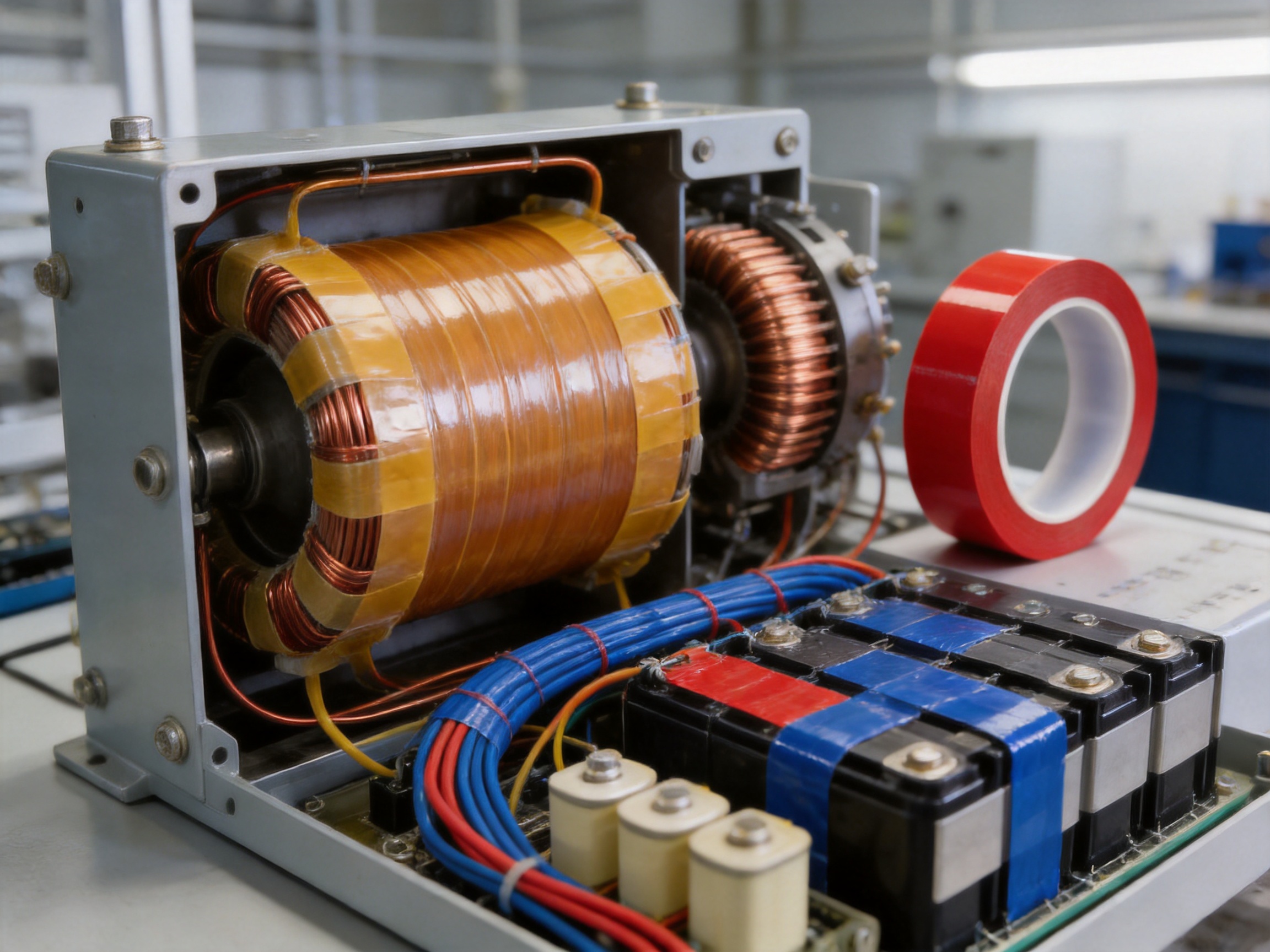
Electronic transformers often require layer insulation, margin insulation, final wrapping, and lead wire fixation. Mylar tape is widely used because it provides a thin but strong dielectric barrier. The LY-XX series is suitable for wrapping transformer coils, protecting windings, and maintaining insulation spacing. The availability of different colors also supports visual identification during production.
In transformer production, stable tape thickness helps control coil dimensions. Strong adhesion prevents end lifting and reduces loose wraps. Good dielectric strength improves insulation reliability. Flame-retardant models can support safety requirements for power supplies, chargers, adapters, and other electronic devices.
Motor and Generator Insulation
Motors and generators contain conductive windings exposed to heat, vibration, mechanical stress, and electrical fields. Insulation tape can be used for phase separation, coil binding, end winding fixation, slot insulation assistance, and internal component protection. The LY-XX Mylar Tape provides a combination of tensile strength, dielectric resistance, and temperature resistance suitable for many such applications.
Although each motor design has its own insulation system, a stable polyester film tape can contribute to improved assembly quality. The tape’s solvent resistance is also beneficial when components encounter varnish impregnation or cleaning operations.
Battery Pack Insulation and Fixation
Battery packs require safe separation, fixation, insulation, and identification. Mylar tape is used around cells, modules, busbars, protection boards, and internal wiring. A thin tape with good dielectric strength helps reduce the risk of short circuits while minimizing added bulk. In battery assemblies, edge lifting and adhesive failure can create safety concerns, so reliable adhesion is important.
Color options can help identify circuits, zones, or assembly steps. Flame-retardant models may be selected when safety design requires them. The tape’s temperature resistance supports typical battery pack manufacturing and service conditions, subject to final application testing.
Capacitor and Electronic Component Insulation
Capacitors and other electronic components often require wrapping, isolation, labeling, and fixation. The LY-XX Mylar Tape can be used to insulate component bodies, secure leads, separate conductive parts, and support assembly cleanliness. Ultra-thin options are useful where space is limited, while thicker options offer greater dielectric strength.
For electronic component manufacturers, tape cleanliness and uniformity matter. Debris, inconsistent edges, or adhesive residue can interfere with assembly and quality inspection. Controlled slitting and coating are therefore important advantages.
General Electrical Bundling and Labeling
Beyond high-voltage insulation, the tape can be used for internal bundling and labeling of wires, harnesses, small parts, and electrical components. Color availability is valuable for identification. For example, yellow may be used for insulation wrapping, black for concealment or marking, white for labeling contrast, and transparent tape for applications where the underlying component must remain visible.
How to Select the Right Model
Consider Required Withstand Voltage
The first selection factor is dielectric requirement. If the application requires a basic insulation layer in a compact electronic device, a standard 0.055 mm total thickness model may be sufficient. If the design requires higher withstand voltage, the 0.08 mm models or composite versions may be more appropriate. The double-layer composite model provides a representative withstand voltage of 6.5 kV, while the three-layer composite model provides a representative value of 8 kV.
Consider Available Space
Space is often limited in electronic transformers, battery packs, and compact components. In these cases, the ultra-thin LY-02Z model, with a representative total thickness of 0.035 mm, may help reduce bulk while still providing insulation performance. However, thinner tape typically offers lower withstand voltage than thicker or composite versions, so selection must balance compactness and dielectric requirements.
Consider Flame-Retardant Requirements
If the product must meet UL 510 flame-retardant requirements, choose models specifically identified as flame-retardant. Do not assume that all colors or all versions have the same flame-retardant status. For safety-critical applications, confirm certification details, file information, and datasheet values before mass production.
Consider Color Coding
Color is more than appearance. In manufacturing, colors help workers and inspection systems distinguish materials, assembly stages, voltage levels, product models, or functional zones. The LY-XX series offers dark yellow, light yellow, red, blue, green, black, white, and transparent options. This supports lean production, visual control, and easier inspection.
Consider Adhesive Performance
Peel strength, initial tack, aging resistance, and surface compatibility affect tape performance. Surfaces should be clean and free of oil, dust, moisture, and loose particles. Where the application involves plastics, varnished surfaces, metals, films, or special coatings, sample testing is recommended. Proper application pressure improves contact and adhesion.
Handling and Storage Recommendations
The LY-XX Mylar Tape should be stored in a cool, dry place at room temperature, approximately 20 to 25 degrees Celsius. Avoid direct sunlight, high humidity, excessive heat, freezing conditions, dust, and chemical vapors. Proper storage helps preserve adhesive properties and unwinding behavior.
Before application, the bonding surface should be clean, dry, and free of oil or dust. The tape should be applied with adequate pressure so the adhesive can wet the surface properly. In production, operators should avoid stretching the tape excessively unless the application specifically requires tension control. Excessive tension may cause lifting or shrink-back after application.
For automated or semi-automated use, customers should verify roll width tolerance, unwinding force, machine tension, wrapping angle, overlap ratio, and cutting conditions. Even high-quality tape must be matched with correct equipment parameters. For critical insulation systems, conduct full validation under actual operating conditions.
Quality Control from Raw Material to Shipment
Quality control begins with raw materials. Polyester film quality influences tensile strength, thickness accuracy, surface condition, and dielectric performance. Adhesive raw materials influence tack, peel strength, aging resistance, and temperature stability. Pigments influence color consistency and, in some cases, electrical or flame-retardant behavior. By controlling pigment grinding and adhesive synthesis in-house, the manufacturer can reduce dependence on external variability.
During coating, the adhesive must be applied uniformly. Too little adhesive may reduce peel strength, while too much adhesive may cause oozing, excessive thickness, or difficult unwinding. Drying and curing conditions must be controlled to ensure final adhesive performance. Rewinding tension must be balanced to avoid roll deformation, telescoping, or blocking.
Slitting is another critical step. Poor slitting creates rough edges, burrs, dust, or width variation. In coil wrapping, a damaged tape edge can cause tearing or uneven coverage. Clean slitting improves application quality and supports automated processing. Final inspection verifies that the tape meets specification before shipment.
The company’s in-house laboratory provides support throughout this process. Testing can include thickness measurement, peel strength testing, elongation testing, dielectric withstand testing, flame behavior evaluation, solvent resistance checks, temperature exposure, and visual inspection. Full-process testing helps create a stable product that customers can rely on.
Why Manufacturing Integration Creates Customer Value
Manufacturing integration is often invisible to the end user, but its impact is visible in product performance. A tape made from inconsistent outsourced materials may look acceptable when new but fail during winding, aging, heating, or varnish exposure. Integrated production improves control over the relationship between substrate, adhesive, pigment, coating process, and final slitting.
For customers, this means fewer unexpected production problems. Stable tape reduces machine downtime, operator adjustment, scrap, and quality disputes. It also improves repeatability in electrical insulation design. When every roll behaves similarly, manufacturers can standardize processes and improve productivity.
Integrated production also supports customization and technical response. If a customer needs a specific color, thickness, adhesion level, roll width, or insulation requirement, an integrated manufacturer is better positioned to evaluate feasibility and adjust production parameters. This is a meaningful advantage over trading companies or assemblers with limited process control.
Role in Industrial Packaging and Electrical Material Supply
Although the LY-XX Mylar Tape is primarily an electrical and electronic insulation tape, it is part of a broader industrial materials capability. Zhejiang Geruite Packaging Materials Co., Ltd. supplies many types of adhesive tapes, strapping bands, and films for packaging and industrial use. This wider product foundation can benefit customers who require multiple materials from one supplier, such as packaging tape for shipment, stretch film for pallet protection, strapping for load stabilization, and functional tape for electrical assembly.
A supplier with broad industrial material experience understands the importance of adhesion, tensile strength, roll quality, storage stability, and logistics performance. These capabilities reinforce the production of specialty tapes such as Mylar tape. Customers can benefit from a manufacturing partner that combines packaging material scale with technical tape development.
Comparison with Common Alternatives
Compared with General PVC Electrical Tape
PVC electrical tape is widely used for wiring, repair, and general insulation. However, it is usually thicker, softer, and less dimensionally stable than polyester film tape. For precision transformer winding or compact electronic components, polyester film tape often provides better thickness control and a cleaner profile. The LY-XX Mylar Tape is therefore more suitable for structured insulation layers where dimensional accuracy and dielectric performance are important.
Compared with Paper Insulation Tape
Paper tapes can be useful in certain insulation systems, especially when impregnation is required. However, polyester film generally provides higher mechanical strength and better moisture resistance. Mylar tape can offer a thinner, stronger barrier for many electronic applications. The LY-XX series also provides color options and controlled adhesive performance for efficient assembly.
Compared with Low-Cost Generic PET Tape
Generic PET tapes may appear similar but often differ in adhesive quality, coating uniformity, flame-retardant performance, certification support, and batch consistency. The LY-XX Mylar Tape offers defined technical values, UL recognition, insulation system inclusion, in-house laboratory testing, and closed-loop production. These advantages make it better suited for applications where failure costs are high.
Compared with Polyimide Tape
Polyimide tape is known for very high temperature resistance and is often used in soldering, printed circuit board masking, and high-temperature insulation. However, polyimide tape is generally more expensive. For applications requiring insulation up to approximately 130 degrees Celsius rather than extreme temperature resistance, polyester film tape may provide a more cost-effective solution. The LY-XX Mylar Tape offers a practical balance of insulation performance, strength, thickness options, and cost efficiency.
Design and Engineering Considerations
When designing with Mylar tape, engineers should evaluate electrical stress, creepage and clearance requirements, mechanical load, temperature exposure, chemical exposure, and expected service life. Tape should not be selected based only on color or price. The correct model should be chosen according to dielectric strength, total thickness, flame-retardant requirement, adhesive type, and process compatibility.
Overlap design is important in wrapping applications. A larger overlap may improve insulation coverage but increases thickness. A smaller overlap saves space but requires more precise winding. End fixation should be designed to prevent lifting. If the tape will be exposed to varnish or solvent, compatibility testing should be conducted.
For battery packs and electronic devices, consider the interaction between tape and adjacent materials. Some plastics, coatings, or release agents may reduce adhesion. Thermal cycling may affect tape stress. Mechanical vibration may challenge edge adhesion. Sample testing under real assembly conditions is recommended before large-scale production.
Procurement Benefits
From a purchasing perspective, the LY-XX Mylar Tape offers several benefits. The product range supports multiple specifications, reducing the need for separate suppliers. Certification support helps satisfy customer audits and product safety documentation. Stable manufacturing capacity supports repeat orders. In-house laboratory testing reduces uncertainty and supports quality communication.
For buyers, the lowest tape price is not always the lowest total cost. A cheaper tape that causes winding defects, insulation failures, customer complaints, or production delays can become expensive. A stable tape with predictable performance can reduce hidden costs and improve manufacturing reliability.
The company can be contacted through its listed business communication channels for specification confirmation, sample requests, technical consultation, and order discussion. Its location in Hangzhou, Zhejiang Province, supports access to mature manufacturing and logistics networks.
Q&A Section
What is the LY-XX Mylar Tape mainly used for?
It is mainly used for electrical and electronic insulation, including transformer coil wrapping, motor and generator insulation, capacitor insulation, battery pack fixation, internal component bundling, and labeling. It is suitable for applications requiring stable insulation performance and controlled thickness.
What substrate is used in this tape?
The tape uses polyester film, also known as PET film or Mylar film, as the substrate. Polyester film provides good dielectric strength, tensile strength, dimensional stability, and mechanical durability.
What adhesive systems are available?
The product may use rubber-based or acrylic-based pressure-sensitive adhesive depending on the model. Acrylic adhesive is often selected for temperature resistance, aging resistance, and solvent resistance, while rubber-based adhesive can offer strong initial tack for certain applications.
What temperature resistance does the tape provide?
The series typically provides temperature resistance up to 130 degrees Celsius. Users should confirm the exact value and conditions in the technical datasheet for the selected model.
Does the tape meet flame-retardant requirements?
Many models in the LY-XX series meet UL 510 flame-retardant requirements. However, not every color or model has the same status, so users should verify the selected item before using it in safety-critical applications.
Why is closed-loop production important?
Closed-loop production means that important processes such as pigment grinding, adhesive synthesis, coating, and slitting are controlled in-house. This improves consistency, traceability, quality control, and technical responsiveness compared with suppliers that rely heavily on outsourced processes.
How does this tape compare with ordinary PET tape?
Compared with ordinary generic PET tape, the LY-XX Mylar Tape offers stronger process control, clearer technical specifications, UL recognition, insulation system inclusion, laboratory testing support, and broader model availability. These advantages are valuable for electrical and electronic applications where reliability is critical.
Which model should be selected for limited space?
For limited-space applications, an ultra-thin model such as LY-02Z may be considered. It has a representative total thickness of 0.035 mm and a withstand voltage of 3 kV. However, final selection should consider dielectric requirements, mechanical conditions, and safety standards.
Which model should be selected for higher withstand voltage?
For higher withstand voltage, thicker or composite versions are recommended. Representative composite options include a double-layer version with 6.5 kV withstand voltage and a three-layer version with 8 kV withstand voltage.
How should the tape be stored?
It should be stored in a cool, dry place at approximately 20 to 25 degrees Celsius. Avoid direct sunlight, high humidity, excessive heat, dust, and chemical vapors. Proper storage helps maintain adhesive performance and roll quality.
What should be checked before application?
The bonding surface should be clean, dry, and free from oil, dust, or loose particles. Adequate pressure should be applied during bonding. For automated production, unwinding force, tension, width tolerance, overlap, and cutting conditions should be validated.
Why is laboratory testing valuable for customers?
Laboratory testing helps verify thickness, peel strength, elongation, withstand voltage, flame retardancy, solvent resistance, and temperature resistance. It gives customers more confidence in product consistency and supports technical decisions during material selection.
Conclusion
The LY-XX Mylar Tape is a practical and high-performance insulation tape solution for electrical and electronic manufacturing. Its polyester film substrate, pressure-sensitive adhesive system, controlled thickness options, reliable dielectric performance, flame-retardant model availability, and excellent solvent resistance make it suitable for transformers, motors, generators, battery packs, capacitors, and general electronic assemblies.
Its strongest value lies not only in individual specifications but also in the manufacturing system behind the product. Closed-loop control from pigment grinding and adhesive synthesis to coating and slitting helps improve stability. In-house laboratory testing supports quality assurance from development to shipment. UL recognition and insulation system inclusion provide additional confidence for customers working in regulated and safety-sensitive markets.
For manufacturers seeking a dependable alternative to ordinary PET tapes, the LY-XX Mylar Tape offers a balanced combination of electrical performance, processing reliability, model flexibility, and supplier capability. By selecting the right model and validating it under real application conditions, customers can improve insulation reliability, production efficiency, and long-term product safety.
References
Underwriters Laboratories. UL 510: Standard for Polyvinyl Chloride, Polyethylene, and Rubber Insulating Tape.
ASTM International. ASTM D1000: Standard Test Methods for Pressure-Sensitive Adhesive-Coated Tapes Used for Electrical and Electronic Applications.
IEC. Electrical Insulation Systems and Materials: General Principles for Thermal and Dielectric Evaluation.
Technical literature on polyester film properties for electrical insulation applications.
Internal product specification materials for LY-XX Polyester Film Insulation Tape.
Product: LY-XX Mylar Tape

CONTACT DETAILS
- Address:No. 241, Yaojiafan, Zhangpanqiao, Shushan Street, Xiaoshan District, Hangzhou City, Zhejiang Province, China
- TEL:+86-0571-83175630
- Phone:+86-13336160217
- Email:anqiaocun@163.com
PRODUCTS
NEWS CENTER
MOBILE TERMINAL
Copyright© Zhejiang Geruite Packaging Materials Co., Ltd. All Rights Reserved.
Privacy Wholesale industrial packaging tape Manufacturers