


 English
  Español
  عربى
عربى 
Clear Protective Plastic Sheeting Film for Construction, Renovation, and Industrial Surface Protection
Content
- 1 Why Protective Plastic Sheeting Matters in Modern Jobsite Management
- 2 Product Composition and Material Advantages
- 3 Core Performance Benefits
- 4 Application Scenarios
- 5 Advantages Over Common Competing Protection Materials
- 6 Manufacturing Process and Quality Control Strengths
- 7 Company Capability and Integrated Packaging Expertise
- 8 Selection Guide: Choosing the Right Thickness and Roll Size
- 9 Installation and Handling Recommendations
- 10 Safety and Limitations
- 11 Sustainability and Responsible Use
- 12 Commercial Value for Distributors, Contractors, and Industrial Buyers
- 13 Why This Clear LDPE Film Stands Out
- 14 Questions and Answers
- 14.1 What is Clear Construction Building Protective Plastic Sheeting Film made from?
- 14.2 What surfaces can the film protect?
- 14.3 Why is clear film better than opaque covering in many applications?
- 14.4 Can the film be used outdoors?
- 14.5 Is the film flame-retardant?
- 14.6 Which thickness should be selected?
- 14.7 How should the film be secured?
- 14.8 Can the film be printed or used with adhesives?
- 14.9 Is it suitable for heavy impact protection?
- 14.10 How should unused rolls be stored?
- 15 Conclusion
- 16 References
Clear Construction Building Protective Plastic Sheeting Film is a practical, versatile, and cost-effective protective material designed for demanding construction, renovation, industrial, and temporary enclosure applications. Made from low-density polyethylene, commonly known as LDPE, this clear plastic sheeting film provides a dependable physical barrier against dust, moisture, paint splatter, debris, dirt, and minor abrasion. In modern construction and industrial site management, preventing contamination and surface damage is not only a matter of appearance; it directly affects labor efficiency, cleanup cost, project handover quality, and customer satisfaction. A clear, easy-to-handle, and durable protective film can help contractors, builders, facility managers, decorators, warehouse operators, and industrial users keep work areas cleaner and safer while reducing unnecessary rework.
The defining advantage of this film is its balance of clarity, strength, flexibility, and coverage efficiency. Its transparent appearance allows workers to inspect covered floors, furniture, equipment, windows, doors, wall panels, stored materials, or machinery without removing the protective layer. This is especially useful on job sites where multiple teams operate at different stages of a project and need quick visual confirmation of surface condition, product identity, or installation progress. Unlike opaque tarps or dark protection sheets that hide what is underneath, a clear LDPE film supports efficient inspection and identification while still offering a reliable barrier.
The film is produced for temporary protection, but temporary does not mean weak or unreliable. With consistent formulation and controlled manufacturing, the product offers stable puncture and tear resistance for typical jobsite wear. It can protect against dust from sanding, plastering, cutting, and demolition; paint overspray and splashes during decoration; moisture exposure from cleaning, wet processes, or light rain cover; and debris generated by material handling. Because the film is lightweight relative to its coverage area, it is easy to transport, unfold, cut, place, and secure. It can be fixed with adhesive tape, staples, battens, weights, or other suitable fastening methods depending on the application surface and environment.
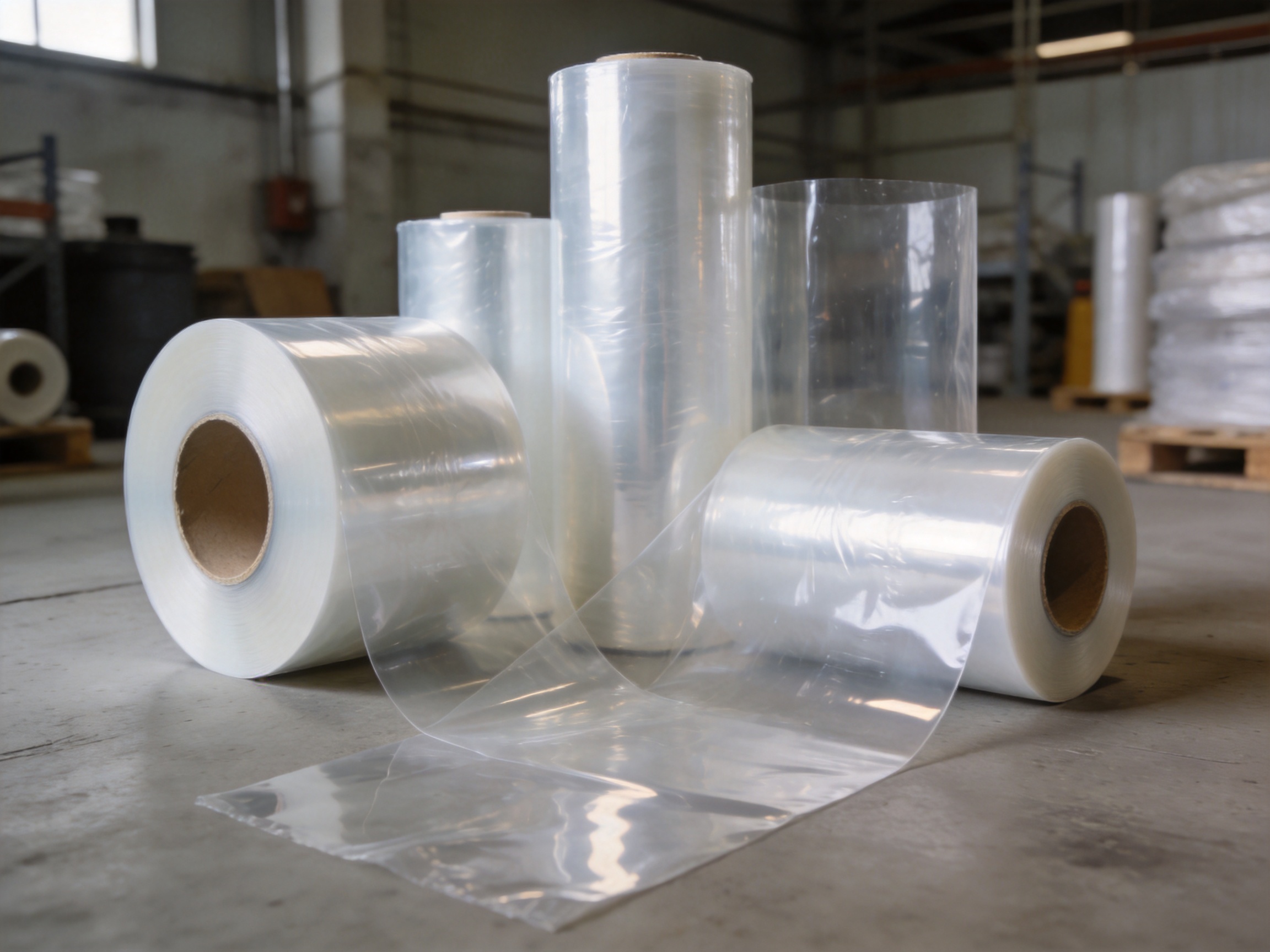
Why Protective Plastic Sheeting Matters in Modern Jobsite Management
Construction and renovation projects produce dust, moisture, debris, scratches, and impact risks almost every day. Newly installed flooring can be damaged before project completion. Finished cabinets can be stained by paint spray or cement slurry. Windows and doors can collect dust or plaster residue. Machinery and stored materials in industrial environments can be affected by moisture and airborne contaminants. When surfaces are not protected, the final stage of a project often requires excessive cleaning, repair, repainting, polishing, replacement, or customer compensation. Protective plastic sheeting helps reduce these risks by forming a quick, wide-area barrier.
Compared with rigid boards, textile covers, or reusable tarps, clear LDPE sheeting offers several unique benefits. It can cover large surfaces with minimal seams. It is easy to cut into custom sizes on site. It conforms to irregular shapes, corners, equipment outlines, furniture, and bundled materials. It is also economical enough for temporary use, making it suitable for projects where materials may be exposed to paint, plaster, dust, mud, or general construction residue. For many contractors, the value of plastic sheeting is measured not only by its purchase price but also by the labor hours it saves during cleanup and the quality problems it prevents.
Another important factor is visibility. In active job sites, workers often need to identify what is under a cover. A clear film allows labels, floor patterns, surface finishes, equipment panels, or stored goods to remain visible. This makes inventory control easier in warehouses, reduces the risk of accidental removal or misplacement, and helps supervisors monitor whether protected areas remain clean and intact. For renovation projects in occupied buildings, clear sheeting can also help maintain a more orderly appearance because protected furniture, fixtures, or flooring remain visible instead of being hidden under dark or dirty covers.
Product Composition and Material Advantages
The base material of the film is low-density polyethylene. LDPE is widely used in protective packaging and construction films because it offers flexibility, moisture resistance, chemical inertness against many common water-based substances, and reliable processability. The material is suitable for forming thin yet strong films that can be produced in multiple widths, thicknesses, and roll lengths. Its flexibility allows the film to be folded, rolled, unfolded, stretched lightly around corners, and cut without specialized tools. This supports quick installation by construction workers, painters, movers, decorators, warehouse teams, and maintenance personnel.
LDPE has good resistance to water and water-based contamination. In a construction environment, this means it can help block liquid water, wet plaster, cement slurry, water-based paint droplets, dust, and general dirt from contacting protected surfaces. While it should not be used as a structural waterproofing membrane or permanent roofing material, it is highly useful as a temporary moisture barrier and surface shield. For example, it can be laid over floors during painting work, draped over furniture during sanding, wrapped around equipment during short-term storage, or used to cover building materials waiting for installation.
The film may also be supplied in grades with corona treatment. Corona treatment modifies the surface energy of the film, improving adhesion with inks, tapes, coatings, or adhesives when such performance is required. This is valuable when the film needs to be printed, labeled, laminated, or secured with specific adhesive systems. Not every application requires corona treatment, but having this option increases the film’s adaptability for industrial and customized use. It reflects the importance of selecting the right grade rather than treating all plastic films as identical commodities.
Core Performance Benefits
High Clarity for Inspection and Identification
One of the most practical advantages of this product is high clarity. Clear plastic sheeting allows users to inspect the protected area without lifting or removing the film. On construction sites, this can prevent unnecessary disturbance of the protection layer. Workers can confirm whether flooring, cabinets, door frames, glass, equipment, or stored goods are in place and undamaged. In warehouses, clear film supports quick recognition of material types or package labels. In renovation environments, homeowners, decorators, or project supervisors can visually confirm the condition of furniture and fixtures while protection remains intact.
Reliable Physical Protection
The film is designed to resist common puncture and tearing forces encountered during temporary protection. It helps protect surfaces from dust, paint splatter, light debris, minor abrasion, and moisture contact. While no thin protective film should be treated as a substitute for heavy-duty impact boards or structural covers, this LDPE sheeting performs well for general protection needs. It can be layered for additional protection, combined with floor boards in high-impact zones, or used as a dust and moisture barrier over more rigid protective materials.
Water and Dust Barrier
Dust management is a major challenge in renovation and construction. Sanding drywall, cutting wood, grinding surfaces, mixing cement, and moving materials can create fine dust that travels through rooms and settles into carpets, cabinets, furniture, vents, and equipment. A protective plastic sheet helps contain dust and prevent it from reaching protected surfaces. It also blocks liquid water and many common water-based substances. This makes it helpful for painting, plastering, cleaning, masonry preparation, concrete finishing, and general site maintenance tasks.
Lightweight Handling and Cost Efficiency
Because LDPE sheeting offers a large coverage area at low weight, workers can handle rolls with less effort compared with heavier tarps or rigid sheets. This improves installation speed and reduces labor strain. The film can be cut manually with knives or scissors, positioned quickly, and secured with tape or weights. For projects that require broad coverage, the cost per square meter is often highly favorable. Reduced cleaning time, fewer surface repairs, and improved site organization can make the total value much greater than the purchase cost of the film itself.
Wide Applicability Across Different Projects
The film is available in common thicknesses such as 0.05 mm, 0.08 mm, and 0.12 mm, corresponding approximately to 2 mil, 3 mil, and 4.5 mil options. Widths may include 1.5 m, 2 m, 3 m, 4 m, and 6 m, with customizable options for specific applications. Standard roll lengths may include 30 m, 50 m, 100 m, and 200 m. This range allows users to select the right combination of coverage, handling convenience, and durability. Thin films may be suitable for light dust protection, while thicker films are better for higher traffic, outdoor fastening, or applications requiring greater puncture resistance.
| Parameter | Typical Value | Practical Benefit |
| Base Material | Low-Density Polyethylene | Flexible, moisture-resistant, and easy to process |
| Common Thickness | 0.05 mm, 0.08 mm, 0.12 mm | Allows selection for light, medium, or stronger protection |
| Standard Widths | 1.5 m, 2 m, 3 m, 4 m, 6 m | Supports wide-area coverage with fewer seams |
| Standard Roll Lengths | 30 m, 50 m, 100 m, 200 m | Suitable for small renovation jobs and large construction sites |
| Color | Clear | Enables visual inspection without removing the film |
| Key Properties | Dust-proof, water-resistant, moisture-barrier, puncture and tear resistant | Protects floors, furniture, equipment, and materials from common jobsite contamination |
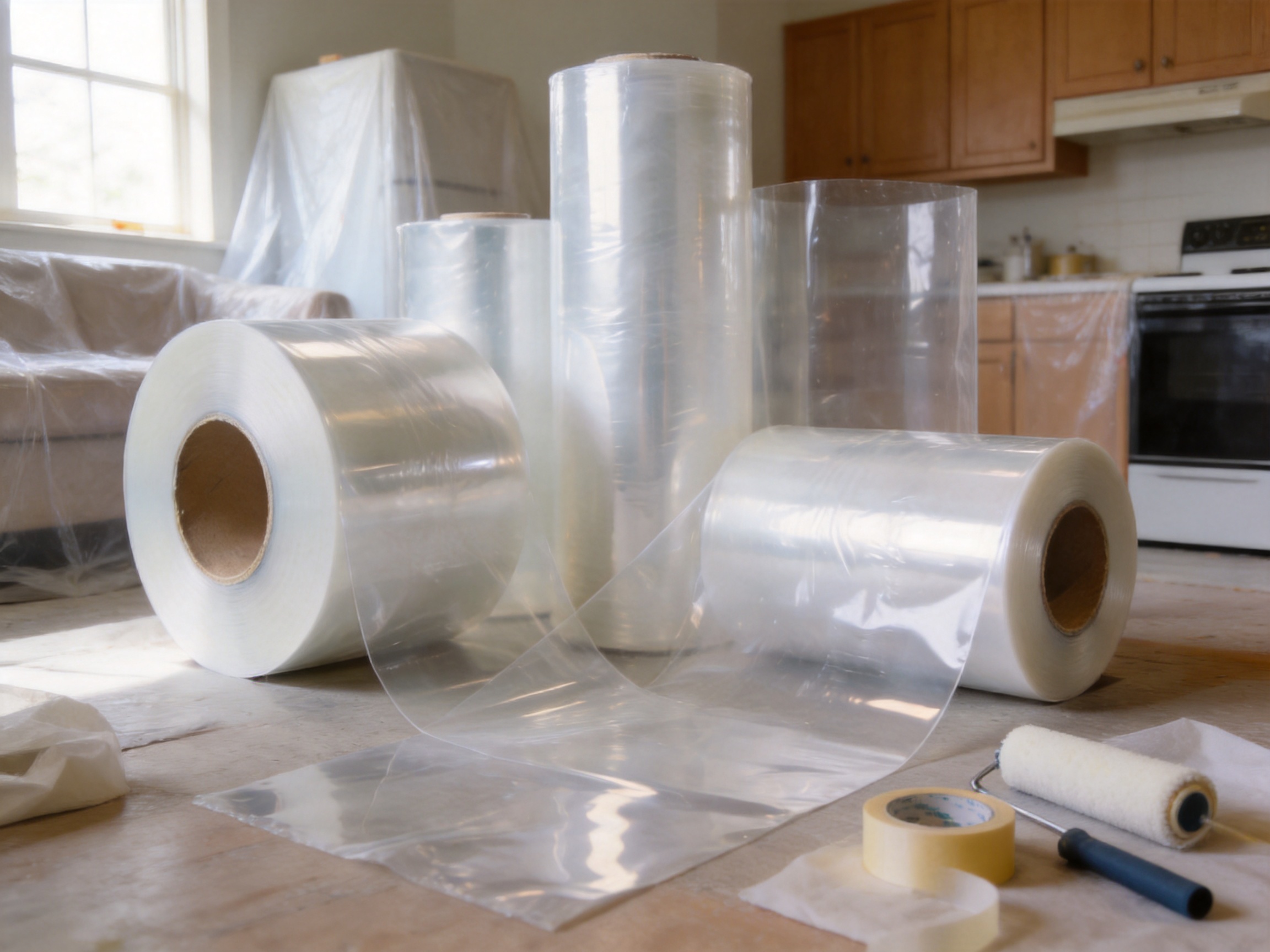
Application Scenarios
Construction Site Protection
During construction, newly installed components are often exposed to contamination before the building is complete. Clear protective plastic sheeting can be used to cover windows, doors, stairs, walls, floors, and building materials. It helps prevent dust accumulation, paint contamination, plaster splashes, and moisture contact. For window and door protection, the transparency of the film is especially valuable because workers can see the underlying frame or glass condition. For floors and stairs, the film can provide a temporary barrier during painting, cleaning, and light work phases. In areas with heavier foot traffic, it should be secured properly and may be used with additional protective layers if needed.
Interior Renovation and Decoration
Renovation work in homes, apartments, offices, hotels, shops, schools, and public buildings often requires protection of existing furniture and finishes. Dust from sanding and demolition can settle on sofas, tables, carpets, cabinets, appliances, and decorative surfaces. Paint splatter can stain fabrics and wood finishes. Clear LDPE film can be draped over furniture, taped around cabinet faces, spread over carpets, or used as a temporary partition. Because the film is light and easy to cut, it is convenient for decorators and maintenance teams who need to move quickly from room to room.
Industrial Equipment and Material Protection
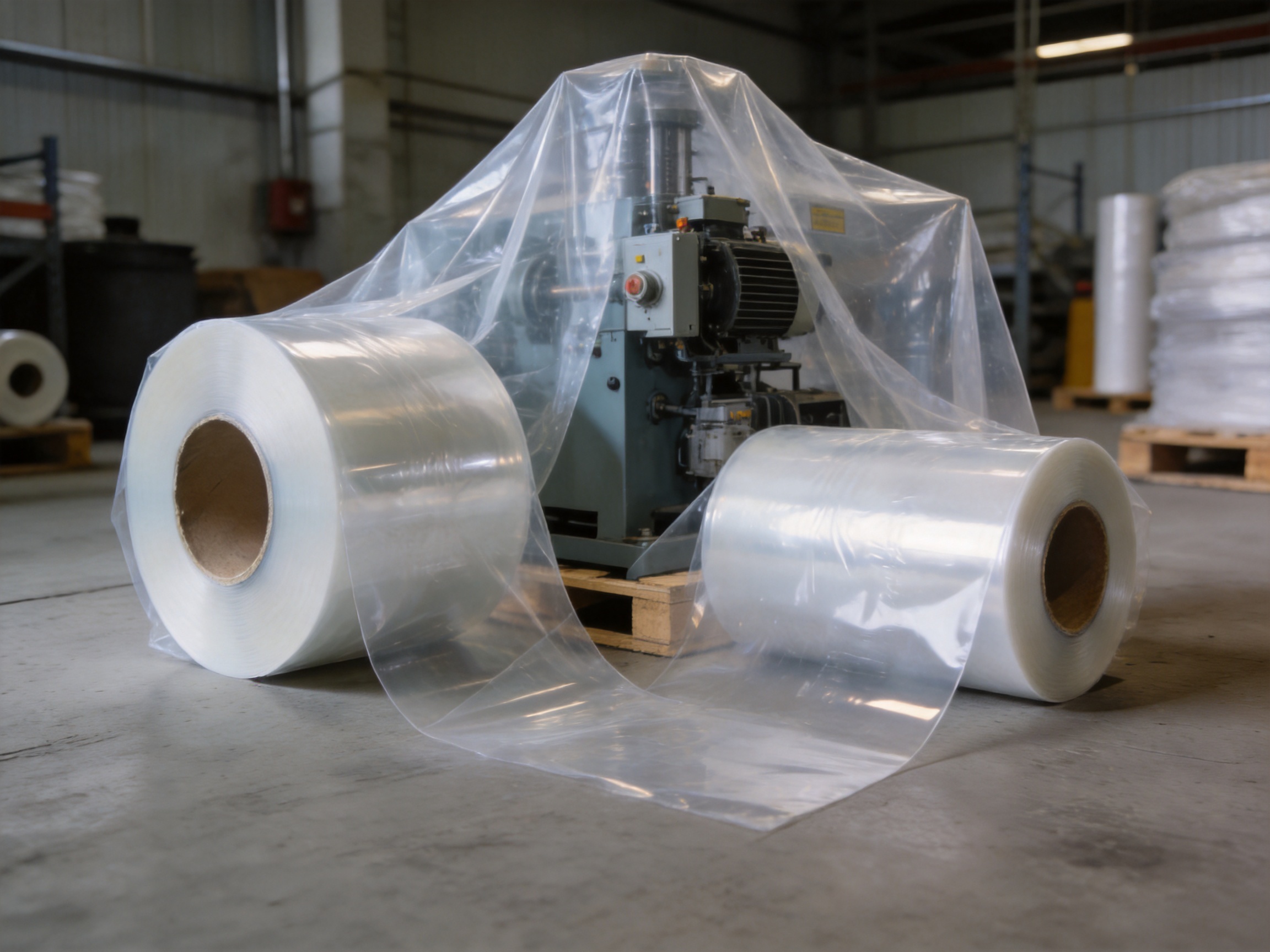
Factories, workshops, and warehouses often need temporary protection for machinery, tools, raw materials, spare parts, and work-in-progress components. Dust, moisture, and overspray can reduce equipment cleanliness or affect product quality. Clear plastic sheeting can cover machinery during maintenance shutdowns, protect stored raw materials from dust, and shield components during painting or repair activities nearby. The ability to see through the film helps workers identify equipment and confirm whether a cover remains in place. In industrial environments, selecting the proper thickness and securing method is especially important because sharp edges, moving equipment, and high-traffic operations may increase damage risk.
Temporary Enclosures and Outdoor Covering
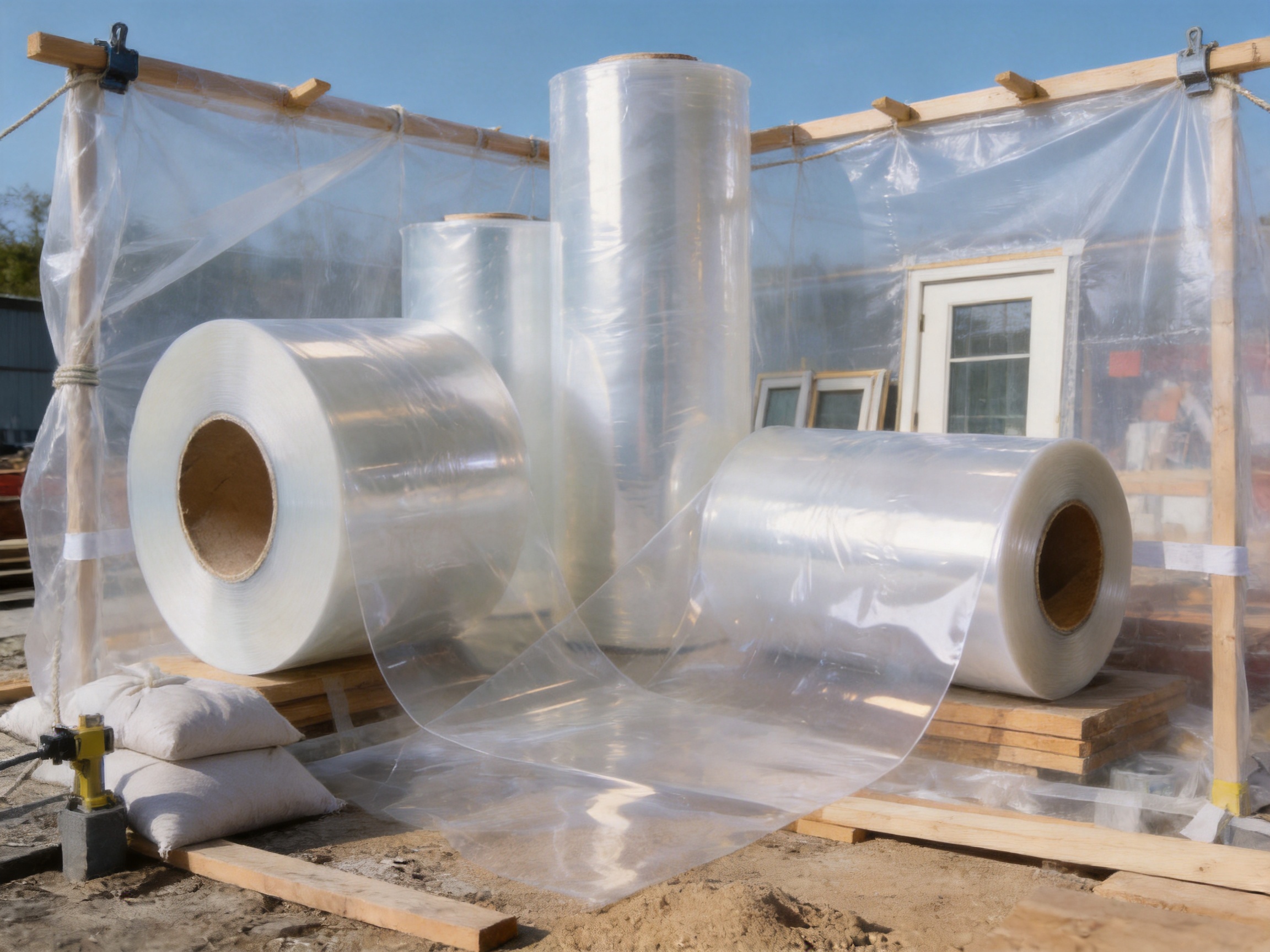
The film can also be used for temporary enclosures, site fencing, simple greenhouse coverage, and rain cover for outdoor materials. In these applications, proper fastening is essential. Wind uplift can tear any flexible film if edges are loose. Users should secure the film with suitable tape, battens, clamps, ropes, weights, or other fastening systems depending on the structure. Outdoor exposure to ultraviolet radiation can gradually weaken polyethylene, so long-term outdoor projects should include inspection and replacement planning. For short-duration site protection, the film can be highly effective when installed correctly.
Floor and Carpet Protection
Floors and carpets are among the most common surfaces requiring protection during decoration or moving. Clear plastic sheeting can help prevent dust, mud, paint, water, and debris from contacting the floor surface. For smooth floors, users should consider slip risk and secure the film carefully. For carpets, plastic sheeting can serve as a barrier during painting or material handling, although additional anti-slip measures may be needed in high-traffic areas. The film is best suited for surface protection rather than heavy impact absorption. If heavy equipment, ladders, or sharp materials will be moved, combining the film with stronger boards or mats may provide better results.
Advantages Over Common Competing Protection Materials
Many protection materials are available on the market, including canvas drop cloths, paper sheets, cardboard, fiberboard, tarps, bubble film, and adhesive surface films. Each has a place, but clear LDPE protective sheeting offers a compelling balance for general construction and renovation work. Compared with paper, it resists moisture more effectively and does not become weak as quickly when exposed to water-based paint, plaster, or damp dust. Compared with canvas cloth, it is lighter, more economical for disposable use, and does not absorb liquids. Compared with opaque tarps, it provides better visibility. Compared with rigid boards, it is easier to cover irregular surfaces and large areas with minimal labor.
Another advantage is cleanliness. Fabric covers may trap dust and require washing or shaking out after use. Paper may tear and leave debris when wet. Cardboard can absorb moisture and curl. Clear LDPE film can be removed quickly after use, taking dust and splatter with it if handled carefully. For projects where fast turnover matters, such as apartment renovation, retail refurbishment, hotel maintenance, or office decoration, this can reduce the time required to prepare a space for final inspection.
Cost flexibility is also important. Because the film is available in different thicknesses and roll sizes, buyers can match product grade to project requirement. Light-duty work does not need the same film thickness as outdoor material coverage or industrial equipment protection. This avoids overpaying for unnecessary strength while still allowing users to upgrade when needed. Customizable widths and lengths can reduce waste, minimize seams, and improve installation efficiency.
Manufacturing Process and Quality Control Strengths
The performance of protective plastic sheeting depends heavily on manufacturing consistency. A film that is too thin in some areas may tear unexpectedly. A roll with poor winding may be difficult to unwind on site. Inconsistent clarity may reduce inspection value. Weak edges may cause premature tearing during fastening. Zhejiang Geruite Packaging Materials Co., Ltd. has built its business around the research, development, production, and sale of packaging and protective materials, including adhesive tapes, PE stretch film, PP strapping, PET strapping, and other industrial packaging solutions. This broad experience in polymer materials and converting processes supports reliable production control for protective film products.
Advanced manufacturing begins with raw material selection. LDPE resin quality affects film strength, clarity, flexibility, and process stability. A controlled procurement system helps ensure that the resin used in production meets target performance requirements. During extrusion, resin is melted, filtered, and formed into film under controlled temperature and pressure conditions. Film thickness, cooling rate, tension, and winding conditions must be managed carefully. Stable processing helps achieve consistent thickness across the width and length of the roll, reducing weak points and improving user confidence.
For certain grades, surface treatment such as corona treatment may be applied. Corona treatment requires controlled electrical discharge to increase surface energy. If the treatment is too weak, adhesion improvement may be insufficient; if too aggressive, it can affect film quality. Proper equipment settings and inspection procedures help deliver treated film suitable for printing, adhesive contact, or further converting. This demonstrates why experienced manufacturing matters. A protective film is simple in appearance, but consistent performance requires knowledge of polymer behavior, equipment calibration, and quality testing.
Winding quality is another practical factor. Construction workers often judge a roll by how smoothly it unwinds and whether it lies flat after installation. Poor winding can create wrinkles, telescoping, tension marks, or handling problems. A well-controlled roll is easier to transport, store, cut, and install. Roll edges should be neat, and core stability should support efficient dispensing. In high-volume construction or industrial use, these details save time and reduce frustration.
Quality control can include checks for thickness tolerance, roll width, roll length, visual clarity, appearance defects, puncture resistance, tear resistance, tensile behavior, and packaging condition. The goal is not only to meet a specification sheet but also to ensure that the product performs predictably in real working environments. Stable quality allows contractors and distributors to plan usage more accurately, reduce complaints, and maintain consistent protection standards across projects.
Company Capability and Integrated Packaging Expertise
Zhejiang Geruite Packaging Materials Co., Ltd. is located in Zhejiang Province, China, a region recognized for developed manufacturing, efficient supply chains, and active industrial innovation. The company focuses on packaging materials and has developed a product portfolio covering BOPP tapes, kraft paper tapes, masking tapes, high-temperature resistant tapes, metal tapes, PE stretch film, PP strapping, high-strength PET strapping, and related protective materials. This integrated product range is a major advantage for customers who need more than one material for packaging, protection, stabilization, and transport.
In practical jobsite and logistics operations, film rarely works alone. Protective plastic sheeting may be secured with adhesive tape. Materials covered by film may also be bundled with strapping, wrapped with stretch film, or sealed with packaging tape before transportation. A manufacturer with broad experience across tapes, films, and strapping can better understand how these materials interact. For example, tape adhesion to film, film flexibility around loads, puncture resistance during handling, and packaging stability during storage are all related to material compatibility. Integrated manufacturing knowledge helps customers choose the right combination of products for the job.
The company emphasizes quality as a core business principle. A rigorous quality control system from raw material procurement to production and final inspection supports stable product performance. Its advanced production equipment and process discipline help meet the needs of customers in logistics, express delivery, household goods, electronics, construction and decoration, industrial manufacturing, cargo stabilization, and packaging protection. With an annual output value exceeding RMB 60 million, the company has demonstrated production capability and market recognition.
For buyers of protective film, company strength matters because supply reliability is critical. Construction projects and industrial operations often run on tight schedules. Delayed materials can disrupt work sequencing. Inconsistent quality can create site problems. A manufacturer with established production systems, experienced staff, and a diversified product portfolio can offer more dependable support than a small supplier with limited capability. The ability to provide wholesale packaging materials, customized roll sizes, and related protection products helps distributors and project buyers streamline procurement.
Selection Guide: Choosing the Right Thickness and Roll Size
Selecting the appropriate protective plastic sheeting should be based on project duration, surface sensitivity, traffic level, moisture exposure, fastening method, and cleanup requirements. For light dust protection during short indoor tasks, a thinner film such as 0.05 mm may be sufficient. It offers easy handling and economical coverage. For general renovation, furniture covering, cabinet protection, and moderate indoor use, 0.08 mm provides a stronger balance of flexibility and durability. For heavier protection, outdoor fastening, equipment covering, or areas with higher puncture risk, 0.12 mm may be more suitable.
Width selection affects installation speed and seam quantity. A 1.5 m or 2 m width may be easier for one worker to handle in small rooms, corridors, or narrow areas. A 3 m or 4 m width can cover larger floors, walls, furniture groups, or equipment more efficiently. A 6 m width is useful for broad coverage, temporary enclosures, large floor areas, or outdoor material protection where fewer seams are preferred. Wider film may require more workers during installation, especially outdoors or in windy conditions.
Roll length should be selected according to project scale and storage convenience. A 30 m or 50 m roll may be suitable for small renovation projects, painting jobs, and maintenance work. A 100 m or 200 m roll offers better continuity for large construction sites, industrial use, and distributors serving multiple projects. Buyers should consider not only unit price but also ease of carrying, storage space, cutting process, and expected waste.
Clear film is ideal when visibility matters. If users need to inspect surfaces, read labels, identify equipment, or check progress, clear sheeting is preferable to opaque covers. However, clear film should be stored away from direct sunlight when not in use to preserve its properties. Like many polyethylene films, prolonged ultraviolet exposure can gradually cause embrittlement. For long-term outdoor use, users should inspect the film periodically and replace it when signs of cracking, brittleness, or significant weakening appear.
Installation and Handling Recommendations
Proper installation improves performance. Before applying the film, surfaces should be reasonably free of sharp objects, protruding nails, metal burrs, or debris that could puncture the material. When covering floors, workers should sweep away grit and hard particles to reduce abrasion under the film. When draping over furniture or equipment, sharp corners can be padded or protected with an additional layer. The film should be unrolled smoothly and cut with clean tools to prevent ragged edges that may propagate tears.
Securing the film is especially important. Indoors, adhesive tape may be used to attach edges to walls, trim, floors, or temporary supports. Users should test tape compatibility with the underlying surface to avoid residue or finish damage. Staples may be used on suitable wooden surfaces where holes are acceptable. Weights can hold film in place on floors or over materials, but they should not create trip hazards. Outdoors, wind can lift unsecured film quickly, so edges should be fastened with battens, clamps, tape, ropes, sandbags, or other suitable methods. The fastening method should distribute stress rather than concentrate it at small points.
When used as a temporary partition or enclosure, the film should be supported by framing, poles, ropes, or another structure. It should not be expected to carry load or withstand high wind without reinforcement. When used over floors, users should consider slip resistance. Smooth plastic can be slippery, especially when wet or dusty. In walking areas, secure edges and consider additional anti-slip protection. Warning signs may be appropriate in commercial or public environments.
After use, the film should be removed carefully to avoid spreading accumulated dust or liquid. Folding the contaminated side inward can help contain debris. If the film has been exposed to paint, plaster, or chemical substances, disposal should follow local waste management requirements. Unused rolls should be stored in a cool, dry place away from direct sunlight, high heat, sharp objects, and open flames.
Safety and Limitations
Clear LDPE protective film is a plastic material and is not flame-retardant unless specifically manufactured and certified as such. It should be kept away from open flames, welding sparks, cutting sparks, heaters, hot work zones, and high-temperature surfaces. It should not be used in areas requiring certified flame-retardant materials unless a suitable grade is specified. On construction sites involving welding, grinding, or flame work, protective film should be removed or shielded according to safety procedures.
The film is designed for surface protection only. It is not a structural waterproofing membrane, roofing membrane, safety net, load-bearing sheet, or fall protection device. It should not be walked on if suspended over empty spaces, openings, gaps, trenches, or unsupported areas. It should not be used to support weight or hold back water pressure. Users must assess project conditions and apply appropriate safety systems when necessary.
Weather resistance should also be considered. For short-term outdoor use, the film can provide useful rain and dust cover when properly secured. However, prolonged exposure to sunlight, wind, temperature changes, and mechanical stress may reduce service life. Regular inspection is recommended for outdoor applications. If the film becomes brittle, torn, loose, or heavily contaminated, replacement is advisable.
Sustainability and Responsible Use
Plastic film provides important practical benefits, but responsible use is essential. The best sustainability approach begins with selecting the correct thickness and size to avoid unnecessary waste. Using a film that is too thin may lead to premature tearing and replacement, while using a film that is unnecessarily thick may consume more material than needed. Custom widths and roll lengths can help reduce offcuts and improve coverage efficiency.
Careful installation also reduces waste. Proper fastening prevents wind damage and tearing. Removing sharp debris before installation prevents punctures. Reusing clean film sections may be possible in some low-contamination applications, though users should consider cleanliness and performance condition. After use, film should be collected and disposed of responsibly. Where local recycling systems accept clean polyethylene film, recycling may be considered. Contaminated film should be handled according to local regulations and project waste procedures.
Manufacturing consistency contributes to sustainability as well. A stable production process reduces defective output, improves roll usability, and helps customers use material efficiently. By investing in equipment, quality control, and process optimization, experienced manufacturers can reduce waste across the supply chain. For project owners, using reliable film reduces rework, cleaning chemicals, water use, and replacement of damaged finishes, all of which have environmental and economic impacts.
Commercial Value for Distributors, Contractors, and Industrial Buyers
For distributors, clear construction protective film is a high-demand product with broad market application. It serves contractors, painters, decorators, movers, warehouse operators, manufacturers, and maintenance teams. Because it is available in different thicknesses and roll sizes, distributors can stock a practical product range for light, medium, and heavier protection. Clear labeling of thickness, width, length, material, and recommended use helps customers select the correct product quickly.
For contractors, the film supports professional project delivery. Protecting finished surfaces demonstrates care, reduces disputes, and improves customer perception. A clean jobsite is often associated with better workmanship and management discipline. Using clear film also allows supervisors to inspect protected areas without repeatedly removing covers. This can reduce labor and prevent accidental exposure of finished surfaces.
For industrial buyers, the film can become part of standard maintenance, storage, and production support procedures. Machinery can be covered during shutdowns, materials can be protected while awaiting processing, and finished goods can be shielded from dust before packaging. When purchased together with tapes, stretch film, and strapping, protective sheeting can support an integrated packaging and protection system from production to storage and delivery.
Why This Clear LDPE Film Stands Out
This clear protective plastic sheeting film stands out because it combines essential performance characteristics in a practical and user-friendly format. It is clear enough for inspection, strong enough for common jobsite protection, flexible enough for irregular surfaces, light enough for fast handling, and economical enough for wide-area use. It provides a barrier against dust, water, moisture, paint splatter, plaster residue, debris, and minor abrasion. It can be used indoors and outdoors for temporary protection, provided it is properly secured and monitored.
Its value is further strengthened by manufacturing expertise. Zhejiang Geruite Packaging Materials Co., Ltd. brings experience in adhesive tapes, stretch film, strapping, and packaging protection materials. This background supports understanding of polymer performance, roll converting, quality inspection, and industrial customer requirements. The company’s commitment to raw material control, advanced equipment, production discipline, and final inspection helps deliver stable products suitable for construction, renovation, industrial protection, and temporary enclosure applications.
In a competitive market, many plastic films may appear similar at first glance. The real difference becomes visible during use: whether the roll unwinds smoothly, whether thickness is consistent, whether the film tears too easily, whether clarity supports inspection, whether the selected size reduces waste, and whether the supplier can deliver reliably. A dependable clear LDPE sheeting film helps users work faster, protect better, and reduce cleanup costs. That is why it remains one of the most useful materials in modern construction and industrial protection.
Questions and Answers
What is Clear Construction Building Protective Plastic Sheeting Film made from?
It is made from low-density polyethylene, also known as LDPE. This material is flexible, lightweight, moisture-resistant, and suitable for producing clear protective films in different thicknesses and roll sizes.
What surfaces can the film protect?
It can protect floors, carpets, furniture, cabinets, appliances, doors, windows, stairs, walls, machinery, equipment, raw materials, and stored goods from dust, paint splatter, moisture, debris, and minor abrasion.
Why is clear film better than opaque covering in many applications?
Clear film allows users to see the protected surface or item without removing the cover. This helps with inspection, identification, inventory control, and project supervision.
Can the film be used outdoors?
Yes, it can be used for temporary outdoor coverage, such as material rain cover, temporary enclosures, site fencing, or greenhouse-style protection. However, it must be securely fastened to prevent wind uplift, and prolonged ultraviolet exposure may gradually reduce durability.
Is the film flame-retardant?
No. Standard LDPE protective film is not flame-retardant. It should be kept away from open flames, welding sparks, high-temperature surfaces, and hot work areas unless a certified flame-retardant grade is specifically supplied.
Which thickness should be selected?
For light dust protection, 0.05 mm may be suitable. For general renovation and indoor protection, 0.08 mm is often a balanced choice. For stronger protection, higher puncture resistance, or outdoor fastening, 0.12 mm may be preferred.
How should the film be secured?
It can be secured with adhesive tape, staples, battens, clamps, ropes, sandbags, or weights, depending on the surface and application. Outdoor use requires stronger edge fastening to resist wind.
Can the film be printed or used with adhesives?
Some grades can receive corona treatment to improve adhesion with inks or adhesives. This option is useful for printing, labeling, or special converting requirements.
Is it suitable for heavy impact protection?
The film is designed for surface protection against dust, moisture, paint, debris, and minor abrasion. For heavy impact, sharp tools, ladders, or machinery movement, it should be combined with boards, mats, or other stronger protective systems.
How should unused rolls be stored?
Unused rolls should be stored in a cool, dry place away from direct sunlight, sharp objects, open flames, and high-temperature sources. Proper storage helps maintain film clarity, flexibility, and strength.
Conclusion
Clear Construction Building Protective Plastic Sheeting Film is an efficient and adaptable solution for protecting surfaces and materials in construction, renovation, industrial, and temporary outdoor applications. Its LDPE composition provides flexibility, moisture resistance, and practical durability. Its clear appearance enables inspection without removal. Its range of thicknesses, widths, and roll lengths allows users to match the product to specific site requirements. When manufactured with consistent process control and supported by a company experienced in packaging materials, the film becomes more than a simple cover; it becomes a reliable tool for cleaner worksites, reduced cleanup costs, and improved project quality.
For contractors, decorators, industrial buyers, and distributors, the product offers a strong combination of performance and economy. It protects valuable surfaces, improves workflow, and supports professional site management. With proper installation, safe handling, and responsible disposal, clear LDPE protective sheeting remains one of the most useful and practical materials for temporary protection in today’s construction and industrial environments.
References
1. Brydson, J. A. Plastics Materials. Butterworth-Heinemann.
2. Harper, C. A. Handbook of Plastics, Elastomers, and Composites. McGraw-Hill.
3. Rosato, D. V., Rosato, D. V., and Rosato, M. G. Plastic Product Material and Process Selection Handbook. Elsevier.
4. Selke, S. E. M., Culter, J. D., and Hernandez, R. J. Plastics Packaging: Properties, Processing, Applications, and Regulations. Hanser Publications.
5. ASTM International. Standard Test Methods for Plastic Film and Sheeting Performance Evaluation.

LATEST POST
Let’s create something amazing together
contact usFeatured Products
-
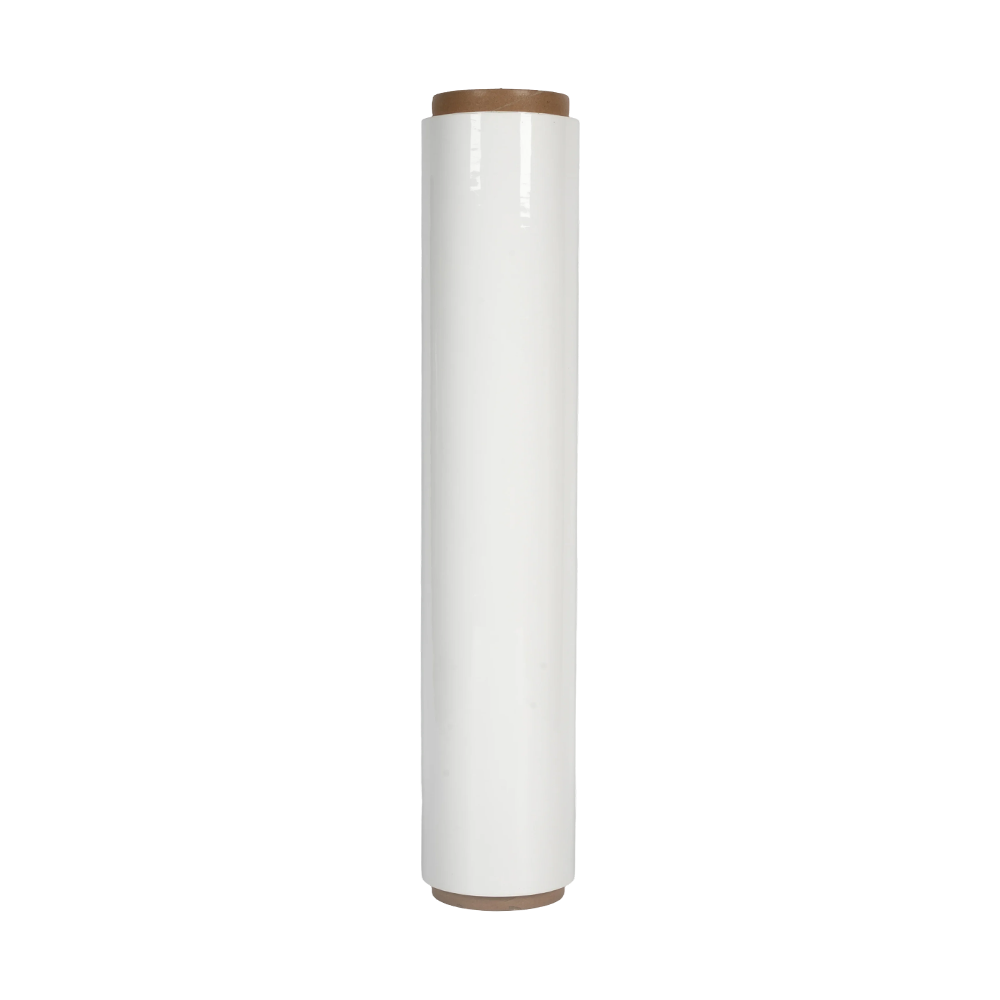
Clear Construction Building Protective Plastic Sheeting Film
-
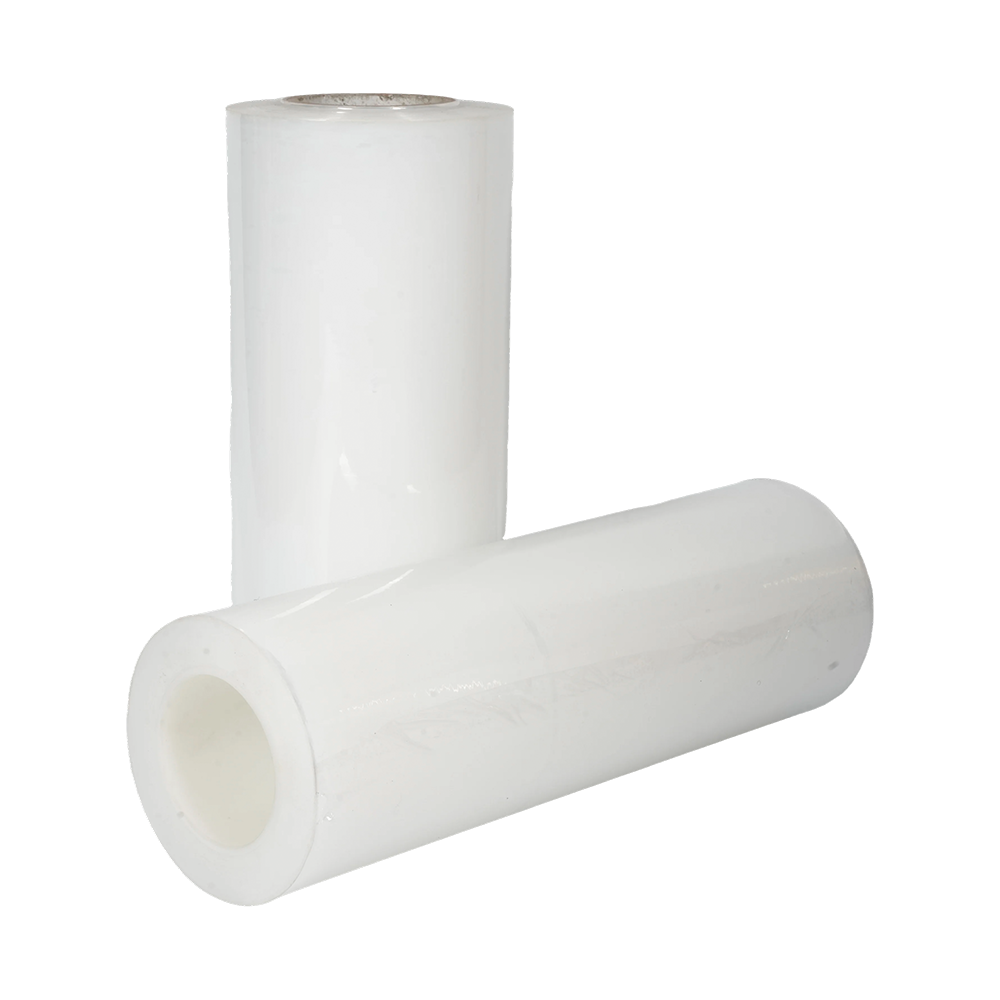
Transparent Protective Film Rolls, Clear PE Stretch Film
-
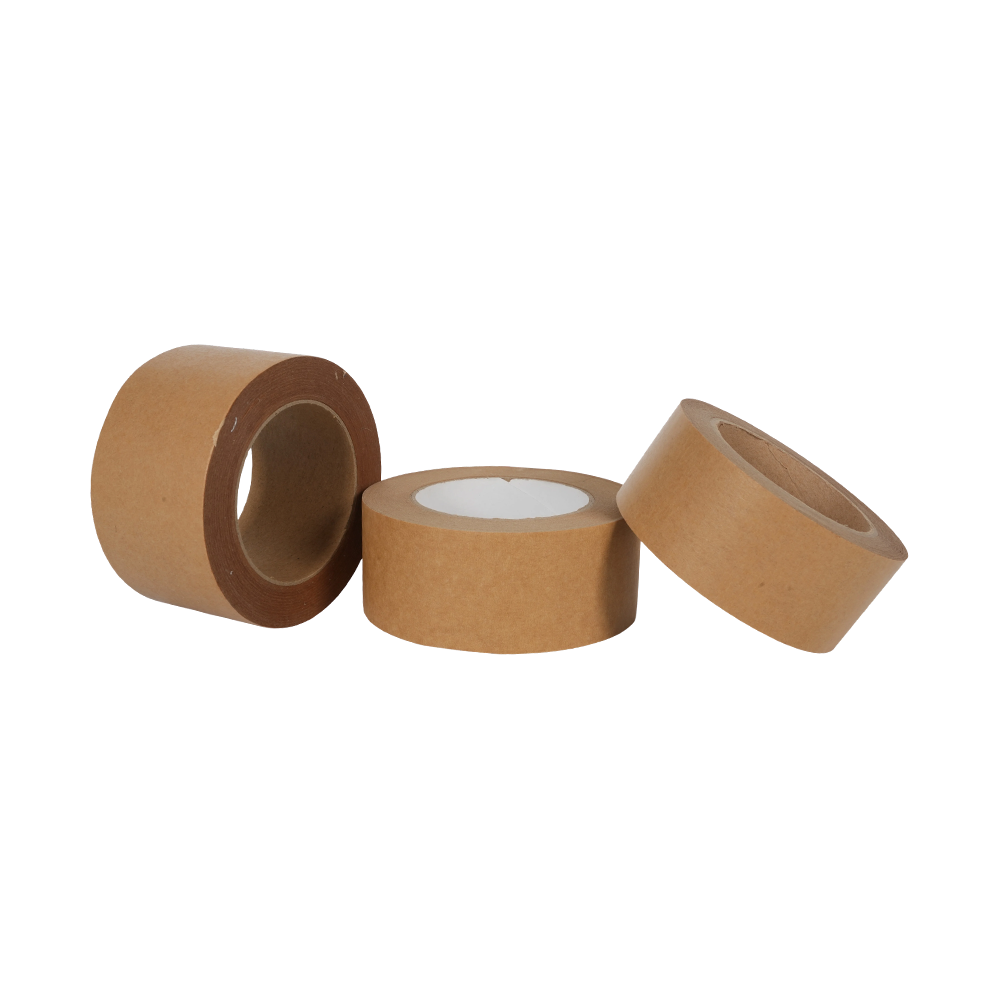
High viscosity, Tearable by hand Plastic-free kraft paper tape
-
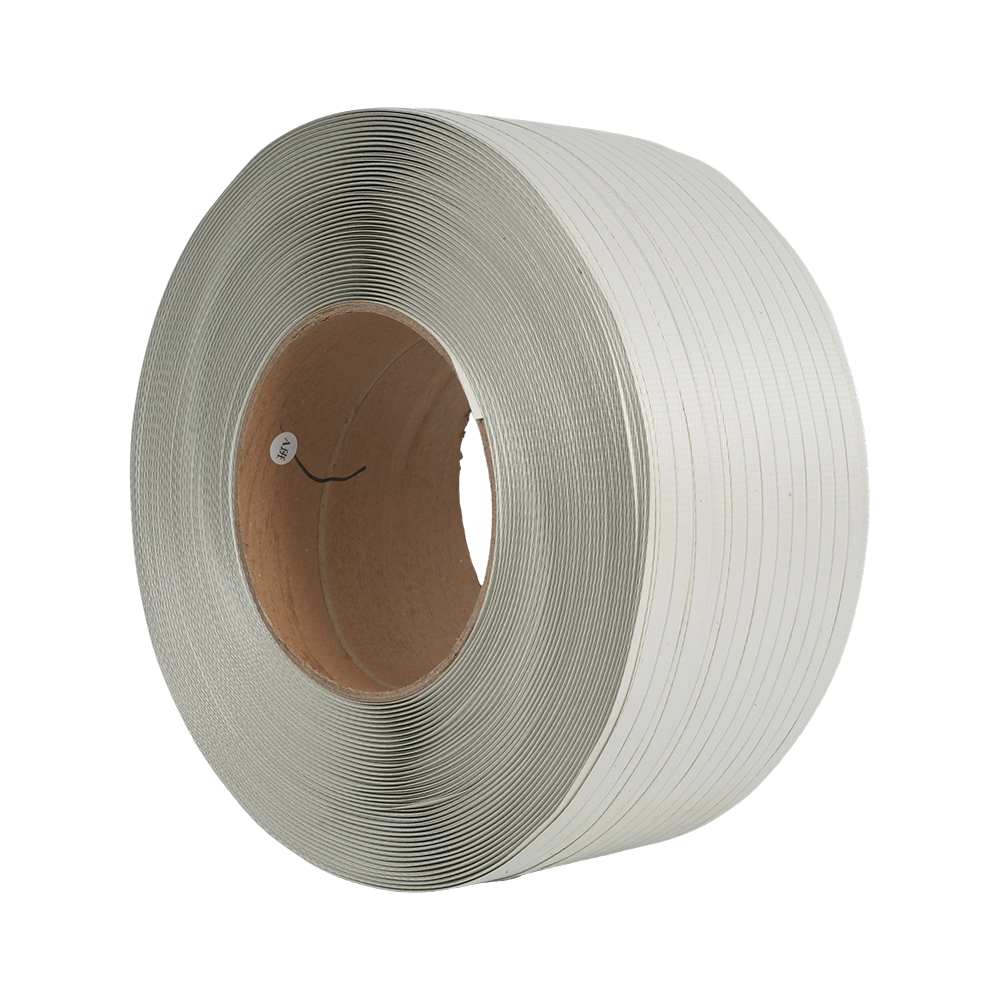
White Plastic Strapping Tape, PP Manual Strapping Band
-
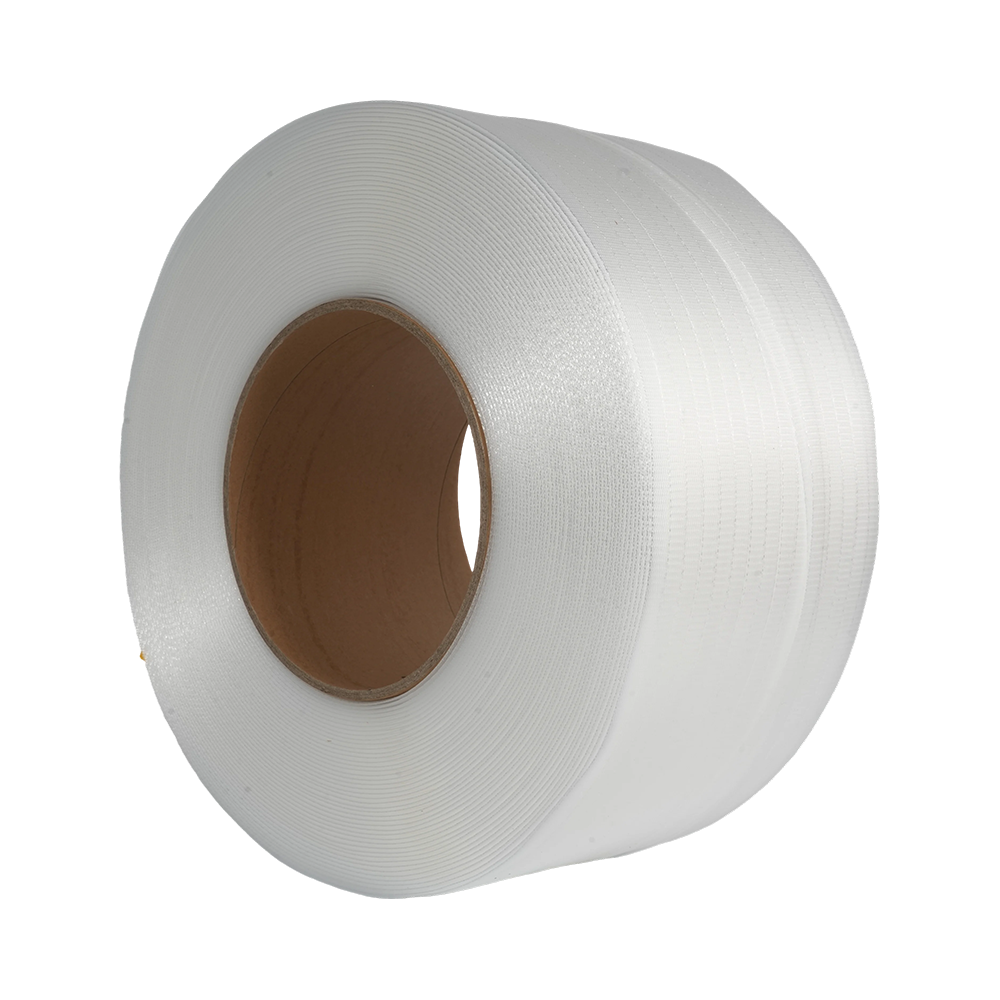
Transparent Strapping Band, Clear PP Packing Strap For Pelletizing Machine
-
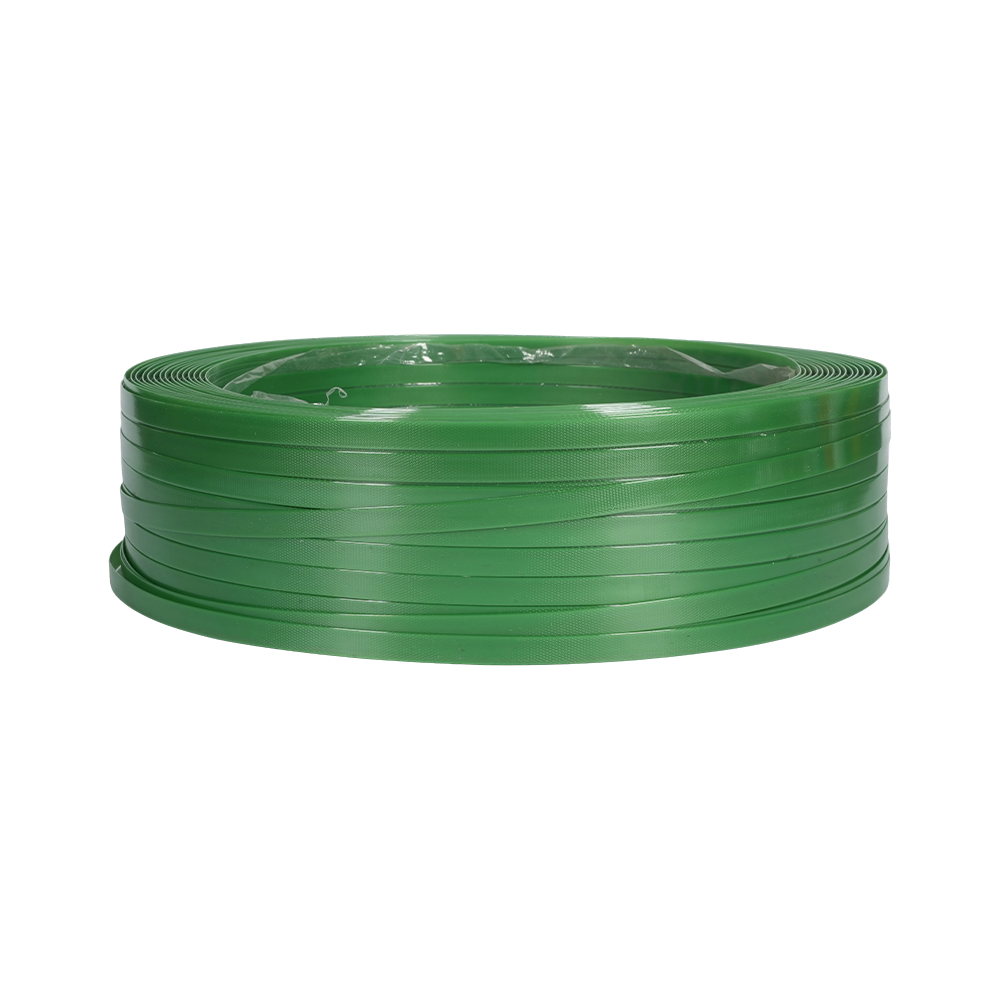
1608/1610/1910/2512 Handheld Transparent P+E+T Plastic Steel Belt
CONTACT DETAILS
- Address:No. 241, Yaojiafan, Zhangpanqiao, Shushan Street, Xiaoshan District, Hangzhou City, Zhejiang Province, China
- TEL:+86-0571-83175630
- Phone:+86-13336160217
- Email:anqiaocun@163.com
PRODUCTS
NEWS CENTER
MOBILE TERMINAL
Copyright© Zhejiang Geruite Packaging Materials Co., Ltd. All Rights Reserved.
Privacy Wholesale industrial packaging tape Manufacturers