


 English
  Español
  عربى
عربى 
Aluminum Foil Adhesive Tape for High-Performance Industrial Packaging and Insulation
Content
- 1 Product Overview
- 2 Why Aluminum Foil Is an Effective Tape Base Material
- 3 Core Performance Advantages
- 4 Advantages Over Competing Tape Types
- 5 Application Areas
- 6 Manufacturing Strengths Behind Reliable Tape Performance
- 7 Company Strengths and Integrated Packaging Capability
- 8 How the Product Supports Cost Efficiency
- 9 Selection Considerations for Buyers
- 10 Installation and Application Guidelines
- 11 Quality, Customization, and Supply Reliability
- 12 Role in Modern Industrial Packaging Systems
- 13 Environmental and Operational Considerations
- 14 Frequently Asked Questions
- 14.1 What is aluminum foil adhesive tape used for?
- 14.2 How is aluminum foil adhesive tape different from ordinary packaging tape?
- 14.3 Can this tape be supplied in custom widths?
- 14.4 What is the difference between lined and unlined aluminum foil tape?
- 14.5 What is the difference between pure aluminum and film-coated aluminum foil tape?
- 14.6 Is aluminum foil adhesive tape suitable for high-temperature environments?
- 14.7 Can it be used outdoors?
- 14.8 Why is supplier manufacturing capability important?
- 14.9 What industries commonly use this tape?
- 14.10 How should the tape be applied for best results?
- 15 Conclusion
- 16 References
- 17 Product: Aluminum Foil Adhesive Tape
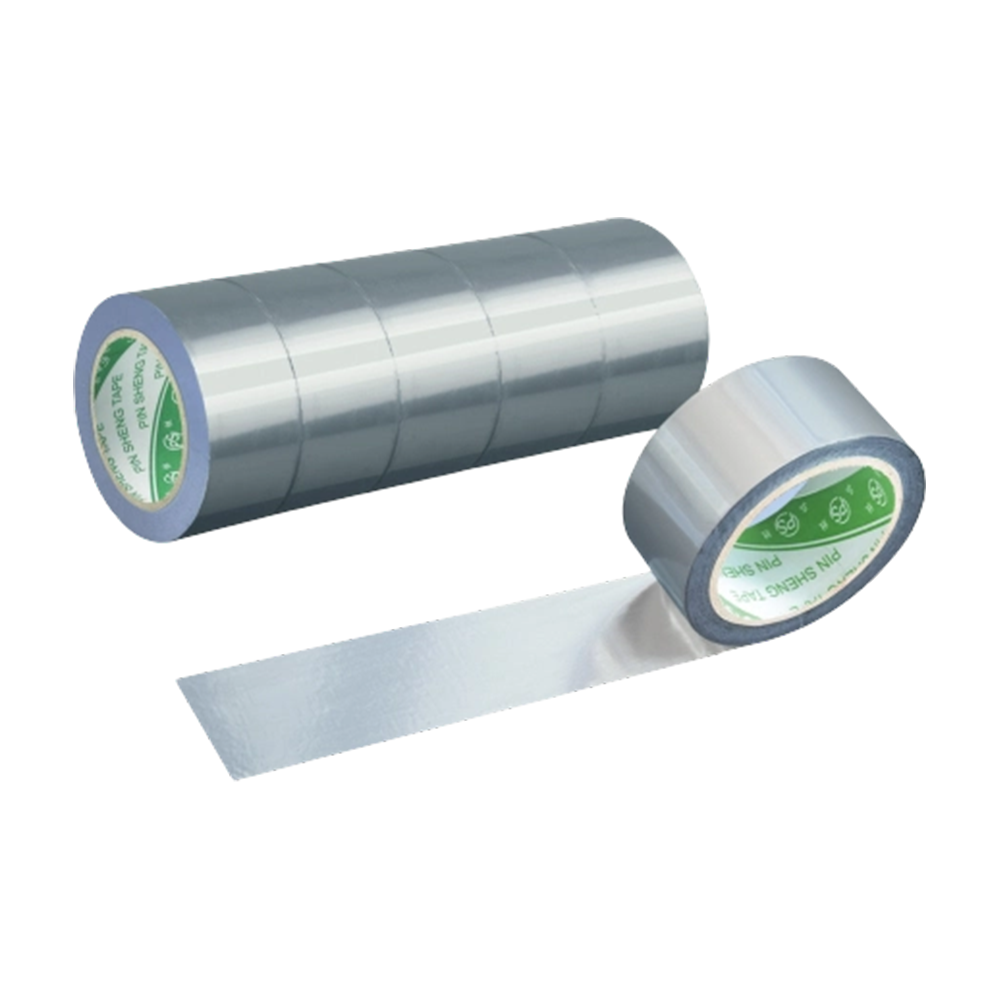
Aluminum foil adhesive tape is a specialized industrial tape designed for applications that require strong adhesion, heat resistance, wear resistance, insulation performance, and durable surface protection. Built with aluminum foil as the base material, this tape combines the reflective and barrier properties of metal foil with the convenience of a pressure-sensitive adhesive. It is widely used in packaging, construction, HVAC systems, electronics, appliance manufacturing, pipe wrapping, heat insulation, sealing, repair, and other demanding environments where ordinary packaging tapes cannot deliver reliable performance.
Unlike standard cloth tape, BOPP tape, paper tape, or general-purpose sealing tape, aluminum foil adhesive tape is engineered to perform under more challenging temperature and environmental conditions. Its metallic surface provides excellent heat reflection, moisture resistance, and aging resistance, while its adhesive layer enables quick bonding to different substrates. For users who need a tape that can protect, seal, insulate, reinforce, and withstand high-temperature conditions, aluminum foil adhesive tape offers a practical and cost-effective solution.
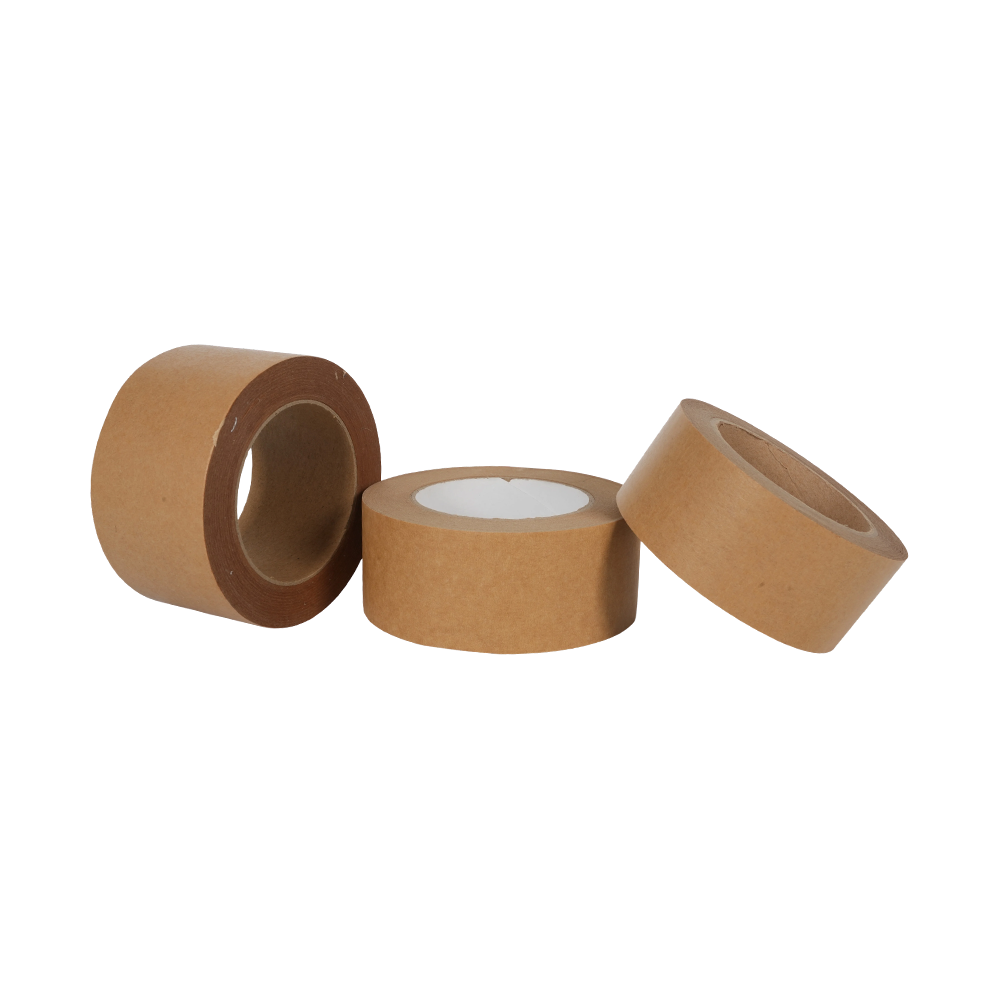
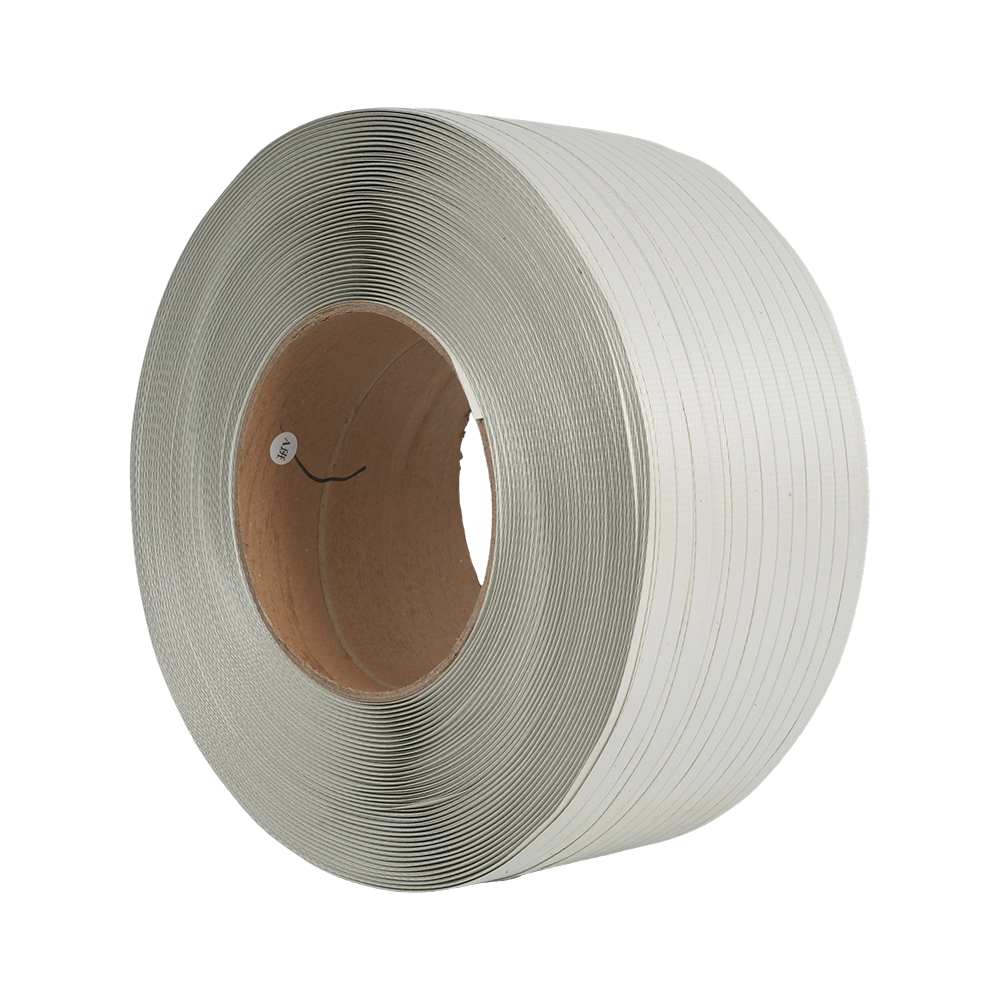
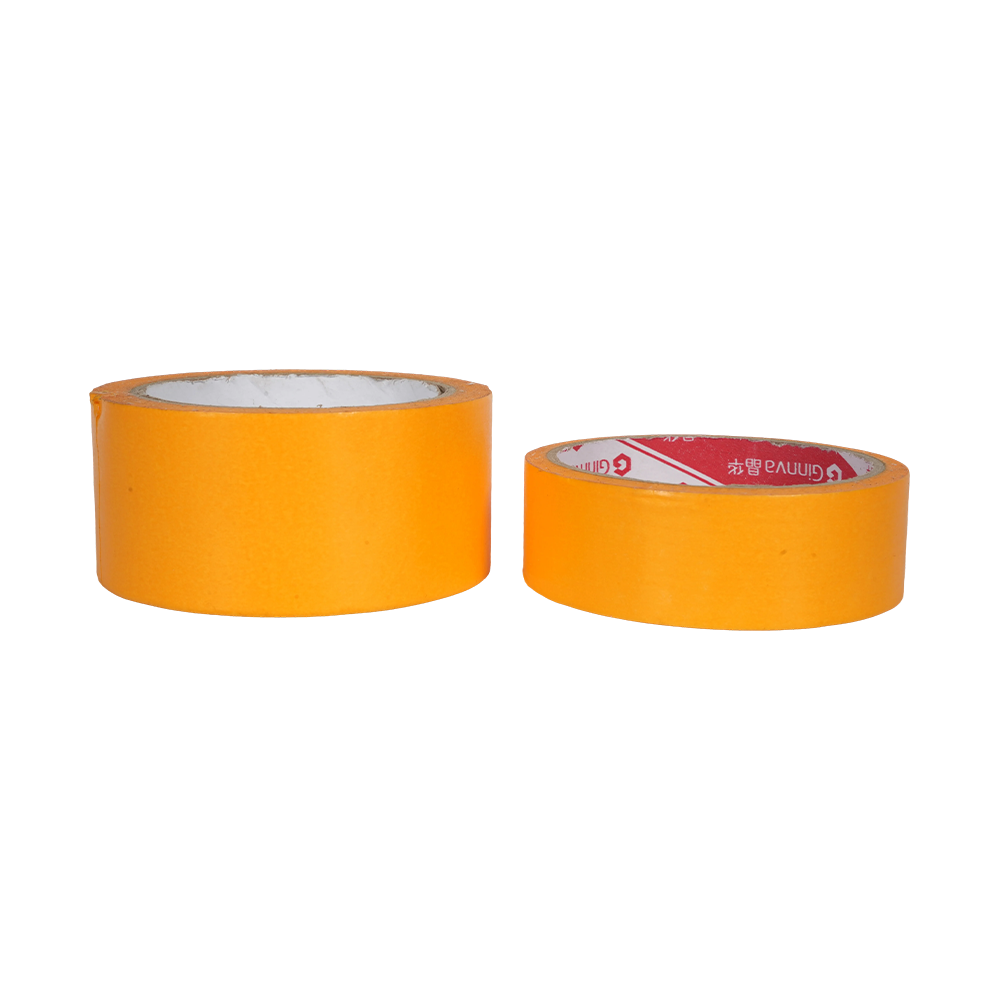
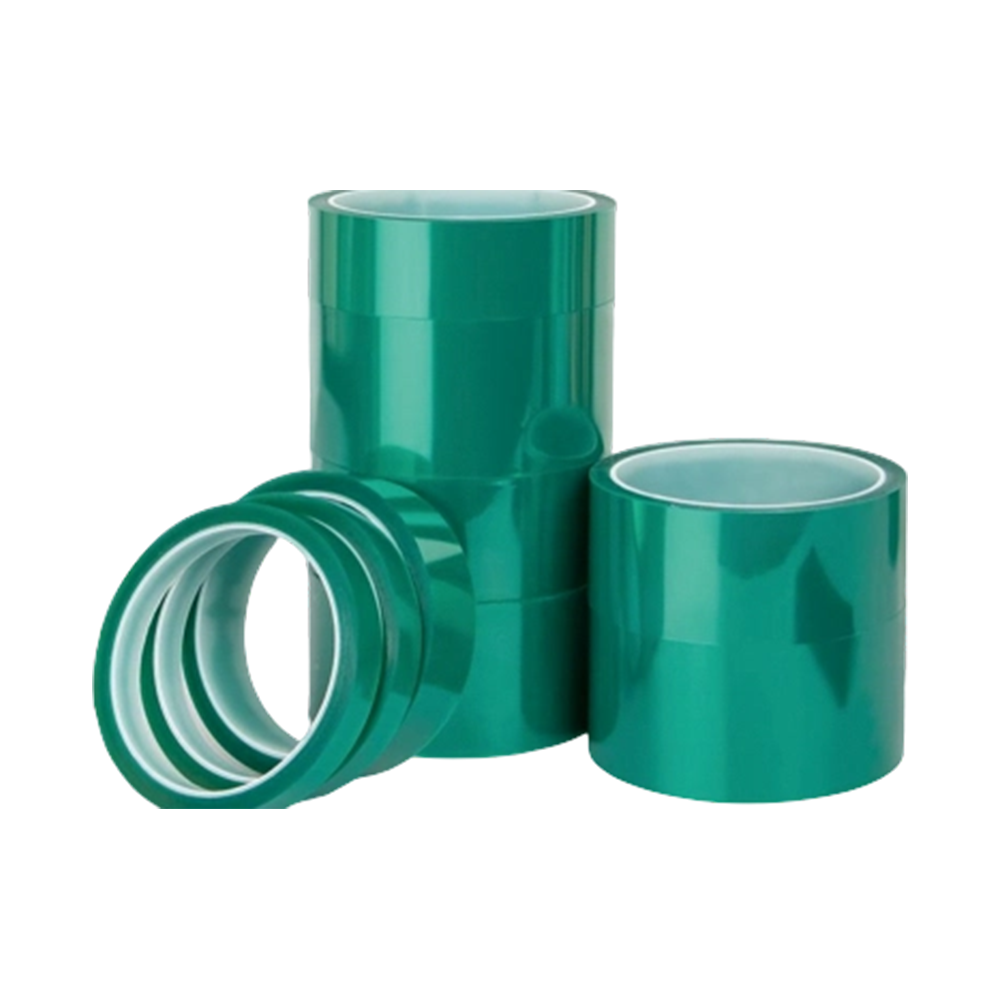
Zhejiang Geruite Packaging Materials Co., Ltd. supplies aluminum foil adhesive tape as part of a broader range of adhesive tapes, strapping bands, and packaging films. The company is located in Zhejiang Province, China, a region known for its mature manufacturing foundation, strong industrial supply chain, and export-oriented packaging material production. With experience in packaging materials such as BOPP tape, kraft paper tape, masking tape, high-temperature resistant tape, metal tape, PE stretch film, PP strapping, and high-strength PET strapping, the company is well positioned to provide consistent, adaptable, and application-focused tape solutions.
Product Overview
The aluminum foil adhesive tape discussed here is made with aluminum foil as the base material and is available in lined or unlined versions. It can also be supplied as pure aluminum foil tape or film-coated aluminum foil tape, depending on the required use environment. Standard width options range from 10 mm to 1000 mm, with custom widths available to match specific equipment, packaging lines, insulation projects, or industrial assembly requirements. Length options range from 50 m to 200 m, making the tape suitable for both manual operation and continuous production use.
The product’s key features include wear resistance, heat insulation, and high temperature resistance. These characteristics make it suitable for demanding sealing and protection tasks where ordinary adhesive tapes may soften, age, peel, tear, or lose adhesion. Aluminum foil adhesive tape is especially valuable in applications where temperature fluctuation, vapor exposure, UV exposure, or mechanical abrasion may be present.
| Item | Details |
| Product Name | Aluminum Foil Adhesive Tape |
| Base Material | Aluminum Foil |
| Available Options | Lined / Unlined, Pure Aluminum / Film-coated |
| Key Features | Wear resistance, heat insulation, high temperature resistance |
| Width Range | 10 mm to 1000 mm, with custom widths available |
| Length Range | 50 m to 200 m |
| Typical Applications | Insulation sealing, HVAC duct sealing, packaging protection, appliance manufacturing, industrial repair, heat shielding |
Why Aluminum Foil Is an Effective Tape Base Material
Aluminum foil is valued in industrial materials because it offers a rare combination of light weight, flexibility, barrier performance, corrosion resistance, and thermal reflection. When converted into adhesive tape, the foil layer serves as a protective surface and functional barrier. It can reflect radiant heat, reduce heat transfer, prevent moisture penetration, and provide a metallic shielding effect for selected applications. This gives aluminum foil adhesive tape an advantage over many non-metallic tapes.
In packaging and industrial sealing, the base material determines much of a tape’s performance. Cloth tape may offer flexibility and hand tearability, but it may not provide the same heat reflection or vapor barrier as foil. BOPP tape is suitable for carton sealing but is not designed for high-temperature environments. Paper tape is recyclable and suitable for light packaging, but it does not provide the same moisture and heat resistance. Aluminum foil adhesive tape fills the gap for applications that require stronger environmental protection and thermal durability.
The aluminum foil surface also provides a clean and professional appearance. In construction, air duct sealing, equipment maintenance, and appliance assembly, the metallic finish gives the finished work a neat, industrial-grade look. This is especially important in visible installations, commercial mechanical rooms, and equipment manufacturing lines where both performance and appearance matter.
Core Performance Advantages
Heat Insulation and High Temperature Resistance
One of the main advantages of aluminum foil adhesive tape is its ability to assist with heat insulation and high-temperature protection. The aluminum foil surface reflects radiant heat, helping reduce heat transfer in ductwork, pipes, insulation panels, and equipment surfaces. This makes the tape useful for HVAC systems, insulation joints, thermal wrapping, and other applications where temperature management is important.
Compared with many ordinary adhesive tapes, aluminum foil adhesive tape is more suitable for environments where heat may cause shrinkage, deformation, adhesive failure, or surface aging. In industrial workshops, heating equipment areas, appliance production, and construction insulation projects, tape failure can lead to energy loss, air leakage, water vapor intrusion, or maintenance problems. A high-quality aluminum foil tape helps reduce these risks.
Wear Resistance and Surface Protection
The product is designed with wear resistance as a key feature. Wear resistance is important when the tape is applied to surfaces that may experience friction, handling, movement, vibration, or exposure to dust and particles. Aluminum foil provides a stronger protective surface than many film-based or paper-based tapes, helping extend the life of the bonded area.
For packaging protection, wear resistance helps maintain the integrity of the seal or reinforcement during transportation and storage. For industrial repair, it helps prevent the tape surface from being quickly damaged by contact with surrounding equipment or materials. For pipe wrapping and duct sealing, it can protect seams and joints from light mechanical impact and abrasion.
Moisture Barrier and Vapor Resistance
Aluminum foil naturally offers excellent barrier properties against moisture, vapor, oxygen, and many environmental contaminants. When used as an adhesive tape, it can help seal seams and joints where vapor control is required. This is particularly relevant in HVAC duct systems, insulation panels, cold-chain facilities, refrigeration equipment, and building envelope applications.
Moisture intrusion can reduce insulation efficiency, cause corrosion, damage packaging, or affect product quality. By using aluminum foil adhesive tape to seal vulnerable areas, users can improve moisture resistance and maintain a more stable protective environment. This is one of the reasons aluminum foil tape is often selected for insulation sealing instead of ordinary cloth or plastic tape.
Conformability and Ease of Application
Although aluminum foil is a metallic material, it is thin and flexible enough to conform to many surface shapes. This makes the tape suitable for wrapping curved pipes, sealing corners, covering seams, and fitting around irregular equipment surfaces. The pressure-sensitive adhesive allows the tape to be applied without special heating tools or complicated installation equipment.
The availability of lined and unlined options also improves application flexibility. Lined aluminum foil tape is often preferred when the adhesive requires protection before use, especially for wider rolls, die-cut pieces, or precise industrial assembly. Unlined tape may be more convenient for quick manual application and continuous sealing tasks. This choice allows customers to select a tape format that aligns with their production method and labor requirements.
Custom Width Flexibility
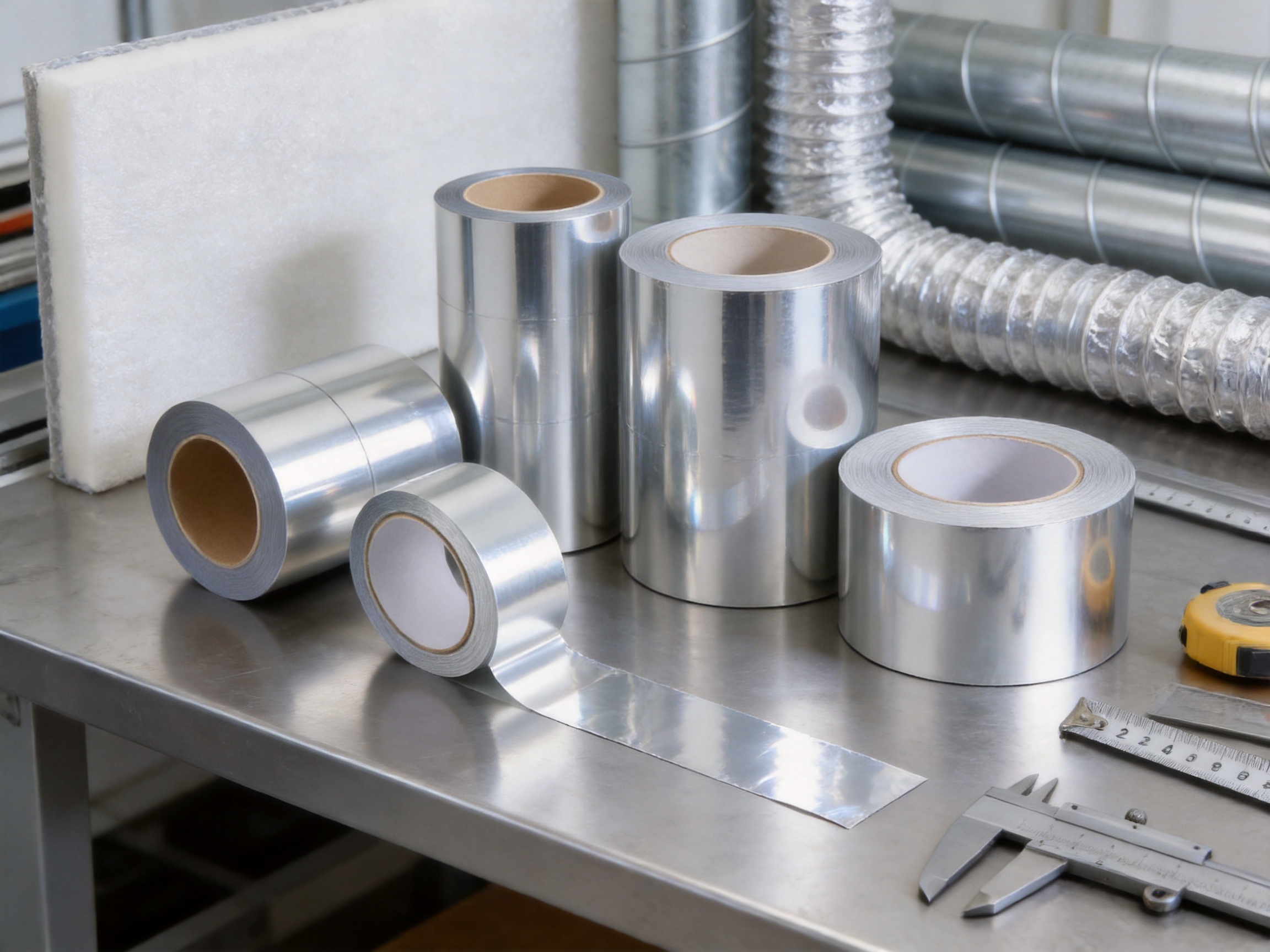
The width range of 10 mm to 1000 mm allows the tape to serve many industries and application scenarios. Narrow widths can be used for small joints, electronics, precise sealing, repair work, and detail applications. Medium widths are suitable for HVAC duct sealing, pipe wrapping, insulation board joints, and general industrial use. Wide rolls can support large-surface covering, laminated material production, and specialized packaging or insulation processes.
Custom width availability is a major advantage for industrial buyers. Many production lines require tape widths that match machine settings, product dimensions, or installation standards. If a supplier can provide custom slitting and stable roll quality, customers can reduce waste, improve application speed, and achieve more consistent final results.
Advantages Over Competing Tape Types
Compared with Cloth Tape
Cloth tape is known for flexibility, tensile strength, and easy tearing by hand. However, when the application requires heat reflection, vapor barrier performance, and a metallic protective surface, aluminum foil adhesive tape has clear advantages. Cloth tape may absorb moisture depending on its structure and coating, while aluminum foil provides stronger resistance to vapor and environmental exposure.
For industrial insulation, HVAC sealing, and heat-related applications, aluminum foil tape is often more suitable because it contributes to thermal protection rather than only mechanical fastening. Cloth tape can be useful for bundling and temporary repairs, but aluminum foil tape is better suited for long-term sealing where heat, moisture, and surface durability matter.
Compared with BOPP Packaging Tape
BOPP tape is widely used for carton sealing and light industrial packaging. It is economical, transparent or colored, and well suited for general logistics. However, BOPP tape is not designed for high-temperature resistance or thermal insulation. In hot environments, standard BOPP tape may shrink, deform, or lose adhesion faster than aluminum foil adhesive tape.
Aluminum foil adhesive tape is more appropriate when the packaging or industrial object needs protection from heat, moisture, or abrasion. For example, packaging components near heat-producing equipment, insulation materials, or metal assemblies may require a tape that can withstand harsher conditions than typical carton sealing tape.
Compared with Paper and Kraft Paper Tape
Paper tape and kraft paper tape are often selected for eco-conscious carton sealing, labeling, and packaging. They offer good writability and can provide a natural appearance. Yet they are not ideal for applications involving high humidity, direct heat exposure, or strong vapor barrier needs. Aluminum foil adhesive tape provides a more robust solution when environmental resistance is a priority.
In applications such as insulation joint sealing and appliance manufacturing, paper tape may deteriorate or absorb moisture over time. Aluminum foil tape offers improved durability and barrier protection, helping maintain the integrity of the seal for longer service life.
Compared with Plastic Film Tape
Plastic film tapes can offer good flexibility and chemical resistance depending on the film type. However, many plastic film tapes cannot match the heat reflection and metallic barrier qualities of aluminum foil. In applications where radiant heat reduction is needed, aluminum foil adhesive tape is the stronger choice.
Film-coated aluminum foil tape can combine the benefits of foil with an added protective layer, giving customers another option when the surface requires additional durability or specific handling performance. Pure aluminum versions, meanwhile, are suitable when direct foil characteristics are preferred.
Application Areas
HVAC Duct Sealing
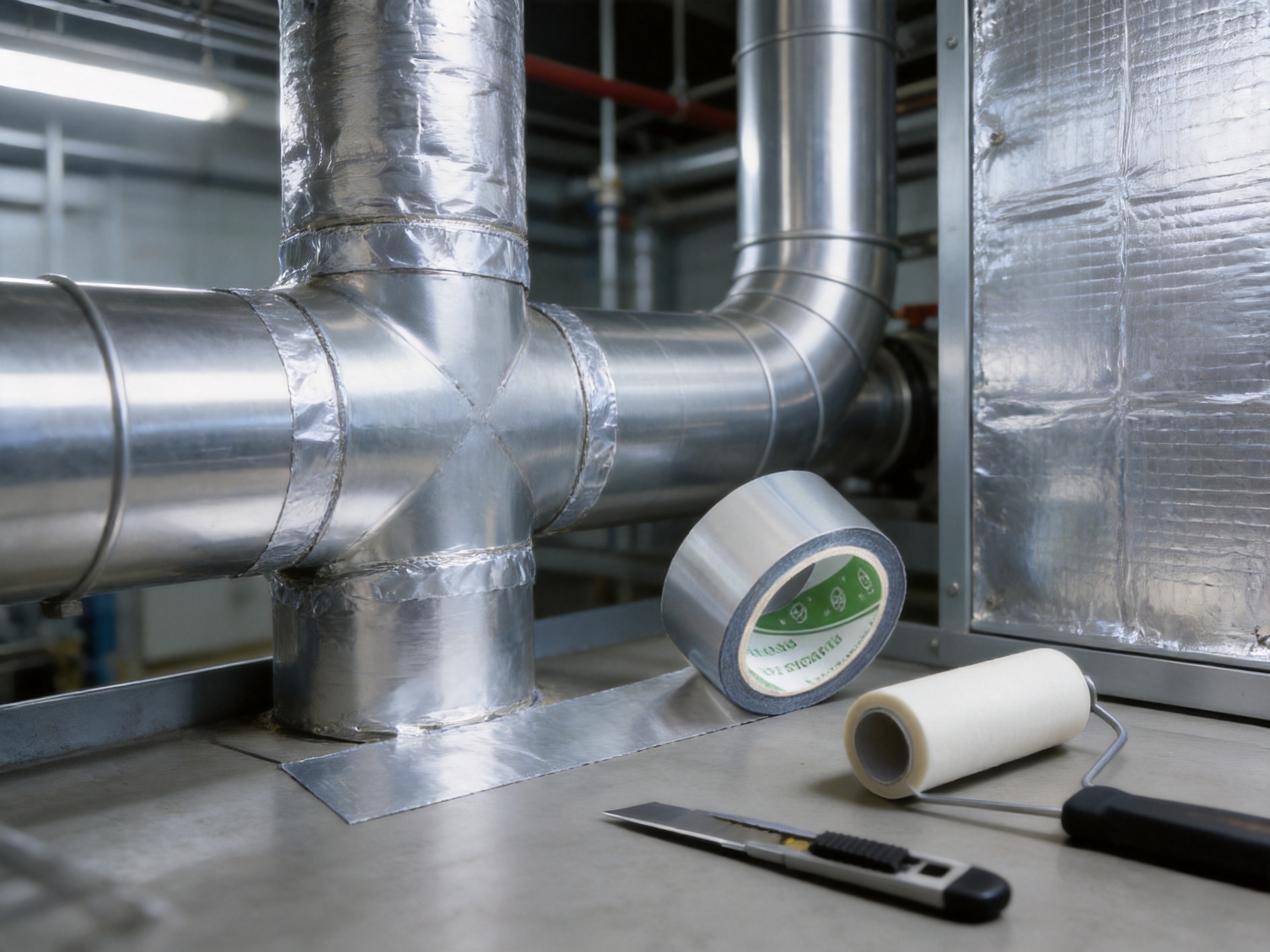
One of the most common uses for aluminum foil adhesive tape is sealing HVAC ductwork. Air ducts require reliable sealing to reduce air leakage, maintain energy efficiency, and improve system performance. Poorly sealed ducts can waste energy, reduce temperature control, and increase operating costs. Aluminum foil tape is frequently used for sealing duct joints, seams, elbows, insulation facings, and connection points.
The tape’s metallic surface matches foil-faced insulation materials and sheet metal ductwork, producing a clean and integrated appearance. Its resistance to heat and moisture makes it more suitable than ordinary packaging tapes in ventilation and air-conditioning systems.
Thermal Insulation Systems
Aluminum foil adhesive tape is widely used to join and seal insulation materials. It can be applied to foil-faced insulation boards, pipe insulation, roof insulation, wall insulation, and equipment insulation. By sealing seams, it helps reduce thermal bridges, vapor penetration, and air gaps.
Insulation systems depend not only on the insulation material itself but also on the quality of joint treatment. Even high-performance insulation can lose efficiency if seams are poorly sealed. Aluminum foil tape helps create continuous reflective and vapor-resistant surfaces, improving the overall performance of the insulation assembly.
Appliance Manufacturing
Household and commercial appliances often include areas that require heat shielding, sealing, fixing, or reflective protection. Aluminum foil adhesive tape can be used in refrigerators, ovens, water heaters, air conditioners, ventilation equipment, and other appliances where metallic barrier performance and heat resistance are required.
In appliance production, consistency and clean application are essential. Tape must unwind smoothly, adhere reliably, and remain stable during assembly and service. A manufacturer with strong slitting, coating, and quality control capabilities can provide tape rolls that support efficient assembly line operation.
Industrial Repair and Maintenance
Factories, warehouses, workshops, and maintenance teams often need fast, reliable repair materials. Aluminum foil adhesive tape can be used for temporary sealing, surface patching, insulation repair, duct repair, equipment protection, and emergency maintenance. It is easy to store, easy to apply, and suitable for many metal, insulation, and composite surfaces.
Because it provides a durable metallic surface, it can perform better than ordinary tape in harsh industrial environments. It is not a replacement for structural welding or permanent mechanical repair, but it is highly useful for sealing, shielding, wrapping, and protecting non-structural areas.
Packaging and Cargo Protection
Although aluminum foil adhesive tape is not limited to traditional carton sealing, it plays an important role in specialized packaging. It can be used for heat-sensitive packaging, moisture-resistant sealing, export packaging, protective wrapping, and reinforcement of industrial goods. In combination with other packaging materials such as stretch film, strapping bands, and high-performance tapes, it helps create a more complete packaging protection system.
Zhejiang Geruite Packaging Materials Co., Ltd. has a broader product portfolio that includes adhesive tape, strapping band, and film products. This allows customers to source multiple packaging materials from one supplier, improving procurement efficiency and supporting more integrated packaging solutions.
Electronics and Electrical Equipment
Aluminum foil adhesive tape may be used in selected electronics and electrical equipment applications where shielding, wrapping, heat reflection, or surface protection is needed. The suitability depends on the adhesive type, foil specification, insulation requirements, and electrical performance requirements of the application. Customers should confirm technical specifications before using the tape in sensitive electronic or electrical environments.
For general equipment assembly, the tape’s thin metallic layer and adhesive backing can support neat installation and surface protection. For specialized electromagnetic shielding or electrical conductivity requirements, custom specifications and testing may be necessary.
Manufacturing Strengths Behind Reliable Tape Performance
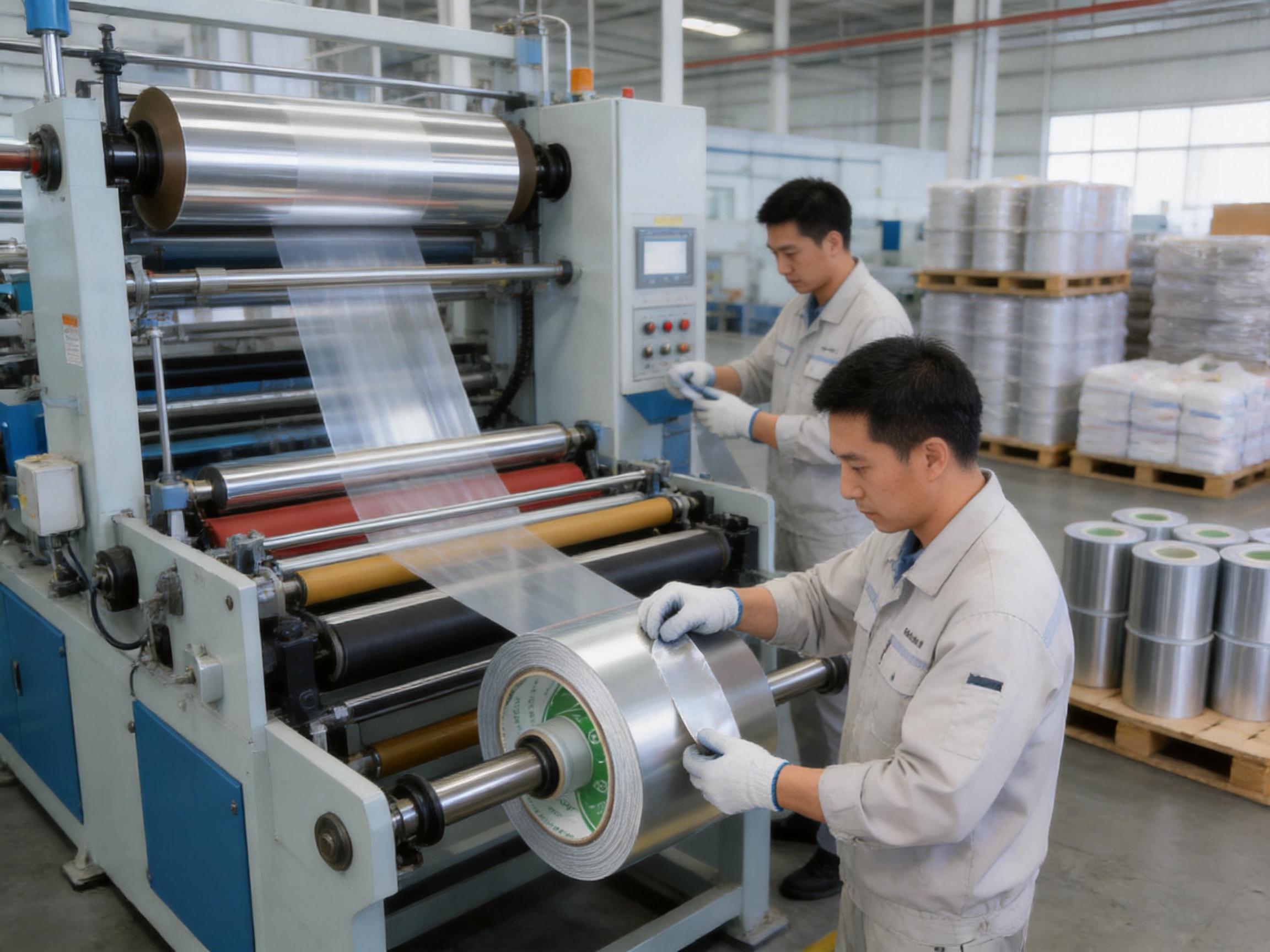
The performance of aluminum foil adhesive tape depends not only on the aluminum foil itself but also on coating quality, adhesive formulation, lamination control, slitting precision, roll tension, inspection standards, and packaging. A tape may look simple from the outside, but reliable industrial performance requires controlled manufacturing at every stage.
Zhejiang Geruite Packaging Materials Co., Ltd. emphasizes quality as the lifeline of the company. Its experience across multiple tape and packaging material categories supports a disciplined approach to raw material selection, production management, and finished product inspection. This is particularly important for aluminum foil adhesive tape because defects such as uneven adhesive coating, poor roll winding, foil wrinkles, edge burrs, or weak adhesion can affect application efficiency and final performance.
Raw Material Selection
Quality begins with suitable raw materials. Aluminum foil must have appropriate thickness, surface condition, flexibility, and strength for tape conversion. The adhesive must be selected based on bonding requirements, service temperature, aging resistance, and compatibility with target surfaces. For film-coated versions, the film layer must bond evenly with the foil and maintain stable surface properties.
By controlling raw material procurement, the manufacturer can reduce performance variation between batches. Stable raw materials help ensure consistent adhesion, unwind behavior, surface appearance, and durability. For industrial buyers, this consistency is essential because they often use tape in repeat production processes where unexpected variation can disrupt operations.
Adhesive Coating Control
Adhesive coating is one of the most critical manufacturing steps. The adhesive must be applied evenly across the foil surface to ensure consistent bonding. If the coating is too thin, adhesion may be weak. If it is too thick or uneven, the tape may ooze, become difficult to unwind, or create messy application results.
Advanced coating control helps maintain uniform adhesive thickness, stable tack, and predictable performance. It also helps reduce waste during slitting and application. For wide tape rolls, coating uniformity becomes even more important because small variations across the width can cause uneven bonding or roll defects.
Lamination and Liner Options
For lined aluminum foil adhesive tape, the release liner must be laminated smoothly and must peel away cleanly during application. The liner protects the adhesive during storage, die cutting, transport, and handling. High-quality liner control prevents adhesive contamination and supports precise application.
For film-coated aluminum foil tape, lamination quality directly affects surface durability and visual appearance. The film layer must be integrated with the foil without bubbles, wrinkles, or weak bonding points. Proper lamination enhances the tape’s usability and can improve resistance to handling damage.
Slitting Precision
With width options from 10 mm to 1000 mm, slitting precision is an important part of production. Narrow rolls require clean edges and accurate dimensions to avoid application problems. Wide rolls require consistent winding tension and edge alignment. Poor slitting can lead to burrs, telescoping rolls, edge damage, adhesive contamination, or difficulty unwinding.
Custom width capability gives customers flexibility, but it also requires reliable equipment and skilled operation. A manufacturer that can slit tape accurately helps customers reduce waste and improve process efficiency. This is especially valuable for customers who use tape in automated or semi-automated production lines.
Roll Winding and Tension Management
Roll quality affects the user experience. If winding tension is too loose, rolls may deform during transportation or storage. If tension is too tight, the tape may be difficult to unwind or may develop wrinkles. Aluminum foil requires careful handling because it is flexible but can crease if improperly processed.
Controlled roll winding helps maintain a smooth roll profile, stable unwind, and clean application. This reduces operator frustration and supports higher productivity. For industrial customers purchasing large quantities, consistent roll quality can make a significant difference in daily production efficiency.
Inspection and Quality Control
A rigorous quality control system is necessary to ensure that finished tape meets performance expectations. Inspection may include checks for appearance, roll width, roll length, adhesive uniformity, peel adhesion, temperature resistance, liner release, edge quality, and packaging condition. Batch-to-batch consistency is especially important for repeat customers and large projects.
Zhejiang Geruite Packaging Materials Co., Ltd. places emphasis on quality control from raw material procurement to production and final inspection. This systematic approach helps ensure stable product performance and supports diverse customer needs. With an annual output value of over RMB 60 million, the company has developed a production foundation capable of serving industrial buyers with reliable supply capacity.
Company Strengths and Integrated Packaging Capability
Zhejiang Geruite Packaging Materials Co., Ltd. is based in Xiaoshan District, Hangzhou City, Zhejiang Province, China. Zhejiang is known for its developed manufacturing industry, logistics access, and strong industrial ecosystem. This location supports efficient sourcing, production coordination, and shipment of packaging materials to customers in different markets.
The company’s business covers research, development, production, and sales of high-performance tapes and packaging materials. Its main product range includes BOPP tapes, kraft paper tapes, masking tapes, high-temperature resistant tapes, metal tapes, PE stretch film, PP strapping, and high-strength PET strapping. This broad portfolio provides several advantages for customers.
First, customers can source multiple packaging materials from one supplier, reducing communication costs and improving procurement efficiency. Second, the company can understand packaging systems as a whole rather than treating tape as an isolated product. Many industrial applications require a combination of tapes, films, and strapping bands to protect goods during production, storage, and transportation. Third, the company’s experience in different material categories supports broader technical knowledge, which can help customers select suitable products for specific applications.
The company’s commitment to research and innovation also helps it adapt to changing market needs. Industrial packaging is no longer limited to simple sealing. Customers increasingly require improved strength, better temperature resistance, cleaner application, customized dimensions, and stable performance under demanding conditions. Aluminum foil adhesive tape reflects this trend by offering enhanced functionality beyond ordinary packaging tapes.
How the Product Supports Cost Efficiency
Cost efficiency is not only about the purchase price of a tape roll. It also includes application speed, durability, waste rate, maintenance frequency, energy savings, and the cost of failure. A low-priced tape that peels off, tears, or fails under heat can become expensive if it causes rework, downtime, product damage, or customer complaints.
Aluminum foil adhesive tape can support cost efficiency in several ways. Its heat insulation and sealing properties can help improve the performance of insulation systems. Its moisture barrier properties can reduce the risk of vapor-related damage. Its wear resistance can extend the service life of sealed or protected areas. Its availability in custom widths can reduce trimming waste and improve application efficiency.
For manufacturing plants, a tape that unwinds smoothly and applies consistently reduces labor time. For construction and HVAC installers, reliable adhesion reduces call-backs and repair work. For packaging operations, stronger protection reduces damage during transportation. These practical savings can be more important than the difference in unit price between tape types.
Selection Considerations for Buyers
To choose the right aluminum foil adhesive tape, buyers should consider several application factors. The first is the surface to be bonded. Aluminum, steel, plastic, insulation facings, painted surfaces, and composite materials may require different adhesion characteristics. Surface cleanliness is also essential. Dust, oil, water, and loose particles can reduce bonding strength.
The second factor is the temperature environment. Buyers should consider both application temperature and service temperature. Some tapes bond best at moderate room temperature, while service conditions may include heat exposure after installation. If the tape will be used near heating equipment, ducts, pipes, or outdoor surfaces, temperature resistance should be confirmed.
The third factor is width and length. Narrow tape is suitable for precise sealing and small components, while wider tape is better for large seams, insulation boards, and surface coverage. Custom widths can reduce waste and improve efficiency. Roll length should match application volume and handling preference.
The fourth factor is whether a liner is needed. Lined tape is suitable for die cutting, wider rolls, and applications requiring adhesive protection before installation. Unlined tape may be easier for fast manual use. Pure aluminum and film-coated versions should also be selected based on surface durability, handling, and appearance requirements.
The fifth factor is storage and shelf management. Tape should be stored in a clean, dry environment away from extreme temperature and direct contamination. Proper storage helps maintain adhesive performance and roll quality.
Installation and Application Guidelines
Good application technique improves tape performance. Before applying aluminum foil adhesive tape, the surface should be clean, dry, and free of oil, dust, rust particles, and loose coatings. If necessary, the surface can be wiped and allowed to dry. Applying tape to a contaminated surface may reduce adhesion even if the tape itself is high quality.
The tape should be applied with firm pressure to ensure full adhesive contact with the substrate. For seams and joints, the tape should overlap sufficiently to create a continuous seal. When wrapping pipes or curved surfaces, the tape should be applied smoothly to avoid large wrinkles or air pockets. In applications with temperature cycling, good contact pressure is especially important because gaps may reduce long-term performance.
For lined tape, the liner should be peeled gradually as the tape is positioned. Removing too much liner at once may expose the adhesive to dust or cause the tape to stick to itself. For wide tape, two-person application or a suitable applicator may improve alignment and reduce wrinkles.
If the tape is used in critical industrial systems, testing under actual service conditions is recommended. This is particularly important for applications involving high heat, outdoor exposure, chemical contact, or electrical performance requirements.
Quality, Customization, and Supply Reliability
Industrial customers value not only product performance but also supply reliability. Tape may be a small component in a production process, but shortages or inconsistent quality can disrupt operations. Zhejiang Geruite Packaging Materials Co., Ltd. supports customers through manufacturing capacity, product variety, customization options, and quality management.
Customization is especially important for aluminum foil adhesive tape because different industries use different dimensions and formats. A HVAC contractor may need medium-width rolls for duct sealing. An appliance manufacturer may need precise narrow rolls for assembly. An insulation material supplier may need wide rolls or film-coated versions. A packaging company may require consistent length and roll structure for repeat production.
The ability to provide widths from 10 mm to 1000 mm, with custom widths available, allows the product to fit many tasks. The length range of 50 m to 200 m supports both small-scale and high-volume use. Lined, unlined, pure aluminum, and film-coated options further expand the product’s adaptability.
Role in Modern Industrial Packaging Systems
Modern industrial packaging is becoming more demanding. Products must survive longer supply chains, variable climates, warehouse handling, export shipping, and complex logistics. Packaging materials must protect against vibration, moisture, dust, heat, compression, and abrasion. No single material solves every packaging challenge, so companies often use a combination of adhesive tape, strapping band, stretch film, protective film, cartons, pallets, and cushioning materials.
Aluminum foil adhesive tape plays a specialized role in this system. It is not merely a carton sealing tape; it is a functional protection material. It can seal insulation, cover joints, protect surfaces, provide a metallic barrier, and support heat-related applications. When used together with stretch film and strapping band, it can contribute to more secure and resilient packaging solutions.
For example, industrial equipment may be wrapped with protective film, stabilized with strapping, and sealed at sensitive joints with aluminum foil tape. Construction materials may require moisture-resistant seam sealing before shipment. Appliance components may need reflective tape protection during assembly and transport. These examples show how aluminum foil adhesive tape adds value beyond simple bonding.
Environmental and Operational Considerations
Packaging and construction industries are increasingly attentive to material efficiency and waste reduction. Aluminum foil adhesive tape can support efficient material use when selected in the correct width and applied properly. Custom slitting reduces offcuts, while stable roll quality reduces defective application and rework.
Because aluminum foil tape is designed for durable sealing and protection, it may reduce the need for repeated repair or replacement. Longer service life can contribute to lower material consumption over time. In insulation systems, effective sealing may also support energy efficiency by reducing air leakage and thermal loss.
At the operational level, using the right tape can improve worker efficiency. A tape that tears unexpectedly, curls, wrinkles, or leaves adhesive residue can slow down production. A well-manufactured aluminum foil adhesive tape with stable unwind and consistent adhesion helps operators work faster and achieve cleaner results.
Frequently Asked Questions
What is aluminum foil adhesive tape used for?
Aluminum foil adhesive tape is used for heat insulation, HVAC duct sealing, vapor barrier sealing, appliance manufacturing, industrial repair, packaging protection, surface shielding, and insulation material joint sealing. It is suitable for applications that require heat resistance, wear resistance, and moisture barrier performance.
How is aluminum foil adhesive tape different from ordinary packaging tape?
Ordinary packaging tape, such as BOPP carton sealing tape, is mainly designed for sealing boxes. Aluminum foil adhesive tape is designed for more demanding applications. It provides a metallic barrier surface, heat reflection, better moisture resistance, and improved durability under harsh conditions.
Can this tape be supplied in custom widths?
Yes. The product is available in widths from 10 mm to 1000 mm, and custom widths are available. This allows buyers to match the tape to specific production lines, installation requirements, packaging formats, or insulation projects.
What is the difference between lined and unlined aluminum foil tape?
Lined tape has a release liner that protects the adhesive before application. It is useful for wide rolls, die-cut parts, and precise installation. Unlined tape does not have a release liner and can be convenient for quick manual application and continuous sealing work.
What is the difference between pure aluminum and film-coated aluminum foil tape?
Pure aluminum foil tape uses aluminum foil as the exposed surface, providing direct metallic properties and appearance. Film-coated aluminum foil tape includes an additional film layer, which may improve handling, surface protection, or specific application performance depending on the product design.
Is aluminum foil adhesive tape suitable for high-temperature environments?
Yes, high temperature resistance is one of its key features. However, the exact service temperature depends on the adhesive formulation and product specification. For critical high-temperature applications, buyers should confirm technical data and test the tape under actual conditions.
Can it be used outdoors?
Aluminum foil adhesive tape can be used in many environments where moisture and temperature resistance are needed, but outdoor suitability depends on the adhesive type, exposure level, UV conditions, surface type, and service duration. Testing is recommended for long-term outdoor use.
Why is supplier manufacturing capability important?
Manufacturing capability affects adhesive uniformity, foil surface quality, slitting accuracy, roll winding, liner performance, and batch consistency. A reliable supplier helps reduce waste, improve application efficiency, and maintain stable performance in industrial use.
What industries commonly use this tape?
Common industries include HVAC, construction insulation, appliance manufacturing, electronics assembly, industrial maintenance, logistics packaging, refrigeration, metal fabrication, and general manufacturing.
How should the tape be applied for best results?
The surface should be clean, dry, and free of oil or dust. The tape should be applied with firm pressure and sufficient overlap when sealing seams. For wide tape or lined tape, careful positioning helps reduce wrinkles and improve contact.
Conclusion
Aluminum foil adhesive tape is a high-performance material for industrial sealing, insulation, protection, and packaging applications. With aluminum foil as the base material, it offers advantages that ordinary tapes cannot easily match, including heat insulation, high temperature resistance, wear resistance, moisture barrier performance, and a clean metallic surface. Its availability in lined or unlined versions, pure aluminum or film-coated structures, widths from 10 mm to 1000 mm, and lengths from 50 m to 200 m makes it adaptable to a wide range of professional uses.
For customers comparing tape options, aluminum foil adhesive tape stands out when the application requires more than basic bonding. Compared with cloth tape, BOPP tape, paper tape, and many plastic film tapes, it provides stronger thermal and barrier performance. It is especially valuable in HVAC sealing, insulation systems, appliance manufacturing, industrial repair, and specialized packaging protection.
Zhejiang Geruite Packaging Materials Co., Ltd. strengthens the value of this product through its manufacturing experience, quality control system, broad packaging material portfolio, and customization capability. By managing raw materials, coating, lamination, slitting, winding, and inspection with care, the company supports stable product quality and dependable supply. For industrial buyers seeking a practical, durable, and customizable tape solution, aluminum foil adhesive tape offers a strong balance of performance, efficiency, and long-term value.
References
1. Pressure Sensitive Tape Council. Pressure Sensitive Adhesive Tape Technical Guide.
2. ASTM International. Standard Test Methods for Pressure-Sensitive Adhesive-Coated Tapes Used for Electrical and Electronic Applications.
3. ASTM International. Standard Test Methods for Peel Adhesion of Pressure-Sensitive Tape.
4. ASHRAE Handbook. HVAC Systems and Equipment.
5. Handbook of Adhesion Technology. Industrial Adhesives and Pressure-Sensitive Tape Applications.
6. Aluminum Association. Aluminum Foil in Industrial and Packaging Applications.
Product: Aluminum Foil Adhesive Tape

CONTACT DETAILS
- Address:No. 241, Yaojiafan, Zhangpanqiao, Shushan Street, Xiaoshan District, Hangzhou City, Zhejiang Province, China
- TEL:+86-0571-83175630
- Phone:+86-13336160217
- Email:anqiaocun@163.com
PRODUCTS
NEWS CENTER
MOBILE TERMINAL
Copyright© Zhejiang Geruite Packaging Materials Co., Ltd. All Rights Reserved.
Privacy Wholesale industrial packaging tape Manufacturers