


 English
  Español
  عربى
عربى 
White PP Manual Strapping Band: A Practical Solution for Efficient Industrial Packaging
Content
- 1 1. Understanding White PP Manual Strapping Band
- 2 2. Why Polypropylene Is Suitable for Manual Strapping
- 3 3. Main Advantages over Conventional Packaging Alternatives
- 4 4. Manufacturing Process and Quality Control
- 5 5. Manufacturing Strengths of the Supplier
- 6 6. Application Scenarios
- 7 7. How to Select the Correct Specification
- 8 8. Correct Application Procedure
- 9 9. Storage and Handling Recommendations
- 10 10. Comparison with Other Strapping Materials
- 11 11. Sustainability and Material Efficiency Considerations
- 12 12. Why Supplier Reliability Matters
- 13 13. Recommended Quality Checks for Buyers
- 14 14. Common Mistakes to Avoid
- 15 15. Frequently Asked Questions
- 15.1 Q1: What is white PP manual strapping band used for?
- 15.2 Q2: Is PP strapping stronger than steel strapping?
- 15.3 Q3: Can the strap be applied without an automatic machine?
- 15.4 Q4: What widths are commonly available?
- 15.5 Q5: What thicknesses are commonly used?
- 15.6 Q6: How are PP straps joined?
- 15.7 Q7: Is the product suitable for outdoor use?
- 15.8 Q8: How should the coils be stored?
- 15.9 Q9: Can coil lengths be customized?
- 15.10 Q10: Is white virgin PP material important?
- 15.11 Q11: How can buyers confirm whether a specification is suitable?
- 15.12 Q12: What makes an experienced manufacturer valuable?
- 16 16. Conclusion
- 17 References
- 18 Product: White Plastic Strapping Tape, PP Manual Strapping Band
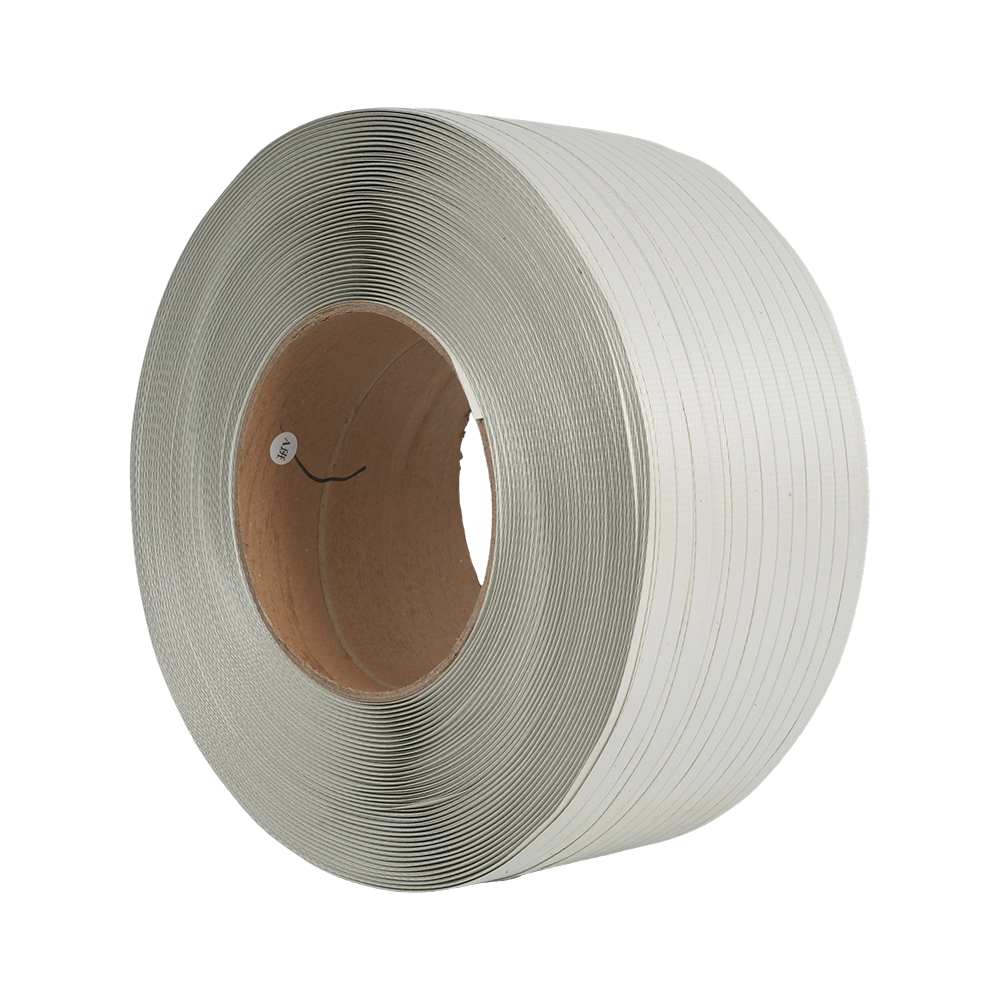
In modern logistics, warehousing, manufacturing, agriculture, construction, and distribution, packaging materials must do more than simply hold products together. They must stabilize loads, reduce handling risks, support efficient operations, control procurement costs, and remain reliable throughout transportation and storage. White plastic strapping tape, commonly known as polypropylene manual strapping band or PP strapping, provides a balanced solution for these requirements.
Manufactured from polypropylene, this strapping band is designed for manual bundling, unitizing, and load securing. It combines lightweight construction with useful tensile strength, flexibility, partial elastic recovery, and straightforward tool compatibility. These characteristics make it especially suitable for low- to medium-volume packaging operations where users need dependable performance without investing in fully automated or pneumatic strapping equipment.
Compared with conventional steel strapping, PP manual strapping band offers a safer and lighter handling experience. Compared with unsuitable low-grade plastic bands, a properly manufactured PP strap provides more consistent width, thickness, surface quality, and joining performance. It is an economical packaging material for businesses that need practical load stabilization without excessive material weight or operating complexity.
This article examines the structure, performance, advantages, applications, manufacturing strengths, quality considerations, and purchasing guidance associated with white PP manual strapping band. It also explains how Zhejiang Geruite Packaging Materials Co., Ltd. supports the product through professional production capabilities, quality management, material selection, and packaging-material expertise.
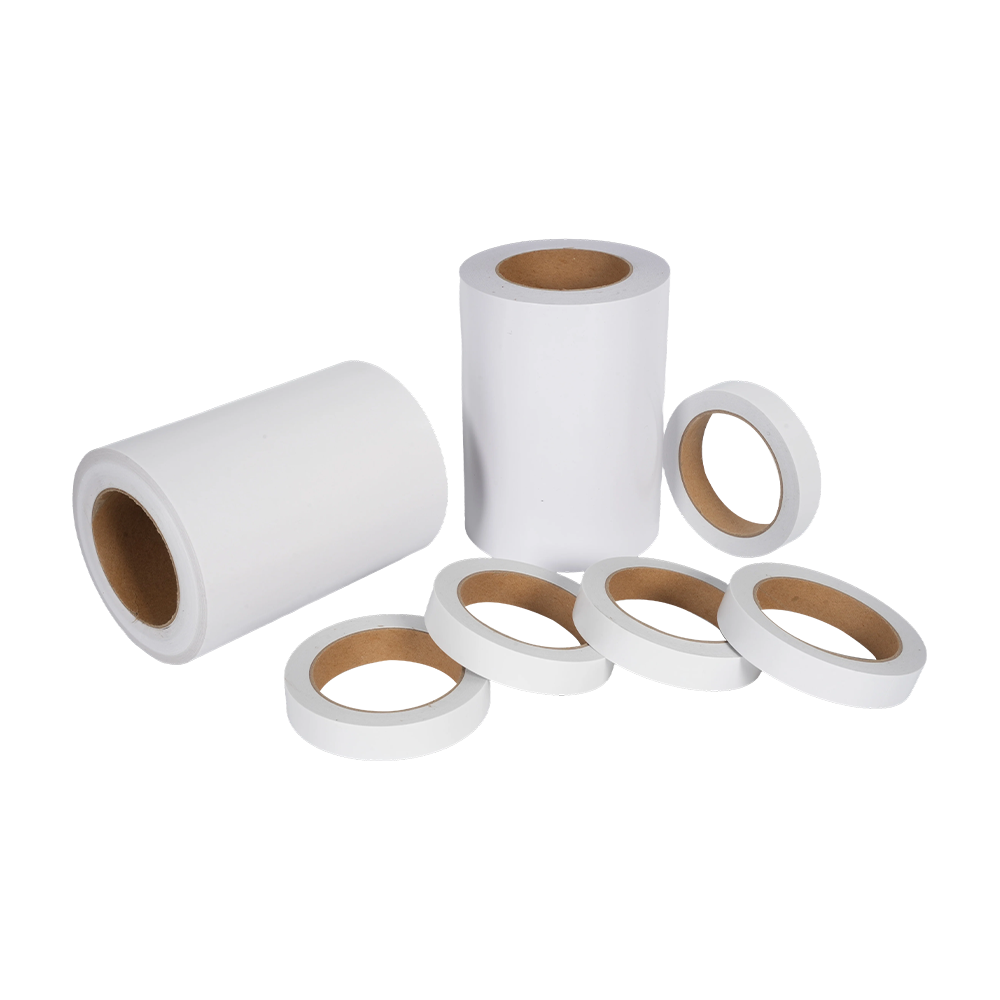
White Plastic Strapping Tape, PP Manual Strapping Band
1. Understanding White PP Manual Strapping Band
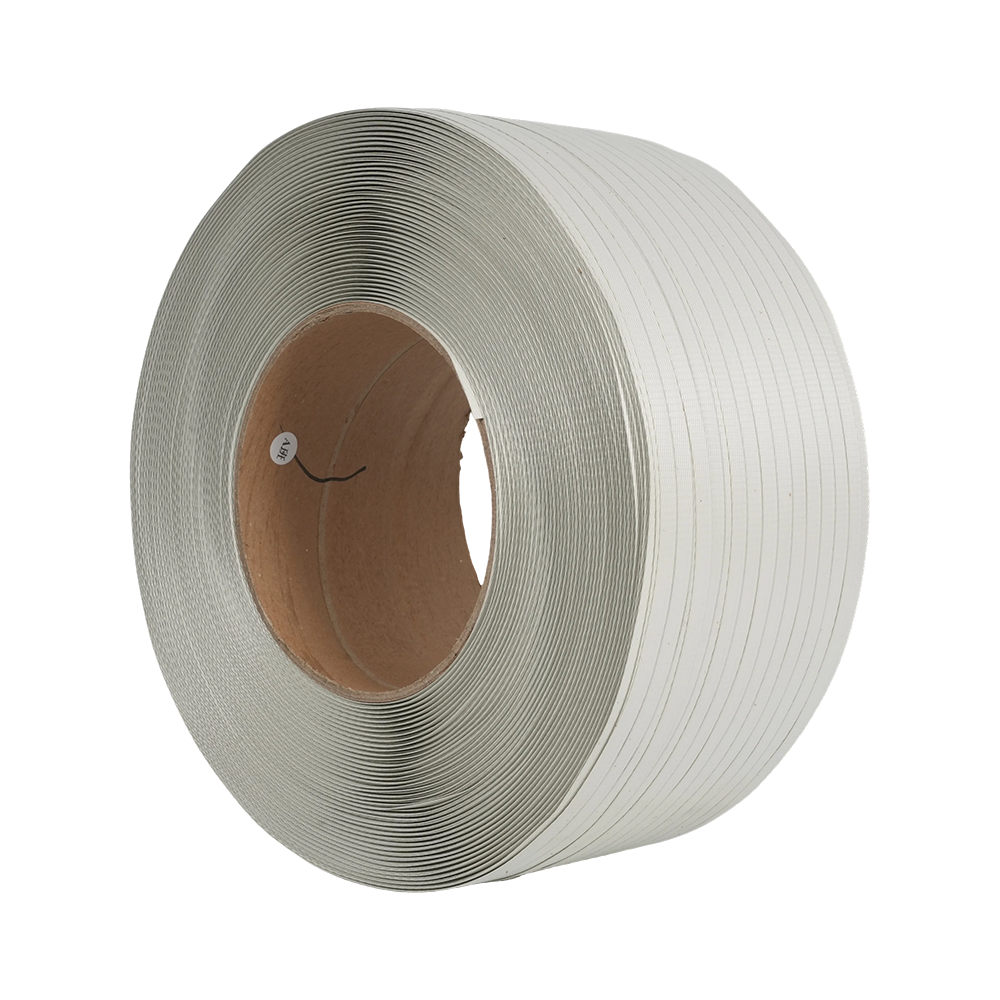
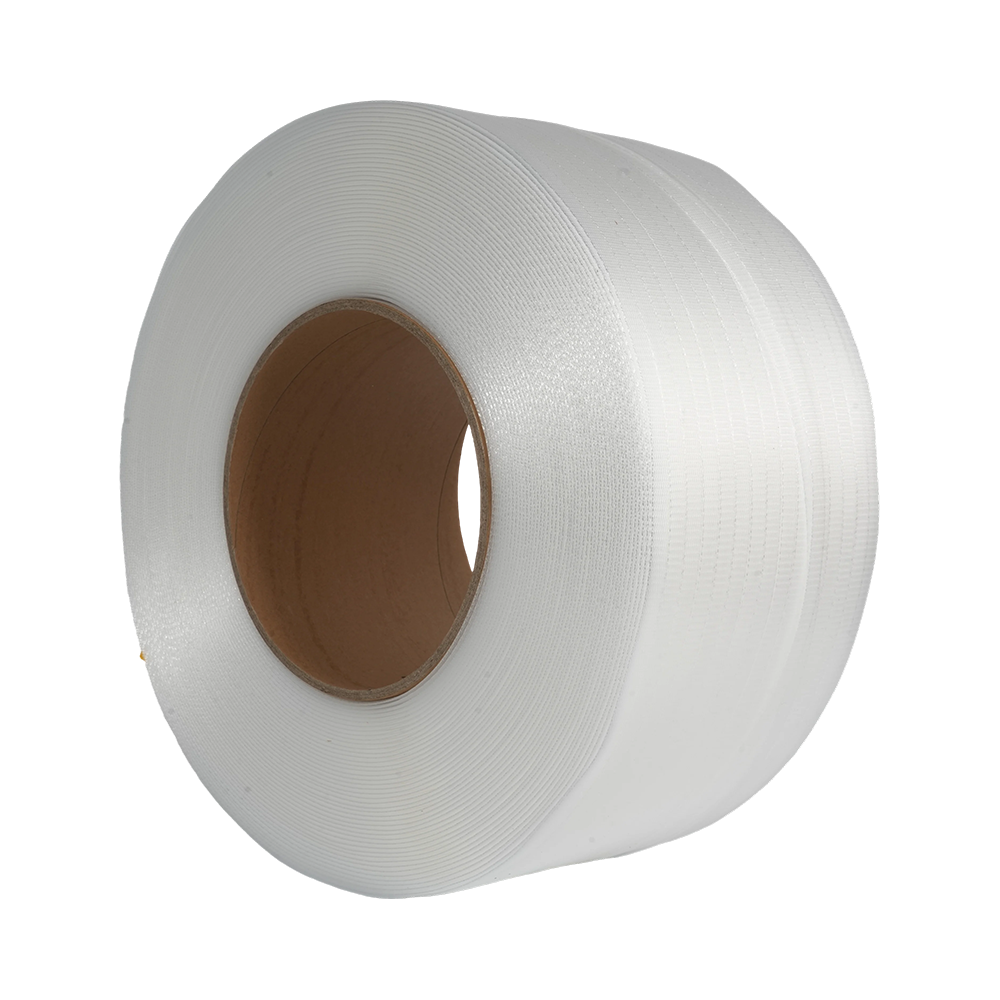
White PP manual strapping band is a flat packaging strap produced primarily from polypropylene resin. It is supplied in coils and applied around cartons, bundles, parcels, printed materials, light construction products, agricultural goods, and other loads that require consolidation. The strap is tensioned manually, usually with a hand-operated tensioner or strapping tool, and the two ends are joined by friction welding, seal clamping, or another compatible method.
Polypropylene is widely used for packaging straps because it offers a useful combination of flexibility, low density, chemical resistance, and processability. It can be extruded into continuous strips with controlled width and thickness. During manufacturing, the material can be adjusted to meet different requirements for tensile strength, elongation, stiffness, surface smoothness, and coil length.
The white appearance provides a clean and professional presentation. It is suitable for general industrial packaging, warehouse identification, carton bundling, and product consolidation. White straps are also easy to inspect visually for contamination, surface defects, severe deformation, or damage before use.
The product is intended primarily for light- to medium-duty applications. It is not a universal replacement for steel or high-strength PET strapping. Heavy machinery, extremely dense loads, sharp-edged products, and applications requiring very high retained tension may require a different grade of strapping. Correct product selection is therefore essential for safety and performance.
Basic Product Specification
| Parameter | Typical Value | Practical Significance |
|---|---|---|
| Material | Polypropylene (PP) | Provides flexibility, low weight, and general packaging durability |
| Color | White | Offers a clean appearance and facilitates visual inspection |
| Common widths | 9 mm, 12 mm, 15 mm | Supports different load sizes and tool configurations |
| Common thickness | 0.4 mm–0.8 mm | Influences strength, stiffness, and material consumption |
| Common length | Customized per coil, such as 100 m or 200 m | Allows purchasing according to operational requirements |
| Tensile strength | Approximately 200 N–500 N | Varies according to width, thickness, resin, and manufacturing conditions |
| Elongation at break | Up to approximately 25% | Allows limited deformation and accommodates minor load movement |
| Joining methods | Friction welding or seal clamping | Enables secure manual operation with compatible tools |
These values are representative rather than universal. Actual performance depends on the selected specification, raw material formulation, production conditions, testing method, and customer requirements. Buyers should confirm the final technical data before placing an order for a specific application.
2. Why Polypropylene Is Suitable for Manual Strapping
Polypropylene is a practical material for packaging environments because it is relatively light while still providing useful resistance to tension. A coil of PP strap can be moved, stored, and loaded into a manual tool with less effort than a comparable steel strap. This reduces handling fatigue and makes the product convenient for operators who package goods throughout the day.
The material also has good bending flexibility. It can be wrapped around rectangular cartons, bundled tubes, printed products, and irregular groups of light items without excessive cracking or permanent damage during normal use. This flexibility is important in manual packaging because the strap must follow the shape of the load while remaining easy to feed through a tensioner or buckle.
PP strapping also provides partial elastic recovery after tensioning. When a strap is stretched within its working range, it can recover part of its original shape and help maintain pressure around a bundle. This characteristic is useful when packages experience minor vibration or movement during handling and transportation.
Polypropylene provides basic resistance to moisture and many common chemicals. This makes it suitable for ordinary warehouse and distribution environments where the strap may encounter humidity, condensation, or incidental contact with common substances. However, it should not be considered immune to all chemicals, prolonged sunlight, or high-temperature exposure.
Another advantage is processability. Polypropylene can be manufactured into consistent, continuous strap profiles. It can also be joined using friction welding or seal systems designed for PP strapping. These features help businesses operate simple manual packaging stations without complex infrastructure.
3. Main Advantages over Conventional Packaging Alternatives
3.1 Lower Total Packaging Cost
One of the strongest reasons to select PP manual strapping band is its favorable cost structure. Polypropylene generally costs less than steel strapping and requires less specialized handling equipment. Manual tools are comparatively simple, and operations do not necessarily need electrical, pneumatic, or automated systems.
For small warehouses, local manufacturers, workshops, agricultural processors, printing companies, and distribution centers with moderate packaging volumes, this can reduce the initial investment required to establish a secure bundling process. The strap itself is economical, while the manual application method avoids the cost of complex machinery.
Total cost should not be evaluated only by the price per meter. Businesses should also consider operator time, storage requirements, tool maintenance, safety equipment, waste, and replacement costs. The low weight and easy handling of PP strap can contribute to lower labor and transportation costs. Its coil format also allows users to select lengths that match their consumption patterns.
3.2 Safer Handling than Steel Strapping
Steel strapping can provide high strength, but it is heavier and may have sharp edges or burrs. Cutting and removing steel strap can create injury risks if operators are not properly protected. PP strapping has smooth edges and a lower overall weight, making it more comfortable for routine manual packaging.
The flexible nature of PP also reduces the risk of sudden sharp movement during ordinary handling. Operators should still use proper procedures, eye protection where appropriate, and compatible cutting tools. No packaging strap should be handled carelessly, especially when it is tensioned around a load.
For facilities that prioritize safer daily operations, the combination of low weight, smooth edges, and manual tool compatibility is a meaningful advantage. It can support a more convenient packaging workflow and reduce the physical burden associated with heavier strapping materials.
3.3 Flexible Load Adaptation
Many packaged goods are not perfectly rigid. Cartons may settle, paper products may compress slightly, and bundled materials may shift during transport. PP strapping can accommodate limited movement because it combines flexibility with moderate elasticity.
This behavior is useful for paper products, light parcels, PVC pipes, lightweight profiles, newspapers, magazines, and agricultural produce. The strap can conform to the outside of the bundle while applying enough pressure to keep individual items together.
Flexibility does not mean that the strap can replace proper load design. Heavy or unstable loads still require appropriate blocking, cushioning, pallets, corner protection, or stronger strapping. The strap is one part of the overall packaging system and should be selected according to the load’s weight, geometry, surface, and transport conditions.
3.4 Clean Surface and Professional Appearance
The strap surface is generally smooth, which helps reduce feeding resistance through compatible manual tools. A smooth surface can also make the finished package look more orderly. For businesses shipping printed materials, cartons, consumer goods, or retail-facing products, a clean white strap can support a professional presentation.
Surface consistency also affects operation. Excessive roughness, uneven edges, or inconsistent thickness can make feeding more difficult and may reduce the quality of the finished joint. Proper extrusion and inspection help maintain a strap that performs consistently from the beginning to the end of a coil.
3.5 Convenient Storage and Transportation
PP strapping is lightweight and compact compared with many metal alternatives. Coils can be stored in a relatively small area and moved by individual operators. This is particularly helpful for facilities with limited storage space or frequent movement of packaging supplies between workstations.
The product should be protected from excessive compression, direct sunlight, high heat, and prolonged outdoor exposure. A cool, dry indoor storage location helps preserve the strap’s dimensional stability and performance. Correct storage is a low-cost way to protect material quality before use.
4. Manufacturing Process and Quality Control
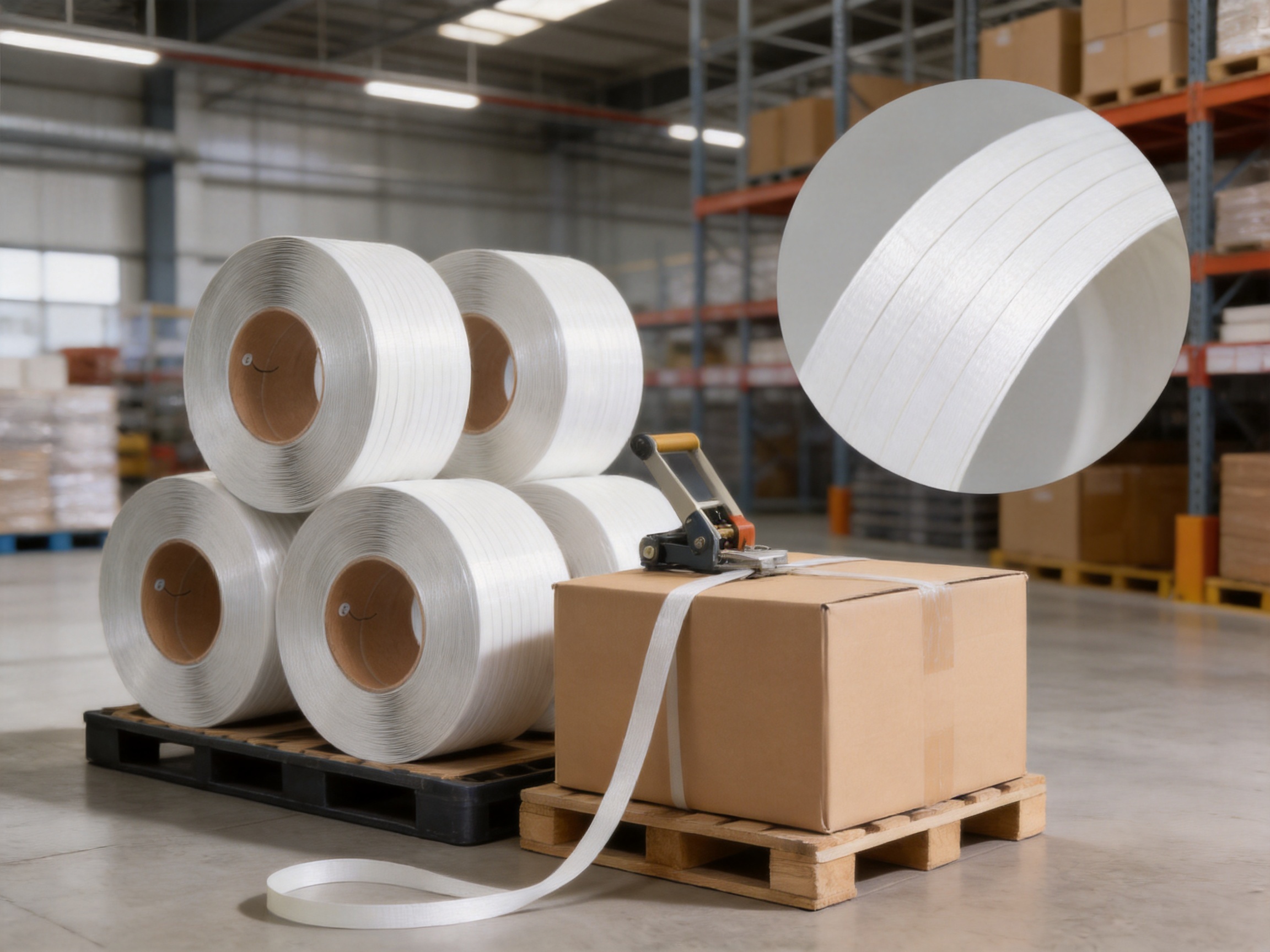
The performance of a PP manual strapping band depends heavily on manufacturing discipline. Raw material selection, extrusion control, cooling, stretching, surface treatment, winding, inspection, and packaging all influence the finished product. A strap may appear simple, but small variations in its profile can affect feeding, tensioning, joining, and load stability.
4.1 Raw Material Selection
The production process begins with polypropylene resin and any approved formulation components required to achieve the target specification. White virgin PP material is used when the product requires a clean appearance, stable performance, and consistent color. Material selection should be based on the required balance between strength, flexibility, elongation, processability, and cost.
Controlling the quality of incoming resin is an important part of production management. Material should be checked according to internal procedures before entering production. Stable raw material helps reduce variation in melt behavior, color, surface finish, and mechanical properties.
For customers with specific requirements, the manufacturer may review the intended application, strap width, thickness, coil length, tensioning method, and expected load conditions. This application-based approach is more effective than supplying a generic strap without considering how it will be used.
4.2 Controlled Extrusion
During extrusion, polypropylene is heated and formed into a continuous flat profile. Temperature, pressure, die condition, line speed, and material flow must be managed carefully. Stable extrusion helps produce uniform width and thickness across the strap.
Dimensional consistency is essential for tool compatibility. If the strap is too wide, too narrow, too thick, or too thin for the selected tool, feeding and joint formation may become unreliable. Controlled production reduces these risks and supports smoother manual packaging operations.
A well-managed extrusion line also helps maintain a consistent surface. Surface defects, excessive roughness, bubbles, cracks, or edge irregularities can affect the appearance and performance of the strap. Ongoing process monitoring allows operators to identify and correct abnormal conditions during production.
4.3 Orientation and Mechanical Performance
After initial forming, the strap may undergo controlled stretching or orientation to improve its mechanical properties. The relationship between stretching conditions and final performance must be carefully managed. Excessive stretching can reduce flexibility or create undesirable internal stress, while insufficient orientation may reduce strength and dimensional stability.
For this reason, production parameters are matched to the required width, thickness, tensile strength, and elongation. A balanced strap should be strong enough for its intended load while retaining the flexibility required for manual application.
Mechanical performance is evaluated through testing. Tensile strength and elongation at break are important indicators, but they are not the only considerations. Joint behavior, surface condition, dimensional accuracy, and resistance to normal handling also influence the real-world usability of the product.
4.4 Cooling and Dimensional Stability
Controlled cooling helps the extruded strap stabilize after forming. Uneven cooling can contribute to warping, curling, or dimensional variation. A stable cooling process supports a flatter strap profile and more consistent feeding through manual tools.
Dimensional stability is especially important when the strap is wound into coils. A strap that changes shape excessively during storage may become difficult to unwind or may create feeding interruptions. Proper cooling and winding control help preserve the coil’s usability.
4.5 Surface Treatment and Winding
The strap surface is generally finished to support smooth feeding and practical handling. Depending on the product design, the surface may be controlled to provide a suitable balance between low feeding resistance and adequate grip around the load.
Winding must be orderly and consistent. A properly wound coil reduces tangling, overlapping, and sudden resistance during manual application. Coil length can be customized according to customer needs, with common options including 100 meters or 200 meters per coil.
Packaging protects the finished coils during internal handling, transportation, and storage. The outer packaging should prevent excessive compression and protect the strap from moisture, dirt, and unnecessary exposure to sunlight.
4.6 Inspection and Traceability
Quality inspection should cover incoming materials, in-process dimensions, finished appearance, coil condition, and mechanical properties. Measurements may include width, thickness, weight, tensile strength, elongation, and visual surface quality.
A rigorous quality system also includes production records and batch identification. Traceability allows the manufacturer to review material sources, processing conditions, inspection results, and shipment information when required. This supports continuous improvement and gives customers greater confidence in supply consistency.
Zhejiang Geruite Packaging Materials Co., Ltd. emphasizes quality from raw material procurement through production and final inspection. Its manufacturing philosophy is based on stable product performance, professional service, and the ability to meet varied customer requirements. This approach is particularly valuable for industrial buyers who need reliable packaging supplies over repeated orders rather than a single low-cost shipment.
5. Manufacturing Strengths of the Supplier
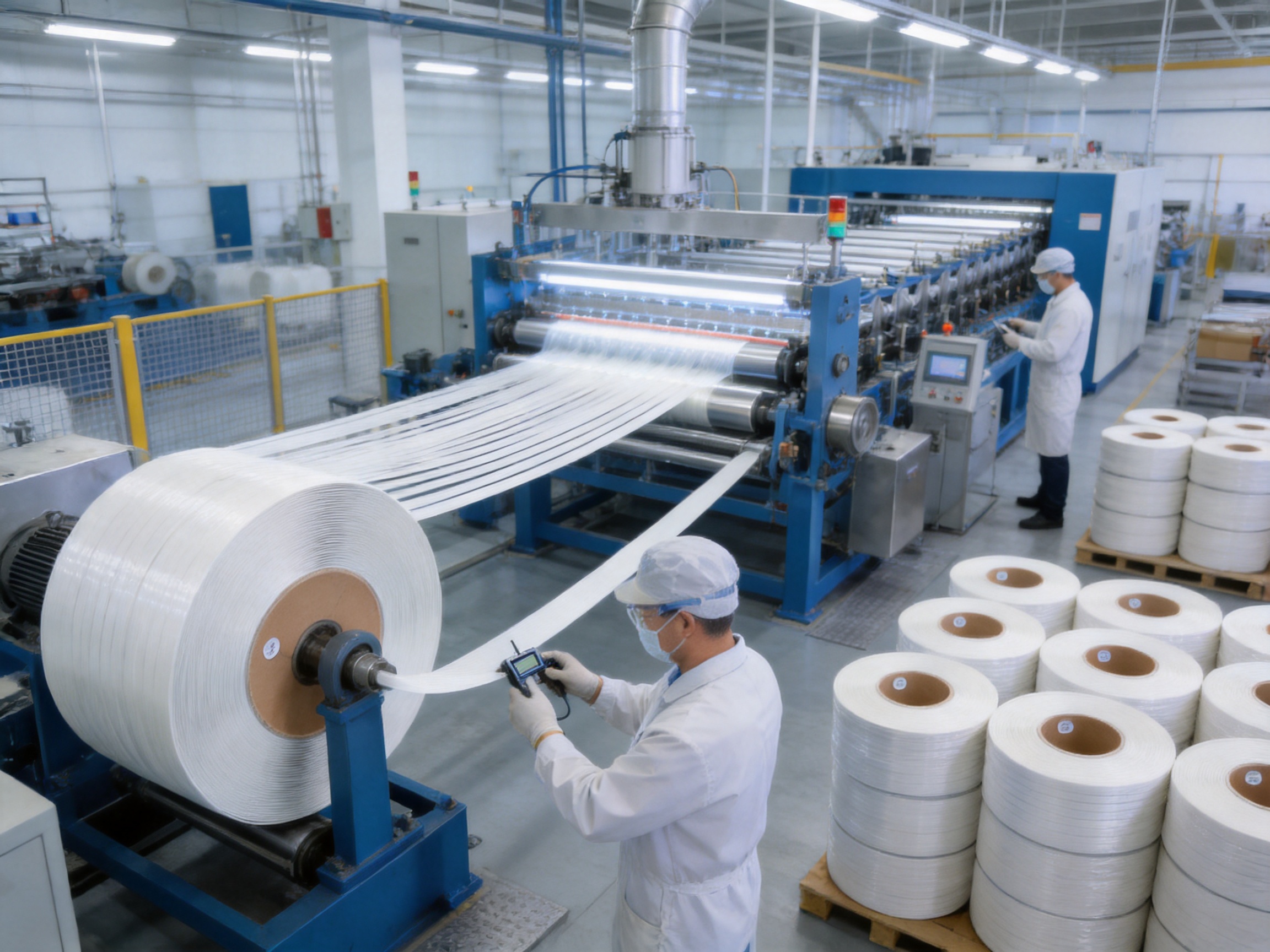
A packaging-material supplier’s value extends beyond the product specification. Customers also need dependable communication, production coordination, quality control, customization support, and long-term supply capability. Zhejiang Geruite Packaging Materials Co., Ltd. combines product development, production, and sales activities within the packaging-material sector.
The company is located in Zhejiang Province, China, an important manufacturing region with established industrial infrastructure and supply-chain resources. Its location supports access to manufacturing services, transportation networks, packaging-material expertise, and a broad industrial customer base.
The company’s product portfolio includes BOPP tapes, kraft paper tapes, masking tapes, high-temperature-resistant tapes, metal tapes, PE stretch film, PP strapping, and high-strength PET strapping. This broad range provides an advantage for customers seeking multiple packaging materials from one supplier.
For a customer purchasing PP manual strapping band, the broader product portfolio can be useful because packaging operations often require more than one material. A distribution center may need carton sealing tape, stretch film, and strapping. A manufacturer may require protective tapes, bundling materials, and load stabilization products. A supplier with knowledge across these categories can help customers coordinate material selection more efficiently.
The company reports annual output value of more than RMB 60 million, reflecting an established operating base and the ability to support ongoing commercial production. While output value alone does not determine product quality, it indicates experience in managing production, sales, supply coordination, and customer service on an industrial scale.
Research and innovation are also part of the company’s development direction. Continued investment in technology and product optimization can help improve material consistency, production efficiency, packaging formats, and application suitability. In a competitive market, these capabilities help a supplier respond to changing customer requirements.
Customer-Oriented Customization
PP strapping can be customized in several practical ways. Width and thickness may be selected according to load size and tool compatibility. Coil length may be adjusted to suit usage frequency, shipping requirements, or workstation design. Color and packaging formats may also be discussed for specific purchasing programs.
Customization should be based on application data rather than appearance alone. The supplier may need to understand the approximate load weight, product shape, packaging method, transport conditions, expected tension, joining system, and storage environment. This information helps prevent the common problem of selecting a strap that is technically attractive but unsuitable for the actual operating process.
A professional supplier can also help customers compare PP strapping with PET strapping, steel strapping, stretch film, adhesive tape, or other solutions. Each product has a different performance range. A balanced recommendation should consider safety, cost, strength, equipment, environmental exposure, and the consequences of load movement.
6. Application Scenarios
6.1 Carton Bundling
PP manual strapping band is commonly used to bundle cartons into stable units. It can help keep several boxes together during internal handling, pallet preparation, storage, and distribution. For light or medium cartons, the strap provides an additional layer of security beyond adhesive tape.
When applied correctly, the strap reduces the chance that cartons will separate during movement. It may be used around individual boxes, grouped cartons, or palletized units, depending on the load design and required stability.
6.2 Paper Products and Printed Materials
Newspapers, magazines, brochures, catalogs, books, paper sheets, and other printed materials are often bundled for transport. These products are relatively light but may shift or spread when carried without restraint. PP strap can consolidate them into manageable units while avoiding the sharp handling characteristics associated with metal strapping.
Operators should avoid applying excessive tension to compress delicate printed materials. The correct setting should hold the bundle securely without causing edge damage, distortion, or unnecessary marking.
6.3 Lightweight Construction Materials
PVC pipes, lightweight aluminum profiles, trim products, plastic components, and similar construction materials can be bundled with PP strap. The strap’s flexibility allows it to follow cylindrical or elongated products, while its low weight makes manual application convenient.
For products with sharp edges or corners, suitable edge protection should be used. Sharp surfaces can cut or weaken plastic strapping. If the bundle is heavy, long, or difficult to control, a stronger strapping grade or a different securing method may be necessary.
6.4 Logistics and Distribution Centers
Distribution centers often process large numbers of parcels with different dimensions. Manual PP strapping can be used for selected light- to medium-duty packages, returned goods, grouped parcels, and temporary consolidation tasks.
Its compatibility with manual tools allows operators to establish flexible workstations without installing a fully automated line. This is valuable when package sizes vary or when strapping demand changes throughout the day.
6.5 Agricultural Produce
Lightweight agricultural products and related packaging units may be bundled using PP strap. The material can help consolidate cartons, trays, or grouped packaging for short-distance handling and distribution.
Because agricultural environments can involve moisture, dirt, temperature variation, and outdoor exposure, users should evaluate the expected conditions. PP strap offers basic moisture resistance, but prolonged ultraviolet exposure or extreme heat may accelerate degradation. Appropriate storage and transport protection remain important.
6.6 General Warehouse Operations
Warehouses can use PP strap to secure partially opened cartons, consolidate small items, group replacement parts, or stabilize products before internal transfer. Its low weight and simple operating method make it practical for occasional as well as routine packaging tasks.
7. How to Select the Correct Specification
Choosing the correct strap requires more than selecting the lowest price or the widest available option. The specification should match the actual load and the tools used to apply it.
Load Weight and Stability
Estimate the weight of the bundle and determine how much movement may occur during lifting, vehicle transport, vibration, and stacking. Light cartons and printed materials may require a different strap from long construction profiles or dense product bundles.
Consider whether the strap is intended only to keep items together or whether it must also stabilize a palletized load. The second situation may require higher strength, multiple strap lines, corner protection, stretch film, or a stronger strap material.
Width and Thickness
Wider or thicker straps generally provide greater material cross-section, but the relationship between dimensions and performance depends on the specific product design. The selected size must be compatible with the tensioner, sealer, friction-welding tool, and any seals used.
Common widths include 9 mm, 12 mm, and 15 mm, while common thicknesses range from 0.4 mm to 0.8 mm. Buyers should confirm the exact dimensions and tolerances with the supplier before ordering.
Tool Compatibility
Manual tools are designed for particular strap sizes and joining systems. A strap that does not match the tool may feed poorly, fail to tension correctly, or produce a weak joint. Tool compatibility should therefore be confirmed during the purchasing process.
Applicable equipment may include manual tensioners, strapping tools, friction-welding tools, buckles, seals, cutters, and related accessories. The joining method should be tested before full-scale production.
Environmental Conditions
Consider whether the product will be stored indoors, transported outdoors, exposed to rain, subjected to high temperatures, or exposed to direct sunlight. Standard PP manual strapping is suitable for general storage and transportation environments, but prolonged extreme UV or high-temperature exposure is not recommended.
If the application involves unusual chemicals, severe temperature changes, long-term outdoor storage, or critical load security, request application-specific advice and testing.
8. Correct Application Procedure
Before applying the strap, inspect the load and remove loose packaging materials that could interfere with tensioning. Arrange the items so that the bundle is stable and the strap will not pass over sharp projections without protection.
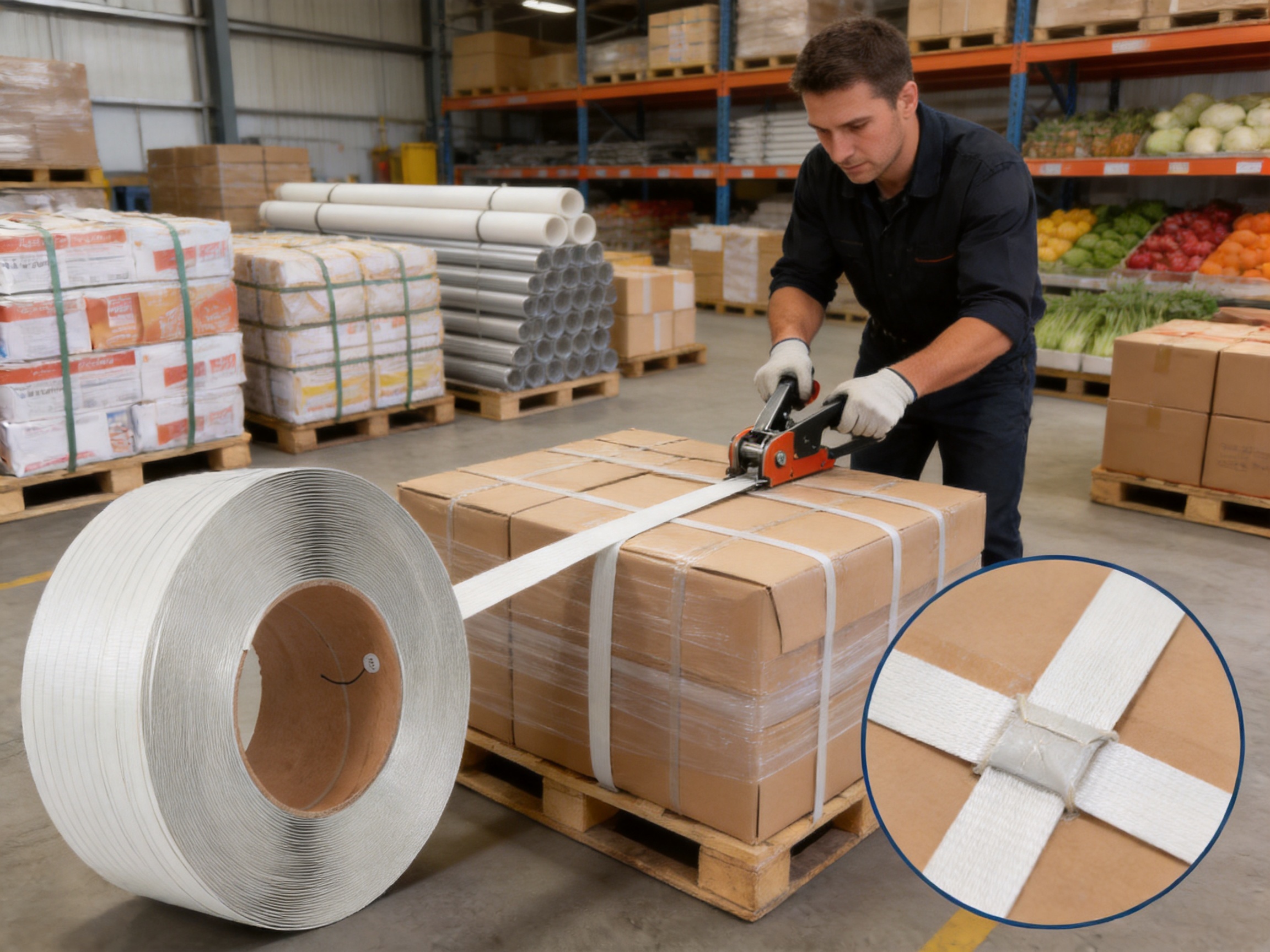
Place the strap around the load in the selected position. Keep it reasonably level and avoid twisting. Feed the strap through the compatible tensioning tool according to the tool manufacturer’s instructions.
Apply tension gradually. The strap should be firm enough to hold the load but not so tight that it damages cartons, crushes printed materials, cuts into soft products, or creates unnecessary deformation.
Complete the joint using the appropriate friction-welding tool, buckle, or seal-clamping method. The quality of the joint is essential. A strong strap with a weak joint will not provide reliable load security.
After joining, inspect the finished loop. Check that the strap is seated correctly, the joint is complete, and there are no visible cracks, severe abrasions, or loose sections. Cut off excess strap safely and keep operators away from the direct line of a highly tensioned strap.
For important shipments, establish a standard operating procedure covering strap selection, tension settings, joint inspection, load arrangement, and storage. Consistent procedures improve both safety and packaging quality.
9. Storage and Handling Recommendations
Store PP manual strapping band in a dry, cool indoor area. Keep the coils away from direct sunlight, rain, excessive humidity, radiators, hot machinery, and chemical vapors. The storage location should be clean and organized so that coils are not crushed or dragged across rough surfaces.
Avoid placing heavy objects on top of the coils. Excessive compression can deform the strap or affect the winding structure. If the strap is stored for an extended period, rotate stock according to a first-in, first-out system.
During internal transport, avoid throwing or dropping coils. Protect the edges of the coils from impact. Before use, allow material that has been exposed to unusual temperatures to return to normal operating conditions when practical.
Do not store the product outdoors unless it is specifically protected and approved for that environment. Even when the material has basic moisture resistance, prolonged ultraviolet exposure and high temperatures may reduce long-term performance.
10. Comparison with Other Strapping Materials
| Feature | PP Manual Strapping Band | Steel Strapping | PET Strapping |
|---|---|---|---|
| Typical application | Light- to medium-duty bundling | Heavy-duty and high-tension loads | Medium- to heavy-duty load securing |
| Weight | Light | Heavy | Moderate |
| Handling safety | Smooth and flexible | Requires careful handling due to sharp edges and high tension | Generally safer than steel |
| Equipment investment | Low with manual tools | May require specialized tools | Varies by application |
| Flexibility | Good | Low compared with plastic straps | Moderate |
| Elastic recovery | Useful for minor movement | Limited elasticity | Good retained tension in many applications |
| Corrosion behavior | Does not rust | May corrode if unprotected | Does not rust |
| Best purchasing priority | Economy and convenience | Maximum strength for demanding loads | Higher strength with plastic handling benefits |
PP strapping should be selected for the application where its strengths provide the greatest value. It is not necessarily the strongest option, but it is often the most economical and convenient option for light and medium packaging tasks.
Steel remains appropriate for very heavy, rigid, or demanding loads where high strength and strong retained tension are essential. PET can be suitable when a plastic strap with higher strength and greater load retention is required. Stretch film, adhesive tape, and other materials may complement PP strapping rather than replace it.
11. Sustainability and Material Efficiency Considerations
Packaging decisions increasingly include material efficiency, handling efficiency, and end-of-life management. PP strapping is lightweight, which can reduce the amount of material transported to the packaging site and the weight added to finished shipments.
Its durability allows it to perform a useful packaging function with a relatively narrow strip of material. Businesses can further improve material efficiency by selecting the correct width and thickness rather than automatically using an oversized strap.
After use, recycling practices depend on local collection systems, contamination levels, and applicable regulations. Users should separate used plastic strapping from incompatible waste where practical and follow local recycling guidance. The strap should not be burned in uncontrolled conditions.
Environmental performance also depends on correct application. Over-tensioning, unnecessary double strapping, poor storage, and avoidable damage can increase waste. Training operators and standardizing packaging methods can help reduce consumption while maintaining load stability.
12. Why Supplier Reliability Matters
Packaging materials are often consumed continuously. A short-term supply interruption can delay production, shipping, or warehouse operations. For this reason, buyers should evaluate supplier reliability in addition to product price.
A reliable supplier should be able to communicate product specifications clearly, maintain consistent production, provide suitable packaging, coordinate delivery, and respond to quality questions. The supplier should also understand the difference between standard stock products and customized orders.
Zhejiang Geruite Packaging Materials Co., Ltd. has developed its business around the research, development, production, and sale of tapes and packaging materials. Its experience across PP strapping, PET strapping, stretch film, and adhesive tapes enables it to support customers with a broader understanding of packaging systems.
The company’s quality philosophy emphasizes control from raw material procurement to final inspection. This full-process approach is important because product consistency cannot be achieved through final inspection alone. Stable materials, controlled equipment, trained personnel, process records, and finished-product checks must work together.
The company also focuses on research, product optimization, and service improvement. These strengths support customers that require repeat purchasing, specification adjustment, packaging consultation, and dependable communication over time.
13. Recommended Quality Checks for Buyers
Before purchasing a large quantity, buyers should request a technical data sheet or written specification showing material, width, thickness, coil length, tensile strength, elongation, color, and compatible tools.
Sample testing should be carried out using the actual tensioner and joining equipment intended for production. Check feeding resistance, tensioning behavior, joint quality, surface appearance, and the strap’s ability to hold representative loads.
Inspect the coils for even winding, clean edges, consistent color, and absence of visible cracks or contamination. Measure selected samples if dimensional accuracy is important to the application.
For recurring orders, compare production batches against the approved sample. Pay attention to changes in width, thickness, stiffness, surface quality, color, and joint behavior. Consistency is especially important when a packaging line has already been adjusted to a particular strap specification.
14. Common Mistakes to Avoid
One common mistake is using a light-duty PP strap for a load that requires heavy-duty security. The strap may appear tight initially but fail to provide sufficient stability during transport. When in doubt, test the actual load or select a stronger solution.
Another mistake is ignoring the joining method. A strap’s tensile strength does not guarantee that the finished joint will have the same strength. Tool condition, operator technique, seal selection, and welding settings all affect joint performance.
Over-tensioning is also undesirable. Excessive force can damage the packaged goods, weaken the strap, distort cartons, or create an unsafe stored-energy condition. Tension should match the load and packaging material.
Users should not store coils in hot, wet, or sunny locations. Poor storage can cause deformation and accelerate aging before the product is even used.
Finally, buyers should avoid evaluating products only by nominal price. A slightly cheaper strap may create higher costs through breakage, rework, tool interruptions, inconsistent coils, or damaged goods. Product consistency and application suitability are central parts of value.
15. Frequently Asked Questions
Q1: What is white PP manual strapping band used for?
It is used for bundling, consolidating, and securing light- to medium-weight products. Typical applications include cartons, paper goods, printed materials, PVC pipes, lightweight aluminum profiles, parcels, warehouse items, and selected agricultural products.
Q2: Is PP strapping stronger than steel strapping?
No. Steel strapping generally provides higher strength and is used for more demanding heavy-duty applications. PP strapping is selected for its lower cost, light weight, flexibility, safer handling, and convenience in light- to medium-duty packaging.
Q3: Can the strap be applied without an automatic machine?
Yes. The product is designed for manual operation with compatible tensioners, strapping tools, friction-welding tools, seals, or buckles. This makes it suitable for low- to medium-volume packaging environments.
Q4: What widths are commonly available?
Common widths include 9 mm, 12 mm, and 15 mm. The correct width depends on the required strength, load design, and tool compatibility. Customized specifications may be available depending on the order requirements.
Q5: What thicknesses are commonly used?
Common thicknesses range from approximately 0.4 mm to 0.8 mm. Thickness affects the strap’s cross-section, stiffness, material consumption, and performance, so it should be selected according to the application.
Q6: How are PP straps joined?
They may be joined by friction welding or seal clamping, depending on the tool and packaging method. The joining equipment must match the strap specification, and the finished joint should be inspected before shipment.
Q7: Is the product suitable for outdoor use?
It offers basic moisture resistance and can be used in ordinary transportation environments. However, prolonged exposure to direct ultraviolet radiation, extreme heat, or severe outdoor conditions is not recommended unless a suitable specialized grade has been confirmed.
Q8: How should the coils be stored?
Store them indoors in a dry, cool location. Avoid direct sunlight, high temperatures, moisture, heavy compression, chemical vapors, and rough handling. Keeping coils clean and properly supported helps preserve their performance.
Q9: Can coil lengths be customized?
Yes. Common coil lengths include 100 meters and 200 meters, while other lengths may be discussed according to the customer’s tools, consumption rate, packaging requirements, and shipping plan.
Q10: Is white virgin PP material important?
Virgin PP material can support a cleaner appearance and more consistent performance. The importance depends on the application, but material quality is an important consideration when buyers require stable dimensions, reliable tensioning, and predictable joint behavior.
Q11: How can buyers confirm whether a specification is suitable?
Provide the supplier with the load weight, product shape, packaging method, expected transport conditions, tool type, and desired coil size. Test samples using the actual packaging process before approving a large order.
Q12: What makes an experienced manufacturer valuable?
An experienced manufacturer can support material selection, dimensional control, process consistency, customization, quality inspection, order coordination, and after-sales communication. These capabilities reduce the risk of receiving a strap that does not match the customer’s equipment or application.
16. Conclusion
White PP manual strapping band is a practical and economical packaging material for businesses that need reliable bundling without complex equipment. Its combination of low weight, smooth edges, flexibility, partial elastic recovery, basic moisture and chemical resistance, and manual tool compatibility makes it suitable for a wide variety of light- to medium-duty applications.
Its main advantages over steel strapping include easier handling, lower equipment investment, reduced weight, and improved operator convenience. Compared with inconsistent low-grade plastic straps, a professionally manufactured product offers better dimensional control, surface quality, coil winding, and joining reliability.
The success of the product depends on correct specification selection, suitable tools, proper tension, reliable joining, and appropriate storage. It should be used within its intended load range and should not be treated as a substitute for high-strength strapping in heavy or critical applications.
Zhejiang Geruite Packaging Materials Co., Ltd. supports this product with experience in packaging-material research, production, quality control, and sales. Its wider product portfolio, manufacturing base in Zhejiang, commitment to process management, and focus on technical improvement provide a strong foundation for serving domestic and international packaging customers.
For buyers seeking a cost-effective, safe, and adaptable way to consolidate cartons, printed materials, parcels, lightweight construction products, and general warehouse goods, white PP manual strapping band remains a dependable choice when supplied and applied correctly.
References
1. Polypropylene Material Characteristics and Packaging Applications, technical reference literature.
2. Industrial Packaging Principles: Load Stabilization, Unitizing, and Manual Strapping Practices.
3. Plastic Strapping Selection Guidelines for Light- and Medium-Duty Packaging.
4. Packaging Quality Control Methods for Extruded Polymer Products.
5. Manual Strapping Tool Operation and Joint Inspection Procedures.
6. General Storage Recommendations for Polypropylene Packaging Materials.
7. Internal product specification information for white PP manual strapping band, including material, dimensions, tensile strength, elongation, and tool compatibility.
Product: White Plastic Strapping Tape, PP Manual Strapping Band

CONTACT DETAILS
- Address:No. 241, Yaojiafan, Zhangpanqiao, Shushan Street, Xiaoshan District, Hangzhou City, Zhejiang Province, China
- TEL:+86-0571-83175630
- Phone:+86-13336160217
- Email:anqiaocun@163.com
PRODUCTS
NEWS CENTER
MOBILE TERMINAL
Copyright© Zhejiang Geruite Packaging Materials Co., Ltd. All Rights Reserved.
Privacy Wholesale industrial packaging tape Manufacturers