


 English
  Español
  عربى
عربى 
Transparent Protective Film Rolls: Clear PE Stretch Film for Reliable Industrial Protection
Content
- 1 Understanding Clear PE Stretch Film
- 2 Core Performance Advantages
- 3 Product Specification Overview
- 4 Advantages Over Alternative Packaging Materials
- 5 Applications Across Industrial Sectors
- 6 Manufacturing Process and Quality Control
- 7 Manufacturing Strengths and Supply Capabilities
- 8 Manual and Automated Application
- 9 Storage, Handling, and Compatibility
- 10 How to Select the Correct Film
- 11 Environmental and Operational Considerations
- 12 Common Performance Problems and Solutions
- 13 Quality and Procurement Checklist
- 14 Why Integrated Packaging Supply Matters
- 15 Practical Benefits for Different Users
- 16 Q&A
- 16.1 What is transparent protective film roll?
- 16.2 Is clear PE stretch film the same as adhesive tape?
- 16.3 What thicknesses are available?
- 16.4 How much can the film stretch?
- 16.5 Can the film be used by hand?
- 16.6 Can it be used with automatic wrapping machines?
- 16.7 Does the film protect against water?
- 16.8 Can it be used outdoors?
- 16.9 Can it be applied to painted or printed surfaces?
- 16.10 Is it suitable for optical or cleanroom products?
- 16.11 How should the rolls be stored?
- 16.12 What information should be provided when requesting a quotation?
- 17 Conclusion
- 18 References
- 19 Product: Transparent Protective Film Rolls, Clear PE Stretch Film
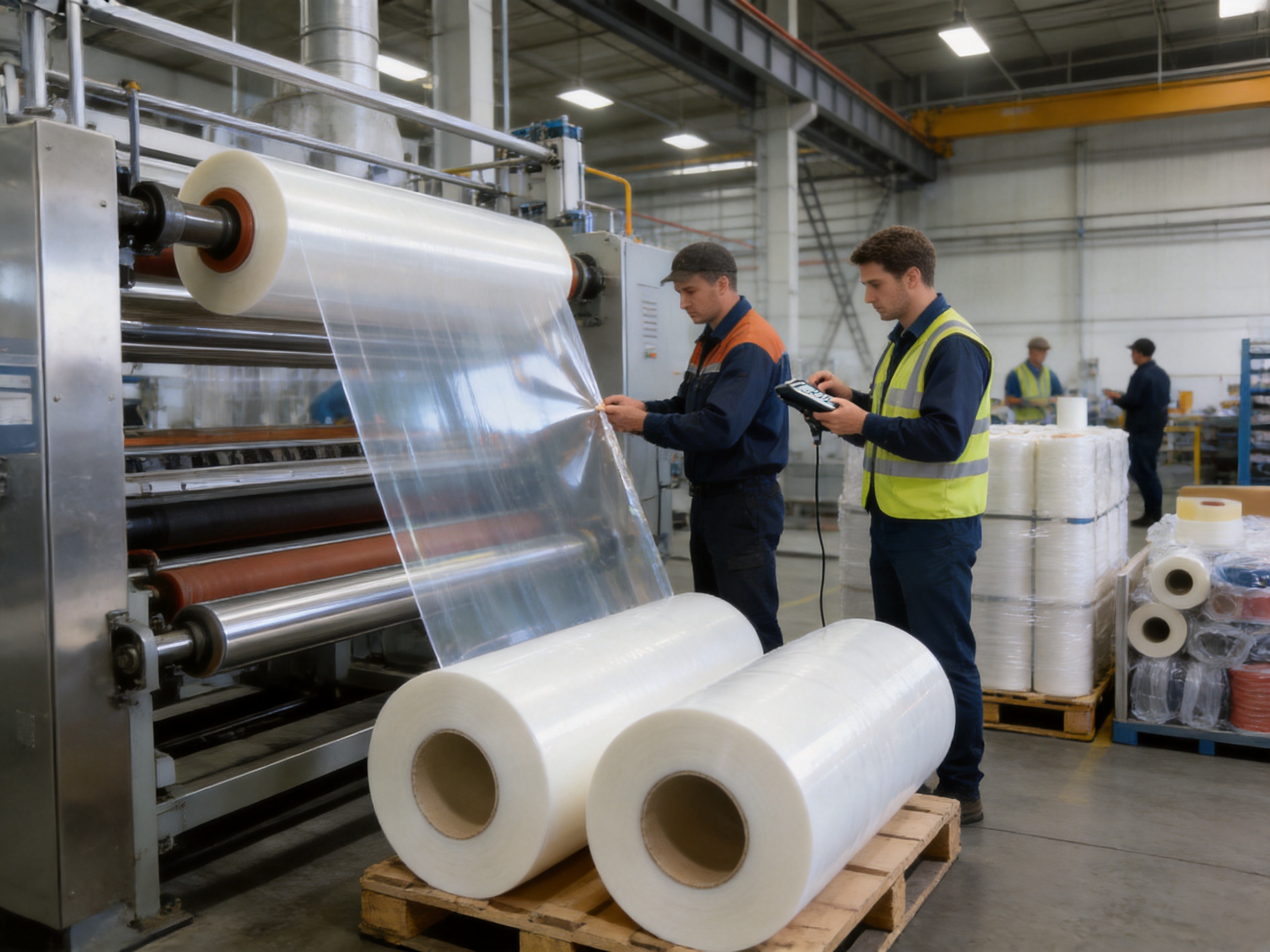
Transparent protective film rolls, also known as clear PE stretch film, are practical and versatile packaging materials designed to protect products during manufacturing, storage, handling, transportation, and distribution. Manufactured from polyethylene, this film combines high clarity, controlled stretchability, self-clinging performance, and economical coverage. When stretched around an item or pallet, the film contracts and holds its layers together, creating a stable protective enclosure without the need for additional adhesive, clips, or strapping in many applications.
For industrial users, the value of a protective film is measured by more than its appearance. The film must protect surfaces from dust, moisture, scratches, friction, minor impacts, and light oil contamination while remaining easy to apply. It should also allow operators to inspect the wrapped product, read labels, scan barcodes, and identify damage without removing the packaging. Clear PE stretch film addresses these requirements through a combination of transparency, flexibility, tensile performance, and reliable cling.
This product is suitable for a broad range of industries, including building materials, metalworking, furniture manufacturing, electronics, warehousing, logistics, and general industrial packaging. It can be applied manually for small or irregular loads or used with automated wrapping equipment for high-volume production. Available in several thicknesses and widths, the film can be selected according to the required level of protection, load dimensions, application method, and transportation conditions.
Understanding Clear PE Stretch Film
Clear PE stretch film is an industrial packaging film made from polyethylene. During use, the film is pulled or mechanically stretched around an item. Its elastic recovery then creates inward tension, helping the film conform closely to the product surface and maintain a secure wrap. Adjacent layers cling to one another, improving load stability and reducing the possibility of unwinding during movement.
Unlike rigid packaging materials, stretch film does not require a fixed mold or exact package dimensions. It adapts to different shapes and sizes, making it useful for individual products, grouped components, cartons, and palletized loads. The film can be slit into different widths and produced in multiple thicknesses to balance flexibility, strength, visibility, and material consumption.
The clear surface is especially valuable in industrial environments. Operators can see the wrapped product without opening the package, which simplifies receiving inspection, inventory identification, quality checks, and barcode scanning. This visibility also makes it easier to identify moisture, surface damage, misplaced components, or packaging irregularities before shipment.
Protective Function
The primary function of the film is to form a temporary or long-term protective layer around a product. Depending on the material surface and the wrapping method, it can reduce exposure to dust, water droplets, humidity, light oil stains, and handling-related abrasion. It also provides a degree of cushioning against minor contact and surface friction during transportation.
The film is not intended to replace every form of heavy-duty packaging. It should be selected according to the product’s weight, sharp edges, environmental exposure, and required mechanical protection. For demanding loads, it may be used together with corner boards, cartons, pallets, cushioning materials, or strapping. Used correctly, it becomes an efficient part of a complete packaging system.
Core Performance Advantages
High Clarity and Product Visibility
One of the most important advantages of clear PE stretch film is its transparency. With light transmittance above 90 percent under the stated product specification, the film allows users to observe the wrapped material with minimal visual obstruction. Labels, colors, surface finishes, serial numbers, and barcodes remain easier to identify than they would under opaque protective materials.
Visibility improves warehouse efficiency because workers do not need to remove the film simply to confirm the contents of a package. It also supports quality assurance by allowing inspectors to check whether a product is correctly positioned, clean, and undamaged. For logistics operations, clear wrapping helps distinguish shipments, verify pallet contents, and reduce unnecessary opening and repacking.
Compared with opaque wrapping materials, transparent film can reduce identification errors. Compared with rigid covers, it conforms more closely to irregular products and uses less storage space before application. This combination of visibility and flexibility gives clear PE stretch film an advantage in environments where product recognition is important.
Self-Cling and Stretch Recovery
The film holds together through cling between its layers. This self-adhering behavior is different from the use of a separate pressure-sensitive adhesive. The film generally does not need glue, staples, or additional fasteners to remain wrapped when appropriate stretch and overlap are applied.
Stretch recovery contributes to load stability. After the film is extended, it attempts to return toward its original dimensions, creating a holding force around the product. This force helps consolidate cartons, restrain small components, and stabilize pallet loads during ordinary handling and transportation.
The stated stretch rate is commonly between 200 and 300 percent, depending on the specific polyethylene formulation and production process. Actual performance may vary according to film thickness, temperature, wrapping speed, equipment settings, pre-stretch level, and the shape of the load. Proper application is therefore important to achieve the intended holding force without overstressing the film.
Puncture Resistance and Minor Impact Buffering
Clear PE stretch film provides a degree of puncture resistance and surface buffering. When wrapped around a product, it can reduce direct contact between the product and dust, rough handling surfaces, or neighboring items. Multiple layers also help distribute minor contact forces over a broader area.
This feature is useful for polished metal parts, furniture surfaces, panels, plastic housings, and other products that may be damaged by rubbing or light abrasion. The film is not an armor layer, but it can significantly reduce everyday handling marks when the correct thickness and wrapping pattern are used.
Dust and Moisture Protection
A continuous film layer helps limit the entry of airborne dust and contact with light moisture. This is particularly useful in warehouses, workshops, construction-material storage areas, and transportation environments where products may remain exposed for extended periods.
Protective film can also reduce the risk of light oil stains and general surface contamination. Its chemical inertia toward many common substances means it is generally non-corrosive to compatible protected surfaces. However, prolonged contact with certain inks, coatings, solvents, or chemicals may cause residue, softening, dissolution, or transfer. Compatibility testing is recommended before large-scale use.
Efficient Material Consumption
Stretch film can cover a large surface area from a relatively compact roll. Because the film is stretched during application, a user may obtain more coverage from the same nominal length than from a non-stretching wrapping material. The resulting package can be lightweight while still providing useful protection and load retention.
Manual application requires little equipment and can be performed with a handheld dispenser or directly by trained operators. For higher production volumes, automatic or semi-automatic wrapping machines can control film tension, overlap, and wrapping cycles more consistently. This flexibility allows businesses to match the packaging method to their throughput and budget.
Product Specification Overview
The following specifications represent common product ranges. Exact values may be customized according to application requirements, production conditions, order quantity, and customer packaging equipment.
| Parameter | Typical Value | Application Significance |
|---|---|---|
| Material | Polyethylene (PE) | Flexible film base suitable for industrial wrapping and surface protection |
| Color | Clear | Maintains visibility of labels, products, and barcodes |
| Common Thickness | 15 μm, 20 μm, 23 μm, 30 μm, 35 μm, 45 μm | Allows users to balance economy, puncture resistance, and protection |
| Common Width | 500 mm, 1000 mm, 1500 mm, and other sizes | Suitable for manual wrapping, product protection, and pallet applications |
| Core Inner Diameter | 76 mm or 3 inches, with alternatives available | Compatible with common dispensers and wrapping equipment |
| Length per Roll | Hundreds to thousands of meters, depending on thickness and weight | Supports different usage rates and packaging requirements |
| Stretch Rate | Approximately 200% to 300% | Provides wrapping flexibility and holding force |
| Light Transmittance | More than 90% | Supports inspection and identification after wrapping |
Thickness selection should be based on the load rather than on a single universal standard. A thin film may be suitable for light products, smooth surfaces, and short-distance handling. A thicker grade may be more appropriate for sharp-edged components, heavier items, rough surfaces, or extended transportation. Width selection should also reflect the product dimensions and the operator’s ability to apply consistent tension.
Advantages Over Alternative Packaging Materials
Compared with Traditional Strapping
Strapping is useful for bundling and securing rigid loads, but it can exert concentrated pressure at narrow contact points. This may create marks on delicate surfaces or require corner protectors. Clear PE stretch film distributes holding force over a larger area and can protect the product surface at the same time.
Film can also be applied quickly around irregularly shaped loads where rigid straps may not conform effectively. It provides dust and moisture protection in addition to load stabilization. For many palletized products, stretch film and strapping are not mutually exclusive; they can be combined when the shipment requires both surface enclosure and high tensile restraint.
Compared with Shrink Film
Shrink film generally requires heat to contract around a product. This can produce a tight package, but it also requires heat equipment, energy, trained operation, and attention to heat-sensitive products. Clear PE stretch film achieves containment through mechanical stretching and elastic recovery, allowing application without a heating tunnel in many situations.
The absence of a heating step can simplify packaging operations and reduce the risk of thermal exposure to sensitive components, coatings, labels, or plastic products. Stretch film is also convenient for variable load dimensions because the operator can adjust tension and overlap during application rather than preparing a fixed shrink package.
Compared with Rigid Protective Covers
Rigid covers and sheets can provide strong physical protection, but they often require additional storage space and may not fit products with complex shapes. They can also create gaps through which dust may enter. Stretch film conforms closely to the item and can be removed after delivery without leaving bulky packaging materials attached.
For businesses handling products in many sizes, film reduces the need to stock numerous cover dimensions. A single film format can serve several product types, provided the selected thickness and width meet the protection requirements.
Compared with Opaque Wrapping
Opaque paper, colored film, or non-transparent covers may protect products from light or conceal their contents, but they can make identification and inspection more difficult. Clear film allows warehouse personnel, inspectors, carriers, and customers to verify the package visually without opening it.
This advantage is particularly important for electronics, finished furniture, building panels, glass, and metal products where appearance and surface condition must be checked throughout the supply chain.
Applications Across Industrial Sectors
Building Materials
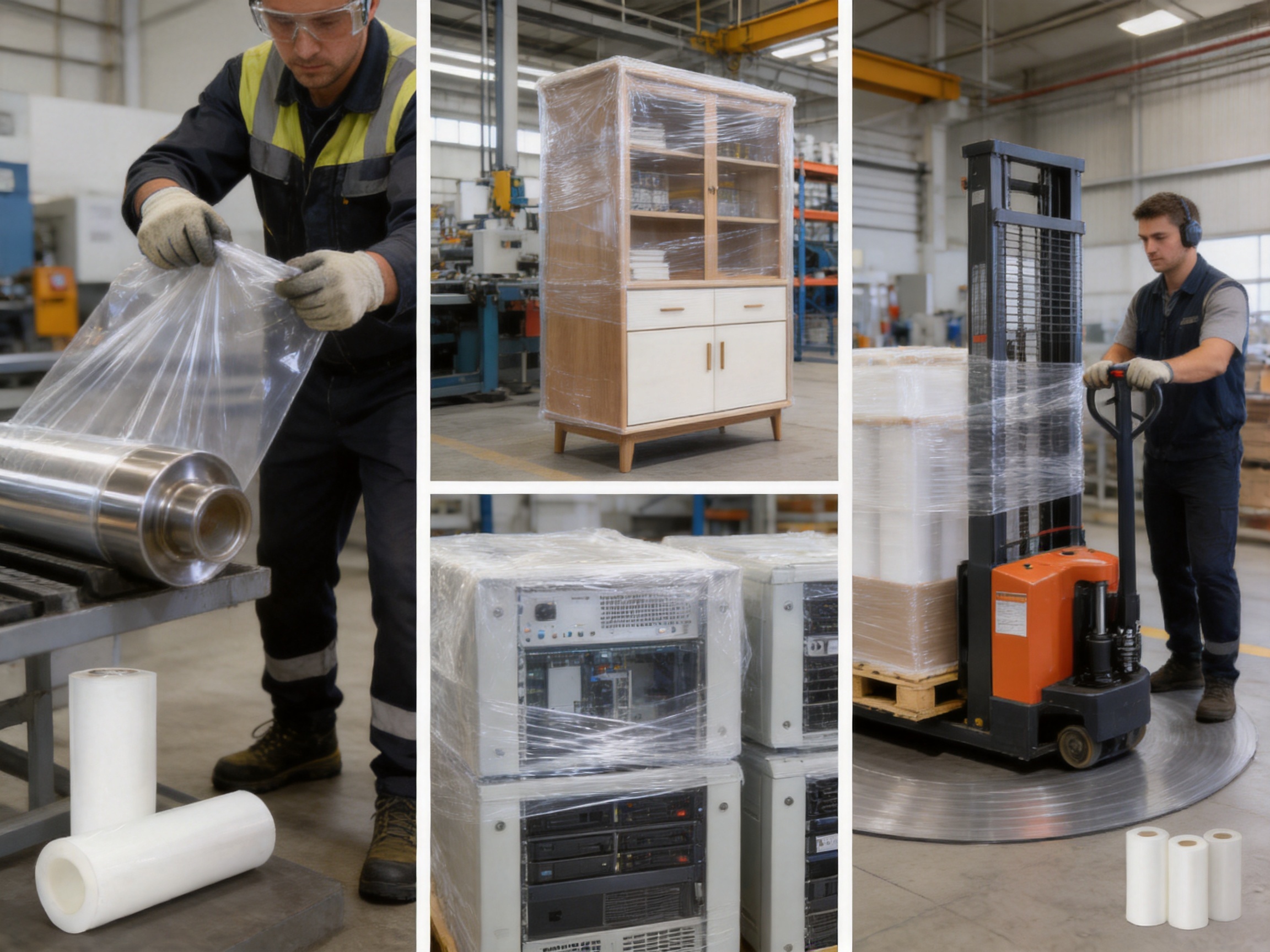
Aluminum windows and doors, stainless steel sheets, glass panels, artificial stone slabs, profiles, and decorative surfaces can be vulnerable to scratches, dust, fingerprints, and moisture during storage and installation. Clear protective film can be wrapped around finished or semi-finished materials to reduce surface contact and contamination.
Because the film remains transparent, product colors, surface finishes, labels, and orientation marks remain visible. This helps contractors and warehouse workers identify the correct material without removing the protective layer. When the product reaches the installation stage, the film can generally be removed efficiently.
Metalworking and Precision Components
Polished metal parts, machined components, tools, and precision machinery elements may require protection between processing steps. Film can separate surfaces from one another and reduce the risk of friction-related marks during internal movement or shipment.
For products with sharp corners or burrs, the wrapping method should be carefully evaluated. Additional edge protection may be appropriate, and a thicker film may be selected to improve resistance to puncture. Operators should avoid excessive tension that could damage delicate finishes or deform lightweight components.
Furniture Manufacturing
Finished furniture often has surfaces that can be scratched or stained during handling. Clear film can wrap tables, cabinets, panels, upholstered items, and assembled furniture to reduce contact with dust and rough packaging surfaces.
Its transparency allows the furniture’s color, model, and visible finish to remain identifiable. This is useful in factories, distribution centers, showrooms, and delivery operations where products may be moved several times before reaching the end customer.
Electronics and Plastic Products
Electronic components, LCD screens, plastic casings, appliance housings, and other manufactured parts can benefit from temporary inter-process protection. The film helps limit dust and light surface abrasion while enabling inspection of the product during production and assembly.
For sensitive electronics or optical components, the film grade and manufacturing environment should be selected carefully. Specialized cleanroom-produced film may be required where particle control, low residue, or extremely high cleanliness is essential. Standard industrial film should not automatically be used for critical optical or contamination-sensitive applications without testing.
Logistics and Transportation
In logistics operations, the film is commonly used to unitize pallet loads, stabilize cartons, protect products from dust and light moisture, and reduce movement during transportation. Wrapping can help keep multiple boxes together and reduce the likelihood of individual cartons falling from a pallet.
Clear film also helps carriers and receiving teams verify shipment identity without opening the load. This can reduce handling time and support more efficient stock control. For long-distance or severe transportation conditions, users should evaluate load weight, vibration, climate, stacking height, and the need for supplementary strapping or corner protection.
Manufacturing Process and Quality Control
Material Selection
Manufacturing begins with the selection and inspection of polyethylene raw materials. Material quality influences clarity, flexibility, stretch recovery, tensile behavior, puncture resistance, and consistency from roll to roll. Appropriate raw material control is therefore an essential foundation for stable film performance.
Production planning should consider the intended film thickness, width, roll weight, clarity requirement, stretch rate, and end-use environment. A film intended for light manual wrapping may require a different balance of properties from a film designed for automated pallet wrapping or surface protection of industrial panels.
Film Forming and Thickness Control
After material preparation, the polyethylene is processed into a continuous film using industrial film-forming equipment. During this stage, temperature, extrusion conditions, cooling, film tension, and line speed influence the final structure and appearance.
Accurate thickness control is important because uneven film may stretch inconsistently, tear prematurely, or create unstable wrapping tension. Modern production management uses process monitoring and inspection procedures to identify variations during manufacturing. Stable thickness helps customers calculate material consumption and maintain predictable machine settings.
Stretch and Cling Performance
The film’s stretch and cling behavior depend on formulation, processing conditions, and surface characteristics. Stretch must be sufficient to allow the film to wrap around the load without breaking, while recovery must provide useful holding force after application. Cling should enable layers to remain together without creating unacceptable residue on compatible surfaces.
Quality checks may evaluate elongation, tensile behavior, tear resistance, appearance, roll winding, and layer-to-layer performance. The exact test methods may vary according to internal quality procedures and customer requirements. Consistent testing helps ensure that a film specified for a particular application performs reliably in production.
Slitting, Winding, and Roll Conversion
Large film webs can be converted into rolls of different widths and lengths. Slitting accuracy affects the ease of application, edge quality, roll stability, and compatibility with manual or automatic equipment. Proper winding helps prevent telescoping, loose layers, wrinkles, and uneven tension.
Roll dimensions should be matched to the customer’s dispenser or wrapping machine. A common 76-millimeter, or 3-inch, core supports broad equipment compatibility, while alternative core specifications can be supplied when required. Correct packaging and labeling of finished rolls also support warehouse control and traceability.
Inspection and Final Release
Before shipment, finished rolls may be checked for appearance, clarity, dimensions, weight, winding quality, packaging condition, and conformity with the order specification. A disciplined final inspection process reduces the risk of receiving rolls with damaged edges, inconsistent dimensions, contamination, or incorrect labels.
Quality assurance begins with raw materials and continues through processing, conversion, packing, and dispatch. This full-process approach is important for industrial customers because packaging film is often integrated into repetitive workflows. A small variation in film behavior can affect machine settings, labor efficiency, consumption, and load stability across many shipments.
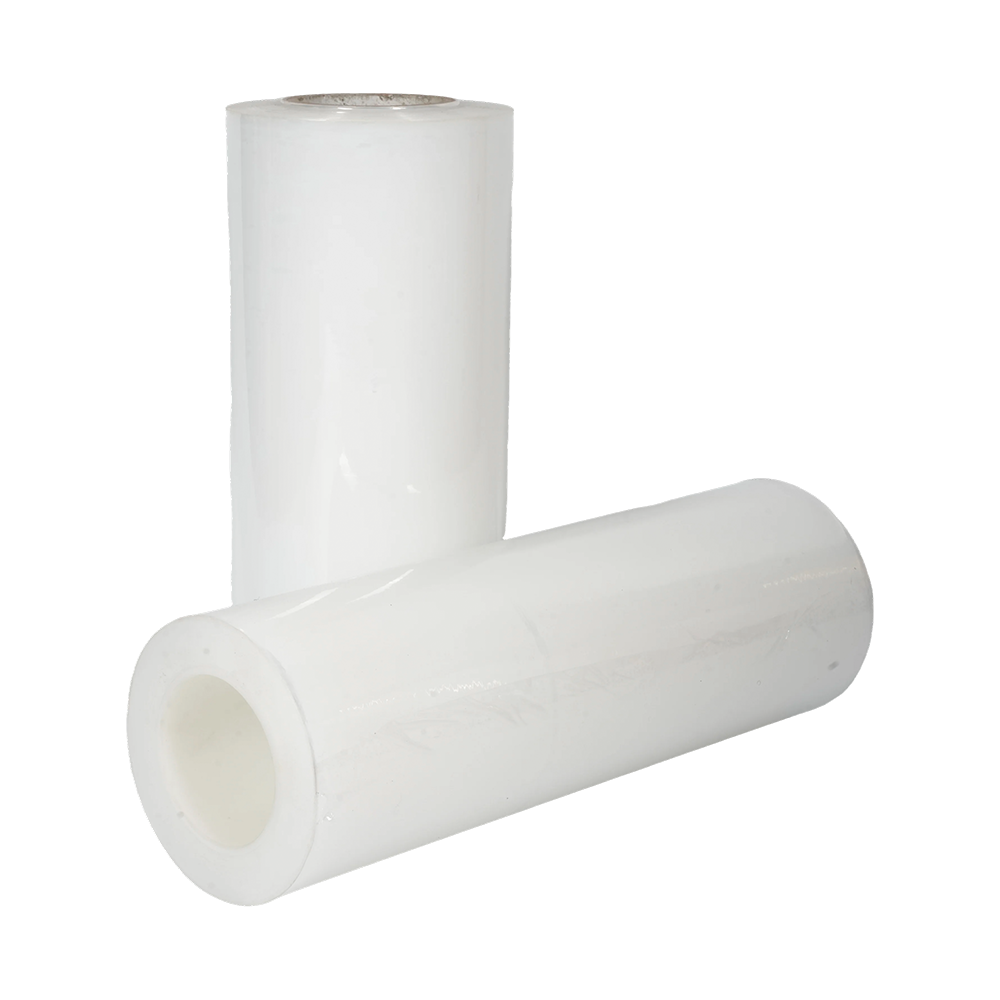
Transparent Protective Film Rolls, Clear PE Stretch Film
Manufacturing Strengths and Supply Capabilities
Zhejiang Geruite Packaging Materials Co., Ltd. is a packaging-material manufacturer located in Zhejiang Province, China. The region has a developed manufacturing base, supporting industrial supply chains, technical labor, production services, and logistics connections. The company focuses on the research, development, production, and sales of packaging tapes and flexible packaging materials.
Its product portfolio includes BOPP tape, kraft paper tape, masking tape, high-temperature-resistant tape, metal tape, PE stretch film, PP strapping, and high-strength PET strapping. This broad range gives the company experience across several packaging formats rather than limiting its capabilities to one individual product type.
For customers purchasing clear PE stretch film, a broad product portfolio can be valuable because different packaging tasks may require complementary materials. A customer may need stretch film for pallet stabilization, PET strapping for heavy-load reinforcement, BOPP tape for carton sealing, or masking tape for temporary marking. A manufacturer capable of supplying several related products can help simplify sourcing and packaging coordination.
The company emphasizes advanced production equipment and a rigorous quality-control system. Its stated quality approach covers raw-material procurement, manufacturing, and final inspection. Such process discipline is important for achieving stable film clarity, reliable roll dimensions, consistent stretch, and dependable performance in manual and automated applications.
The company reports an annual output value of more than RMB 60 million. This indicates an established production and sales operation with experience serving industrial packaging markets. Its development focus includes product optimization, technical research, service improvement, and the expansion of packaging solutions for customers in different industries.
Customization and Application Support
Clear PE stretch film is not limited to one standard size. Thickness, width, core diameter, roll length, weight, and packaging format can be adjusted for customer requirements. Customization is useful when a buyer operates specialized wrapping machinery, handles unusual product dimensions, or needs to balance film consumption against protection requirements.
Before ordering, customers should provide information about the load weight, product shape, surface sensitivity, wrapping method, expected transportation distance, environmental exposure, and desired roll format. This allows the supplier to recommend a more suitable specification instead of selecting film based only on thickness.
Application support is also relevant to performance. A technically capable film may underperform if it is applied with insufficient overlap, excessive tension, poor load alignment, or an unsuitable machine setting. Cooperation between the manufacturer and end user can help establish appropriate wrapping patterns and reduce avoidable material waste.
Manual and Automated Application
Manual Wrapping
Manual application is suitable for small production volumes, irregular loads, repair work, and locations where automatic equipment is unavailable. The operator should hold the roll securely, apply consistent tension, maintain sufficient overlap, and ensure that the film reaches the lower and upper sections of the load where stability is required.
Operators should avoid wrapping too tightly around products with delicate edges, thin panels, or vulnerable finishes. Gloves are recommended during manual handling because film edges can cause cuts, especially when the roll is handled quickly or the film is torn by hand.
Machine Wrapping
Automatic and semi-automatic wrapping equipment can improve consistency in high-volume operations. Machines may control rotation speed, film delivery, pre-stretch, overlap, wrapping cycles, and top-to-bottom coverage. Consistent settings can reduce variations between operators and provide more predictable load stability.
Machine compatibility should be confirmed before purchasing. Core diameter, roll width, roll weight, film stretch characteristics, and equipment tension range can all affect performance. Trial wrapping is recommended when introducing a new film grade to an existing production line.
Application Efficiency
Efficient wrapping involves more than using the thinnest available film. A film that is too thin may require additional layers or experience premature tearing, increasing actual consumption. A correctly selected film can reduce waste by providing sufficient strength and holding force with an appropriate number of revolutions.
Users should monitor film breaks, loose tails, uneven wrapping, excessive overlap, unstable pallets, and unnecessary rewrapping. These observations can help identify whether the issue is related to film selection, equipment calibration, load arrangement, or operator technique.
Storage, Handling, and Compatibility
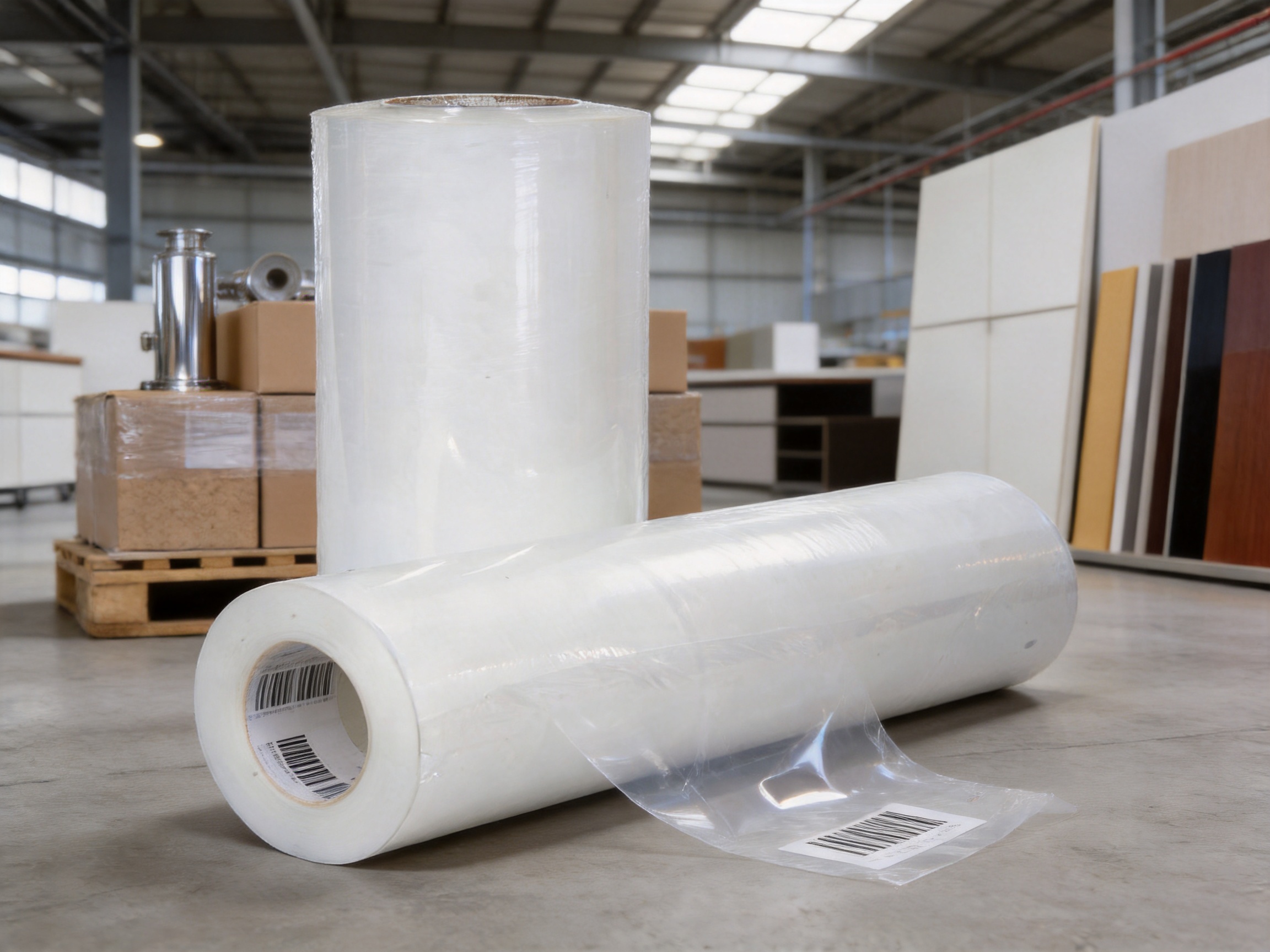
Protective film rolls should be stored in a dry, cool area away from direct sunlight and heat sources. Excessive heat may affect film dimensions, cling behavior, roll shape, or packaging integrity. Direct sunlight may also influence long-term appearance and performance, particularly when rolls are stored for extended periods.
Rolls should be kept in their original packaging until use whenever possible. They should be placed on stable surfaces and protected from impact, sharp objects, water, and contamination. Improper stacking can deform roll edges or create handling hazards.
Compatibility testing is recommended when the film will remain in contact with printed surfaces, painted coatings, inks, solvents, rubber compounds, or chemically sensitive materials. Although polyethylene is inert to many common chemicals, no single film should be assumed compatible with every coating or substance.
For outdoor applications, the user should confirm whether the selected formulation contains suitable ultraviolet inhibitors. Some formulas may support short-term outdoor storage, but ordinary industrial film should not automatically be considered suitable for prolonged exposure to sunlight, wind, rain, or extreme temperature changes.
High-cleanliness applications require special attention. Optical components, cleanroom products, medical-related items, and contamination-sensitive electronics may need specialized film produced and packed under controlled conditions. Standard packaging film can be suitable for general industrial protection but may not meet strict cleanroom requirements.
How to Select the Correct Film
Consider the Product Surface
Products with smooth, hard surfaces may be wrapped efficiently with a relatively light film, while products with rough edges or protrusions may require greater puncture resistance. Delicate finishes may require careful tension control and compatibility testing to prevent marks or residue.
Consider the Load Weight and Shape
Heavy or unstable loads generally require stronger containment than light, compact products. Irregular loads may need additional overlap or a wider film. Loads with sharp corners may require edge protection even when a thick film is selected.
Consider the Transportation Environment
Short-distance indoor movement may require less protection than long-distance transport involving vibration, stacking, temperature changes, and repeated handling. If a shipment will remain outdoors, ultraviolet exposure and moisture conditions should be reviewed before selecting the film formulation.
Consider the Application Equipment
Manual wrapping, semi-automatic equipment, and fully automatic systems may use different roll dimensions and tension settings. Core diameter, roll width, roll weight, stretch level, and machine pre-stretch capability should be confirmed in advance.
Consider Required Visibility
Clear film is particularly appropriate when product identification, barcode scanning, inspection, and visual merchandising are important. If light blocking or concealment is required, a different film color or packaging structure may be more suitable.
Environmental and Operational Considerations
Using packaging material efficiently is one practical way to reduce waste. Correct film selection, controlled stretch, suitable overlap, and properly adjusted machinery can reduce unnecessary layers and discarded film. Operators should focus on achieving the required protection with the lowest reasonable material consumption rather than simply minimizing film thickness.
Polyethylene film can be collected and handled through appropriate recycling systems where local infrastructure accepts the material. Recycling suitability depends on contamination, local regulations, collection systems, and the composition of the film. Users should consult regional waste-management requirements and avoid mixing film with unsuitable materials.
Operational efficiency also has an environmental dimension. Stable pallet loads can reduce product damage, rework, replacement shipments, and wasted goods. Clear film can support faster inspection and reduce unnecessary opening of packages. These benefits do not eliminate the need for responsible disposal, but they demonstrate why packaging performance should be evaluated across the full logistics process.
Common Performance Problems and Solutions
Film Breakage
Film may break because of sharp edges, excessive tension, insufficient thickness, damaged roll edges, incorrect machine settings, or improper storage. Users should first inspect the load for protrusions and consider adding corner protection. Machine tension and pre-stretch should then be reviewed before increasing film thickness.
Loose or Unstable Loads
Loose wrapping may result from insufficient stretch, inadequate overlap, poor coverage at the base, or an unsuitable wrapping pattern. The operator should confirm that the film is anchored correctly and that the machine or manual process applies sufficient tension. Load arrangement and pallet condition should also be checked.
Excessive Film Usage
High consumption may be caused by excessive overlap, repeated wrapping, poor load alignment, unnecessary film thickness, or inefficient machine settings. Measuring film usage per pallet and comparing it with the required stability level can help identify opportunities for improvement.
Residue or Surface Interaction
Residue may occur when the film remains in contact with incompatible inks, coatings, adhesives, or chemicals for too long. A small-area compatibility test should be completed before full production use. Storage temperature and exposure duration should also be considered.
Cloudiness or Reduced Clarity
Reduced transparency can be associated with material selection, production variation, surface contamination, storage conditions, or condensation. Customers requiring high visibility should communicate the clarity requirement clearly and inspect trial rolls before placing a larger order.
Quality and Procurement Checklist
When evaluating a clear PE stretch film supplier, buyers should review more than the catalog description. A practical procurement assessment can include raw-material control, production capacity, thickness consistency, roll winding, customization capability, packaging quality, delivery reliability, and technical communication.
Sample testing is especially useful. The buyer can wrap representative products, measure the number of layers required, observe clarity, check cling, inspect surface interaction, and evaluate the load after simulated handling. For machine applications, trials should be performed using the actual wrapping equipment and operating settings whenever possible.
Packaging labels should identify key information such as film thickness, width, roll length or weight, core diameter, batch details, and handling instructions. Clear labeling supports warehouse organization and helps operators select the correct roll for each application.
A dependable supplier should also be able to discuss customization. Standard sizes such as 500 millimeters, 1000 millimeters, and 1500 millimeters may meet many requirements, but specialized equipment or product dimensions may require other widths. Core specifications and roll weights may also need adjustment for operator safety or machine compatibility.
Why Integrated Packaging Supply Matters
Industrial customers often use several packaging materials in the same workflow. A pallet may require clear PE stretch film for unitization, BOPP tape for carton sealing, kraft paper tape for specific carton or surface applications, and PET or PP strapping for reinforcement. A supplier with experience across these categories can help customers coordinate specifications and reduce the complexity of purchasing from multiple sources.
Zhejiang Geruite Packaging Materials Co., Ltd. offers a product range that includes adhesive tapes, stretch film, and strapping materials. This integrated product capability supports packaging operations that need both flexible wrapping and fastening solutions. It also allows customers to compare complementary products based on load type, protection requirement, application method, and cost objectives.
The company’s stated emphasis on research, development, production, and quality control supports a manufacturing-oriented approach rather than simple product trading. Its focus on equipment, raw-material inspection, process control, and final inspection is relevant to customers who need repeatable performance across regular orders.
Practical Benefits for Different Users
For Manufacturers
Manufacturers can use the film to protect products between processing stages, during internal transfers, and after final assembly. Clear visibility helps production teams identify models and inspect surfaces without removing the film. Custom sizes can also support different product lines and wrapping stations.
For Warehouses
Warehouses benefit from clear load identification, compact roll storage, flexible application, and improved dust protection. Film can be used for pallet consolidation, temporary grouping, and protection during stock relocation.
For Exporters
Exporters can use the film to help stabilize goods and protect surfaces during long supply chains. The appropriate grade should be selected according to container conditions, climate, stacking, vibration, and the duration of transportation. Additional packaging components may be required for heavy or fragile loads.
For Distributors
Packaging-material distributors can offer clear PE stretch film as a general-purpose industrial consumable. Its broad application range and multiple available specifications make it suitable for customers in logistics, manufacturing, construction, furniture, and metalworking.
Q&A
What is transparent protective film roll?
It is a clear polyethylene film supplied in rolls for wrapping, surface protection, load stabilization, and industrial packaging. The film stretches around a product and clings to itself to form a protective layer.
Is clear PE stretch film the same as adhesive tape?
No. Clear PE stretch film is a flexible wrapping film rather than a conventional pressure-sensitive adhesive tape. It holds through stretch recovery and layer-to-layer cling, while adhesive tape generally uses an adhesive coating to bond to a surface. Both products can be used in packaging, but they serve different functions.
What thicknesses are available?
Common thicknesses include 15 micrometers, 20 micrometers, 23 micrometers, 30 micrometers, 35 micrometers, and 45 micrometers. Customized thicknesses may be available depending on the production requirement.
How much can the film stretch?
The stated common stretch rate is approximately 200 to 300 percent. Actual stretch depends on the formulation, manufacturing process, temperature, application method, machine settings, and load characteristics.
Can the film be used by hand?
Yes. It can be applied manually for smaller loads, irregular products, and low-volume operations. A handheld dispenser may improve control and reduce operator fatigue. Gloves are recommended to protect against cuts from film edges.
Can it be used with automatic wrapping machines?
Yes. The film can be compatible with automatic or semi-automatic packaging equipment, provided the roll dimensions, core diameter, stretch characteristics, and tension settings match the machine requirements. A trial is recommended before regular production use.
Does the film protect against water?
It helps block dust, light moisture, and water droplets when applied as a continuous and sufficiently overlapped layer. It is not automatically a waterproof container, and package performance depends on wrapping quality, product geometry, exposure duration, and environmental conditions.
Can it be used outdoors?
Some formulas may include ultraviolet inhibitors for short-term outdoor storage. Users should confirm the formulation and expected exposure period before outdoor use. Standard film should not be assumed suitable for prolonged direct sunlight or severe weather.
Can it be applied to painted or printed surfaces?
It may be suitable for compatible surfaces, but prolonged contact with certain inks, coatings, or chemicals can cause residue, transfer, or surface interaction. Compatibility testing on a small area is recommended before full application.
Is it suitable for optical or cleanroom products?
Standard industrial film may not meet extremely high cleanliness requirements. Optical components and cleanroom products may require specialized film produced, handled, and packed under controlled conditions.
How should the rolls be stored?
Store the rolls in a dry, cool location away from direct sunlight, heat sources, water, sharp objects, and excessive impact. Keeping the original packaging intact until use can help protect roll quality.
What information should be provided when requesting a quotation?
Customers should provide the desired thickness, width, core diameter, roll length or weight, application method, product type, load weight, surface sensitivity, transportation conditions, and any special requirements for clarity, cleanliness, outdoor exposure, or packaging.
Conclusion
Transparent protective film rolls provide a practical combination of visibility, flexibility, self-cling, stretch recovery, dust resistance, moisture protection, and economical coverage. Their ability to conform to products of different shapes makes them useful across manufacturing, warehousing, construction, furniture, electronics, metalworking, and transportation applications.
Compared with rigid covers, opaque wrapping, traditional strapping, and heat-applied shrink film, clear PE stretch film offers a balanced solution for businesses that need both protection and easy product identification. Its performance can be further improved through correct thickness selection, controlled tension, suitable overlap, compatible application equipment, and proper storage.
Zhejiang Geruite Packaging Materials Co., Ltd. supports this product category through packaging-material research, production, customization, and quality control. Its manufacturing portfolio includes PE stretch film as well as tapes and strapping products, allowing it to serve a variety of industrial packaging needs. With attention to raw materials, production consistency, roll conversion, inspection, and customer requirements, the company is positioned to provide clear protective film for both standard and customized applications.
For the best result, buyers should evaluate the complete packaging process rather than choosing film solely by price or nominal thickness. A well-matched film can protect surfaces, stabilize loads, improve inspection efficiency, reduce handling damage, and support a more organized logistics operation.
References
1. Polyethylene Film Properties and Industrial Packaging Applications, technical packaging-material reference.
2. Stretch Film Application Principles, load stabilization and manual wrapping guidance.
3. Industrial Packaging Quality-Control Practices, material inspection and roll-conversion reference.
4. Packaging Film Storage and Handling Recommendations, general warehouse-management guidance.
5. Flexible Packaging Materials: Selection, Performance, and End-Use Considerations, industry reference.
6. Product specification information supplied for transparent protective film rolls and clear PE stretch film.
Product: Transparent Protective Film Rolls, Clear PE Stretch Film

LATEST POST
Let’s create something amazing together
contact usFeatured Products
-
Transparent Protective Film Rolls, Clear PE Stretch Film
-
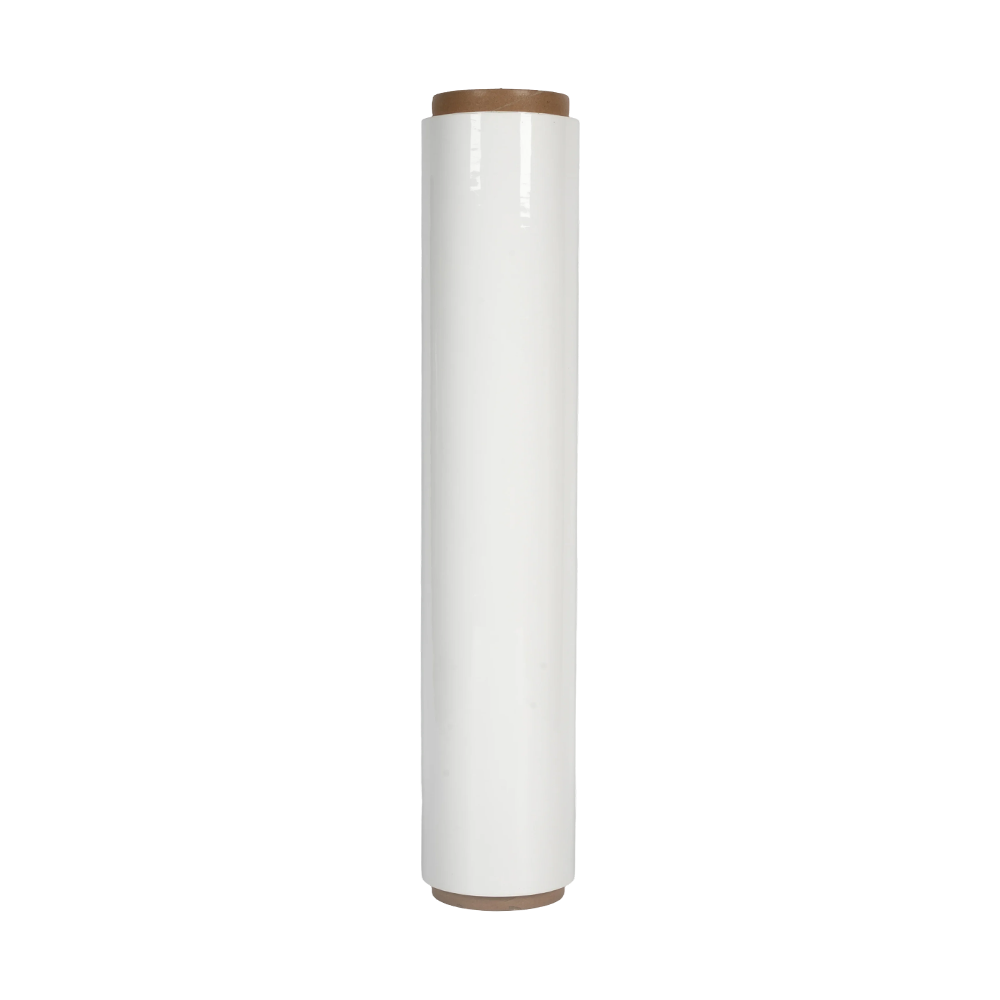
Clear Construction Building Protective Plastic Sheeting Film
-
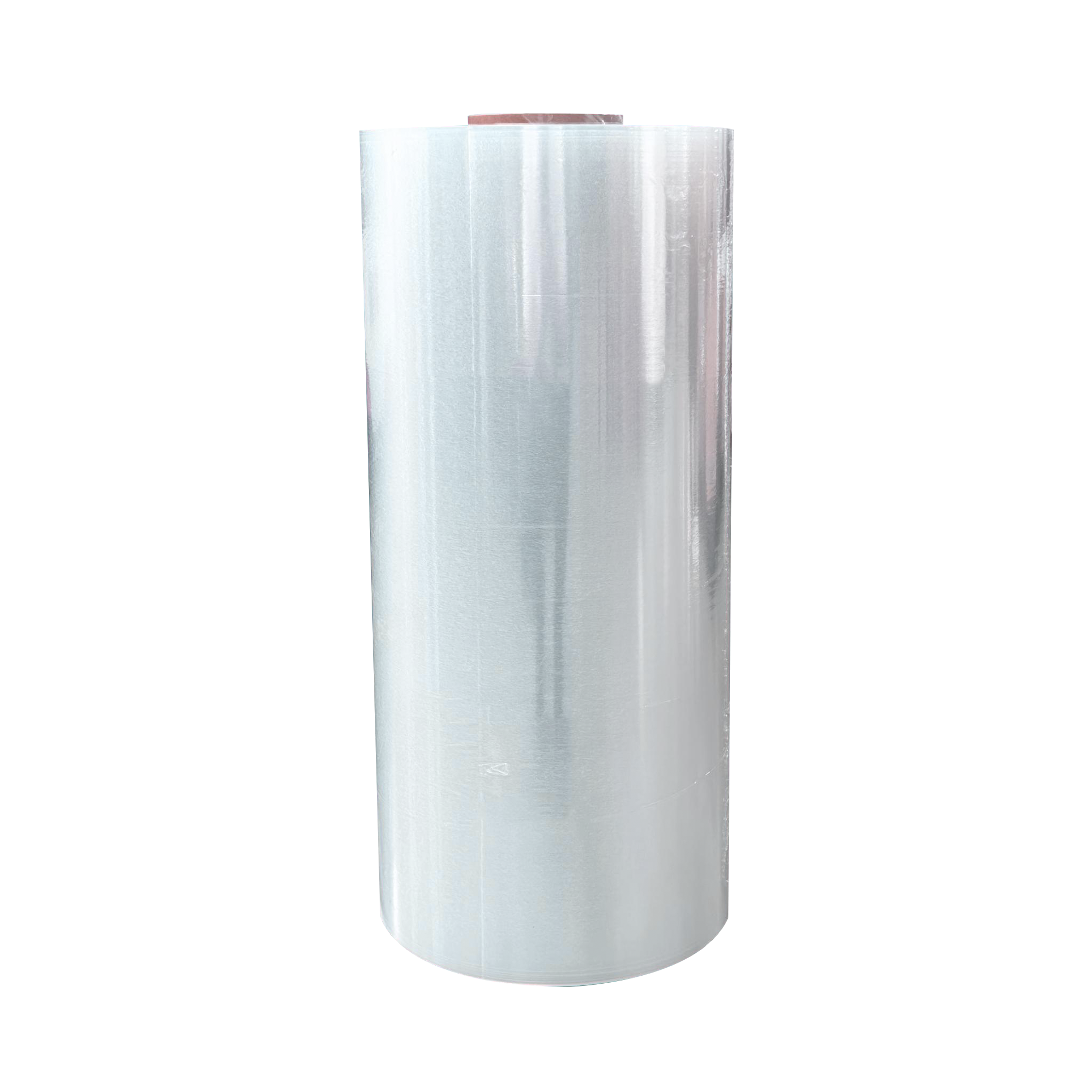
PE + Metallocene Materials Stretch film master roll
-
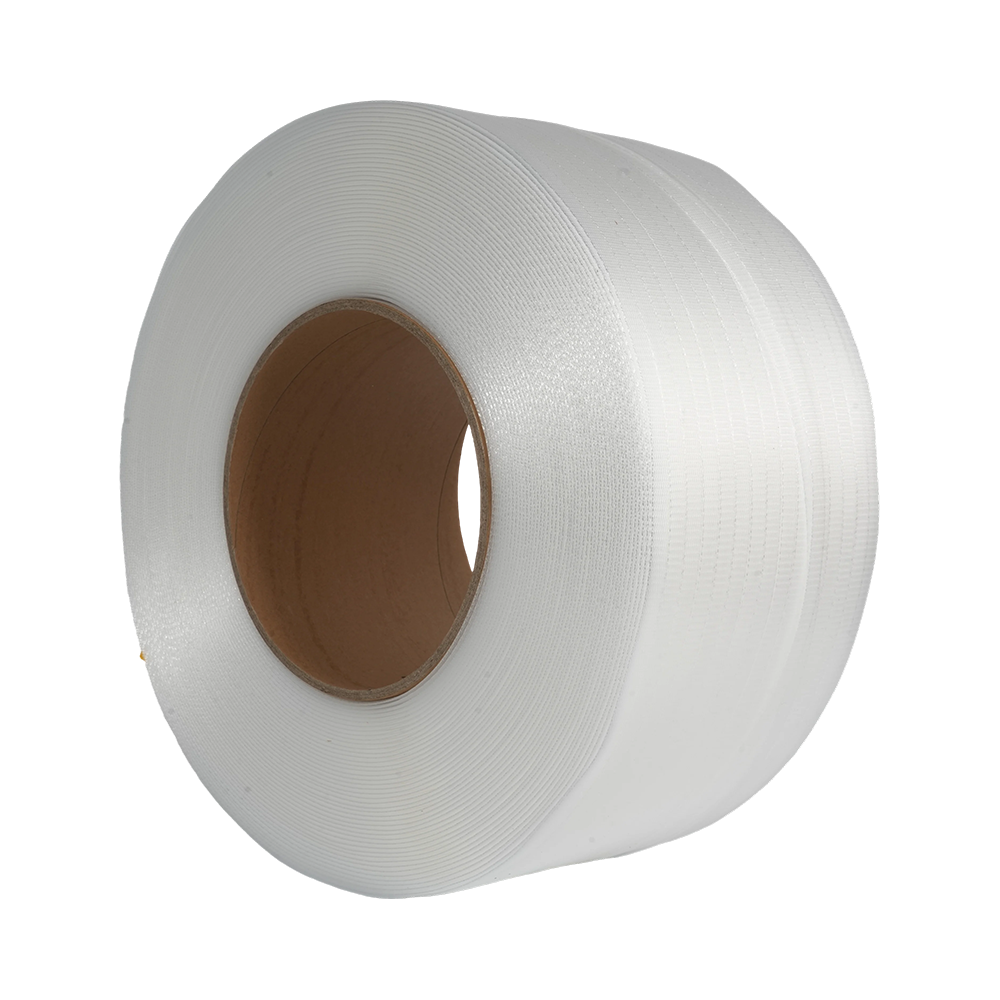
Transparent Strapping Band, Clear PP Packing Strap For Pelletizing Machine
-
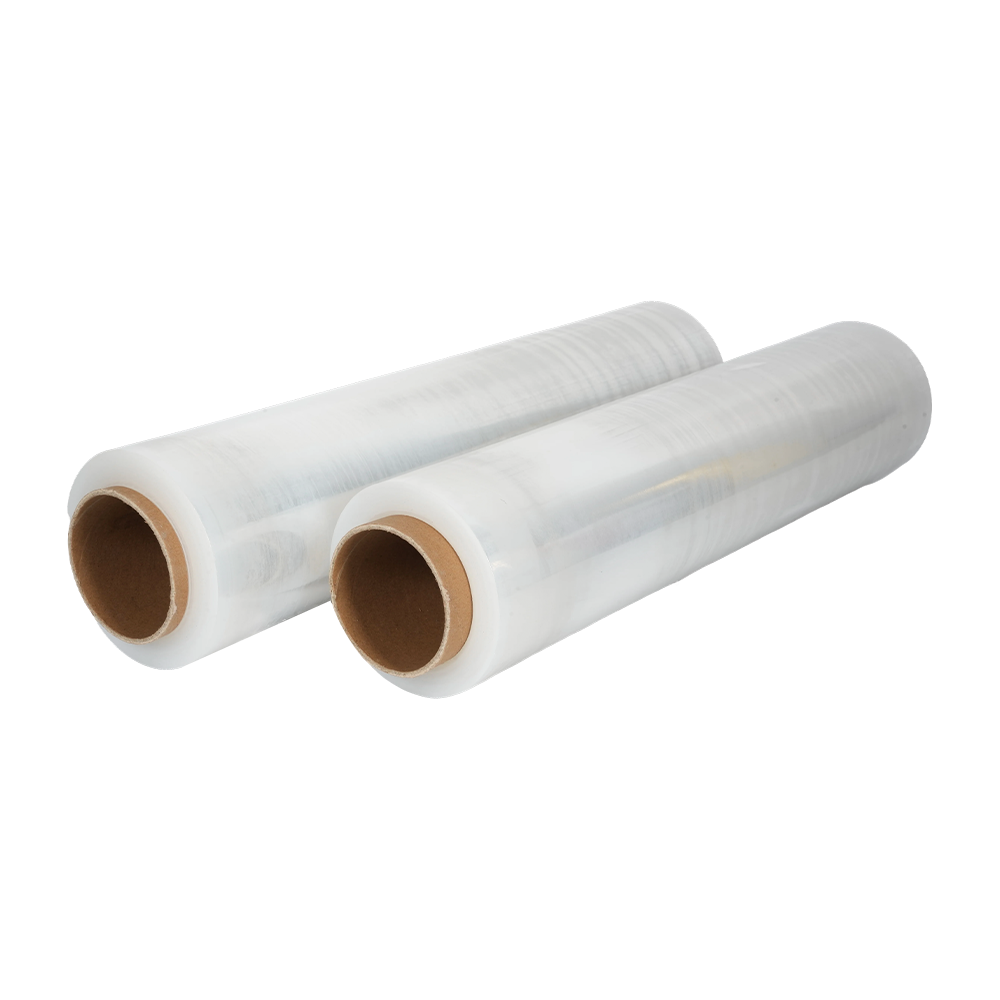
PE Hand-held stretch wrap
-
Transparent machine stretch film
CONTACT DETAILS
- Address:No. 241, Yaojiafan, Zhangpanqiao, Shushan Street, Xiaoshan District, Hangzhou City, Zhejiang Province, China
- TEL:+86-0571-83175630
- Phone:+86-13336160217
- Email:anqiaocun@163.com
PRODUCTS
NEWS CENTER
MOBILE TERMINAL
Copyright© Zhejiang Geruite Packaging Materials Co., Ltd. All Rights Reserved.
Privacy Wholesale industrial packaging tape Manufacturers