


 English
  Español
  عربى
عربى 
PET Double-Sided Tape for Reliable Industrial Bonding and Non-Tearing Performance
Content
- 1 Understanding PET Double-Sided Tape
- 2 Core Product Structure
- 3 Key Technical Characteristics
- 4 Advantages Over Conventional Double-Sided Tapes
- 5 High Tensile Carrier for Non-Tearing Applications
- 6 Dimensional Stability Under Temperature and Humidity Changes
- 7 Smooth Application and Clean Appearance
- 8 Adhesion Performance and Bonding Reliability
- 9 Applications in Electronics Manufacturing
- 10 Applications in Industrial Manufacturing
- 11 Applications in Signage and Nameplates
- 12 Applications in Automotive Interiors
- 13 Manufacturing Strengths Behind Reliable Tape Quality
- 14 Quality Control and Testing
- 15 Company Capabilities and Industrial Service Value
- 16 Why PET Double-Sided Tape Improves Production Efficiency
- 17 Surface Preparation and Application Guidelines
- 18 Storage Recommendations
- 19 Design Considerations for Selecting PET Double-Sided Tape
- 20 Environmental and Process Benefits
- 21 Competitive Strength in the Adhesive Tape Market
- 22 Frequently Asked Questions
- 22.1 What is PET double-sided tape?
- 22.2 Why is PET used as the carrier?
- 22.3 How is it different from tissue double-sided tape?
- 22.4 What applications are suitable for this tape?
- 22.5 What surfaces can it bond?
- 22.6 Does PET double-sided tape resist high temperatures?
- 22.7 Why is pressure important during application?
- 22.8 How should the tape be stored?
- 22.9 Can the tape be die-cut?
- 22.10 Why choose Zhejiang Geruite Packaging Materials Co., Ltd. as a supplier?
- 23 Conclusion
- 24 References
- 25 Product: PET double-sided tape
PET double-sided tape is a high-performance bonding material designed for industrial and commercial applications where reliable adhesion, stable dimensions, and carrier strength are essential. Built with a polyester film carrier coated on both sides with pressure-sensitive adhesive, this tape provides firm bonding while resisting tearing, stretching, and deformation during application, service, and removal. For manufacturers that require clean assembly, stable attachment, and dependable performance across varied substrates, PET double-sided tape offers a balanced combination of strength, precision, and processing efficiency.
Unlike ordinary double-sided tapes that may rely on weak tissue, non-woven, or foam carriers, PET double-sided tape uses a polyester film base that delivers excellent tensile strength and structural stability. This gives the tape a clear advantage in applications where the carrier must remain intact, especially during die-cutting, positioning, lamination, and later maintenance. In electronics, automotive interiors, nameplates, signage, industrial panels, and plastic or metal component assembly, the non-tearing nature of PET film helps reduce waste, improve consistency, and support a cleaner production workflow.
Zhejiang Geruite Packaging Materials Co., Ltd. supplies packaging and adhesive material solutions with a focus on stable quality, practical performance, and manufacturing control. The company’s experience in adhesive tapes, packaging films, PP strapping, PET strapping, BOPP tapes, kraft paper tapes, masking tapes, high-temperature tapes, and related materials provides a broad technical foundation for producing tapes that meet the needs of logistics, industrial manufacturing, electronics, construction, decoration, cargo stabilization, and packaging protection.
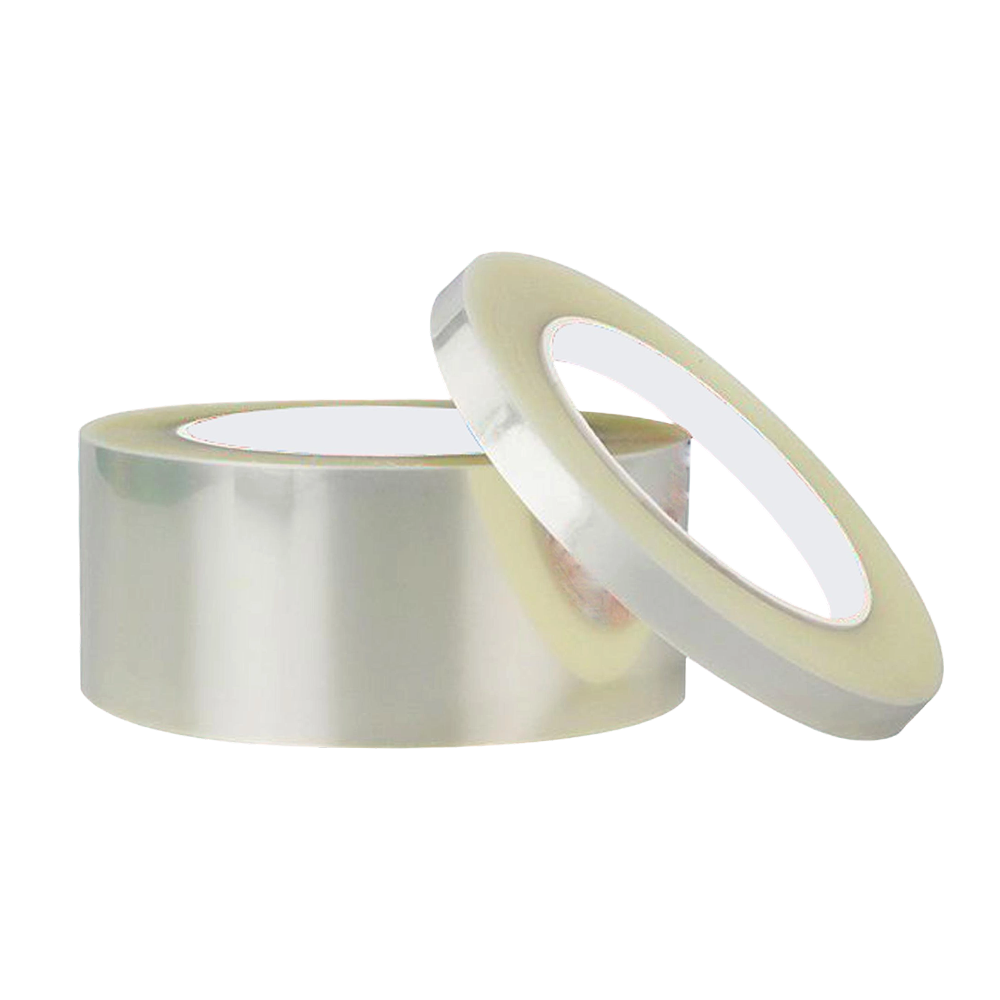
PET double-sided tape
Understanding PET Double-Sided Tape
PET double-sided tape consists of a polyester film carrier coated on both sides with adhesive and protected by release liners. The PET carrier acts as the structural center of the tape. It holds the adhesive layers in place, contributes tensile strength, resists tearing, and supports dimensional stability under environmental changes. The adhesive layer, typically an acrylic pressure-sensitive adhesive, provides bonding force to substrates such as metal, plastic, acrylic, glass, painted surfaces, and coated components.
The term “pressure-sensitive” means the tape bonds when pressure is applied, without the need for heat activation, solvent curing, or mechanical fasteners. This makes PET double-sided tape efficient for production lines, manual assembly, die-cut parts, and mounting processes. Proper surface preparation and adequate pressure are still essential, but the basic bonding method is simple, clean, and suitable for modern manufacturing environments.
PET film is valued for its combination of mechanical strength, chemical resistance, temperature resistance, and low elongation. These properties are particularly useful in double-sided tape because they help the tape maintain its shape during cutting and placement. When a tape stretches too much, the final bonded part may be misaligned. When a tape tears easily, operators may lose time removing fragments or reworking products. PET double-sided tape addresses these problems by offering a stronger, more stable carrier.
Core Product Structure
The product structure can be understood in three functional layers: the release liner, the adhesive coating, and the PET film carrier. The release liner protects the adhesive before use and enables clean unwinding, slitting, and converting. The adhesive layers provide bonding to both surfaces. The PET film carrier delivers strength, dimensional stability, and resistance to tearing.
In many industrial applications, the carrier is just as important as the adhesive. A strong adhesive on a weak carrier may still fail if the carrier splits, stretches, or deforms. PET double-sided tape is designed to reduce this risk. Its polyester carrier makes it suitable for bonding requirements where the substrate or tape must not tear during handling, positioning, or removal.
The product is typically available in transparent or translucent forms, making it suitable for applications where appearance matters. The smooth film carrier helps the tape lay flat, reducing wrinkles and visual irregularities. For transparent panels, signs, labels, displays, and decorative assemblies, this can be a meaningful advantage over thicker, rougher, or more visible adhesive solutions.
Key Technical Characteristics
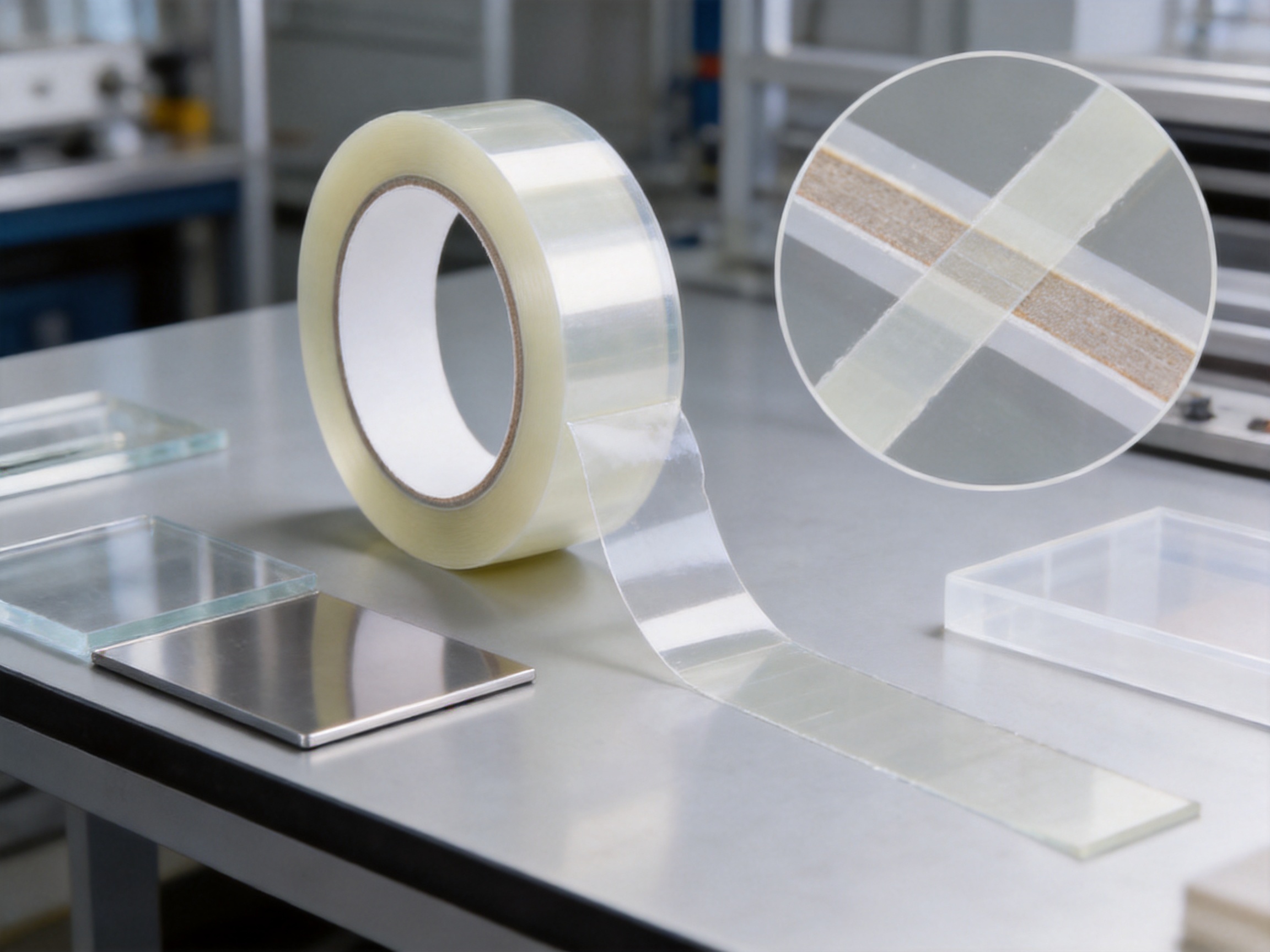
The typical product specification includes a PET film carrier, acrylic pressure-sensitive adhesive, multiple thickness options, transparent or translucent appearance, and general temperature resistance ranging from approximately -20℃ to 120℃ depending on the adhesive formulation. It also offers good resistance to aging, ultraviolet exposure, and many common chemical solvents in indoor environments.
One example product specification includes a total tape thickness of 90±5 microns, measured according to GB/T7125-2014. Initial tack is listed as ≤180 mm under the GB/T4852-2002 inclined plane method. Adhesion to steel plate is ≥10 N/25 mm according to GB/T2792-1998, and ≥9 N/24 mm according to GB/T2792-2014 after 20 minutes of placement when tested with 25-micron PET. Holding power is ≥120 minutes under GB/T4851-2014. These values demonstrate that the tape is designed for reliable bonding where carrier integrity is a key requirement.
| Test Item | Typical Value | Reference Standard | Practical Meaning |
| Tape Thickness | 90±5 µm | GB/T7125-2014 | Provides a controlled profile for industrial bonding and converting |
| Initial Tack | ≤180 mm | GB/T4852-2002 | Supports manageable placement and bonding during assembly |
| Adhesion to Steel Plate | ≥10 N/25 mm | GB/T2792-1998 | Indicates strong peel adhesion on standard metal surfaces |
| Adhesion to Steel Plate | ≥9 N/24 mm | GB/T2792-2014 | Shows stable adhesion after placement and pressure |
| Holding Power | ≥120 min/24×24 mm | GB/T4851-2014 | Reflects resistance to creep and displacement under load |
Advantages Over Conventional Double-Sided Tapes
Compared with tissue-based double-sided tape, PET double-sided tape provides much better carrier strength. Tissue tape can be useful for lightweight bonding, but it may tear during conversion, removal, or high-stress handling. PET film resists tearing and stretching, making it more suitable for applications that require clean processing and high reliability.
Compared with foam tape, PET double-sided tape offers a thinner, flatter, and more dimensionally stable profile. Foam tape is effective for gap filling and cushioning, but it can be too thick for precise assemblies. PET double-sided tape is better when the final product needs a slim bond line, accurate positioning, and a clean appearance.
Compared with some non-woven tapes, PET double-sided tape provides a smoother carrier and stronger mechanical behavior. Non-woven carriers may absorb adhesive and conform well to rough surfaces, but they do not always provide the same stability under heat, tension, or die-cutting. PET film’s controlled structure helps maintain consistent width, thickness, and shape.
Compared with liquid adhesives, PET double-sided tape offers faster handling, cleaner application, and fewer curing-related variables. Liquid adhesive may require drying time, controlled dispensing, ventilation, and cleanup. Tape can be applied directly, pressed into place, and integrated into production workflows with less mess and more predictable usage.
Compared with mechanical fasteners such as screws or rivets, PET double-sided tape avoids drilling, surface damage, corrosion points, and visible fastener heads. It distributes stress over a larger surface area, which may improve aesthetic quality and reduce localized stress concentration. For decorative trim, labels, nameplates, and lightweight panels, this is often a major advantage.
High Tensile Carrier for Non-Tearing Applications
The defining advantage of PET double-sided tape is its high tensile carrier. Polyester film has strong resistance to stretching and tearing. During application, this means the tape can be handled more confidently. During removal, the carrier is less likely to fragment. During die-cutting, the material is more likely to maintain precise shapes.
In production environments, non-tearing performance is not only a product feature; it is also a cost-control advantage. When tape tears, operators may need to stop work, remove residues, clean the surface, replace parts, or restart the assembly. These small interruptions can become costly when repeated across high-volume manufacturing. A stronger tape carrier reduces this risk and supports more stable production efficiency.
For product bonding where the substrate must remain undamaged, PET double-sided tape is especially useful. The tape can provide a firm bond while maintaining carrier integrity. This is important in electronics, display modules, plastic housings, and nameplates where rework may be required. A tape that tears into fragments during repair can cause contamination and damage delicate parts.
Dimensional Stability Under Temperature and Humidity Changes
PET film has low thermal expansion compared with many flexible tape carriers. This helps the tape maintain its shape when exposed to temperature fluctuations. In assembly processes, dimensional stability supports accurate alignment. In service conditions, it helps reduce stress on bonded parts.
When a tape expands or contracts excessively, the adhesive layer may experience shear stress. Over time, this can contribute to edge lifting, shifting, or bond failure. PET double-sided tape helps reduce these risks by maintaining a more stable carrier structure. This is particularly important for long, narrow strips used in nameplates, trims, display frames, and decorative panels.
Humidity can also affect some carrier materials, especially paper or fiber-based products. PET film is less sensitive to moisture absorption, helping the tape preserve its flatness and structure in changing indoor conditions. For factories, warehouses, and transportation environments where humidity varies, this stability supports more reliable performance.
Smooth Application and Clean Appearance
The smooth PET film carrier helps the tape lay flat without wrinkling. A flat bond line is important when the tape is used behind thin panels, labels, decorative strips, transparent materials, or display-related components. Wrinkles, air pockets, and uneven surfaces can affect both appearance and bonding strength.
Transparent or translucent PET double-sided tape is particularly suitable for applications where the bonding material should remain visually discreet. It can support clean assembly of acrylic panels, rigid plastic signs, metal nameplates, and electronic components. In appearance-sensitive products, the thin and smooth profile of PET tape gives it a competitive advantage over bulkier adhesive systems.
Clean appearance also improves perceived product quality. Consumers and industrial buyers often judge the quality of a finished product by its details: whether labels are aligned, whether panels sit flat, whether decorative strips remain in place, and whether adhesive residue is visible. PET double-sided tape supports these details by combining reliable adhesion with precise placement.
Adhesion Performance and Bonding Reliability
The adhesive layer is commonly an acrylic pressure-sensitive adhesive, although the exact formulation may vary according to product requirements. Acrylic adhesives are widely used because they provide a good balance of initial tack, peel strength, aging resistance, and environmental stability. They are suitable for many indoor industrial and commercial applications.
Adhesion to steel plate values of ≥10 N/25 mm and ≥9 N/24 mm indicate strong bonding potential under standardized testing conditions. While real-world performance depends on substrate type, surface cleanliness, pressure, temperature, and dwell time, these values provide a useful benchmark for comparing tape performance.
Holding power of ≥120 minutes under the stated test condition indicates resistance to slipping or creep. This is important for mounted components that may experience constant load, vibration, or thermal cycling. Strong holding power helps maintain part position and reduces the risk of gradual movement after assembly.
Initial tack is also important. A tape with extremely high immediate tack may be difficult to reposition, while insufficient tack may lead to early lifting. The listed initial tack value supports practical handling and controlled assembly. For many industrial processes, a balance between workability and bond strength is preferred.
Applications in Electronics Manufacturing
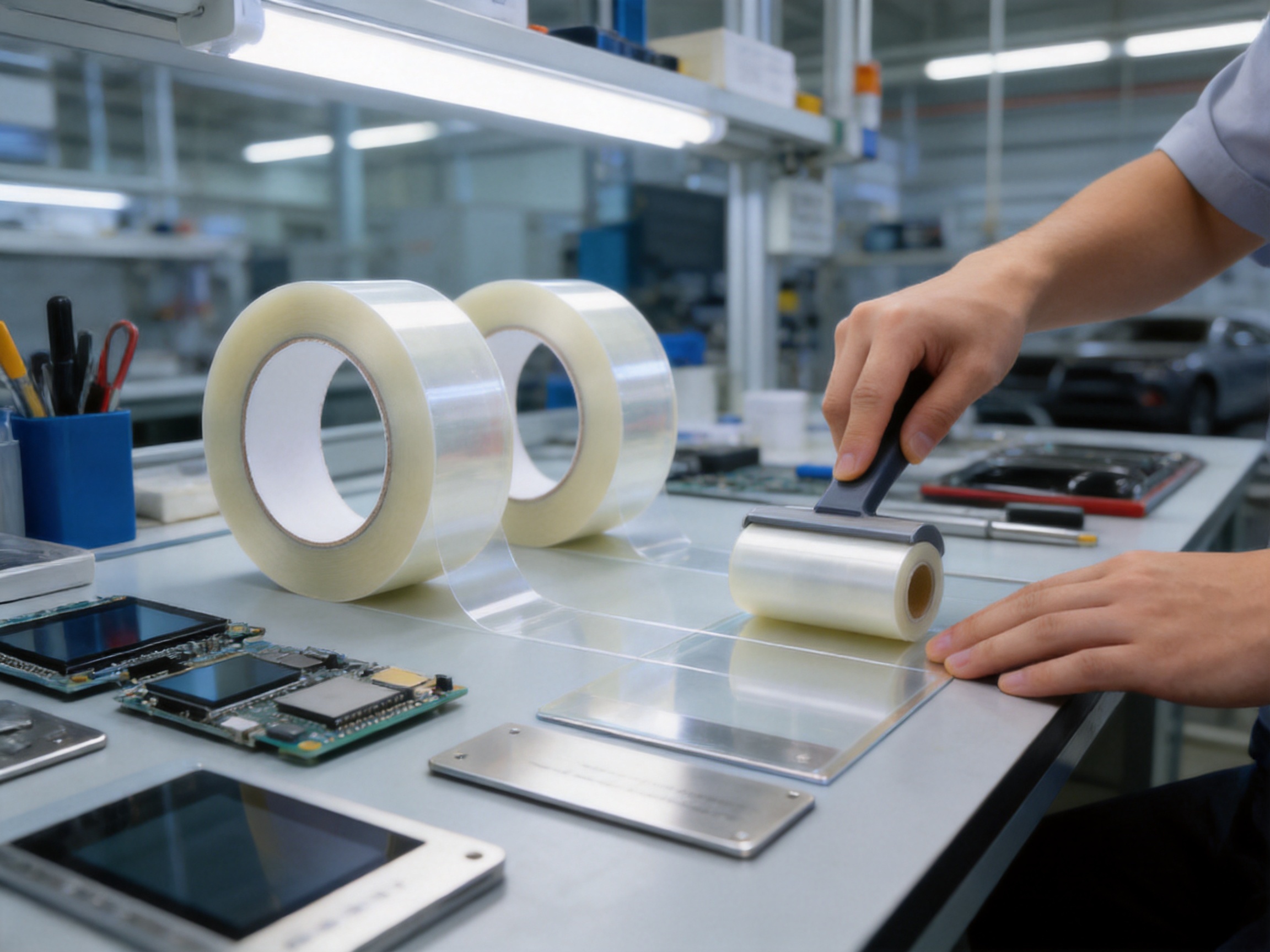
Electronics manufacturing often requires thin, reliable, and clean bonding materials. PET double-sided tape can be used for internal component fixation in mobile devices, LCD module assembly, label backing, membrane switches, small plastic parts, insulation-related positioning, and mounting of light components. Its thin profile and stable carrier make it suitable for compact assemblies.
In mobile devices and display modules, space is limited. Components must be fixed securely without adding unnecessary thickness. PET double-sided tape provides a slim bond line and can be die-cut into precise shapes. The PET carrier helps maintain shape integrity during die-cutting and placement, which is essential for automated or semi-automated assembly.
Electronics also demand cleanliness. Loose fibers, torn tape fragments, and adhesive contamination can affect product quality. Compared with paper or tissue carriers, PET film reduces the risk of fiber shedding and tearing. This makes it more suitable for sensitive assemblies where clean processing is required.
Applications in Industrial Manufacturing
In industrial manufacturing, PET double-sided tape can be used for bonding and splicing plastic parts, metal parts, acrylic sheets, decorative panels, insulation materials, and assembly aids. It supports permanent or semi-permanent bonding where a thin adhesive layer is preferred. It can also be used as a process material for temporary positioning before additional assembly steps.
Plastic and metal components often have different thermal expansion rates. A stable tape carrier and reliable adhesive layer can help manage moderate stress while maintaining part position. The tape is especially useful for lightweight components where mechanical fasteners would be unnecessary, expensive, or visually undesirable.
For acrylic panels and rigid plastics, the transparent or translucent appearance of PET double-sided tape is beneficial. It supports clean bonding without obvious adhesive lines. For manufacturers of display products, protective covers, signs, and decorative components, this combination of clarity and strength can improve final product quality.
Applications in Signage and Nameplates
Signage and nameplates require strong adhesion, clean appearance, and long-term dimensional stability. PET double-sided tape is well suited for mounting rigid plastic or metal signs because it provides a flat bond line and resists tearing during application. It can be cut to match the shape of the sign or applied in strips behind the panel.
For nameplates, alignment is critical. A tape that stretches during application may cause uneven placement or distorted edges. PET film’s dimensional stability helps maintain precise shape and positioning. This is especially useful for serial plates, product labels, equipment identification tags, and decorative emblems.
The tape also supports cleaner production than liquid adhesive. Workers can apply pre-cut tape pieces, remove the release liner, and press the nameplate into position. This reduces drying time, adhesive overflow, and cleanup. It also improves consistency between products.
Applications in Automotive Interiors
Automotive interiors require adhesive materials that can withstand temperature variation, vibration, and repeated use. PET double-sided tape can be applied to interior trim panels, decorative strips, labels, small modules, and lightweight components. Its strong carrier and acrylic adhesive system support stable attachment in many interior environments.
Temperature resistance is important because vehicle interiors can experience significant heat during sunlight exposure and cold during winter conditions. While exact performance depends on adhesive variant and application design, PET double-sided tape generally offers useful resistance within a broad temperature range. Its dimensional stability helps prevent movement and lifting under changing conditions.
Automotive interiors also demand a clean appearance. Visible screws or clips may not be desirable for decorative trim. Tape bonding creates hidden attachment points, contributing to smooth surfaces and modern design. PET double-sided tape’s thin profile is useful when trim must sit closely against the substrate.
Manufacturing Strengths Behind Reliable Tape Quality
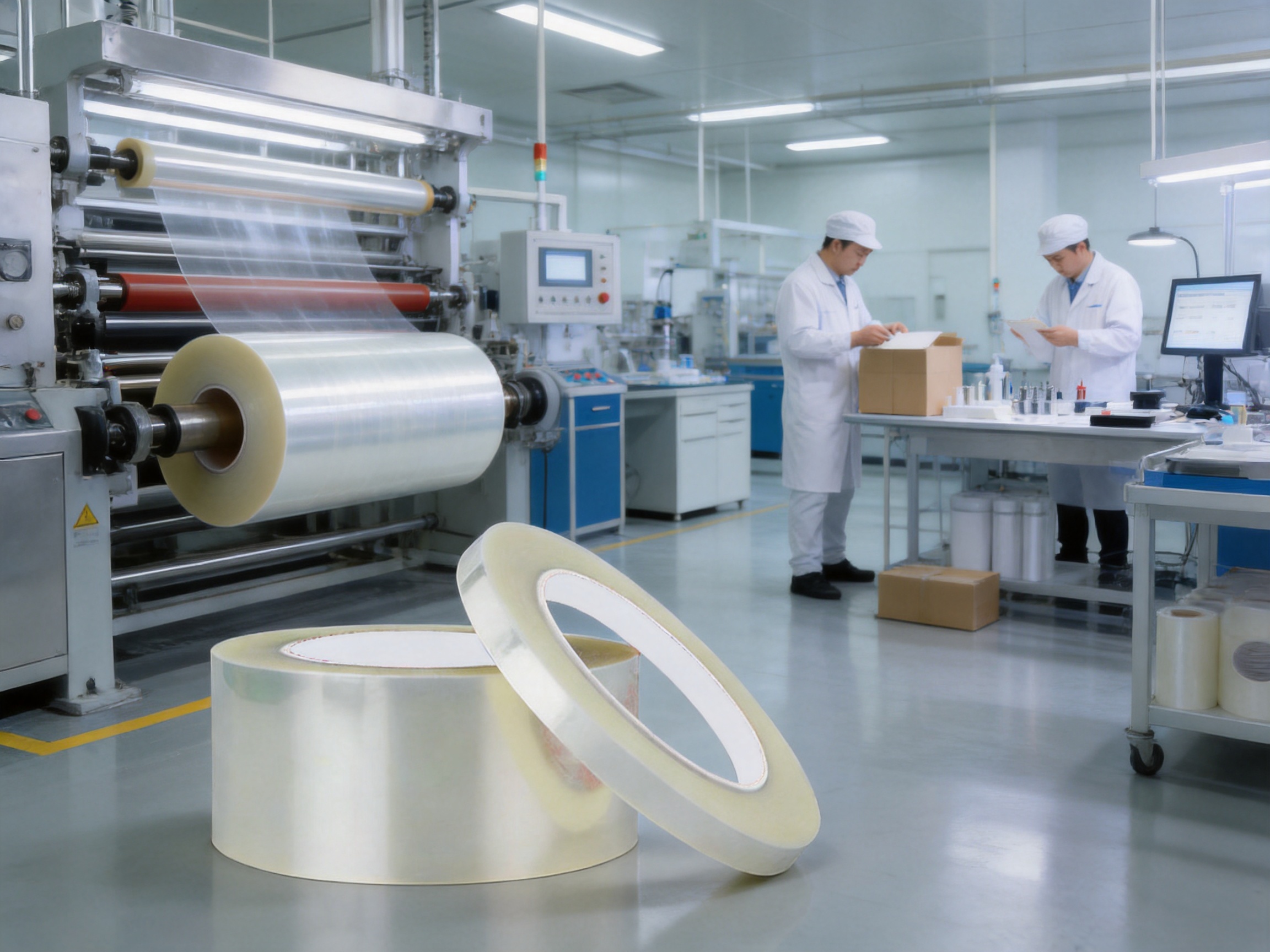
Producing reliable PET double-sided tape requires more than selecting a strong carrier and adhesive. It involves controlled coating, drying, lamination, slitting, inspection, packaging, and storage. Zhejiang Geruite Packaging Materials Co., Ltd. emphasizes quality as the lifeline of the company and applies rigorous control from raw material procurement to final inspection.
Raw material selection is the first step. PET film must have consistent thickness, tensile strength, surface quality, and cleanliness. Adhesive raw materials must be formulated and controlled to achieve the desired tack, peel strength, holding power, temperature resistance, and aging behavior. Release liners must unwind smoothly and separate cleanly without damaging the adhesive.
Coating technology is central to double-sided tape performance. Adhesive must be applied evenly across the PET film. Uneven coating can cause weak spots, edge lifting, bubbles, or inconsistent adhesion. Advanced coating equipment helps maintain uniform adhesive distribution and thickness control. This directly affects product reliability during bonding.
Drying and curing control also matter. If adhesive is not dried properly, the tape may show poor stability, odor, blocking, or inconsistent adhesion. If drying is excessive or uncontrolled, adhesive performance may be affected. A disciplined manufacturing process ensures the adhesive layer reaches the intended condition before lamination and winding.
Lamination must be performed with proper tension and alignment. PET film, adhesive layers, and release liners must be combined without wrinkles, air pockets, or distortion. Tension control is especially important because even a strong PET film can be affected by poor handling during production. Consistent winding tension prevents roll deformation and supports clean unwinding by the customer.
Slitting and rewinding are equally important. Industrial customers often require precise roll widths, clean edges, and stable roll structure. Poor slitting can create edge burrs, dust, uneven winding, or telescoping rolls. Strong manufacturing control helps ensure that the final tape roll is easy to process, die-cut, and apply.
Quality Control and Testing
Quality control is necessary because tape performance depends on measurable physical and adhesive properties. Thickness testing confirms whether the product meets specification. Peel testing measures adhesion strength. Holding power testing evaluates resistance to sustained load. Initial tack testing helps determine handling behavior. Visual inspection checks coating uniformity, surface defects, and liner condition.
By applying recognized standards such as GB/T7125, GB/T4852, GB/T2792, and GB/T4851, manufacturers can evaluate product performance in a structured way. These standards provide test methods that support comparison, internal control, and customer communication. While application testing remains important for specific substrates, standardized data helps buyers make informed decisions.
Zhejiang Geruite Packaging Materials Co., Ltd. benefits from experience across multiple packaging and adhesive product categories. This wider production background supports knowledge of film processing, adhesive behavior, roll handling, and packaging requirements. A company that understands both adhesive tapes and packaging materials can better serve customers who need integrated material solutions.
Company Capabilities and Industrial Service Value
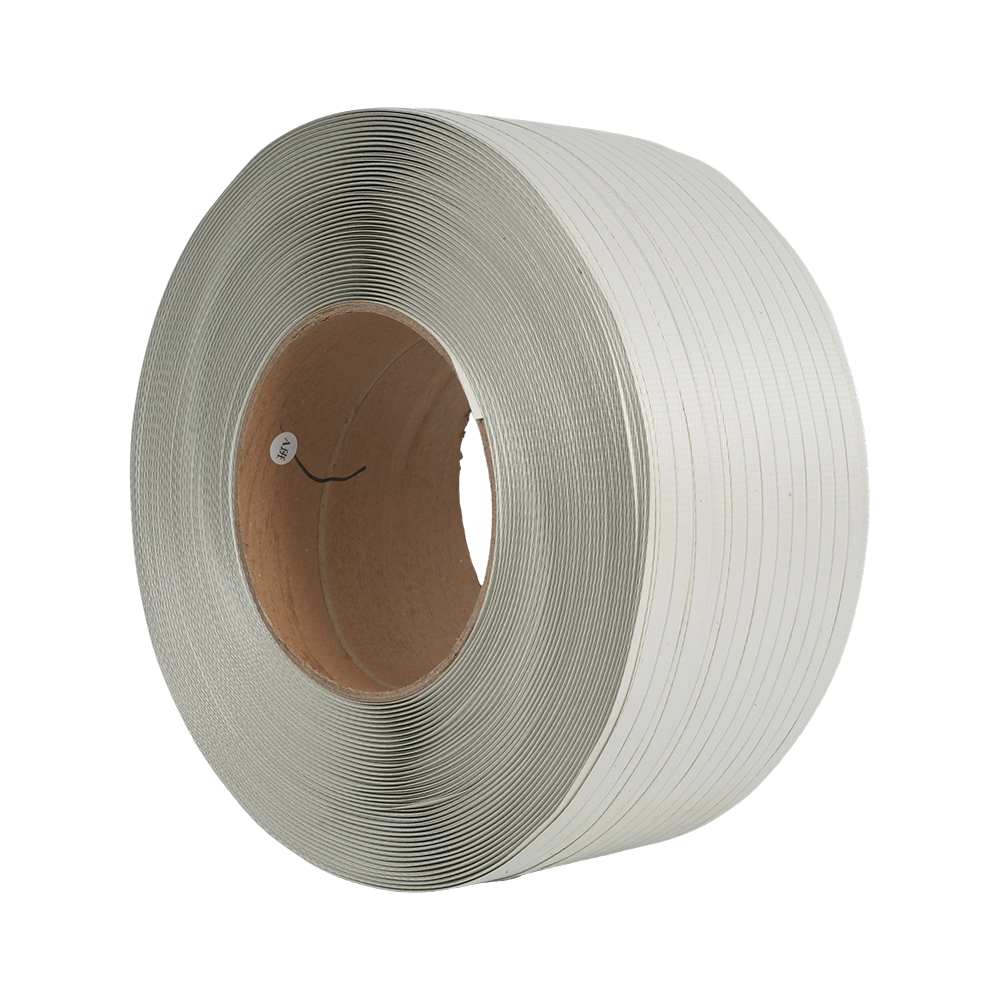
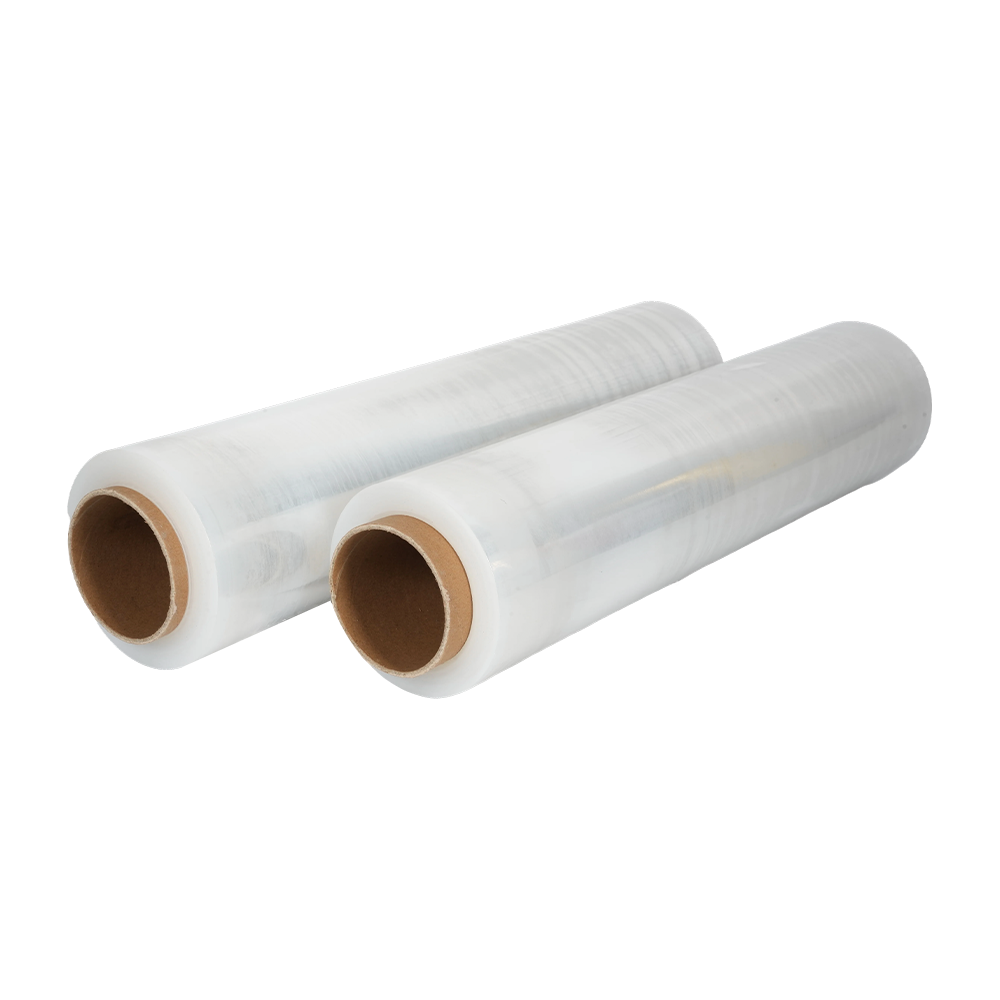
Zhejiang Geruite Packaging Materials Co., Ltd. is located in Zhejiang Province, China, a region known for developed manufacturing and strong industrial supply chains. The company’s business covers research, development, production, and sales of high-performance tapes and packaging materials. Its product range includes BOPP tapes, kraft paper tapes, masking tapes, high-temperature resistant tapes, metal tapes, PE stretch film, PP strapping, and high-strength PET strapping.
This broad portfolio is valuable for customers who need more than one packaging or bonding product. A factory may require PET double-sided tape for assembly, BOPP tape for carton sealing, stretch film for pallet wrapping, and PET strapping for cargo stabilization. Working with a supplier that understands these categories can simplify procurement and improve material coordination.
The company’s annual output value has reached more than RMB 60 million, reflecting production scale and market demand. Scale can support stable supply, cost control, and continuous improvement. For industrial customers, reliable supply is as important as product performance. A strong tape is only useful if it can be delivered consistently when production requires it.
The company’s emphasis on advanced production equipment and rigorous quality control supports product stability. In adhesive tape manufacturing, consistency is a major competitive advantage. Customers do not only want one good roll; they need every roll to perform predictably. Consistent thickness, adhesion, release behavior, and roll quality reduce production variation and support customer confidence.
Why PET Double-Sided Tape Improves Production Efficiency
Efficiency in assembly is influenced by material handling, preparation time, application speed, rework rate, and final inspection results. PET double-sided tape contributes to efficiency by being clean, easy to apply, and suitable for pre-cut shapes. It avoids mixing, drying, dispensing, and cleanup associated with liquid adhesives.
The tape can be converted into rolls, sheets, strips, or die-cut parts according to production needs. Die-cut PET double-sided tape is especially useful for electronics and nameplate assembly. Operators can quickly remove a liner and place the adhesive part with consistent shape and coverage. This improves repeatability and reduces dependence on manual adhesive dispensing skill.
Non-tearing performance also improves efficiency. If a tape breaks during application or liner removal, production slows. PET film carrier reduces breakage risk and supports smoother handling. This is particularly valuable in high-volume assembly, where small material problems can accumulate into significant downtime.
Surface Preparation and Application Guidelines
For best performance, substrates should be clean, dry, and free from oil, dust, moisture, release agents, or loose particles. Even a high-quality tape cannot perform well on a contaminated surface. Cleaning with suitable methods and allowing surfaces to dry completely can significantly improve bond reliability.
The recommended application temperature is generally room temperature, approximately 15℃ to 35℃. At low temperatures, pressure-sensitive adhesives may become firmer and less able to wet the substrate surface. At very high temperatures, handling may become more difficult. Applying tape within the recommended range supports better initial contact and bonding.
Pressure is essential. After placement, firm and even pressure should be applied to ensure full contact between adhesive and substrate. Pressure helps the adhesive flow into microscopic surface irregularities, improving bond strength. Rollers, presses, or manual pressure tools may be used depending on the part size and production method.
Dwell time should also be considered. Many pressure-sensitive adhesives build adhesion over time. A bond may become stronger after minutes or hours as the adhesive wets the surface more completely. When designing a process, manufacturers should allow appropriate dwell time before applying load, performing tests, or packaging finished products.
Storage Recommendations
Proper storage helps maintain adhesive performance and liner behavior. PET double-sided tape should be stored in a cool, dry place away from direct sunlight. Recommended storage conditions are typically 20℃ to 30℃ and 40% to 60% relative humidity. Excessive heat, humidity, or sunlight may affect adhesive stability and roll quality.
The typical shelf life is 12 to 24 months from the date of manufacture under recommended storage conditions. To manage inventory effectively, customers should follow first-in, first-out practices. Rolls should remain in original packaging until use to protect them from dust and environmental exposure.
Before use, tape stored in cold conditions should be allowed to return to room temperature. This prevents condensation and improves adhesive handling. Good storage and handling practices help ensure that the tape performs as intended when applied.
Design Considerations for Selecting PET Double-Sided Tape
Selecting the correct tape requires evaluating substrate materials, surface energy, application temperature, service temperature, load direction, required thickness, appearance needs, and expected lifetime. PET double-sided tape is excellent for stable, thin, high-strength carrier requirements, but the adhesive variant should match the application.
High-surface-energy materials such as stainless steel, aluminum, glass, and some rigid plastics are generally easier to bond. Low-surface-energy materials such as polyethylene and polypropylene may require special adhesive formulations or surface treatment. Testing on actual materials is always recommended before full-scale production.
Load direction is important. Peel forces are more challenging for adhesive tapes than shear forces. A design that keeps the tape mainly in shear will usually perform better than one that exposes edges to peeling. Rounded corners, sufficient bonding area, and protected edges can improve durability.
Thickness should match the surface condition. A thinner PET tape is ideal for flat, smooth substrates and precise assemblies. If surfaces are rough or uneven, a thicker adhesive layer or different tape construction may be needed. PET double-sided tape works best when the bond surfaces are relatively smooth and can make full contact.
Environmental and Process Benefits
PET double-sided tape supports cleaner assembly compared with many liquid adhesives. It reduces the need for open adhesive containers, brushes, mixing tools, and solvent cleanup. This can improve workplace cleanliness and reduce process complexity. In many cases, tape also supports more precise adhesive usage because the adhesive amount is controlled by coating thickness and die-cut geometry.
The tape can also reduce the need for mechanical fasteners, which may lower part count and simplify assembly. Fewer fasteners can mean fewer holes, less drilling, less vibration noise, and a more refined product appearance. For lightweight parts, tape bonding may offer an efficient alternative while preserving design flexibility.
Because PET double-sided tape can be applied quickly and consistently, it supports lean manufacturing principles. It can help reduce waiting time, minimize rework, and support standardized work instructions. These process advantages are part of the reason double-sided tapes are widely used in electronics, automotive, signage, and general industrial assembly.
Competitive Strength in the Adhesive Tape Market
The adhesive tape market includes many product types, each suited to different needs. PET double-sided tape stands out when customers need a thin bond line, high carrier strength, non-tearing behavior, good dimensional stability, and clean appearance. Its advantage is not based on one single property, but on the balance of properties that support dependable manufacturing.
Competitors using weaker carriers may offer lower-cost options, but those products may create hidden costs through tearing, rework, poor die-cutting performance, or inconsistent appearance. A tape that performs reliably can reduce total production cost even if its unit price is higher. For industrial buyers, total value includes labor efficiency, defect reduction, production stability, and customer satisfaction.
Compared with bulkier bonding methods, PET double-sided tape helps designers create slimmer and cleaner products. Compared with liquid adhesives, it improves process control. Compared with mechanical fastening, it improves appearance and distributes stress more evenly. This makes it a practical and competitive choice for many modern applications.
Frequently Asked Questions
What is PET double-sided tape?
PET double-sided tape is an adhesive tape made with a polyester film carrier coated on both sides with pressure-sensitive adhesive. The PET carrier provides tensile strength, dimensional stability, and resistance to tearing, while the adhesive layers bond two surfaces together.
Why is PET used as the carrier?
PET is used because it is strong, stable, smooth, and resistant to stretching and tearing. These properties help the tape maintain shape during application, die-cutting, and service. PET also supports a thin and clean bond line.
How is it different from tissue double-sided tape?
Tissue double-sided tape is often softer and easier to tear, while PET double-sided tape has a stronger film carrier. PET tape is better for applications that require non-tearing performance, precise converting, and higher dimensional stability.
What applications are suitable for this tape?
Common applications include electronics assembly, LCD module bonding, label backing, plastic and metal part bonding, acrylic panel mounting, signage, nameplates, automotive interior trim, and decorative strips.
What surfaces can it bond?
It can bond many clean and dry surfaces, including metal, plastic, acrylic, glass, painted parts, and coated materials. Actual performance depends on surface energy, cleanliness, pressure, temperature, and adhesive formulation.
Does PET double-sided tape resist high temperatures?
It generally withstands short-term exposure from approximately -20℃ to 120℃, depending on the adhesive variant and application conditions. Customers should test the tape under real service conditions before large-scale use.
Why is pressure important during application?
Pressure ensures full contact between the adhesive and substrate. Better contact improves adhesive wet-out and increases bonding strength. Firm, even pressure is recommended after placement.
How should the tape be stored?
It should be stored in a cool, dry place away from direct sunlight, preferably at 20℃ to 30℃ and 40% to 60% relative humidity. Under recommended conditions, shelf life is typically 12 to 24 months.
Can the tape be die-cut?
Yes. PET double-sided tape is well suited for die-cutting because the polyester carrier maintains shape and resists tearing. This makes it useful for electronics, labels, nameplates, and precision assembly parts.
Why choose Zhejiang Geruite Packaging Materials Co., Ltd. as a supplier?
The company offers broad experience in adhesive tapes and packaging materials, advanced production equipment, rigorous quality control, and a wide product portfolio. Its manufacturing strengths support stable product quality and reliable supply for industrial customers.
Conclusion
PET double-sided tape is a practical, high-performance bonding solution for industries that require strength, precision, clean appearance, and reliable handling. Its polyester film carrier gives it a strong advantage over many conventional double-sided tapes, particularly where non-tearing performance and dimensional stability are required. Combined with acrylic pressure-sensitive adhesive, the tape provides dependable adhesion for electronics, industrial manufacturing, signage, nameplates, automotive interiors, and decorative assemblies.
The product’s value extends beyond adhesion alone. It supports cleaner workflows, faster assembly, die-cut precision, reduced rework, and improved product appearance. These benefits help manufacturers improve production efficiency and final product quality. For buyers comparing adhesive solutions, PET double-sided tape offers a balanced combination of technical performance and practical manufacturing value.
Zhejiang Geruite Packaging Materials Co., Ltd. strengthens this value through manufacturing experience, advanced equipment, quality control, and a broad packaging materials portfolio. With a commitment to product stability and customer-oriented service, the company is positioned to support industrial customers seeking reliable adhesive tape and packaging material solutions.
References
GB/T7125-2014, Test Method for Thickness of Pressure-Sensitive Adhesive Tapes.
GB/T4852-2002, Test Method for Tack of Pressure-Sensitive Adhesive Tapes by the Rolling Ball Method and Inclined Plane Method.
GB/T2792-1998, Test Method for Peel Adhesion Properties of Pressure-Sensitive Adhesive Tapes.
GB/T2792-2014, Test Method for Peel Adhesion of Adhesive Tapes.
GB/T4851-2014, Test Method for Holding Power of Pressure-Sensitive Adhesive Tapes.
Pressure-Sensitive Tape Council, Technical Guide to Pressure-Sensitive Adhesive Tape Performance.
Handbook of Pressure-Sensitive Adhesive Technology, industry reference on adhesive formulation, coating, and tape performance.
Product: PET double-sided tape


CONTACT DETAILS
- Address:No. 241, Yaojiafan, Zhangpanqiao, Shushan Street, Xiaoshan District, Hangzhou City, Zhejiang Province, China
- TEL:+86-0571-83175630
- Phone:+86-13336160217
- Email:anqiaocun@163.com
PRODUCTS
NEWS CENTER
MOBILE TERMINAL
Copyright© Zhejiang Geruite Packaging Materials Co., Ltd. All Rights Reserved.
Privacy Wholesale industrial packaging tape Manufacturers