


 English
  Español
  عربى
عربى 
Low-Residue Fiberglass Tape for Clean, Strong Industrial Assembly
Content
- 1 1. The Role of Fiberglass Tape in Industrial Manufacturing
- 2 2. Product Construction and Functional Design
- 3 3. Key Technical Characteristics
- 4 4. Main Advantages Compared with Conventional Alternatives
- 5 5. Applications in Household Appliance Manufacturing
- 6 6. Electronics, Electrical, and Industrial Assembly Uses
- 7 7. Manufacturing Strengths Behind the Product
- 8 8. Surface Preparation and Application Procedure
- 9 9. Storage, Handling, and Shelf-Life Considerations
- 10 10. Quality Assurance and Application Validation
- 11 11. How the Product Can Improve Production Efficiency
- 12 12. Selecting 317G Against Different Tape Types
- 13 13. Total Cost of Ownership
- 14 14. Responsible Use and Technical Limitations
- 15 15. Manufacturing and Supply Partnership
- 16 16. Recommended Qualification Workflow
- 17 17. Frequently Asked Questions
- 17.1 Q1: What is 317G Low-Residue Fiberglass Tape?
- 17.2 Q2: Is the tape intended for permanent bonding?
- 17.3 Q3: What materials can it adhere to?
- 17.4 Q4: Does the tape leave absolutely no residue?
- 17.5 Q5: What is the product thickness?
- 17.6 Q6: How strong is the fiberglass backing?
- 17.7 Q7: How much does the tape stretch?
- 17.8 Q8: Can it be used in electronics and electrical assemblies?
- 17.9 Q9: Can it be used on household appliance housings?
- 17.10 Q10: What storage conditions are recommended?
- 17.11 Q11: What should be done before applying the tape?
- 17.12 Q12: Is the tape flame retardant?
- 17.13 Q13: What makes fiberglass tape different from ordinary packaging tape?
- 17.14 Q14: Can one tape replace all other tapes in a factory?
- 17.15 Q15: Can customers request customized sizes?
- 17.16 Q16: Why is supplier process control important?
- 18 18. Conclusion
- 19 References
- 20 Product: 317G Low-residue fiberglass tape
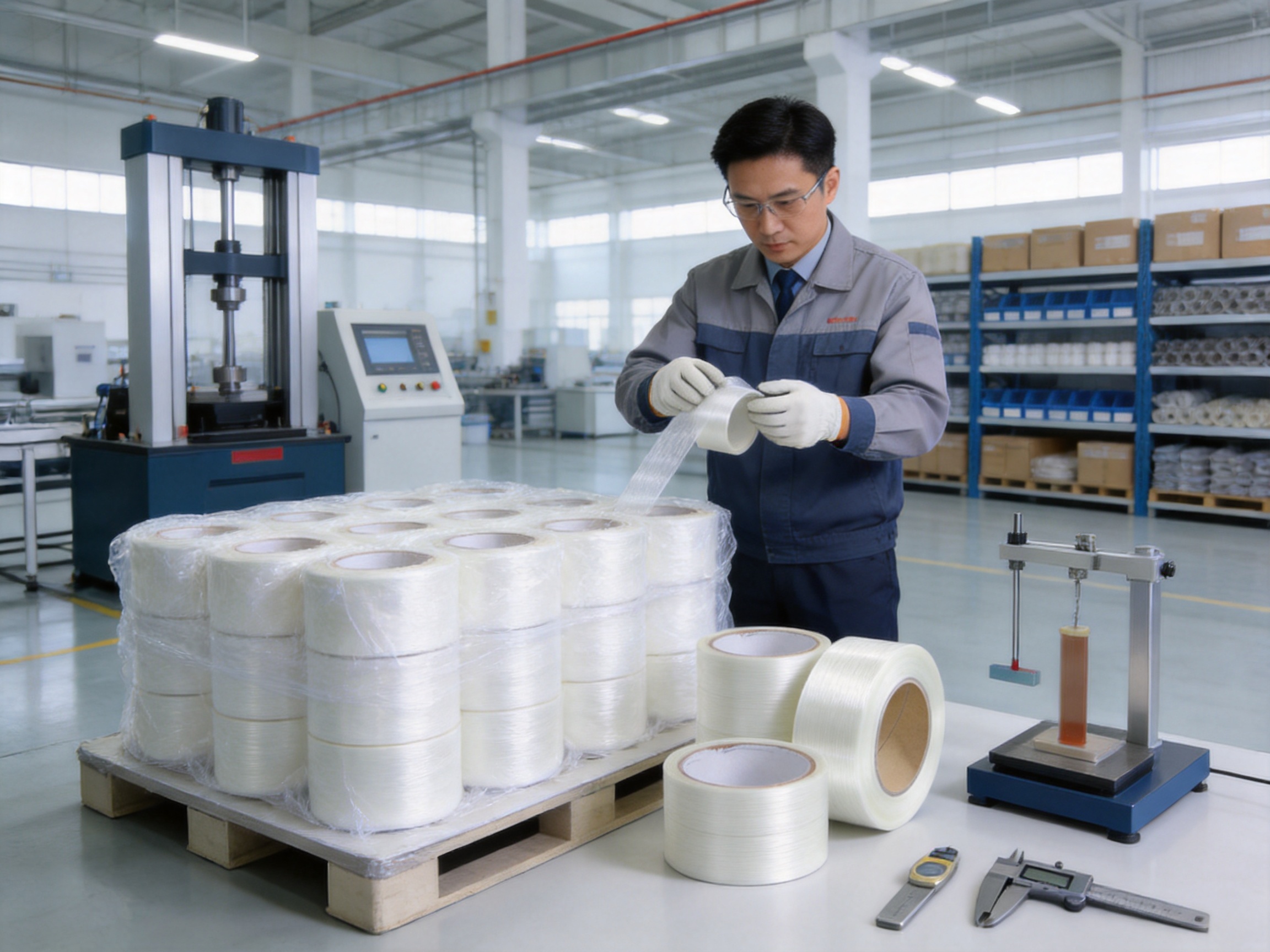
Modern manufacturing depends on materials that can perform reliably without creating additional cleaning, rework, or quality-control problems. Adhesive tape is often used for temporary fixing, wire harness bundling, insulation support, masking, surface protection, and component positioning. Although these tasks may appear simple, the tape selected for them can affect production speed, product appearance, electrical safety, worker efficiency, and the condition of the substrate after removal.
317G Low-Residue Fiberglass Tape is designed for industrial applications that require dependable adhesion, high mechanical strength, dimensional stability, and cleaner removal than many conventional pressure-sensitive tapes. It combines a high-strength fiberglass cloth backing with a low-residue acrylic adhesive. This construction gives the tape a useful balance between holding power during assembly and reduced adhesive transfer when the tape is peeled away.
The product is especially suitable for household appliance manufacturing, electronics and electrical assembly, industrial production, temporary masking, protective fixing, and wire harness bundling. It is engineered to adhere to a broad range of surfaces, including metals, glass, stainless steel, aluminum alloy, polycarbonate, and ABS. Its ability to work with both high surface energy and selected lower surface energy materials can help manufacturers simplify tape selection and reduce the number of different products maintained on a production line.
Behind the product is Zhejiang Geruite Packaging Materials Co., Ltd., a packaging-material manufacturer based in Hangzhou, Zhejiang Province, China. The company focuses on the research, production, and sales of adhesive tapes, stretch films, strapping products, and related packaging materials. Its product portfolio and manufacturing experience support applications ranging from logistics and express delivery to household goods, electronics, construction, industrial manufacturing, cargo stabilization, and packaging protection.
1. The Role of Fiberglass Tape in Industrial Manufacturing
Fiberglass tape is valued because its reinforcement structure provides mechanical performance that ordinary paper, film, or lightly reinforced plastic tapes may not offer. Fiberglass filaments or woven fiberglass cloth can resist stretching, tearing, and puncture while maintaining a relatively stable shape under load. This makes fiberglass tape appropriate for jobs in which the tape must hold components in position or bundle materials without excessive elongation.
In a production environment, tape may be applied manually or through a semi-automatic process. It may need to hold a wire group during assembly, secure insulation material before a housing is closed, protect a surface from scratches, or temporarily position a printed circuit board. The tape must remain attached during handling but should not damage the component or leave substantial adhesive contamination when removed.
317G Low-Residue Fiberglass Tape addresses these requirements through the combination of a strong cloth backing and a specially formulated acrylic pressure-sensitive adhesive. The backing contributes tensile strength, tear resistance, puncture resistance, and dimensional stability. The adhesive contributes initial tack, holding power, and compatibility with a variety of substrates.
This combination differentiates the product from tapes that are strong but difficult to remove, tapes that remove cleanly but lack sufficient tensile strength, and general-purpose tapes that adhere well to one surface type but perform poorly on another. The result is a practical industrial tape for processes in which cleanliness and mechanical reliability are equally important.
2. Product Construction and Functional Design
2.1 High-Strength Fiberglass Cloth Backing
The backing is made from high-strength fiberglass cloth. Unlike a thin unsupported film, fiberglass cloth has a reinforcement structure that helps the tape maintain its shape when pulled, wrapped, or applied over edges. It is less likely to elongate excessively during installation, which is important when consistent tension and accurate positioning are required.
Low elongation is useful in wire harness bundling and temporary component fixing. If a tape stretches too easily, the operator may have difficulty controlling the bundle diameter or maintaining the intended position of the part. Excessive stretch can also reduce the predictability of the finished assembly. The stated elongation at break for 317G is 7%, indicating a relatively controlled level of extension for a pressure-sensitive reinforced tape.
The fiberglass structure also improves resistance to tearing. A tape that begins to split at the edge can become difficult to remove or may fail before the assembly process is complete. Fiberglass reinforcement helps maintain integrity during application, handling, and removal. It can also provide additional protection against puncture from corners, edges, and ordinary handling contact.
2.2 Low-Residue Acrylic Adhesive
The adhesive is a low-residue acrylic pressure-sensitive adhesive. Pressure-sensitive adhesives are designed to bond when pressure is applied, without requiring water, solvent activation, or heat curing under normal use. This supports fast application on manufacturing lines and allows workers to position tape efficiently.
The low-residue characteristic is central to the product’s value. After the tape is removed, the adhesive is formulated to reduce glue transfer on most suitable surfaces. Cleaner removal can lower the need for solvent wiping, reduce labor associated with post-assembly cleaning, and help protect the appearance of finished components.
Residue performance depends on several factors, including substrate type, surface energy, application pressure, dwell time, temperature, humidity, storage condition, and removal angle. For this reason, the product should be tested on the actual materials and under the actual process conditions before full-scale use. Nevertheless, the adhesive design provides a strong starting point for applications where conventional high-residue tapes create unnecessary maintenance work.
2.3 White Standard Color
The standard color is white. A white backing provides clear visibility during application and inspection. Operators can readily identify the tape against many dark, metallic, or colored components. It can also make tears, overlaps, and edge alignment easier to see during assembly.
Color selection may be important in quality-control procedures. When a tape is used to mark a temporary fixing point or protect a particular area, a visible color helps production personnel verify whether the tape has been applied correctly and whether it has been removed before final packaging or shipment.
3. Key Technical Characteristics
The following values are typical product data supplied for 317G Low-Residue Fiberglass Tape. They should be used as reference values rather than absolute guarantees for every production batch or application. Final performance can vary according to test conditions, substrate, application technique, and environmental exposure.
| Test Item | Reference Standard | Typical Value | Practical Significance |
|---|---|---|---|
| Total Thickness | GB/T 7125-2014 | 0.155 mm | Provides a balance between conformability, handling strength, and protection |
| Initial Tack | GB/T 4852-2002 | No. 12 steel ball | Indicates reliable initial contact and positioning performance |
| 180-Degree Peel Strength | GB/T 2792-2014 | 17.8 N/25 mm | Shows the force required to peel the tape from a tested surface |
| Tensile Strength | GB/T 7753-87 | 978 N/in | Supports bundling, fixing, and handling applications requiring high strength |
| Elongation at Break | GB/T 7753-87 | 7% | Indicates controlled stretch and dimensional stability |
At approximately 0.155 millimeters, the tape is substantial enough for industrial handling without becoming unnecessarily bulky. Thickness affects how the product wraps around objects, passes over edges, conforms to contours, and fits within assemblies. The selected thickness can be useful where a manufacturer needs more reinforcement than a thin general-purpose tape but does not want the excessive profile of a thick protective laminate.
The initial tack result of No. 12 steel ball indicates a useful level of immediate adhesive contact under the stated test method. Initial tack is important when an operator needs the tape to remain in place immediately after application. It can reduce the risk of the tape lifting before pressure-sensitive bonding has developed fully.
The typical 180-degree peel strength is 17.8 N/25 mm. Peel strength is influenced by the substrate and test conditions, but this value indicates meaningful adhesion for industrial fixing and temporary holding. The tape is not merely a loose wrapping material; it is designed to create a dependable bond across suitable surfaces.
The stated tensile strength of 978 N/in reflects the contribution of the fiberglass cloth backing. A strong backing is particularly valuable when the tape is pulled tightly around a bundle or when the applied strip must resist handling forces. The 7% elongation at break further indicates that the tape is intended to remain relatively stable rather than stretching substantially during use.
4. Main Advantages Compared with Conventional Alternatives
4.1 Cleaner Removal and Lower Maintenance Demand
One of the most important advantages is the low-residue adhesive formulation. In many manufacturing processes, tape is applied temporarily but remains on the product long enough for adhesive transfer to become a concern. When conventional tape leaves a visible or sticky layer, workers may need to wipe the surface with a cleaning agent, scrape away adhesive, or repeat the process when the residue attracts dust.
Low-residue removal can improve line efficiency in several ways. It may shorten post-assembly cleaning, reduce consumption of solvents and wipes, simplify inspection, and lower the risk of surface damage caused by aggressive cleaning. It can also help finished products maintain a cleaner appearance, particularly when the tape is used on visible housing components, metal panels, glass, or decorative surfaces.
Compared with high-tack tapes developed primarily for permanent bonding, 317G is better suited to applications where holding power is required for a defined period but the tape is not intended to remain as a permanent part of the product. This makes it an attractive option for temporary assembly, protective masking, and process-stage fixing.
4.2 Stronger and More Stable than Ordinary Non-Reinforced Tape
Many ordinary packaging or utility tapes are designed for light-duty sealing and may stretch, split, or tear when used for industrial bundling. The fiberglass cloth backing of 317G provides a higher-strength structure for tasks that involve pulling, wrapping, or mechanical handling.
When a tape is used to secure wire harnesses, insulation materials, or components during assembly, dimensional stability can be more important than simple adhesive strength. A tape that does not stretch excessively can help preserve spacing and alignment. It also provides more predictable behavior when applied by different operators.
Compared with paper-backed masking tape, fiberglass tape generally offers higher tensile strength and better resistance to tearing. Compared with unsupported plastic film tape, its cloth reinforcement may provide more reliable resistance to puncture and splitting. Compared with some highly elastic tapes, its lower elongation helps prevent uncontrolled deformation.
4.3 Broad Substrate Compatibility
Industrial products often contain multiple materials in the same assembly. A household appliance may combine painted steel, stainless steel, aluminum alloy, plastic housings, glass, foam, insulation, and wiring. If one tape works only on metal while another works only on plastic, the production line may need multiple tape specifications, increasing inventory and creating opportunities for operator error.
317G is designed to provide reliable adhesion on a range of materials, including stainless steel, aluminum alloy, polycarbonate, and ABS. It is also described as compatible with both high surface energy materials and selected low surface energy materials. This broad compatibility can help manufacturers consolidate some tape requirements, although actual testing remains necessary for each substrate formulation and surface treatment.
Substrate compatibility is not determined by material name alone. A plastic part may contain mold-release residue, additives, coatings, or textured areas that affect adhesion. Metal may be oily, oxidized, painted, anodized, or powder-coated. The tape’s broad compatibility is therefore a practical advantage, but proper surface preparation and validation are still essential.
4.4 Useful Electrical and Thermal Characteristics
The product features electrical insulation and good temperature resistance as described in the supplied product information. These properties support medium-strength insulation and fixing tasks in electronics, electrical assemblies, and household appliances.
Fiberglass reinforcement is naturally associated with dimensional stability and thermal resistance compared with many ordinary paper backings. The product information also indicates flame retardancy subject to the specific grade. Because flame performance can depend on the exact construction and applicable test method, purchasers should confirm the required grade and documentation when flame retardancy is a mandatory design criterion.
These characteristics make 317G useful for process support around electrical parts, wire groups, insulation materials, and housings. However, the tape should not automatically be treated as a substitute for a certified electrical insulation system, fire barrier, or permanent high-temperature bonding product. Application-specific validation is necessary whenever safety or regulatory performance is involved.
5. Applications in Household Appliance Manufacturing
5.1 Wire Harness Bundling
Household appliances commonly contain multiple wires that must be routed, grouped, and held during assembly. A tape used for harness bundling must provide sufficient strength to keep wires organized while avoiding excessive stretch. The fiberglass backing of 317G helps the operator create a stable wrap, while the pressure-sensitive adhesive provides immediate attachment.
The low-residue characteristic is valuable when the tape is removed after the harness has been secured by clips, channels, connectors, or the appliance housing. Cleaner removal may reduce the possibility of adhesive contamination on wires, plastic surfaces, or nearby components. It may also simplify repair and maintenance if temporary tape must be removed during service operations.
When bundling wires, the tape should not be wrapped so tightly that it damages insulation or restricts movement needed for vibration control. The correct overlap, tension, and removal procedure should be defined through process trials. The tape should also be kept away from surfaces that are contaminated with oil, dust, or mold-release material.
5.2 Temporary PCB Positioning
During appliance assembly, a printed circuit board may need temporary positioning before screws, brackets, clips, or other permanent retention methods are installed. 317G can help hold the board or a related insulation component in place during handling and alignment.
The tape’s dimensional stability is helpful when the position of the board must remain consistent while other parts are installed. Its low-residue adhesive is also relevant because circuit boards and electronic assemblies can be sensitive to contamination. The product is described as suitable for medium-strength insulation and fixing in electronics and electrical applications, but compatibility should always be checked with solder masks, conformal coatings, component housings, and other board materials.
For PCB positioning, operators should avoid covering areas that must remain clean for soldering, inspection, thermal dissipation, or electrical contact. Removal should be performed slowly and at a controlled angle to reduce stress on components and connectors.
5.3 Fixing Insulation Materials
Insulation materials can shift during assembly before they are compressed, clipped, screwed, or enclosed. Temporary tape can hold these materials in their intended position and prevent misalignment during housing installation.
317G offers a combination of strong backing and practical adhesion for this type of process support. The tape can be applied to hold edges, secure overlapping insulation, or maintain the position of a flexible insulating layer. Because it is relatively stable and resistant to tearing, it can remain intact while the surrounding assembly is moved through several production stages.
Before use, the manufacturer should determine whether the adhesive is compatible with the insulation material, especially when the material has a porous, fibrous, coated, or low-energy surface. Testing should also verify that removal does not pull fibers, deform the insulation, or damage a surface coating.
5.4 Masking and Housing Protection
Appliance housings may require temporary protection during assembly, transport between production stations, painting, finishing, drilling, or installation of adjacent parts. A fiberglass tape can protect selected areas from scratches, dust, light abrasion, or accidental movement of components.
The white color can make masked areas easy to identify, while the strong backing helps the tape remain intact over corners and edges. The low-residue adhesive can reduce cleanup requirements after protection is no longer necessary. Where the housing has a polished, coated, or decorative finish, actual dwell-time and removal testing should be completed before production adoption.
6. Electronics, Electrical, and Industrial Assembly Uses
Beyond household appliances, 317G can support a variety of electronics and industrial assembly operations. It can be used for temporary holding, component alignment, insulation support, labeling, and protective masking. Its broad material compatibility is particularly useful in mixed-material assemblies where metal and plastic components are processed together.
In electrical assembly, the tape may help organize wires, hold insulation, or prevent movement during enclosure installation. Its electrical insulation property can provide an additional layer of process support. The product should nevertheless be selected according to the voltage, temperature, dielectric, flame, and long-term aging requirements of the specific application.
In industrial assembly, the tape can serve as a temporary fixture for parts that are later mechanically fastened. It can also hold protective films or pads in position, mark work areas, and secure components during transport between stations. Because the tape combines high tensile strength with controlled elongation, it is suitable for tasks where an ordinary masking tape may tear or a thin film tape may stretch too much.
For labeling, the white backing provides a visible surface that may accept process markings depending on the writing instrument and production environment. Manufacturers should test ink adhesion, smudge resistance, and removability if the tape is used for traceability or temporary identification.
7. Manufacturing Strengths Behind the Product
7.1 Integrated Packaging-Material Experience
Zhejiang Geruite Packaging Materials Co., Ltd. has developed its business around the research, development, production, and sales of packaging materials. Its product range includes BOPP tapes, kraft paper tapes, masking tapes, high-temperature resistant tapes, metal tapes, PE stretch film, PP strapping, and high-strength PET strapping.
This broad product portfolio provides experience across different backing materials, adhesive systems, film structures, reinforcement methods, and packaging requirements. Such experience is valuable when developing an industrial fiberglass tape because performance depends on the interaction between backing, adhesive coating, winding, slitting, storage, and application conditions.
A manufacturer active in multiple packaging categories can also understand how tapes are used in real production environments. Packaging and assembly customers often require more than a basic tape specification. They may need stable roll quality, predictable unwinding, consistent dimensions, suitable packaging, and technical support for selecting the right construction.
7.2 Process Control from Raw Materials to Final Inspection
The company states that it uses a rigorous quality-control system covering raw-material procurement, production, and final inspection. This process-oriented approach is important for a reinforced adhesive tape because variation in any stage can affect final performance.
Raw-material control can include verification of fiberglass cloth quality, adhesive ingredients, release liners where applicable, cores, packaging materials, and incoming dimensions. During production, attention may be directed toward adhesive coating uniformity, backing alignment, drying or curing conditions, web handling, winding tension, roll appearance, and slitting accuracy. Final inspection can then evaluate dimensions, adhesion, tensile behavior, elongation, and visual quality according to the product specification.
The supplied typical test data references Chinese national standards for thickness, tack, peel strength, tensile strength, and elongation. Referencing defined test methods improves communication between supplier and customer because the reported values can be understood in relation to a recognized procedure. Purchasers should confirm the current test version, sample preparation, substrate, conditioning, and batch documentation when formal qualification is required.
7.3 Research, Development, and Product Optimization
The company emphasizes research and innovation in packaging materials. For a low-residue fiberglass tape, product development involves balancing several properties that can conflict with one another. Increasing adhesion may improve holding power but make removal more difficult. Reducing residue may affect initial tack or long-term holding. Increasing reinforcement can improve strength but reduce flexibility or conformability.
Product optimization therefore requires attention to the complete construction rather than a single headline value. The adhesive must wet the substrate sufficiently, the backing must carry mechanical load, and the finished roll must remain convenient to apply. The tape must also maintain stable behavior across reasonable storage and processing conditions.
A manufacturer with experience in multiple tape categories can adjust constructions for different customers, including variations in width, length, packaging format, adhesive performance, and application requirements. Any customization should be confirmed through technical specifications and sample testing before mass production.
7.4 Production Capacity and Customer Support
The company reports an annual output value exceeding RMB 60 million. This indicates an established operating scale and the ability to serve customers across several packaging-material categories. Scale can support more consistent procurement, production planning, and order fulfillment than a very small workshop operation.
For industrial customers, supply continuity is often as important as the initial product price. A stable supplier can help maintain standardized tape specifications across production sites, reduce sudden material substitutions, and support repeat orders. The company’s experience in logistics, household goods, electronics, construction, industrial manufacturing, cargo stabilization, and packaging protection reflects a broad understanding of commercial tape applications.
Customers should still evaluate capacity, lead time, quality documentation, packaging configuration, and export requirements according to their purchasing program. A supplier relationship is strongest when product specifications, inspection requirements, delivery schedules, and technical contacts are clearly established in advance.
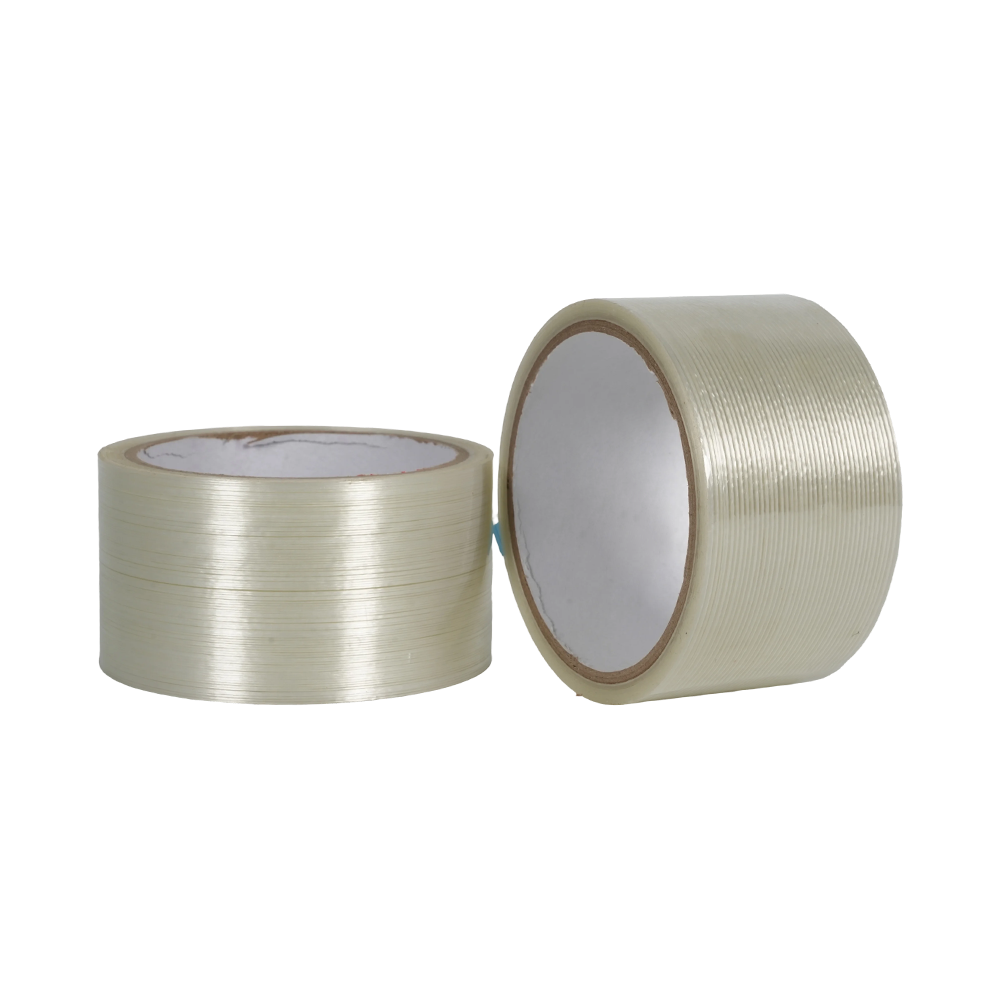
317G Low-residue fiberglass tape
8. Surface Preparation and Application Procedure
8.1 Cleaning the Substrate
For optimal adhesion, the application surface should be clean, dry, and free from oil, dust, moisture, release agents, and other contaminants. Even a well-formulated adhesive can perform poorly when it contacts a weak boundary layer rather than the actual substrate.
Metal surfaces should be checked for machining oil, fingerprints, oxidation, loose particles, and protective coatings. Plastic components should be examined for mold-release residues, plasticizer migration, dust, and surface texture. Glass should be free from cleaning-agent residues and moisture. If a cleaning agent is used, the surface should be allowed to dry completely before tape application.
8.2 Applying Sufficient Pressure
Pressure-sensitive adhesive needs contact with the substrate. After positioning the tape, press it firmly and evenly across the entire bonded area. Pressure helps the adhesive wet the surface and reduces air pockets, edge lifting, and incomplete contact.
For manual application, a clean roller, soft squeegee, or gloved hand may be used depending on the component. Operators should avoid creasing the tape, especially across corners or over irregular edges. Consistent application pressure can improve repeatability between operators.
8.3 Controlling Overlap and Tension
When bundling or wrapping, the overlap should be defined in the work instruction. Excessively low overlap can create weak points, while excessive overlap may increase material consumption and produce an unnecessary thickness buildup.
The tape should be applied with controlled tension rather than extreme stretching. Its fiberglass backing provides strength without requiring the operator to pull aggressively. Excessive tension may compress wires, deform soft insulation, or make later removal more difficult.
8.4 Removing the Tape
Removal should be carried out slowly and steadily. A controlled peel angle can help reduce sudden force on the substrate and lower the likelihood of tearing the tape. If the tape has remained in place for an extended period, or if the assembly has experienced elevated temperature or humidity, a removal trial should be conducted.
The low-residue design reduces adhesive transfer on most suitable surfaces, but no tape can guarantee residue-free removal under every combination of material and condition. If residue is observed, the process should be reviewed for surface contamination, excessive dwell time, high temperature, unsuitable substrate chemistry, or incorrect removal technique.
9. Storage, Handling, and Shelf-Life Considerations
317G should be stored in a cool, dry place away from direct sunlight, high temperatures, and humidity. The recommended storage temperature is between 15°C and 30°C. These conditions help protect the adhesive and backing from unnecessary environmental stress.
Rolls should remain in their original packaging until they are needed. They should be protected from crushing, impact, dust, and water. Heavy objects should not be placed on top of rolls because deformation of the core or edges can affect unwinding and application.
Temperature changes can affect adhesive behavior. Excessive heat may increase softening, transfer, or blocking between layers, while very cold conditions may reduce initial tack and conformability. Before use, tape that has been stored in a significantly different environment should be allowed to reach the production area’s normal temperature in its packaging.
Humidity can also affect packaging materials and exposed adhesive surfaces. Although the recommended storage range is practical for general warehouse conditions, customers with long-term storage requirements should establish a stock rotation system and verify product performance periodically.
10. Quality Assurance and Application Validation
Before adopting the tape for full-scale production, manufacturers should conduct application tests using actual substrates, actual component designs, and realistic process conditions. Laboratory values provide useful guidance, but production performance depends on the complete system.
A validation program may examine initial adhesion, holding power, removal force, residue, surface damage, tensile integrity, edge lifting, temperature exposure, humidity exposure, vibration, and storage duration. The test should include both the shortest and longest expected dwell times. If the tape is applied before a heat process, the exposure temperature and time should reflect the real process rather than a general assumption.
For electronics and electrical applications, testing may also include insulation resistance, dielectric performance, flame behavior where required, and compatibility with coatings or encapsulants. For household appliances, testing may include contact with painted steel, stainless steel, aluminum, ABS, polycarbonate, foam, rubber, and insulation materials.
Quality teams should record the tape lot, substrate condition, application pressure, dwell time, environmental conditions, removal angle, and observed results. This information helps identify whether a performance issue originates from the tape, the surface, the process, or the environment.
11. How the Product Can Improve Production Efficiency
11.1 Fewer Cleaning Operations
When temporary tape removes with minimal residue, fewer cleaning operations may be needed after assembly. This can reduce labor time and the use of solvents, wipes, scrapers, and other cleaning tools. It may also reduce the risk that cleaning agents affect coatings, plastics, labels, or printed markings.
11.2 Reduced Tape Inventory Complexity
Broad material compatibility may allow some manufacturers to use one industrial tape across several surfaces instead of maintaining separate products for every substrate category. Inventory reduction should not be assumed without testing, but the possibility can simplify purchasing, warehousing, operator training, and line-side replenishment.
11.3 Better Process Consistency
High tensile strength and controlled elongation can make the tape easier to apply consistently. The operator can wrap or fix materials without the tape changing length unpredictably. Consistent tape behavior supports more repeatable bundle dimensions, component positions, and masking boundaries.
11.4 Less Rework from Tape Failure
A tape that tears, lifts, or shifts before the next assembly step can cause component misalignment and additional rework. The fiberglass backing and reliable initial tack of 317G are intended to reduce such risks in suitable applications. Performance still depends on proper surface preparation and application pressure, but the product construction is designed for industrial process reliability rather than light-duty household use.
12. Selecting 317G Against Different Tape Types
The most appropriate comparison is not simply between brands but between constructions and application requirements. A paper masking tape may be easy to tear and economical, but it may not provide the tensile strength or puncture resistance required for heavy bundling. A plastic film tape may offer smooth handling, but it may stretch more or split under concentrated stress.
A high-strength permanent adhesive tape may deliver excellent long-term holding power, but it can be unnecessarily difficult to remove from a temporary assembly. A low-tack removable tape may leave little residue, but it may lift during vibration, handling, or temperature changes. 317G occupies a practical middle position by combining strong fiberglass reinforcement with a low-residue acrylic adhesive.
Compared with general packaging tape, the product is more oriented toward industrial fixing, insulation support, bundling, and protection. Compared with ordinary masking tape, it offers a more robust backing and stronger mechanical stability. Compared with some permanent structural tapes, it is better aligned with temporary or semi-temporary process applications in which clean removal matters.
Purchasers should compare the following factors when evaluating alternatives: backing strength, elongation, thickness, initial tack, peel strength, residue behavior, temperature resistance, electrical properties, flame requirements, substrate compatibility, roll dimensions, storage conditions, and total installed cost.
13. Total Cost of Ownership
The purchase price per roll is only one element of tape cost. A lower-priced tape may create additional expenses if it fails during assembly, leaves residue, requires cleaning, damages a surface, or causes production delays. For this reason, manufacturers should evaluate total cost of ownership rather than unit price alone.
317G may provide economic value through reduced cleaning, lower rework risk, more consistent application, and potential inventory simplification. Its tensile strength may also allow a narrower or shorter strip to perform the required job, although this must be determined through controlled trials rather than assumed.
Efficiency gains can be measured by recording application time, tape usage per assembly, removal time, cleaning time, defect rates, and the number of tape specifications held in inventory. These measurements allow a purchasing team to compare the complete operating cost of 317G with conventional alternatives.
14. Responsible Use and Technical Limitations
317G is a versatile industrial tape, but it should be selected according to the actual requirements of the application. It is not automatically suitable for permanent structural bonding, outdoor exposure, immersion, extreme temperatures, high-voltage insulation, or safety-critical retention unless the relevant performance has been specifically confirmed.
Adhesion can be reduced by dust, oil, moisture, rough contamination, low temperature, low contact pressure, and incompatible surface coatings. Residue can increase with elevated temperature, prolonged dwell time, plasticizer migration, or highly textured surfaces. Removal force can also vary according to peel speed and angle.
For flame-retardant applications, the product information states that flame retardancy is subject to the specific grade. The buyer should request the appropriate grade and verify the required test documentation. If the tape forms part of a regulated electrical or fire-safety assembly, the complete system should be evaluated rather than relying only on a general product description.
Technical data should be reviewed with the supplier when the tape will be used in unusual environments. Customized widths, lengths, packaging formats, or adhesive constructions may be available depending on order requirements and production capability.
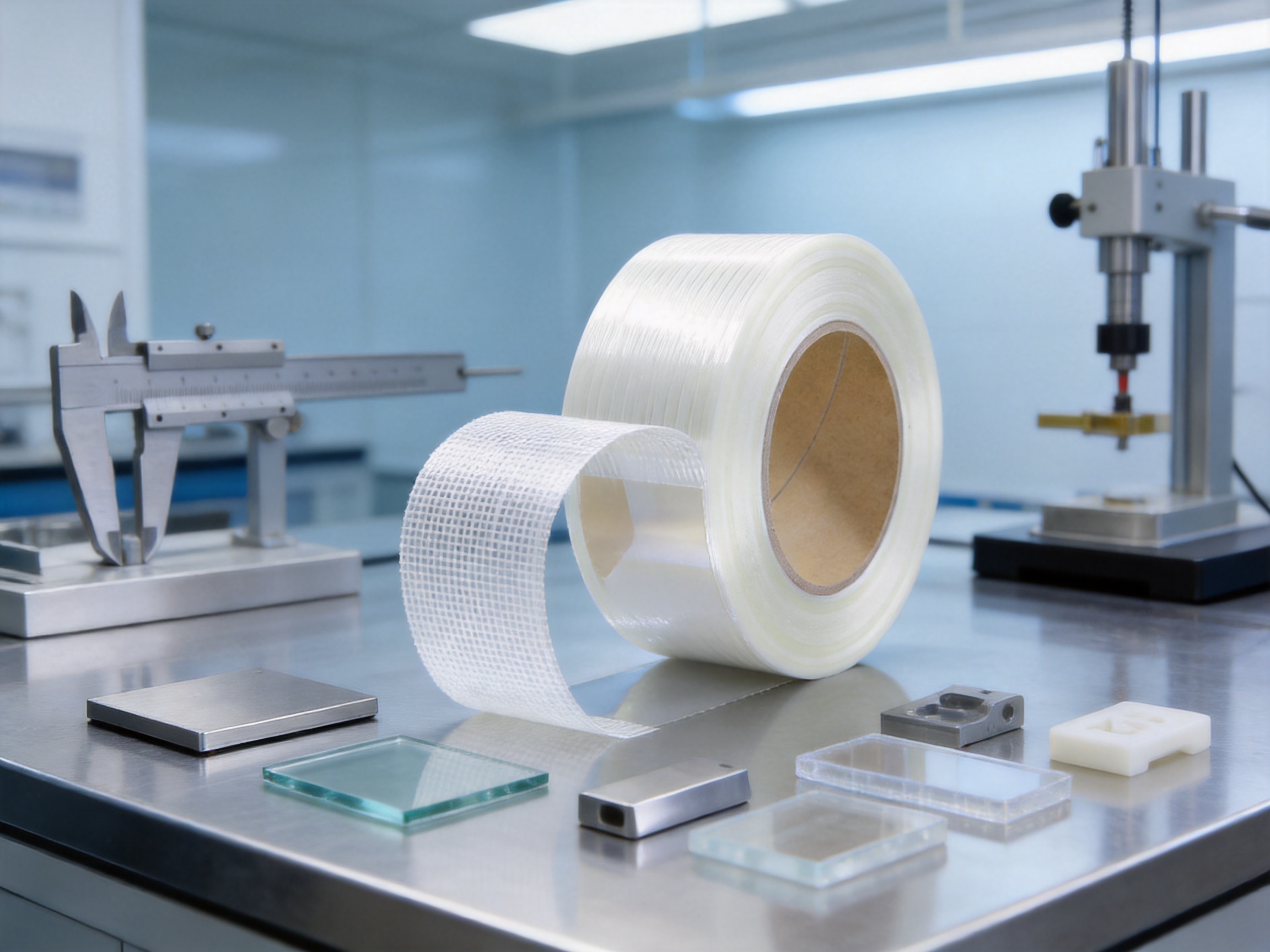
15. Manufacturing and Supply Partnership
A reliable industrial tape supplier should provide more than a catalog description. Customers often need assistance with substrate testing, roll selection, packaging, shipment planning, quality records, and repeat-order consistency. Zhejiang Geruite Packaging Materials Co., Ltd. presents itself as a packaging-material partner serving domestic and international customers across multiple industries.
The company is located in Hangzhou, Zhejiang Province, an important manufacturing region with developed industrial infrastructure. Its stated business scope includes research, development, production, and sales. This combination allows the company to participate in product improvement while maintaining a direct connection with manufacturing and customer requirements.
Its wider product range includes adhesive tapes, PE stretch film, PP strapping, and PET strapping. This makes it possible for customers with broader packaging needs to discuss several material categories with one supplier. For example, a manufacturer may require fiberglass tape for internal assembly, stretch film for unitization, and PET strapping for pallet stabilization.
The company’s quality philosophy emphasizes control from raw-material procurement through final inspection. For customers qualifying 317G, useful documentation may include a technical data sheet, batch information, inspection records, packaging specifications, and sample approval procedures. The exact documentation should be agreed upon during supplier qualification.
Communication is especially important when the tape is used on new plastics, painted surfaces, or electronic components. Providing the supplier with substrate information, application temperature, dwell time, removal requirements, and expected mechanical load can help determine whether the standard construction is suitable or whether an alternative should be considered.
16. Recommended Qualification Workflow
Step 1: Define the Application
Identify whether the tape will be used for bundling, temporary fixing, insulation support, masking, protection, labeling, or another purpose. Record the required holding period, expected load, removal timing, and whether the tape will remain inside the finished product.
Step 2: Identify the Substrate
List every surface that will contact the adhesive. Include the exact plastic grade, coating, paint, metal finish, insulation material, or glass treatment where possible. Surface chemistry can vary significantly within the same broad material category.
Step 3: Establish Environmental Conditions
Record application temperature, storage temperature, humidity, exposure to heat, vibration, dust, oil, cleaning agents, and ultraviolet light. The test environment should represent real manufacturing conditions and foreseeable transportation or storage conditions.
Step 4: Test Application and Removal
Apply the tape using the intended equipment and operator method. Evaluate immediate adhesion, holding power, edge lifting, tearing, and dimensional stability. Remove the tape after the expected dwell time and inspect for residue, surface damage, fibers, discoloration, or coating transfer.
Step 5: Confirm Production Economics
Measure tape consumption, application time, removal time, cleaning time, defect frequency, and material waste. Compare these results with the current tape and calculate total process cost.
Step 6: Approve the Specification
Once the product is qualified, document the approved width, length, core, packaging, application method, storage conditions, and inspection criteria. A controlled specification helps prevent unintended substitutions and maintains consistency across production shifts.
17. Frequently Asked Questions
Q1: What is 317G Low-Residue Fiberglass Tape?
It is an industrial pressure-sensitive tape made with a high-strength fiberglass cloth backing and a low-residue acrylic adhesive. It is designed for strong adhesion, mechanical stability, bundling, fixing, insulation support, masking, and cleaner removal from suitable surfaces.
Q2: Is the tape intended for permanent bonding?
The product is primarily positioned for industrial fixing, temporary holding, bundling, protection, insulation support, and masking. It may provide strong adhesion, but it should not be treated as a permanent structural bonding solution unless the specific application has been tested and approved for that purpose.
Q3: What materials can it adhere to?
The product is described as suitable for materials such as stainless steel, aluminum alloy, polycarbonate, ABS, metals, glass, and selected lower surface energy plastics. Actual performance depends on surface condition, coating, texture, contamination, and application conditions, so testing is recommended.
Q4: Does the tape leave absolutely no residue?
The low-residue adhesive formulation is designed to reduce adhesive transfer on most suitable surfaces. However, residue performance is affected by temperature, dwell time, substrate chemistry, surface contamination, removal speed, and peel angle. No-residue performance should be verified in the actual application.
Q5: What is the product thickness?
The typical total thickness is 0.155 millimeters according to the supplied test data and GB/T 7125-2014 reference method.
Q6: How strong is the fiberglass backing?
The typical tensile strength is 978 N/in according to the supplied product information and GB/T 7753-87 reference method. This strength supports industrial bundling, fixing, and handling applications. The actual load capacity of an applied strip also depends on width, overlap, substrate, and application technique.
Q7: How much does the tape stretch?
The typical elongation at break is 7%. This indicates controlled stretch and good dimensional stability compared with many highly elastic or non-reinforced tapes.
Q8: Can it be used in electronics and electrical assemblies?
Yes, the product is described as suitable for medium-strength insulation and fixing in electronics and electrical applications. The complete assembly should be tested for electrical insulation, temperature, flame, and contamination requirements before production use.
Q9: Can it be used on household appliance housings?
It can be considered for temporary masking, protection, fixing, wire harness bundling, insulation positioning, and PCB positioning in household appliance manufacturing. Painted, coated, polished, or textured housing surfaces should be tested for adhesion and clean removal.
Q10: What storage conditions are recommended?
Store the tape in a cool, dry location away from direct sunlight, high temperatures, and humidity. The recommended storage temperature is between 15°C and 30°C. Keep the rolls in their original packaging and protect them from crushing and contamination.
Q11: What should be done before applying the tape?
Ensure that the surface is clean, dry, and free from oil, dust, moisture, and other contaminants. Apply firm, even pressure and avoid excessive stretching. For new substrates or demanding applications, conduct a qualification test before full-scale production.
Q12: Is the tape flame retardant?
The product information states that flame retardancy is subject to the specific grade. Customers requiring flame performance should confirm the correct grade, test method, and documentation with the supplier before approval.
Q13: What makes fiberglass tape different from ordinary packaging tape?
Fiberglass tape has a reinforced cloth backing that provides higher tensile strength, better tear resistance, and more controlled elongation. 317G additionally uses a low-residue acrylic adhesive, making it more suitable for industrial temporary fixing and clean-removal applications than many ordinary packaging tapes.
Q14: Can one tape replace all other tapes in a factory?
Not necessarily. 317G may reduce the number of tape types needed for some mixed-material applications, but each use must be evaluated for adhesion, temperature, electrical, flame, residue, and permanence requirements. Specialized applications may still require specialized tapes.
Q15: Can customers request customized sizes?
Industrial tape suppliers commonly support different widths, lengths, and packaging formats, subject to production capability and order requirements. Customers should discuss the desired dimensions, core size, packaging, and application process with the supplier before placing an order.
Q16: Why is supplier process control important?
Consistency in fiberglass backing, adhesive coating, winding, slitting, packaging, and final inspection affects the tape’s performance. A documented quality-control process helps customers receive rolls with more consistent dimensions and adhesion behavior from batch to batch.
18. Conclusion
317G Low-Residue Fiberglass Tape is designed for manufacturers that need more than basic adhesion. Its high-strength fiberglass cloth backing provides tensile strength, tear resistance, puncture resistance, low elongation, and dimensional stability. Its acrylic pressure-sensitive adhesive provides initial tack and holding power while aiming to minimize adhesive transfer during removal.
The product is particularly suitable for household appliance manufacturing, electronics and electrical assembly, industrial fixing, wire harness bundling, insulation positioning, PCB support, temporary masking, protective applications, and labeling. Its compatibility with metals, glass, stainless steel, aluminum alloy, polycarbonate, ABS, and selected lower surface energy materials can help simplify industrial tape selection.
Compared with ordinary non-reinforced tapes, 317G offers greater mechanical stability. Compared with permanent high-tack tapes, it is better aligned with temporary applications in which clean removal is important. Compared with narrow-purpose tapes, its broad substrate compatibility may provide greater flexibility across mixed-material production lines.
The product’s value is supported by the manufacturing experience and quality-control approach of Zhejiang Geruite Packaging Materials Co., Ltd. The company’s wider portfolio of tapes, films, and strapping materials reflects experience in packaging-material production and industrial customer support. Its stated control of raw-material procurement, manufacturing, and final inspection provides a foundation for consistent product development and supply.
As with any pressure-sensitive adhesive product, the final decision should be based on actual application testing. Surface preparation, temperature, humidity, dwell time, application pressure, removal method, and substrate chemistry all influence results. When properly qualified and applied, 317G can help manufacturers achieve stronger temporary fixing, cleaner production processes, more stable assembly operations, and improved overall efficiency.
References
1. GB/T 7125-2014, Standard Test Method for Thickness Measurement of Adhesive Tapes.
2. GB/T 4852-2002, Standard Test Method for Initial Tack of Pressure-Sensitive Adhesive Products.
3. GB/T 2792-2014, Standard Test Method for Peel Adhesion of Pressure-Sensitive Adhesive Products.
4. GB/T 7753-87, Standard Test Method for Tensile Strength and Elongation of Adhesive Tape Materials.
5. Technical product information for 317G Low-Residue Fiberglass Tape, including typical thickness, tack, peel strength, tensile strength, and elongation values.
6. Internal application guidance for pressure-sensitive adhesive tape surface preparation, storage, application, and removal.
7. General principles of industrial adhesive-tape qualification, substrate compatibility testing, and production-process validation.
Product: 317G Low-residue fiberglass tape

LATEST POST
Let’s create something amazing together
contact usCONTACT DETAILS
- Address:No. 241, Yaojiafan, Zhangpanqiao, Shushan Street, Xiaoshan District, Hangzhou City, Zhejiang Province, China
- TEL:+86-0571-83175630
- Phone:+86-13336160217
- Email:anqiaocun@163.com
PRODUCTS
NEWS CENTER
MOBILE TERMINAL
Copyright© Zhejiang Geruite Packaging Materials Co., Ltd. All Rights Reserved.
Privacy Wholesale industrial packaging tape Manufacturers