


 English
  Español
  عربى
عربى 
High-Viscosity Plastic-Free Kraft Paper Tape for Reliable Packaging and Efficient Handling
Content
- 1 Why Kraft Paper Tape Matters in Modern Packaging
- 2 Product Construction and Material Design
- 3 High Adhesion for Secure Packaging
- 4 Hand-Tearable Convenience and Improved Productivity
- 5 Lay-Flat Application and Resistance to Edge Lifting
- 6 Plastic-Free Design and Paper-Based Packaging Compatibility
- 7 Applications Across Packaging and General Operations
- 8 Advantages Compared with Conventional Alternatives
- 9 Manufacturing Process and Quality Approach
- 10 Manufacturing Strengths of the Supplier
- 11 Application and Storage Guidelines
- 12 Quality Evaluation Before Large-Scale Adoption
- 13 Customization and Procurement Considerations
- 14 Use in Different Industrial Sectors
- 15 Why Choose a Professional Packaging Material Manufacturer
- 16 Frequently Asked Questions
- 16.1 What is plastic-free kraft paper tape?
- 16.2 Can the tape be torn by hand?
- 16.3 Does the tape provide high adhesion?
- 16.4 Is it suitable for carton sealing?
- 16.5 Does the tape resist edge lifting?
- 16.6 What widths and lengths are available?
- 16.7 Is the tape recyclable?
- 16.8 Can it be used outdoors?
- 16.9 Can it be used for masking?
- 16.10 How should the tape be stored?
- 16.11 What information should be provided for a customized order?
- 17 Conclusion
- 18 References
- 19 Product: High viscosity, Tearable by hand Plastic-free kraft paper tape
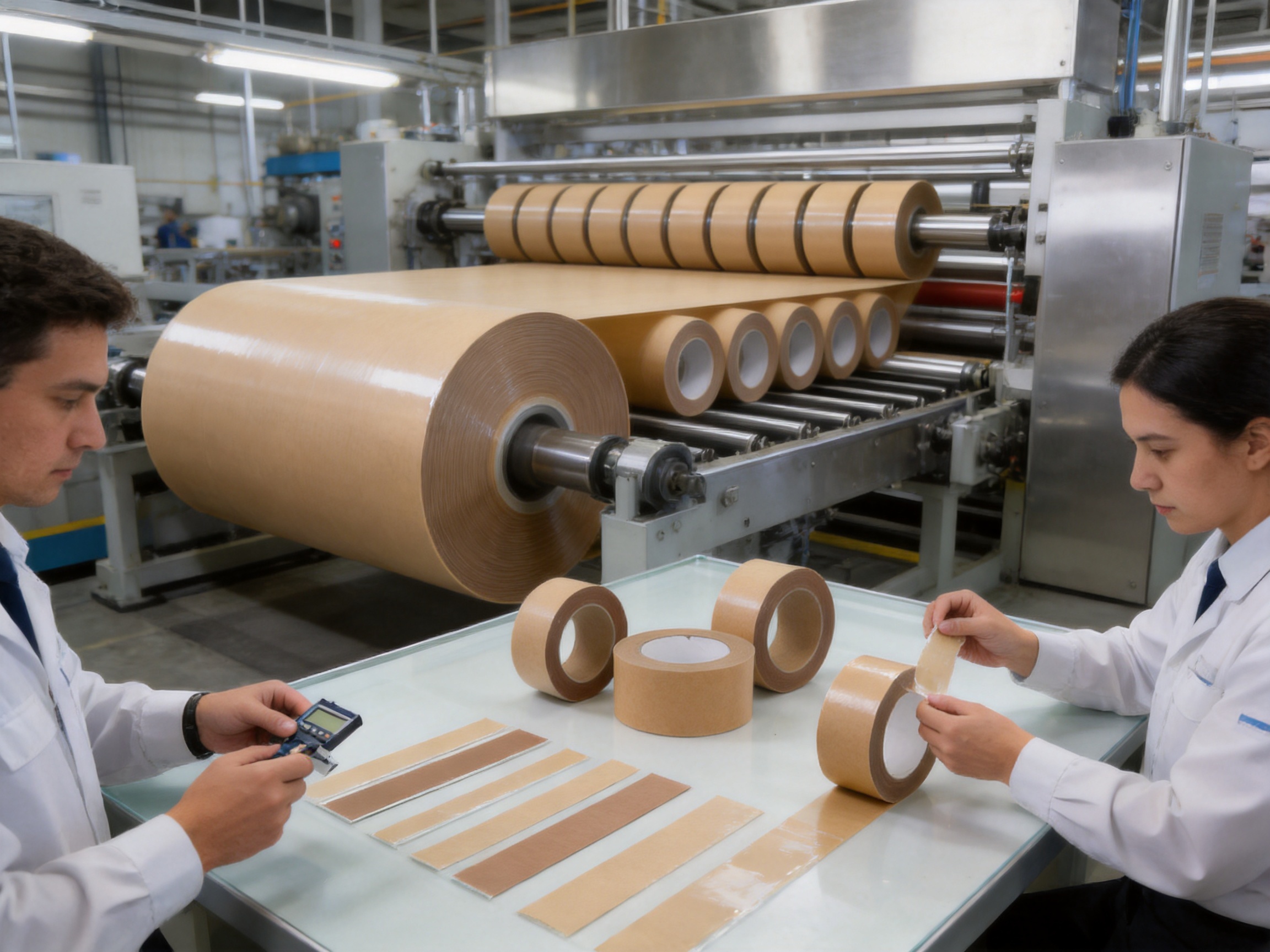
Packaging operations increasingly require materials that combine dependable performance, convenient handling, and improved environmental characteristics. As businesses respond to customer expectations, recycling goals, and more demanding logistics conditions, adhesive tape has become an important part of the overall packaging strategy. The right tape must not only close a carton or hold a material in place; it must also deliver consistent adhesion, clean application, practical storage, and compatibility with existing workflows.
Plastic-Free Kraft Paper Tape is designed to address these requirements through a high-strength natural kraft paper backing and an environmentally friendly adhesive layer. It provides high initial tack, durable holding power, flexible handling, and hand-tearable convenience. The tape can be applied without scissors or cutting equipment, while its edges remain firmly bonded after application. These characteristics make it suitable for carton sealing, packaging reinforcement, labeling, temporary masking, document repair, and lightweight material fixing.
Manufactured by Zhejiang Geruite Packaging Materials Co., Ltd., the product reflects the company’s broader experience in adhesive tapes, stretch films, strapping materials, and other packaging solutions. The manufacturer combines material selection, adhesive development, coating, slitting, rewinding, inspection, and customer-oriented customization to produce packaging materials for different industries and operating environments.
Why Kraft Paper Tape Matters in Modern Packaging
Adhesive tape may appear to be a simple packaging component, but its performance directly affects productivity and package security. A tape that loses adhesion, lifts at the edges, tears unpredictably, or requires additional cutting tools can create delays and increase material waste. In contrast, a well-designed kraft paper tape can support faster packing, cleaner workstations, and more reliable closure results.
Traditional plastic packaging tapes are widely used because they offer good tensile strength and resistance to moisture. However, plastic backings can complicate recycling when they are attached to paper cartons. They may also create additional sorting requirements, produce more persistent waste, and offer a different tactile experience during application. Plastic-free paper tape provides an alternative for organizations seeking to reduce the amount of plastic associated with secondary packaging.
The paper-based construction of this product is particularly suitable for cardboard cartons and other fiber-based packaging. When applied correctly, the kraft paper backing integrates visually with the carton surface and supports a more unified paper-based packaging appearance. This can be useful for companies that want their packaging materials to communicate a practical, natural, or sustainability-conscious identity.
Environmental considerations do not eliminate the need for performance. A tape must still bond securely, remain stable during storage and transportation, and support the pace of commercial packing operations. The value of this kraft paper tape lies in its balance: it combines a plastic-free backing with high tack, flexible handling, hand tearability, and resistance to edge lifting.
Product Construction and Material Design
The product uses natural kraft paper as its substrate. The backing is described as high-strength virgin kraft paper and is supplied without a coating. This construction gives the tape a firm but flexible body, allowing it to follow the contours of cartons, labels, light materials, and other surfaces without behaving like a rigid strip.
Kraft paper is well suited to packaging applications because it has a recognizable natural appearance and a useful combination of strength and flexibility. Its fibrous structure allows the tape to be torn by hand while maintaining enough integrity for common sealing and reinforcement tasks. The untreated paper surface also supports the product’s plastic-free positioning and helps it remain visually compatible with corrugated cardboard.
The adhesive is an environmentally friendly adhesive designed to deliver strong bonding performance. Depending on the selected product configuration, the adhesive system may be rubber-based or acrylic-based. The appropriate formulation can be chosen according to the required tack, holding power, application surface, operating temperature, and intended use.
High initial tack is important in practical packaging work. When an operator applies the tape to a carton or material, the tape should grip the surface quickly rather than requiring prolonged pressure or repeated application. Durable holding power is equally important because the bond must remain stable during handling, stacking, transport, and temporary storage.
The product is also designed to resist edge lifting. Edge lift can begin when the tape does not conform to a surface, when the adhesive does not make sufficient contact, or when the application environment contains dust, oil, or moisture. By combining a flexible backing with a high-tack adhesive, the tape helps reduce the risk of edges separating after application.
Key Product Specifications
| Parameter | Specification | Practical Significance |
|---|---|---|
| Product type | Plastic-free kraft paper tape | Provides a paper-based alternative for many packaging and fixing tasks |
| Substrate | Natural kraft paper, no coating | Supports a natural appearance and paper-oriented packaging strategy |
| Adhesive | Environmentally friendly adhesive | Designed for strong initial tack and dependable holding power |
| Backing characteristics | High-strength, soft, and flexible | Conforms to surfaces and supports convenient handling |
| Hand tearability | Yes | Allows application without scissors or cutting tools |
| Thickness | 0.014 mm as listed for the supplied specification | Supports a lightweight tape construction; final technical confirmation is recommended for orders |
| Common widths | 25 mm, 50 mm, 60 mm, and other customized sizes | Allows selection according to carton size and application method |
| Common lengths | 20 m, 50 m, and customized lengths | Supports different workstation and distribution requirements |
| Typical appearance | Natural kraft paper appearance | Coordinates with corrugated cartons and paper packaging |
Because packaging requirements vary, buyers should confirm the final thickness, adhesive formulation, roll dimensions, core size, color, packaging method, and performance targets before production. The listed common widths and lengths provide a practical starting point, while customized specifications can be discussed for specific equipment or operating procedures.
High Adhesion for Secure Packaging
The primary function of packaging tape is to create and maintain a secure bond. This kraft paper tape is designed with a high-tack adhesive that provides strong initial adhesion when pressed onto a clean surface. Strong initial tack helps the tape hold in place quickly, which is useful when cartons must be closed at a fast and consistent pace.
Once applied, the adhesive is intended to provide durable holding power. This supports common packaging activities such as carton sealing, bundling, reinforcement, labeling, and lightweight material fixing. The tape is suitable for many paperboard and general packaging surfaces, although the exact bonding result depends on surface cleanliness, material texture, application pressure, temperature, and storage conditions.
Reliable adhesion can reduce the need for overlapping strips, repeated applications, or emergency repairs. It can also help preserve the presentation of a package during transportation. A carton with tape that remains flat and secure is less likely to develop loose corners or visible lifting during normal handling.
Compared with low-tack paper tapes, a high-viscosity construction can offer a more stable bond and a stronger response on common packaging surfaces. Compared with ordinary plastic-free tapes that prioritize environmental positioning but provide limited holding power, this product is intended to place equal emphasis on useful day-to-day performance. The result is a practical balance between responsible material selection and operational reliability.
Hand-Tearable Convenience and Improved Productivity
One of the product’s most important operational advantages is hand tearability. Operators can tear the tape directly from the roll without reaching for scissors, knives, or a tape dispenser with a cutting blade. This simplifies the packaging process and can make the work area safer and less cluttered.
Hand tearability is especially valuable in small-batch packaging, e-commerce fulfillment, repair stations, warehouses, retail backrooms, and office environments. In these settings, packaging tasks may vary from one item to the next, and the operator may need different lengths of tape. A hand-tearable roll allows the user to apply only the amount required, helping reduce unnecessary offcuts.
The flexible kraft paper backing also makes the tape comfortable to handle. It can be positioned, pressed, and torn with minimal equipment. When an operator needs to reinforce a carton corner, attach a shipping label, close a small package, or temporarily fix a loose material, the tape can be used quickly without preparing a separate cutting tool.
In high-volume operations, the time saved per package can become significant. The tape may be integrated into manual workflows where operators move between filling cartons, closing packages, adding labels, and preparing shipments. Its hand-tearable design supports a continuous process and reduces dependence on a single shared cutting device.
Hand tearability does not mean that the tape lacks strength. The product is designed to tear when deliberately pulled across its width while maintaining useful integrity during ordinary handling. This combination of controlled tearability and functional strength is one of the main differences between a purpose-designed packaging tape and a generic paper strip.
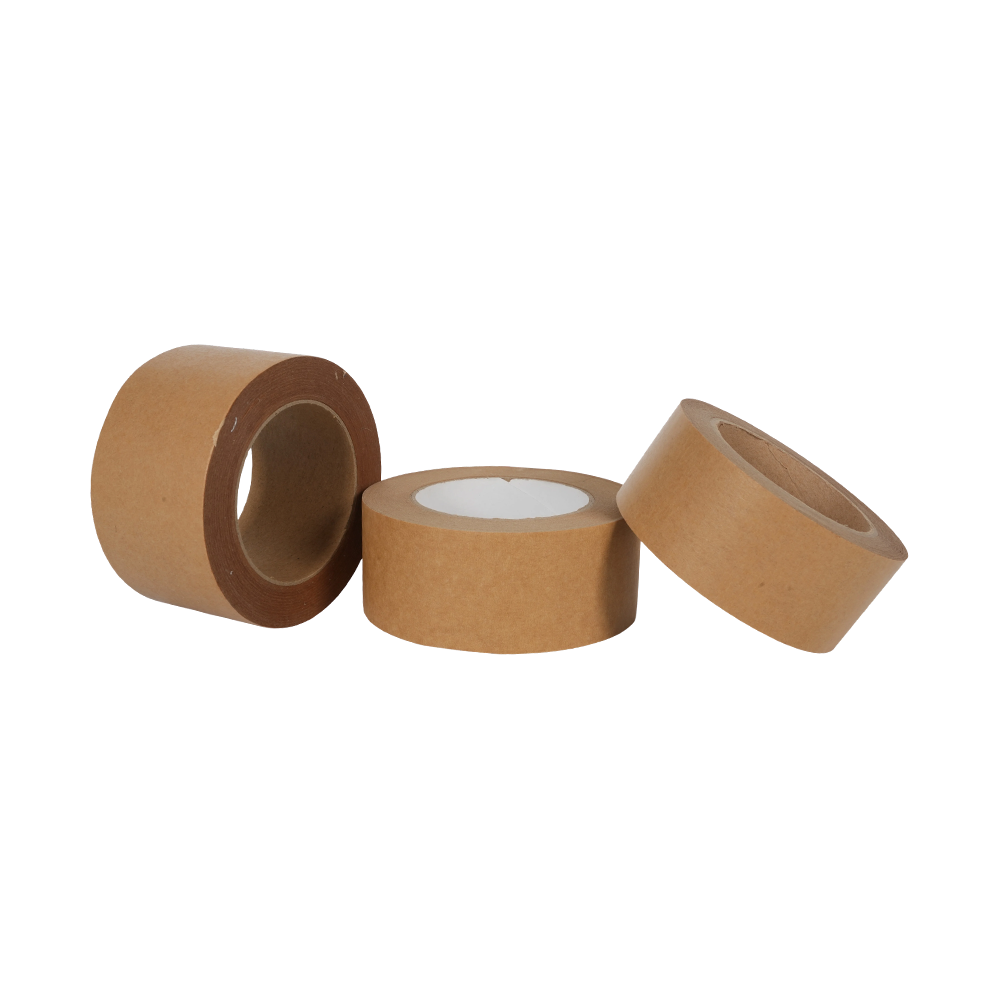
High viscosity, Tearable by hand Plastic-free kraft paper tape
Lay-Flat Application and Resistance to Edge Lifting
Good packaging tape should settle onto the surface rather than curl, wrinkle, or pull away from the edges. The kraft paper backing is soft and flexible, allowing it to conform to common irregularities in cardboard and light materials. When sufficient pressure is applied, the adhesive can make broad contact with the surface and help the tape remain flat.
Edge lifting is a frequent source of packaging failure. Even when the central portion of a strip remains attached, a lifted corner or edge can collect dust, snag on other packages, or gradually separate during handling. The product’s flexible backing and high-tack adhesive are designed to reduce this risk when the tape is applied under suitable conditions.
For best results, the operator should press the full length of the tape onto the surface. Extra attention should be given to the beginning and end of the strip, corners, folds, and transitions between different materials. A firm, even application helps remove small air gaps and improves contact between the adhesive and the substrate.
The tape’s ability to lie flat is useful for carton closure, package reinforcement, document repair, and temporary masking. A flat strip offers a cleaner appearance and is less likely to interfere with subsequent labeling, stacking, wrapping, or sorting. It can also make the package easier to handle because there are fewer protruding edges.
Plastic-Free Design and Paper-Based Packaging Compatibility
The natural kraft paper backing is the defining material advantage of this product. By avoiding a plastic film backing, the tape can support packaging programs that aim to reduce plastic content or use more paper-oriented materials. This is especially relevant when the tape is applied to corrugated cartons, paper envelopes, kraft mailers, and other fiber-based packaging.
Many companies are evaluating packaging materials beyond price and immediate performance. They may also consider how a package is perceived by customers, how easily components can be separated, and how packaging choices align with internal environmental objectives. A plastic-free kraft paper tape provides an option for organizations that want their closure and reinforcement materials to complement a paper-based package.
The tape is described as environmentally friendly and easy to recycle within the supplied product information. Recycling outcomes can depend on local facilities, adhesive composition, contamination, and the construction of the complete package. Buyers should therefore evaluate the product with their local recycling requirements and packaging systems in mind.
Compared with plastic tapes, paper tape can also provide a more natural tactile experience. It has a matte fiber appearance rather than a glossy film finish, and it can visually blend with kraft cartons. This may be beneficial for brands, warehouses, and retailers that prefer understated and functional packaging presentation.
The plastic-free backing is not intended to make the product suitable for every environment. Paper-based tape is not recommended for long-term outdoor exposure or extremely damp conditions. When the application demands prolonged contact with rain, high humidity, condensation, or liquid contamination, a different construction may be more appropriate.
Applications Across Packaging and General Operations
Carton Sealing
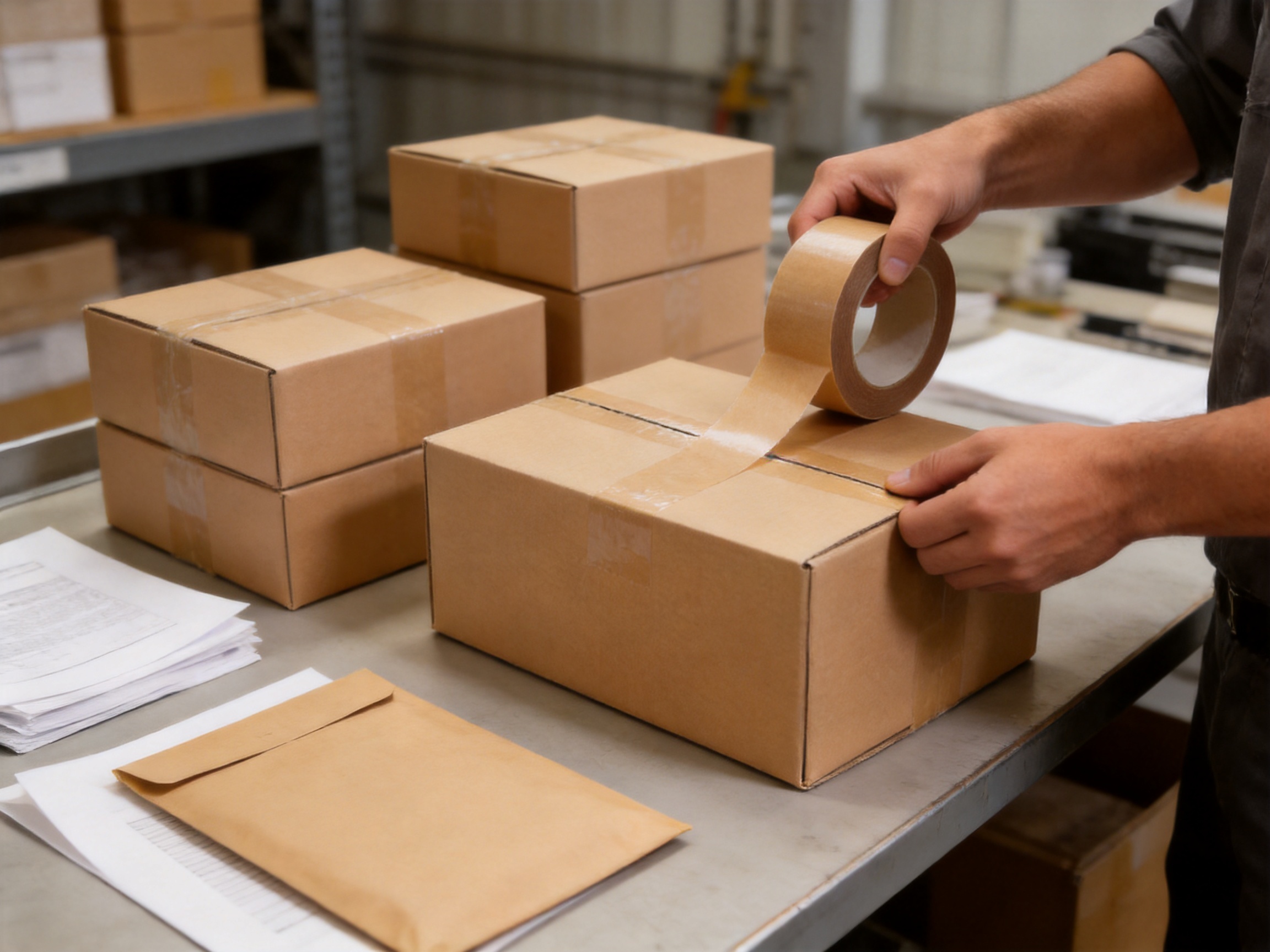
The product can be used to close cartons and corrugated boxes in warehouses, distribution centers, factories, offices, and fulfillment operations. Its strong initial tack helps the tape attach quickly, while its holding power supports carton stability during ordinary storage and transportation.
For carton sealing, the tape should be centered over the joint and pressed firmly along the seam. If the box contains heavy or shifting contents, the tape can be combined with additional reinforcement or a suitable strapping solution. Tape selection should always reflect the carton grade, box size, filling weight, transport distance, and expected handling conditions.
Packaging Reinforcement
Paper tape can reinforce carton corners, seams, flaps, handles, and areas that require additional support. It may also be used to repair minor damage to paper packaging before shipment or storage. Its natural appearance can make reinforcement less visually intrusive than a brightly colored or glossy plastic strip.
Product Labeling
The tape can help attach temporary labels, identification notes, routing information, or internal handling marks. Its paper surface may also be suitable for writing with compatible pens or markers, subject to testing. Users should confirm ink adhesion and legibility before adopting the tape for permanent labeling programs.
Lightweight Material Fixing
In manufacturing and assembly areas, the tape can temporarily hold lightweight materials, protective paper, small components, instruction sheets, or packaging inserts. It is useful when a clean, quick, removable, or semi-permanent fixing method is needed.
Temporary Masking Protection
The tape may be used for temporary masking, such as protecting boundaries during spraying, painting, finishing, or surface treatment. Before large-scale use, operators should test the tape on the relevant surface and coating. Removal performance can vary according to the surface condition, dwell time, temperature, paint system, and adhesive interaction.
Office and Document Repair
For office environments, the tape can support temporary item fixing, document repair, package preparation, and file organization. Its hand-tearable design is convenient for desks, mailrooms, archives, and maintenance areas where cutting tools may not be available or desirable.
Advantages Compared with Conventional Alternatives
Product selection should be based on the complete application rather than on one isolated feature. Plastic film tape, standard paper tape, reinforced water-activated tape, and high-performance industrial tapes all have different strengths. The value of this product is its combination of characteristics in a single roll.
| Comparison Factor | Plastic-Free Kraft Paper Tape | Conventional Plastic Packaging Tape | Basic Low-Tack Paper Tape |
|---|---|---|---|
| Backing material | Natural kraft paper | Plastic film | Paper, often selected for light-duty use |
| Plastic-free positioning | Yes, based on the listed paper backing | No | May vary by product |
| Hand tearability | Designed for hand tearing | Often requires a dispenser or cutting edge | Usually hand-tearable, depending on construction |
| Adhesion objective | High initial tack and durable holding power | Generally strong, depending on grade | Often intended for lighter or temporary applications |
| Edge-lift resistance | Designed to resist lifting after application | Varies according to adhesive and film construction | May be more limited in demanding applications |
| Visual compatibility | Coordinates naturally with paper cartons | Often has a glossy or synthetic appearance | Depends on paper grade and finish |
| Typical use | Carton sealing, reinforcement, labels, fixing, and temporary masking | General carton closure and industrial packaging | Light-duty holding, labeling, and office use |
Compared with conventional plastic packaging tape, the paper-based product offers a different sustainability profile and a more natural appearance. It also reduces the need for cutting tools in manual work. Compared with low-tack paper tape, it is positioned for applications where stronger adhesion and more durable holding power are important.
Compared with specialized reinforced paper tapes, this product may be more suitable where easy hand tearing and flexible handling are preferred over maximum tensile reinforcement. For very heavy cartons or long-distance shipments, purchasers should assess whether additional strapping, reinforced tape, or a different closure method is needed.
The most important competitive advantage is the combination of high viscosity, hand tearability, flexible paper construction, and edge-lift resistance. Many products provide one or two of these attributes, but packaging teams often need several at the same time. This tape is intended to reduce the compromise between environmental material selection and practical packaging performance.
Manufacturing Process and Quality Approach
Consistent adhesive tape performance depends on more than the final roll. It begins with material selection and continues through adhesive preparation, coating control, drying or curing, slitting, rewinding, packaging, and inspection. Zhejiang Geruite Packaging Materials Co., Ltd. applies a structured manufacturing approach across these stages as part of its broader packaging materials business.
Raw Material Selection
The manufacturing process begins with the selection of suitable kraft paper and adhesive materials. The paper must provide the required balance of strength, flexibility, surface condition, and tearability. The adhesive must be compatible with the backing and intended application while providing appropriate tack and holding power.
Raw material control is important because variations in paper fiber, moisture, coating condition, adhesive viscosity, or release properties can affect the finished tape. A stable supply chain and careful incoming inspection help reduce variation before production begins.
Adhesive Preparation
The adhesive is prepared according to the target product requirements. Mixing conditions, viscosity, solids content, temperature, and storage time can influence coating behavior and final adhesion. Controlled preparation helps the adhesive spread evenly across the kraft paper backing and supports a consistent bond from the first meter of a roll to the last.
Different customer applications may call for different adhesive characteristics. A packaging line may prioritize rapid tack, while a temporary masking application may require controlled removal. Product discussions can therefore include the required surface, temperature range, holding time, and removal expectations.
Coating and Lamination Control
During coating, the adhesive must be distributed across the backing at a controlled and uniform amount. Uneven coating can cause weak zones, excessive transfer, poor unwinding, or inconsistent performance. Production controls are used to manage coating thickness, web tension, line speed, and drying or curing conditions.
The paper web must also remain stable as it moves through the equipment. Excessive tension can affect elongation or cause web breaks, while insufficient tension can produce wrinkles or poor winding. Careful process management supports a smooth finished roll and improves the user experience at the packaging station.
Slitting and Rewinding
After coating and conditioning, the wider master roll is slit into customer-specified widths. Common widths include 25 mm, 50 mm, and 60 mm, while other dimensions can be produced according to order requirements. Slitting accuracy affects how the roll fits a dispenser, how neatly the tape applies, and how efficiently the material is used.
Rewinding must produce a stable roll with appropriate tightness and clean edges. A roll that is too loose may telescope or unwind irregularly, while a roll that is too tight may be difficult to use or affect adhesive behavior. Proper winding also supports consistent storage, transportation, and conversion into finished packaging units.
Inspection and Final Release
Quality inspection may include checks of width, length, appearance, roll condition, adhesion, tearability, winding quality, and packaging integrity. Depending on the customer’s requirements, additional testing may be conducted for tack, peel adhesion, holding power, temperature performance, or compatibility with specific surfaces.
The company emphasizes quality control from raw material procurement through production and final inspection. This full-process approach is important because adhesive tape performance is influenced by every stage. A finished product should not merely look uniform; it should also perform predictably in the customer’s application.
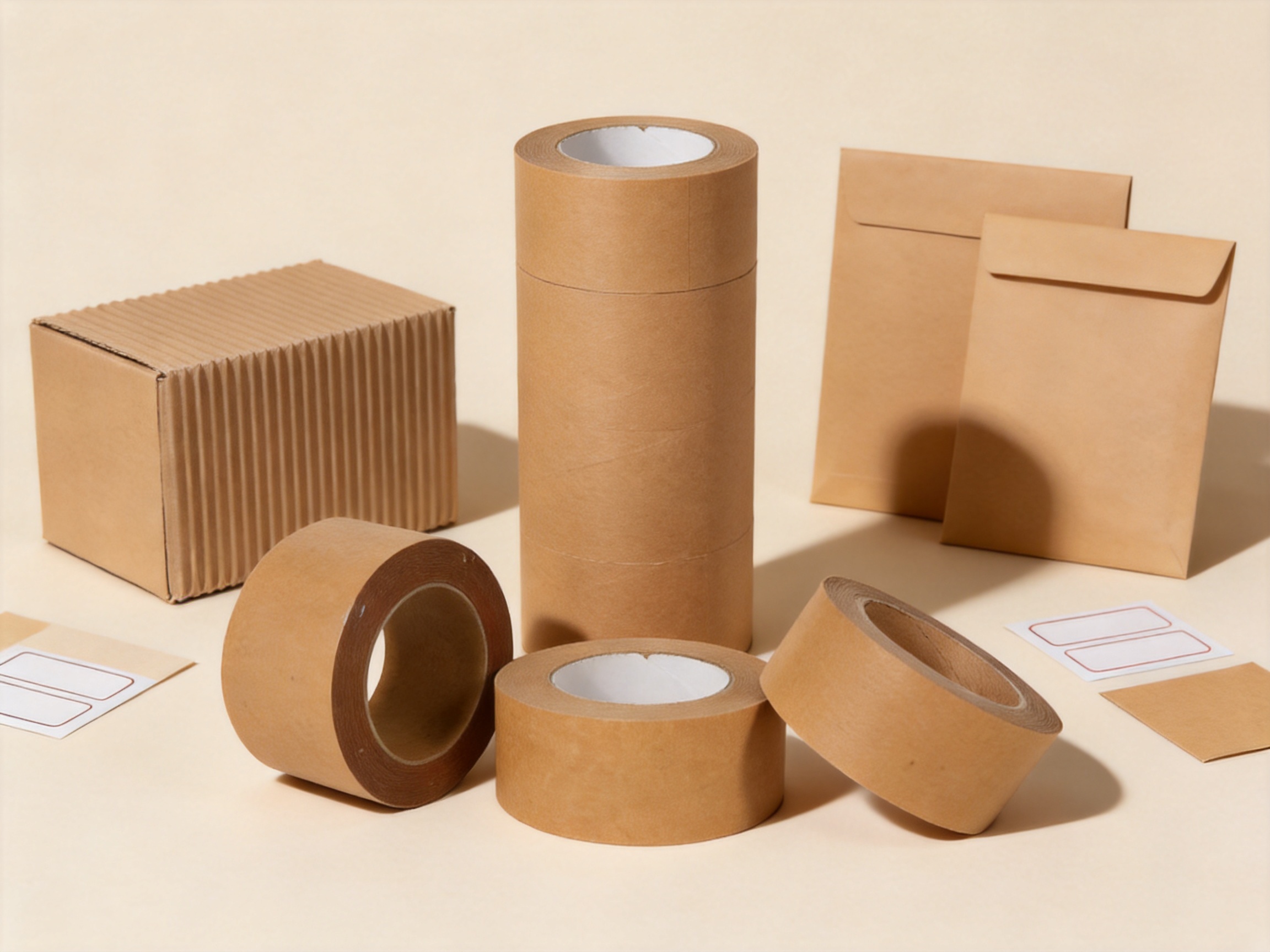
Manufacturing Strengths of the Supplier
Zhejiang Geruite Packaging Materials Co., Ltd. is located in Hangzhou, Zhejiang Province, China. Zhejiang is recognized for its developed manufacturing infrastructure, supply networks, technical labor resources, and active industrial economy. The company has focused on packaging materials since its establishment and has built experience in the research, development, production, and sales of adhesive tapes and related products.
Its product range includes BOPP tapes, kraft paper tapes, masking tapes, high-temperature resistant tapes, metal tapes, PE stretch film, PP strapping, and high-strength PET strapping. This broad portfolio gives the company a practical understanding of packaging systems rather than a narrow focus on one tape format.
For buyers, a diversified product range can simplify sourcing. A company that supplies adhesive tape, stretch film, and strapping materials may be able to evaluate the complete packaging requirement, recommend compatible materials, and support a more coordinated purchasing program. This can be especially useful for distributors, importers, contract packers, logistics companies, and industrial manufacturers.
The company reports an annual output value of more than RMB 60 million. This indicates an established commercial manufacturing operation with experience serving different customer requirements. Production capability is supported by advanced equipment and a quality control system intended to maintain stable product performance.
Another strength is the company’s focus on customization. Width, length, and other specifications can be adjusted according to customer needs. Customization may involve roll dimensions, packaging format, adhesive selection, labeling, carton quantity, or application-specific performance targets. Before mass production, customers should provide drawings, samples, or detailed technical information where necessary.
Supplier strength also includes communication and service. Product performance depends on the customer’s surfaces, machinery, storage environment, and handling practices. A manufacturer that asks about the application can help prevent unsuitable product selection and reduce the risk of avoidable field problems.
Application and Storage Guidelines
Surface Preparation
The application surface should be clean, dry, and free of oil, grease, dust, loose fibers, and other contaminants. Contamination can prevent the adhesive from making direct contact with the surface and may reduce both initial tack and long-term holding power.
Cardboard should be checked for excessive dust, crushed fibers, moisture, wax, or surface treatment. Plastic, metal, painted, and coated surfaces should be tested because their surface energy and finish can vary considerably. When using the tape on an unfamiliar material, a small trial area should be evaluated before full production use.
Application Pressure
Apply the tape with firm and even pressure. Pressure helps the adhesive flow into small surface irregularities and increases the actual contact area. Press along the full tape length, paying particular attention to the ends and corners.
Although the tape is hand-tearable, tearing should be controlled. Pulling at a consistent angle can help produce a clean tear. Operators should avoid stretching the tape excessively during application because unnecessary tension may cause the tape to contract or pull at the edges after placement.
Temperature
Application at room temperature is recommended for optimal initial adhesion. Very cold conditions can reduce adhesive flow and initial tack, while excessive heat may alter unwinding, adhesive behavior, or substrate condition. If the product must be applied outside normal room conditions, testing should be completed in the actual environment.
Storage
Store the tape in a cool, dry place away from direct sunlight, high temperature, and high humidity. Rolls should remain in their original packaging until use and should be protected from dust and mechanical damage. Avoid placing heavy objects on the rolls or storing them where they may be crushed, deformed, or exposed to water.
Paper-based products can absorb moisture from the surrounding environment. Extremely damp conditions may affect the paper backing, roll shape, unwind behavior, and adhesive performance. For this reason, stock rotation is recommended, and older inventory should generally be used before newer inventory when the storage conditions are comparable.
Outdoor and Damp Applications
The tape is not recommended for long-term outdoor use or extremely damp environments. Temporary exposure may be acceptable in some cases, but the result depends on weather, surface condition, duration, and packaging design. Applications involving rain, standing water, condensation, or persistent humidity should be reviewed with the supplier before purchase.
Quality Evaluation Before Large-Scale Adoption
Purchasers should evaluate the tape under conditions that represent actual use. A laboratory test alone may not reveal issues caused by carton dust, operator speed, cold storage, stacking pressure, or irregular surfaces. A practical trial can include several carton grades, different tape lengths, multiple operators, and the expected storage period.
Initial tack can be evaluated by applying a standard strip to the target surface and observing how quickly it bonds under normal pressure. Holding power can be assessed by storing or stacking sealed cartons for a defined period and checking for edge lift, seam separation, or movement.
Hand tearability should be assessed by different operators because hand strength and tearing technique vary. The tape should tear without excessive effort while still unwinding smoothly from the roll. The tear edge should be acceptable for the intended packaging appearance.
Roll quality should also be inspected. Buyers can check whether the edges are clean, whether the roll telescopes, whether the tape blocks during unwinding, and whether the core remains centered. These details influence productivity even when the adhesive bond itself is satisfactory.
For temporary masking, test both application and removal. The tape should be applied for the intended dwell time and then removed under representative conditions. Check for adhesive residue, surface marking, paint lifting, paper fiber removal, and loss of clean boundary definition.
Customization and Procurement Considerations
Standard widths of 25 mm, 50 mm, and 60 mm cover many general packaging applications. However, different cartons and dispensing systems may require other widths. Narrower rolls can be useful for small packages, labels, document repair, or detailed masking. Wider rolls may provide broader coverage for carton seams or temporary protection.
Common lengths include 20 meters and 50 meters, with customized lengths available. A shorter roll may be convenient for office use, retail packaging, sampling, or low-volume work. A longer roll can reduce roll changes in warehouses and production lines. The ideal length depends on consumption rate, dispenser design, storage space, and operator preference.
Customers should also confirm the core diameter and roll outer diameter when the tape will be used with a dispenser or automated equipment. Packaging quantity, carton dimensions, private labeling, printing, and shipping configuration may also be relevant for wholesale orders.
Adhesive selection should be connected to the intended surface and use. Rubber-based adhesive systems may be considered where strong tack and general-purpose bonding are priorities. Acrylic-based systems may be considered for selected durability or aging requirements. The final recommendation should be based on testing and the supplier’s technical advice rather than on adhesive type alone.
When requesting a quotation, buyers can provide the following information: application surface, carton or material type, required width, roll length, estimated monthly quantity, storage conditions, expected holding time, application temperature, whether hand tearing is essential, and whether the product will be used indoors or temporarily outdoors.
Use in Different Industrial Sectors
In logistics and express delivery, the tape can support manual carton closure, parcel reinforcement, label attachment, and temporary identification. Its hand-tearable design is helpful when operators process packages of different sizes and need to move quickly between tasks.
In household goods and retail distribution, the natural kraft appearance can complement cartons, paper bags, and kraft mailers. The tape can be used for shipment preparation, stock organization, returns processing, and light-duty repairs.
In electronics and industrial manufacturing, the tape can temporarily secure protective paper, packaging inserts, and lightweight components. Because industrial surfaces may be coated, textured, or contaminated with processing residues, application trials are recommended before production adoption.
In construction and decoration, the tape may assist with temporary boundary protection and masking. Its suitability depends on the surface, coating, exposure period, and removal requirements. Testing is particularly important for freshly painted, delicate, dusty, or porous surfaces.
In offices, archives, and administrative departments, the product can be used for document repair, envelope closure, item fixing, file identification, and general maintenance. Its clean hand-tearable operation makes it convenient for occasional use.
Why Choose a Professional Packaging Material Manufacturer
Working with a professional manufacturer provides advantages beyond access to a standard roll. A qualified supplier can help match substrate, adhesive, dimensions, and packaging method to the intended application. This reduces the likelihood of selecting a tape that is environmentally attractive but technically unsuitable, or technically strong but unnecessarily expensive for a light-duty task.
Zhejiang Geruite Packaging Materials Co., Ltd. has developed a packaging materials portfolio that covers tapes, films, and strapping products. This experience supports a systems-based approach to packaging. For example, a customer may require paper tape for carton closure, stretch film for pallet stabilization, and PET or PP strapping for heavier load security. A supplier familiar with all three categories can help coordinate the material choices.
The company’s manufacturing process includes quality attention from raw material procurement to final inspection. This is important for wholesale customers that need consistent rolls across repeated orders. Stable width, length, winding, adhesive distribution, and packaging quality can reduce interruptions in downstream operations.
Research and development also support product improvement. Packaging requirements continue to evolve as companies seek more efficient application, lower material waste, improved recyclability, and better compatibility with automated or semi-automated systems. Continued investment in product structure and process optimization helps the manufacturer respond to these changing needs.
Service capability is another consideration. International buyers may need customized specifications, export packaging, production scheduling, sample approval, technical documentation, and order coordination. Clear communication before production can help establish realistic expectations regarding adhesion, storage, application conditions, and product limitations.
Frequently Asked Questions
What is plastic-free kraft paper tape?
Plastic-free kraft paper tape is an adhesive tape with a natural kraft paper backing rather than a plastic film backing. The supplied product uses uncoated natural kraft paper and an environmentally friendly adhesive. It is designed for packaging, reinforcement, labeling, temporary fixing, masking, and related applications.
Can the tape be torn by hand?
Yes. The product is designed to be torn by hand without scissors, knives, or additional cutting tools. Operators can select the required length and tear the tape directly from the roll. Tearing technique and hand force can vary, so users should conduct a practical trial for their specific workflow.
Does the tape provide high adhesion?
The tape is designed to provide high initial tack and durable holding power. Actual adhesion depends on the surface, cleanliness, pressure, temperature, moisture, and application method. For critical packaging or unfamiliar surfaces, testing is recommended before full-scale use.
Is it suitable for carton sealing?
Yes. Carton sealing is one of the main intended applications. The tape can close corrugated cartons and reinforce packaging seams when applied to a clean, dry surface. Heavy cartons or demanding transport conditions may require additional reinforcement or strapping.
Does the tape resist edge lifting?
The product is designed to lie flat and resist edge lifting after application. Firm, even pressure and proper surface preparation are important for achieving the best result. Dusty, oily, wet, cold, or highly irregular surfaces may reduce performance.
What widths and lengths are available?
Common widths include 25 mm, 50 mm, and 60 mm. Common lengths include 20 meters and 50 meters. Other sizes can be customized according to the buyer’s requirements, equipment, application, and order quantity.
Is the tape recyclable?
The product is described as environmentally friendly and easy to recycle because it uses a paper-based backing. Recycling results depend on the complete package, adhesive composition, local recycling infrastructure, and contamination. Buyers should confirm compatibility with their local recycling procedures.
Can it be used outdoors?
The tape is not recommended for long-term outdoor use or extremely damp environments. Short-term or protected exposure may be possible in some applications, but the actual conditions should be tested. Rain, high humidity, condensation, and prolonged sunlight can affect paper-based materials.
Can it be used for masking?
It can be used for temporary masking protection, including boundary protection during spraying or similar work. Test the tape on the actual surface and coating first, particularly when clean removal, delicate finishes, or long dwell times are important.
How should the tape be stored?
Store it in a cool, dry place away from direct sunlight, high temperature, and high humidity. Keep the rolls in their packaging, protect them from dust and crushing, and avoid contact with water. Room-temperature storage and stock rotation are recommended.
What information should be provided for a customized order?
Buyers should provide the required width, length, core size, adhesive preference if applicable, application surface, packaging method, estimated quantity, operating temperature, storage conditions, and any private-label or outer-carton requirements. Samples and application details can help the manufacturer recommend a suitable configuration.
Conclusion
High-Viscosity Plastic-Free Kraft Paper Tape offers a practical alternative for companies seeking a paper-based packaging tape without giving up essential performance. Its natural kraft paper backing, environmentally friendly adhesive, high initial tack, durable holding power, flexible construction, hand-tearable design, and resistance to edge lifting make it suitable for a wide range of packaging and fixing tasks.
The product is particularly valuable where paper-based packaging compatibility, efficient manual handling, and reliable adhesion are required together. It can help simplify carton sealing, reduce dependence on cutting tools, support cleaner workstations, and create a more consistent packaging appearance.
Its performance is supported by Zhejiang Geruite Packaging Materials Co., Ltd.’s experience in adhesive tapes, stretch films, strapping materials, and other packaging products. The company’s manufacturing capabilities, quality control approach, customization service, and broad product portfolio position it as a practical supplier for distributors, industrial users, logistics companies, and packaging operations.
As with any adhesive material, correct selection and application remain important. Clean surfaces, suitable temperature, firm pressure, proper storage, and application-specific testing will help users obtain the best results. When these conditions are managed properly, plastic-free kraft paper tape can provide a strong balance of operational convenience, packaging reliability, and paper-based material advantages.
References
1. Product technical information supplied for Plastic-Free Kraft Paper Tape, including substrate, adhesive, dimensions, applications, and storage guidance.
2. Packaging Materials Selection Principles: Adhesive Performance, Surface Preparation, and Application Conditions.
3. Kraft Paper Properties and Fiber-Based Packaging Compatibility: General Technical Reference.
4. Adhesive Tape Quality Control Practices: Coating Uniformity, Slitting Accuracy, Roll Stability, and Bond Evaluation.
5. General Guidelines for Paper-Based Packaging, Recycling Considerations, and Material Compatibility.
Product: High viscosity, Tearable by hand Plastic-free kraft paper tape

LATEST POST
Let’s create something amazing together
contact usFeatured Products
-
High viscosity, Tearable by hand Plastic-free kraft paper tape
-
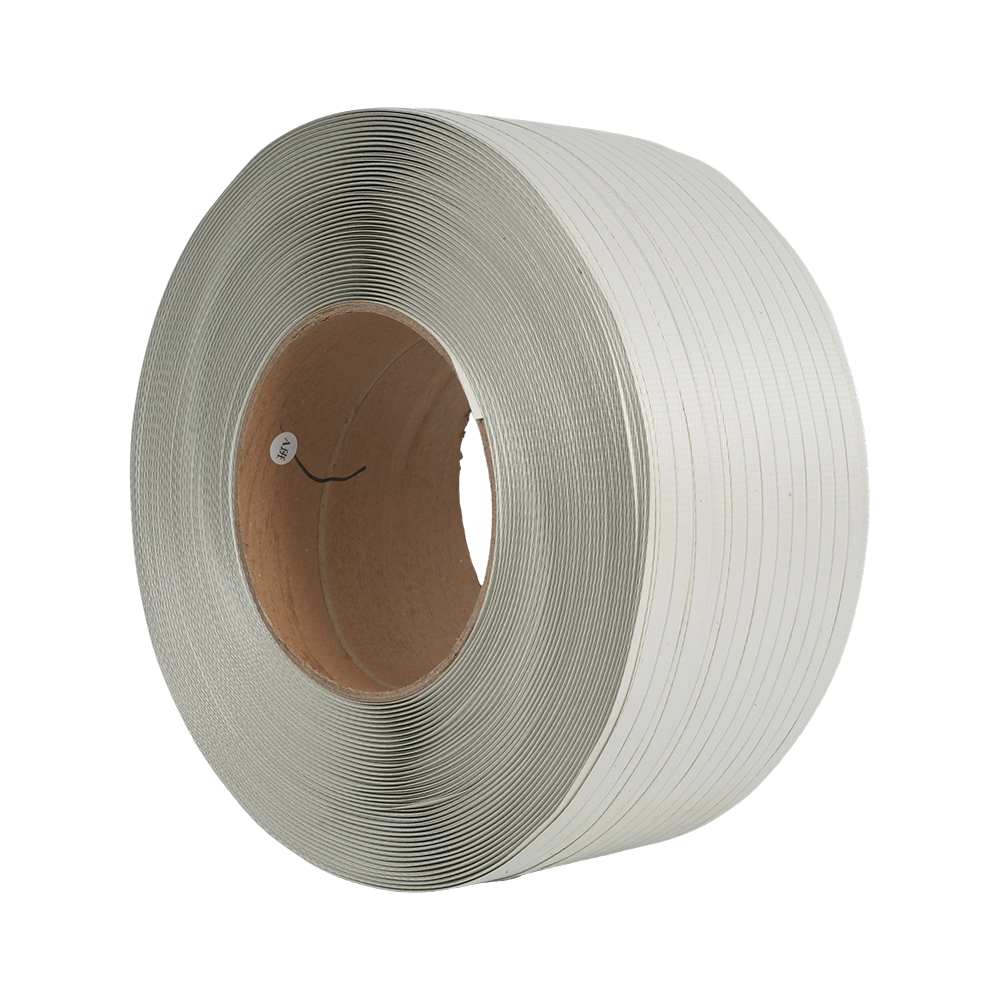
White Plastic Strapping Tape, PP Manual Strapping Band
-
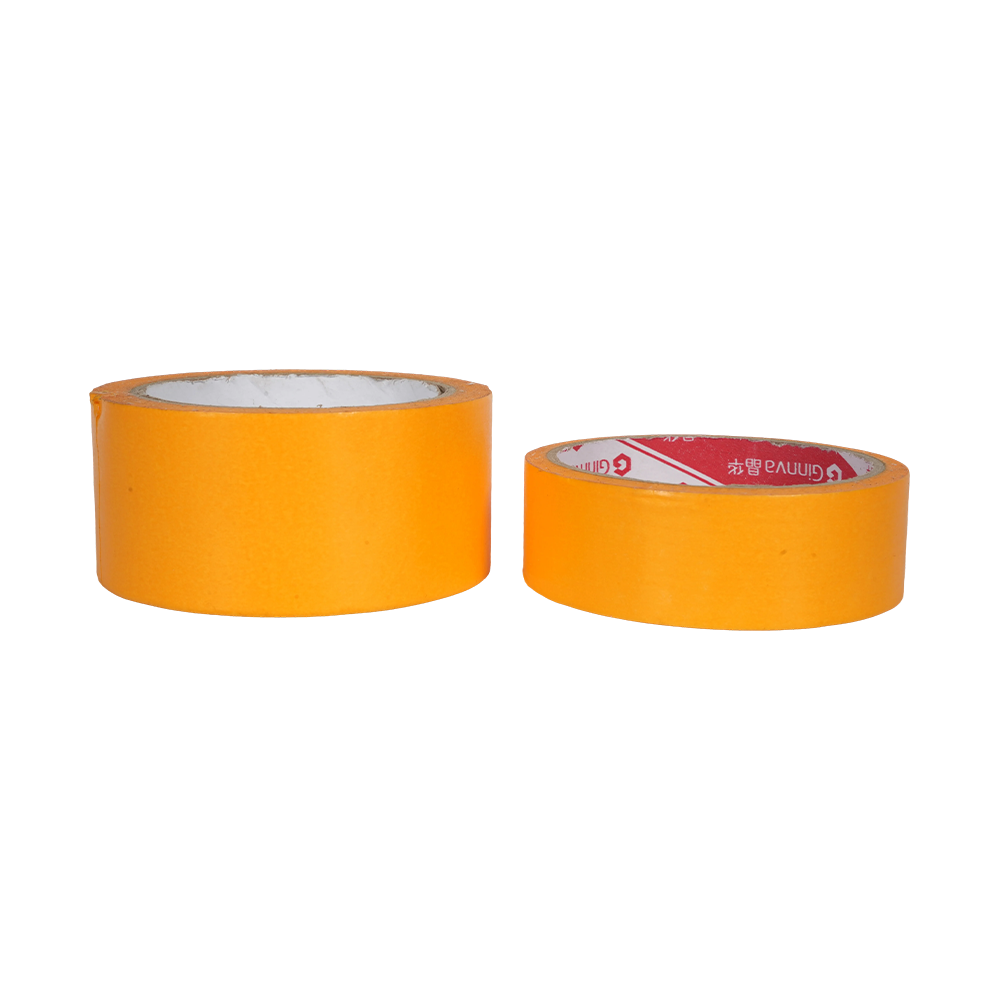
High-temperature resistant masking tape, crepe paper tape
-
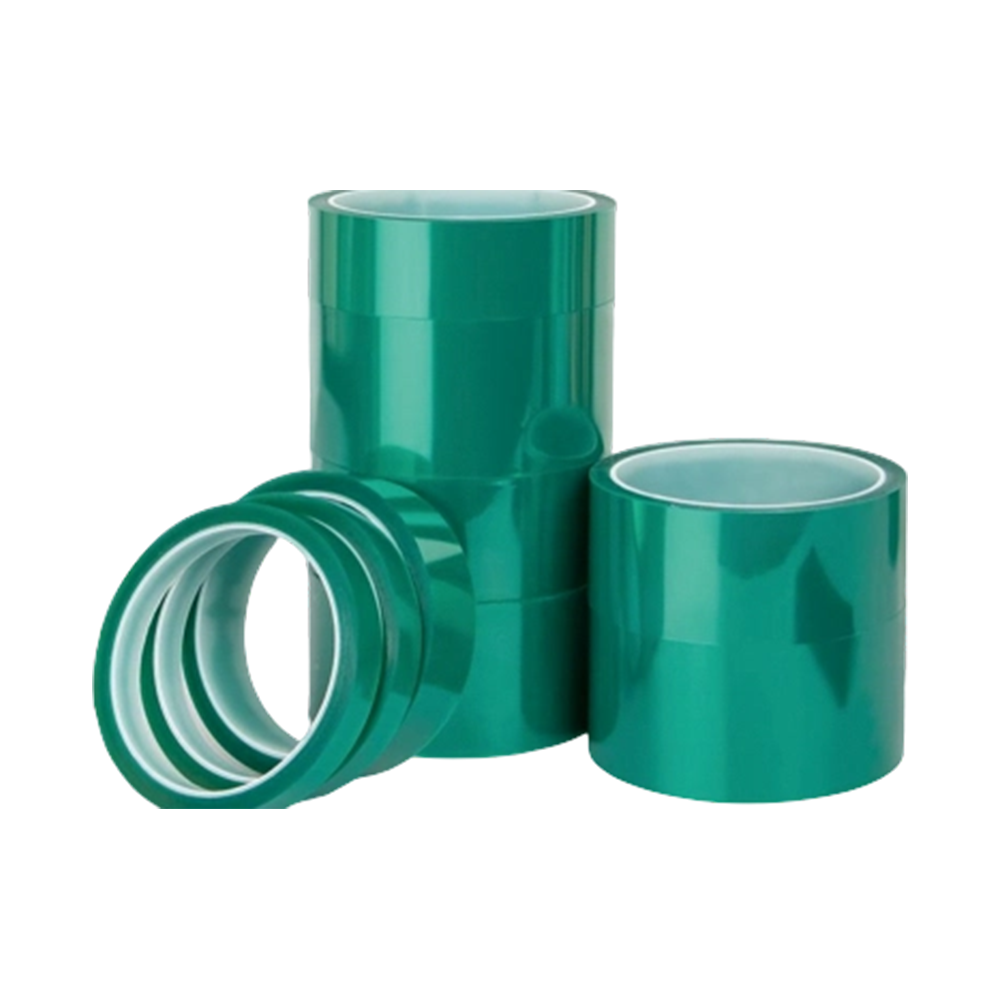
PET High-Temperature Tape
-

1608/1610/1910/2512 Handheld Opaque PET Plastic Steel Belt
-
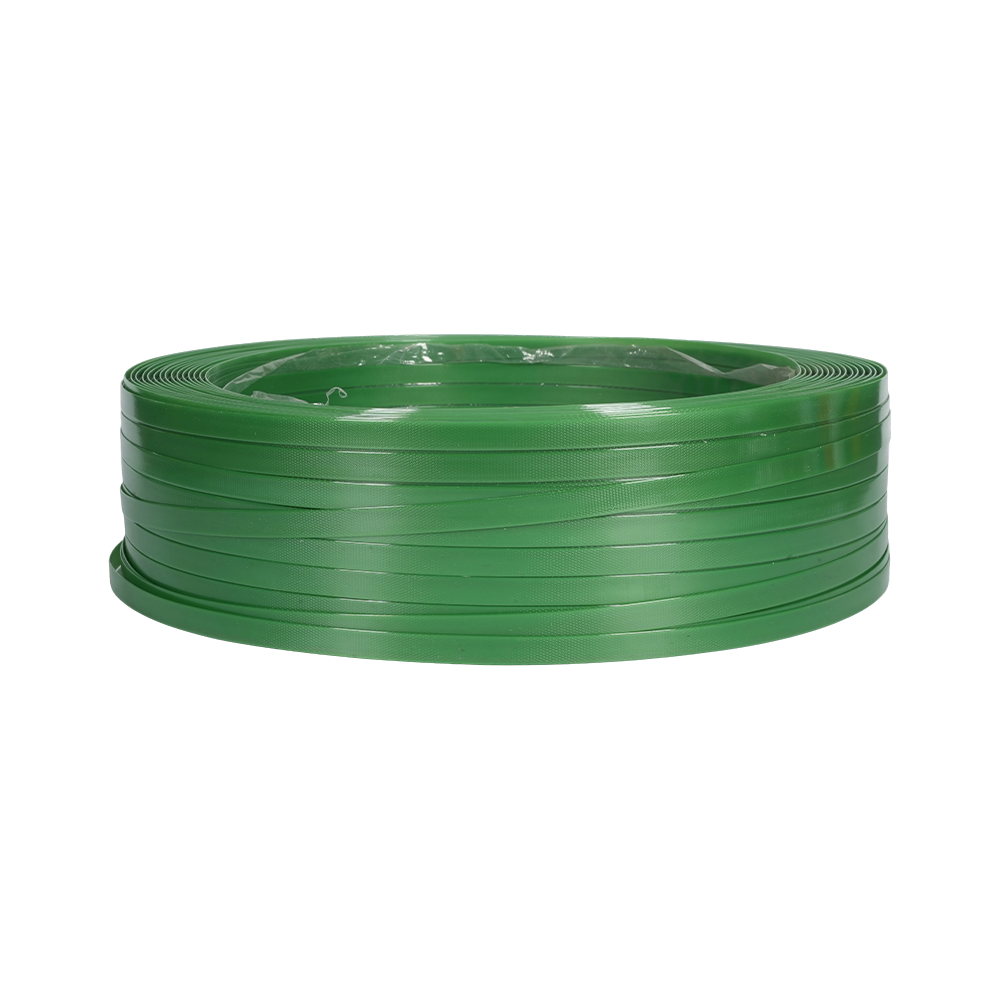
1608/1610/1910/2512 Handheld Transparent P+E+T Plastic Steel Belt
CONTACT DETAILS
- Address:No. 241, Yaojiafan, Zhangpanqiao, Shushan Street, Xiaoshan District, Hangzhou City, Zhejiang Province, China
- TEL:+86-0571-83175630
- Phone:+86-13336160217
- Email:anqiaocun@163.com
PRODUCTS
NEWS CENTER
MOBILE TERMINAL
Copyright© Zhejiang Geruite Packaging Materials Co., Ltd. All Rights Reserved.
Privacy Wholesale industrial packaging tape Manufacturers