


 English
  Español
  عربى
عربى 
High-Performance Polyester Film Insulation Tape for Electrical and Electronic Applications
Content
- 1 Product Overview
- 2 Why Polyester Film Is a Preferred Insulation Substrate
- 3 Core Product Advantages
- 4 Technical Specifications
- 5 Advantages Over Ordinary Competitor Tapes
- 6 Manufacturing Strengths Behind the Tape
- 7 Company Capabilities and Industrial Foundation
- 8 Application Scenarios
- 9 Selection Guidance
- 10 Handling and Storage Recommendations
- 11 Quality and Certification Value
- 12 Value for Different Customer Groups
- 13 Frequently Asked Questions
- 13.1 What is LY-XX Mylar Tape used for?
- 13.2 What is the substrate of the tape?
- 13.3 What adhesive systems are available?
- 13.4 What temperature can the tape withstand?
- 13.5 Does the tape meet flame-retardant requirements?
- 13.6 What thickness should be selected?
- 13.7 How does this tape compare with ordinary packaging tape?
- 13.8 Why is closed-loop manufacturing important?
- 13.9 How should the tape be stored?
- 13.10 Can the tape be customized?
- 14 Conclusion
- 15 References
- 16 Product: LY-XX Mylar Tape
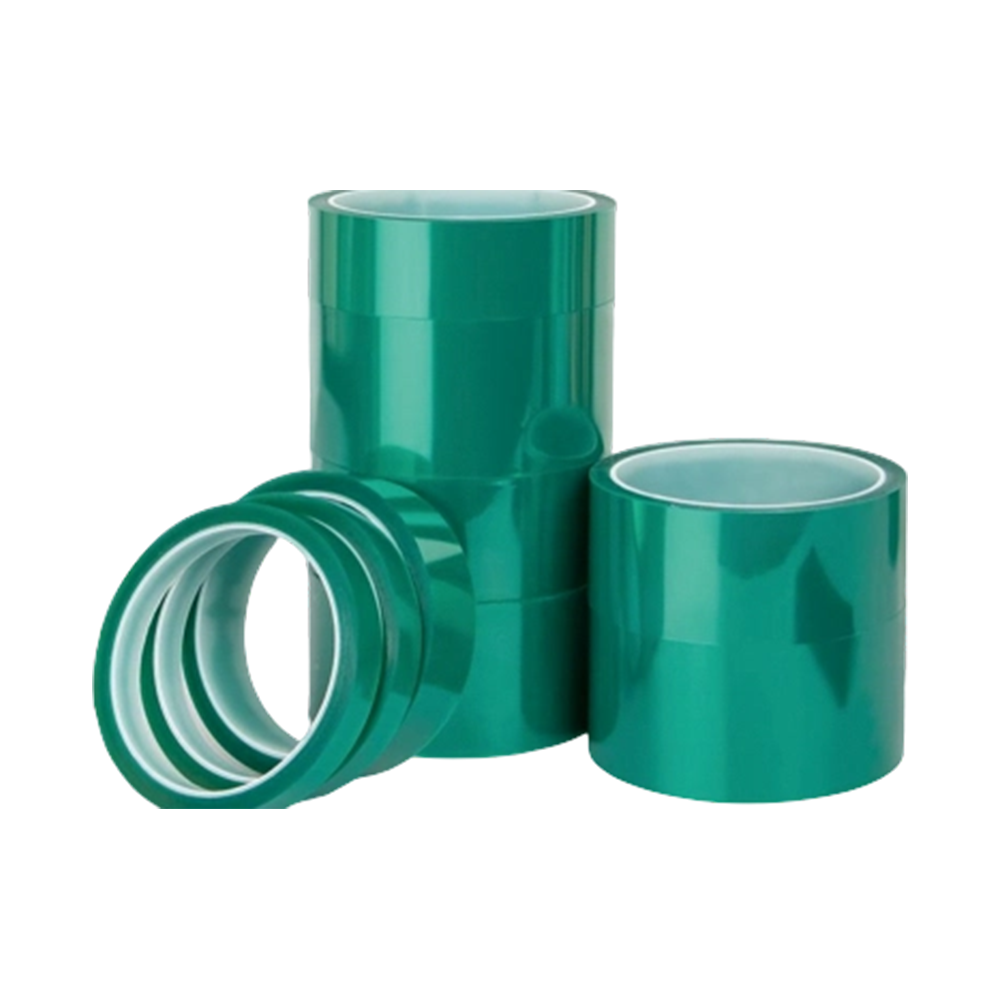
Polyester film insulation tape, often known in the market as Mylar tape, is a specialized adhesive tape designed for reliable electrical insulation, coil wrapping, component fixation, bundling, color identification, and protective masking in electrical and electronic assemblies. The LY-XX Mylar Tape series is developed for applications where stable dielectric performance, clean adhesion, dimensional consistency, and long-term temperature resistance are essential. Built on a polyester film substrate and coated with pressure-sensitive adhesive systems, this tape family supports demanding uses in transformers, motors, generators, capacitors, battery packs, and internal electronic components.
In modern electrical manufacturing, insulation tape is not merely a consumable material. It is part of the safety, durability, and consistency of the finished product. A tape used inside a transformer winding, motor stator, battery module, or capacitor assembly must remain stable under electrical stress, thermal cycling, mechanical wrapping pressure, and exposure to process chemicals. The LY-XX Polyester Film Tape series is engineered for these practical conditions. It combines a strong PET film backing, reliable adhesive bonding, flame-retardant options, solvent resistance, and multiple color and thickness choices to suit different design requirements.
The product is manufactured with closed-loop production control, covering critical steps from pigment grinding and adhesive synthesis to coating, drying, slitting, inspection, and shipment. This integrated manufacturing model gives the producer stronger control over quality consistency than suppliers that rely heavily on outsourced semi-finished materials. With in-house laboratory testing and process monitoring, each stage can be verified before the tape reaches customers. For customers in electrical and electronic industries, this means greater confidence in insulation performance, batch stability, and supply reliability.

LY-XX Mylar Tape
Product Overview
The LY-XX Mylar Tape series is an insulating adhesive tape based on polyester film, also known as PET film. Polyester film is widely used in electrical insulation because it offers excellent mechanical strength, dimensional stability, chemical resistance, and dielectric properties. When combined with a suitable pressure-sensitive adhesive, the film becomes a flexible and efficient insulation material for wrapping, fixing, and separating electrical components.
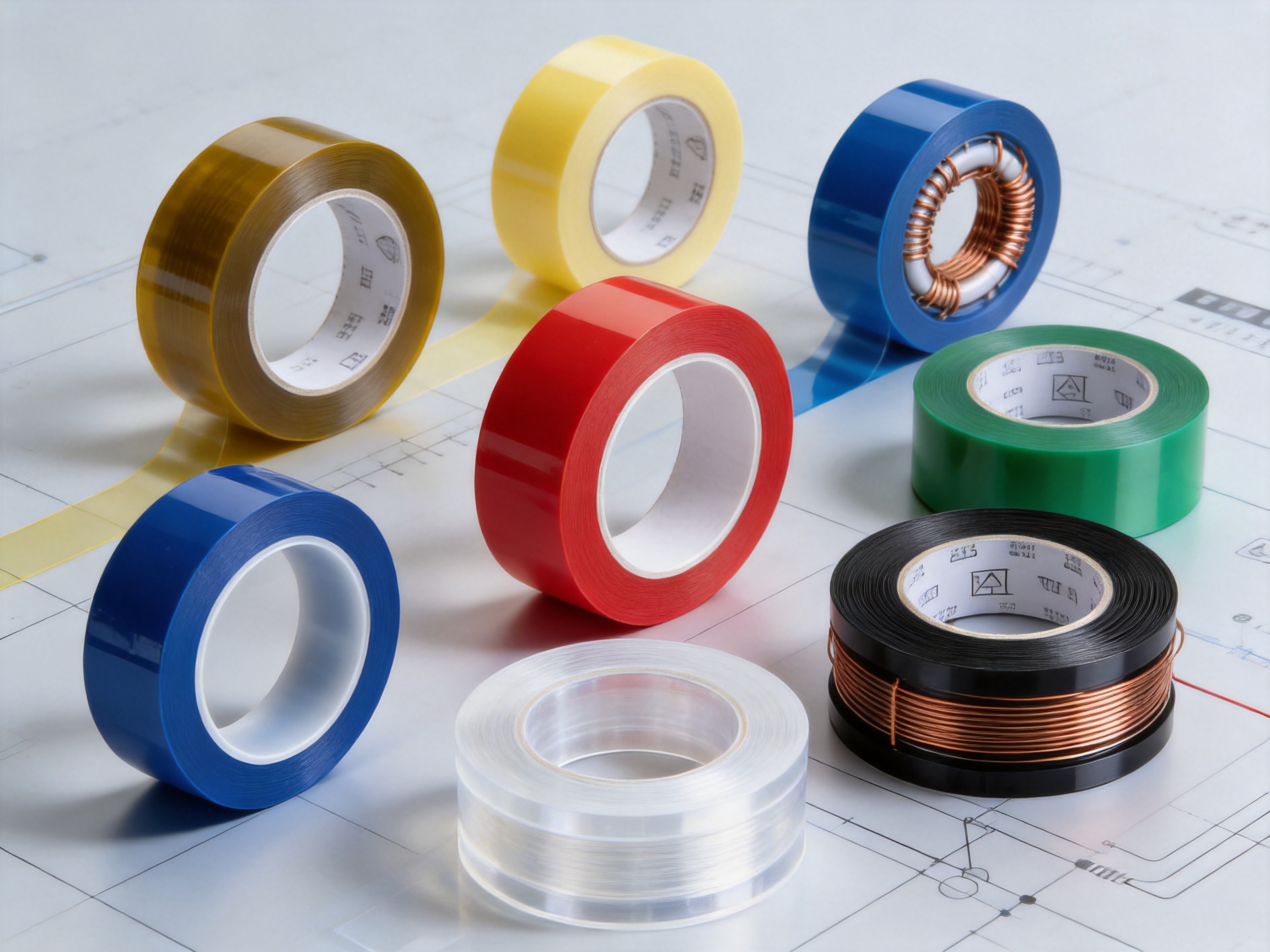
The series includes multiple colors, including dark yellow, light yellow, red, blue, green, black, white, and transparent. These color options allow manufacturers to use the tape not only for insulation but also for identification, process control, component marking, and assembly differentiation. For example, different colors may be used to distinguish voltage levels, production batches, winding sections, or assembly positions. Transparent tape can be selected where visual inspection of the underlying surface is needed.
The tape is available in different substrate and total thickness levels. Standard options include thin versions around 0.055 mm total thickness, thicker versions around 0.08 mm total thickness, double-layer and three-layer composite versions, and ultra-thin versions around 0.035 mm total thickness. This range allows engineers to balance insulation strength, flexibility, space efficiency, and wrapping build-up. In compact electronic assemblies, an ultra-thin insulation layer may be valuable. In higher voltage or heavier-duty applications, thicker or composite constructions may provide additional dielectric strength.
Adhesive options include acrylic-based and rubber-based pressure-sensitive adhesive systems depending on specific model requirements. Acrylic adhesive is valued for heat resistance, aging stability, solvent resistance, and clean performance in electrical applications. Rubber-based adhesive may be selected where strong initial tack and flexible bonding behavior are important. The tape family is generally designed for a typical temperature resistance level up to 130°C, while actual use should always be confirmed against the relevant technical datasheet and application conditions.
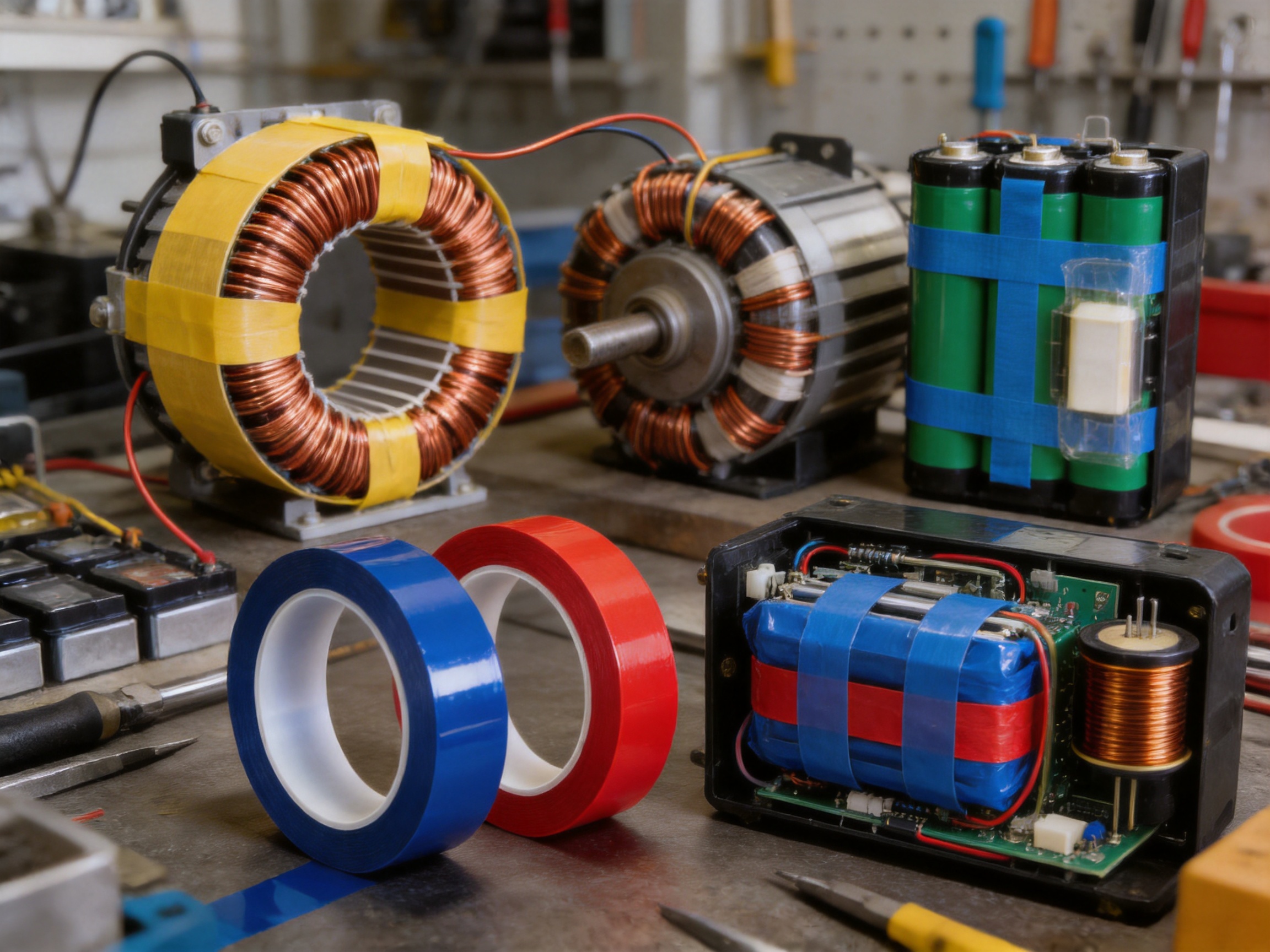
The product is suitable for coil wrapping and insulation in transformers, motors, and generators; insulation and fixation of battery packs; bundling and internal insulation of electronic components; capacitor insulation; labeling support; and other electrical protection functions. It is especially relevant for manufacturers requiring stable insulation performance, consistent adhesive quality, and dependable supply from a controlled production system.
Why Polyester Film Is a Preferred Insulation Substrate
Polyester film is one of the most important engineering films in insulation applications. Its popularity comes from a combination of electrical, mechanical, thermal, and processing advantages. Compared with ordinary plastic films, PET film provides better tensile strength, better dimensional stability, and stronger resistance to deformation during wrapping or processing. These properties are highly valuable when the tape must be applied under tension around coils, components, or irregular shapes.
In electrical assemblies, insulation materials need to resist breakdown under voltage. Polyester film has good dielectric strength, making it useful as a barrier between conductive parts. When used as an adhesive tape backing, the film helps prevent electrical leakage, short circuits, and accidental contact between components. The supplied LY-XX data shows withstand voltage values ranging from approximately 3 kV for ultra-thin versions to 8 kV for three-layer composite versions, depending on construction. This range gives designers flexibility when selecting a tape for different voltage and space requirements.
Polyester film also has low elongation compared with many soft films, while still offering enough flexibility for wrapping. This means it can maintain a neat profile and resist excessive stretching during application. Excessive elongation can lead to uneven thickness, reduced insulation margin, or adhesive displacement. A stable PET film backing supports cleaner, more predictable application results.
Another important advantage is heat resistance. Electrical devices often generate heat during operation. Motors, transformers, and battery systems may undergo continuous temperature exposure as well as short-term temperature fluctuations. Polyester film maintains its structure better than many general-purpose packaging films under elevated temperatures. When paired with a suitable adhesive, it can support insulation performance in applications up to approximately 130°C.
Chemical and solvent resistance is also valuable. During manufacturing, components may encounter cleaning agents, varnishes, impregnation chemicals, flux residues, or other process materials. The LY-XX series is described as having excellent solvent resistance, which helps preserve adhesion and insulation stability in industrial assembly environments.
Core Product Advantages
Stable Electrical Insulation
The central purpose of the tape is insulation. The polyester film backing provides dielectric separation, while the adhesive allows the insulation layer to remain fixed in place. In applications such as transformer coil wrapping, poor insulation can result in electrical leakage, premature failure, abnormal heating, or safety risks. The LY-XX series is designed to comply with insulation-related standards such as UL 510, helping users select a tape aligned with recognized electrical tape requirements.
Different models provide different withstand voltage levels. Standard 0.055 mm total thickness products offer approximately 4.2 kV withstand voltage, while 0.08 mm total thickness versions provide around 5 kV. Composite versions can provide higher voltage resistance, such as approximately 6.5 kV for double-layer construction and approximately 8 kV for three-layer construction. This product structure allows customers to avoid both under-specification and over-specification. They can choose a thinner tape where space is limited or a thicker tape where insulation margin is more important.
Excellent Temperature Resistance
The tape series is typically rated for temperature resistance around 130°C. This makes it appropriate for many electrical and electronic applications where ordinary packaging tape would fail. A standard packaging tape may soften, shrink, lose adhesion, or leave residue under thermal stress. Polyester insulation tape is designed to maintain better physical and adhesive stability in heat-generating devices.
For motors and transformers, temperature resistance is especially important because insulation failure can reduce equipment life. The adhesive must continue holding the tape in position, and the film must not deform excessively. The LY-XX series is suitable for environments requiring stable insulation performance across a broad temperature range, commonly from low-temperature handling conditions to elevated operating temperatures.
Strong Adhesion and Reliable Peel Strength
The product data indicates peel strength values of at least 250 N/M for most standard versions and at least 200 N/M for the ultra-thin version. Peel strength is not only a laboratory number; it directly affects field performance. If a tape lifts after wrapping, insulation gaps may appear. If it shifts during assembly, the component may fail inspection or create hidden reliability issues.
By using controlled adhesive synthesis and coating processes, the tape can provide stable bonding behavior. Adequate adhesion helps the tape remain positioned on PET film surfaces, metal parts, wire windings, component shells, battery cells, and other substrates when properly applied. Users should ensure surfaces are clean, dry, and free from dust or oil before application, and should apply sufficient pressure to promote proper wet-out of the adhesive.
Flame-Retardant Options
Many models in the LY-XX series are marked as compliant with UL 510 flame retardancy requirements. Flame retardancy is a major advantage in electrical equipment, where insulation materials should not easily support flame propagation. While not every color or construction is necessarily marked as flame retardant, the availability of flame-retardant options gives engineers a practical path to meet safety requirements.
For manufacturers serving regulated markets, documented flame-retardant performance can simplify material qualification. It can also improve customer confidence when the final product is used in sensitive environments such as power supplies, household appliances, industrial controls, electric tools, automotive electronics, or energy storage systems.
Excellent Solvent Resistance
Solvent resistance is listed as excellent across the product series. This characteristic is valuable in electrical and electronic manufacturing because tapes may contact cleaning solvents, impregnation varnishes, coatings, oils, or other industrial chemicals. A tape with poor solvent resistance may swell, lose adhesion, become brittle, or contaminate the assembly. The LY-XX tape is designed for a more demanding industrial environment, helping preserve insulation quality after production steps that involve chemical exposure.
Color and Thickness Flexibility
A major product advantage is the breadth of available models. The same tape family offers multiple colors and thicknesses, which allows customers to standardize purchasing while still meeting diverse production needs. Instead of sourcing different tapes from multiple suppliers, a manufacturer can use one consistent product family for many internal applications.
Color variety supports visual management. Thickness variety supports engineering optimization. Ultra-thin tape minimizes added bulk in compact devices. Standard tape supports general insulation and bundling. Thicker and composite tape increases voltage resistance and mechanical protection. This flexibility is especially useful for factories that manufacture multiple product lines, each requiring slightly different insulation solutions.
Technical Specifications
The following table summarizes representative specifications from the LY-XX Polyester Film Insulation Tape series. Exact values may vary according to model, production batch, and customer requirements. Users should refer to the latest technical datasheet before final approval for critical applications.
| Model or Type | Color | Substrate Thickness | Total Thickness | Peel Strength | Elongation | Withstand Voltage | Flame Retardancy | Temperature Resistance |
| LY-01 | Dark Yellow | 0.025 mm | 0.055 ± 0.005 mm | ≥250 N/M | ≥40% | 4.2 kV | Yes | 130°C |
| LY-02 | Light Yellow | 0.025 mm | 0.055 ± 0.005 mm | ≥250 N/M | ≥40% | 4.2 kV | Yes | 130°C |
| LY-04 | Blue | 0.025 mm | 0.055 ± 0.005 mm | ≥250 N/M | ≥40% | 4.2 kV | Yes | 130°C |
| LY-10 | Transparent | 0.025 mm | 0.055 ± 0.005 mm | ≥250 N/M | ≥40% | 4.2 kV | Not specified | 130°C |
| LY-11 to LY-18 | Multiple colors | 0.05 mm | 0.08 ± 0.005 mm | ≥250 N/M | ≥40% | 5 kV | Model dependent | 130°C |
| LY-02-2L | Light Yellow | Double-layer composite | 0.11 ± 0.01 mm | ≥250 N/M | ≥40% | 6.5 kV | Yes | 130°C |
| LY-02-3L | Light Yellow | Three-layer composite | 0.16 ± 0.02 mm | ≥250 N/M | ≥40% | 8 kV | Yes | 130°C |
| LY-02Z | Light Yellow ultra-thin | 0.019 mm | 0.035 ± 0.003 mm | ≥200 N/M | ≥40% | 3 kV | Yes | 130°C |
Advantages Over Ordinary Competitor Tapes
More Complete Production Control
One of the most important differences between this tape series and many ordinary competitor products is the closed-loop production system. Some tape suppliers purchase pre-made adhesive, outsource coating, or depend on external converting workshops. This may reduce investment cost, but it can also create inconsistent quality, longer response times, and less control over formula adjustment.
The LY-XX series benefits from in-house control over key production processes, including pigment grinding, adhesive synthesis, coating, and slitting. This integrated approach helps maintain stable color, adhesive behavior, coating thickness, and roll quality. When a customer orders the same model repeatedly, the expectation is that the next batch will perform like the previous batch. Closed-loop production makes that consistency easier to achieve.
Stronger Quality Verification
The company operates its own laboratory for full-process quality testing. This is a significant advantage over suppliers that only conduct basic visual inspection or rely on third-party testing after problems occur. In-house testing allows the manufacturer to evaluate raw materials, semi-finished coatings, finished rolls, and shipment batches. Key properties such as thickness, peel strength, elongation, voltage resistance, flame retardancy, appearance, and solvent resistance can be monitored more systematically.
For customers, laboratory-backed production means fewer surprises. Electrical insulation tape must meet measurable performance requirements. A roll that looks acceptable may still fail dielectric or adhesion testing. By building testing into the process, the company can reduce the risk of defective material entering customer production lines.
Better Application Matching
Competitor tapes are often sold as one-size-fits-all products. However, electrical insulation applications are not all the same. A small electronic transformer may require a thin, flexible tape with clean wrapping. A motor winding may require flame-retardant tape with stronger thermal durability. A battery pack may require stable adhesion, insulation, and color identification. A high-voltage section may require greater withstand voltage.
The LY-XX series offers multiple versions so that customers can select according to actual needs. The availability of ultra-thin, standard, thick, double-layer, and three-layer constructions makes the product family more adaptable than a narrow competitor catalog. This reduces unnecessary compromise during design and production.
Improved Color Consistency and Identification
Because pigment grinding is controlled in-house, the manufacturer has better ability to manage color consistency. This may seem secondary compared with voltage resistance, but it matters in industrial production. Color-coded insulation tapes are often used for process identification, product differentiation, and assembly verification. Inconsistent color may confuse operators, reduce visual control, or create quality concerns for end customers.
Available colors such as yellow, red, blue, green, black, white, and transparent support both functional and organizational uses. Compared with competitors offering only one or two colors, this range improves production management flexibility.
Reliable Flame-Retardant and Solvent-Resistant Performance
Many general-purpose tapes can adhere to a surface temporarily, but they are not designed for electrical safety. Competitor products without flame-retardant options or solvent resistance may be unsuitable for regulated electrical applications. The LY-XX series includes UL-recognized and flame-retardant models and is included in multiple insulation system listings. This provides a stronger foundation for customers that need materials aligned with recognized safety expectations.
Solvent resistance further separates the tape from commodity products. In real manufacturing environments, tapes may be exposed to varnish, cleaning agents, and process chemicals. A low-grade tape may bubble, lift, or become contaminated. The LY-XX tape is designed to maintain performance under more demanding conditions.
Manufacturing Strengths Behind the Tape
Closed-Loop Production from Raw Material Processing to Finished Rolls
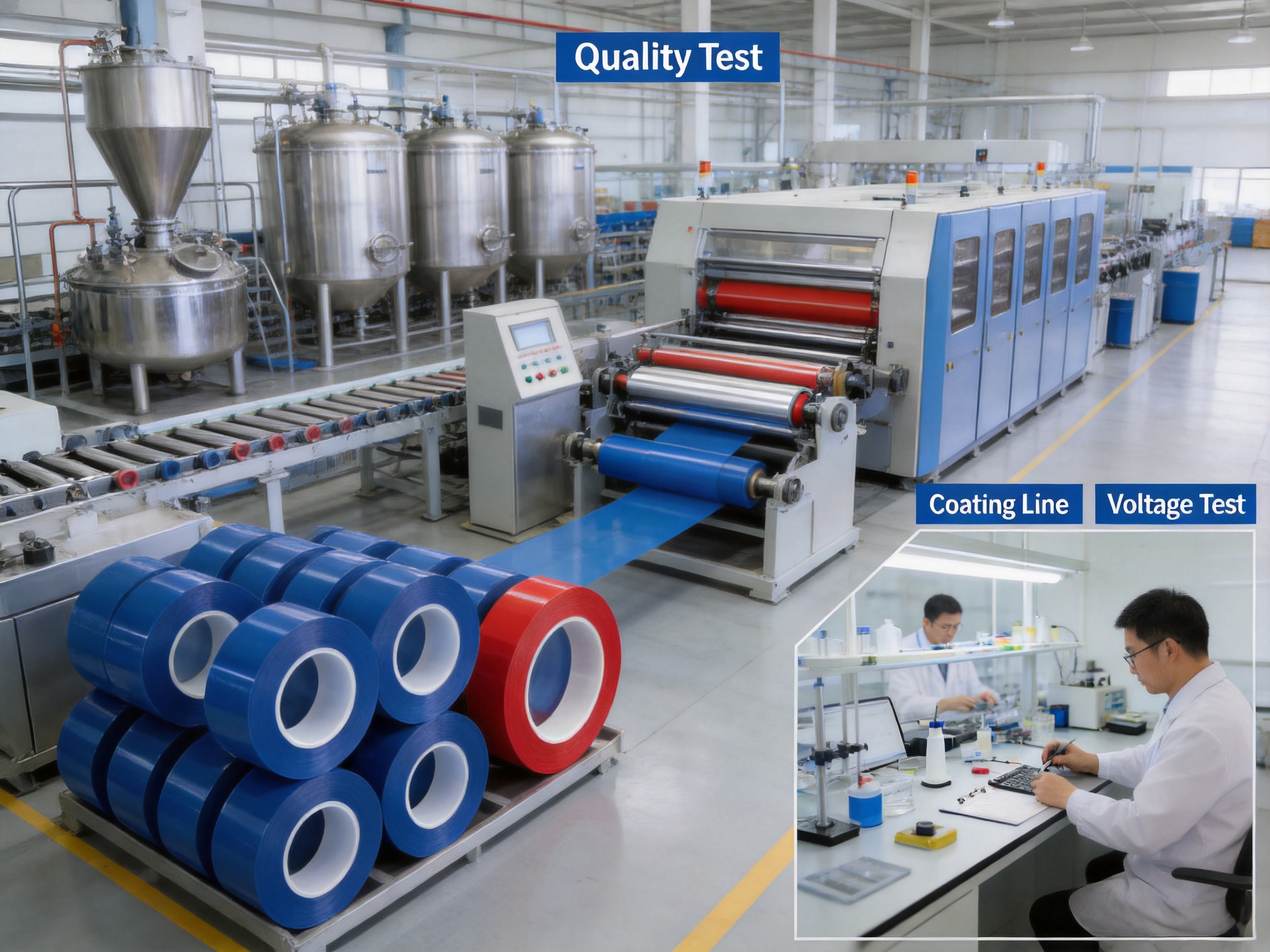
The manufacturing strength of the product begins with process integration. By controlling the technical chain from raw material processing to the finished tape, the company can manage product quality at a deeper level. Pigment grinding affects color stability and dispersion quality. Adhesive synthesis affects peel strength, aging behavior, and heat resistance. Coating affects total thickness, appearance, and adhesive uniformity. Slitting affects roll edge quality, width tolerance, and unwinding behavior.
When these processes are separated among different suppliers, quality control becomes more complicated. A coating defect may be caused by film quality, adhesive viscosity, drying conditions, dust contamination, or slitting tension. If the producer does not control the entire chain, root-cause analysis becomes slower. Closed-loop production allows faster troubleshooting and continuous improvement.
Adhesive Formulation Capability
Adhesive performance is one of the most critical parts of insulation tape. A good adhesive must bond effectively without excessive ooze, maintain strength under heat, resist solvents, and avoid contaminating electrical components. Through in-house adhesive synthesis, the manufacturer can adjust formulas to meet different requirements, such as acrylic adhesive for thermal and solvent stability or other adhesive systems for specific tack behavior.
This formulation capability gives the product an advantage over purely trading-based suppliers. When customers require a special balance of adhesion, release, temperature resistance, or residue control, a manufacturer with adhesive knowledge can respond more effectively. It can also maintain better consistency because formula control is not dependent on outside adhesive suppliers alone.
Precision Coating and Thickness Management
Uniform coating is essential for insulation tape. If adhesive coating is too thin, bonding may be weak. If it is too thick, the tape may become bulky, unstable, or prone to adhesive overflow. If the coating is uneven, voltage resistance and wrapping quality may vary across the roll. Precision coating helps ensure that the total thickness remains within specified tolerances, such as 0.055 ± 0.005 mm, 0.08 ± 0.005 mm, or other model-specific ranges.
Thickness management is especially important for electrical design. Engineers often calculate insulation distance and available space. If the tape varies too much, the final assembly may be too thick, too loose, or insufficiently insulated. By controlling coating and slitting processes, the manufacturer supports more predictable assembly results.
Professional Slitting and Roll Quality
Roll quality affects production efficiency. Even a technically strong tape can cause problems if it has uneven edges, telescoping rolls, poor winding tension, dust contamination, or unstable unwinding. Professional slitting ensures accurate width, clean edges, and consistent roll tension. This matters for automated and semi-automated production lines where tape must unwind smoothly without breaking or misalignment.
For coil wrapping operations, smooth unwinding helps operators maintain consistent tension. For battery pack insulation, clean edges reduce the risk of stray fibers or particles. For electronic component bundling, roll uniformity improves productivity and reduces waste. These practical details are often where high-quality tape suppliers outperform low-cost competitors.
In-House Laboratory and Full-Process Testing
The company’s laboratory supports testing from research and development to shipment. This full-process testing capability is a major strength because it links product design, manufacturing control, and final quality assurance. Laboratory testing may include mechanical performance, adhesive performance, insulation characteristics, heat resistance, flame retardancy, solvent resistance, and appearance inspection.
Full-process testing helps identify problems before they become customer complaints. For example, if adhesive viscosity changes during production, coating behavior may be affected. If film thickness varies, dielectric strength may change. If drying conditions are not optimized, residual solvent or adhesive softness may influence roll stability. In-house testing provides a way to monitor these factors systematically.
Company Capabilities and Industrial Foundation
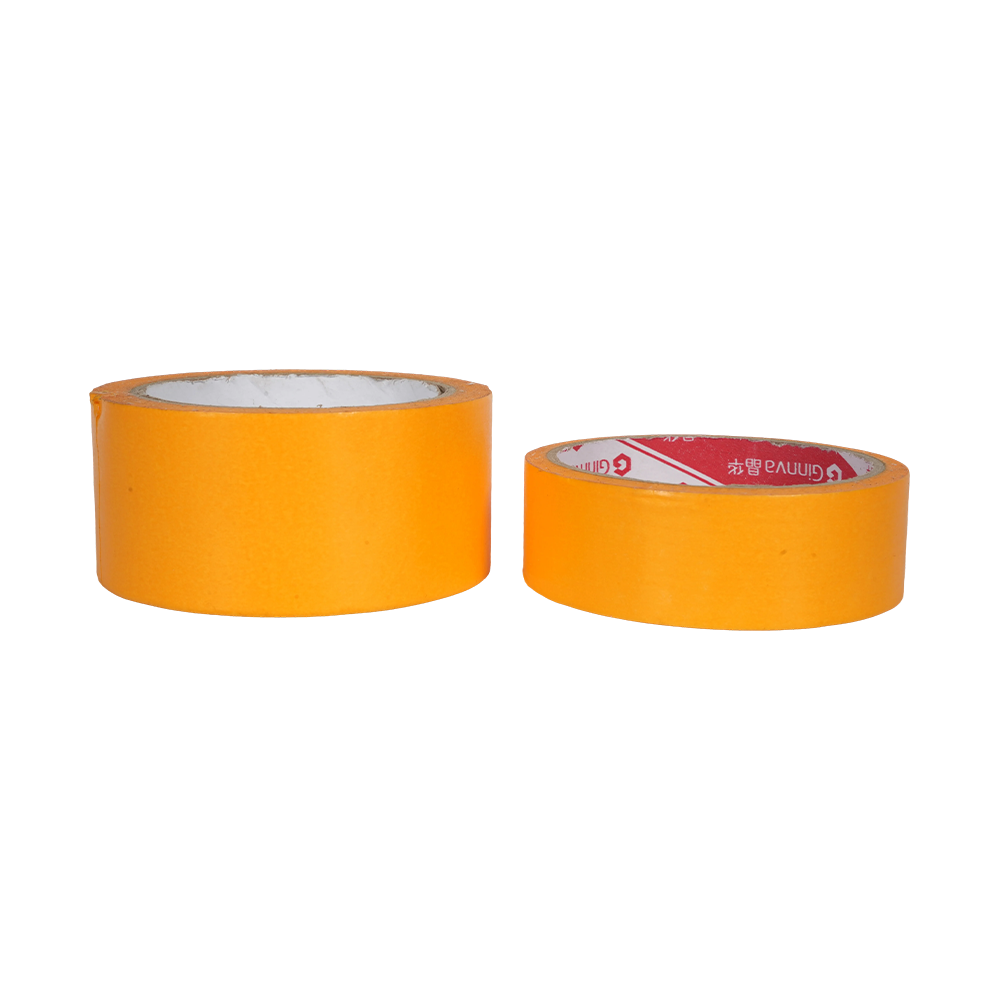
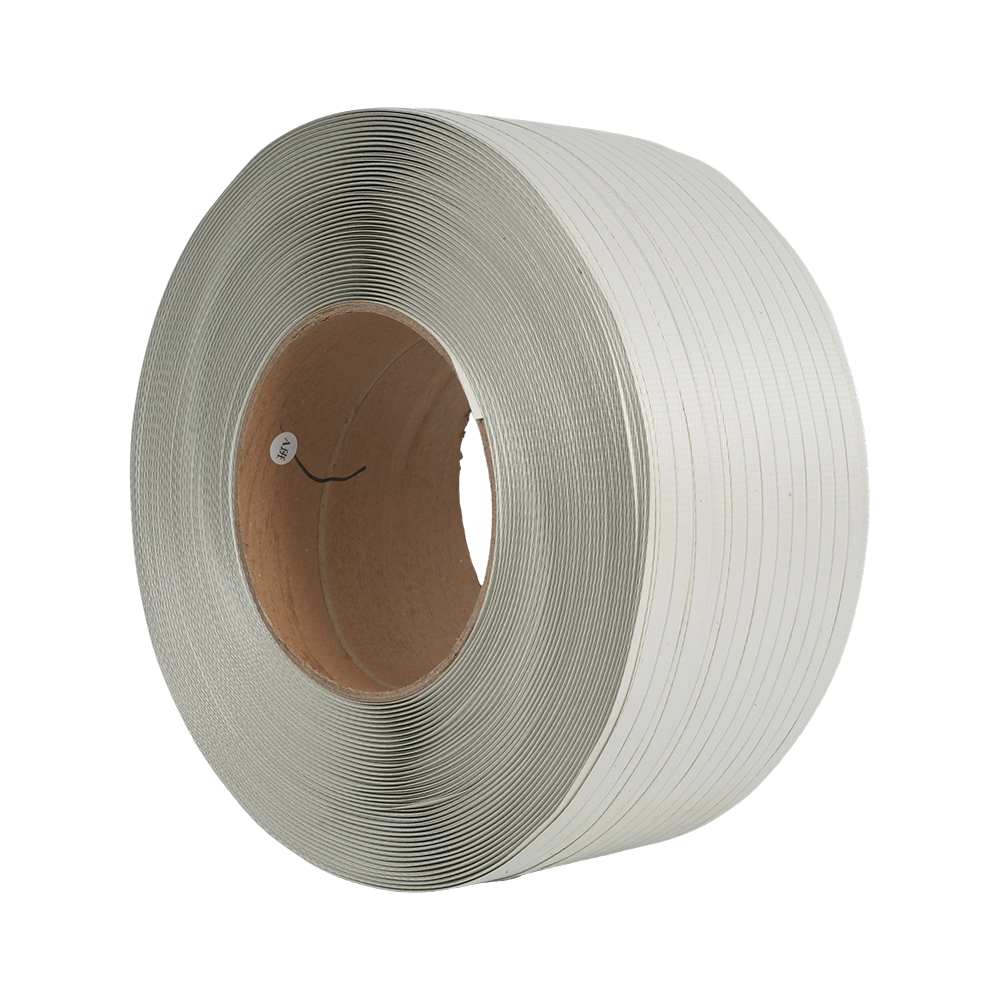
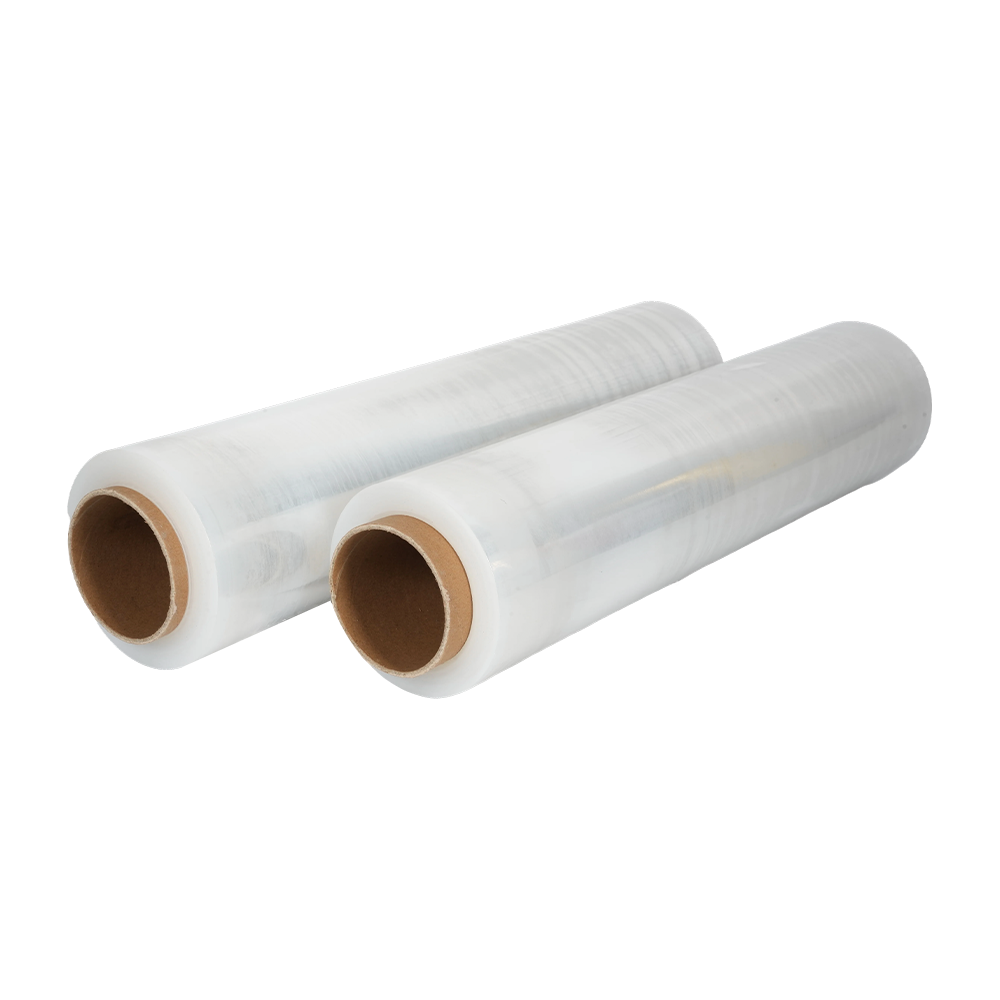
Zhejiang Geruite Packaging Materials Co., Ltd. is located in Zhejiang Province, China, a region known for strong manufacturing capability, supply chain development, and industrial innovation. The company focuses on research, development, production, and sales of high-performance tapes and packaging materials. Its product portfolio includes BOPP tapes, kraft paper tapes, masking tapes, high-temperature resistant tapes, metal tapes, PE stretch film, PP strapping, and high-strength PET strapping, in addition to electrical insulation tape products.
This broad packaging and tape background gives the company practical manufacturing experience across adhesive coating, film handling, converting, quality control, and customer customization. The annual output value has reached more than RMB 60 million, showing a stable production foundation and market presence. For customers seeking long-term supply cooperation, manufacturing scale is important because it supports delivery capability, price stability, and consistent service.
The company emphasizes quality as the lifeline of enterprise development. This philosophy is reflected in advanced production equipment, strict quality control, and attention to every stage from raw material procurement to final inspection. For technical products such as polyester film insulation tape, this quality-oriented approach is especially important. Electrical customers do not only need tape rolls; they need reliable insulation materials that support product safety and performance.
Another strength is the company’s ability to serve multiple industries. Its materials are used in logistics, express delivery, household goods, electronics, construction and decoration, industrial manufacturing, cargo stabilization, and packaging protection. This wide application base helps the company understand different customer requirements and develop practical, cost-effective material solutions.
Application Scenarios
Transformer Coil Wrapping
Transformers require insulation between windings, layers, terminals, and protective structures. Polyester film tape is commonly used to wrap coils, secure insulation layers, and protect winding areas. The LY-XX tape series is suitable for these tasks because it offers dielectric strength, temperature resistance, and stable adhesion. Flame-retardant models are particularly relevant for transformer applications where safety requirements are strict.
In coil wrapping, tape flexibility and tensile stability are important. The tape must conform around the coil without wrinkling excessively or lifting after application. PET film provides a strong and stable backing, while the adhesive keeps the tape in place. Color options can also help distinguish winding stages or product types.
Motor and Generator Insulation
Motors and generators face mechanical vibration, heat generation, and electrical stress. Insulation tape may be used for winding protection, lead wire fixation, slot insulation assistance, and bundling. The 130°C temperature resistance of the LY-XX series makes it suitable for many motor and generator environments, subject to final engineering validation.
Compared with ordinary tapes, polyester insulation tape is better suited for these rotating electrical machines. It resists heat more effectively, maintains better dielectric separation, and provides cleaner wrapping performance. The tape’s solvent resistance may also help when motor windings undergo varnish impregnation or related processing.
Battery Pack Insulation and Fixation
Battery systems require careful insulation and fixation to reduce the risk of short circuits, abrasion, and component movement. Polyester film tape can be used to insulate cell groups, secure protective sheets, mark sections, and bundle internal components. In battery applications, dimensional stability and adhesive reliability are important because the tape must remain in place during assembly and operation.
The availability of multiple colors supports identification within complex battery modules. Thin and ultra-thin tapes may be useful where space is limited, while thicker constructions may support higher insulation margin. Users should evaluate compatibility with battery chemistry, temperature conditions, and safety requirements before full-scale use.
Capacitor and Electronic Component Insulation
Capacitors, inductors, relays, sensors, and other electronic components often require insulation, bundling, and labeling during manufacturing. Polyester tape is useful because it provides a thin, strong, and clean insulation layer. It can be applied around component bodies, terminals, or internal assemblies to reduce contact risk and improve mechanical organization.
For compact electronics, the ultra-thin LY-02Z version can reduce tape build-up while maintaining insulation performance. For components requiring stronger dielectric separation, thicker or composite models can be considered. The tape’s solvent resistance and heat resistance help it survive common electronic production environments.
Internal Bundling and Labeling
Inside electrical equipment, wires and components often need to be bundled or fixed in place. Polyester film tape can perform this function while adding insulation protection. The product can also support labeling or color identification. Because the tape is available in multiple colors, manufacturers can use it as part of a visual management system.
Unlike ordinary stationery or packaging tape, this insulation tape is designed for industrial electrical environments. It offers better heat resistance, dielectric strength, and solvent resistance. This makes it more suitable for long-term use inside electrical products.
Selection Guidance
Selecting the right model requires consideration of voltage level, available space, flame-retardancy requirements, color coding, adhesive preference, and production process conditions. For general-purpose insulation and bundling, 0.055 mm total thickness models may provide a good balance of flexibility and insulation. For higher dielectric requirements, 0.08 mm or composite versions may be more appropriate. For compact assemblies where space is limited, the ultra-thin 0.035 mm version may be preferred.
Color selection should be based on identification needs and safety requirements. Yellow tones are commonly used in insulation applications, while red, blue, green, black, and white can support internal process differentiation. Transparent tape may be useful when the underlying component must remain visible, though users should confirm flame-retardancy requirements because transparent models may not share the same flame-retardant listing as colored versions.
Peel strength and adhesion should be matched to substrate and process conditions. Smooth PET, metal, painted surfaces, wire insulation, and battery cell surfaces may show different adhesion behavior. Before mass production, users should conduct application testing under actual operating conditions. The surface should be clean, dry, and free from oil, dust, and release agents. Proper pressure should be applied to ensure adhesive contact.
Temperature rating should also be considered carefully. A 130°C rating indicates suitability for many heat-resistant applications, but actual product design may involve continuous heat, peak heat, humidity, chemical exposure, and mechanical stress. Engineers should validate the tape in the final assembly, especially for safety-critical equipment.
Handling and Storage Recommendations
Proper handling and storage help preserve tape performance. The tape should be stored in a cool, dry place at room temperature, typically around 20°C to 25°C. Excessive heat, humidity, direct sunlight, or contamination may affect adhesive behavior and roll quality. Rolls should remain in their original packaging until use whenever possible.
Before application, surfaces should be cleaned to remove oil, dust, moisture, or loose particles. Contaminated surfaces can reduce adhesion and cause lifting. During application, sufficient pressure should be applied so the adhesive wets the surface properly. For wrapping applications, consistent tension should be maintained to avoid wrinkles, gaps, or excessive stretching.
Users should avoid touching the adhesive surface with bare hands because skin oils may reduce bonding. Tape should be cut cleanly rather than torn roughly when edge quality matters. In automated processes, equipment tension, roller cleanliness, and alignment should be checked regularly.
For critical electrical applications, users should follow the product technical datasheet and conduct qualification testing under actual conditions. Storage life, application temperature, bonding surface, and environmental exposure can all influence final performance.
Quality and Certification Value
Certification and quality recognition matter strongly in electrical insulation products. The LY-XX Mylar Tape series is described as UL recognized in the United States and included in multiple domestic and international insulation systems. It also complies with relevant industry management system certifications. These recognitions indicate that the product has been developed with attention to recognized safety and quality requirements.
UL recognition is especially meaningful for customers selling electrical products into international markets. While final product approval depends on the complete assembly and applicable standards, using recognized materials can simplify the engineering approval process and reduce risk. Flame-retardant models aligned with UL 510 requirements help manufacturers address safety expectations for electrical tape use.
Quality systems are equally important. A certified or systematically managed production process can provide better traceability, documentation, and batch control. When customers face audits or quality reviews, material traceability and technical documentation may be required. A supplier with organized testing and management systems can support these needs more effectively than informal suppliers.
Value for Different Customer Groups
For Electrical Equipment Manufacturers
Manufacturers of transformers, motors, generators, and power supplies need insulation materials that perform consistently. The LY-XX series provides stable dielectric strength, heat resistance, and flame-retardant options. Its multiple thicknesses allow engineering teams to choose materials according to electrical and mechanical design needs.
For Electronics Manufacturers
Electronics manufacturers need clean, thin, and reliable tapes for component insulation, bundling, and fixation. The product’s PET backing, solvent resistance, and color options support organized production. Ultra-thin versions are useful for compact devices where space is valuable.
For Battery Pack Producers
Battery manufacturers need insulation materials that help reduce short-circuit risk and support internal structure stability. The LY-XX series offers insulation, fixation, and color identification functions. Different thicknesses allow selection according to module design and safety requirements.
For Distributors and Industrial Tape Buyers
Distributors benefit from a product family that covers many application needs. Instead of carrying many unrelated insulation tapes, they can offer a structured series with multiple colors, thicknesses, and performance levels. The manufacturer’s production scale and closed-loop control support stable supply and consistent quality.
Frequently Asked Questions
What is LY-XX Mylar Tape used for?
It is used for electrical insulation, coil wrapping, component fixation, bundling, color identification, and protection in transformers, motors, generators, capacitors, battery packs, and electronic components.
What is the substrate of the tape?
The tape uses polyester film, also known as PET film or Mylar-type film, as the backing material. This substrate provides strong dielectric performance, dimensional stability, mechanical strength, and heat resistance.
What adhesive systems are available?
The tape can use acrylic-based or rubber-based pressure-sensitive adhesive systems depending on the specific model and application requirements. Acrylic adhesive is commonly valued for heat resistance, aging stability, and solvent resistance.
What temperature can the tape withstand?
The series is typically designed for temperature resistance up to approximately 130°C. Users should consult the relevant technical datasheet and test the tape under actual application conditions before final approval.
Does the tape meet flame-retardant requirements?
Many models are marked as flame-retardant according to UL 510 requirements. However, flame-retardancy status may vary by color and model, so users should confirm the exact specification before purchase.
What thickness should be selected?
For general insulation, 0.055 mm total thickness models are commonly suitable. For higher voltage resistance, 0.08 mm, double-layer, or three-layer versions may be selected. For compact electronic assemblies, the ultra-thin 0.035 mm version may be preferred.
How does this tape compare with ordinary packaging tape?
Ordinary packaging tape is not designed for electrical insulation. The LY-XX Polyester Film Tape offers better dielectric strength, heat resistance, solvent resistance, flame-retardant options, and dimensional stability, making it suitable for electrical and electronic applications.
Why is closed-loop manufacturing important?
Closed-loop manufacturing gives the producer control over pigment grinding, adhesive synthesis, coating, slitting, and testing. This improves consistency, traceability, quality control, and the ability to respond to customer requirements.
How should the tape be stored?
It should be stored in a cool, dry place at approximately 20°C to 25°C, away from direct sunlight, high humidity, excessive heat, and contamination. Original packaging should be maintained until use.
Can the tape be customized?
Customization may be possible depending on order quantity, color, width, thickness, adhesive requirements, and application needs. Customers should consult the manufacturer with detailed technical requirements.
Conclusion
The LY-XX Polyester Film Insulation Tape series is a practical and high-performance solution for electrical and electronic insulation. With PET film backing, reliable pressure-sensitive adhesive, multiple thickness and color options, solvent resistance, flame-retardant models, and temperature resistance around 130°C, it serves a wide range of industrial applications. From transformer coil wrapping to motor insulation, battery pack fixation, capacitor protection, and electronic component bundling, the tape provides the stability that modern manufacturing requires.
Its value is strengthened by the manufacturer’s closed-loop production system. In-house control of pigment grinding, adhesive synthesis, coating, slitting, laboratory testing, and final inspection creates advantages that many ordinary competitors cannot easily match. This process control supports batch consistency, technical reliability, and long-term customer confidence.
For buyers seeking more than a commodity tape, the LY-XX series offers a balanced combination of insulation performance, manufacturing discipline, certification support, and application flexibility. It is suitable for manufacturers that need dependable electrical tape performance and a supplier capable of supporting quality-driven industrial production.
References
UL 510, Standard for Polyvinyl Chloride, Polyethylene, and Rubber Insulating Tape.
IEC 60454, Pressure-Sensitive Adhesive Tapes for Electrical Purposes.
ASTM D1000, Standard Test Methods for Pressure-Sensitive Adhesive-Coated Tapes Used for Electrical and Electronic Applications.
Technical literature on polyester film dielectric properties and electrical insulation applications.
Manufacturer-provided product specifications for LY-XX Polyester Film Insulation Tape series.
Product: LY-XX Mylar Tape

CONTACT DETAILS
- Address:No. 241, Yaojiafan, Zhangpanqiao, Shushan Street, Xiaoshan District, Hangzhou City, Zhejiang Province, China
- TEL:+86-0571-83175630
- Phone:+86-13336160217
- Email:anqiaocun@163.com
PRODUCTS
NEWS CENTER
MOBILE TERMINAL
Copyright© Zhejiang Geruite Packaging Materials Co., Ltd. All Rights Reserved.
Privacy Wholesale industrial packaging tape Manufacturers