


 English
  Español
  عربى
عربى 
High-Performance PET No-Residue Double-Sided Tape for Clean Industrial Bonding
Content
- 1 Understanding the Product: A PET No-Residue Double-Sided Tape
- 2 Core Technical Specifications
- 3 Why PET Matters in a Double-Sided Tape
- 4 No-Residue Performance: A Practical Competitive Advantage
- 5 Differentiated Adhesion: Removable and Permanent Bonding in One Product
- 6 Thin Coating Thickness for Clean Assembly
- 7 Strong Static Shear for Reliable Holding Power
- 8 Initial Tack and Application Control
- 9 Temperature Resistance up to 120°C
- 10 Surface Compatibility and Application Guidance
- 11 Application Areas
- 12 Advantages Over Conventional Competitor Tapes
- 13 Manufacturing Strength Behind the Product
- 14 Quality Control and Testing Discipline
- 15 Process Advantages: From Raw Materials to Finished Rolls
- 16 Company Capability and Supply Reliability
- 17 How the Tape Supports Production Efficiency
- 18 Design Considerations for Engineers and Buyers
- 19 Recommended Application Method
- 20 Packaging and Converting Potential
- 21 Environmental and Workplace Benefits of Cleaner Removal
- 22 Frequently Asked Questions
- 22.1 What is the main purpose of this PET no-residue double-sided tape?
- 22.2 What does “no residue” mean in practical use?
- 22.3 Why does the tape have both removable and permanent adhesion values?
- 22.4 What is the tape thickness?
- 22.5 What temperature can the tape withstand?
- 22.6 Is the tape suitable for transparent or decorative applications?
- 22.7 Can the tape be die-cut?
- 22.8 How should surfaces be prepared before application?
- 22.9 What makes this product different from ordinary double-sided tape?
- 22.10 Who manufactures the product?
- 23 Conclusion
- 24 References
- 25 Product: 6025R PET No residue double-sided tape
In modern manufacturing, assembly, packaging, electronics, display mounting, printing, signage, and temporary fixture applications, the quality of a double-sided tape is often judged not only by how strongly it bonds, but also by how cleanly it performs throughout its service life. A tape that grips reliably, maintains shear strength, resists moderate heat, and removes without leaving stubborn adhesive residue can reduce rework, protect surfaces, and improve production efficiency. The 6025R PET no-residue double-sided tape is designed for precisely these needs: stable bonding, clean removability, controlled adhesion, thin construction, and dependable performance in professional industrial environments.
This article explores the product’s material structure, technical advantages, performance specifications, application value, and manufacturing background. It also explains how advanced production control, strict testing, and a broad packaging-materials manufacturing foundation help support consistent quality. For buyers comparing ordinary double-sided tapes with a PET-based no-residue solution, the key difference lies in balance: the tape must be strong enough for practical use, yet controlled enough to release cleanly when required. That balance is the primary value of this product.
Understanding the Product: A PET No-Residue Double-Sided Tape
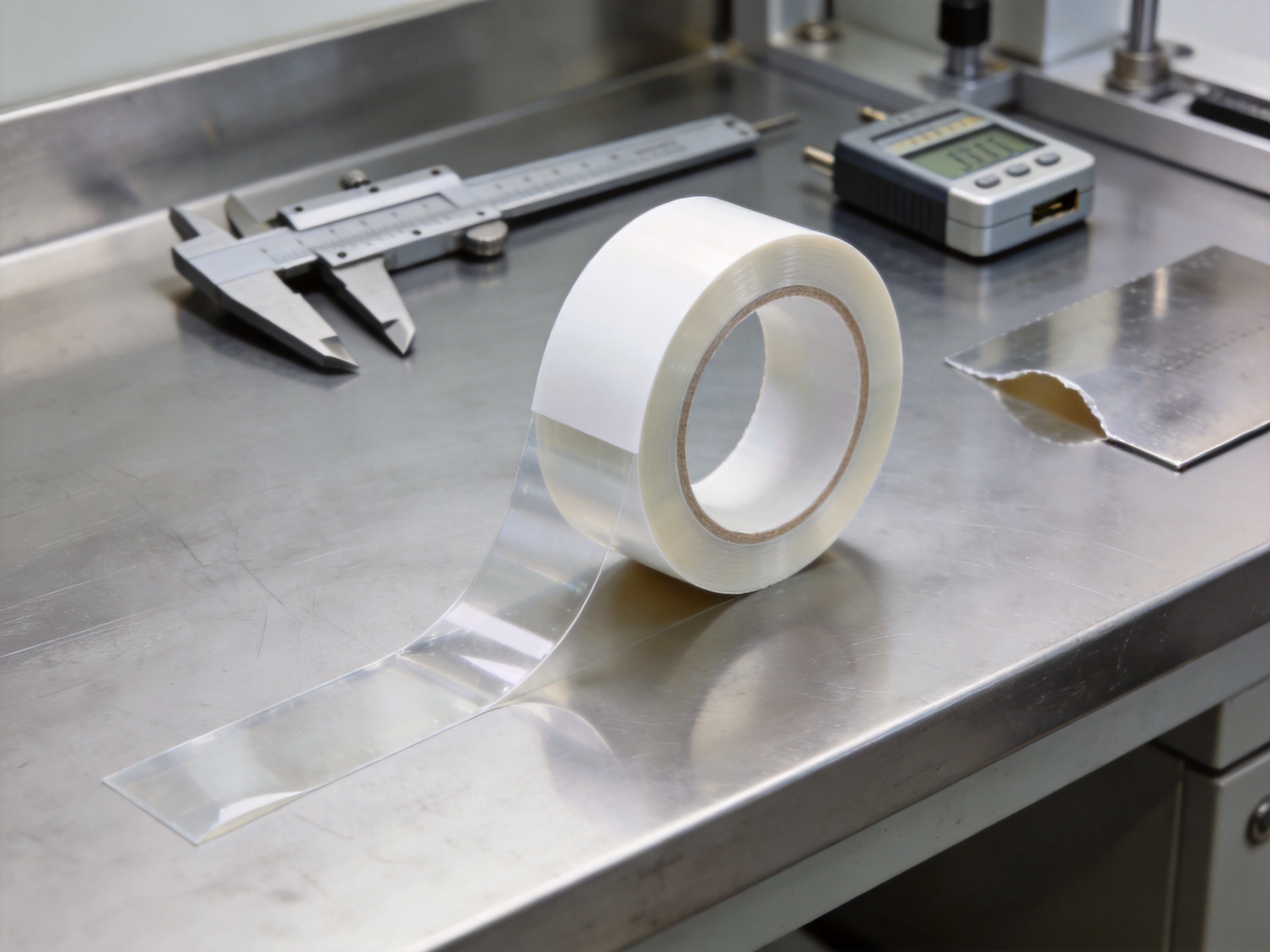
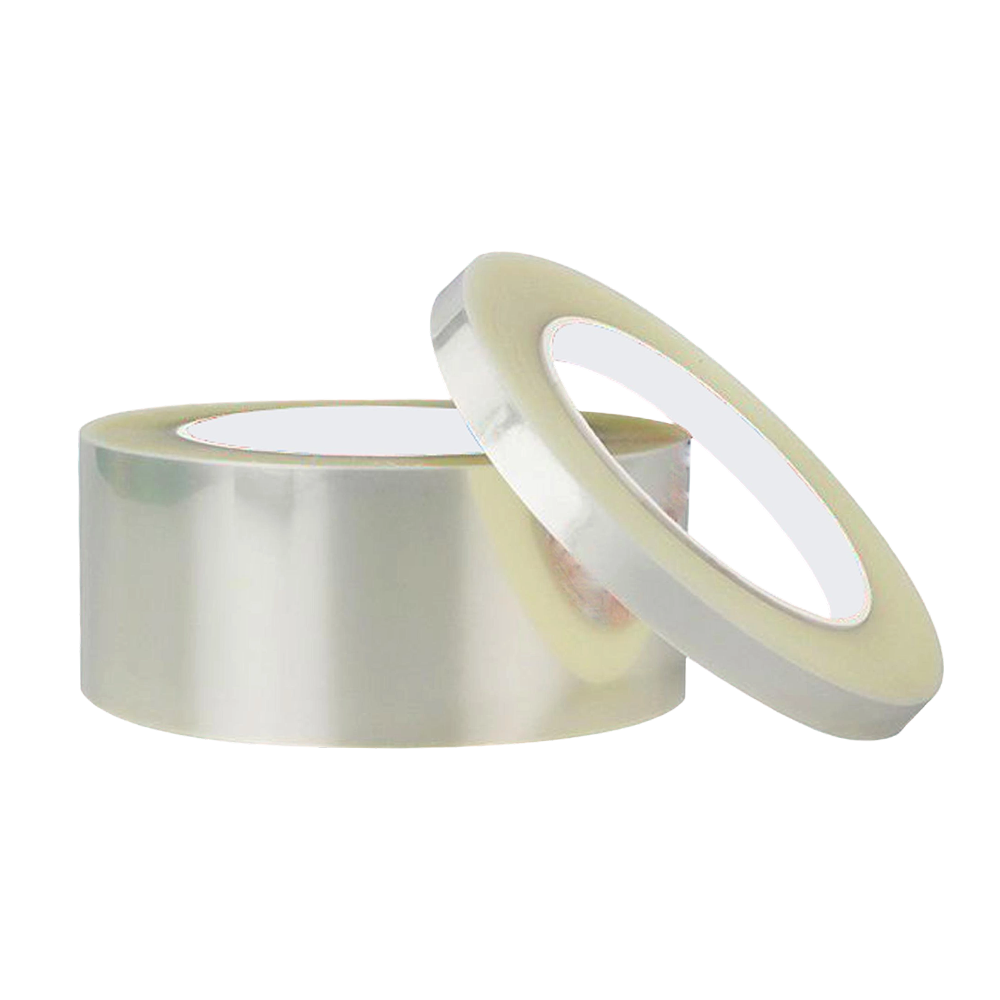
The 6025R PET no-residue double-sided tape belongs to the double-sided tape category and is built around a transparent PET-based structure with a white release liner. PET, or polyethylene terephthalate, is widely valued in technical adhesive products because it offers dimensional stability, strength, transparency, and resistance to deformation under normal industrial handling conditions. When used as part of a double-sided tape structure, PET helps support uniform coating, clean die-cutting, controlled thickness, and reliable placement.
The phrase “no residue” is especially important. Many double-sided tapes bond well but become difficult to remove, leaving adhesive stains, smears, ghost marks, or sticky contamination on the substrate. These issues can be costly in applications involving painted surfaces, plastic panels, glass, metal housings, display parts, labels, nameplates, temporary assembly fixtures, and components that must remain visually clean. A no-residue tape is designed to reduce those problems by combining adhesion with cleaner release behavior.
This product also features differentiated adhesion performance. Its removable side provides a typical adhesion range of 5–10 N/24 mm after 20 minutes of placement, while the permanent side provides adhesion of at least 10 N/24 mm. This structure is useful where one surface must hold more firmly while the other side may require controlled removal. In practical terms, the tape can be used to create a stable bond on one side while allowing easier, cleaner repositioning or removal on the other side, depending on the substrate and application conditions.
The tape has a typical coating thickness of 0.095 ± 0.005 mm. This relatively thin profile supports applications that require low visibility, neat lamination, and minimal build-up between bonded parts. Transparent tape construction also helps preserve the appearance of clear, white, printed, or decorative surfaces. With a static shear value of at least 1440 minutes and temperature resistance up to 120°C, the product is positioned as a reliable industrial solution rather than a simple office or household adhesive.
Core Technical Specifications
The following table summarizes the typical values provided for the 6025R PET no-residue double-sided tape. These data points are important for engineers, purchasing managers, converters, and quality-control teams because they define the tape’s expected operating range and testing basis.
| Category | Test Item | Unit | Typical Value | Reference Standard |
| Physical Properties | Coating Thickness | mm | 0.095 ± 0.005 | GB/T 7125-2014 |
| Adhesion to Steel Plate | 180° Peel after 20 minutes placement, removable side | N/24 mm | 5–10 | GB/T 2792-2014 |
| Adhesion to Steel Plate | 180° Peel after 20 minutes placement, permanent side | N/24 mm | ≥10 | GB/T 2792-2014 |
| Holding Power | Static Shear Force, 24 mm × 24 mm, 1000 g, 5.76 cm² | min | ≥1440 | GB/T 4851-2014 |
| Initial Tack | 14° steel ball inclined plane method | mm | ≤100 | GB/T 4852-2002 |
| Thermal Performance | Temperature Resistance | °C | 120 | GB/T 4851-2014 |
| Appearance | Tape Color | — | Transparent | Visual Inspection |
| Appearance | Release Liner Color | — | White | Visual Inspection |
Why PET Matters in a Double-Sided Tape
PET is a preferred carrier or support material in many industrial adhesive tapes because it offers a combination of mechanical reliability and processing stability. Compared with paper carriers or foam carriers, PET generally provides a thinner and more dimensionally stable base. This is especially useful when the final bonded assembly must remain flat, smooth, and visually refined.
In converting operations, PET-based tapes can be slit, laminated, die-cut, and applied with high precision. A stable carrier helps maintain edge quality, reduces stretching during processing, and supports accurate placement on automated production lines. These characteristics make the product suitable not only for direct roll use but also for customized shapes, pads, strips, and pre-cut components.
Another advantage is transparency. Many assembly applications require bonding without obvious visual interference. Clear or transparent tape can be used behind nameplates, decorative trims, electronic panels, transparent parts, plastic components, and light-colored substrates. While every application should be tested under real conditions, transparent PET tape often offers a cleaner appearance than opaque adhesive solutions.
PET also improves handling. Thin adhesive films without a stable carrier may be difficult to remove from a liner, prone to stretching, or challenging to apply evenly. A PET-supported double-sided tape provides a more manageable structure, allowing workers or machines to apply the product with better control. This reduces waste and improves repeatability in production environments.
No-Residue Performance: A Practical Competitive Advantage
In many industrial settings, the true cost of tape is not limited to the purchase price per roll. It includes labor time, scrap rate, surface damage, cleaning chemicals, downtime, rework, customer complaints, and inconsistent appearance. A low-cost double-sided tape may initially seem economical, but if it leaves residue or damages parts during removal, the total cost can quickly rise.
The no-residue characteristic of the 6025R PET double-sided tape provides a clear advantage in applications where temporary or semi-permanent attachment is required. Examples include temporary fixture bonding, production positioning, protective film attachment, sample boards, display material mounting, advertising panels, signs, and components that may need later service, replacement, or repositioning.
Compared with many general-purpose double-sided tapes, a no-residue tape reduces the need for aggressive solvent cleaning. This can improve workplace safety, shorten process time, and protect delicate substrates. Solvents may dull plastic surfaces, affect coatings, remove printed graphics, or create odor and environmental concerns. By reducing adhesive residue, the tape helps simplify downstream operations.
Clean removability also supports brand presentation and product quality. If a customer removes a temporary component and discovers sticky residue, the perceived quality of the entire product may be affected. A clean-removing tape supports a more professional user experience, especially in consumer electronics, home appliances, display fixtures, printed materials, packaging presentations, and retail systems.
Differentiated Adhesion: Removable and Permanent Bonding in One Product
One of the most valuable features of this tape is its balanced adhesion design. The removable side has a typical adhesion value of 5–10 N/24 mm, while the permanent side is rated at ≥10 N/24 mm. This design helps solve a common application challenge: one side of the tape must remain securely anchored, while the opposite side must allow cleaner removal or controlled detachment.
For example, in a temporary mounting application, the permanent side can be attached to a fixture, board, base component, or reusable carrier, while the removable side contacts the part that must later be removed. In a display or promotional application, the permanent side may bond to a holder, frame, or backing plate, while the removable side attaches to a poster, panel, or decorative surface. This controlled difference in adhesion helps reduce unwanted adhesive transfer.
Ordinary double-sided tapes often use the same adhesive on both sides, which can create uncertainty during removal. If both sides grip equally, the tape may detach from the wrong surface, split, stretch, or leave residue. A differentiated adhesive design gives users more predictable behavior, particularly when application direction is clearly controlled.
This advantage is important for converters and assembly teams. When a tape can be designed into a process with a known removable side and a known permanent side, production instructions become clearer and quality becomes more repeatable. Proper labeling, liner orientation, and operator training further enhance performance.
Thin Coating Thickness for Clean Assembly
The typical coating thickness of 0.095 ± 0.005 mm gives the tape a slim profile. Thin bonding materials are valuable in industries where component gaps, surface flushness, optical appearance, and dimensional tolerance matter. A thick tape can create visible edges, uneven panels, or unwanted height differences. By contrast, a thin PET-based double-sided tape supports a cleaner finished appearance.
Thin construction also improves suitability for laminated parts. When bonding flexible sheets, printed films, plastic panels, labels, insulation pieces, or thin decorative elements, excessive adhesive thickness can cause bulging or edge distortion. A controlled thin tape helps maintain the designed shape and surface flatness.
Compared with foam tapes, this PET no-residue tape is better suited to applications requiring precision rather than gap filling. Foam tapes are useful when surfaces are uneven or vibration damping is needed, but they can be too thick for low-profile assemblies. The 6025R PET tape offers a more refined option for smooth surfaces and controlled bonding lines.
Thickness consistency also matters during die-cutting. When the tape thickness remains stable across the web, die-cut depth, kiss-cut accuracy, stacking behavior, and automated dispensing performance are easier to control. This helps converters reduce waste and produce more accurate parts for industrial customers.
Strong Static Shear for Reliable Holding Power
Static shear force reflects the tape’s ability to resist sliding under load over time. The 6025R PET no-residue double-sided tape has a typical static shear value of at least 1440 minutes under the stated test condition of 24 mm × 24 mm, 1000 g, and 5.76 cm². This indicates excellent holding power for many practical mounting and assembly tasks.
High shear performance is important because a tape may show good peel adhesion but still fail if the bonded component gradually creeps, shifts, or slides. In vertical mounting, hanging, fixture bonding, and component positioning, shear strength is often as important as peel strength. A tape with poor shear resistance may allow parts to move even though initial bonding feels strong.
By maintaining shear resistance for an extended period, this tape helps support dimensional stability in finished assemblies. It is particularly useful where components must remain aligned during handling, packaging, storage, or moderate temperature exposure. Proper surface preparation, application pressure, and dwell time will further improve real-world holding performance.
Compared with commodity tapes designed only for light-duty adhesion, a PET no-residue tape with high static shear performance provides greater confidence in industrial workflows. It helps reduce the risk of parts shifting before final assembly, before shipment, or during customer use.
Initial Tack and Application Control
Initial tack describes how quickly a tape begins to grab a surface upon contact. The product’s initial tack is measured by the 14° steel ball inclined plane method, with a typical value of ≤100 mm. In practical use, initial tack must be balanced. If tack is too low, the tape may not hold parts during assembly. If tack is too aggressive, operators may have difficulty positioning components accurately.
The 6025R PET no-residue double-sided tape is designed for controlled bonding rather than uncontrolled instant grab. This is especially valuable when parts must be aligned carefully before full pressure is applied. In assembly lines, signage production, printing finishing, and panel mounting, controlled tack can reduce placement errors and material waste.
After the tape is positioned and pressure is applied, adhesion develops according to the surface condition, pressure level, contact area, and dwell time. The provided peel adhesion values are based on testing after 20 minutes of placement, which reflects a practical early-stage bonding condition. Users should still conduct application-specific testing, especially on low-surface-energy plastics, textured surfaces, coated metals, or surfaces contaminated by release agents, oil, dust, or moisture.
Temperature Resistance up to 120°C
The tape’s temperature resistance is listed at 120°C. This makes it suitable for many indoor industrial environments, assembly operations, storage conditions, and applications exposed to moderate heat. Temperature resistance is a critical factor because adhesives can soften, creep, or lose strength if the operating temperature exceeds their design range.
Compared with ordinary low-cost double-sided tapes that may soften at relatively low temperatures, this product’s 120°C resistance gives users a wider safety margin. It may be helpful in applications involving warm equipment surfaces, heat generated during transportation, appliance components, electronics assembly areas, or temporary exposure during processing. However, actual performance depends on load, dwell time, substrate, exposure duration, and environmental conditions.
Users should distinguish between short-term and long-term heat resistance. A tape may tolerate short exposure to a temperature that would be unsuitable for continuous load-bearing service. For critical applications, testing under real thermal cycling, humidity, load, and aging conditions is recommended. Still, the 120°C rating demonstrates that this product is engineered for more demanding use than general-purpose stationery or household tape.
Surface Compatibility and Application Guidance
To achieve the best performance from any double-sided tape, surface preparation is essential. The bonding surfaces should be clean, dry, and free from dust, oil, silicone, loose coating, plasticizer migration, rust, and other contaminants. Metals, glass, rigid plastics, coated panels, and painted surfaces can all behave differently, so application testing is always recommended before large-scale use.
For high-strength bonding, users should apply firm and uniform pressure. Pressure improves wet-out, meaning the adhesive flows into microscopic surface irregularities and increases contact area. A roller, press plate, or automated lamination system can provide more consistent results than hand pressure alone. After application, allowing sufficient dwell time can improve adhesion development.
For removable-side applications, the direction and speed of removal matter. Slow, controlled peeling at a low angle may reduce stress on the substrate and improve clean release. Sudden pulling, high-angle removal, or removal after excessive heat and aging may influence residue behavior. In applications involving delicate paints, printed inks, soft plastics, or coatings, verification testing is particularly important.
When bonding to low-surface-energy materials such as polyethylene, polypropylene, or certain powder-coated surfaces, adhesion may be lower than on stainless steel or glass. Surface treatment, primers, or alternative adhesive technologies may be needed for demanding cases. The 6025R PET no-residue double-sided tape is strong and versatile, but like all adhesive products, it performs best when matched properly to the substrate and operating environment.
Application Areas
The product’s balance of adhesion, removability, transparency, thin structure, shear strength, and heat resistance makes it suitable for a wide range of applications. In electronics, it can assist with temporary or semi-permanent mounting of films, insulation pieces, protective layers, small panels, and assembly aids. Its transparent appearance supports clean design where visible edges must be minimized.
In printing and display production, the tape can be used for sample mounting, advertising board assembly, promotional panels, sign attachment, exhibition materials, and decorative films. The removable side is useful when display materials must be updated or removed without difficult cleaning. The thin profile helps printed graphics stay flat and professional.
In industrial manufacturing, the tape can support fixture positioning, component alignment, process masking support, template mounting, and temporary attachment of parts during production. Because it provides high shear and controlled removability, it can help reduce mechanical fastening in certain lightweight applications.
In packaging-related work, the tape can be used where clean double-sided adhesion is needed for presentation packaging, inserts, labels, temporary closures, or protective components. The manufacturer’s broader experience in adhesive tape, strapping band, and film products also supports understanding of packaging workflows and industrial supply requirements.
In home appliances and household goods, the tape may be used for decorative strips, protective pads, information labels, and temporary assembly parts, subject to surface testing. Clean removal is especially valuable when parts are serviced, replaced, or transported with temporary protective accessories.
Advantages Over Conventional Competitor Tapes
The market contains many double-sided tapes, but not all are designed for clean removal, differential adhesion, high shear, thin PET construction, and controlled manufacturing quality. The 6025R PET no-residue double-sided tape offers several practical advantages compared with common commodity alternatives.
First, it reduces residue risk. Many lower-grade double-sided tapes use adhesive systems that transfer easily to the substrate after aging, pressure, or heat exposure. This product is designed around no-residue performance, helping users avoid cleaning costs and surface damage in appropriate applications.
Second, it provides differentiated adhesion. A removable side and a permanent side allow more controlled use than tapes with identical adhesive on both sides. This gives designers and production teams more flexibility when one surface must retain the tape and the other must release more cleanly.
Third, it offers a thin and transparent PET-based format. Compared with thick foam tapes or opaque paper-based tapes, this product supports low-profile, clean-looking assemblies. The PET structure also improves dimensional stability during converting and application.
Fourth, it delivers strong static shear performance. The ≥1440-minute shear rating under the stated test condition helps support reliable holding power. This makes the tape more suitable for industrial applications than light-duty products that may creep or fail under load.
Fifth, it offers useful heat resistance. With temperature resistance up to 120°C, the product can handle many moderate heat environments better than basic household or office tapes. This increases its usefulness in manufacturing, storage, and equipment-adjacent applications.
Finally, it is supported by a manufacturer with a broad packaging materials foundation. Production experience across BOPP tapes, kraft paper tapes, masking tapes, high-temperature resistant tapes, metal tapes, PE stretch film, PP strapping, and PET strapping contributes to material knowledge, coating discipline, quality management, and supply reliability.
Manufacturing Strength Behind the Product
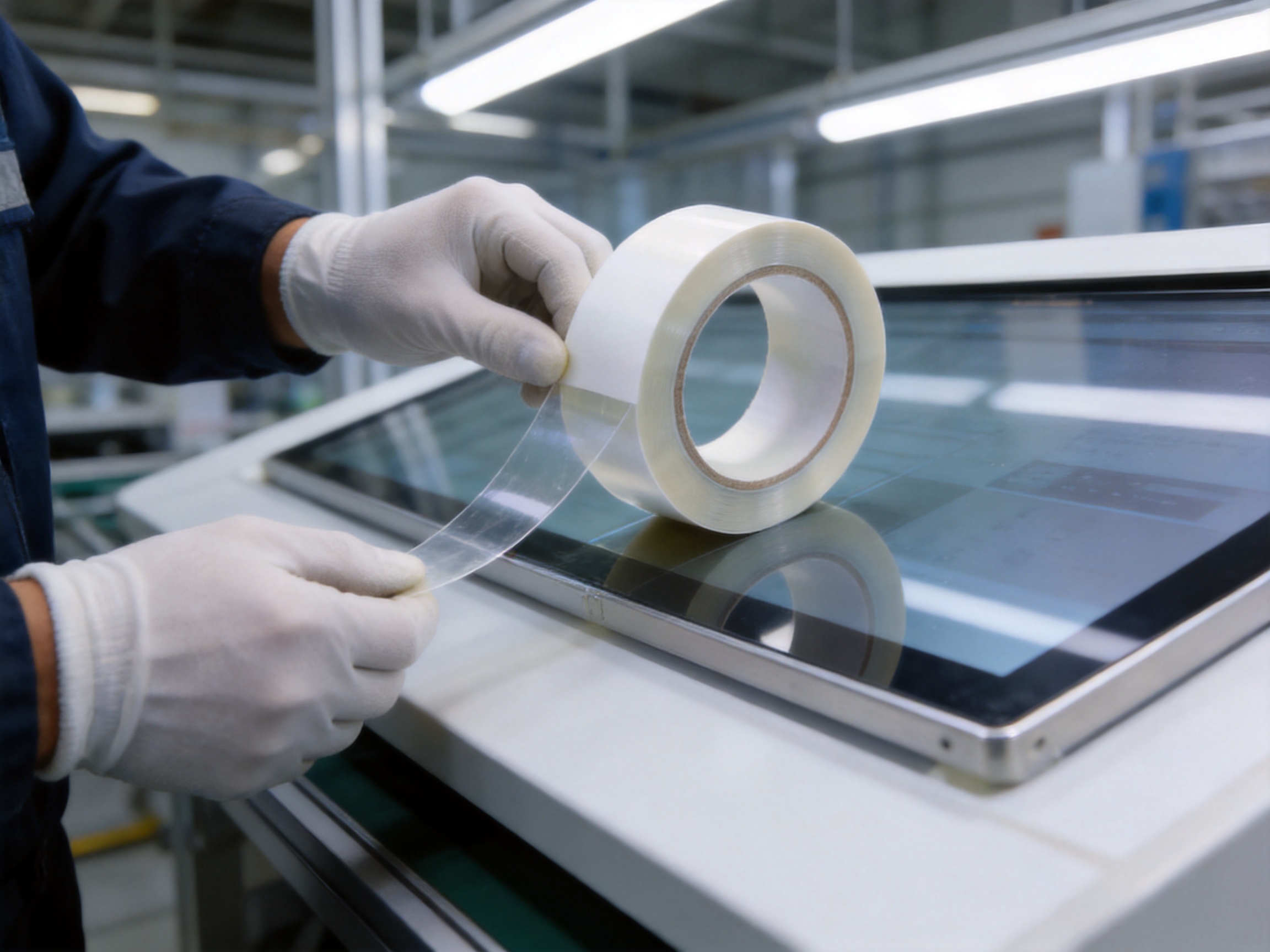
Zhejiang Geruite Packaging Materials Co., Ltd. is located in Zhejiang Province, China, a region known for developed manufacturing capability, efficient logistics, and a strong industrial supply chain. The company focuses on the research, development, production, and sales of high-performance tapes and packaging materials. Its portfolio includes BOPP tapes, kraft paper tapes, masking tapes, high-temperature resistant tapes, metal tapes, PE stretch film, PP strapping, and high-strength PET strapping.
This broad production base matters because adhesive tape manufacturing is not only about coating glue onto a film. It requires raw material selection, adhesive formulation control, coating uniformity, drying stability, lamination accuracy, rewinding control, slitting precision, aging management, inspection, packaging, and batch traceability. A company that manufactures multiple packaging material categories develops process discipline that benefits specialized products such as PET no-residue double-sided tape.
The company emphasizes quality as the lifeline of the enterprise. This philosophy is especially relevant for technical adhesive products, where minor variations in coating thickness, adhesive viscosity, drying temperature, liner release force, or winding tension can affect performance. Consistent quality requires careful equipment operation and a rigorous quality control system from raw material procurement to final inspection.
Advanced production equipment helps ensure stable coating and lamination. In double-sided tape manufacturing, adhesive must be applied evenly across the web. Uneven coating can lead to inconsistent peel strength, poor appearance, bubbles, edge overflow, or application failure. Controlled drying or curing conditions are also essential because residual solvent or insufficient drying can affect adhesion, odor, residue behavior, and roll stability.
Liner control is another important manufacturing factor. The white release liner must protect the adhesive, allow clean unwinding, and release at the correct force during application. If the liner releases too easily, the tape may lift or shift during converting. If it releases too tightly, operators may struggle to apply it efficiently. Well-managed liner systems contribute to smoother production and customer satisfaction.
Slitting and rewinding quality also influence the customer experience. A roll with telescoping, uneven edges, excessive tension, wrinkles, or adhesive bleed can create problems in automated dispensing or manual use. Precision slitting produces clean roll edges, reduces waste, and improves handling. Stable rewinding helps the tape maintain its shape during storage and transport.
Quality Control and Testing Discipline
The product’s listed testing standards include GB/T 7125-2014 for thickness, GB/T 2792-2014 for peel adhesion, GB/T 4851-2014 for static shear and temperature-related holding evaluation, and GB/T 4852-2002 for initial tack. Testing against recognized methods provides a technical basis for comparing product batches and confirming performance consistency.
Thickness testing helps ensure that the tape remains within the 0.095 ± 0.005 mm range. This is important for customers using the tape in precision assemblies or die-cut parts. If the tape becomes too thick or too thin, the final part may not fit correctly or may behave differently during application.
Peel adhesion testing helps verify removable and permanent side performance. Since the product relies on differentiated adhesion, each side must be checked according to the intended specification. If the removable side is too strong, residue or substrate stress may increase. If the permanent side is too weak, anchoring reliability may be reduced.
Static shear testing evaluates long-term holding under load. This test is particularly useful because some tapes appear strong during initial bonding but slowly fail under sustained stress. A ≥1440-minute value provides assurance that the tape has meaningful resistance to creep under the specified test condition.
Initial tack testing helps confirm application feel and early-stage bonding behavior. For production teams, consistent tack helps maintain process repeatability. Workers can learn how the tape behaves, and automated systems can be adjusted with confidence.
Visual inspection of tape transparency and liner color also matters. Appearance defects such as contamination, wrinkles, fish eyes, uneven coating marks, or liner problems can affect both function and customer perception. Transparent tape applications often require a clean visual standard, making appearance inspection more than a cosmetic step.
Process Advantages: From Raw Materials to Finished Rolls
A reliable PET no-residue double-sided tape begins with controlled raw materials. PET film or carrier material must meet requirements for thickness, clarity, surface quality, tensile stability, and compatibility with adhesive coating. Adhesive materials must be selected for the intended balance of peel adhesion, removability, shear strength, tack, aging behavior, and heat resistance.
During mixing or adhesive preparation, viscosity and solids content must be controlled. Inconsistent adhesive properties can affect coating weight and performance. Professional manufacturing processes include monitoring and adjustment so that the adhesive remains suitable for uniform coating.
Coating is one of the most critical steps. The adhesive layer must be applied evenly across the web and along the length of the roll. Too much adhesive can increase residue risk, cause edge ooze, or change removability. Too little adhesive can reduce peel strength or shear performance. A controlled coating process is therefore essential to achieving the product’s technical balance.
Drying or curing follows coating. Temperature, airflow, line speed, and dwell time must be managed carefully. Proper drying supports adhesive stability and reduces defects. Overheating may damage materials or change adhesive characteristics, while under-drying may lead to poor roll stability or inconsistent bonding.
Lamination combines the adhesive-coated structure with the release liner. Accurate lamination pressure and alignment help prevent wrinkles, trapped air, and uneven release. For double-sided tapes, the relationship between both adhesive sides and the liner system must be stable enough for storage, shipping, converting, and final application.
Rewinding and aging management are also important. Adhesive tapes may require controlled storage or stabilization before final slitting and shipment. Proper winding tension prevents defects such as telescoping, blocking, or deformation. Finished rolls must be protected from dust, moisture, excessive heat, and mechanical damage.
Final inspection confirms that the tape meets appearance and performance expectations. Depending on customer requirements, inspection may include roll width, length, edge quality, liner condition, thickness, peel adhesion, tack, shear, and packaging quality. This systematic process helps ensure that customers receive a stable product suitable for industrial use.
Company Capability and Supply Reliability
Zhejiang Geruite Packaging Materials Co., Ltd. has developed its business around packaging materials and adhesive products. Its annual output value has reached over RMB 60 million, reflecting production capacity and market acceptance. For customers, supplier capability matters because adhesive tape is often a recurring production material. Stable supply, consistent quality, and responsive service can be as important as product specifications.
The company’s location in Hangzhou City, Zhejiang Province, supports access to industrial resources, transportation networks, and skilled manufacturing personnel. A strong regional supply chain can help improve procurement efficiency, reduce lead-time uncertainty, and support scalable production.
The company serves industries including logistics and express delivery, household goods, electronics, construction and decoration, industrial manufacturing, cargo stabilization, and packaging protection. This wide application experience helps the manufacturer understand different customer needs, from high-volume packaging materials to more specialized adhesive solutions.
For the 6025R PET no-residue double-sided tape, this background means buyers are working with a manufacturer familiar with adhesive performance, film handling, roll goods production, and packaging logistics. The company’s broader product ecosystem also allows customers to source multiple packaging-related materials from one supplier, potentially simplifying procurement.
How the Tape Supports Production Efficiency
Production efficiency is improved when materials are predictable. A tape with stable thickness, controlled peel adhesion, reliable liner release, and consistent shear performance allows workers and machines to operate with fewer interruptions. In contrast, inconsistent tapes cause downtime, rework, misalignment, cleaning, and rejected parts.
The thin PET construction supports smooth application and neat bonding. The white release liner provides clear handling contrast against the transparent tape, making it easier to identify and remove during assembly. Transparent tape helps operators visually inspect placement and avoid obvious aesthetic defects.
The no-residue feature reduces post-removal cleaning. In many factories, cleaning adhesive residue requires solvents, wipes, scraping tools, and extra labor. It can also damage parts or delay production. By reducing residue risk, the tape can contribute to a cleaner workflow and lower hidden costs.
Differentiated adhesion also improves process design. Engineers can define which side attaches to the fixture and which side contacts the removable component. This reduces uncertainty and supports repeatable work instructions. In high-volume production, even small improvements in application reliability can produce meaningful savings.
Design Considerations for Engineers and Buyers
When selecting this tape, engineers should consider substrate type, surface energy, texture, coating durability, temperature exposure, humidity, load direction, required service life, and removal conditions. A tape that performs perfectly on stainless steel may behave differently on powder-coated metal, rubber, untreated polypropylene, painted wood, or textured plastic.
The product’s peel adhesion values are measured on steel plate after 20 minutes of placement. Steel is a standard reference substrate, but real-world materials vary. Therefore, qualification testing should be performed on actual parts. This is especially important when bonding to delicate decorative surfaces or when clean removal is a critical requirement.
Load direction should also be reviewed. Double-sided tape generally performs best when forces are distributed across the bond area and when shear loads are within the tape’s capability. Peel forces at the edge of a bond can be more challenging. Increasing bond area, rounding corners, avoiding sharp stress points, and designing for shear rather than peel can improve performance.
Environmental exposure should be evaluated. Heat, humidity, ultraviolet light, chemicals, oils, plasticizers, dust, and aging can affect adhesive performance. While the tape offers temperature resistance up to 120°C, users should verify the product under actual conditions, especially for long-term or safety-critical applications.
Storage conditions also influence performance. Rolls should generally be stored in a clean, dry environment away from direct sunlight, excessive heat, and heavy pressure. Proper inventory rotation helps ensure that tape is used within its recommended storage period. Good storage practices protect adhesive performance and liner release behavior.
Recommended Application Method
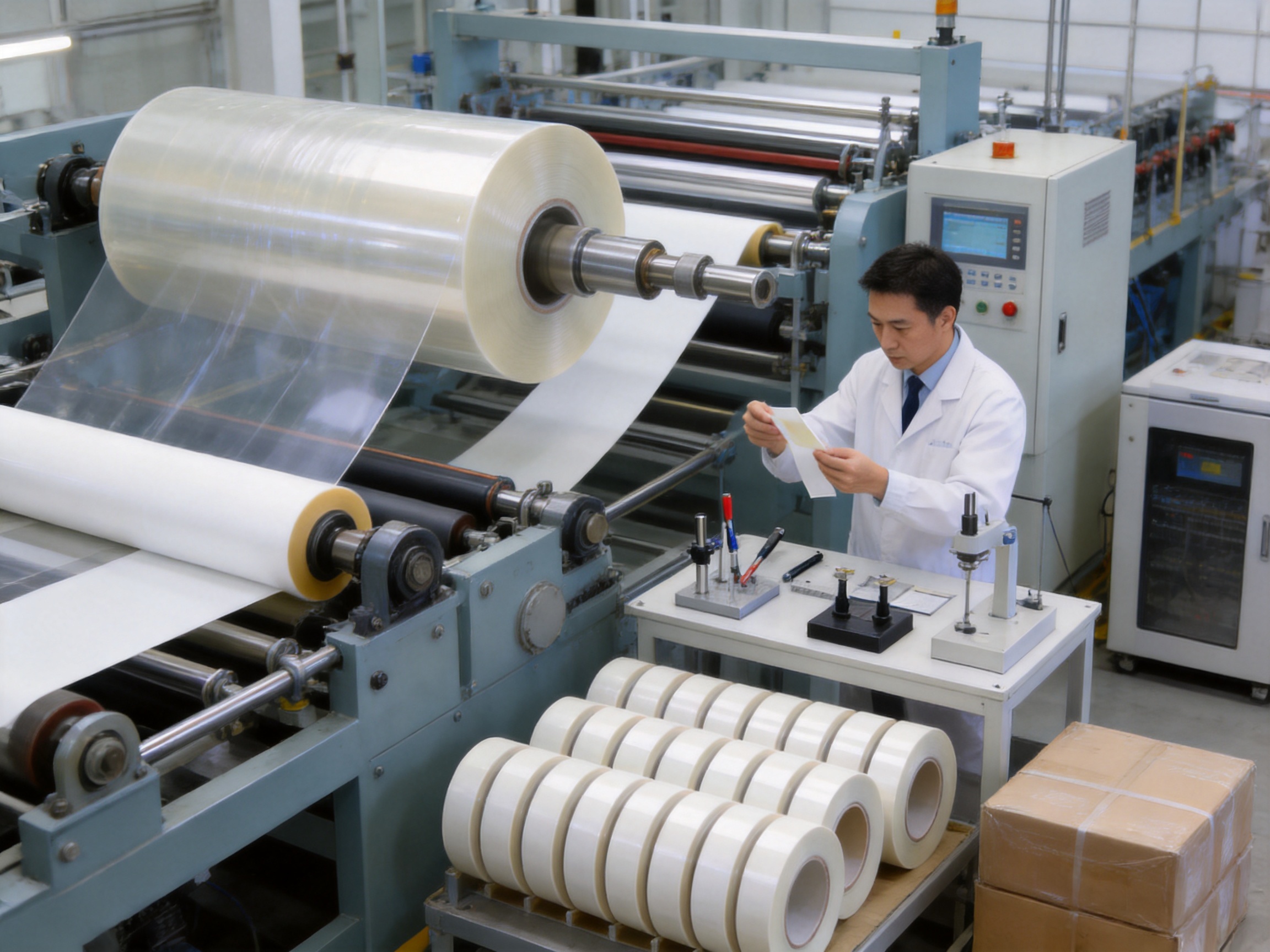
For best results, start by cleaning the bonding surfaces. Use an appropriate cleaning method for the substrate, and allow the surface to dry completely. Avoid touching cleaned areas with bare fingers, as skin oils can reduce adhesion. For critical applications, perform a small test before full production.
Next, apply the tape to the first surface with the correct side orientation. If the application relies on the permanent side anchoring to a base component, confirm that the permanent side is facing that surface. Apply uniform pressure across the tape to improve adhesive wet-out. A roller or press fixture is recommended for consistent results.
Remove the release liner carefully without stretching or contaminating the exposed adhesive. Align the second surface and press firmly. Avoid trapping air bubbles, especially in transparent or decorative applications. If possible, allow dwell time before applying load or performing removal testing.
When removing the removable side, peel slowly and steadily. A lower peel angle may reduce stress on the surface. If the bonded surface is delicate, test removal after the expected service period, not only immediately after application. Aging, heat, and pressure can affect removal behavior.
Packaging and Converting Potential
Because the product is a PET-based double-sided tape with controlled thickness, it is suitable for further converting. Converters can slit it into narrow widths, laminate it to other materials, die-cut it into custom shapes, or supply it as pads, strips, tabs, or rolls for automated dispensing. This flexibility supports applications in electronics, printing, display production, appliances, and industrial assembly.
Die-cut parts made from double-sided tape are widely used when customers require fast installation and consistent geometry. A PET carrier helps maintain part shape during liner removal and placement. The thin profile allows clean stacking and efficient packaging of die-cut components.
For automated assembly, roll quality is particularly important. Stable release, clean edges, accurate width, and consistent winding tension help reduce machine stops. A manufacturer with strong slitting and rewinding control can provide better results for customers using automated or semi-automated equipment.
Environmental and Workplace Benefits of Cleaner Removal
Cleaner removal can offer indirect environmental and workplace benefits. When adhesive residue is reduced, less solvent may be required for cleaning. This can lower chemical consumption, reduce odor, improve worker comfort, and reduce the amount of contaminated wipes or cleaning waste generated during production.
Clean removal also helps protect parts from damage. If residue must be scraped away, the substrate may be scratched or the coating may be harmed. Damaged parts may be scrapped, increasing material waste. By supporting clean detachment in suitable applications, the tape contributes to more efficient resource use.
In packaging and display contexts, clean removability can support reuse or replacement. Fixtures, signs, carriers, and panels may be updated more easily when old adhesive does not require intensive cleaning. This can improve maintenance efficiency and extend the useful life of supporting materials.
Frequently Asked Questions
What is the main purpose of this PET no-residue double-sided tape?
It is designed for clean industrial bonding where reliable adhesion, thin construction, transparent appearance, high shear strength, and controlled removability are required. It is especially useful for temporary or semi-permanent mounting applications where residue reduction is important.
What does “no residue” mean in practical use?
It means the tape is designed to remove more cleanly than many ordinary double-sided tapes, reducing adhesive transfer and sticky contamination on suitable surfaces. Actual residue performance depends on substrate type, pressure, temperature, aging time, and removal method, so testing is recommended.
Why does the tape have both removable and permanent adhesion values?
The product is designed with differentiated adhesion. The removable side has a typical adhesion of 5–10 N/24 mm, while the permanent side has adhesion of at least 10 N/24 mm. This allows one side to anchor more strongly while the other side offers controlled removal.
What is the tape thickness?
The typical coating thickness is 0.095 ± 0.005 mm. This thin profile supports low-visibility bonding, clean lamination, and precision assembly.
What temperature can the tape withstand?
The tape has a listed temperature resistance of 120°C. Users should still test the tape under real operating conditions, especially if the application involves long-term heat exposure, load, humidity, or thermal cycling.
Is the tape suitable for transparent or decorative applications?
Yes. The tape itself is transparent and can help maintain a clean appearance in applications involving clear, light-colored, printed, or decorative surfaces. However, visual results depend on substrate clarity, application pressure, bubbles, and surface cleanliness.
Can the tape be die-cut?
Yes. Its PET-based structure and controlled thickness make it suitable for slitting, laminating, and die-cutting into custom shapes, strips, tabs, or pads. Converting tests should be performed for specific designs.
How should surfaces be prepared before application?
Surfaces should be clean, dry, and free from dust, oil, silicone, moisture, rust, and loose coatings. Firm pressure should be applied after placement to improve adhesive contact.
What makes this product different from ordinary double-sided tape?
Key differences include no-residue design, PET-based dimensional stability, transparent appearance, thin construction, differentiated removable and permanent adhesion, high static shear performance, and temperature resistance up to 120°C.
Who manufactures the product?
The product is supplied by Zhejiang Geruite Packaging Materials Co., Ltd., a packaging materials manufacturer in Zhejiang Province, China, with experience in adhesive tapes, films, PP strapping, PET strapping, and related packaging solutions.
Conclusion
The 6025R PET no-residue double-sided tape is a practical solution for customers who require more than simple adhesion. Its value lies in the combination of clean removability, permanent-side anchoring strength, thin transparent PET construction, reliable static shear, controlled tack, and temperature resistance up to 120°C. These characteristics make it suitable for industrial assembly, displays, electronics-related work, packaging presentations, fixture positioning, and clean temporary mounting applications.
Compared with many conventional double-sided tapes, it offers a more refined balance between holding power and removability. This balance can reduce rework, cleaning labor, surface damage, and process uncertainty. For companies that value quality, appearance, and production efficiency, the tape provides a strong technical option.
Behind the product is a manufacturer with broad experience in adhesive tape and packaging materials. Zhejiang Geruite Packaging Materials Co., Ltd. supports its products with production capability, quality-control discipline, advanced equipment, and a commitment to stable performance from raw material procurement through final inspection. As industries continue to demand cleaner, thinner, and more reliable bonding materials, PET no-residue double-sided tape is positioned as an increasingly valuable solution.
References
GB/T 7125-2014, Test Method for Thickness of Adhesive Tapes.
GB/T 2792-2014, Test Method for Peel Adhesion of Adhesive Tapes.
GB/T 4851-2014, Test Method for Holding Power of Pressure-Sensitive Adhesive Tapes.
GB/T 4852-2002, Test Method for Tack of Pressure-Sensitive Adhesive Tapes by Rolling Ball.
Petrie, E. M., Handbook of Adhesives and Sealants, McGraw-Hill.
Ebnesajjad, S., Adhesives Technology Handbook, William Andrew Publishing.
Benedek, I., Pressure-Sensitive Adhesives and Applications, CRC Press.
Kinloch, A. J., Adhesion and Adhesives: Science and Technology, Springer.
Product: 6025R PET No residue double-sided tape


CONTACT DETAILS
- Address:No. 241, Yaojiafan, Zhangpanqiao, Shushan Street, Xiaoshan District, Hangzhou City, Zhejiang Province, China
- TEL:+86-0571-83175630
- Phone:+86-13336160217
- Email:anqiaocun@163.com
PRODUCTS
NEWS CENTER
MOBILE TERMINAL
Copyright© Zhejiang Geruite Packaging Materials Co., Ltd. All Rights Reserved.
Privacy Wholesale industrial packaging tape Manufacturers