


 English
  Español
  عربى
عربى 
Colored Stretch Wrap: Flexible, Cost-Effective Protection for Modern Industrial Packaging
Content
- 1 What Is Colored Stretch Wrap?
- 2 Principal Product Specifications
- 3 Material Structure and Manufacturing Technology
- 4 Core Advantages Over Conventional Packaging Options
- 5 Comparison With Other Packaging Materials
- 6 Applications Across Industrial Operations
- 7 Correct Application and Handling Practices
- 8 Quality, Customization, and Customer Support
- 9 Manufacturing Strengths of the Supplier
- 10 How to Select the Appropriate Thickness
- 11 Environmental and Operational Considerations
- 12 Common Problems and Practical Solutions
- 13 Purchasing Checklist for Industrial Buyers
- 14 Frequently Asked Questions
- 14.1 What is the main purpose of colored stretch wrap?
- 14.2 What colors are available?
- 14.3 What thicknesses can be supplied?
- 14.4 Can the roll length and weight be customized?
- 14.5 Is colored stretch wrap suitable for irregularly shaped products?
- 14.6 Can the film replace strapping?
- 14.7 Can it be used outdoors?
- 14.8 Is it suitable for direct food contact?
- 14.9 How should unused rolls be stored?
- 14.10 What is the advantage of using a dispenser?
- 14.11 Does every color have exactly the same performance?
- 14.12 How can a buyer test the film before a large order?
- 15 Conclusion
- 16 References
- 17 Product: 0.015MM-0.045MM Thickness Colored stretch wrap
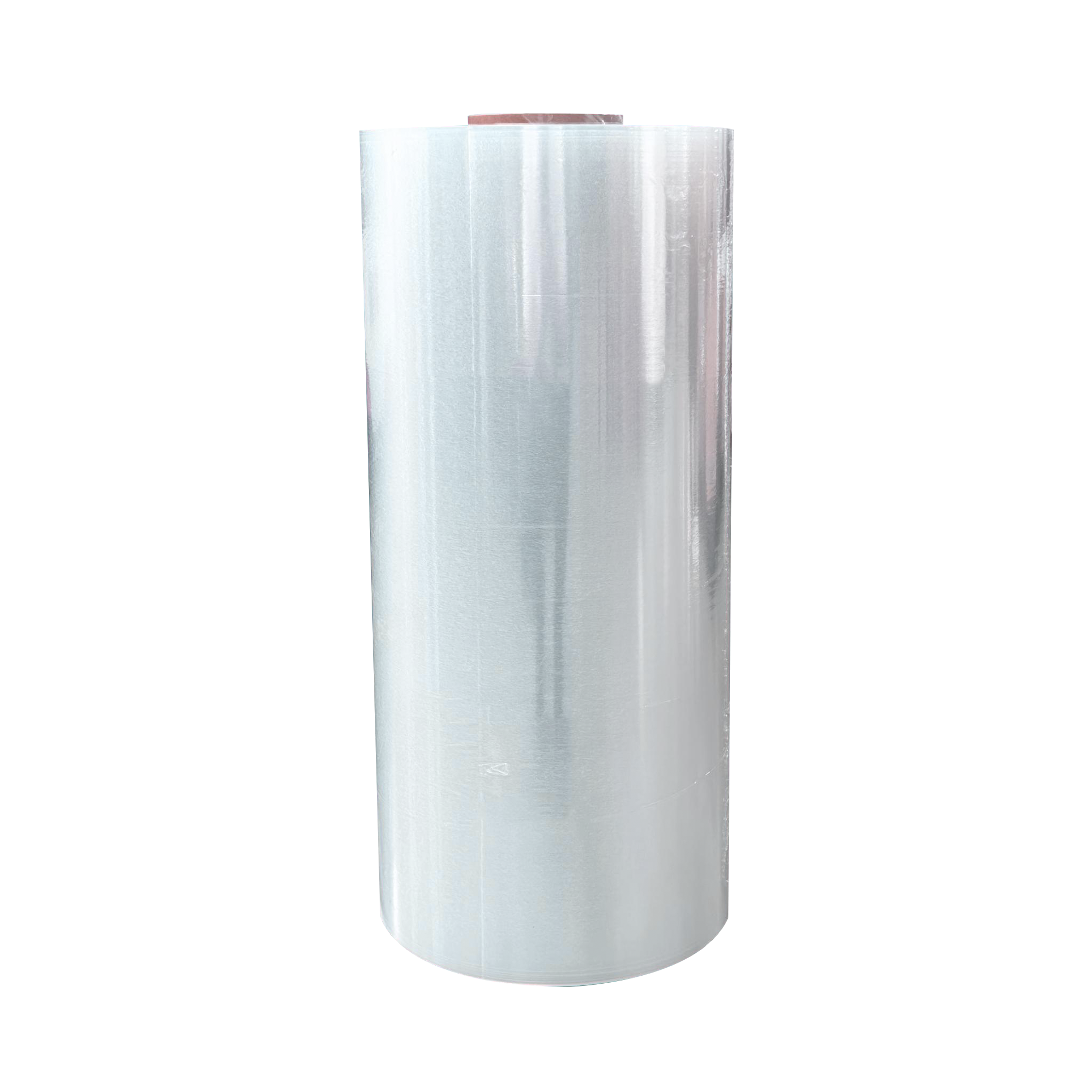
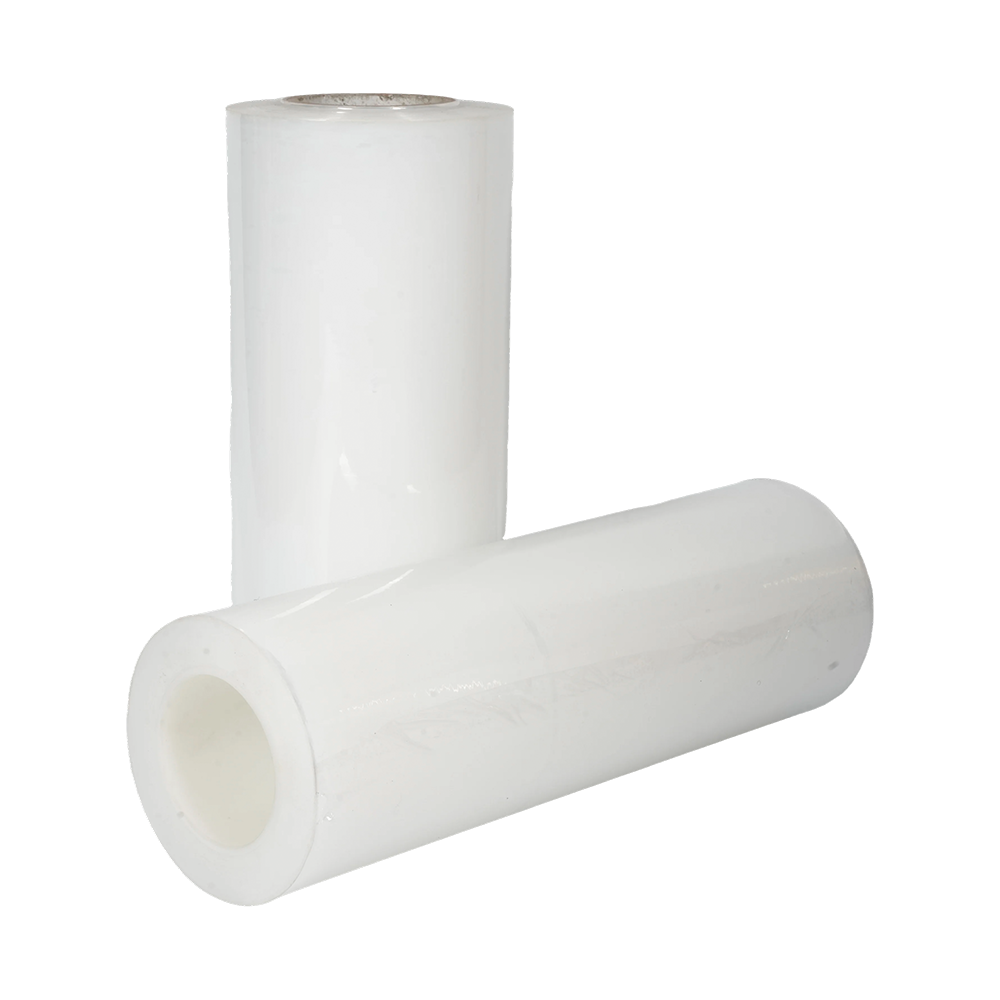
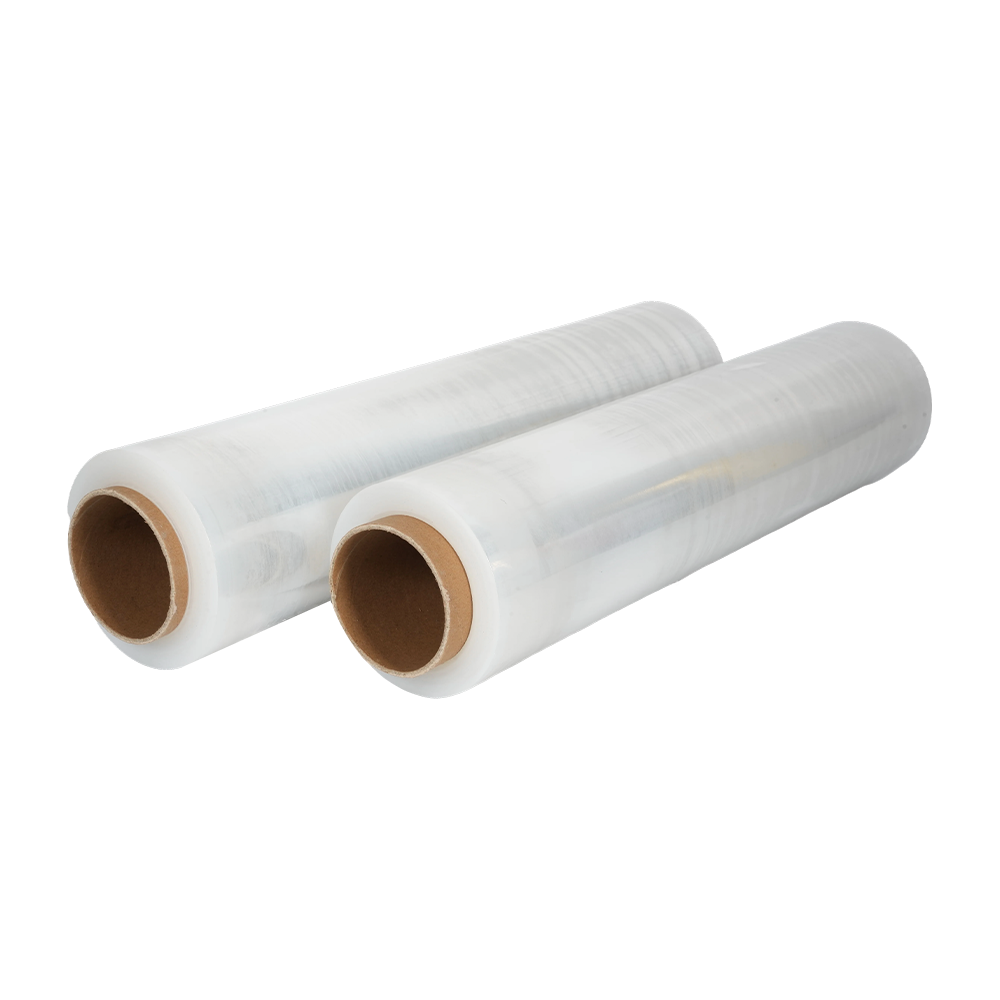
Colored stretch wrap is a practical industrial packaging material designed to stabilize, protect, identify, and organize products throughout storage, handling, and transportation. With thickness options from 0.015 mm to 0.045 mm, standard heights of 45 cm and 50 cm, customizable roll length and weight, and a broad selection of colors, it provides a flexible solution for companies that need more than simple transparent pallet film.
Manufactured primarily from polyethylene through blow-molding or casting processes, colored stretch film combines elasticity, puncture resistance, cling force, and controlled wrapping performance. When applied around cartons, pallets, pipes, cables, doors, windows, metal products, and other irregularly shaped goods, the film stretches around the load and creates a cohesive outer layer. This helps reduce movement, scattering, abrasion, dust accumulation, moisture exposure, and contamination from oil stains during ordinary storage and transportation conditions.
Unlike packaging materials that serve only one purpose, colored stretch wrap supports several operational needs at the same time. It secures a unit load, provides basic surface protection, makes product groups visually distinguishable, and can help warehouse personnel identify batches, destinations, or handling priorities. These combined functions make it useful in logistics, manufacturing, warehousing, construction materials, household goods, electronics, metal processing, food-related outer packaging, chemical-product handling, and many other fields.
For buyers comparing colored stretch film with conventional transparent stretch film, shrink film, strapping, adhesive tape, or lower-grade wrapping products, the key advantage is balance. The material offers sufficient strength and flexibility for many general industrial applications without requiring a complex packaging system. It can be applied manually for smaller operations or with a mechanical dispenser and wrapping equipment for higher-volume work. This adaptability allows users to control packaging costs while maintaining dependable load stability.
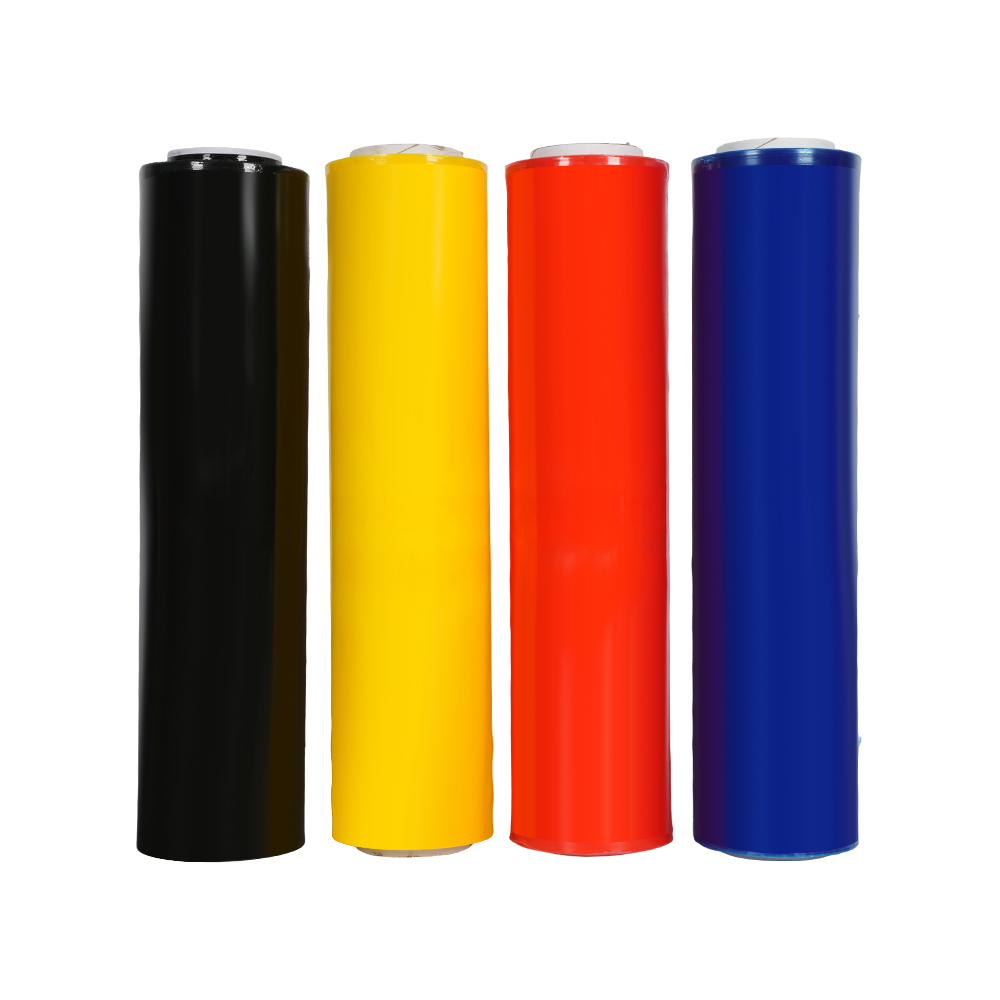
0.015MM-0.045MM Thickness Colored stretch wrap
What Is Colored Stretch Wrap?
Colored stretch wrap is a thin, elastic polyethylene film used to wrap and consolidate products. During application, the film is stretched around the load. Its natural tension pulls the wrapped layers together and helps create a stable package. Depending on the formulation and manufacturing method, the film may also exhibit cling between layers, reducing the likelihood that the wrap will unwind or separate after application.
The film is supplied in rolls and can be produced in multiple colors, including red, yellow, blue, black, white, green, and other customized shades. Color is not merely an aesthetic feature. In many warehouses and production environments, a color system can represent a product category, destination, customer order, handling instruction, or production batch. This visual management function can reduce dependence on printed labels and help workers identify grouped goods quickly.
Colored stretch wrap is generally used as an outer packaging layer rather than as a replacement for a rigid container. It does not eliminate the need for cartons, pallets, corner protection, cushioning, or specialized barriers when those components are required. Instead, it works with existing packaging systems by holding individual items or cartons together and adding a protective layer around the outside of the load.
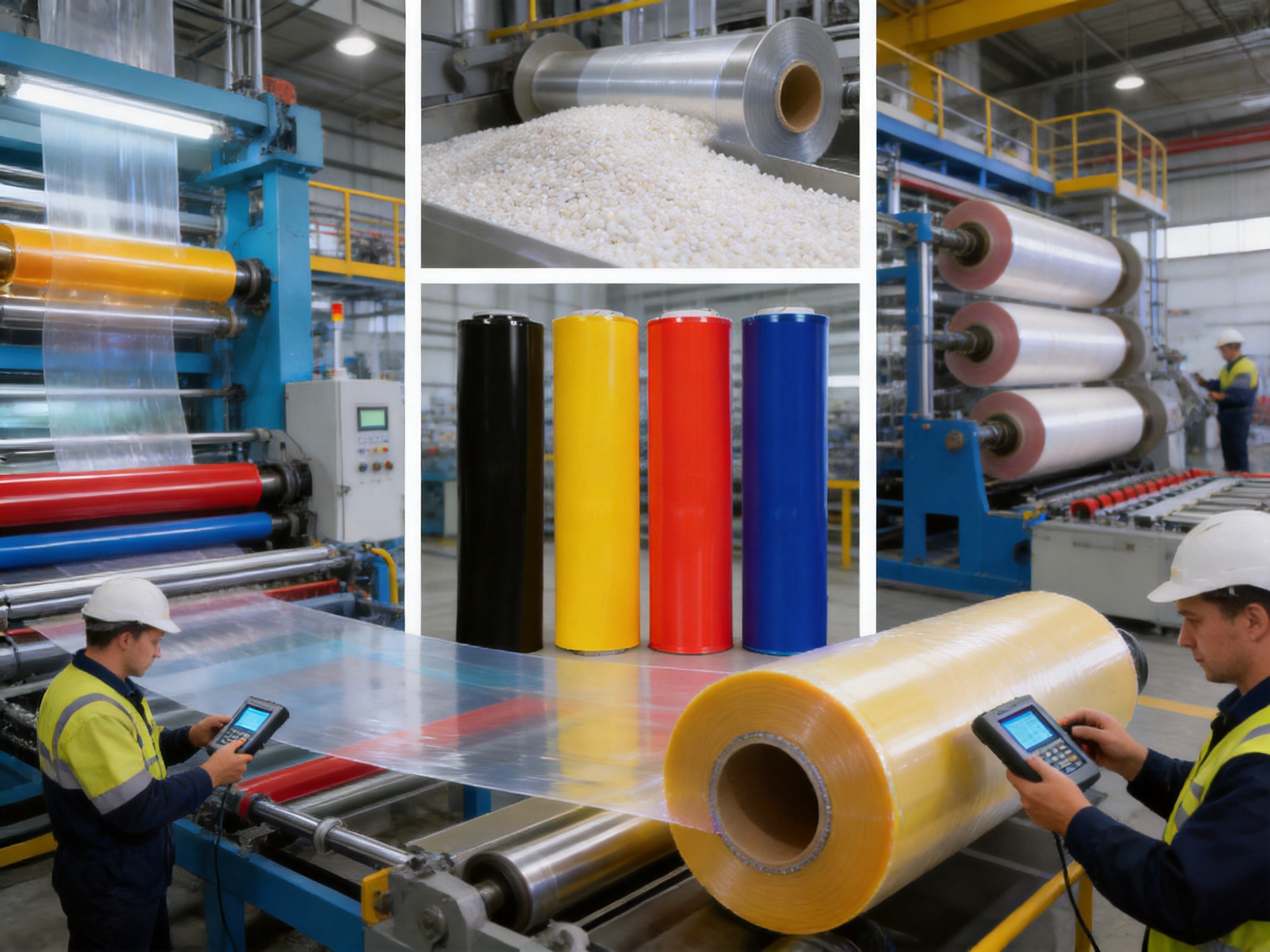
Its flexibility allows it to conform to regular and irregular shapes. A pallet of standard cartons can be wrapped efficiently, but the same material can also be used around elongated objects such as pipes and cable reels or around products with different dimensions, including doors, windows, metal parts, and construction components. The film follows the external profile of the item, reducing loose sections that could catch on equipment or surrounding packages.
Principal Product Specifications
The product range covers thicknesses from 0.015 mm to 0.045 mm. This range enables users to select a lighter film for general grouping and dust protection or a thicker film for heavier loads, sharper edges, longer transport cycles, and applications requiring additional puncture resistance. The correct selection depends on load weight, product geometry, wrapping method, environmental conditions, and the number of layers applied.
| Parameter | Available Specification | Packaging Significance |
|---|---|---|
| Film thickness | 0.015 mm–0.045 mm | Supports different requirements for flexibility, strength, puncture resistance, and material consumption |
| Standard height | 45 cm and 50 cm | Suitable for many pallet, carton, and industrial product wrapping tasks |
| Roll length and weight | Customizable | Allows the package format to match usage volume, equipment, and customer handling preferences |
| Color options | Red, yellow, blue, black, white, and other colors | Enables visual identification of batches, categories, destinations, or storage zones |
| Primary material | Polyethylene | Provides flexibility, stretchability, and practical resistance to ordinary handling conditions |
| Application method | Manual or mechanical dispenser | Supports both smaller operations and higher-volume packaging lines |
Customizable length and weight are particularly useful for businesses with specialized packaging routines. A company that wraps a small number of cartons may prefer compact rolls that are easy for operators to carry. A distribution center or manufacturing plant with continuous pallet wrapping may require larger rolls with a longer operating cycle. Matching roll size to the equipment and workplace can reduce changeover time, improve operator comfort, and simplify inventory management.
Material Structure and Manufacturing Technology
Polyethylene is widely used for stretch film because it can be processed into a thin, continuous film with a useful combination of flexibility and tensile behavior. The material can be formulated and processed to provide the desired balance of stretchability, puncture resistance, layer adhesion, appearance, and color consistency. The production process must control temperature, material flow, cooling, thickness, winding tension, and finished-roll quality.
Raw Material Preparation
Manufacturing begins with the selection and preparation of polyethylene raw materials and compatible color masterbatch. The formulation may be adjusted according to target thickness, color, strength, cling performance, and intended application. Different colors can require slightly different processing conditions or formulation ratios. For this reason, production personnel must control material preparation carefully to maintain stable film performance from one batch to another.
Raw materials are handled according to production specifications and introduced into the processing system in controlled proportions. Proper preparation helps reduce variation in color, thickness, and mechanical performance. It also supports a more consistent finished product, which is important when customers use the film with automatic or semi-automatic wrapping equipment.
Blow-Molding and Casting Processes
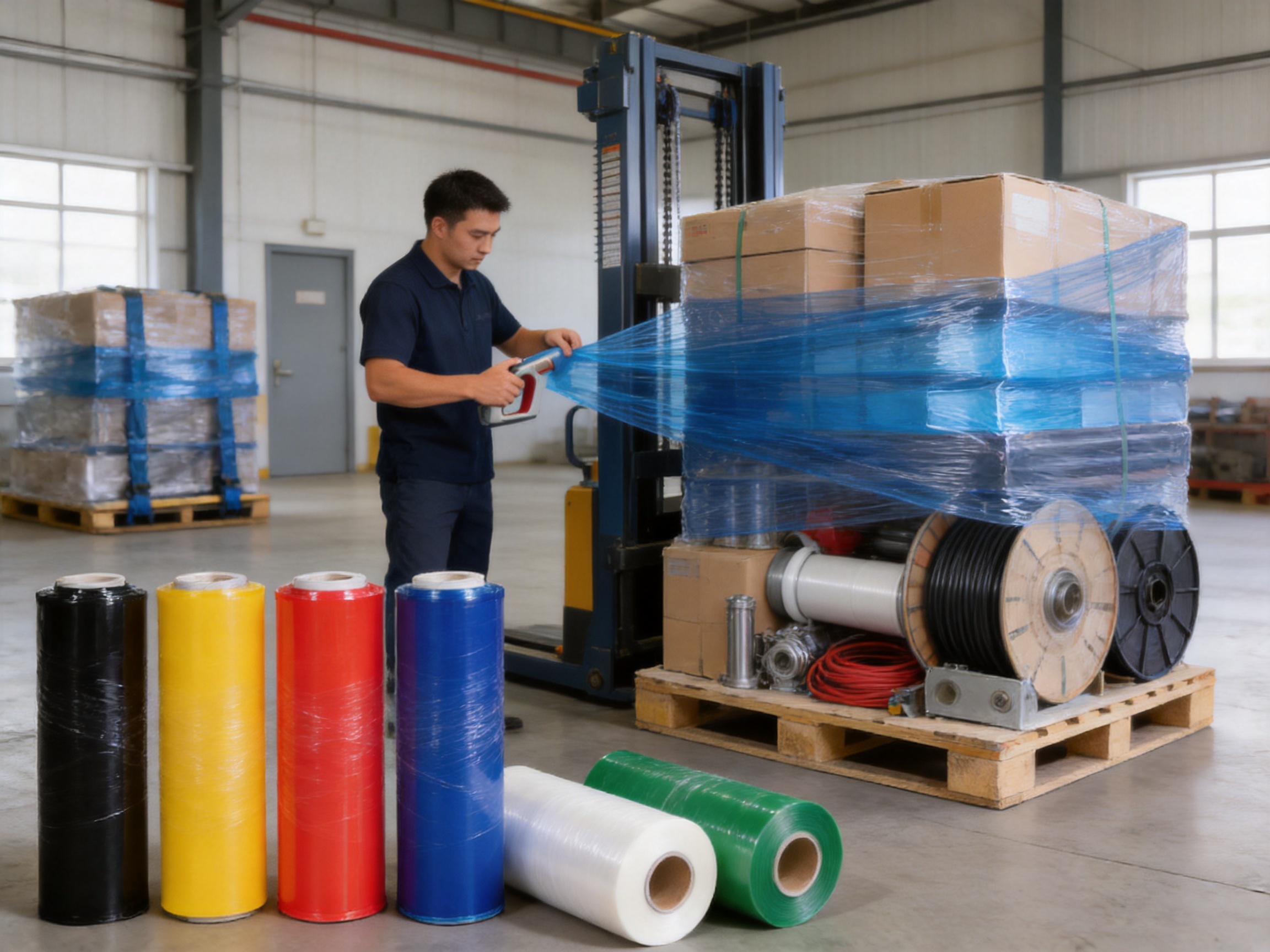
Colored stretch film can be manufactured through polyethylene blow-molding or casting processes. In a blow-molding process, the polymer is melted and formed into a tubular film. The tube is expanded and cooled before being flattened and wound. This method can provide useful film strength and flexibility, and it is suitable for a range of general packaging applications.
In a casting process, molten polymer is extruded through a die onto a cooling surface. The film is formed and cooled in a controlled manner before being trimmed and wound into rolls. Casting can support smooth film surfaces, stable thickness control, and consistent production for applications that require predictable wrapping performance.
The choice of process depends on product specifications, equipment configuration, target output, and desired film characteristics. Regardless of the selected process, accurate control of temperature, extrusion conditions, cooling, and winding is essential. Poor control can lead to uneven thickness, weak sections, telescoped rolls, excessive edge waste, or inconsistent stretching during use.
Thickness and Width Control
Film thickness directly affects material consumption, strength, flexibility, and puncture resistance. A film that is too thin for the application may tear at corners or fail to maintain load stability. A film that is unnecessarily thick can increase packaging costs and material usage without delivering a corresponding operational benefit. Production controls therefore focus on maintaining thickness within the required range and minimizing variation across the roll.
The standard heights of 45 cm and 50 cm accommodate many pallets and industrial products. Width selection influences coverage, overlap, operator effort, and the number of passes required around a load. Accurate slitting and winding are important because uneven edges can make the film difficult to apply and may increase the risk of tearing. Properly finished rolls unwind more smoothly and provide more predictable coverage.
Color Processing and Appearance Control
Color consistency is a major consideration for a product designed to support visual management. Red, yellow, blue, black, white, green, and other colors can be used for different operational purposes. During production, the color masterbatch must be dispersed evenly through the polymer so that the film maintains a consistent appearance along the roll.
Color may also influence the practical use of the film. Black or strongly colored film can provide greater visual concealment of the wrapped contents, while lighter colors may make package identification easier in well-lit warehouses. Users should select colors according to their identification system, inspection requirements, and storage environment. When customers have strict color standards, sample approval and technical confirmation are recommended before bulk production.
Winding, Inspection, and Packaging
After film formation, the material is wound into rolls under controlled tension. Winding quality affects how the film unwinds during manual or mechanical application. A roll that is too loose may shift or collapse, while excessive winding tension may make the film difficult to release or cause deformation during storage. Proper winding creates a stable roll structure and supports smooth operation.
Finished products can be checked for appearance, thickness, roll dimensions, color uniformity, edge condition, and obvious defects. Depending on customer requirements, production and inspection procedures may also evaluate stretch behavior, puncture resistance, cling, tensile performance, and winding consistency. These controls help identify quality issues before the rolls are shipped to the customer.
The company’s manufacturing strengths include experience in packaging material production, dedicated equipment, process management, and a quality control system covering raw material procurement, production, and final inspection. This integrated approach is important because stretch film performance depends on the relationship between material formulation, machine settings, film structure, and roll finishing. Quality cannot be secured by examining only the finished appearance.
Core Advantages Over Conventional Packaging Options
Visual Management Through Multiple Colors
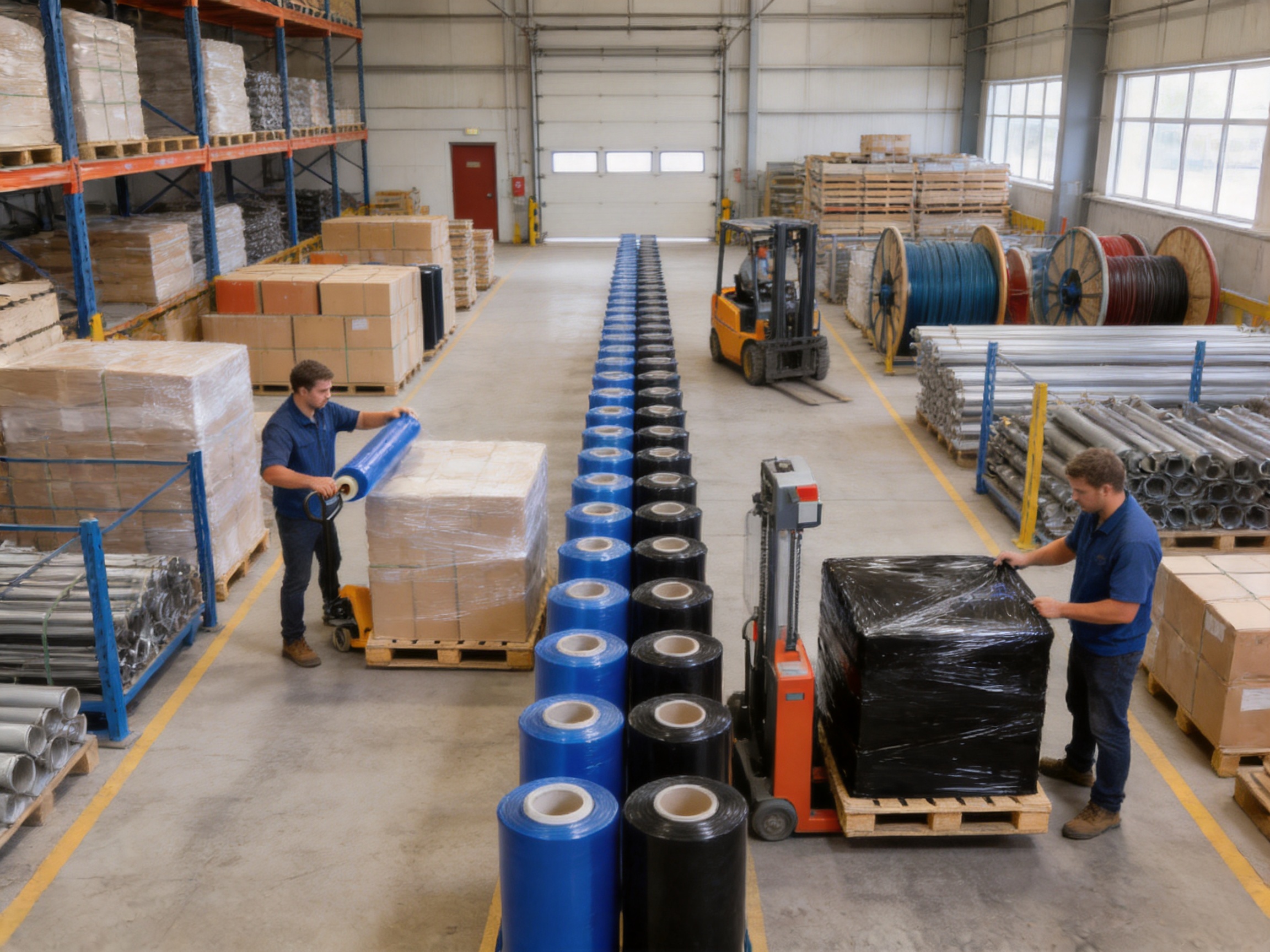
Transparent stretch film is useful when the contents must remain visible, but it provides limited assistance when a warehouse handles many similar loads. Colored stretch wrap adds a visual classification layer. For example, blue film may identify a domestic shipment, yellow may indicate a priority batch, black may be used for products requiring visual concealment, and red may designate a particular customer or production line. The exact system is determined by the user.
This approach can shorten visual inspection time and reduce sorting errors. Workers can distinguish packages from a distance without reading every label. Color coding is especially helpful in temporary storage areas, loading zones, and busy distribution centers where package labels may be partially hidden or difficult to scan. It can also support simple separation of products that have similar carton designs but different destinations.
Flexible Protection for Regular and Irregular Loads
Rigid packaging is not always efficient for long, wide, curved, or irregularly shaped products. Colored stretch wrap can conform to the outside of a product without requiring a custom carton. When applied with suitable tension, it creates a close-fitting layer that helps keep components together and reduces exposure to ordinary dust, moisture, and oil stains.
The film is suitable for bundling pipes, cables, doors, windows, metal parts, and cable reels. These items can be difficult to secure with cartons alone because their dimensions may exceed standard package sizes. Stretch film follows the shape of the load and can be combined with end protection, separators, pallets, straps, or edge guards when additional support is needed.
Load Stabilization During Handling
Cartons placed on a pallet can move when the pallet is lifted, transported, stacked, or exposed to vibration. Stretch wrap helps unitize the cartons by applying a layer of tension around the outside of the load. This does not make a pallet indestructible, but it can reduce scattering and displacement when the film is correctly selected and applied.
Stable unit loads are easier to handle with forklifts, pallet jacks, conveyors, and other equipment. They may also reduce the likelihood that cartons will lean or fall during short-distance movement. For mechanical handling, the wrapper should consider load height, pallet condition, carton arrangement, edge sharpness, and the desired number of film layers.
Basic Resistance to Dust, Moisture, and Oil Stains
During storage and transportation, products may be exposed to warehouse dust, incidental splashes, humidity, or contact with dirty handling surfaces. A continuous outer film layer provides basic protection against these conditions. It helps maintain the cleanliness of cartons and surfaces and may reduce the need for re-cleaning before delivery or further processing.
Stretch wrap should not be treated as a substitute for a certified waterproof barrier, vapor barrier, hazardous-material package, or temperature-controlled packaging system. Its protective performance depends on film thickness, wrapping coverage, overlap, load geometry, and environmental exposure. For ordinary dust and incidental moisture protection, however, it offers a simple and economical first layer.
Cost Control and Material Efficiency
The low unit packaging cost of stretch film is one of its main commercial advantages. The material is lightweight, compact before use, and can cover a large external area with a relatively small amount of polymer. When the film thickness and wrapping pattern are matched to the application, users can achieve reliable load stabilization without the expense of rigid outer cases.
Compared with using additional cartons, plywood cases, or excessive strapping for every load, stretch wrap often requires less labor and fewer packaging components. It also reduces the time needed to bundle multiple cartons into one handling unit. Mechanical dispensers and wrapping machines can further improve material efficiency by controlling pre-stretch, overlap, and wrapping speed.
Comparison With Other Packaging Materials
Colored Stretch Wrap Versus Transparent Stretch Film
Transparent film offers excellent visibility of the wrapped goods and is often preferred when operators need to inspect labels, barcodes, and product condition. Colored film is advantageous when visual classification, concealment, or batch differentiation is more important than full visibility. Both products can provide load stabilization, but colored film adds an operational management function.
For mixed inventories, colored film may reduce the time required to identify a destination or group. For products that require frequent visual inspection, transparent film may be more suitable. Some businesses use both types: transparent film for ordinary shipments and selected colors for special batches, returns, priority orders, or internal transfers.
Colored Stretch Wrap Versus Shrink Film
Shrink film generally requires heat to contract around a product. It can produce a tight package with a neat appearance, but it may require heat equipment, energy, ventilation, and greater process control. Colored stretch wrap is applied through mechanical tension and does not normally require a heating tunnel or flame-based shrink process.
The lower equipment requirement makes stretch wrap practical for warehouses, workshops, construction-material suppliers, and smaller production facilities. It can also be applied directly at the point of dispatch. Shrink film may be preferable for certain retail packs or applications where a close-fitting sealed package is required, but stretch wrap is often more convenient for pallet stabilization and large irregular loads.
Colored Stretch Wrap Versus Strapping Band
Strapping band provides concentrated holding force around a bundle or pallet. It can be effective for heavy, rigid, or uniformly shaped loads, but straps may create pressure points and may not protect the entire surface from dust or abrasion. They also require suitable tensioning equipment and may need corner protectors to prevent carton damage.
Stretch wrap distributes pressure more broadly across the outer load and covers a larger surface area. It can hold smaller cartons in position and provide a continuous protective layer. In demanding applications, stretch film and strapping can be used together: film controls loose cartons and surface exposure, while strapping supplies additional reinforcement around heavy or rigid products.
Colored Stretch Wrap Versus Adhesive Tape
Adhesive tape is suitable for closing cartons, joining surfaces, bundling small items, and applying labels. It is not normally the most efficient material for securing an entire pallet or protecting a large irregular object. Tape can also leave adhesive residue or lose performance under certain conditions.
Stretch wrap does not depend on an adhesive coating to create the main holding force. Its performance comes from elasticity, tension, layer overlap, and interlayer cling. This makes it suitable for large-area wrapping and temporary securing where clean removal and flexible coverage are important.
Applications Across Industrial Operations
Logistics and Transportation
In logistics operations, the principal task is to convert multiple cartons or products into a stable unit load. Colored stretch wrap can be applied around palletized cartons to reduce movement during forklift handling, truck transport, loading, and unloading. The color can identify a route, customer, shipping status, or product category.
For long-distance transportation, users should evaluate the expected vibration, stacking arrangement, load weight, and seasonal temperature conditions. Thicker film or additional wrapping may be appropriate for heavy loads or products with sharp corners. The pallet should also be properly arranged before wrapping, because film cannot fully compensate for an unstable or poorly balanced load.
Industrial Product Protection
Manufacturers often need to protect finished goods between production, storage, and delivery. Pipes, cables, doors, windows, metal components, profiles, and other elongated products can be bundled with stretch film to prevent individual pieces from separating. The material can also help reduce contact with dust and surface contamination.
For painted, polished, coated, or easily scratched surfaces, the user should confirm compatibility before full-scale application. A test on a small area can help determine whether the film’s cling, pressure, and storage duration are suitable. Additional interleaving or protective sheets may be necessary for sensitive surfaces.
Warehouse Management
Warehouses benefit from clear visual systems. Colored wrap can distinguish incoming goods from inspected goods, identify different customers, separate batches, or mark goods assigned to different loading areas. Because the color is visible around the package, it can remain useful even when a paper label is hidden behind another carton.
A color management system should be documented and communicated to all relevant employees. If colors are used inconsistently, they may create confusion rather than improve efficiency. The film should be combined with standard labels, barcodes, inventory software, and written procedures when accurate traceability is required.
Food and Chemical-Related Outer Packaging
Colored stretch wrap may be used as an outer wrapping layer for packaged food products, ingredients, containers, or chemical goods when protection from ordinary dust and incidental moisture is required. The film should not be assumed to have direct food-contact approval or chemical resistance unless the relevant technical documentation confirms it.
For chemical products, the user must evaluate the compatibility of the film with vapors, spills, storage temperature, and regulatory requirements. The film is generally intended for external unitization and surface protection, not as the primary containment system for hazardous materials. Appropriate drums, containers, labels, secondary containment, and legally required packaging remain necessary.
Construction and Building Materials
Doors, windows, profiles, pipes, insulation products, panels, and other building materials can be difficult to package in standard cartons. Stretch film can bundle these materials and help protect them while they move between factories, distributors, job sites, and storage areas. Color coding may help contractors and distributors distinguish different sizes, orders, or installation locations.
Construction materials may have rough edges or protruding parts that can puncture thin film. In such cases, users should select a suitable thickness, apply edge protection, and use an appropriate wrapping pattern. The best result comes from combining film with pallets, corner boards, protective pads, and straps when necessary.
Correct Application and Handling Practices
Preparing the Load
Before wrapping, cartons and products should be arranged so that the load is balanced and the center of gravity is stable. Loose items should be removed or secured. Protruding corners and sharp edges should be covered with protective material when they may tear the film. The pallet should be in good condition, without broken boards or unstable support points.
The operator should determine whether the load requires a light, medium, or heavy film. A general guideline is to use thinner film for light, smooth, compact loads and thicker film for heavy, sharp-edged, irregular, or long-distance shipments. This selection should be confirmed through actual packaging trials rather than based only on thickness.
Manual Application
Manual wrapping is suitable for low-volume packaging, irregular products, and workplaces where flexibility is more important than maximum speed. A hand dispenser can help control tension and reduce direct contact between the operator’s hands and the film. The operator should keep the roll aligned and maintain a consistent wrapping height.
Wrapping normally begins near the lower part of the pallet or product bundle, where several rotations can anchor the film. The operator then moves upward with a controlled overlap. The top and bottom areas deserve attention because insufficient coverage in these zones can allow cartons or components to shift. The film end should be secured by pressing it against a wrapped layer or using an approved finishing method.
Mechanical Application
Mechanical or automatic stretch wrappers are suitable for higher-volume operations. They can regulate film tension, rotation speed, carriage movement, overlap, and the number of revolutions. These controls improve repeatability and may reduce material waste compared with inconsistent manual wrapping.
Equipment settings should be matched to film thickness and performance. Excessive tension can deform cartons, damage corners, or cause film breaks. Insufficient tension may produce a loose package with poor load stability. Operators should inspect the wrapped load regularly and adjust the program when the product dimensions, weight, or surface characteristics change.
Storage Conditions
Unused rolls should be stored indoors in a cool, dry environment. Direct sunlight, high-temperature sources, open flames, and severe heat should be avoided. Rolls should remain in their original protective packaging until use whenever possible. They should be stored in a manner that prevents crushing, edge damage, contamination, and uncontrolled movement.
Temperature and humidity can influence the handling characteristics of plastic film. Before use, rolls that have been stored in a very cold or hot area should be allowed to reach normal working conditions gradually. Storage and handling procedures should also comply with the facility’s fire-safety requirements because polyethylene products are combustible.
Quality, Customization, and Customer Support
A reliable stretch film supplier must provide more than a nominal thickness and a color chart. Customers need a product that performs consistently on their actual loads and equipment. This requires communication about load dimensions, weight, surface condition, wrapping speed, storage duration, transport distance, climate, and desired color-management purpose.
Customization may include roll length, roll weight, film thickness, color, packaging format, and application recommendations. A customer shipping small parcels may require lightweight rolls, while a factory wrapping heavy pallets may prioritize longer rolls and higher puncture resistance. A distributor may require a standardized color range for multiple markets. Flexible production planning allows the product to serve these different operating conditions.
Technical confirmation is especially important when an application requires specific ultraviolet resistance, unusual strength, extended outdoor exposure, low-temperature performance, or direct contact with sensitive materials. The raw material formulation may vary slightly between colors, and not every standard colored film is designed for every specialized environment. Confirming technical parameters before ordering helps prevent unsuitable substitutions.
Quality control should extend from the supplier’s incoming materials to final shipment. Raw material inspection, controlled extrusion, thickness monitoring, color evaluation, winding checks, and finished-roll inspection all contribute to dependable performance. A supplier that maintains these controls can offer better batch stability than a source focused only on low purchase price.
Manufacturing Strengths of the Supplier
Zhejiang Geruite Packaging Materials Co., Ltd. is based in Hangzhou, Zhejiang Province, China, an area with a strong manufacturing base and an established packaging-materials supply chain. The company focuses on the research, development, production, and sales of packaging materials and related industrial products.
Its product portfolio includes BOPP tape, kraft paper tape, masking tape, high-temperature-resistant tape, metal tape, PE stretch film, PP strapping, and high-strength PET strapping. This broad product range gives the company an understanding of different packaging requirements, including carton sealing, pallet stabilization, bundling, surface protection, and heavy-load reinforcement.
The company operates with an emphasis on product quality and process control. Its quality approach covers raw material procurement, production, and final inspection. This is important for colored stretch wrap because performance depends on the consistency of the polymer formulation, color dispersion, film formation, thickness, winding, and finished-roll handling.
Advanced production equipment supports stable manufacturing and helps the company respond to different specifications. Equipment capability alone is not sufficient, however. It must be combined with trained personnel, process records, inspection procedures, and corrective-action practices. A structured production system helps reduce variation and supports repeatable results for customers ordering the same specification over time.
The company reports an annual output value of more than RMB 60 million, reflecting an established operating scale and continued participation in the packaging-materials sector. Its experience across tapes, stretch film, and strapping products also enables it to understand how different materials can be used together. For example, a customer may need colored stretch wrap for visual identification, BOPP tape for carton sealing, and PET or PP strapping for additional pallet reinforcement.
Another strength is the ability to support application-based product selection. Rather than treating all loads in the same way, a professional supplier can review the customer’s usage scenario and recommend a thickness, roll size, color, and wrapping method. This approach may improve packaging efficiency and reduce the risk of choosing a film that is either too weak or unnecessarily heavy.
How to Select the Appropriate Thickness
Thickness should be selected according to the total packaging requirement, not as an isolated specification. A 0.015 mm film may be appropriate for light grouping, dust protection, and smooth products where the load is already stable. A 0.020 mm or 0.025 mm film may provide a more balanced option for common carton pallets and general industrial use. A 0.030 mm to 0.045 mm film may be considered for heavier loads, rough surfaces, sharper edges, longer transport, or applications requiring greater puncture resistance.
These ranges are general selection considerations rather than universal rules. Film performance is affected by polymer formulation, stretch ratio, wrapping tension, number of layers, overlap, temperature, and product geometry. Two films with the same nominal thickness may perform differently if their production structure or application conditions differ.
Customers should conduct a packaging trial using the actual pallet or product. The trial should examine whether the film breaks during application, whether the load remains stable during movement, whether the film covers the required area, and whether the amount used is economically reasonable. A successful trial can provide a better basis for purchasing decisions than thickness comparison alone.
Environmental and Operational Considerations
Efficient film use is an important part of responsible packaging management. Operators should avoid excessive overlap, unnecessary layers, and wrapping beyond the required height. Mechanical wrappers can help control film consumption, while standardized work instructions can reduce differences between operators.
Used stretch film should be collected and managed according to local waste-handling systems and applicable recycling practices. Clean polyethylene film may be suitable for recycling in some locations, while film contaminated with oils, chemicals, food residue, or mixed materials may require different treatment. Businesses should consult their local waste-management providers and applicable regulations.
Product durability can also support resource efficiency. When a load remains stable and cartons are protected from ordinary handling damage, fewer goods may need to be repacked, cleaned, or replaced. The film itself is lightweight, so selecting the minimum effective amount can help balance protection, cost, and material consumption.
Color selection may influence waste sorting and inventory control. If colors are assigned consistently, workers can identify packaging groups quickly and place used film into appropriate collection streams. This benefit depends on a clear internal procedure and should not replace proper material identification.
Common Problems and Practical Solutions
Film Breakage During Wrapping
Film may break because of excessive tension, sharp corners, damaged roll edges, unsuitable thickness, low-temperature conditions, or incorrect dispenser settings. The operator should inspect the load for protrusions, reduce tension if necessary, and confirm that the selected film is appropriate for the product. If breakage occurs repeatedly at the same location, edge protection may be required.
Loose or Unstable Loads
A loose load may result from insufficient overlap, inadequate anchoring at the pallet base, low wrapping tension, too few rotations, or poor carton arrangement. The operator should verify the wrapping pattern and ensure that the film reaches the lower section of the load. Mechanical wrapper settings should be checked when the load dimensions change.
Difficulty Unwinding the Roll
Unwinding problems can be caused by excessive winding tension, damaged roll edges, unsuitable storage, or dispenser malfunction. Rolls should be stored carefully and inspected before use. The dispenser should rotate freely, and the film should be aligned with the load. If a roll has been compressed or deformed, it may not run smoothly even when the film itself is acceptable.
Inconsistent Color
Visible color variation can result from differences in masterbatch dispersion, production settings, raw-material batches, or lighting conditions. Customers with strict visual requirements should confirm color samples and define acceptable tolerances before placing a large order. Consistent storage conditions and clear batch records can also assist with appearance management.
Surface Adhesion Concerns
Cling is useful because it helps wrapped layers remain together, but sensitive surfaces may require testing. Before wrapping painted, polished, coated, printed, or delicate products, users should conduct a small-area compatibility test. The test should consider contact duration, temperature, pressure, and removal method.
Purchasing Checklist for Industrial Buyers
Before ordering colored stretch wrap, buyers should identify the average and maximum load weight, product dimensions, pallet type, edge condition, wrapping equipment, transport distance, storage period, and environmental exposure. They should also determine whether the film is needed mainly for load stabilization, dust protection, color coding, concealment, bundling, or a combination of these functions.
The buyer should request confirmation of film thickness, width, roll length, roll weight, available colors, packaging format, and recommended application method. If the order will be used on automatic equipment, core dimensions and roll specifications should be confirmed in advance. If the customer has strict color requirements, sample approval should be included in the purchasing process.
It is also useful to discuss production lead time, minimum order quantities, batch consistency, inspection documents, shipping marks, and after-sales communication. A packaging material may be technically suitable but operationally inconvenient if the roll size does not match the equipment or if replacement supply is unreliable.
For specialized applications, buyers should ask whether the film has been evaluated for ultraviolet exposure, low temperature, chemical surroundings, extended storage, or contact with sensitive surfaces. Standard colored stretch wrap provides practical general-purpose protection, but special performance should be confirmed rather than assumed.
Frequently Asked Questions
What is the main purpose of colored stretch wrap?
Its main purposes are to stabilize palletized or bundled goods, provide basic protection against dust and incidental moisture, and create visual differentiation between products, batches, destinations, or storage groups.
What colors are available?
Common options include red, yellow, blue, black, white, and green. Other colors may be available according to production capability and customer requirements. Color selection should be confirmed before ordering, especially when a customer uses a formal warehouse color-coding system.
What thicknesses can be supplied?
The stated product range covers 0.015 mm to 0.045 mm. The appropriate thickness depends on the load weight, shape, edge condition, wrapping equipment, transport conditions, and desired number of layers.
Can the roll length and weight be customized?
Yes. Roll length and weight can be customized according to the customer’s usage scenario. Customization can help match the film to manual dispensers, mechanical wrappers, storage space, operator preferences, and packaging volume.
Is colored stretch wrap suitable for irregularly shaped products?
Yes. Its flexibility and stretchability allow it to conform to pipes, cables, doors, windows, metal components, cable reels, and other irregular or elongated products. Sharp edges should be protected to reduce the possibility of puncture or tearing.
Can the film replace strapping?
It can replace strapping in some light or moderate-duty applications, but not every situation. Heavy, rigid, or highly demanding loads may require both stretch film and PP or PET strapping. The packaging method should be selected according to load stability and transportation risk.
Can it be used outdoors?
Standard colored stretch wrap is primarily intended for indoor storage and ordinary transportation. If the load will remain outdoors or be exposed to strong ultraviolet radiation, the buyer should confirm whether the selected formulation provides the required UV resistance.
Is it suitable for direct food contact?
The product is generally described as an outer packaging and protection material. Direct food-contact suitability should not be assumed. Customers requiring direct contact with food must request the appropriate technical and regulatory confirmation before use.
How should unused rolls be stored?
Unused rolls should be stored indoors in a cool, dry place away from direct sunlight, high-temperature sources, and open flames. They should be protected from crushing, contamination, moisture, and edge damage.
What is the advantage of using a dispenser?
A manual or mechanical dispenser helps maintain more even tension and overlap. This can improve fixation, reduce film waste, make wrapping easier for operators, and produce more consistent packaging results.
Does every color have exactly the same performance?
Not necessarily. The raw material formulation may vary slightly between colors, and colorants can influence processing conditions. Customers with specific strength, UV, surface-contact, or appearance requirements should confirm technical parameters for the selected color.
How can a buyer test the film before a large order?
The buyer can request a sample or trial roll and use it on representative loads with the intended dispenser or wrapping machine. The trial should evaluate application stability, film breakage, load movement, surface compatibility, material consumption, and storage performance.
Conclusion
Colored stretch wrap is a versatile industrial packaging material that combines load stabilization, basic surface protection, flexible application, and visual management. Its thickness range of 0.015 mm to 0.045 mm, standard heights of 45 cm and 50 cm, customizable roll specifications, and multiple color choices allow it to serve a broad range of packaging scenarios.
Its principal competitive advantage is its ability to perform several practical functions without requiring the equipment associated with heat-shrink packaging or the extensive material use associated with rigid cases. It can be applied manually or mechanically, used on standard pallets or irregular products, and integrated with tape, strapping, cartons, edge protectors, and other packaging components.
Performance depends on appropriate product selection and correct application. Thickness, color, roll size, tension, overlap, storage, and environmental conditions should all be considered. A trial using the customer’s actual load is the most reliable way to confirm suitability.
Zhejiang Geruite Packaging Materials Co., Ltd. supports this product category with experience in packaging-material research, development, manufacturing, and sales. Its production capabilities, quality control system, range of related packaging products, and focus on customer requirements provide a foundation for supplying colored stretch wrap to logistics companies, manufacturers, warehouses, distributors, and industrial users.
For businesses seeking a cost-effective way to secure goods, protect external surfaces, and simplify warehouse identification, colored stretch wrap offers a balanced and adaptable solution. When supported by controlled manufacturing and application guidance, it can contribute to safer handling, more orderly storage, lower packaging costs, and more efficient industrial logistics.
References
1. ASTM International. Standard Practices and Test Methods for Plastic Film, Packaging Materials, and Load-Securing Performance.
2. International Organization for Standardization. Packaging and Unit Load Handling Principles.
3. Plastics Industry Technical Literature. Polyethylene Film Processing, Stretch Properties, and Packaging Applications.
4. Industrial Packaging Engineering Guidelines. Pallet Stabilization, Film Selection, and Manual Wrapping Procedures.
5. Warehouse Operations Management References. Visual Identification, Batch Control, and Unit-Load Organization.
6. General Polymer Packaging Materials References. Film Thickness, Puncture Resistance, Cling, and Storage Considerations.
Product: 0.015MM-0.045MM Thickness Colored stretch wrap

CONTACT DETAILS
- Address:No. 241, Yaojiafan, Zhangpanqiao, Shushan Street, Xiaoshan District, Hangzhou City, Zhejiang Province, China
- TEL:+86-0571-83175630
- Phone:+86-13336160217
- Email:anqiaocun@163.com
PRODUCTS
NEWS CENTER
MOBILE TERMINAL
Copyright© Zhejiang Geruite Packaging Materials Co., Ltd. All Rights Reserved.
Privacy Wholesale industrial packaging tape Manufacturers