


 English
  Español
  عربى
عربى 
White Plastic PP Manual Strapping Band for Efficient Light-to-Medium Packaging
Content
- 1 Understanding White Plastic PP Manual Strapping Band
- 2 Core Product Specifications
- 3 Why Polypropylene Is an Effective Material for Manual Strapping
- 4 Advantages Over Competing Strapping Materials
- 5 Product Features That Improve Packaging Performance
- 6 Manufacturing Strength Behind Stable Product Quality
- 7 How Advanced Manufacturing Benefits the End User
- 8 Application Scenarios
- 9 Proper Use and Tool Compatibility
- 10 Load Limit Considerations
- 11 Environmental and Storage Considerations
- 12 Why White PP Manual Strapping Band Is a Smart Choice for Many Businesses
- 13 Company Capabilities Supporting Packaging Solutions
- 14 Comparison with Alternative Packaging Methods
- 15 Best Practices for Selecting the Right Specification
- 16 Improving Packaging Efficiency with Manual PP Strapping
- 17 Quality Assurance and Customer Confidence
- 18 Frequently Asked Questions
- 18.1 What is white plastic strapping tape made of?
- 18.2 What types of products can be secured with PP manual strapping band?
- 18.3 Can it be used instead of steel strapping?
- 18.4 What widths are commonly available?
- 18.5 What thickness is typical for this product?
- 18.6 Is special equipment required?
- 18.7 Why is tool compatibility important?
- 18.8 Does PP strapping resist moisture?
- 18.9 How should the strapping band be stored?
- 18.10 What makes white PP manual strapping band cost effective?
- 19 Conclusion
- 20 References
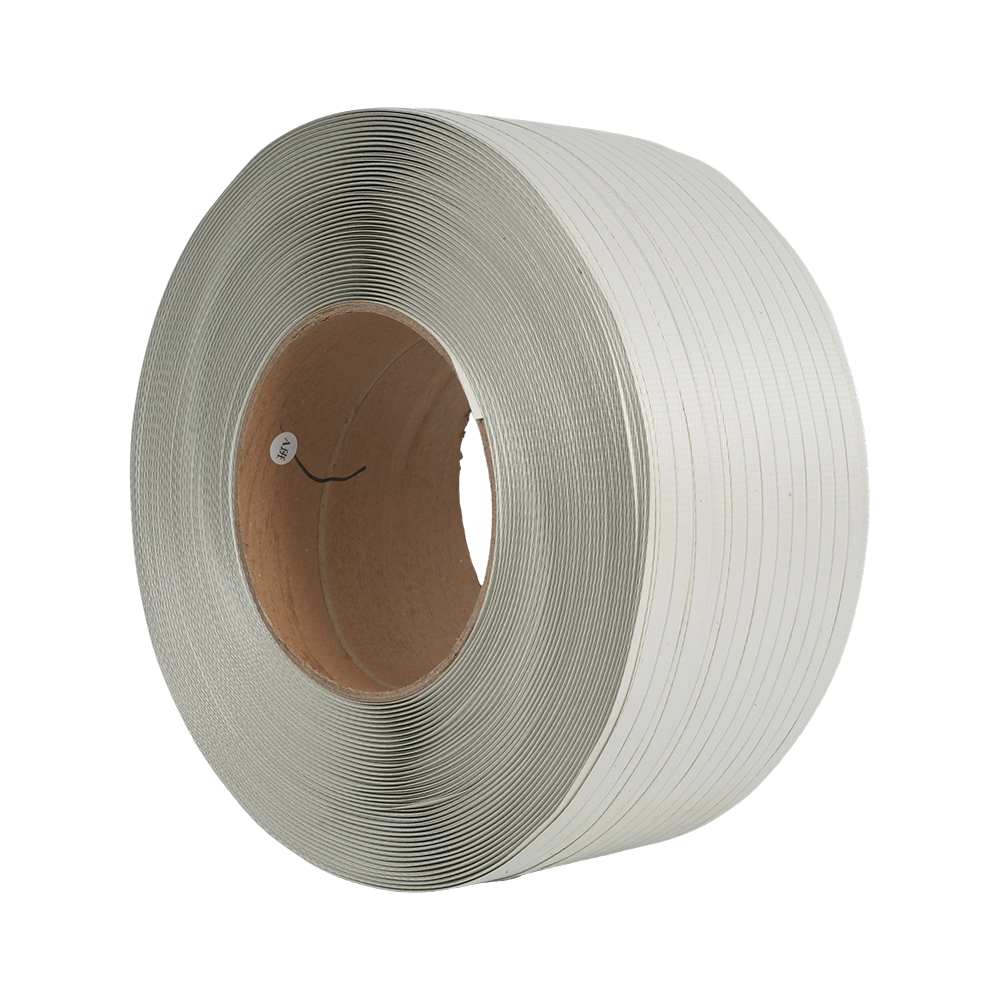
White plastic strapping tape, also known as PP manual strapping band, is a practical packaging and fastening material designed for bundling, securing, and consolidating goods in everyday industrial, commercial, logistics, and storage environments. Made primarily from polypropylene, commonly abbreviated as PP, this product provides a balanced combination of flexibility, cost efficiency, ease of handling, and reliable holding performance for light-to-medium-duty applications.
In modern packaging operations, businesses need materials that are economical, easy to use, safe for operators, and adaptable to different load shapes. White PP manual strapping band addresses these needs by offering a lightweight alternative to heavier bundling materials such as steel strapping. It is suitable for cartons, paper products, printed materials, light construction materials, logistics parcels, and agricultural produce. When applied with compatible manual strapping tools, it helps maintain package integrity during storage, handling, and transportation.
Understanding White Plastic PP Manual Strapping Band
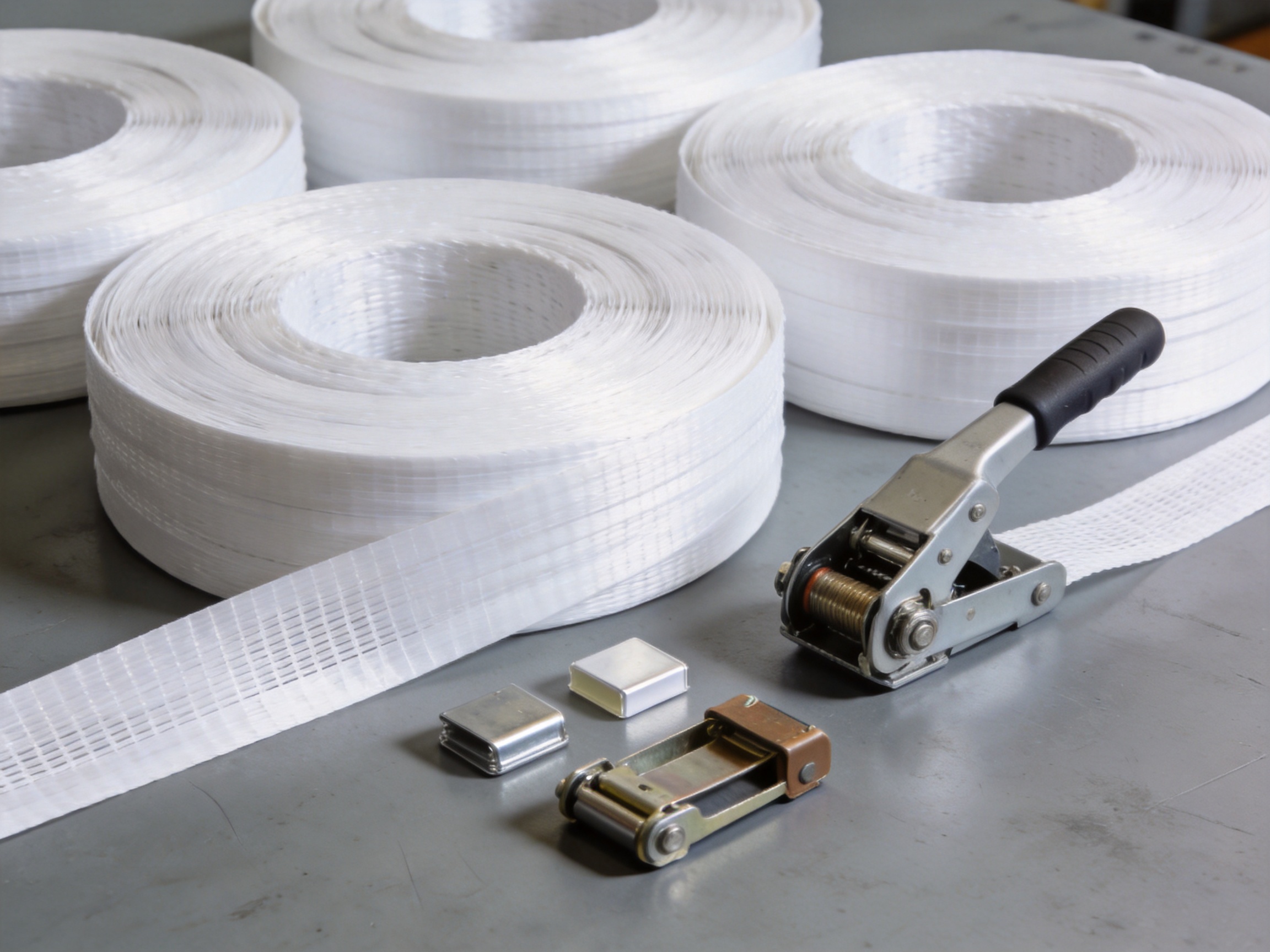
White plastic strapping tape is produced from polypropylene resin, a thermoplastic polymer known for its light weight, moisture resistance, and processability. In strapping applications, PP material is extruded into narrow bands with controlled width, thickness, tensile strength, and elongation. The result is a flexible strap that can be tensioned around products or packages to keep them securely grouped together.
The white color gives the product a clean and professional appearance, making it suitable for packaging where visual neatness matters. Compared with darker or recycled-color strapping, white virgin PP strapping often presents a more uniform look, which can be useful in warehousing, retail distribution, printed product packaging, and export packaging where consistency helps improve presentation.
Because this product is designed for manual operation, it does not require expensive automatic strapping machinery. Users can apply it with manual tensioners, sealers, buckles, or compatible friction welding tools depending on the packaging method. This makes it especially valuable for low-to-medium-volume packaging operations, small production lines, workshops, warehouses, distributors, and businesses that need flexible packing capability without major equipment investment.
Core Product Specifications
The following table summarizes typical product parameters for white PP manual strapping band. Actual specifications can be customized according to application requirements, load type, coil length, and operating method.
| Parameter | Typical Value | Packaging Relevance |
| Material | Polypropylene (PP) | Provides flexibility, moisture resistance, and lightweight handling |
| Color | White | Clean appearance for cartons, printed materials, and general packaging |
| Common Widths | 9 mm, 12 mm, 15 mm | Allows selection according to load size and required holding force |
| Common Thickness | 0.4 mm – 0.8 mm | Influences tensile strength, rigidity, and tool compatibility |
| Common Length | Customized per coil, such as 100 m or 200 m per coil | Supports different production and warehouse usage volumes |
| Tensile Strength | 200 N – 500 N, varying by specification | Suitable for light-to-medium-duty bundling and securing |
| Elongation at Break | ≤25% | Offers controlled stretch and tension retention for general transit |
| Compatibility | Manual strapping tools, tensioners, friction weld tools, seals, and related accessories | Enables convenient use without complex automated equipment |
Why Polypropylene Is an Effective Material for Manual Strapping
Polypropylene is widely used in packaging because it combines durability with economic efficiency. For manual strapping band, its most important characteristics include flexibility, partial elastic recovery, low density, resistance to common moisture exposure, and suitability for extrusion processing. These properties help create a strap that is easy to handle while still delivering practical holding force.
Flexibility is important because many packaged goods are not perfectly uniform. Cartons may compress slightly, bundles of printed matter may shift, and lightweight construction materials may have rounded or irregular profiles. PP strapping can bend around these shapes more comfortably than rigid alternatives. This helps reduce handling difficulty and supports a smoother packaging workflow.
Elastic recovery is another useful feature. After the strap is tensioned, the material can recover part of its stretch, helping to maintain pressure around the load. This is particularly valuable when packages experience vibration, handling movement, or minor compression during transit. While PP strapping is not intended to replace heavy-duty steel or PET strapping for demanding loads, it is well suited for general bundling where moderate holding force is sufficient.
Polypropylene also provides basic resistance to moisture and chemical corrosion. In ordinary warehouse and transportation conditions, this helps the strap remain functional when exposed to humidity or mild environmental variation. For businesses shipping cartons, paper products, light profiles, or parcels, this level of resistance is often adequate for daily operations.
Advantages Over Competing Strapping Materials
White PP manual strapping band offers several advantages when compared with other bundling options. Its value is strongest in applications where high efficiency, low cost, operator safety, and easy manual application are priorities.
Cost Advantage Compared with Steel Strapping
Steel strapping is powerful and suitable for heavy industrial loads, but it is often unnecessary for light and medium packages. It is heavier, more expensive, and requires careful handling because sharp edges may create safety risks. In many carton bundling, paper packaging, and light material applications, using steel would increase cost without providing proportional benefit.
PP manual strapping band helps reduce packaging expenditure. The material cost is generally lower, the strap is lighter to transport and store, and manual tools are relatively simple. For businesses managing frequent daily bundling tasks, even small savings per package can accumulate into significant annual cost reduction.
Operational Simplicity Compared with Automated Systems
Automatic strapping machines are useful for high-volume production lines, but they require capital investment, maintenance, training, and dedicated operating space. Not every company needs or can justify that level of automation. Manual PP strapping offers an efficient alternative for operations that require flexibility, batch changes, seasonal production, or decentralized packing stations.
Workers can quickly move manual tools to different areas of a warehouse or workshop. This mobility is valuable when packaging tasks occur in multiple locations, when product sizes vary, or when strapping is only needed at certain stages of order fulfillment. Because white PP manual strapping does not depend on complex equipment, it improves packaging accessibility for smaller teams and growing businesses.
Safety Advantage Compared with Sharp or Rigid Materials
Operator safety is a major consideration in packaging material selection. PP strapping is lightweight and has smoother edges than many metal alternatives. During application and removal, it reduces the risk of cuts and handling injuries. This is especially important in busy warehouses where repetitive packaging work is performed throughout the day.
Safe handling also improves efficiency. Workers can manipulate coils, wrap straps around cartons, and remove used straps with less caution than required for sharp metallic bands. Although standard safety practices should always be followed, the material itself supports a safer and more comfortable working environment.
Adaptability Compared with Rigid Bundling Solutions
Some bundling materials are too rigid for loads that may shift slightly. PP strapping provides moderate friction against many surfaces and can accommodate minor deformation. This helps maintain stability when carton surfaces compress, when printed stacks settle, or when lightweight profiles shift within a bundle.
Because the strap is available in common widths such as 9 mm, 12 mm, and 15 mm, users can choose a size that matches their load. Narrower straps may be preferred for small parcels or light bundles, while wider and thicker specifications may be selected for stronger holding needs within the recommended duty range.

Product Features That Improve Packaging Performance
Flexibility and Recovery
The flexibility of white PP strapping band allows it to conform to package edges and bundle contours. This is particularly useful for cartons, paper products, pipes, profiles, and agricultural produce packages. After tensioning, the strap offers partial elastic recovery, which helps preserve holding pressure and reduce loosening caused by minor package movement.
Smooth Surface for Tool Feeding
The strap surface is generally smooth, helping it pass through compatible tools with reduced feeding resistance. Smooth handling contributes to faster work, fewer interruptions, and better operator comfort. In manual applications, every improvement in tool movement can affect productivity because workers rely directly on the strap’s consistency.
Consistent Dimensions
Industrial manufacturing ensures controlled width and thickness. Dimensional consistency is essential because manual tensioners, sealers, and friction weld tools require straps that feed correctly. If a strap is too uneven, joint quality may suffer, tension may fluctuate, and packaging efficiency may decline. A stable production process helps reduce these risks.
Reliable Joinability
White PP manual strapping band can be joined through suitable fastening methods, including seal clamping or friction welding with compatible tools. A strong joint is critical because the overall performance of a strapped package depends not only on the strap material but also on the quality of the connection. Proper tool compatibility and operator technique help ensure dependable results.
Manufacturing Strength Behind Stable Product Quality
Packaging materials must be reliable because they protect goods throughout the supply chain. Zhejiang Geruite Packaging Materials Co., Ltd. focuses on the research, development, production, and sales of high-performance tapes and packaging materials, including PP strapping, PET strapping, BOPP tapes, kraft paper tapes, masking tapes, high-temperature resistant tapes, metal tapes, and PE stretch film. This broad production experience supports a strong understanding of packaging performance from multiple perspectives.
The company is located in Zhejiang Province, China, a region known for developed manufacturing capabilities and an active industrial supply chain. This location supports access to raw materials, skilled labor, packaging technology resources, and efficient logistics. For customers, these factors can translate into stable supply, flexible customization, and responsive service.
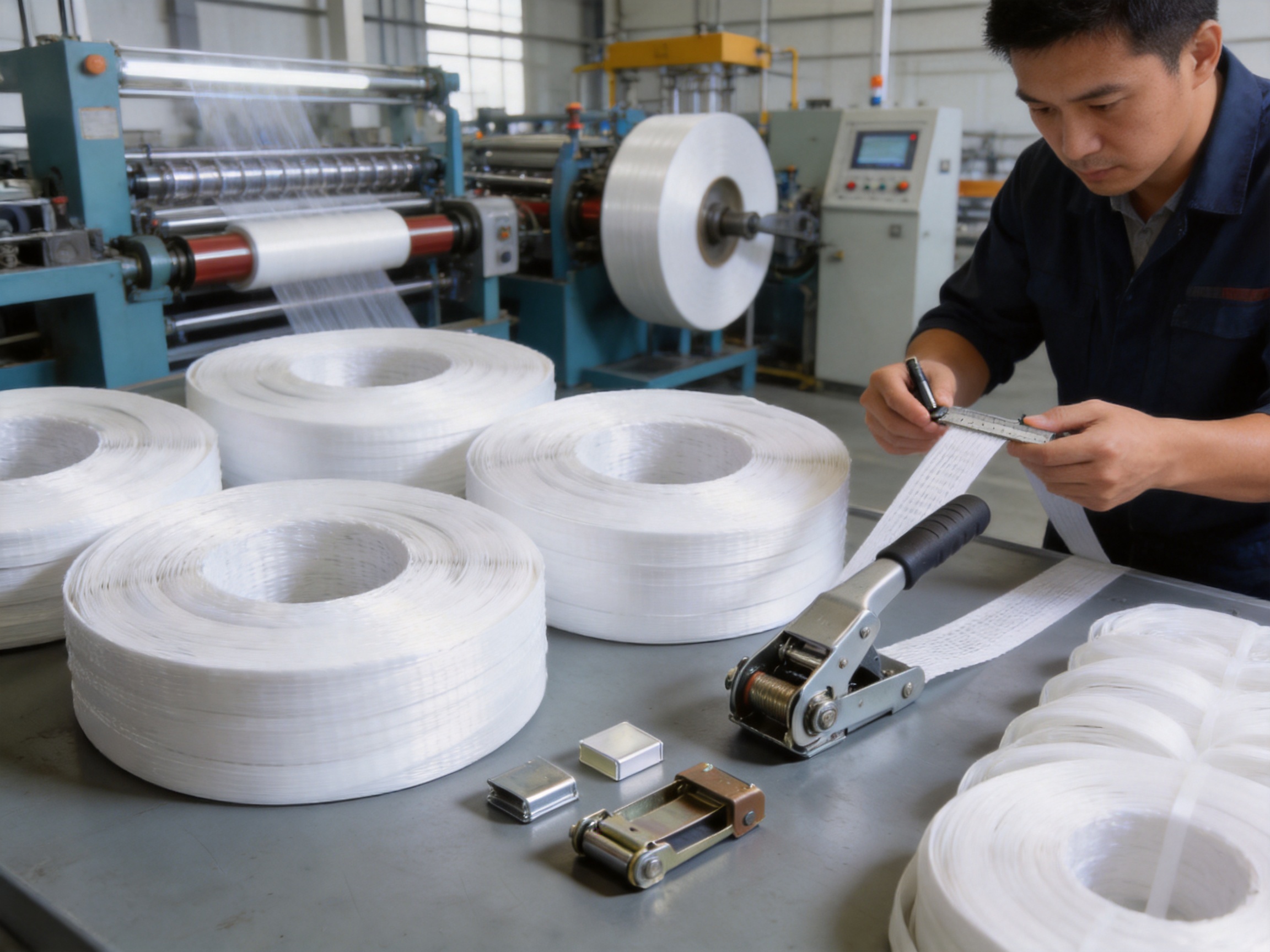
Advanced production equipment is an important foundation for strapping quality. In PP strapping production, extrusion control, cooling stability, stretching ratio, surface finishing, winding tension, and dimensional inspection all affect final performance. A properly controlled manufacturing process helps ensure that each coil has consistent width, thickness, tensile strength, and elongation. This consistency matters in daily use because operators need predictable strap behavior during tensioning and sealing.
Quality control begins with raw material selection. White virgin PP material helps deliver cleaner appearance and stable mechanical properties. Material quality affects flexibility, tensile strength, recovery, and resistance to environmental exposure. By focusing on careful raw material procurement, the manufacturer reduces the risk of uneven performance and helps customers maintain consistent packaging standards.
During production, process control is equally important. The extrusion stage melts and shapes the polypropylene into strap form. If temperature, pressure, or line speed is unstable, the strap may show thickness variation or internal weakness. Controlled stretching improves strength and dimensional stability. Cooling and winding must also be managed carefully to prevent deformation, uneven coil tension, or surface defects.
Final inspection helps confirm that the strap meets practical requirements before delivery. Common inspection areas include appearance, width, thickness, tensile strength, elongation, winding quality, and compatibility with intended tools. This systematic approach reflects the company’s belief that quality is the lifeline of the business.
How Advanced Manufacturing Benefits the End User
For packaging operators, manufacturing quality is not an abstract concept. It directly affects daily work. A strap with consistent dimensions feeds more easily through tools. A strap with stable tensile strength reduces breakage during tensioning. A well-wound coil unwinds smoothly and minimizes downtime. A clean white surface improves product presentation. These advantages help packaging teams complete tasks faster and with fewer problems.
Stable manufacturing also supports inventory planning. When customers receive coils that perform consistently from batch to batch, they can standardize packaging procedures, train workers more easily, and reduce uncertainty. This is especially important for distribution centers, paper product suppliers, print shops, agricultural packers, and manufacturers that handle frequent repetitive bundling.
The company’s annual output value of over RMB 60 million reflects substantial production capacity and market participation. For customers purchasing packaging materials, production strength can be a key factor. A supplier with mature manufacturing systems is generally better positioned to handle repeat orders, specification customization, and stable delivery schedules.
Application Scenarios
Carton Bundling and Unitizing
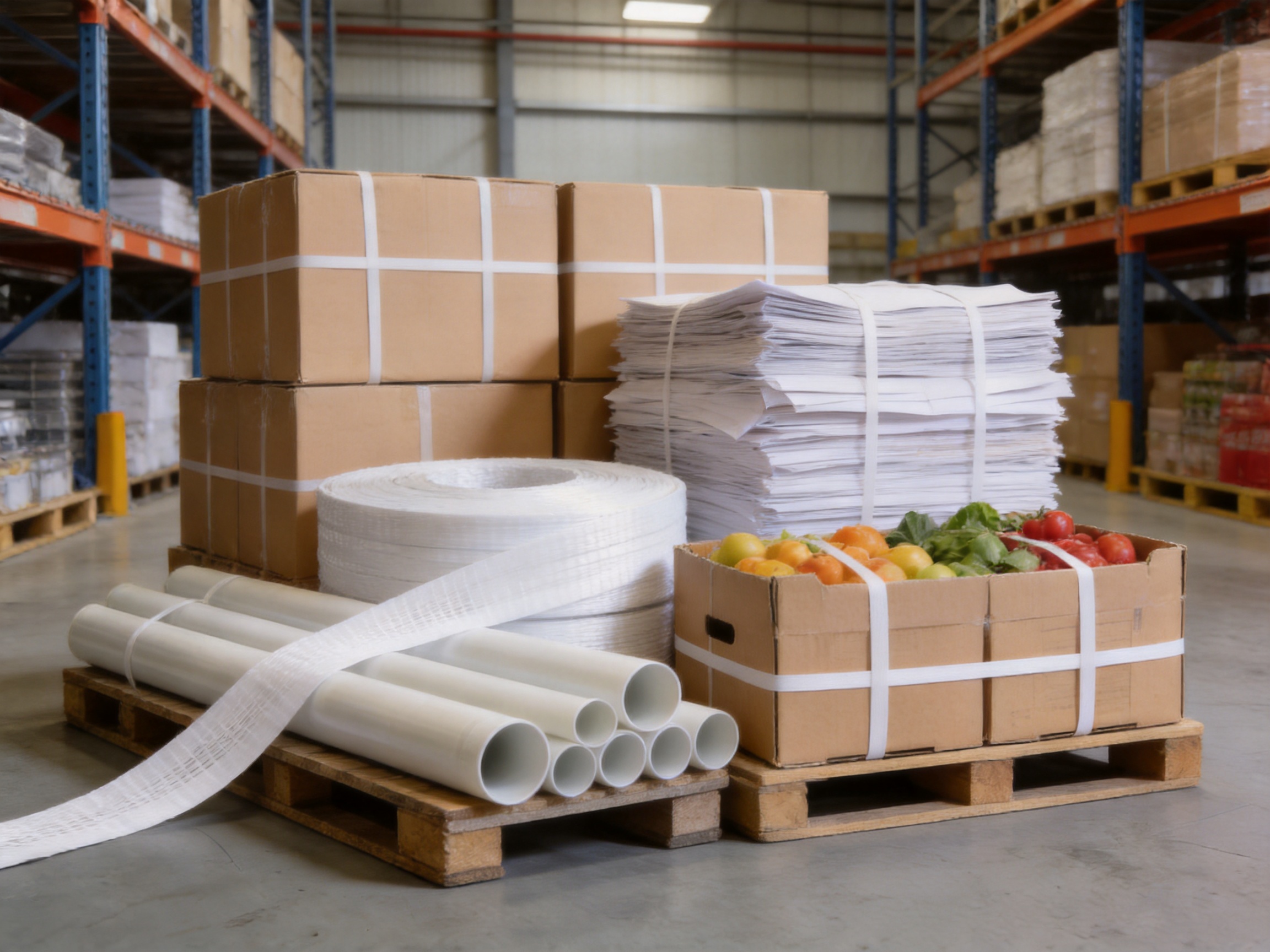
Cartons are among the most common packaging units in logistics and warehousing. White PP manual strapping band is well suited for bundling cartons together, reinforcing boxed goods, and unitizing smaller packages for easier handling. Its moderate strength and elasticity help hold cartons in place without excessive weight or unnecessary material cost.
Paper Products and Printed Materials
Printed matter, newspapers, magazines, catalogs, notebooks, and other paper products often need bundling before distribution. PP strapping provides a clean and practical way to secure stacks. The white appearance works well with paper packaging, while the smooth surface reduces the chance of scuffing compared with rougher materials. For printers and publishers, the ability to manually strap batches of different sizes is highly useful.
Lightweight Construction Materials
Products such as PVC pipes, light aluminum profiles, trim strips, and similar construction materials often require bundling for storage and transport. White PP manual strapping band can hold these items together efficiently when load weight and edge sharpness remain within suitable limits. Its flexibility helps wrap around rounded or elongated items, making it useful for workshop and warehouse organization.
Logistics and Distribution Centers
Distribution centers frequently process parcels of different shapes and volumes. Manual strapping provides flexibility for irregular orders, temporary reinforcement, and grouped shipments. Because the tools are portable, workers can apply strapping where needed rather than moving all items to a fixed machine location. This supports faster order handling and improves packaging responsiveness.
Agricultural Produce Packaging
Lightweight agricultural produce packaging may require fastening or bundling during storage and shipping. PP strapping can help secure cartons, trays, or light bundles. Its basic moisture resistance is useful in general produce handling environments, although prolonged exposure to harsh outdoor conditions should be avoided.
Proper Use and Tool Compatibility
To achieve strong and reliable packaging, users should select tools that match the strap width and thickness. Common compatible tools include manual strapping tensioners, sealers, buckles, seals, and friction weld tools designed for PP strapping. Tool compatibility affects both ease of use and joint strength.
During application, the strap should be placed around the load evenly. The operator should tension the strap enough to stabilize the package but not so tightly that cartons collapse or products are damaged. After tensioning, the strap should be sealed using the appropriate method. The joint should be checked to ensure that it is secure before the package is moved.
For seal clamping, users should choose seals that match the strap width. Incorrect seal size may reduce holding strength. For friction welding, equipment settings should be suitable for PP material and strap dimensions. Overheating, insufficient welding time, or poor alignment may weaken the joint. Operator training and routine tool maintenance help improve packaging reliability.
Load Limit Considerations
White PP manual strapping band is intended for light-to-medium-duty applications. It should not be used blindly for heavy, sharp-edged, high-value, or fragile goods without suitability evaluation. Heavy industrial loads may require PET strapping, steel strapping, edge protectors, or specialized packaging systems.
Sharp edges can cut into plastic strapping. If the load has corners or rough surfaces, edge protectors may be needed to distribute pressure and prevent damage. For fragile goods, excessive tension can cause compression damage, so tension must be controlled carefully. For high-value shipments, testing under realistic transport conditions is recommended before large-scale use.
Understanding load requirements is part of responsible packaging design. The strap’s tensile strength, elongation, width, thickness, joint efficiency, package shape, transport distance, handling method, and storage conditions all influence performance. A correct match between strap and application helps reduce product damage and improve supply chain stability.
Environmental and Storage Considerations
Polypropylene offers basic moisture resistance and chemical corrosion resistance, making it suitable for many general indoor and transportation environments. However, prolonged exposure to extreme outdoor ultraviolet radiation or high temperatures is not recommended. UV exposure can accelerate material degradation, and high heat may affect mechanical performance over time.
Storage conditions should be dry, cool, and indoor whenever possible. Coils should be protected from heavy compression, direct sunlight, and contamination. Proper storage helps preserve flexibility, appearance, and tensile properties. It also prevents coil deformation, which can affect unwinding and tool feeding.
From a sustainability perspective, efficient packaging material use is important. Choosing the correct strap size and strength helps avoid overpackaging while still protecting goods. Because PP strapping is lightweight, it can reduce transportation weight compared with heavier alternatives. Responsible use, proper disposal, and recycling practices should follow local regulations and available waste management systems.
Why White PP Manual Strapping Band Is a Smart Choice for Many Businesses
Many packaging operations do not need the strongest material available; they need the most appropriate material for the job. White PP manual strapping band is valuable because it balances performance and economy. It provides enough holding force for many common packages while remaining easy to apply, safe to handle, and affordable.
For small and medium-sized businesses, the ability to begin strapping operations without automatic machines is a major advantage. Manual tools are easier to purchase, move, and maintain. This reduces the barrier to improving packaging quality. For larger companies, manual PP strapping remains useful as a backup, supplementary, or flexible packaging method for non-standard items.
The clean white appearance also supports brand-neutral packaging presentation. It looks tidy on cartons and paper bundles and can integrate well with many packaging designs. In export, wholesale, and distribution settings, packaging neatness can influence customer perception even when the strap itself is not the primary product.
Company Capabilities Supporting Packaging Solutions
Zhejiang Geruite Packaging Materials Co., Ltd. has developed its business around packaging material research, production, and sales. Its product range covers adhesive tapes, films, and strapping products used across logistics, express delivery, household goods, electronics, construction and decoration, industrial manufacturing, cargo stabilization, and packaging protection. This broad market coverage gives the company practical insight into the different challenges customers face.
A supplier that manufactures multiple packaging categories can help customers build more complete packaging systems. For example, cartons may require sealing tape, stretch film, and strapping depending on the shipping method. Paper bundles may require strapping and protective wrapping. Industrial goods may require tape, film, and stronger strapping options. The company’s ability to supply a range of materials supports integrated purchasing and technical consultation.
The company emphasizes rigorous quality control from raw material procurement through production and final inspection. This full-process quality philosophy is particularly important in packaging because failures often appear after goods have already entered transportation. By controlling quality before shipment, the manufacturer helps customers reduce downstream risk.
Professional service is also a competitive strength. Customers may need guidance on strap width, thickness, coil length, tool selection, packaging method, and storage conditions. A knowledgeable supplier can recommend practical specifications rather than simply selling a standard product. This helps customers improve cost efficiency and reduce trial-and-error.
Comparison with Alternative Packaging Methods
Packaging teams often compare strapping with tape, stretch film, rope, twine, and metal banding. Each material has a place, but PP manual strapping offers a distinct balance of strength and convenience.
Adhesive tape is excellent for sealing cartons, but it may not provide enough circumferential holding force for bundling multiple items or reinforcing heavy carton stacks. Stretch film is useful for wrapping pallets and protecting surfaces, but it may not secure small bundles as tightly as strapping. Rope and twine can be inexpensive but may be less consistent, less professional in appearance, and slower to apply. Steel strapping is strong but can be excessive for light packages and may increase safety risks.
PP strapping fills the gap between simple carton sealing and heavy-duty industrial banding. It provides visible, measurable, and adjustable securing force. Workers can choose the number of straps, position them according to load geometry, and combine them with other packaging materials when needed.
Best Practices for Selecting the Right Specification
Selecting the correct PP strapping specification begins with understanding the package. Important questions include: What is the weight of the load? Is it a single carton, multiple cartons, a stack of paper, or an elongated bundle? Are the edges smooth or sharp? Will the goods travel locally or over long distances? Will they be exposed to moisture, sunlight, or temperature changes?
For small parcels and light bundles, a narrower strap may be sufficient. For larger cartons or heavier light-to-medium loads, a wider or thicker strap may provide better performance. Tensile strength should be chosen with a safety margin, but excessive strength may increase cost unnecessarily. The joint method should also be considered because joint efficiency affects actual holding performance.
Coil length should match usage volume and worksite conditions. Shorter coils may be easier for occasional use, while longer coils reduce replacement frequency in active packaging areas. Customized coil lengths such as 100 m or 200 m can support different operational needs.
Improving Packaging Efficiency with Manual PP Strapping
Efficiency is not only about speed; it also includes reduced waste, fewer errors, better ergonomics, and predictable results. White PP manual strapping band supports efficiency by being lightweight, easy to carry, and compatible with simple tools. Workers can quickly strap packages without waiting for machine availability.
In a warehouse, manual strapping stations can be placed near picking, sorting, or loading areas. This reduces material movement and helps workers secure goods at the point where reinforcement is needed. In a small factory, workers can strap finished products immediately after packing, improving workflow continuity. In a print shop, staff can bundle different quantities of magazines or catalogs without adjusting large machinery.
Training is relatively straightforward. Operators should learn how to position the strap, apply proper tension, make secure joints, inspect finished packages, and store unused coils. Once these habits are established, manual PP strapping becomes a reliable part of daily operations.
Quality Assurance and Customer Confidence
Customers choose packaging materials because they need confidence that goods will arrive safely. For PP strapping, confidence comes from consistent material quality, reliable production control, clear specifications, and responsive technical support. Zhejiang Geruite Packaging Materials Co., Ltd. supports these expectations with advanced equipment, careful quality inspection, and a commitment to product stability.
The company’s manufacturing approach reflects the practical needs of packaging users. Stable tensile strength reduces sudden breakage. Controlled elongation helps maintain tension. Smooth surfaces improve tool operation. Consistent coil winding improves storage and use. These details may appear small individually, but together they create a product that performs reliably in real packaging environments.
For wholesale buyers, distributors, and industrial users, supplier reliability is as important as product design. Timely delivery, specification consistency, and professional communication help reduce purchasing risk. A manufacturing partner with strong production capacity can support both routine orders and customized requirements.
Frequently Asked Questions
What is white plastic strapping tape made of?
White plastic strapping tape is primarily made of polypropylene, commonly known as PP. This material provides a useful combination of flexibility, light weight, basic moisture resistance, and cost effectiveness for packaging and bundling applications.
What types of products can be secured with PP manual strapping band?
It is suitable for cartons, paper products, printed materials, newspapers, magazines, lightweight construction materials such as PVC pipes and light aluminum profiles, logistics parcels, and lightweight agricultural produce packages. It is designed mainly for light-to-medium-duty use.
Can it be used instead of steel strapping?
It can replace steel strapping in many light and medium packaging applications where heavy-duty strength is not required. However, for very heavy loads, sharp-edged materials, or high-risk shipments, steel strapping, PET strapping, or other stronger solutions may be more appropriate.
What widths are commonly available?
Common widths include 9 mm, 12 mm, and 15 mm. The best width depends on the load size, required holding force, and tool compatibility.
What thickness is typical for this product?
Common thickness ranges from 0.4 mm to 0.8 mm. Thicker straps generally provide greater strength and rigidity, while thinner straps may be sufficient for lighter packages.
Is special equipment required?
No complex automatic equipment is required for manual applications. The strap can be used with compatible manual strapping tools, tensioners, seals, buckles, or friction welding tools designed for PP strapping.
Why is tool compatibility important?
Tool compatibility affects tensioning efficiency, joint quality, and operator safety. A tool that does not match the strap width or thickness may create weak seals, poor tension, or operational difficulty.
Does PP strapping resist moisture?
PP strapping offers basic moisture resistance and can perform well in general storage and transportation environments. However, long-term exposure to harsh outdoor UV radiation or high temperatures should be avoided.
How should the strapping band be stored?
It should be stored indoors in a dry and cool environment. Coils should be protected from direct sunlight, heavy compression, contamination, and extreme heat to help preserve performance.
What makes white PP manual strapping band cost effective?
It is cost effective because polypropylene is economical, the strap is lightweight, manual tools are relatively simple, and the product provides sufficient performance for many daily packaging tasks without requiring expensive automatic machinery.
Conclusion
White plastic strapping tape, or PP manual strapping band, is a practical and economical solution for light-to-medium-duty packaging. It combines the flexibility and partial elastic recovery of polypropylene with the convenience of manual application. Its clean white appearance, smooth surface, consistent dimensions, and compatibility with manual tools make it suitable for cartons, paper products, printed materials, light construction materials, logistics parcels, and agricultural produce packaging.
Compared with heavier or more complex alternatives, PP manual strapping offers clear advantages in cost, safety, ease of use, and adaptability. It helps businesses improve packaging reliability without unnecessary investment in automated systems or excessive material strength. When selected correctly and used with compatible tools, it supports stable bundling and efficient warehouse operations.
The manufacturing strengths of Zhejiang Geruite Packaging Materials Co., Ltd. further enhance the value of this product. With advanced production equipment, rigorous quality control, broad packaging material expertise, and a commitment to stable performance, the company provides dependable packaging solutions for customers seeking both quality and economy. As packaging demands continue to evolve, white PP manual strapping band remains a smart choice for businesses that need reliable, flexible, and cost-conscious bundling performance.
References
1. Robertson, G. L. Food Packaging: Principles and Practice. CRC Press.
2. Soroka, W. Fundamentals of Packaging Technology. Institute of Packaging Professionals.
3. Yam, K. L. The Wiley Encyclopedia of Packaging Technology. Wiley.
4. Selke, S. E. M., Culter, J. D., and Hernandez, R. J. Plastics Packaging: Properties, Processing, Applications, and Regulations. Hanser Publications.
5. ASTM International. Standard Test Methods for Tensile Properties of Plastics and Related Packaging Materials.

Featured Products
-
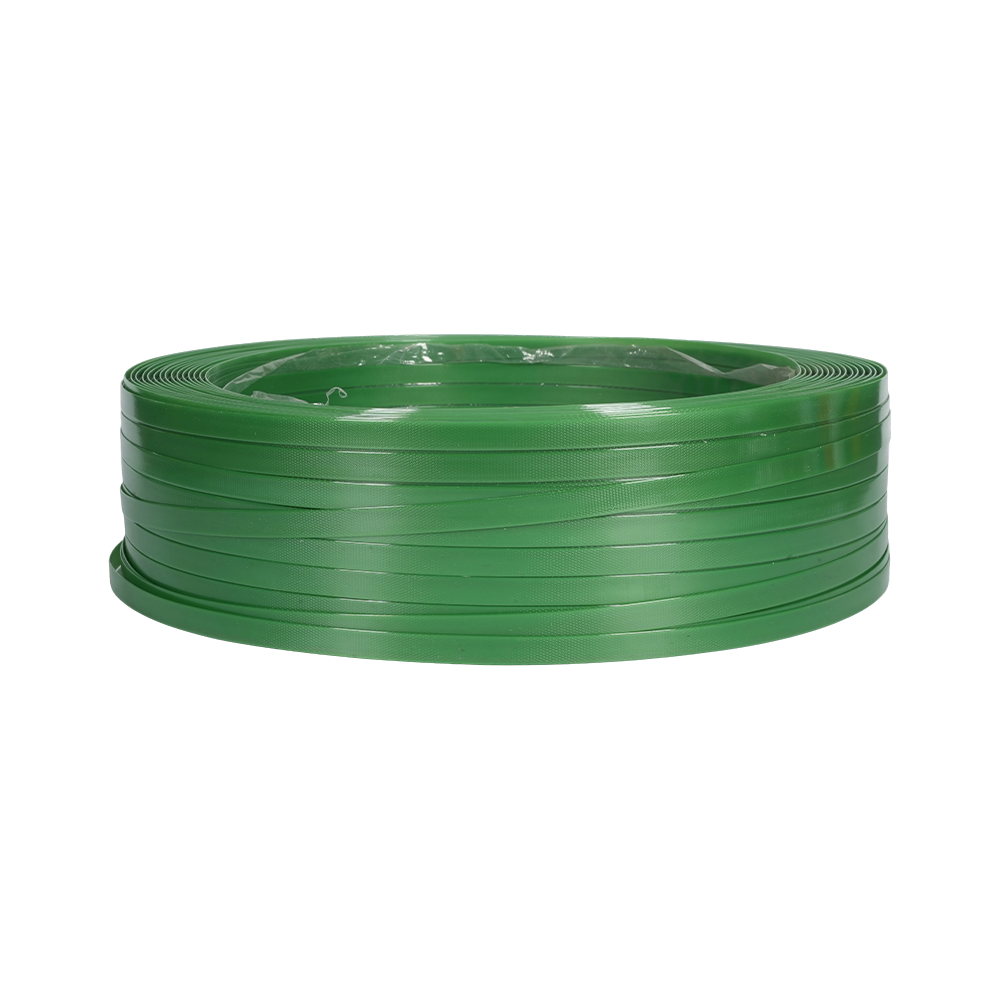
White Plastic Strapping Tape, PP Manual Strapping Band
-
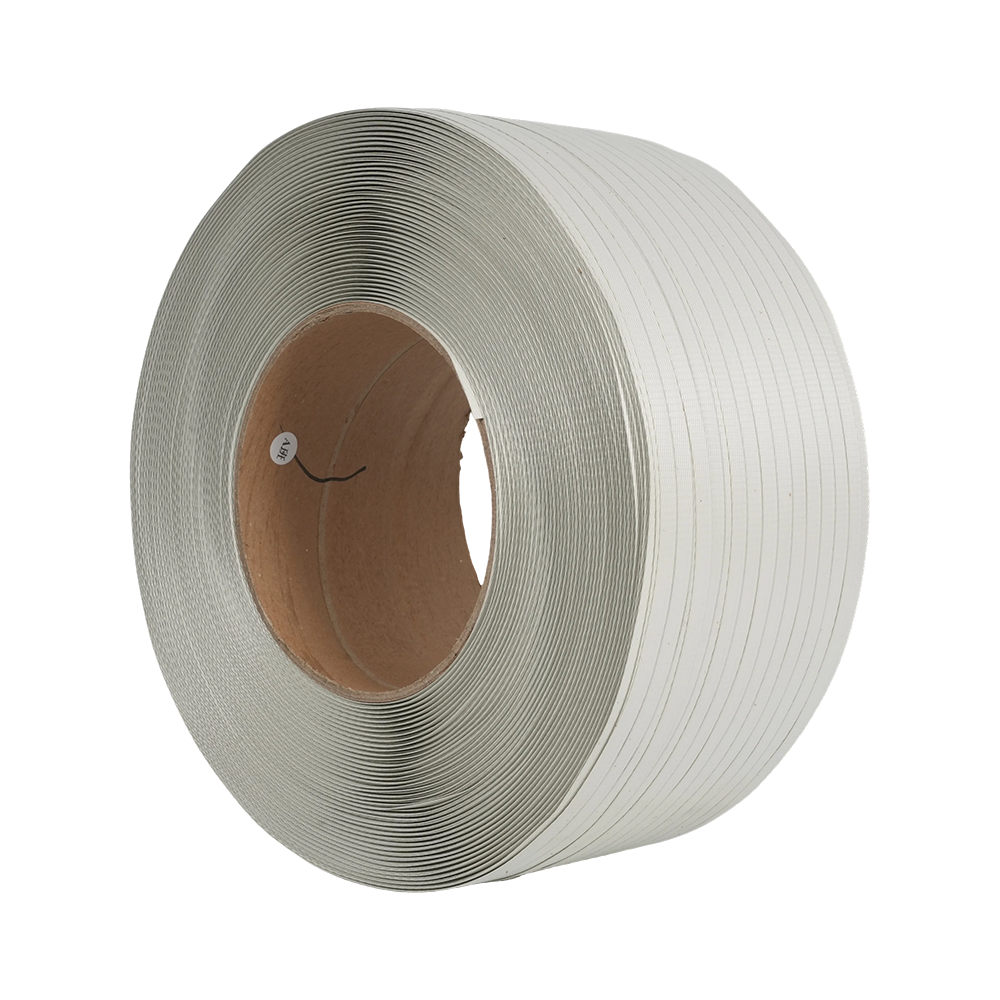
White PP Machine-Grade Strapping
-
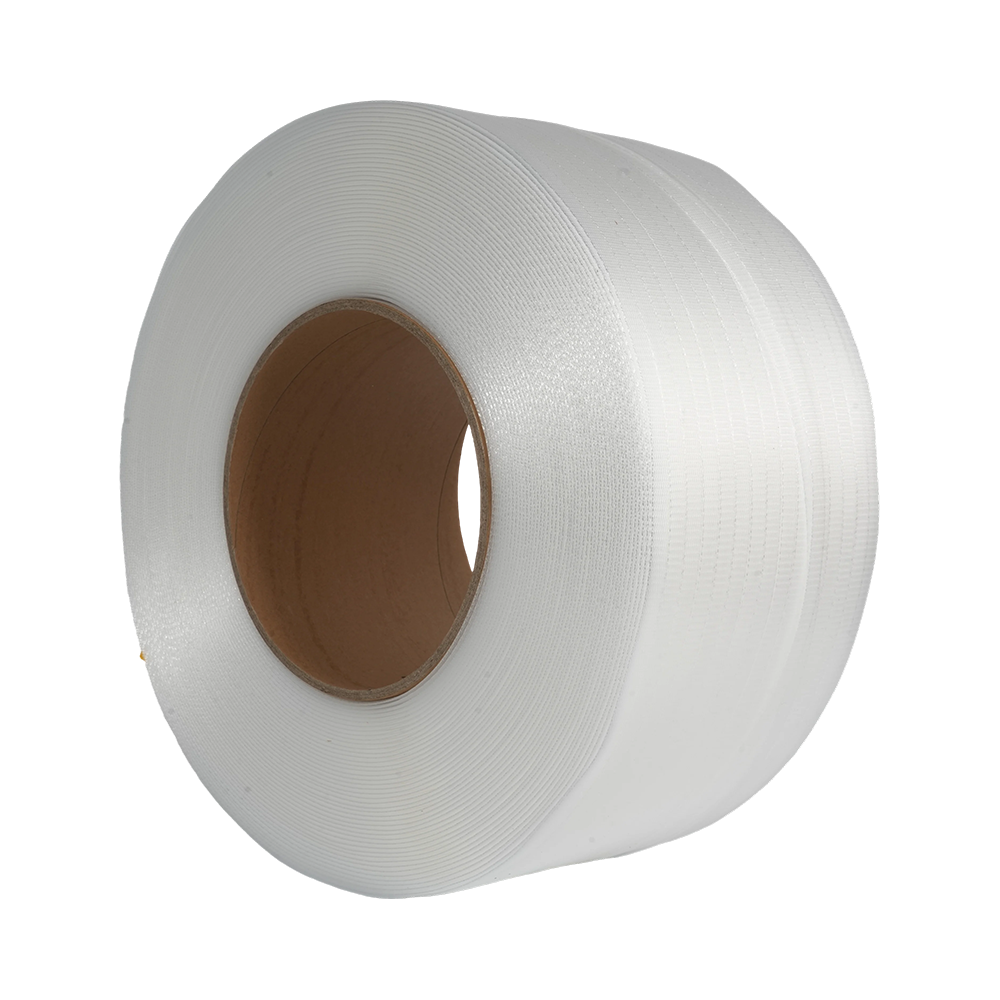
Transparent Strapping Band, Clear PP Packing Strap For Pelletizing Machine
-
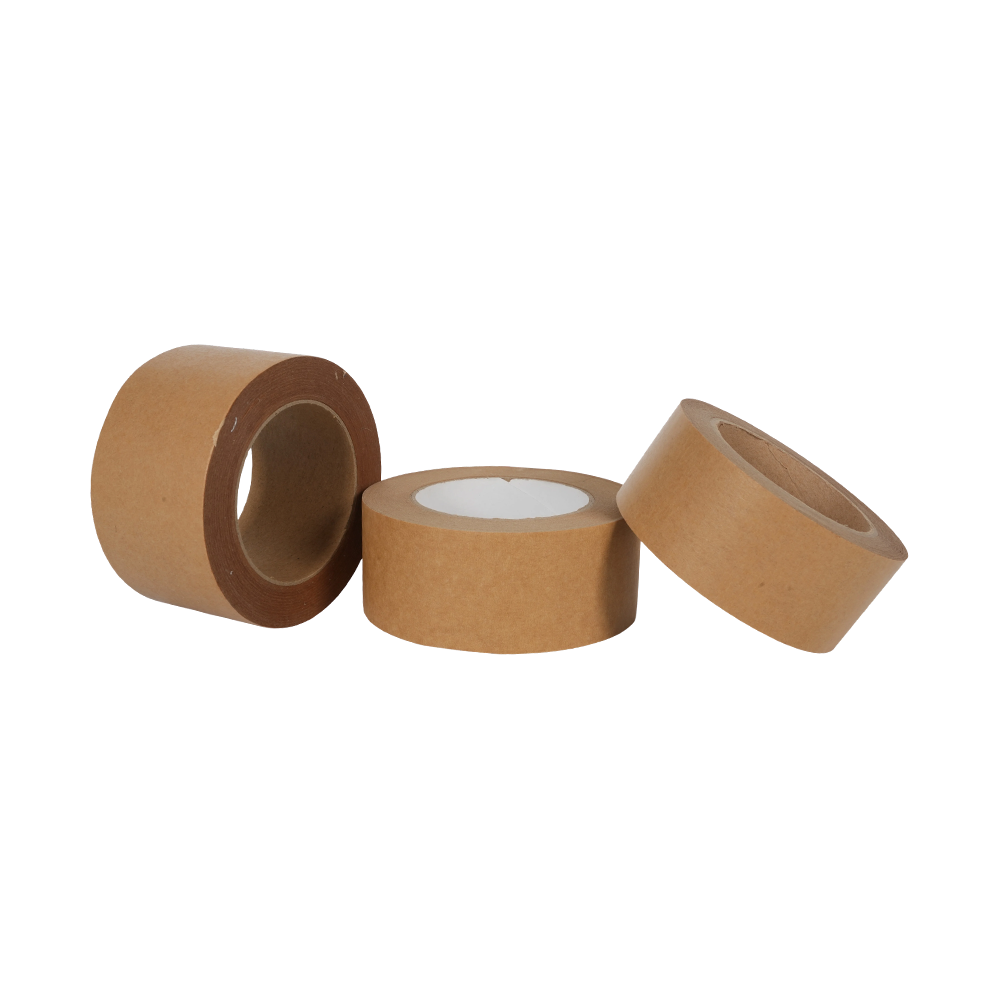
High viscosity, Tearable by hand Plastic-free kraft paper tape
-
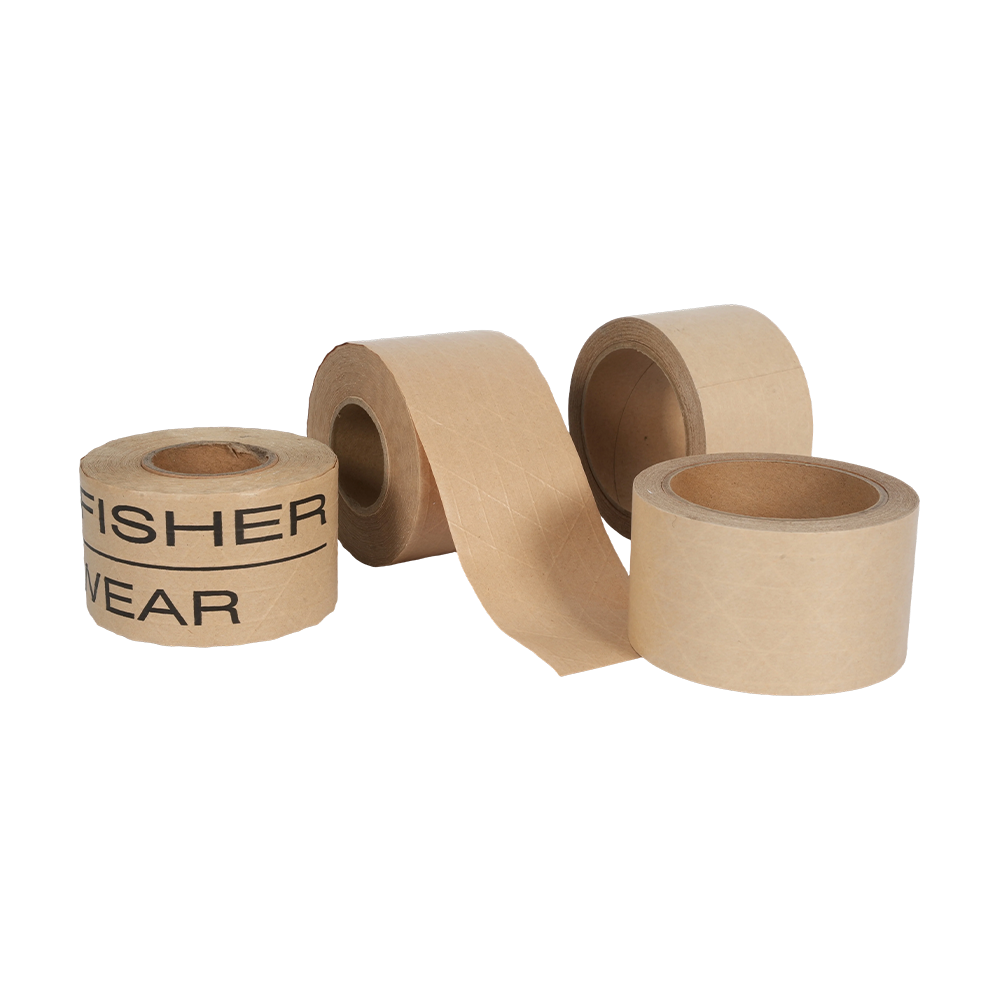
Wet water reinforced kraft paper tape
-
1608/1610/1910/2512 Handheld Transparent P+E+T Plastic Steel Belt
CONTACT DETAILS
- Address:No. 241, Yaojiafan, Zhangpanqiao, Shushan Street, Xiaoshan District, Hangzhou City, Zhejiang Province, China
- TEL:+86-0571-83175630
- Phone:+86-13336160217
- Email:anqiaocun@163.com
PRODUCTS
NEWS CENTER
MOBILE TERMINAL
Copyright© Zhejiang Geruite Packaging Materials Co., Ltd. All Rights Reserved.
Privacy Wholesale industrial packaging tape Manufacturers