


 English
  Español
  عربى
عربى 
High-Performance OPP Double-Sided Tape for Reliable Industrial Bonding
Content
- 1 Understanding OPP Double-Sided Tape
- 2 Key Product Characteristics
- 3 Technical Performance Data
- 4 Advantages Over Common Competing Bonding Solutions
- 5 Application Areas
- 6 Why a Non-Tearing Substrate Matters
- 7 Manufacturing Strengths Behind Stable Tape Performance
- 8 Quality Control and Testing Standards
- 9 Company Capabilities Supporting the Product
- 10 How the Tape Improves Production Efficiency
- 11 Surface Preparation and Application Guidance
- 12 Storage, Handling, and Shelf-Life Considerations
- 13 Environmental and Process Considerations
- 14 Comparison With Other Tape Types
- 15 Purchasing Considerations for Industrial Users
- 16 Recommended Trial Procedure
- 17 Q&A Section
- 17.1 What is the main purpose of OPP double-sided tape?
- 17.2 What makes the DS-32 OPP double-sided tape suitable for product bonding?
- 17.3 How does this tape compare with liquid glue?
- 17.4 Why is the OPP film carrier important?
- 17.5 Does higher initial tack always mean better tape?
- 17.6 What surfaces can this tape bond?
- 17.7 What standards are used to describe the tape performance?
- 17.8 How should the tape be applied for best performance?
- 17.9 How should the tape be stored?
- 17.10 Why choose a manufacturer with broad packaging material expertise?
- 18 Conclusion
- 19 References
- 20 Product: DS-32 OPP double-sided tape
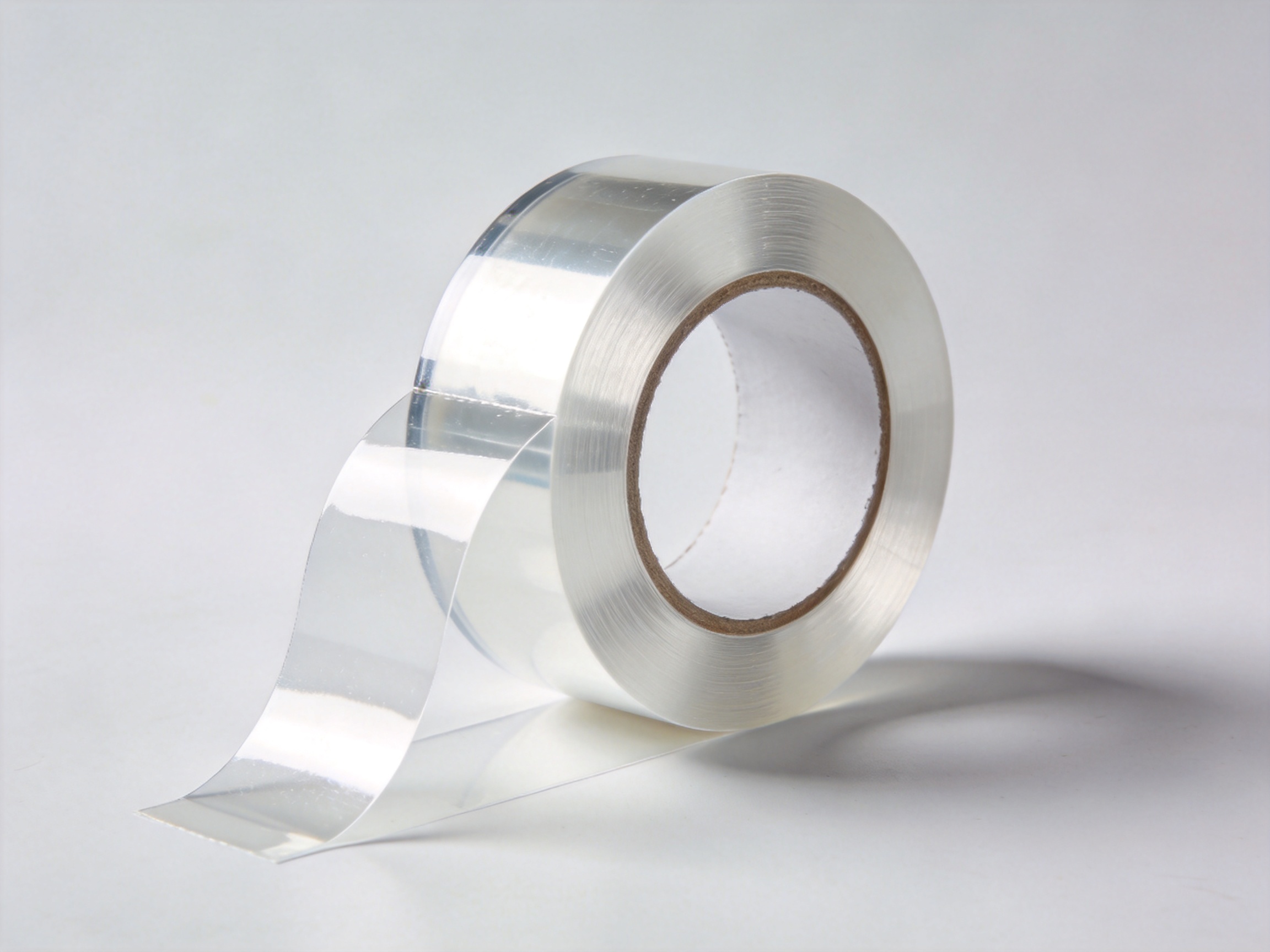
In modern packaging, assembly, product finishing, and industrial manufacturing, the demand for clean, efficient, and dependable bonding solutions continues to grow. Mechanical fasteners, liquid adhesives, staples, and heat-based joining methods still have their places, but many applications require a faster, neater, and more controlled method of attachment. OPP double-sided tape offers a practical answer to these needs by combining a film-based carrier with pressure-sensitive adhesive on both sides, allowing two surfaces to be bonded without visible fastening marks, drying time, or complex application equipment.
The DS-32 OPP double-sided tape is designed for product bonding applications where the substrate should remain stable and resistant to tearing during use, handling, or removal. With a typical thickness of 90±5 microns, strong adhesion to steel, controlled initial tack, and reliable holding power, it provides a balanced performance profile suitable for industrial and packaging environments. It is especially valuable for users who need consistent bonding quality, efficient application, and stable performance across repeated production runs.
This article examines the product structure, performance advantages, technical data, manufacturing strengths, quality control methods, application scenarios, and practical selection guidance for OPP double-sided tape. It also explains how Zhejiang Geruite Packaging Materials Co., Ltd. supports the product through its packaging material expertise, advanced production processes, and systematic quality management.
Understanding OPP Double-Sided Tape
OPP, or oriented polypropylene, is a widely used film material known for its good dimensional stability, smooth surface, and suitability for adhesive coating. When used as a carrier in double-sided tape, OPP provides a strong and uniform foundation for adhesive layers. Unlike some paper-based carriers that may tear, absorb moisture, or deform under certain conditions, an OPP film carrier offers improved integrity and helps the tape maintain stable performance during bonding and handling.
Double-sided tape differs from conventional single-sided packaging tape because adhesive is applied to both sides. One side is usually protected by a release liner until the tape is ready for use. During application, the first adhesive side is applied to one surface, and the liner is removed to expose the second adhesive side. The second substrate is then pressed into position. This process allows fast and clean assembly without glue spreading, curing time, screws, nails, or other visible fasteners.
In many industries, the ideal double-sided tape must perform several tasks at the same time. It must wet the surface quickly enough to support efficient assembly, resist lifting or separation after bonding, and hold its position under static load. It must also be easy to process, cut, laminate, and apply. The DS-32 OPP double-sided tape is developed to provide this balance, making it suitable for bonding applications where a reliable non-tearing substrate is required.
The product is not merely a strip of adhesive film. Its performance depends on the careful selection of carrier material, adhesive formulation, coating weight, drying conditions, lamination control, slitting accuracy, and final inspection. Every parameter influences how the tape behaves when applied to paperboard, plastic, metal, film, decorative materials, labels, foam, or packaging components. This is why professional manufacturing and quality control are essential to producing double-sided tape that performs consistently.
Key Product Characteristics
The DS-32 OPP double-sided tape is characterized by its 90±5 micron tape thickness, controlled initial tack, strong peel adhesion, and tested holding power. These parameters reflect a product designed not only for immediate bonding but also for dependable performance after placement. In industrial tape selection, users often make the mistake of judging only by apparent stickiness. However, a high-quality tape must provide the correct balance between tack, peel strength, shear resistance, thickness control, and substrate stability.
The tape thickness of 90±5 microns gives the product a practical profile for bonding applications. It is thin enough to support neat and low-profile assembly, yet substantial enough to provide a consistent adhesive layer and stable handling. Thickness uniformity is important because uneven tape can create inconsistent bonding pressure, visible ridges, weak areas, or difficulties during converting. A controlled thickness range helps users achieve repeatable results in manual and automated processes.
The initial tack value, tested using the inclined plane method according to GB/T4852-2002, is controlled at ≤180 mm. Initial tack refers to how quickly the tape begins to adhere when it first contacts a surface under light pressure. A controlled initial tack is valuable because it allows the tape to bond efficiently without becoming overly aggressive during positioning. In production environments, this balance helps operators apply the tape accurately while still obtaining reliable surface contact.
Adhesion to steel plate is one of the most common benchmark tests for pressure-sensitive tapes. The DS-32 OPP double-sided tape has a typical adhesion value of ≥10 N/25 mm according to GB/T2792-1998 and ≥9 N/24 mm according to GB/T2792-2014 after 20 minutes of placement when tested with 25 micron PET. These values indicate strong peel resistance and dependable bonding ability under standardized test conditions. While actual adhesion depends on the bonded substrate, surface cleanliness, pressure, dwell time, and environment, steel plate testing provides a useful basis for comparing tape quality.
Holding power is another essential parameter. The product has a typical holding power of ≥120 minutes under the GB/T4851-2014 method using a 24 mm by 24 mm test area. Holding power reflects the tape’s ability to resist shear load over time. A tape with poor holding power may peel, slide, or fail under sustained stress even if it feels very sticky at first. Therefore, the DS-32 tape’s holding power demonstrates a practical balance between tack and long-term resistance to movement.
Technical Performance Data
| Test Item | Typical Value | Reference Standard | Practical Meaning |
| Tape Thickness | 90±5 microns | GB/T7125-2014 | Supports stable bonding, neat application, and consistent processing |
| Initial Tack at 14 Degrees | ≤180 mm | GB/T4852-2002, Inclined Plane Method | Provides controlled surface grab for efficient application and positioning |
| Adhesion to Steel Plate | ≥10 N/25 mm | GB/T2792-1998, Peel Test | Indicates strong peel resistance under standardized conditions |
| Adhesion to Steel Plate | ≥9 N/24 mm | GB/T2792-2014, after 20 minutes placement, tested with 25 micron PET | Shows dependable adhesion after short dwell time and controlled test preparation |
| Holding Power | ≥120 minutes per 24 mm × 24 mm | GB/T4851-2014 | Demonstrates shear resistance for sustained bonding performance |
| Recommended Application Focus | Product bonding requiring a non-tearing substrate | Application-based selection | Suitable when a stable film carrier is preferred over easily torn backing materials |
The data above should be considered typical performance information. In real applications, bonding performance can vary depending on surface material, application pressure, surface energy, temperature, humidity, storage conditions, and the shape of the bonded parts. For this reason, users are encouraged to conduct application-specific trials before large-scale adoption. Nevertheless, the standardized values provide a strong technical foundation for evaluating the tape against other bonding materials.
Advantages Over Common Competing Bonding Solutions
The DS-32 OPP double-sided tape offers several advantages compared with traditional liquid glue. Liquid adhesive can create uneven coverage, excess squeeze-out, odor, drying time, and process variability. Operators must control glue volume, open time, curing conditions, and cleanup. By contrast, double-sided tape is pre-coated at a controlled thickness. The adhesive is already in place, protected by a liner, and ready for use. This helps reduce mess, waiting time, and inconsistency in assembly operations.
Compared with hot-melt bonding, double-sided tape eliminates the need for heating equipment during application. Hot-melt systems require energy, maintenance, temperature control, and safety precautions. They may also create stringing, burns, or adhesive buildup on machinery. OPP double-sided tape can be applied with pressure, making it simpler for many workstations. This can be especially beneficial for packaging lines, manual assembly tables, sample production, and operations where flexibility is important.
Compared with staples, nails, screws, or rivets, double-sided tape provides an invisible bond. It does not puncture the substrate, introduce metal components, or create raised fastening points. This is valuable for decorative packaging, display materials, printed products, and consumer-facing assemblies where appearance matters. A hidden tape bond can preserve clean edges and smooth surfaces, improving the perceived quality of the finished product.
Compared with some paper-based double-sided tapes, the OPP film carrier provides better resistance to tearing. Paper carriers may be suitable for general applications, but they can split or tear when subjected to tension, repositioning, or certain converting operations. For applications requiring a substrate that should remain intact, an OPP carrier is a practical advantage. It supports cleaner handling, more stable die-cutting, and better performance where the tape must maintain its structural integrity.
Compared with low-cost generic tapes, the DS-32 product is supported by defined technical standards and tested performance values. Many low-grade tapes may appear similar visually but can vary significantly in adhesive coating weight, peel strength, aging resistance, liner release, and roll consistency. In professional production, such variations can cause waste, rework, customer complaints, or delayed shipments. A tape manufactured with controlled processes and tested against recognized standards helps reduce these risks.
Another competitive advantage is the balance between initial tack and holding power. Some tapes feel very aggressive at first but have poor shear resistance. Others may resist shear but fail to wet surfaces quickly. The DS-32 OPP double-sided tape is designed to provide controlled tack, strong adhesion, and practical holding power, making it a versatile solution for bonding tasks that require both immediate handling and sustained attachment.
Application Areas
The DS-32 OPP double-sided tape can be used in a wide range of product bonding and packaging-related applications. Its film carrier and adhesive performance make it suitable for joining materials in packaging, stationery, printing, light industrial assembly, decorative products, and general manufacturing. The tape is particularly useful where a clean bond line, reliable adhesion, and non-tearing substrate behavior are required.
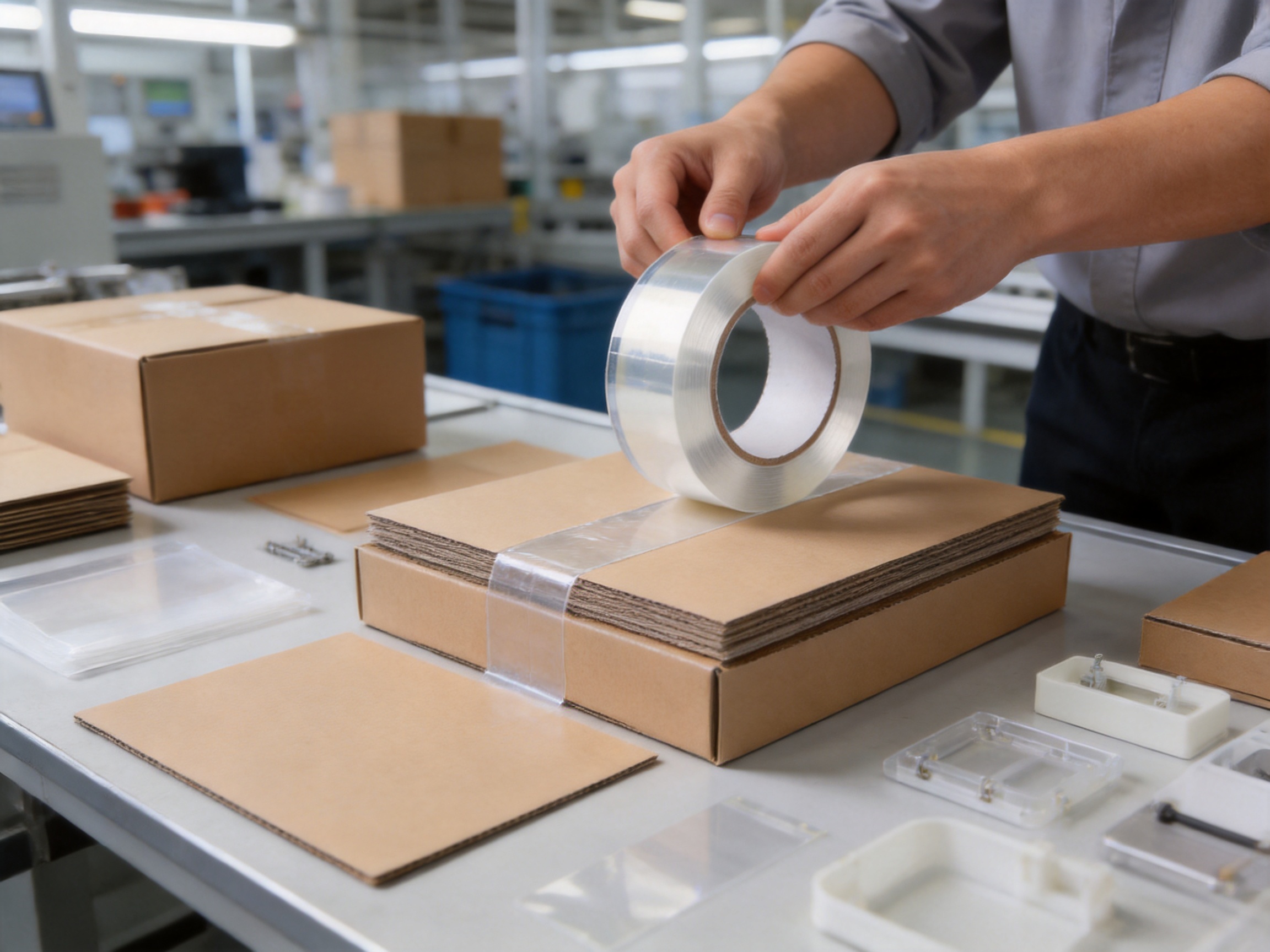
In packaging production, double-sided tape is commonly used to attach inserts, seal special packaging structures, mount promotional components, bond paperboard panels, or secure decorative elements. Unlike visible tape applied over the outside of a carton or box, double-sided tape can remain hidden between layers, creating a cleaner appearance. This is important for retail packaging, gift boxes, display cartons, and other packaging formats where presentation influences consumer perception.
In printing and paper product manufacturing, OPP double-sided tape can be used for mounting, laminating, sample books, envelopes, folders, cards, and display boards. The tape allows fast production without wet adhesive deformation. Paper and board materials can wrinkle or curl when too much liquid glue is used, but tape bonding reduces moisture exposure and helps maintain a flatter finish. The controlled thickness also supports more predictable assembly.
In electronic accessory packaging and light component assembly, double-sided tape can assist with bonding labels, protective sheets, decorative films, foam pads, insulating sheets, or lightweight plastic components. While each application requires compatibility testing, the tape’s strong peel adhesion and stable carrier make it useful for many non-structural assembly tasks. Its clean application also helps maintain a professional appearance in products where small details matter.
In household goods and daily-use product assembly, the tape can support mounting, edge bonding, temporary positioning, and decorative attachment. For example, it may be used in the assembly of organizers, display cards, lightweight accessories, protective packaging components, and decorative panels. The convenience of pressure-sensitive application makes it suitable for both high-volume production and flexible manual processes.
In construction and decoration-related packaging or accessory bonding, OPP double-sided tape may be used where clean attachment is required on suitable surfaces. It can help bond labels, surface protection materials, template components, decorative trims, or temporary fixtures. Because construction-related environments can involve dust, uneven surfaces, temperature variations, and mechanical stress, users should confirm suitability through practical testing before use in demanding field conditions.
Why a Non-Tearing Substrate Matters
The application note for this tape emphasizes suitability for product bonding requiring a substrate non-tearing. This point is important because the carrier is not simply a passive layer. In double-sided tape, the carrier helps distribute stress, maintain adhesive layer separation, support processing, and influence how the tape behaves when pulled, cut, or handled. If the carrier tears easily, the bond may become difficult to manage during application or removal.
A non-tearing substrate is beneficial during tape unwinding. In production, operators need the tape to unwind smoothly without splitting, breaking, or leaving fragments behind. A stable OPP carrier helps maintain roll integrity and reduces interruptions. This can improve productivity because workers spend less time correcting broken tape, removing scraps, or restarting application steps.
It is also useful during die-cutting and converting. Many industrial users convert double-sided tape into custom shapes, strips, pads, or kiss-cut components. A carrier that resists tearing can improve edge definition and reduce waste. It can also help keep small die-cut pieces stable on the release liner until they are ready for application.
During bonding, the carrier helps distribute stress across the adhesive layer. When one bonded surface experiences movement, vibration, or peeling force, a stable carrier can help maintain more uniform load transfer. This does not mean the tape becomes a structural fastener for heavy-duty load-bearing applications, but it does contribute to more predictable performance in appropriate uses.
During removal or adjustment, a non-tearing carrier can reduce the risk of tape splitting. In some applications, users may need to remove a liner, handle a pre-applied component, or reposition parts before final pressure is applied. A film carrier can provide better integrity than a fragile backing, helping operators work more efficiently.
Manufacturing Strengths Behind Stable Tape Performance
Zhejiang Geruite Packaging Materials Co., Ltd. is located in Zhejiang Province, China, a region known for developed manufacturing resources and strong industrial supply chains. The company focuses on packaging materials, including BOPP tapes, kraft paper tapes, masking tapes, high-temperature resistant tapes, metal tapes, PE stretch film, PP strapping, and high-strength PET strapping. This broad product foundation gives the company practical knowledge of film processing, adhesive coating, packaging performance, and converting requirements.
The production of OPP double-sided tape requires coordinated control of several manufacturing stages. It begins with raw material selection. The OPP film carrier must have suitable thickness, surface quality, tensile behavior, and coating compatibility. Adhesive raw materials must be selected to provide the desired balance of tack, peel strength, holding power, aging stability, and coating performance. Release liners must provide stable release force so that the tape can be unwound and applied smoothly.
Surface preparation is another important step. Film surfaces can be difficult to bond if surface energy is not properly managed. Manufacturers may use surface treatment methods to improve coating anchorage and ensure that adhesive layers remain uniform and secure. Proper surface treatment helps prevent adhesive transfer, delamination, or uneven coating behavior.
Adhesive preparation must be carefully controlled. Viscosity, solids content, mixing uniformity, filtration, and temperature can all influence coating quality. If adhesive is not mixed properly, the final tape may show streaks, weak spots, bubbles, or inconsistent adhesion. Professional tape manufacturing requires process discipline, suitable equipment, and trained operators who understand how adhesive behavior changes during production.
The coating process is central to tape quality. Adhesive must be applied at a controlled weight and uniform thickness across the full web width. Inconsistent coating can lead to areas of excessive adhesive, causing ooze or difficult handling, and areas of insufficient adhesive, causing weak bonding. Advanced coating control helps produce rolls that perform consistently from edge to edge and from batch to batch.
Drying or curing conditions must also be managed. If the adhesive layer is under-dried, residual solvent or moisture may affect adhesion, odor, blocking, or aging performance. If over-dried or exposed to inappropriate conditions, adhesive properties may be damaged. Controlled drying zones, appropriate web speed, and temperature management are essential to achieving stable final tape properties.
Lamination and liner application require accurate tension control. The adhesive-coated film and release liner must be combined without wrinkles, bubbles, stretching, or misalignment. Tension that is too high can deform the film or create roll stress. Tension that is too low can lead to wrinkles or uneven winding. A well-controlled lamination process improves the appearance, unwind behavior, and usability of the final tape.
Slitting is another stage where manufacturing precision matters. Industrial users expect rolls with clean edges, accurate width, proper winding tension, and minimal telescoping. Poor slitting can produce dust, rough edges, uneven rolls, or application problems. By controlling blade condition, slitting speed, roll tension, and inspection standards, the manufacturer can deliver products that are easier to use in downstream operations.
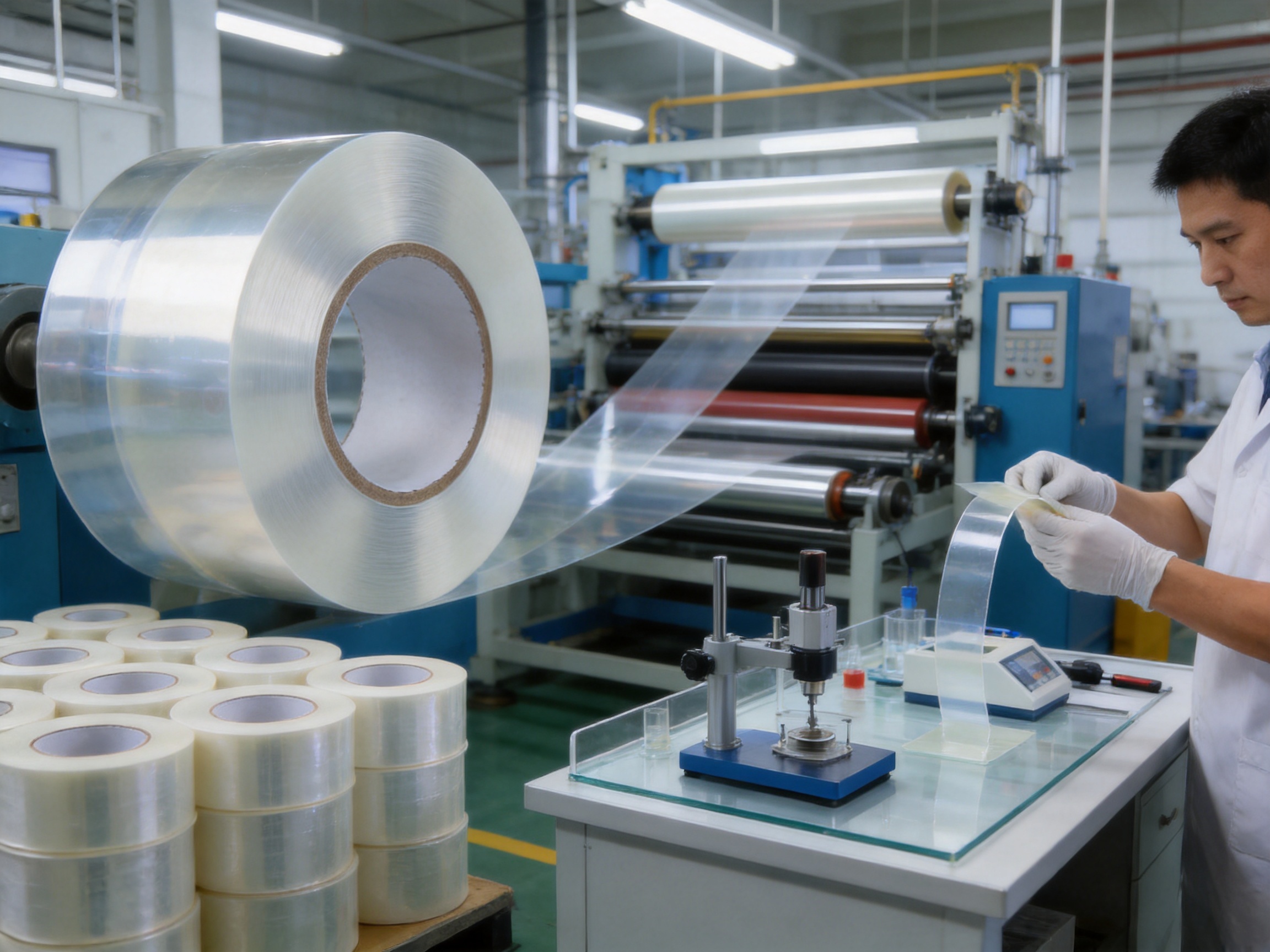
Quality inspection completes the production cycle. Tape thickness, adhesion, tack, holding power, appearance, roll dimensions, liner release, and packaging condition may all be checked according to internal requirements and reference standards. The technical data for DS-32 reflects testing according to recognized GB/T standards, helping customers evaluate the product through clear and measurable performance criteria.
Quality Control and Testing Standards
For pressure-sensitive tape, quality control must be both scientific and practical. A tape can look acceptable but fail under test. Conversely, a tape may feel sticky to the touch but lack long-term holding strength. This is why standardized testing is essential. The DS-32 OPP double-sided tape is described with reference to GB/T standards covering thickness, tack, peel adhesion, and holding power.
GB/T7125-2014 relates to tape thickness measurement. Thickness affects not only the physical profile of the tape but also adhesive volume, handling, and final bond line. Regular thickness testing helps maintain production consistency and prevents deviations that may cause application problems. For users who rely on automated dispensers or converting equipment, thickness consistency is especially important.
GB/T4852-2002, the inclined plane method, is used to evaluate initial tack. In this method, a ball or similar test object moves along an inclined surface and interacts with the adhesive. The result provides a standardized indication of how readily the adhesive grabs upon contact. This helps compare adhesive formulations and production batches in a controlled way.
GB/T2792-1998 and GB/T2792-2014 are peel adhesion standards. Peel testing measures the force required to remove the tape from a standard surface, often steel, at a defined angle and speed. Peel adhesion is important for applications where the tape may experience lifting or edge separation. The DS-32 product’s values of ≥10 N/25 mm and ≥9 N/24 mm under specified conditions indicate strong adhesion for its category.
GB/T4851-2014 evaluates holding power. In holding power testing, a tape sample supports a defined load over time under controlled conditions. The result reflects the tape’s resistance to shear failure. Holding power is particularly relevant where the bonded parts are exposed to continuous stress, vertical loading, or internal tension.
Beyond laboratory testing, visual inspection and practical roll evaluation are also important. A high-quality double-sided tape should have clean surfaces, uniform winding, stable liner release, and minimal defects such as bubbles, wrinkles, foreign particles, edge damage, or adhesive overflow. Good packaging protects rolls during storage and transportation, helping customers receive tape that remains ready for use.
Company Capabilities Supporting the Product
Zhejiang Geruite Packaging Materials Co., Ltd. has developed its business around the research, production, and sales of high-performance tapes and packaging materials. Its product range includes adhesive tapes, strapping materials, and films, allowing it to serve customers in logistics, express delivery, household goods, electronics, construction and decoration, industrial manufacturing, cargo stabilization, and packaging protection.
This broad capability is important because packaging customers often need more than one product. A manufacturer that understands tape, stretch film, PP strapping, PET strapping, and other packaging materials can provide more integrated support. For example, a logistics customer may require carton sealing tape, stretch film, and strapping. A consumer goods manufacturer may need double-sided tape for internal assembly and packaging tape for outer cartons. Working with a supplier that understands multiple material categories can simplify procurement and technical communication.
The company emphasizes quality as the lifeline of its operations. This approach is especially relevant in tape manufacturing because small process variations can strongly affect customer experience. A tape roll that unwinds poorly, tears during use, or fails after bonding can disrupt production. By focusing on raw material procurement, production control, and final inspection, the company supports stable product performance and helps customers reduce operational uncertainty.
The company has built its reputation by combining product quality with professional service. In industrial purchasing, service includes more than answering inquiries. It involves understanding application requirements, recommending suitable products, supporting testing, arranging stable supply, and responding to feedback. For double-sided tape users, this support can help identify the right tape width, roll length, application method, storage practice, and bonding procedure.
With an annual output value reported at over RMB 60 million, the company demonstrates a meaningful production scale in the packaging materials industry. Production scale can support more stable supply, improved cost efficiency, and better investment in equipment and process improvement. However, scale alone is not enough; it must be combined with technical control and quality discipline. The company’s focus on advanced equipment and rigorous quality management helps translate production capacity into dependable products.
How the Tape Improves Production Efficiency
One of the strongest practical benefits of OPP double-sided tape is efficiency. In many production environments, time is lost when workers wait for glue to dry, clean excess adhesive, align parts repeatedly, or manage inconsistent bonding. Double-sided tape simplifies the process by providing a dry, ready-to-use adhesive layer. The operator applies pressure, removes the liner, positions the second substrate, and completes the bond without curing time.
In manual assembly, the tape can reduce skill dependency. Applying liquid adhesive evenly requires training and careful control. Too much glue can cause overflow and contamination; too little can cause weak bonding. With pre-coated tape, adhesive quantity is already controlled by the manufacturer. This can help standardize output across different operators and shifts.
In semi-automatic or automatic production, double-sided tape can be supplied in roll form and integrated into dispensing or laminating systems. Consistent thickness, roll winding, and liner release become critical in such processes. A reliable OPP double-sided tape can improve machine uptime and reduce stoppages caused by breakage, misalignment, or inconsistent unwind.
The tape also supports cleaner work areas. Liquid adhesives may require brushes, nozzles, containers, cleaning solvents, or maintenance procedures. Hot-melt systems require heated tanks and application heads. Double-sided tape reduces these complications. Cleaner assembly areas can improve product appearance, reduce contamination risk, and create a more orderly production environment.
Another efficiency advantage is immediate handling. While ultimate adhesion may increase after dwell time, many tape-bonded assemblies can be handled shortly after pressure application. This allows faster movement to the next production step. In packaging operations, quicker handling can improve throughput and reduce work-in-process inventory.
Surface Preparation and Application Guidance
Although the DS-32 OPP double-sided tape is engineered for reliable bonding, proper application is necessary to achieve best results. Pressure-sensitive adhesive depends on intimate contact with the substrate surface. Dust, oil, moisture, release agents, and roughness can reduce contact area and weaken adhesion. Therefore, surfaces should be clean, dry, and free of contaminants before bonding.
Application pressure is important. Pressure helps the adhesive flow into microscopic surface irregularities and improves wet-out. Light contact may not be enough, especially on textured or low-energy surfaces. A roller, press, or firm hand pressure can improve bond strength. In production environments, pressure should be standardized so that each assembly receives consistent bonding force.
Dwell time should also be considered. Many pressure-sensitive adhesives build adhesion over time as they wet the surface more completely. The provided test data includes adhesion after 20 minutes placement under a specified method, demonstrating the importance of allowing time for bond development. For critical applications, users should evaluate performance after the actual dwell time expected in their process.
Temperature affects adhesive behavior. Very low temperatures can make adhesive less conformable and reduce initial tack. Very high temperatures may soften adhesive and affect holding power. The tape should be applied within suitable environmental conditions, and storage should avoid excessive heat, humidity, direct sunlight, or contamination. Rolls should be kept in original packaging until use whenever possible.
Substrate compatibility must be tested. High-surface-energy materials such as metals and some treated plastics are generally easier to bond than low-surface-energy plastics such as polyethylene or polypropylene. Painted, coated, textured, or powdery surfaces may present special challenges. Because industrial materials vary widely, application testing remains the most reliable way to confirm suitability.
For best results, users should apply the tape smoothly without stretching it excessively. Stretching can create internal stress that later causes lifting or shrinkage. The liner should be removed carefully to avoid touching the adhesive with fingers, as skin oils can reduce adhesion. After joining the second substrate, uniform pressure should be applied across the bonded area.
Storage, Handling, and Shelf-Life Considerations
Storage conditions influence the long-term usability of pressure-sensitive tape. Rolls should be stored in a clean, dry, and well-ventilated environment. Excessive heat may cause adhesive softening, blocking, or edge ooze. Excessive cold may temporarily reduce tack. High humidity can affect liners, cartons, and certain adhesive properties. Direct sunlight and ultraviolet exposure should also be avoided.
Rolls should remain in their original packaging until needed. Packaging protects the tape from dust, deformation, moisture, and accidental contamination. If rolls are partially used, the remaining material should be rewrapped or stored in a protective container. Keeping roll edges clean helps maintain smooth unwinding and reduces the chance of debris entering the bond line.
Handling should avoid crushing or dropping rolls. Deformed cores or uneven roll edges can cause dispensing problems. Rolls should be stored upright or according to recommended warehouse practices to prevent telescoping and edge pressure. Inventory should follow a first-in, first-out system to ensure older material is used before newer stock.
Users should confirm shelf-life recommendations with the supplier for their specific purchasing conditions. Even high-quality tape can change over time if stored poorly or kept beyond its intended period. Before using older stock in critical applications, a quick adhesion and unwind test is advisable.
Environmental and Process Considerations
Modern manufacturers increasingly consider not only product performance but also process efficiency, waste reduction, and responsible material use. Double-sided tape can contribute to cleaner production by reducing liquid adhesive waste, minimizing cleanup materials, and improving assembly consistency. Because the adhesive is pre-coated, users can reduce the risk of applying excessive adhesive during assembly.
Waste reduction can also result from fewer assembly defects. If a tape bonds consistently, fewer products may require rework or disposal. Stable roll quality, accurate slitting, and reliable liner release all contribute to smoother production and lower scrap rates. In high-volume manufacturing, even small reductions in defect rates can produce meaningful material and labor savings.
At the same time, users should manage release liners and tape waste responsibly according to local regulations and recycling possibilities. Double-sided tape products often include liners that must be removed and discarded after application. Efficient die-cut design, accurate cutting, and proper roll size selection can help reduce unnecessary waste.
From a logistics perspective, tape is easy to store, transport, and use compared with many liquid adhesive systems. It does not require mixing, special containers, or heating at the application point. This can simplify plant management and reduce the number of process variables that operators must control.
Comparison With Other Tape Types
OPP double-sided tape occupies a distinct position among adhesive tape products. BOPP carton sealing tape is commonly used for closing boxes and is coated with adhesive on one side only. It is excellent for outer packaging and logistics sealing, but it does not provide hidden bonding between two surfaces. OPP double-sided tape, by contrast, is designed for internal or concealed bonding applications.
Kraft paper tape is valued for paper-based packaging, carton sealing, and certain recyclable packaging concepts. However, paper carriers may tear more easily than OPP film and may absorb moisture. For product bonding requiring a non-tearing substrate, an OPP carrier can provide a more stable alternative.
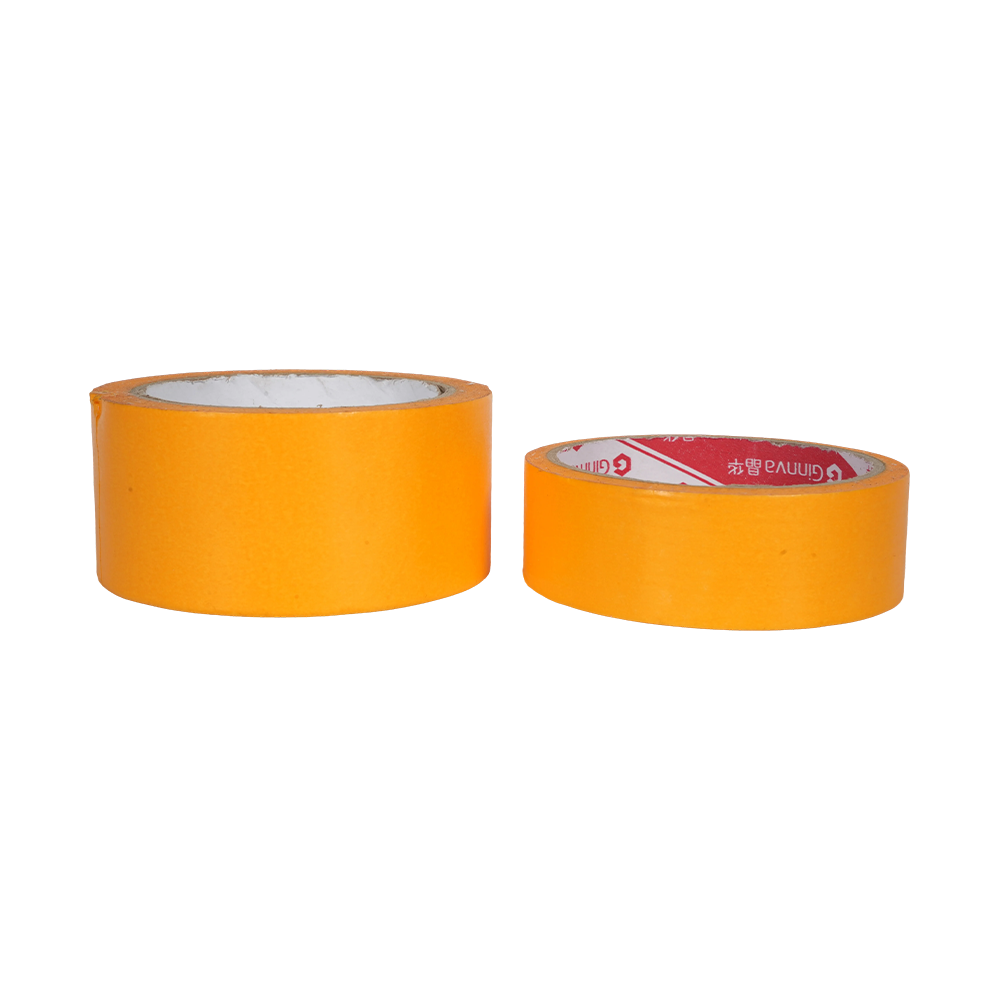
Masking tape is designed for temporary masking, painting, marking, and general holding applications. It usually prioritizes removability, conformability, and clean removal from certain surfaces. It is not normally optimized for permanent hidden bonding between two substrates. OPP double-sided tape serves a different purpose by providing adhesive on both sides for attachment.
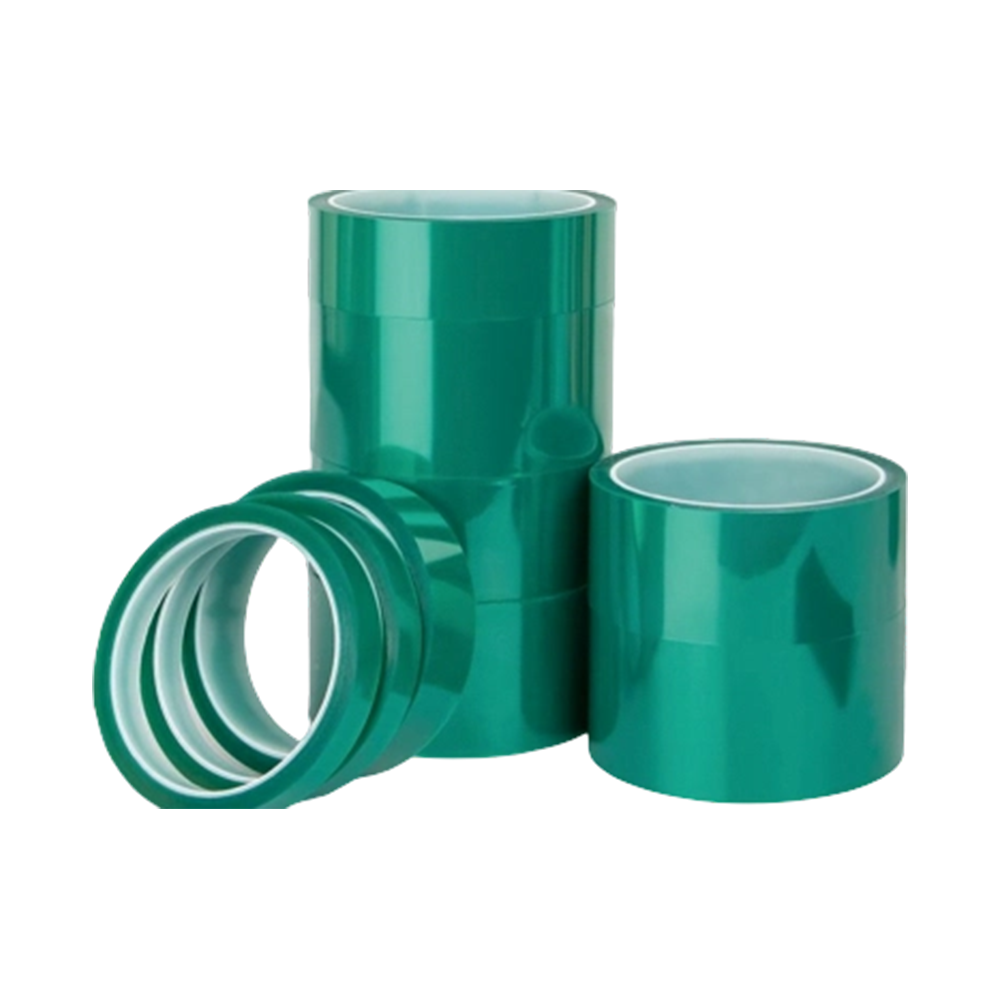
High-temperature resistant tapes are used in specialized thermal environments such as powder coating, electronics processing, or heat masking. They may use materials such as polyimide, polyester, or glass cloth, depending on the application. While these tapes are necessary for heat-intensive processes, they may be more costly than needed for general product bonding. DS-32 OPP double-sided tape is more appropriate for standard bonding applications where high-temperature resistance is not the primary requirement.
Foam double-sided tapes offer cushioning and gap-filling ability. They are useful for uneven surfaces, vibration absorption, and mounting applications. However, foam tapes are thicker and may create a visible gap. OPP double-sided tape provides a thinner bond line, making it more suitable where a low-profile, neat assembly is required.
Purchasing Considerations for Industrial Users
When selecting a double-sided tape, buyers should look beyond price per roll. A lower-cost tape may become expensive if it causes production stoppages, weak bonding, rework, or customer complaints. Important purchasing criteria include performance data, manufacturing consistency, roll quality, supplier reliability, application support, and batch-to-batch stability.
Technical data should be clear and relevant. The DS-32 OPP double-sided tape provides measurable values for thickness, tack, adhesion, and holding power, along with reference standards. This helps purchasing and engineering teams compare options more objectively. It also supports internal approval processes for manufacturers that require documented material specifications.
Roll dimensions should match the user’s process. Tape width, roll length, core size, and liner type can affect application efficiency. Narrow rolls may be suitable for fine bonding, while wider rolls may support laminating or panel assembly. Custom slitting or converting may be necessary for certain operations.
Supplier communication is also important. A knowledgeable supplier can help clarify whether the tape is appropriate for the intended surface, load, temperature, and production method. If a customer experiences bonding issues, technical communication can help identify whether the cause is surface contamination, insufficient pressure, unsuitable substrate, storage conditions, or tape selection.
For large-volume users, supply stability is critical. Packaging and assembly lines cannot afford frequent material shortages or inconsistent batches. A manufacturer with established production capability, broad packaging material experience, and quality control systems can provide better long-term support than an unverified source.
Recommended Trial Procedure
Before adopting the tape for a new application, users should conduct a structured trial. First, identify the actual substrates to be bonded, including any coatings, inks, films, paints, or surface treatments. Testing should use real production materials rather than substitutes whenever possible, because small surface differences can significantly affect adhesion.
Second, prepare the surfaces as they would be prepared in production. If cleaning is practical, test with cleaned surfaces. If the production process does not include cleaning, test under realistic conditions. This helps avoid approving a tape under ideal conditions that do not match actual use.
Third, apply the tape with controlled pressure. Record the pressure method, dwell time, temperature, and humidity. These variables should be consistent across samples. If possible, test multiple pressure levels to determine whether improved pressure significantly increases bond strength.
Fourth, evaluate immediate handling strength and aged performance. Some applications require the bond to support handling immediately, while others require strength after several hours or days. Test both the early and final performance conditions relevant to the product.
Fifth, include environmental exposure if necessary. If the bonded product will encounter heat, cold, humidity, vibration, stacking pressure, or transportation stress, the test should simulate these conditions. A tape that performs well at room temperature may behave differently under challenging environments.
Finally, document results and compare them with acceptance criteria. Good trial records help engineering teams approve materials confidently and troubleshoot future issues. They also support communication with the supplier if adjustments or alternative products are needed.
Q&A Section
What is the main purpose of OPP double-sided tape?
OPP double-sided tape is used to bond two surfaces together with adhesive hidden between them. It is suitable for packaging, printing, product assembly, decorative attachment, and other applications where a clean and efficient bonding method is needed.
What makes the DS-32 OPP double-sided tape suitable for product bonding?
It combines a stable OPP film carrier with balanced adhesive properties. Its 90±5 micron thickness, strong adhesion to steel, controlled initial tack, and holding power of at least 120 minutes under the specified test method make it suitable for product bonding requiring a non-tearing substrate.
How does this tape compare with liquid glue?
Compared with liquid glue, the tape is cleaner, easier to control, and does not require drying time. The adhesive is pre-coated at a controlled thickness, which helps reduce mess, variation, and production delays.
Why is the OPP film carrier important?
The OPP film carrier provides dimensional stability and resistance to tearing. It supports smoother handling, cleaner converting, and more reliable bonding than carriers that may split or break during use.
Does higher initial tack always mean better tape?
No. High initial tack can be useful, but a good double-sided tape must also provide peel strength, holding power, and stable performance over time. A tape that feels very sticky may still fail if it lacks shear resistance or cohesive strength.
What surfaces can this tape bond?
It can be used on many suitable surfaces such as paperboard, treated films, plastics, metals, decorative materials, and packaging components. However, actual performance depends on surface energy, cleanliness, roughness, coating, pressure, and environmental conditions. Testing is recommended before mass production.
What standards are used to describe the tape performance?
The product data references GB/T7125-2014 for thickness, GB/T4852-2002 for initial tack, GB/T2792-1998 and GB/T2792-2014 for peel adhesion, and GB/T4851-2014 for holding power.
How should the tape be applied for best performance?
Apply it to clean, dry surfaces with firm and uniform pressure. Avoid touching the adhesive surface, prevent stretching during application, and allow sufficient dwell time for adhesion to develop. For critical applications, conduct testing under real production conditions.
How should the tape be stored?
Store the tape in a clean, dry, cool environment away from direct sunlight, excessive heat, humidity, and contamination. Keep rolls in original packaging until use and follow a first-in, first-out inventory system.
Why choose a manufacturer with broad packaging material expertise?
A manufacturer experienced in tapes, films, and strapping materials can better understand packaging and bonding requirements. This supports more reliable product selection, consistent supply, quality control, and technical communication.
Conclusion
The DS-32 OPP double-sided tape is a practical and reliable bonding solution for applications that require clean assembly, stable adhesion, and a non-tearing substrate. Its technical profile, including 90±5 micron thickness, controlled initial tack, strong peel adhesion, and tested holding power, reflects a balanced design suitable for industrial and packaging use.
Its advantages over competing bonding methods are clear. It is cleaner than liquid glue, simpler than hot-melt systems, more visually discreet than mechanical fasteners, and more tear-resistant than many paper-based alternatives. For manufacturers seeking efficiency, appearance, and repeatable bonding quality, OPP double-sided tape can be a valuable material choice.
Behind the product is the manufacturing capability of Zhejiang Geruite Packaging Materials Co., Ltd., a packaging material supplier with experience across adhesive tapes, stretch film, PP strapping, PET strapping, and related products. Through raw material control, coating precision, drying management, lamination accuracy, slitting quality, and standardized testing, the company supports stable product performance and dependable supply.
For best results, users should match the tape to the actual application, prepare surfaces properly, apply adequate pressure, and conduct realistic trials before large-scale use. When selected and applied correctly, high-performance OPP double-sided tape can improve production efficiency, enhance product appearance, reduce process mess, and deliver reliable bonding in a wide variety of industrial settings.
References
GB/T7125-2014, Test Methods for Thickness of Adhesive Tapes.
GB/T4852-2002, Test Method for Tack of Pressure-Sensitive Adhesive Tapes by Inclined Ball Method.
GB/T2792-1998, Test Method for Peel Adhesion of Pressure-Sensitive Adhesive Tapes.
GB/T2792-2014, Measurement of Peel Adhesion Properties for Adhesive Tapes.
GB/T4851-2014, Test Method for Holding Power of Pressure-Sensitive Adhesive Tapes.
Pressure Sensitive Tape Council, Technical Guide for Pressure-Sensitive Adhesive Tape Applications.
Handbook of Pressure-Sensitive Adhesive Technology, edited by Donatas Satas.
Packaging Materials and Converting Technology, Industrial Reference Materials for Tape, Film, and Flexible Packaging Production.
Product: DS-32 OPP double-sided tape


CONTACT DETAILS
- Address:No. 241, Yaojiafan, Zhangpanqiao, Shushan Street, Xiaoshan District, Hangzhou City, Zhejiang Province, China
- TEL:+86-0571-83175630
- Phone:+86-13336160217
- Email:anqiaocun@163.com
PRODUCTS
NEWS CENTER
MOBILE TERMINAL
Copyright© Zhejiang Geruite Packaging Materials Co., Ltd. All Rights Reserved.
Privacy Wholesale industrial packaging tape Manufacturers