


 English
  Español
  عربى
عربى 
High-Performance Double-Release Double-Sided Adhesive for Base Layer Applications
Content
- 1 Product Overview
- 2 Key Technical Specifications
- 3 Why Thin Double-Sided Adhesive Matters
- 4 Double-Release Design and Processing Benefits
- 5 Adhesion Performance and Practical Strength
- 6 Holding Power for Long-Term Reliability
- 7 Controlled Initial Tack for Accurate Placement
- 8 Transparency and Visual Cleanliness
- 9 Advantages Over Competing Adhesive Solutions
- 10 Manufacturing Strengths Behind the Product
- 11 Process Control from Raw Materials to Finished Rolls
- 12 Applications in Base Layer Bonding
- 13 Benefits for Converters and Die-Cutting Operations
- 14 Quality Testing and Standards
- 15 Storage, Handling, and Application Recommendations
- 16 Supplier Capability and Customer Value
- 17 Economic Advantages for Industrial Users
- 18 Environmental and Operational Considerations
- 19 How to Evaluate Suitability for a Specific Application
- 20 Frequently Asked Questions
- 20.1 What is the main purpose of the 7610 double-release double-sided adhesive?
- 20.2 How thick is the tape?
- 20.3 Does the tape have adhesive on both sides?
- 20.4 Why is high holding power important?
- 20.5 Is the tape transparent?
- 20.6 How does this product compare with liquid adhesive?
- 20.7 Can it be used for die-cutting?
- 20.8 What should be considered before application?
- 20.9 What standards are referenced in the product data?
- 20.10 Who manufactures the product?
- 21 Conclusion
- 22 References
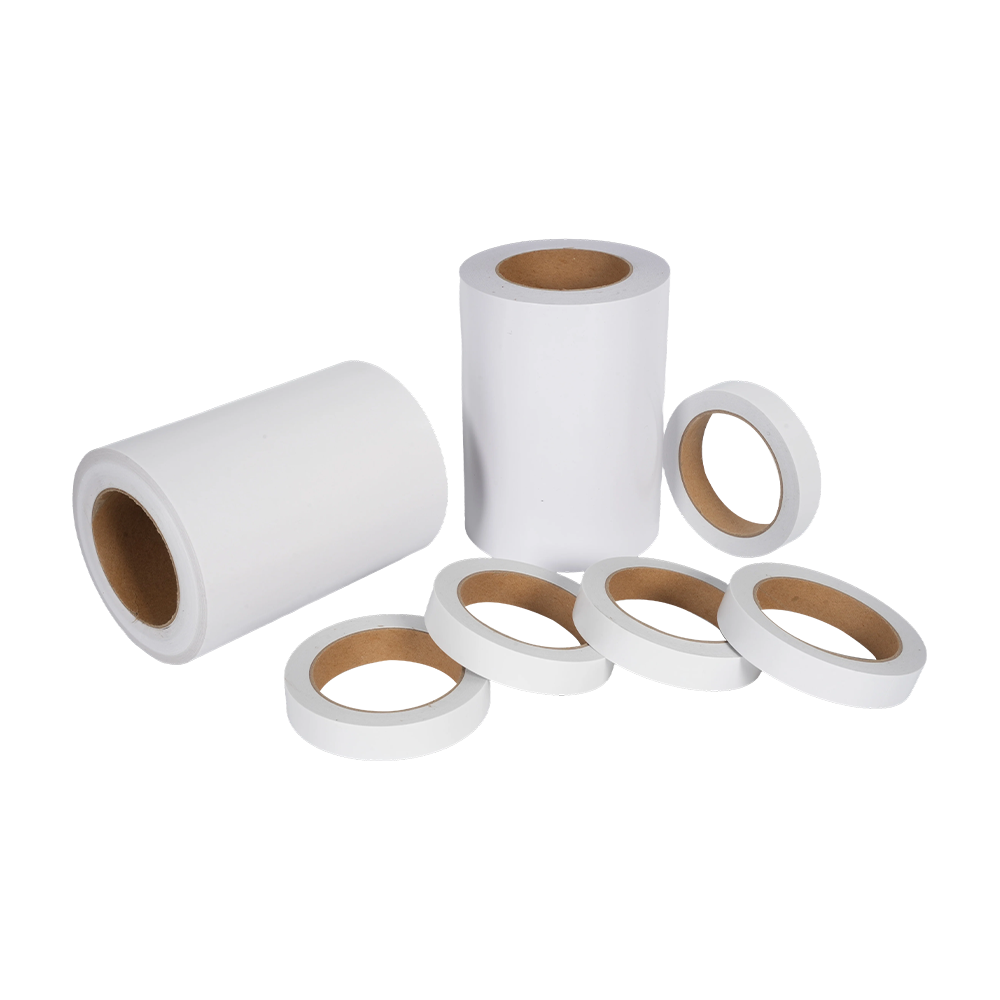
- 23 Product: 7610 Double release double-sided adhesive for base layer
In modern industrial assembly, packaging, electronics, converting, and material lamination, adhesive performance is no longer judged only by whether a tape can stick. Manufacturers increasingly require thinner materials, cleaner bonding, stable peel strength, excellent holding power, reliable release behavior, and consistent quality from roll to roll. The 7610 double-release double-sided adhesive for base layer applications is designed to meet these practical requirements with a balanced structure, transparent appearance, strong adhesion, and reliable processing performance.
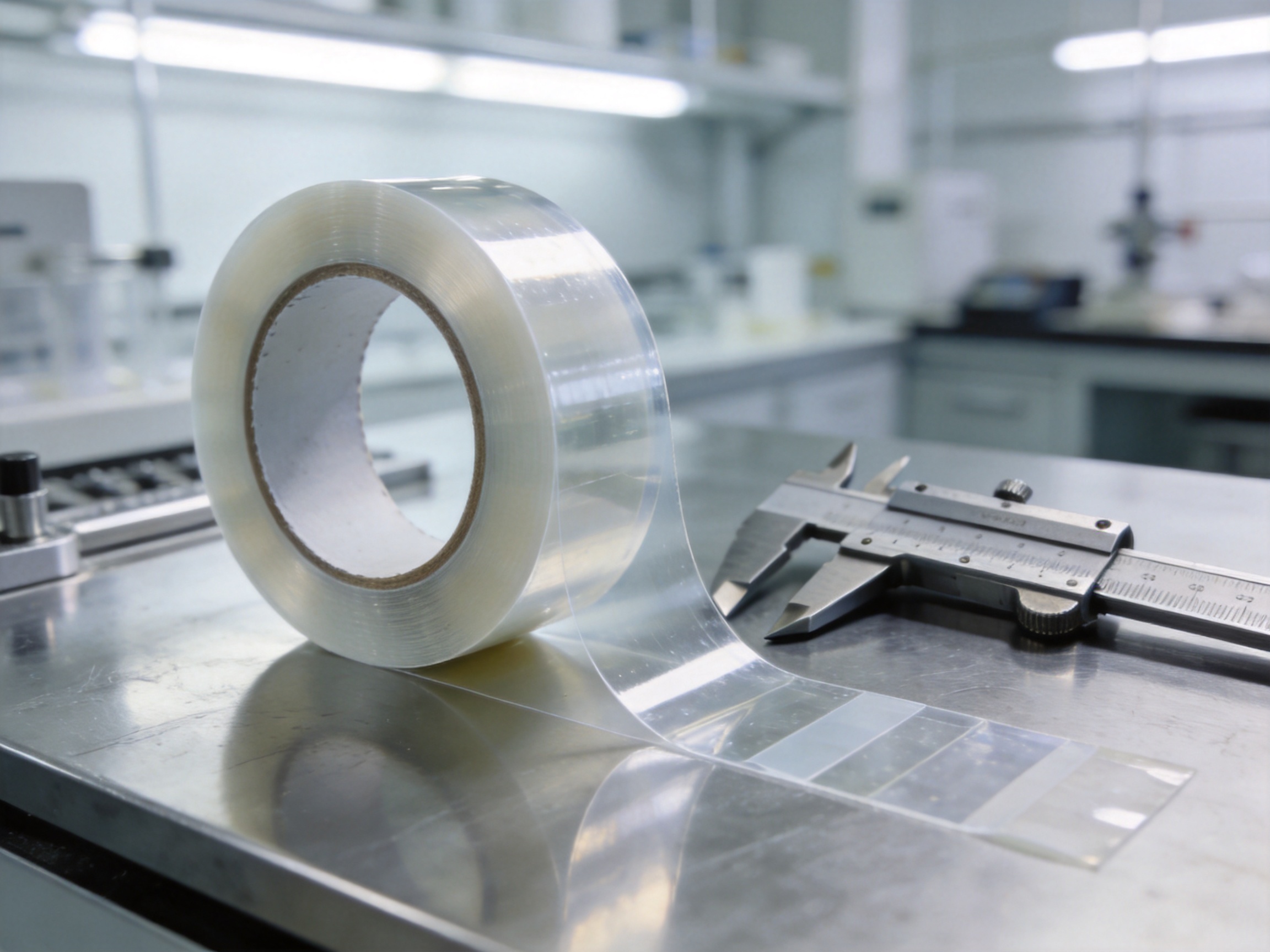
This double-sided tape belongs to the double-sided adhesive tape category and is engineered for applications where a thin bonding layer, transparent finish, and dependable adhesion on both sides are essential. With a typical tape thickness of 10 ± 1 µm, it offers a very slim adhesive profile while maintaining strong adhesion to steel plate, high holding power, and controlled initial tack. These characteristics make it suitable for base layer bonding, lamination, component assembly, die-cutting, and other industrial processes that demand precision and repeatability.
Compared with many general-purpose double-sided tapes, the 7610 double-release double-sided adhesive emphasizes thickness control, symmetrical adhesive performance on A and B sides, and reliable release liner handling. Its transparent tape and transparent release liner also provide advantages in inspection, alignment, and applications where visual cleanliness is important. For manufacturers seeking an adhesive solution that combines thinness, bonding strength, and process stability, this product offers a practical and competitive option.
Product Overview
The 7610 double-release double-sided adhesive for base layer applications is a transparent, thin-gauge double-sided adhesive tape supplied with a transparent release liner. It is intended for bonding tasks where both sides of the adhesive must deliver stable performance. The product is especially suitable for applications that require a base adhesive layer to be introduced between materials without adding excessive thickness or affecting appearance.
A key characteristic of this product is its controlled thickness of 10 ± 1 µm. In many industrial applications, every micron matters. A tape that is too thick may cause uneven surfaces, poor fit, visible bonding lines, or dimensional deviation in the finished product. A tape that is too thin but poorly formulated may fail under stress or lose adhesion during storage and use. The 7610 adhesive tape addresses this challenge by combining thin construction with strong bonding performance.
The product’s adhesion to steel plate is specified as A and B sides greater than or equal to 1000 gf/25 mm after 20 minutes of placement under 180-degree peel testing. This indicates that both adhesive sides are designed to provide reliable bonding rather than having one functional side and one weaker side. The symmetrical performance is valuable in converting, lamination, and assembly processes because it reduces uncertainty during application and helps simplify production design.
The holding power of both A and B sides is specified as greater than or equal to 1440 minutes. Holding power is important because it reflects the tape’s resistance to shear forces over time. In practical terms, high holding power means the bonded materials are less likely to slide, creep, or separate under sustained load. For base layer applications, this is particularly important because the adhesive may be hidden inside a multi-layer structure, where failure would be difficult to detect until the final product is affected.
The initial tack is specified as A and B sides less than or equal to 5 using the rolling ball method. This indicates controlled tack behavior. Instead of being excessively aggressive on first contact, the adhesive provides a practical balance between handling and bonding. Controlled initial tack can improve positioning accuracy during lamination or assembly, reducing material waste and helping operators achieve cleaner results.
Key Technical Specifications
| Category | Test Item | Unit | Typical Value | Reference Standard |
| Physical Properties | Tape Thickness | µm | 10 ± 1 | GB/T 7125-2014 |
| Physical Properties | Adhesion to Steel Plate, 180° Peel after 20 minutes placement | gf/25 mm | A and B: ≥ 1000 | GB/T 2792-2014 |
| Physical Properties | Holding Power | min | A and B: ≥ 1440 | GB/T 4851-2014 |
| Physical Properties | Initial Tack, Rolling Ball Method | # | A and B: ≤ 5 | GB/T 4852-2002 |
| Color | Tape | — | Transparent by visual inspection | — |
| Color | Release Liner | — | Transparent by visual inspection | — |
Why Thin Double-Sided Adhesive Matters
Thin adhesive materials are increasingly important in modern manufacturing. Products in electronics, packaging, consumer goods, household items, labels, decorative materials, and precision assemblies are becoming lighter, thinner, and more compact. In these industries, bulky adhesive layers can create serious problems. They may change the dimensions of a component, create uneven edges, interfere with folding or forming, or reduce the overall aesthetic quality of the final product.
A 10 ± 1 µm adhesive layer helps solve these issues by providing bonding capability with minimal added thickness. This is especially useful when the adhesive is used as a base layer beneath films, foams, labels, protective materials, or other substrates. The tape can help create a clean bond without making the structure look or feel heavy. For applications where appearance and dimensional tolerance are both critical, a thin double-sided adhesive can be a better choice than liquid glue, hot melt adhesive, or thick foam tape.
Liquid adhesives often require dispensing equipment, curing time, ventilation control, and cleanup. Uneven coating can cause overflow, stains, and inconsistent bonding. Hot melt adhesives may add thickness and require temperature control. Thick double-sided tapes may provide cushioning but can be unsuitable when the bonding area must remain slim. The 7610 double-release double-sided adhesive provides an efficient alternative by offering a pre-formed adhesive layer that is clean, measurable, and easy to process.
The thin profile also supports high-speed converting. When materials are die-cut, laminated, slit, or rewound, consistent adhesive thickness helps reduce machine interruption. Stable thickness can improve edge quality, minimize adhesive ooze, and support more accurate cutting. For customers who process large volumes of adhesive materials, these advantages can directly influence productivity and cost control.
Double-Release Design and Processing Benefits
The double-release structure is an important advantage of this product. A release liner protects the adhesive before use and allows the tape to be unwound, cut, laminated, and transferred without premature sticking. In double-sided adhesive applications, liner performance is often just as important as adhesive strength. If the liner releases unevenly, tears, wrinkles, or contaminates the adhesive surface, the final bonding result may be affected.
The transparent release liner of the 7610 product supports easier visual inspection. Operators can observe alignment, surface cleanliness, and material placement more conveniently than with opaque liner systems. This is useful in manual application, semi-automatic lamination, and precision converting. Transparency can help workers identify foreign particles, bubbles, wrinkles, or misalignment before the adhesive is permanently applied.
Double-release construction can also improve handling during multi-stage production. In many manufacturing processes, the adhesive tape is first laminated to one substrate, then stored, transported, die-cut, or assembled later with a second substrate. A reliable release liner allows this staged processing to occur smoothly. It protects the unused adhesive side from dust, moisture, accidental contact, and mechanical damage.
Compared with low-grade double-sided adhesives that may have inconsistent liner release or unstable unwinding force, a well-controlled double-release tape reduces downtime and waste. Poor release performance can cause adhesive transfer failure, curling, edge lifting, or liner breakage. These issues may seem minor at small scale but can create significant losses in mass production. By focusing on release reliability and adhesive balance, the 7610 product helps manufacturers maintain smoother workflows.
Adhesion Performance and Practical Strength
Adhesion to steel plate is a common reference test because steel provides a standardized, high-energy surface for evaluating peel strength. The 7610 double-release double-sided adhesive reaches at least 1000 gf/25 mm on both A and B sides after 20 minutes of placement. This value demonstrates that the adhesive is not merely a temporary positioning material but a strong bonding layer suitable for demanding industrial use.
In real applications, substrates may include plastic films, paper materials, metal foils, coated boards, synthetic sheets, or other packaging and industrial materials. Actual adhesion depends on surface energy, cleanliness, pressure, dwell time, temperature, and humidity. However, a strong standardized peel value provides confidence that the adhesive has the internal formulation strength required for stable bonding.
One advantage over many lower-cost competitors is balanced adhesion on both sides. Some double-sided tapes perform well on one side but deliver weaker bonding on the other. This can restrict design flexibility and increase the risk of mistakes during production. A balanced A and B side specification helps simplify inventory, operator training, and process setup. When both sides provide dependable adhesion, the tape can be integrated into more application designs with fewer concerns.
The 20-minute placement condition is also meaningful. Many pressure-sensitive adhesives develop stronger bonding over time as the adhesive wets the substrate surface. By specifying peel performance after a defined dwell period, the product gives manufacturers a clearer expectation of early bonding strength. This helps in planning downstream processes such as trimming, rolling, packing, or secondary assembly.
Holding Power for Long-Term Reliability
Holding power is one of the most important indicators for double-sided adhesive tape used in base layers. While peel strength measures resistance to peeling, holding power measures resistance to shear movement under load. In many finished products, the adhesive is not peeled directly but is exposed to sustained stress, weight, vibration, thermal expansion, or layered material tension. High holding power reduces the risk of creeping or sliding between bonded surfaces.
The 7610 product specifies holding power of at least 1440 minutes on both A and B sides. This level of shear resistance supports applications where the bond must remain stable over extended periods. It is particularly valuable in laminated structures, mounted layers, protective film systems, label assemblies, and industrial components that may experience pressure or tension after application.
Competitor products may show high initial stick but weak holding power. Such tapes can feel strong when first applied, yet slowly fail after hours or days. This type of failure is especially costly because it may occur after the product has already been assembled, shipped, or installed. By emphasizing holding power, the 7610 tape provides a more dependable solution for manufacturers who need not only quick adhesion but also long-term structural stability.
High holding power also contributes to product appearance. When an adhesive layer creeps, it may cause edges to shift, bubbles to form, or surface distortion to appear. In transparent or visually sensitive applications, even small movement can create defects. A strong shear-resistant adhesive layer helps maintain alignment and reduces the chance of visible failure.
Controlled Initial Tack for Accurate Placement
Initial tack describes how quickly an adhesive grabs a surface upon light contact. High tack can be useful in some applications, but it can also create handling difficulties. If an adhesive grabs too aggressively, operators may not be able to reposition the material. Misalignment can lead to scrap, rework, and lower production efficiency. Controlled initial tack provides a more balanced user experience.
The 7610 double-release double-sided adhesive has an initial tack value of A and B sides less than or equal to 5 using the rolling ball method. This indicates controlled tack behavior rather than uncontrolled surface aggressiveness. For base layer applications, this is often beneficial because the adhesive may need to be laminated carefully onto a substrate or aligned with die-cut shapes.
Controlled tack helps operators place materials more accurately before final pressure is applied. It also helps reduce the risk of accidental sticking during unwinding, cutting, or handling. This can be particularly valuable in high-speed converting environments where materials move rapidly through rollers and guides. An adhesive with poorly controlled tack may stick to machine parts, collect debris, or cause web breaks.
Compared with tapes that emphasize only strong first contact, the 7610 product provides a more process-friendly balance. It is designed for manufacturers who need dependable final bonding without sacrificing handling control. This balance can improve both quality and productivity.
Transparency and Visual Cleanliness
The product features a transparent tape and a transparent release liner by visual inspection. Transparency is a practical advantage in many industrial environments. It supports clean appearance, easier inspection, and improved compatibility with clear or light-colored substrates. When used between transparent or semi-transparent materials, a clear adhesive layer helps reduce visual disturbance.
Transparent double-sided adhesive is often preferred for films, panels, labels, decorative components, display-related materials, and protective layers. In such applications, yellowing, cloudiness, particles, or uneven coating can reduce final product value. A transparent adhesive solution helps maintain the intended appearance of the product.
The transparent liner adds another level of convenience. During processing, operators and quality inspectors can more easily detect wrinkles, bubbles, contamination, or alignment errors. In automated systems, transparency may also support optical inspection depending on equipment configuration. This makes the product more adaptable to modern manufacturing methods that rely on visual quality control.
Many lower-grade adhesive tapes may have visible impurities, inconsistent coating, or liner defects. These imperfections can be unacceptable in appearance-sensitive applications. By providing transparent tape and liner characteristics, the 7610 product supports cleaner production and more consistent finished goods.
Advantages Over Competing Adhesive Solutions
The 7610 double-release double-sided adhesive offers several advantages compared with common competing adhesive solutions. First, its 10 ± 1 µm thickness provides a thin and controlled bonding layer. Some competing tapes are thicker and may create unwanted build-up, while liquid adhesives may be difficult to apply evenly at such a thin level. A pre-formed thin adhesive tape offers better thickness consistency and easier process control.
Second, the product provides strong adhesion on both sides. Balanced A and B side adhesion reduces the need to identify a preferred bonding side and allows more flexible production design. This can simplify training and reduce application mistakes. In large-scale manufacturing, even small reductions in handling complexity can lead to meaningful improvements in efficiency.
Third, the product has high holding power. Some tapes may perform well during initial testing but fail under sustained stress. The 7610 product is designed to resist shear movement, helping maintain bond integrity over time. This advantage is important for customers seeking reliability rather than only low purchase cost.
Fourth, controlled initial tack supports cleaner handling and accurate placement. Overly aggressive adhesive can increase waste during lamination or manual assembly. The balanced tack of this tape makes it suitable for applications where alignment matters.
Fifth, transparent tape and liner materials improve visual compatibility and inspection convenience. This feature gives the product an advantage in applications where cleanliness, clarity, and appearance are important. Opaque or cloudy adhesive systems may be less suitable for such uses.
Finally, the product is supported by a manufacturer with broad experience in adhesive tapes, packaging materials, films, and strapping products. A supplier with integrated knowledge of packaging and industrial materials can better understand customer requirements, recommend suitable solutions, and maintain stable quality across product batches.
Manufacturing Strengths Behind the Product
High-performance adhesive tape depends not only on raw materials but also on manufacturing discipline. Zhejiang Geruite Packaging Materials Co., Ltd. is located in Zhejiang Province, China, an area known for developed manufacturing resources, supply chain efficiency, and industrial expertise. The company focuses on the research, development, production, and sales of high-performance tapes and packaging materials, including BOPP tapes, kraft paper tapes, masking tapes, high-temperature resistant tapes, metal tapes, PE stretch film, PP strapping, and high-strength PET strapping.
This broad product base gives the company a strong understanding of adhesive behavior, film processing, packaging performance, and industrial customer requirements. Double-sided adhesive products benefit from this accumulated experience because the company understands how coating quality, substrate control, liner selection, slitting accuracy, storage stability, and packaging methods influence the final user experience.
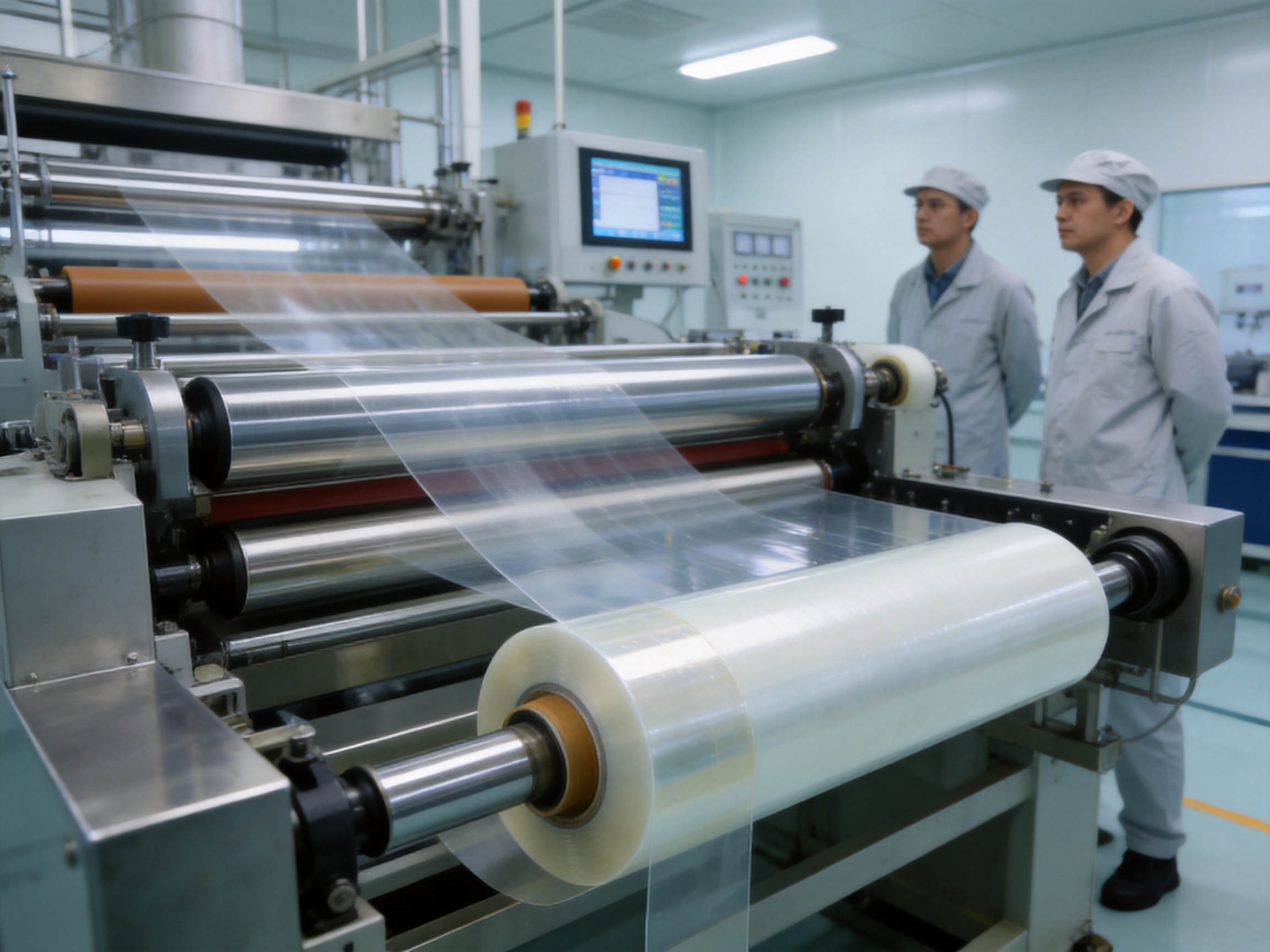
Advanced production equipment is an essential part of the company’s manufacturing strength. In adhesive tape production, coating uniformity is critical. The adhesive must be applied evenly across the web to maintain consistent thickness, peel strength, and holding power. Poor coating control can cause weak spots, excessive adhesive build-up, edge defects, or uneven release behavior. By using controlled production equipment and systematic process management, the company can improve consistency from roll to roll.
Quality control is another major strength. The company emphasizes strict inspection from raw material procurement to production and final testing. For a product like the 7610 double-release double-sided adhesive, quality control may include appearance checks, thickness measurement, peel adhesion testing, holding power evaluation, tack testing, liner inspection, and roll condition inspection. These controls help ensure that the tape delivered to customers matches expected performance requirements.
The company’s annual output value has reached more than RMB 60 million, reflecting production capacity, market recognition, and operational stability. For industrial customers, supplier stability is important. A dependable manufacturer can support repeat orders, stable lead times, and consistent specifications. This is particularly valuable when adhesive tape becomes part of a customer’s own production process and any change in quality could affect downstream products.
Process Control from Raw Materials to Finished Rolls
The performance of a thin double-sided adhesive begins with raw material selection. Adhesive ingredients, coating carriers, liners, and auxiliary materials must be chosen carefully to achieve the required balance of adhesion, tack, shear resistance, transparency, and release behavior. A manufacturer with strong procurement and inspection systems can reduce variability before production begins.
During adhesive preparation, formulation consistency is essential. Even minor variations in adhesive composition can affect peel strength, tack, and holding power. Controlled mixing, filtration, viscosity management, and environmental control help create a stable adhesive coating. For a 10 µm class tape, small defects are more noticeable because there is less material thickness to compensate for inconsistencies.
Coating is a critical stage. The adhesive must be spread evenly over the web at the target thickness. Precision coating helps ensure the 10 ± 1 µm specification is maintained. When thickness variation is controlled, users experience more predictable bonding, cleaner die-cutting, and fewer defects. Stable coating also supports better roll formation and reduces the likelihood of wrinkles or telescoping.
Drying or curing conditions must also be managed carefully, depending on adhesive system requirements. Temperature, airflow, line speed, and residence time influence residual solvent levels, adhesive cohesion, and final performance. Inconsistent drying may produce areas that are too soft, too brittle, or unstable during storage. A disciplined process helps ensure that adhesive properties develop correctly.
Lamination with the release liner requires accurate tension control and clean contact. If tension is uneven, the material may wrinkle or curl. If the environment is not clean, dust or particles may become trapped in the adhesive. The transparent nature of the 7610 product means appearance quality is especially important. Clean production practices help preserve the visual quality customers expect.
Slitting and rewinding are final but important steps. Poor slitting can create rough edges, adhesive stringing, dust, or uneven roll width. Proper rewinding prevents roll deformation, blocking, and liner separation. For customers using automated equipment, roll quality can strongly influence machine performance. A well-produced roll unwinds smoothly and supports efficient processing.
Applications in Base Layer Bonding
Base layer bonding refers to the use of an adhesive layer as a foundation within a multi-layer material or assembly. The adhesive may be used to attach a film to a substrate, prepare a surface for further lamination, hold components in place, or create a functional bonding interface. In these applications, the adhesive layer often remains hidden, but its performance is essential to the final product.
The 7610 double-release double-sided adhesive is suitable for such uses because it combines thinness, strength, transparency, and handling control. It can be laminated onto a base material and later bonded to another layer after liner removal. This makes it useful for staged manufacturing processes where materials are prepared in advance before final assembly.
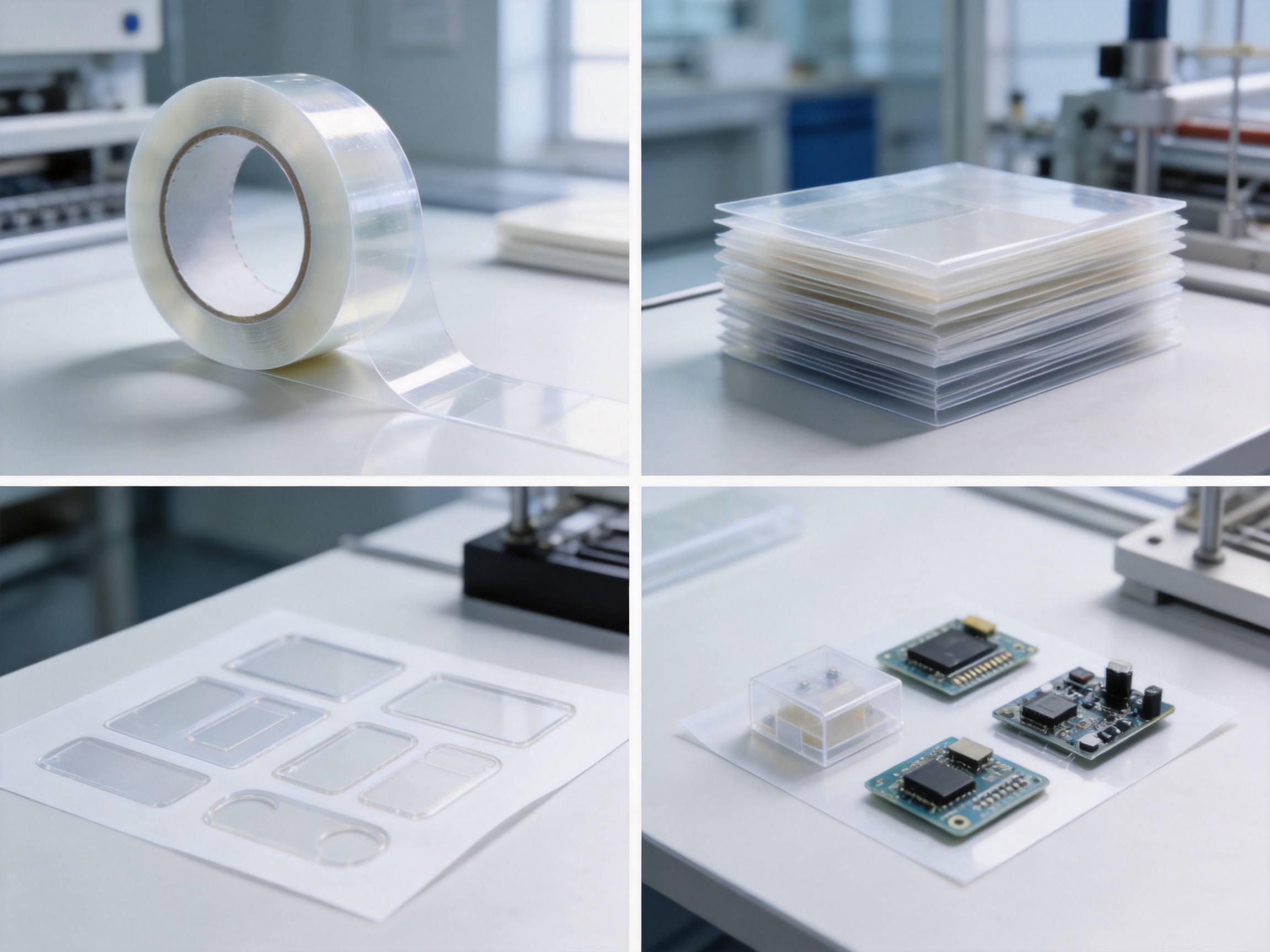
In packaging-related applications, the tape can support bonding of films, labels, decorative elements, or protective layers. Its thin profile helps maintain a neat appearance, while its holding power helps prevent lifting or shifting. In industrial manufacturing, it may be used for lightweight component bonding, surface lamination, or attachment of thin materials where screws, staples, or liquid glue would be unsuitable.
In electronics-related processing, thin double-sided adhesive can be useful for bonding insulation films, protective sheets, nameplates, or internal layers, provided compatibility with the actual substrate and operating conditions is confirmed. The transparent appearance and controlled thickness can be beneficial where precision and appearance are important.
In household goods and decorative material manufacturing, the tape can support clean bonding without visible fasteners. The absence of liquid glue overflow improves appearance and reduces cleanup. For producers seeking cleaner assembly methods, pressure-sensitive double-sided adhesive tape provides a convenient option.
Benefits for Converters and Die-Cutting Operations
Converters require adhesive materials that can be slit, laminated, die-cut, and rewound without excessive waste. The 7610 double-release double-sided adhesive provides several features that support converting efficiency. Its thin construction enables precise cutting, while its release liner helps protect the adhesive during processing. Balanced adhesion and controlled tack reduce the risk of transfer problems.
Die-cutting thin adhesive tape requires stable liner support. If the liner is too weak or release force is inconsistent, the material may lift, shift, or tear during cutting. A transparent, stable liner can improve handling and inspection. For complex shapes or narrow parts, clean release and stable adhesive anchorage are especially important.
Adhesive ooze is another concern in converting. Excessive adhesive flow can contaminate cutting tools, create sticky edges, or cause parts to block together. A controlled thin adhesive layer helps reduce this risk. This supports longer production runs and easier tool maintenance.
For roll-to-roll lamination, consistent thickness and roll quality improve web tracking. If adhesive coating varies across the width, the web may wind unevenly or create tension differences. Stable production helps avoid such problems. Customers who process thousands of meters of material can benefit significantly from consistent roll behavior.
Quality Testing and Standards
The product’s listed reference standards include GB/T 7125-2014 for tape thickness, GB/T 2792-2014 for 180-degree peel adhesion, GB/T 4851-2014 for holding power, and GB/T 4852-2002 for initial tack using the rolling ball method. These standards provide structured testing methods and help customers compare performance data more objectively.
Testing is important because pressure-sensitive adhesive performance can vary depending on conditions. Standardized methods define sample preparation, test surfaces, angle, speed, dwell time, load, and environmental conditions. This makes the results more meaningful than informal hand testing. For industrial buyers, standardized test data supports material selection, supplier evaluation, and incoming inspection.
Thickness testing confirms whether the adhesive layer meets the required 10 ± 1 µm range. Peel testing evaluates bonding strength after a specified dwell period. Holding power testing measures resistance to shear over time. Rolling ball tack testing evaluates surface grab behavior. Together, these tests provide a balanced view of the adhesive’s performance.
While laboratory results are valuable, customers should also conduct application-specific trials. Actual substrates, surface treatments, temperature exposure, humidity, pressure, and aging conditions may influence performance. A responsible manufacturer can support customers by providing product information and helping them evaluate suitability for specific uses.
Storage, Handling, and Application Recommendations
To achieve the best performance from double-sided adhesive tape, proper storage and handling are important. The tape should generally be stored in a clean, dry environment away from direct sunlight, excessive heat, high humidity, and dust. Stable storage conditions help preserve adhesive properties and liner performance.
Before application, bonding surfaces should be clean, dry, and free from oil, dust, release agents, loose particles, or moisture. Surface contamination is one of the most common causes of adhesive failure. When necessary, surfaces may need to be cleaned with suitable methods based on material compatibility. Users should confirm that cleaning agents do not damage the substrate or leave residue.
Application pressure is important for pressure-sensitive adhesives. The adhesive must make intimate contact with the substrate surface to develop strong bonding. A roller, press, or controlled lamination system can help improve contact uniformity. After application, dwell time allows the adhesive to wet the surface and develop stronger adhesion.
Temperature also affects adhesive behavior. Very low temperatures may reduce tack and wet-out, while excessive heat may soften adhesive or affect liner handling. Users should evaluate the tape under actual service conditions. For demanding applications, testing should include aging, temperature cycling, load exposure, and substrate compatibility checks.
During liner removal, operators should peel the liner at a controlled angle and speed to avoid disturbing the adhesive layer. If the tape has been die-cut, careful liner removal helps maintain part shape and placement. Automated equipment should be adjusted to match the tape’s release characteristics.
Supplier Capability and Customer Value
A reliable adhesive product is not only a material but also a supply solution. Zhejiang Geruite Packaging Materials Co., Ltd. offers value through manufacturing experience, a wide product range, quality control, and service capability. Because the company works across adhesive tape, stretch film, strapping band, and packaging materials, it understands the broader needs of packaging and industrial customers.
Customers often need more than one type of material. A factory that can supply adhesive tapes, packaging tapes, films, and strapping products can help simplify procurement and improve consistency across packaging operations. This integrated capability is particularly useful for distributors, converters, logistics companies, industrial manufacturers, and packaging solution providers.
The company’s focus on research and innovation supports ongoing product improvement. As customers demand thinner materials, stronger bonds, cleaner appearance, and better processing efficiency, manufacturers must continue refining formulations and processes. A company that invests in technical development is better positioned to respond to changing market needs.
Professional service is also important. Adhesive selection can be complex, and customers may need guidance regarding product type, thickness, adhesion level, release liner, roll size, storage, or application method. A knowledgeable supplier can help customers reduce trial-and-error costs and identify suitable solutions more efficiently.
Economic Advantages for Industrial Users
The purchase price of adhesive tape is only one part of the total cost. Industrial users must also consider processing efficiency, waste rate, defect rate, downtime, rework, storage stability, and customer complaints. A low-cost tape that causes production issues may be more expensive in the long run than a stable, high-quality tape.
The 7610 double-release double-sided adhesive helps reduce hidden costs by offering consistent thickness, balanced adhesion, high holding power, and controlled tack. These features can improve production reliability. When tape unwinds smoothly, releases properly, cuts cleanly, and bonds consistently, operators can work faster and with fewer interruptions.
Thin adhesive construction can also reduce material bulk and support lightweight product design. In some applications, replacing liquid adhesive with double-sided tape can eliminate drying time, reduce equipment cleaning, and simplify assembly. This may improve throughput and reduce labor requirements.
Reliable holding power can reduce after-sales issues caused by delamination, lifting, or shifting. For manufacturers, preventing failures is often more valuable than saving a small amount on adhesive cost. A dependable tape protects the reputation of the finished product.
Environmental and Operational Considerations
Modern manufacturers increasingly consider environmental and operational efficiency when selecting materials. Double-sided adhesive tapes can support cleaner production compared with some liquid adhesive systems because they are pre-formed and easier to control. They can reduce dripping, overspray, and cleanup waste. They may also reduce the need for complex dispensing equipment.
The thin profile of the 7610 adhesive tape supports material efficiency by delivering bonding performance with minimal adhesive thickness. Less bulk can mean lighter finished structures and more efficient storage. In roll form, the product is convenient to transport, store, and process.
Operational cleanliness is another advantage. A stable tape system helps keep work areas cleaner and reduces the risk of adhesive contamination on tools, machines, and products. Clean production is especially valuable in appearance-sensitive industries and precision converting environments.
Users should still manage waste responsibly, including release liner waste and offcuts from converting. Proper planning, accurate die-cutting, and process optimization can reduce scrap. Selecting the correct tape for the application also helps prevent waste caused by failed bonding or rework.
How to Evaluate Suitability for a Specific Application
Although the 7610 double-release double-sided adhesive offers strong general performance, every application should be evaluated carefully. The first step is to identify the substrates to be bonded. Materials such as stainless steel, aluminum, PET film, PVC, PP, PE, paper, foam, coated board, painted surfaces, and textured materials may all interact differently with pressure-sensitive adhesives.
The second step is to define performance requirements. Does the bond need high peel strength, high shear resistance, transparency, removability, heat resistance, humidity resistance, or die-cutting precision? For base layer applications, thinness and holding power are often key requirements, but each project may have additional needs.
The third step is to test under realistic conditions. Samples should be applied using the intended pressure, dwell time, temperature, and surface preparation method. After bonding, the samples should be evaluated for peel strength, lifting, creep, bubbles, appearance, and aging behavior. If the finished product will face heat, cold, humidity, vibration, or load, testing should include those conditions.
The fourth step is to confirm process compatibility. The tape should be tested on actual equipment if possible, including lamination machines, slitting machines, die-cutting presses, or assembly fixtures. Process trials can reveal issues that laboratory bonding tests may not show, such as liner release behavior, edge quality, roll tracking, or operator handling.
The final step is to establish quality expectations with the supplier. Specifications, roll dimensions, packaging requirements, labeling, inspection methods, and delivery schedules should be confirmed. Clear communication helps ensure stable long-term supply.
Frequently Asked Questions
What is the main purpose of the 7610 double-release double-sided adhesive?
It is designed for base layer bonding and other applications requiring a thin, transparent, double-sided adhesive layer with reliable adhesion on both sides. It can be used in lamination, converting, assembly, and packaging-related processes where thickness control and bonding stability are important.
How thick is the tape?
The typical tape thickness is 10 ± 1 µm according to the listed specification. This thin structure is useful when the adhesive layer must not add significant bulk to the finished product.
Does the tape have adhesive on both sides?
Yes. It is a double-sided adhesive tape, and both A and B sides are specified with adhesion to steel plate of at least 1000 gf/25 mm after 20 minutes of placement under 180-degree peel testing.
Why is high holding power important?
High holding power means the tape resists shear movement over time. This helps prevent bonded layers from sliding, creeping, or separating under sustained stress. The product specifies holding power of at least 1440 minutes on both sides.
Is the tape transparent?
Yes. Both the tape and the release liner are transparent by visual inspection. This supports clean appearance, easier alignment, and convenient visual inspection during processing.
How does this product compare with liquid adhesive?
Compared with liquid adhesive, this double-sided tape offers cleaner handling, controlled thickness, no dispensing overflow, and simplified processing. It can reduce drying or curing concerns depending on the application and may improve production efficiency.
Can it be used for die-cutting?
Yes, it is suitable for many converting and die-cutting operations, provided the user confirms compatibility with the specific die-cut shape, liner handling requirements, equipment settings, and substrate materials.
What should be considered before application?
Users should ensure that bonding surfaces are clean, dry, and free from oil or dust. Adequate pressure should be applied, and the tape should be tested under real application conditions, including temperature, humidity, load, and aging requirements.
What standards are referenced in the product data?
The product data references GB/T 7125-2014 for thickness, GB/T 2792-2014 for 180-degree peel adhesion, GB/T 4851-2014 for holding power, and GB/T 4852-2002 for initial tack using the rolling ball method.
Who manufactures the product?
The product is supplied by Zhejiang Geruite Packaging Materials Co., Ltd., a packaging materials manufacturer in Zhejiang Province, China, with experience in adhesive tapes, stretch films, PP strapping, PET strapping, and other industrial packaging materials.
Conclusion
The 7610 double-release double-sided adhesive for base layer applications is a thin, transparent, and reliable adhesive solution designed for modern industrial needs. Its 10 ± 1 µm thickness, strong A and B side adhesion, high holding power, controlled initial tack, and transparent release liner make it suitable for bonding, lamination, converting, and assembly processes where precision and consistency matter.
Its advantages over competing solutions include better thickness control than many liquid adhesives, cleaner processing, balanced double-sided performance, strong shear resistance, and improved visual inspection. These qualities help manufacturers reduce waste, improve production efficiency, and maintain stable finished product quality.
Behind the product is a manufacturer with advanced production equipment, strict quality control, broad packaging material expertise, and a commitment to continuous improvement. For customers seeking a dependable double-sided adhesive tape for base layer applications, the 7610 product offers a strong combination of performance, processability, and supplier reliability.
References
GB/T 7125-2014, Test Method for Thickness of Adhesive Tapes.
GB/T 2792-2014, Measurement of Peel Adhesion Properties for Pressure-Sensitive Adhesive Tapes.
GB/T 4851-2014, Test Method for Holding Power of Pressure-Sensitive Adhesive Tapes.
GB/T 4852-2002, Test Method for Initial Tack of Pressure-Sensitive Adhesive Tapes by Rolling Ball Method.
Pressure-Sensitive Tape Council, Technical Guide to Pressure-Sensitive Adhesive Tape Performance and Testing.
Handbook of Pressure-Sensitive Adhesive Technology, edited by Donatas Satas.
Product: 7610 Double release double-sided adhesive for base layer

CONTACT DETAILS
- Address:No. 241, Yaojiafan, Zhangpanqiao, Shushan Street, Xiaoshan District, Hangzhou City, Zhejiang Province, China
- TEL:+86-0571-83175630
- Phone:+86-13336160217
- Email:anqiaocun@163.com
PRODUCTS
NEWS CENTER
MOBILE TERMINAL
Copyright© Zhejiang Geruite Packaging Materials Co., Ltd. All Rights Reserved.
Privacy Wholesale industrial packaging tape Manufacturers