


 English
  Español
  عربى
عربى 
PET Double-Sided Tape for Reliable Industrial Bonding and Clean Assembly
Content
- 1 Understanding PET Double-Sided Tape
- 2 Core Product Structure and Performance Logic
- 3 Key Technical Specifications
- 4 Advantages Over Common Competing Bonding Materials
- 5 Application Scenarios
- 6 Why Carrier Strength Matters
- 7 Dimensional Stability and Environmental Resistance
- 8 Smooth Application and Appearance Benefits
- 9 Manufacturing Strength Behind the Product
- 10 Company Capabilities and Customer Value
- 11 Application Guidance for Best Results
- 12 Design Considerations for Engineers
- 13 Customization and Conversion Possibilities
- 14 Sustainability and Process Efficiency
- 15 Common Problems and How to Avoid Them
- 16 Q&A Section
- 16.1 What is PET double-sided tape?
- 16.2 Why is PET used as the carrier?
- 16.3 What adhesive is commonly used?
- 16.4 What surfaces can this tape bond to?
- 16.5 How does it compare with foam tape?
- 16.6 Can it replace screws or rivets?
- 16.7 What is the typical thickness?
- 16.8 What temperature range can it handle?
- 16.9 How should the tape be stored?
- 16.10 Why should buyers choose a professional manufacturer?
- 17 Conclusion
- 18 References
- 19 Product: PET double-sided tape
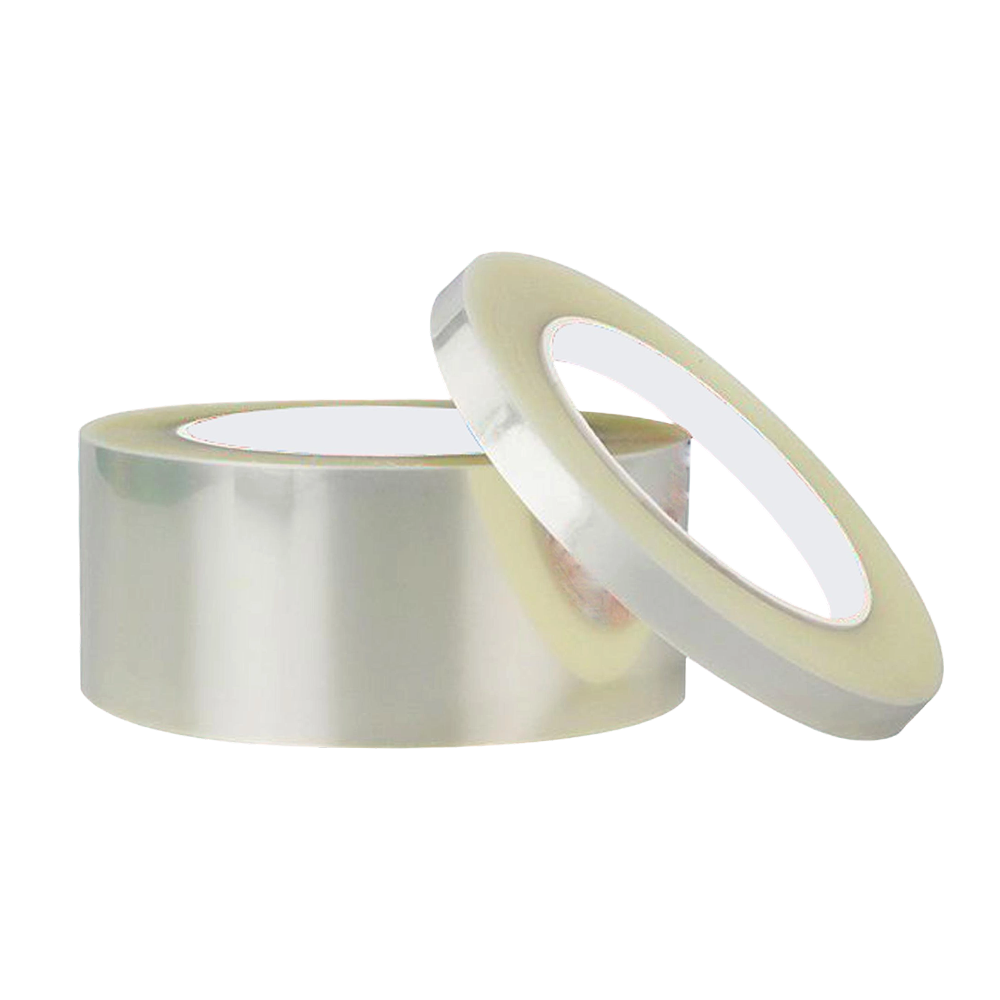
PET double-sided tape is a high-performance bonding material designed for applications where ordinary adhesive tapes may stretch, tear, wrinkle, or fail under mechanical and environmental stress. Built with a polyester film carrier and coated on both sides with pressure-sensitive adhesive, it combines strong adhesion with excellent dimensional stability, clean handling, and reliable tensile strength. For industrial manufacturers, electronics assemblers, signage producers, automotive interior suppliers, and commercial fabricators, this tape offers a practical alternative to liquid glue, mechanical fasteners, and lower-strength foam or tissue-based double-sided tapes.
The essential value of PET double-sided tape lies in its balanced structure. The PET film carrier provides strength and stability, while the acrylic pressure-sensitive adhesive delivers dependable bonding to surfaces such as metal, plastic, acrylic, coated panels, nameplates, and selected electronic components. The release liner protects the adhesive before use and allows the tape to be converted, die-cut, laminated, or applied with precision. This construction makes the tape especially suitable for bonding tasks that require a thin profile, neat appearance, and resistance to tearing during application or removal.
In modern manufacturing, bonding materials are no longer chosen only for adhesion. Engineers and purchasing teams evaluate whether a tape can support efficient assembly, reduce rework, protect component appearance, withstand temperature changes, and maintain consistent performance from batch to batch. PET double-sided tape meets these expectations by offering a strong carrier, stable thickness, smooth application, and reliable holding power. When produced by an experienced packaging materials manufacturer with advanced equipment and quality control systems, it becomes a dependable solution for both standardized production lines and customized bonding requirements.
PET double-sided tape
Understanding PET Double-Sided Tape
PET double-sided tape is constructed around a polyester film carrier. PET, or polyethylene terephthalate, is widely valued for its tensile strength, tear resistance, heat tolerance, chemical stability, and dimensional consistency. Unlike some softer carriers that may elongate or distort, PET maintains its form under pressure and during handling. This quality is particularly important when the tape is used in narrow widths, die-cut shapes, or applications where alignment accuracy matters.
The carrier is coated on both sides with pressure-sensitive adhesive. In many industrial grades, an acrylic adhesive is used because it offers a strong balance of adhesion, aging resistance, temperature performance, and compatibility with many surfaces. The adhesive is protected by release liners, which prevent contamination and allow the tape to be stored, transported, converted, and applied without premature bonding. When the liner is removed, the tape adheres under pressure without requiring heat curing, mixing, drying time, or additional equipment.
The result is a clean and efficient bonding product that can be used for permanent or semi-permanent assembly. It is thin enough for applications where a bulky adhesive layer would be unacceptable, but strong enough to support demanding industrial use. Its transparency or translucency also makes it suitable for locations where visual neatness is important, such as clear panels, signs, labels, decorative parts, and visible interior trim.
Compared with liquid adhesive, PET double-sided tape offers immediate handling strength and avoids problems such as dripping, uneven coating, odor, solvent evaporation, and long curing cycles. Compared with screws, clips, rivets, or other mechanical fasteners, it helps preserve the surface of the bonded material and provides a cleaner appearance. Compared with weaker paper or tissue-based double-sided tapes, it offers greater carrier strength and is less likely to tear when removed from the roll, applied to a surface, or repositioned during assembly.
Core Product Structure and Performance Logic
The performance of PET double-sided tape depends on the cooperation of three key elements: the carrier, the adhesive, and the release liner. The carrier supplies physical strength. The adhesive provides surface bonding and stress distribution. The liner protects the adhesive and supports processing accuracy. A weakness in any one of these elements can reduce the performance of the entire product, which is why high-quality manufacturing and strict process control are essential.
The PET film carrier is the backbone of the tape. Its high tensile strength helps resist breakage during unwinding, laminating, die-cutting, and manual or automated application. This is a major advantage in production environments where downtime caused by tape breakage can reduce efficiency. The carrier also resists stretching, so the tape maintains its specified width and shape. This is especially beneficial in electronics, nameplate mounting, and precision assembly, where a stretched tape can lead to misalignment or inconsistent bond lines.
The acrylic pressure-sensitive adhesive is selected for strong adhesion and general durability. It can bond well to many smooth and moderately textured surfaces when proper surface preparation is performed. Acrylic adhesive also has good aging resistance, helping the tape maintain performance over time in indoor environments and many industrial settings. Depending on the specific adhesive formulation, temperature resistance may generally support short-term exposure from approximately -20℃ to 120℃, making the tape suitable for applications where products experience seasonal temperature changes, transportation conditions, or moderate process heat.
The release liner is not merely a protective layer. It affects ease of use, die-cutting accuracy, and application cleanliness. A good liner peels smoothly without leaving residues or disturbing the adhesive layer. For converted parts, the liner supports shape retention and allows operators to remove adhesive pieces efficiently. In automated assembly, stable liner performance can reduce feeding problems and improve process repeatability.
Key Technical Specifications
The following table summarizes typical values for a PET double-sided tape grade designed for bonding applications requiring a non-tearing substrate and stable adhesive performance. Actual values may vary according to product version, adhesive formulation, liner selection, and customer-specific requirements.
| Test Item | Typical Value | Reference Standard | Application Meaning |
| Tape Thickness | 90±5 µm | GB/T7125-2014 | Provides a thin yet stable bonding layer for industrial and commercial assembly. |
| Initial Tack at 14° | ≤180 mm | GB/T4852-2002 Inclined Plane Method | Supports quick positioning and initial surface contact during application. |
| Adhesion to Steel Plate | ≥10 N/25 mm | GB/T2792-1998 Peel Test | Indicates strong peel adhesion for reliable bonding to smooth metal surfaces. |
| Adhesion to Steel Plate | ≥9 N/24 mm | GB/T2792-2014 after 20 minutes placement with 25 µm PET | Demonstrates adhesion development after short dwell time. |
| Holding Power | ≥120 min/24×24 mm | GB/T4851-2014 | Shows resistance to shear movement under load. |
| Carrier | Polyester PET Film | Product construction specification | Improves tensile strength, tear resistance, and dimensional stability. |
| Adhesive Type | Acrylic Pressure-Sensitive Adhesive | Product construction specification | Provides balanced adhesion, aging resistance, and processing suitability. |
| Typical Color | Transparent or Translucent | Visual specification | Suitable for clean, neat, and appearance-sensitive bonding. |
Advantages Over Common Competing Bonding Materials
PET double-sided tape competes with several common bonding solutions, including tissue double-sided tape, foam tape, hot melt adhesives, liquid glue, mechanical fasteners, and lower-grade film tapes. Its advantage is not that it replaces every bonding method in all conditions, but that it provides a strong combination of thinness, cleanliness, carrier strength, and process efficiency for many industrial uses.
Advantage Over Tissue-Based Double-Sided Tape
Tissue-based double-sided tape is often economical and flexible, but the tissue carrier can tear easily under stress. In applications where the tape must be removed from the liner, repositioned, die-cut, or applied to a firm surface, tissue tearing can create waste and slow production. PET film offers significantly higher tensile strength. It resists tearing and stretching, allowing operators to handle the tape more confidently. This makes PET double-sided tape a better choice when the bonded assembly must remain clean and intact.
Advantage Over Foam Tape
Foam tape provides cushioning and gap filling, but it is thicker and can be unsuitable where a low-profile bond line is required. Foam may also compress, deform, or create visible thickness between components. PET double-sided tape provides a thinner adhesive layer, making it suitable for nameplates, labels, electronics, LCD modules, decorative strips, and flat components. When the surface contact is good and gap filling is not necessary, PET tape can deliver a more refined appearance and tighter assembly tolerance.
Advantage Over Liquid Adhesive
Liquid adhesive can be strong, but it often requires controlled dispensing, curing time, ventilation, and additional cleanup. Excess adhesive may overflow, stain surfaces, or contaminate components. PET double-sided tape is pre-coated and ready to use. It provides immediate bonding pressure response and allows faster assembly without waiting for drying or chemical curing. The clean process helps reduce operator error, improve workplace hygiene, and simplify quality inspection.
Advantage Over Mechanical Fasteners
Screws, rivets, staples, and clips can provide high mechanical holding force, but they also require drilling, punching, or hardware installation. They may damage surfaces, create stress concentration, add weight, or interrupt product appearance. PET double-sided tape bonds across a larger surface area, helping distribute stress more evenly. It can create a smooth, hidden attachment without visible fastener heads. In applications such as signage, automotive interior trims, and electronic assemblies, this clean finish can be a strong design advantage.
Advantage Over Low-Quality Film Tape
Not all film-based double-sided tapes are equal. Low-quality tapes may suffer from uneven coating, inconsistent thickness, poor liner release, unstable adhesion, or contamination. A professionally manufactured PET double-sided tape made with controlled coating, drying, slitting, rewinding, and inspection processes offers more reliable performance. Consistency is essential because even a small variation in adhesive thickness or carrier tension can affect bonding results in automated production.
Application Scenarios
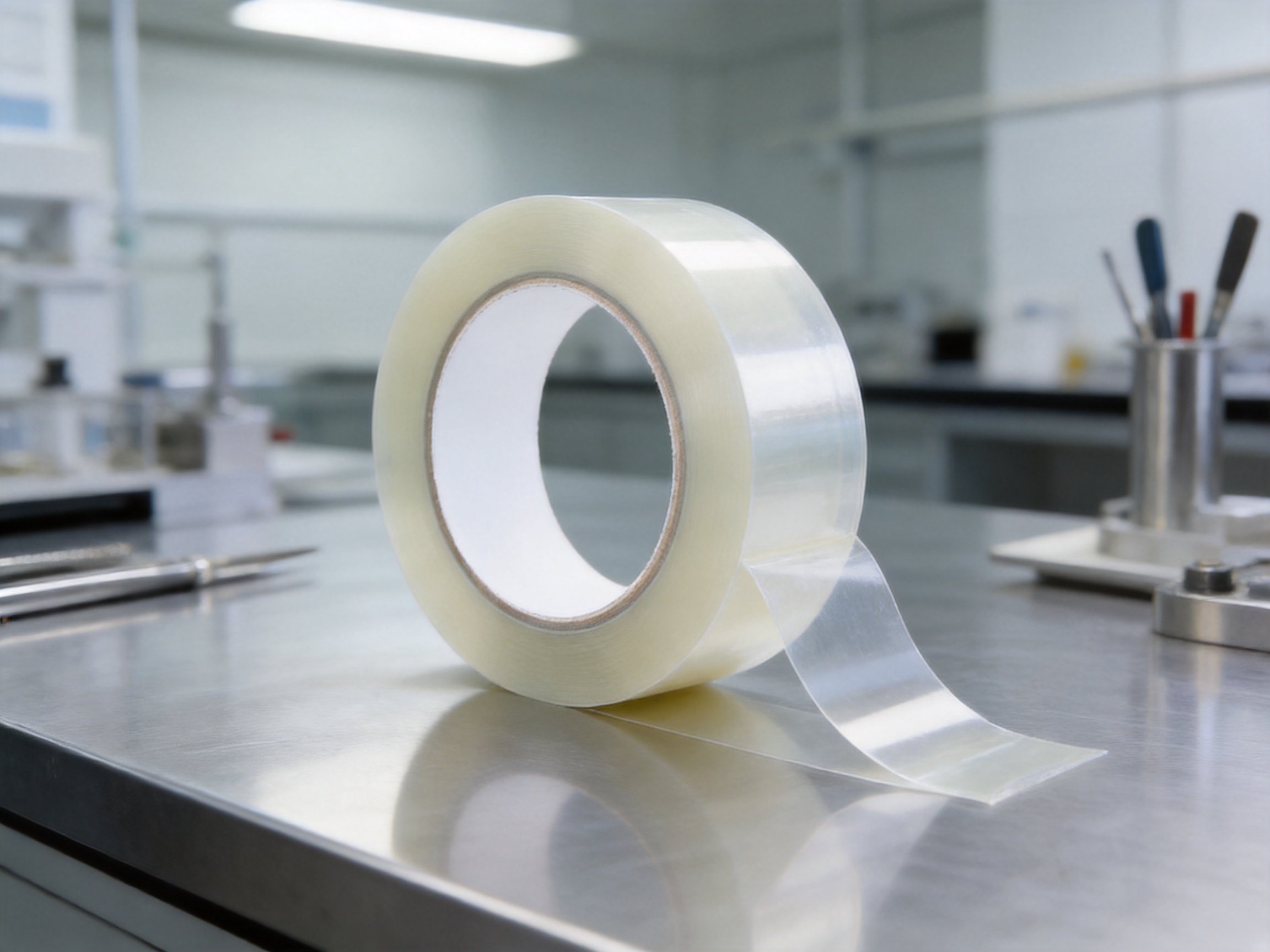
PET double-sided tape is suitable for a broad range of bonding scenarios where stable adhesion and a non-tearing carrier are required. Its thin profile, clean application, and strong mechanical integrity make it valuable in manufacturing environments that demand both performance and efficiency.
Electronics Assembly
In electronics, adhesive materials must often be thin, clean, and dimensionally stable. PET double-sided tape can be used for internal component fixation in mobile devices, LCD module assembly, label backing, insulation-related bonding, and attachment of lightweight structural elements. The PET carrier helps maintain shape accuracy, while the adhesive provides reliable contact with plastic films, metal shields, and coated surfaces. Its smooth application reduces wrinkles and helps support neat assembly in compact spaces.
Industrial Manufacturing
Industrial manufacturers use PET double-sided tape for bonding plastic parts, metal components, acrylic panels, decorative strips, and converted adhesive pieces. The tape is suitable for permanent or semi-permanent bonding when surfaces are clean and compatible. Because it can be die-cut or slit to precise dimensions, it helps reduce waste and supports standardized assembly. Compared with manual glue application, tape can make bonding more predictable and easier to inspect.
Signage and Nameplates
Signs and nameplates often require a clean visual finish. Visible screws or uneven adhesive can reduce product value. PET double-sided tape provides a thin and uniform bonding layer that helps mount rigid plastic or metal signs. Transparent or translucent versions are especially useful where the adhesive layer should not be visually distracting. The tape’s good tensile strength also helps prevent tearing during liner removal and installation.
Automotive Interior Attachment
Automotive interiors include decorative strips, trim panels, badges, labels, and small functional components that require stable attachment. PET double-sided tape can support these applications when the bonding surfaces are properly prepared. The tape’s dimensional stability helps it perform under temperature variations commonly encountered in vehicle interiors. Its low profile contributes to a refined finish, while its adhesive strength helps reduce rattling or loosening under normal use conditions.
Packaging and Label Backing
Although PET double-sided tape is often associated with industrial assembly, it can also support selected packaging and labeling needs. For labels requiring stronger backing, inserts requiring clean attachment, or packaging components where tear resistance is important, PET film carrier tape offers a more stable option than ordinary adhesive transfer products. It can be combined with other packaging materials to improve presentation, protection, or functional assembly.
Why Carrier Strength Matters
Carrier strength is one of the defining features of PET double-sided tape. In many applications, the adhesive receives most attention, but the carrier plays an equally important role. If the carrier tears during use, even a strong adhesive cannot deliver reliable assembly. A torn carrier can create residue, uneven stress, failed alignment, and production waste.
PET film resists tearing when operators pull the tape from a roll, cut it to length, laminate it onto a component, or remove the liner. It also resists stretching, which helps preserve accurate positioning. In automated production, this stability can reduce machine jams and maintain consistent feeding. In die-cut parts, it helps preserve shape integrity, preventing deformation that might occur with softer carriers.
Carrier strength is also important during removal or rework. While adhesive performance determines how easily a bonded part can be separated, the PET carrier helps the tape come off more predictably compared with tapes that fragment or split. In practical terms, this can reduce cleanup time and lower the risk of leaving carrier pieces behind.
Dimensional Stability and Environmental Resistance
Dimensional stability refers to the ability of a material to maintain its shape and size under environmental changes. PET has low thermal expansion compared with many softer films and paper-based carriers. This helps the tape remain stable when exposed to changes in temperature and humidity. In applications such as electronic modules, acrylic panels, and decorative strips, this stability can reduce the risk of lifting, wrinkling, or edge movement.
The tape’s typical short-term temperature resistance from approximately -20℃ to 120℃ depends on the adhesive formulation, substrate, pressure, dwell time, and environmental conditions. This range makes it useful in many indoor and industrial applications where moderate temperature changes are expected. Acrylic adhesive also contributes to aging resistance, supporting stable performance under normal storage and service conditions.
Resistance to UV light and common chemical solvents may also be relevant in certain environments. While no single tape should be assumed suitable for every chemical or outdoor exposure without testing, PET double-sided tape generally provides better durability than many low-cost alternatives. For applications exposed to special chemicals, high humidity, outdoor sunlight, or continuous high temperature, users should request product-specific test data and conduct application trials.
Smooth Application and Appearance Benefits
A smooth appearance is increasingly important in industrial design. Whether the tape is used behind a metal nameplate, inside an electronic device, on an acrylic panel, or under an automotive decorative strip, uneven adhesive can compromise the final product. PET double-sided tape has a uniform film carrier that lays flat and resists wrinkling. This creates a cleaner bond line and improves the visual quality of the assembly.
The thin construction helps maintain product profile. Unlike foam materials, PET tape does not create a thick gap between components. This is important when bonding parts must appear integrated rather than attached as separate layers. In electronics, a thin bond line can support compact design. In signage, it can improve edge appearance. In trim applications, it can help decorative pieces sit closer to the base surface.
Operators also benefit from smooth handling. When a tape unwinds evenly, cuts cleanly, and releases from the liner properly, the application process becomes faster and less frustrating. This can improve labor efficiency, reduce scrap, and support more consistent results across different operators or shifts.
Manufacturing Strength Behind the Product
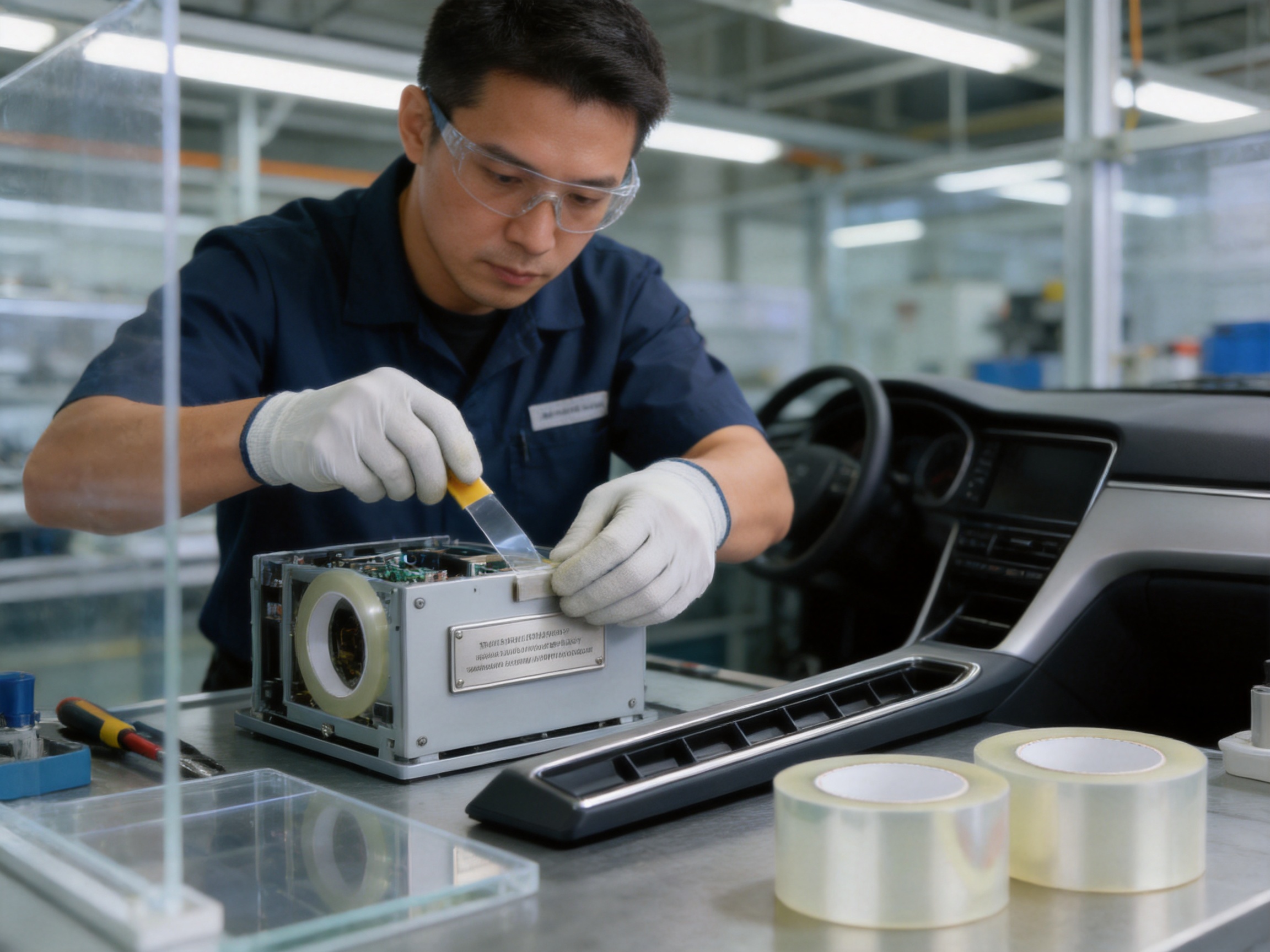
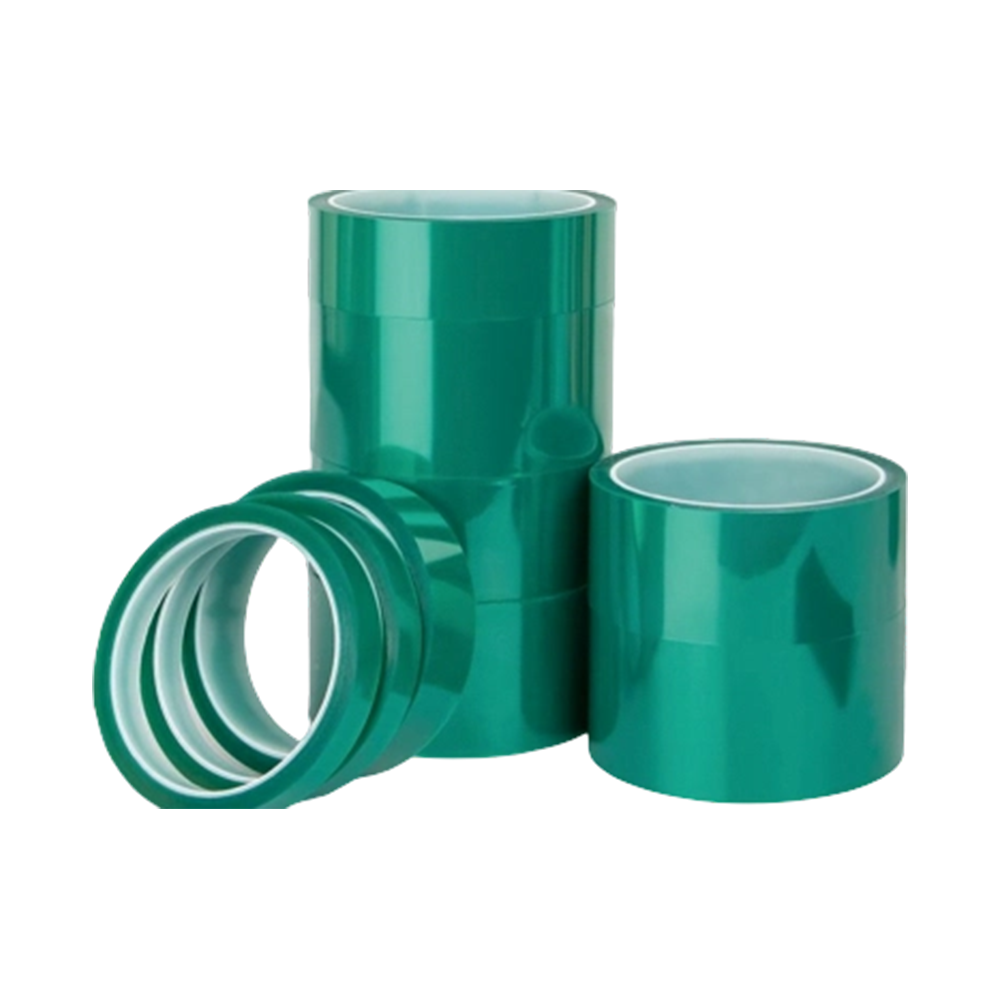
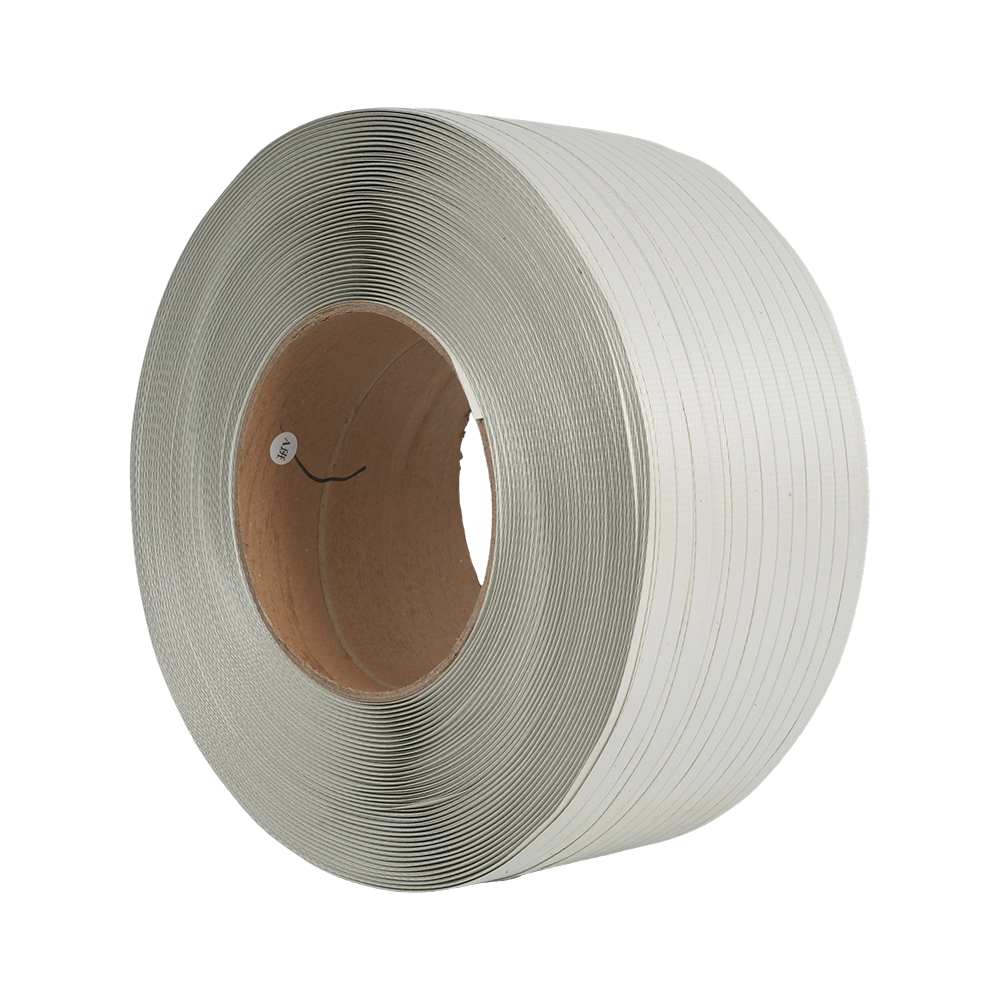
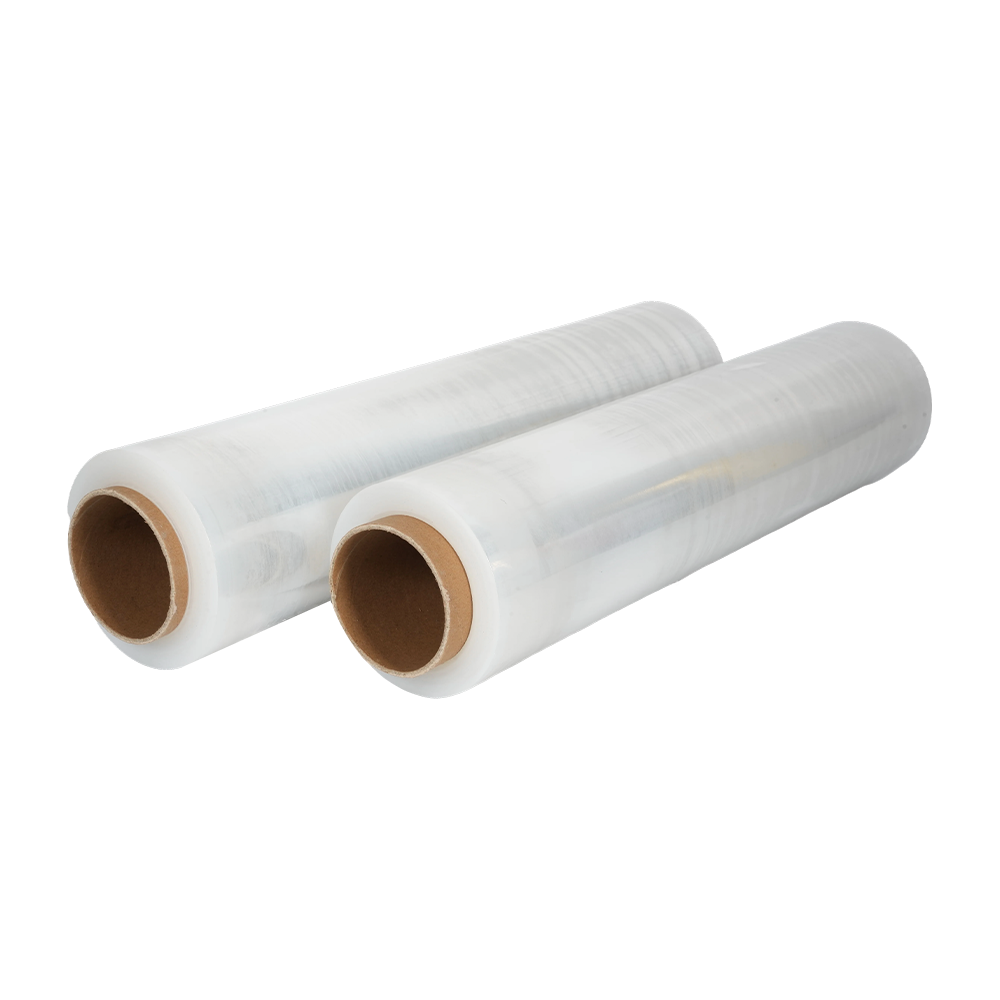
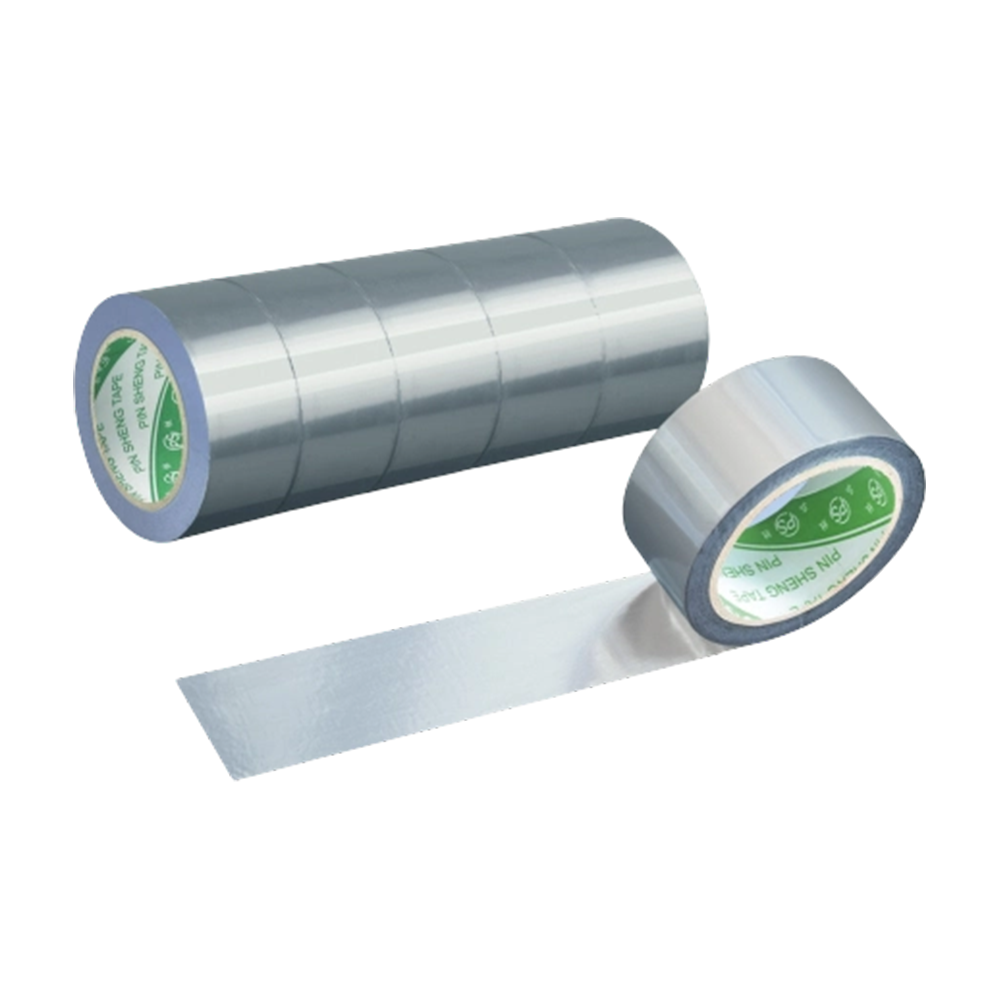
High-performance tape depends on advanced manufacturing capability. Zhejiang Geruite Packaging Materials Co., Ltd. is located in Zhejiang Province, China, a region recognized for its strong manufacturing base and developed industrial supply chain. The company focuses on research, development, production, and sales of packaging materials and adhesive products, including BOPP tapes, kraft paper tapes, masking tapes, high-temperature resistant tapes, metal tapes, PE stretch film, PP strapping, PET strapping, and industrial adhesive tape solutions.
The company’s experience across multiple tape and packaging categories supports a deeper understanding of adhesive coating, film handling, slitting precision, roll formation, and customer requirements. PET double-sided tape benefits from this manufacturing background because it requires precise control of materials and production conditions. A reliable product is not created only by selecting PET film and adhesive; it is created through stable coating technology, careful drying, clean lamination, accurate slitting, and systematic inspection.
Raw Material Selection
The manufacturing process begins with raw material selection. PET film must meet requirements for thickness consistency, tensile strength, surface quality, and cleanliness. Adhesive must be selected based on target adhesion, tack, temperature resistance, aging performance, and compatibility with expected substrates. Release liner must provide appropriate release force and stable support during conversion. By controlling incoming materials, the manufacturer reduces variability before production even begins.
Coating Control
Coating is a critical stage in double-sided tape production. The adhesive layer must be applied evenly across the width and length of the film. Uneven coating can cause weak spots, excessive adhesive ooze, visual defects, or inconsistent peel strength. Advanced coating equipment helps control adhesive weight, coating thickness, line speed, and web tension. Consistent coating improves product predictability and makes the tape suitable for customers who require stable performance in repeated production.
Drying and Curing Management
After coating, the adhesive layer may require controlled drying or curing depending on its formulation. Temperature, airflow, dwell time, and web speed influence the final adhesive properties. Insufficient drying may affect adhesion or cause odor and residual solvent concerns. Excessive heat may damage film or alter adhesive performance. Professional process management ensures that the adhesive reaches its intended condition while preserving PET carrier stability.
Lamination and Liner Application
Double-sided tape production requires accurate lamination of the coated carrier and release liner. The liner must align properly and make smooth contact without wrinkles, bubbles, or uneven tension. Proper lamination protects the adhesive and prepares the tape for slitting, rewinding, storage, and use. Stable liner release is especially important for customers who convert the tape into die-cut parts or use automated application equipment.
Slitting and Rewinding Precision
Many customers require specific roll widths and lengths. Slitting precision affects edge quality, roll appearance, and application performance. Poor slitting may create rough edges, adhesive transfer, telescoping rolls, or dust contamination. Accurate rewinding produces stable rolls that unwind smoothly and store safely. For narrow tapes and precision assembly, slitting quality can be as important as adhesive strength.
Quality Control and Testing
A rigorous quality control system helps ensure that each batch meets performance expectations. Typical tests may include thickness measurement, initial tack, peel adhesion, holding power, appearance inspection, roll width verification, liner release evaluation, and packaging inspection. The listed reference standards, including GB/T7125, GB/T4852, GB/T2792, and GB/T4851, provide structured methods for assessing tape properties. By combining standardized testing with production experience, the manufacturer can deliver consistent products for industrial customers.
Company Capabilities and Customer Value
Geruite’s broader product portfolio provides customers with integrated packaging and bonding options. A company that manufactures adhesive tape, strapping band, stretch film, and related packaging materials can support buyers who prefer coordinated sourcing. Industrial customers often need more than one material: they may require tape for assembly, strapping for pallet securing, stretch film for transport protection, and specialty tapes for masking or high-temperature applications. A supplier with diversified production capability can simplify procurement and improve communication.
The company’s annual output value of over RMB 60 million reflects a meaningful production scale. Scale matters because it supports investment in equipment, process refinement, quality control, inventory management, and technical service. At the same time, a focused manufacturer can respond to customer requirements more flexibly than purely trading-oriented suppliers. This balance of production capability and market responsiveness is valuable for customers seeking stable supply and practical customization.
Professional service is another important strength. PET double-sided tape selection is application dependent. The same tape may perform differently on stainless steel, painted aluminum, ABS plastic, acrylic, glass, or coated surfaces. Surface energy, texture, contamination, application pressure, temperature, and dwell time all influence the final bond. An experienced manufacturer can help customers evaluate tape thickness, adhesive type, roll size, liner choice, and storage conditions. This reduces trial-and-error and helps customers select a suitable solution more efficiently.
Application Guidance for Best Results
Even high-quality PET double-sided tape requires proper application. Bonding performance depends not only on the tape itself but also on the substrate and installation process. Following good application practices can significantly improve adhesion and long-term reliability.
Surface Preparation
Surfaces should be clean, dry, and free of oil, dust, release agents, moisture, and loose particles. Contaminants reduce adhesive contact and may cause premature lifting. For metal or plastic surfaces, cleaning with a suitable solvent may be helpful, but users should ensure that the solvent does not damage the substrate or leave residue. After cleaning, the surface should be fully dry before tape application.
Application Temperature
Recommended application is generally at room temperature, around 15℃ to 35℃. At low temperatures, adhesive may become less flexible and initial tack may decrease. At high temperatures, adhesive may become softer and more difficult to handle. Applying tape under recommended conditions helps the adhesive wet the surface properly and develop stronger bonding.
Pressure and Contact
Pressure-sensitive adhesive requires pressure to achieve intimate contact with the surface. After placing the tape, firm and even pressure should be applied across the entire bond area. Rollers, presses, or manual pressure tools can improve contact, especially for larger parts. Good pressure reduces air gaps and helps the adhesive flow into microscopic surface irregularities.
Dwell Time
Adhesion often increases after application as the adhesive wets the substrate. Although the tape provides immediate tack, full bond strength may develop over time. For demanding applications, parts should be allowed to dwell before being exposed to load, stress, or temperature cycling. Testing under actual production conditions is recommended to determine appropriate dwell time.
Storage Conditions
The tape should be stored in a cool, dry place away from direct sunlight. Recommended storage conditions are typically around 20℃ to 30℃ and 40% to 60% relative humidity. Proper storage helps preserve adhesive performance, liner release, and roll quality. Shelf life is generally 12 to 24 months from the date of manufacture under recommended storage conditions, depending on the exact product version.
Design Considerations for Engineers
Engineers selecting PET double-sided tape should consider load direction, substrate type, surface energy, temperature exposure, humidity, chemical contact, thickness tolerance, and required service life. Peel stress, shear stress, and cleavage stress affect tape performance differently. Pressure-sensitive tapes generally perform best under shear or compression and should be designed to minimize continuous peel forces at the edges.
Bond area is another important factor. Increasing the bonded surface area can improve load distribution and reduce stress concentration. Rounded corners on die-cut tape parts can reduce edge lifting compared with sharp corners. Avoiding exposed adhesive edges in high-contamination environments can also improve durability. When bonding to low-surface-energy plastics, special adhesive formulations or primers may be required.
For transparent or decorative applications, visual testing is recommended. Even when the tape itself is transparent or translucent, trapped air, surface texture, or adhesive wet-out patterns may affect appearance. Applying pressure evenly and using clean surfaces can improve clarity. For nameplates and signs, testing should include exposure to expected handling, temperature, and cleaning processes.
Customization and Conversion Possibilities
PET double-sided tape can be supplied in different thicknesses, widths, roll lengths, liner types, and adhesive variants. It can also be converted into custom shapes through die-cutting, kiss-cutting, laminating, or slitting. This makes it suitable for customers who need ready-to-use adhesive parts rather than standard rolls.
Converted tape parts can improve assembly speed and reduce operator variation. For example, a die-cut adhesive ring may be used in an electronic component, a pre-shaped strip may be used behind a nameplate, or a narrow roll may be used for trim attachment. Accurate conversion depends on stable carrier strength and liner behavior, which are areas where PET film performs well.
Customization should be based on application testing. Customers should provide information about substrates, operating temperature, required bond strength, part geometry, application method, and expected service environment. With this information, the manufacturer can recommend a suitable tape structure and production format.
Sustainability and Process Efficiency
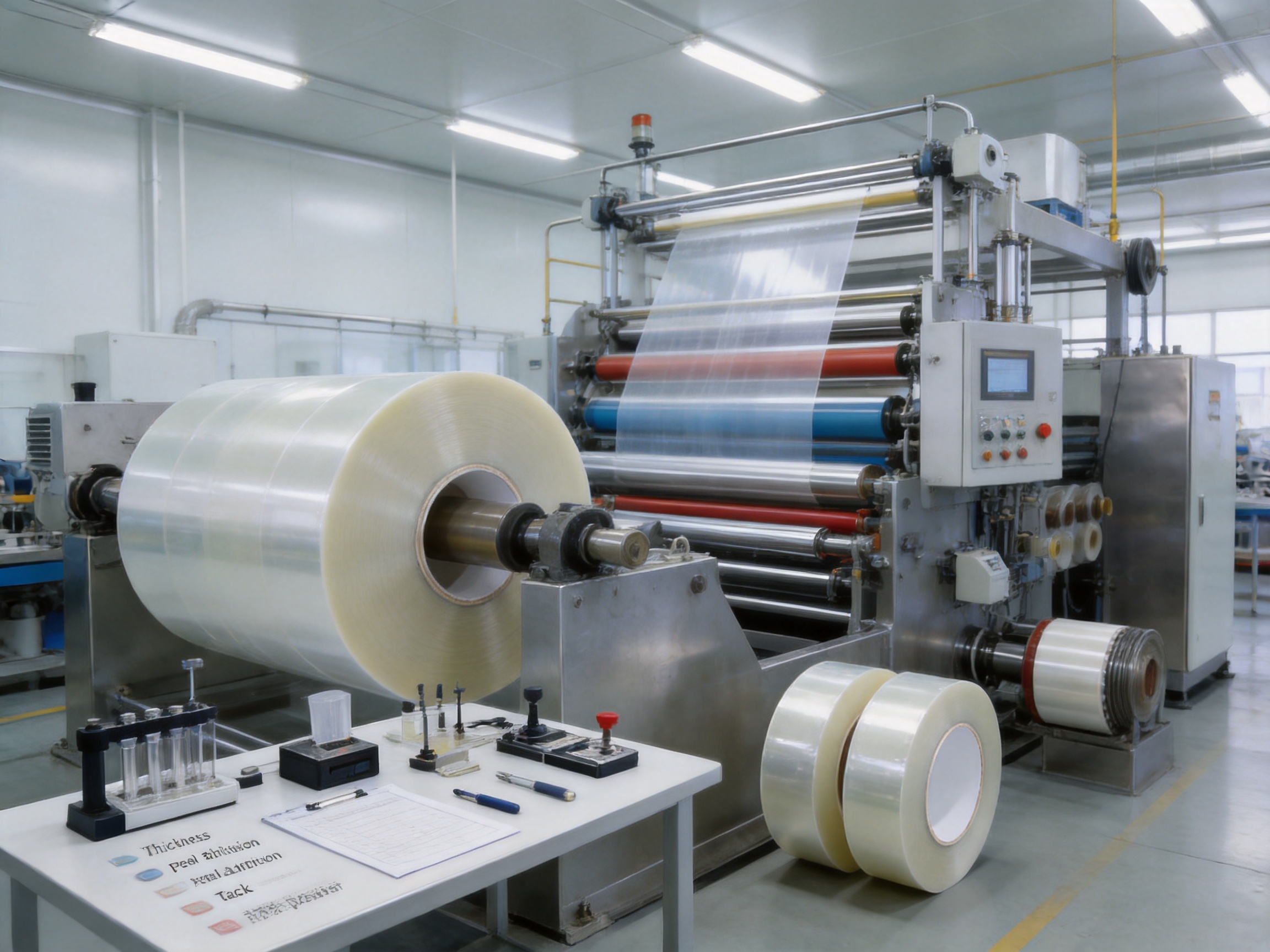
Modern manufacturers increasingly consider waste reduction and process efficiency when choosing materials. PET double-sided tape can contribute to cleaner production by reducing liquid adhesive waste, eliminating mixing errors, minimizing cleanup, and improving application accuracy. Pre-coated tape provides a controlled adhesive amount, which helps avoid excessive glue use.
Efficient roll supply and die-cut formats can also reduce labor waste. When operators use pre-sized adhesive pieces, they spend less time measuring, cutting, and cleaning. Reduced rework means fewer rejected parts and lower material consumption. Although the release liner remains a waste component, careful conversion design and process planning can help optimize material usage.
From a logistics perspective, tapes are easy to store, ship, and handle compared with many liquid adhesives. They do not require curing ovens or complex dispensing systems for many applications. This supports lower process complexity and potentially lower total assembly cost.
Common Problems and How to Avoid Them
One common issue is poor adhesion caused by contaminated surfaces. Oil, dust, mold release agents, fingerprints, and moisture can prevent adhesive contact. The solution is proper cleaning and drying. Another issue is insufficient pressure. Since pressure-sensitive adhesive depends on contact, inadequate pressure may create weak bonding even when the tape itself is high quality.
Edge lifting can occur when the tape is under continuous peel stress, when the substrate is curved, or when the bond area is too small. Designers should increase bond area, reduce peel forces, and use rounded tape shapes where possible. If the surface is rough or uneven, a thicker adhesive or foam tape may be more suitable than a thin PET tape.
Adhesive ooze may occur under high temperature, excessive pressure, or unsuitable adhesive selection. Proper grade selection and testing can reduce this risk. Liner removal difficulties can occur if tape is stored improperly or if the liner type is not suitable for the conversion process. Maintaining recommended storage conditions and selecting an appropriate liner are important preventive steps.
Q&A Section
What is PET double-sided tape?
PET double-sided tape is an adhesive tape made with a polyester film carrier coated on both sides with pressure-sensitive adhesive and protected by release liners. It is used for bonding, mounting, fixing, splicing, and assembly applications that require strength, clean appearance, and dimensional stability.
Why is PET used as the carrier?
PET is used because it provides high tensile strength, tear resistance, heat tolerance, and dimensional stability. These properties make the tape easier to handle and less likely to break or deform compared with weaker paper or tissue carriers.
What adhesive is commonly used?
Acrylic pressure-sensitive adhesive is commonly used because it provides balanced adhesion, aging resistance, and compatibility with many industrial materials. Specific adhesive formulations may vary according to application needs.
What surfaces can this tape bond to?
It can bond to many clean and dry surfaces, including metal, plastic, acrylic, coated panels, nameplates, and selected electronic components. Actual performance depends on surface energy, texture, cleanliness, pressure, temperature, and dwell time.
How does it compare with foam tape?
PET double-sided tape is thinner and offers a cleaner, lower-profile bond line. Foam tape is better for cushioning and gap filling, while PET tape is better for precise bonding where thickness control and smooth appearance are important.
Can it replace screws or rivets?
In some applications, yes. It can provide hidden bonding without drilling or visible fasteners. However, mechanical requirements must be evaluated carefully. For high structural loads or safety-critical assemblies, testing and engineering validation are necessary.
What is the typical thickness?
A representative thickness is 90±5 µm, though other thicknesses may be available depending on product design and customer requirements.
What temperature range can it handle?
Depending on the adhesive variant and application conditions, it may generally withstand short-term exposure from approximately -20℃ to 120℃. Customers should conduct application-specific testing for demanding temperature environments.
How should the tape be stored?
It should be stored in a cool, dry place away from direct sunlight, preferably around 20℃ to 30℃ and 40% to 60% relative humidity. Under recommended conditions, shelf life is typically 12 to 24 months from the date of manufacture.
Why should buyers choose a professional manufacturer?
A professional manufacturer can provide stable coating quality, accurate slitting, consistent adhesion, reliable liner performance, quality testing, and technical support. These factors reduce production risk and help customers achieve repeatable bonding results.
Conclusion
PET double-sided tape is a practical and high-value bonding solution for industries that require strong adhesion, thin construction, clean appearance, and reliable carrier strength. Its polyester film carrier resists tearing and stretching, making it superior to many tissue-based tapes in demanding handling and assembly conditions. Its acrylic pressure-sensitive adhesive provides dependable bonding to many surfaces, while its smooth structure supports neat installation in electronics, signage, industrial manufacturing, automotive interiors, and packaging-related applications.
The tape’s advantages become even more significant when supported by advanced manufacturing processes. Careful raw material selection, precision coating, controlled drying, accurate lamination, clean slitting, and rigorous testing all contribute to consistent product quality. Zhejiang Geruite Packaging Materials Co., Ltd. brings experience in adhesive tapes, films, strapping materials, and packaging solutions, allowing it to support customers with both product performance and practical manufacturing knowledge.
For buyers seeking a bonding material that improves assembly efficiency, reduces mess, supports visual quality, and resists carrier tearing, PET double-sided tape is a strong candidate. The best results come from selecting the right tape grade, preparing surfaces properly, applying sufficient pressure, and validating performance under real use conditions. With professional production and application support, PET double-sided tape can become a dependable component in modern industrial bonding systems.
References
GB/T7125-2014, Test Method for Thickness of Adhesive Tapes.
GB/T4852-2002, Test Method for Tack of Pressure-Sensitive Adhesive Tapes by Inclined Ball Method.
GB/T2792-1998, Test Method for Peel Adhesion of Pressure-Sensitive Adhesive Tapes.
GB/T2792-2014, Measurement of Peel Adhesion Properties for Adhesive Tapes.
GB/T4851-2014, Test Method for Holding Power of Pressure-Sensitive Adhesive Tapes.
Petrie, E. M., Handbook of Adhesives and Sealants, McGraw-Hill Education.
Benedek, I., Pressure-Sensitive Adhesives and Applications, CRC Press.
Ebnesajjad, S., Adhesives Technology Handbook, William Andrew Publishing.
Product: PET double-sided tape


CONTACT DETAILS
- Address:No. 241, Yaojiafan, Zhangpanqiao, Shushan Street, Xiaoshan District, Hangzhou City, Zhejiang Province, China
- TEL:+86-0571-83175630
- Phone:+86-13336160217
- Email:anqiaocun@163.com
PRODUCTS
NEWS CENTER
MOBILE TERMINAL
Copyright© Zhejiang Geruite Packaging Materials Co., Ltd. All Rights Reserved.
Privacy Wholesale industrial packaging tape Manufacturers