


 English
  Español
  عربى
عربى 
Transparent Protective Film Rolls for Industrial Packaging and Surface Protection
Content
- 1 Product Overview: What Transparent Protective Film Rolls Are Designed to Do
- 2 Key Material Advantages of PE Stretch Film
- 3 Why Transparency Matters in Industrial Packaging
- 4 Core Performance Characteristics
- 5 Typical Technical Specifications
- 6 Advantages Over Competing Packaging and Protection Materials
- 7 Application in Building Materials and Construction Products
- 8 Application in Metalworking, Machinery, and Industrial Manufacturing
- 9 Application in Furniture Manufacturing and Finished Goods Packaging
- 10 Application in Electronics and Sensitive Components
- 11 Application in Logistics, Pallet Unitization, and Cargo Stabilization
- 12 Manufacturing Strengths Behind Reliable Film Performance
- 13 Customization Capability and Product Matching
- 14 Cost-Effectiveness and Waste Reduction
- 15 Quality Control and Consistency for Industrial Buyers
- 16 Storage, Handling, and Safe Application
- 17 How to Select the Right Transparent Protective Film
- 18 Company Strengths Supporting Global Packaging Needs
- 19 Frequently Asked Questions
- 19.1 What is Transparent Protective Film Roll made from?
- 19.2 Does the film use adhesive?
- 19.3 Can labels and barcodes be scanned through the film?
- 19.4 What thickness should be selected?
- 19.5 Can the film be used outdoors?
- 19.6 Is it suitable for electronics?
- 19.7 Can the product be customized?
- 19.8 How should the film be stored?
- 19.9 Why choose clear PE stretch film instead of paper or opaque wrapping?
- 19.10 What industries commonly use this film?
- 20 Conclusion
- 21 References
- 22 Product: Transparent Protective Film Rolls, Clear PE Stretch Film
Transparent Protective Film Rolls, commonly described as Clear PE Stretch Film, are a practical and versatile solution for protecting products during manufacturing, storage, handling, and transportation. Made from polyethylene material, the film combines clarity, stretchability, cling, and surface protection in a single consumable packaging material. For industries that need to see the protected product while keeping it safe from dust, scratches, moisture, and light contamination, clear PE stretch film offers a balanced and cost-effective answer.
In modern industrial packaging, protection is no longer limited to simply covering a product. Manufacturers and logistics teams require materials that preserve appearance, stabilize loads, reduce handling damage, support scanning and inspection, and integrate smoothly with manual or automated equipment. Transparent Protective Film Rolls meet these requirements by forming a tight, stable protective layer around products without the need for additional adhesives. The film relies on stretch recovery and layer-to-layer cling, making it easy to apply while reducing unnecessary packaging complexity.
Zhejiang Geruite Packaging Materials Co., Ltd. develops and supplies packaging materials for applications such as logistics, electronics, construction, furniture, industrial manufacturing, and cargo stabilization. With experience in adhesive tapes, PE stretch film, PP strapping, and PET strapping, the company understands how different packaging materials work together in real production and shipping environments. This integrated knowledge helps the company provide protective film products that are not only clear and stretchable, but also suitable for demanding industrial use.
Transparent Protective Film Rolls, Clear PE Stretch Film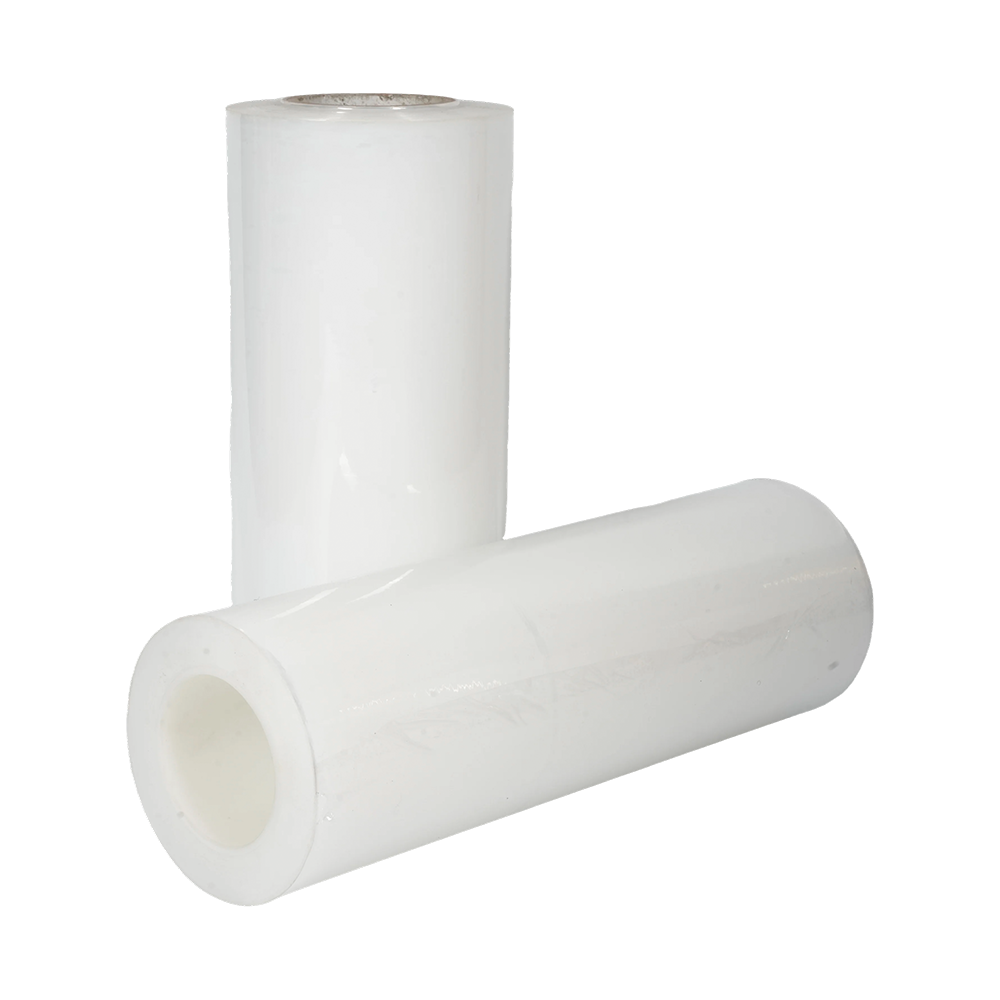
Product Overview: What Transparent Protective Film Rolls Are Designed to Do
Transparent Protective Film Rolls are PE-based industrial packaging films used to wrap, cover, bundle, or protect products. The material is clear, flexible, and stretchable. When stretched during application, it creates tension around the surface or load. After release, the film attempts to retract, tightening around the item and creating a stable protective layer. This behavior is one of the most important reasons PE stretch film is widely used in logistics packaging and surface protection.
The film provides a barrier against dust, moisture, oil stains, and minor physical abrasion. It also reduces direct contact between product surfaces and external objects, helping prevent scratches during movement or transportation. Because the film is transparent, operators can still identify product labels, barcodes, colors, shapes, and surface conditions. This is especially useful in warehouses, production lines, and export packaging operations where product verification must be quick and accurate.
Unlike opaque packaging materials, clear PE stretch film does not hide the packaged item. This supports visual inspection, inventory checks, and barcode scanning without removing the protective layer. In many industrial environments, this is a major advantage because removing packaging for inspection can increase labor costs and may expose the product to damage or contamination. With transparent protective film, companies can maintain protection while improving operational efficiency.
The product is suitable for both temporary and longer-term protection, depending on application conditions, film formulation, storage environment, and surface compatibility. It may be used to protect building materials, polished metal parts, furniture, electronics components, plastic casings, glass, artificial stone slabs, machinery components, and palletized goods. In logistics, it also helps stabilize cargo and can work as an alternative or supplement to traditional strapping.
Key Material Advantages of PE Stretch Film
Polyethylene is widely used in packaging because it offers a strong combination of flexibility, toughness, chemical stability, and processability. In Transparent Protective Film Rolls, PE provides the foundation for stretch behavior, clarity, puncture resistance, and surface safety. It is generally non-corrosive to many protected surfaces and inert to many common chemicals, which makes it suitable for a wide range of industrial packaging needs.
One of the strongest advantages of PE stretch film is its ability to elongate under tension. The film can typically achieve a stretch rate of approximately 200% to 300%, depending on the formula and production process. This means that a relatively small amount of film can cover a larger surface area after stretching, improving material efficiency. For buyers and packaging managers, this can reduce consumption per package and lower total packaging cost.
The film also delivers reliable cling. Instead of using glue, the layers adhere to each other through cling properties. This eliminates many concerns associated with adhesive residue, especially when the product is used as an outer packaging wrap. It also helps ensure that the wrapped item remains secure. For loads or surfaces that require clean protection, the absence of additional adhesive is a meaningful benefit.
Another advantage is cushioning. While PE stretch film is not a substitute for heavy impact protection, it provides a useful buffer against minor contact, friction, and light handling stress. Multiple layers can increase surface coverage and protection. For products with polished or decorative surfaces, even a small reduction in rubbing and scratching can help preserve product value.
Transparency is also an essential material advantage. With light transmittance above 90% in many standard clear specifications, the film allows users to check item condition, label information, and cargo identification without unpacking. This is valuable for production traceability, warehouse efficiency, and transportation safety.
Why Transparency Matters in Industrial Packaging
In industrial packaging, visibility is often as important as protection. A package that protects well but prevents identification can slow down every step of the supply chain. Warehouse operators may need to open packages to confirm content. Shipping teams may misread labels. Quality inspectors may spend extra time removing and reapplying packaging. These problems create hidden costs that may be greater than the price of the film itself.
Transparent Protective Film Rolls solve these issues by allowing direct visibility through the protective layer. Labels, product surfaces, barcodes, warning marks, and color-coded parts remain visible after wrapping. This makes the film particularly useful for logistics and transportation, where fast scanning and accurate identification are essential. A clear wrap also helps workers detect external damage or contamination without removing the packaging.
For manufacturing plants, transparency supports process control. During inter-process protection, parts may move between cutting, polishing, assembly, inspection, and packing stages. If the protective film is clear, workers can confirm whether the correct part is being processed, whether the surface remains clean, and whether additional handling is required. This reduces unnecessary unpacking and rewrapping.
For export packaging, clear film can help improve communication between suppliers, freight forwarders, and customers. When products are visible, receiving teams can quickly identify goods upon arrival. This is helpful for mixed cargo, partial shipments, warehouse transfers, and retail distribution. Clear wrapping can also reduce disputes because condition checks become easier.
Compared with colored or opaque film, transparent film provides better inspection convenience. Compared with paper wrapping, it offers improved moisture resistance and allows barcodes to be scanned more easily. Compared with rigid protective covers, it is lighter, more flexible, and more economical for large-area coverage. These advantages make clear PE stretch film a strong option for companies seeking both product protection and operational speed.
Core Performance Characteristics
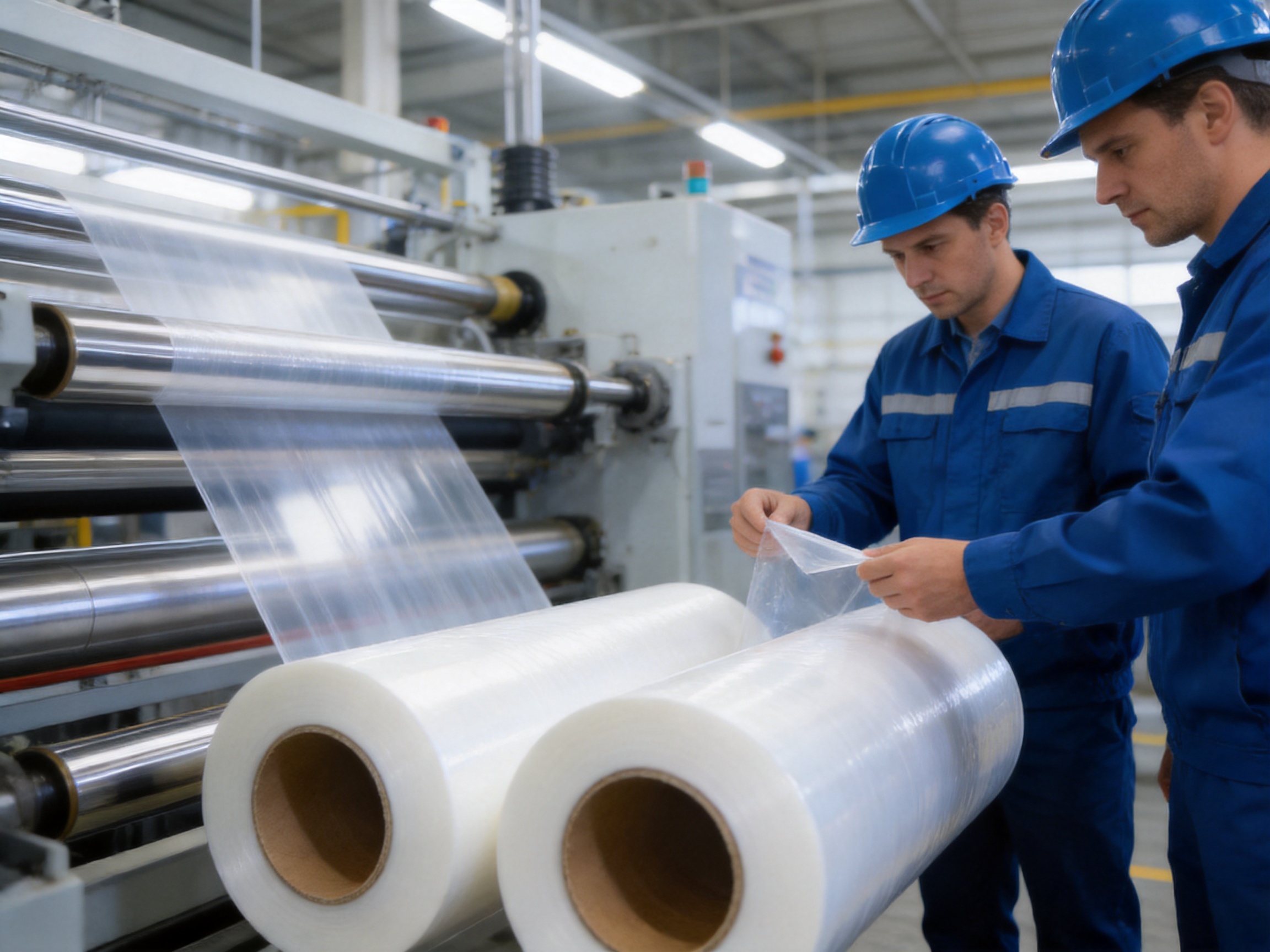
The performance of Transparent Protective Film Rolls can be understood through several core characteristics: clarity, stretchability, cling, puncture resistance, moisture resistance, and compatibility with packaging equipment. These characteristics work together to create a packaging material that is simple to use yet highly effective in industrial environments.
Clarity is essential for visibility. A clear PE film allows workers to inspect product labels and surface condition without removing the wrap. This reduces handling and supports traceability. In operations involving barcodes, QR codes, or printed product markings, clear film can reduce scanning interruptions and improve workflow.
Stretchability allows the film to wrap tightly around irregular shapes and palletized loads. When stretched, the film applies tension. The elastic recovery of the material helps hold items in place. This is especially valuable for logistics, where shifting during transportation can cause product damage, collapsed loads, or safety hazards.
Self-adhesion or cling helps the film layers bond to each other. Because the film clings to itself, it can secure packages without tapes, staples, or glue in many applications. This can reduce material combinations and simplify disposal. It also supports fast manual wrapping and automated wrapping processes.
Puncture resistance helps the film withstand minor contact with corners, edges, and handling stress. While sharp objects may still pierce thin film, appropriate thickness selection can improve durability. For products with harder surfaces or irregular shapes, thicker film may be selected to improve protection.
Moisture and dust resistance protect products from common environmental contaminants. The film creates a physical barrier that reduces exposure during storage and movement. It is especially useful in warehouses, workshops, construction material storage areas, and transport environments where dust and humidity are difficult to eliminate completely.
Processability is also important. The film can be slit into various widths, produced in different thicknesses, and used with manual dispensers or automated wrapping systems. For manufacturers and packaging departments, this flexibility makes it easier to match the film to specific product sizes, production speeds, and packaging budgets.
Typical Technical Specifications
Transparent Protective Film Rolls can be customized according to application needs. Thickness, width, roll length, core inner diameter, and stretch performance may vary depending on the intended use. Lighter films may be preferred for economical wrapping and large-area coverage, while thicker films may be chosen for improved puncture resistance or heavier loads.
| Parameter | Common Value | Practical Meaning |
| Material | Polyethylene, PE | Provides flexibility, stretchability, and chemical stability |
| Color | Clear | Allows visual inspection, label reading, and barcode scanning |
| Common Thickness | 15μm, 20μm, 23μm, 30μm, 35μm, 45μm, customizable | Different thicknesses support different strength and cost requirements |
| Common Width | 500mm, 1000mm, 1500mm, customizable | Supports manual wrapping, surface protection, and machine application |
| Core Inner Diameter | 76mm, 3 inches, or as requested | Compatible with standard dispensers and wrapping equipment |
| Length per Roll | Hundreds to thousands of meters depending on thickness and roll weight | Allows selection based on production volume and application method |
| Stretch Rate | Approximately 200% to 300%, subject to formula and process | Improves coverage and holding force while reducing material use |
| Light Transmittance | More than 90% in suitable clear grades | Maintains visibility of products and labels |
These specifications show that clear PE stretch film is not a single fixed product. It can be adjusted to fit different industries and operating conditions. A furniture factory may require a different width and thickness from a metalworking company. A logistics center using automated pallet wrapping equipment may have different film requirements than a workshop applying protection by hand. Customization helps ensure the material delivers the correct balance of strength, clarity, coverage, and cost.
Advantages Over Competing Packaging and Protection Materials
Transparent Protective Film Rolls compete with various packaging and surface protection materials, including paper wrapping, adhesive protective films, foam sheets, shrink film, strapping, and opaque stretch film. Each material has its own value, but clear PE stretch film offers a particularly strong balance of economy, convenience, visibility, and protection.
Compared with paper wrapping, clear PE stretch film provides better resistance to moisture and oil contamination. Paper can tear easily when exposed to humidity or rough handling, and it blocks visual inspection. Clear PE film remains flexible and transparent, allowing users to identify goods without unwrapping. It is also easier to apply tightly around irregular shapes.
Compared with adhesive protective films, PE stretch film often reduces the risk of adhesive residue because it relies on cling between film layers rather than pressure-sensitive adhesive applied directly to the product surface. This is useful when temporary protection is needed and the protected surface must remain clean. For sensitive surfaces, compatibility testing is still recommended, but the cling-based wrapping mechanism is a significant advantage.
Compared with foam sheets or bubble cushioning, transparent PE stretch film is thinner, lighter, and more cost-effective for general surface protection and load stabilization. Foam and bubble materials are useful for stronger impact absorption, but they take up more storage space and may not provide the same load-holding tension. Clear stretch film can be used alone for light protection or combined with cushioning materials when higher impact resistance is required.
Compared with shrink film, stretch film does not require heat application in normal use. This reduces energy consumption, equipment requirements, and heat exposure to products. For products that may be sensitive to heat, stretch wrapping is often more convenient. It also supports quick manual application without heat tunnels or shrink guns.
Compared with traditional strapping alone, stretch film provides surface coverage in addition to load stabilization. Strapping can secure a bundle, but it may create pressure marks on certain products and does not protect surfaces from dust or moisture. Stretch film distributes holding force over a larger area and forms a protective wrap. In many logistics operations, stretch film and strapping can be used together for heavy loads, but stretch film alone may be sufficient for lighter or well-structured cargo.
Compared with opaque stretch film, transparent film provides much better visibility. Opaque film may be useful for privacy or UV reduction, but it makes inspection more difficult. Transparent film is preferred when identification, scanning, and product appearance are important. This is especially relevant for warehouses, export packing, manufacturing transfers, and customer-facing deliveries.
Application in Building Materials and Construction Products
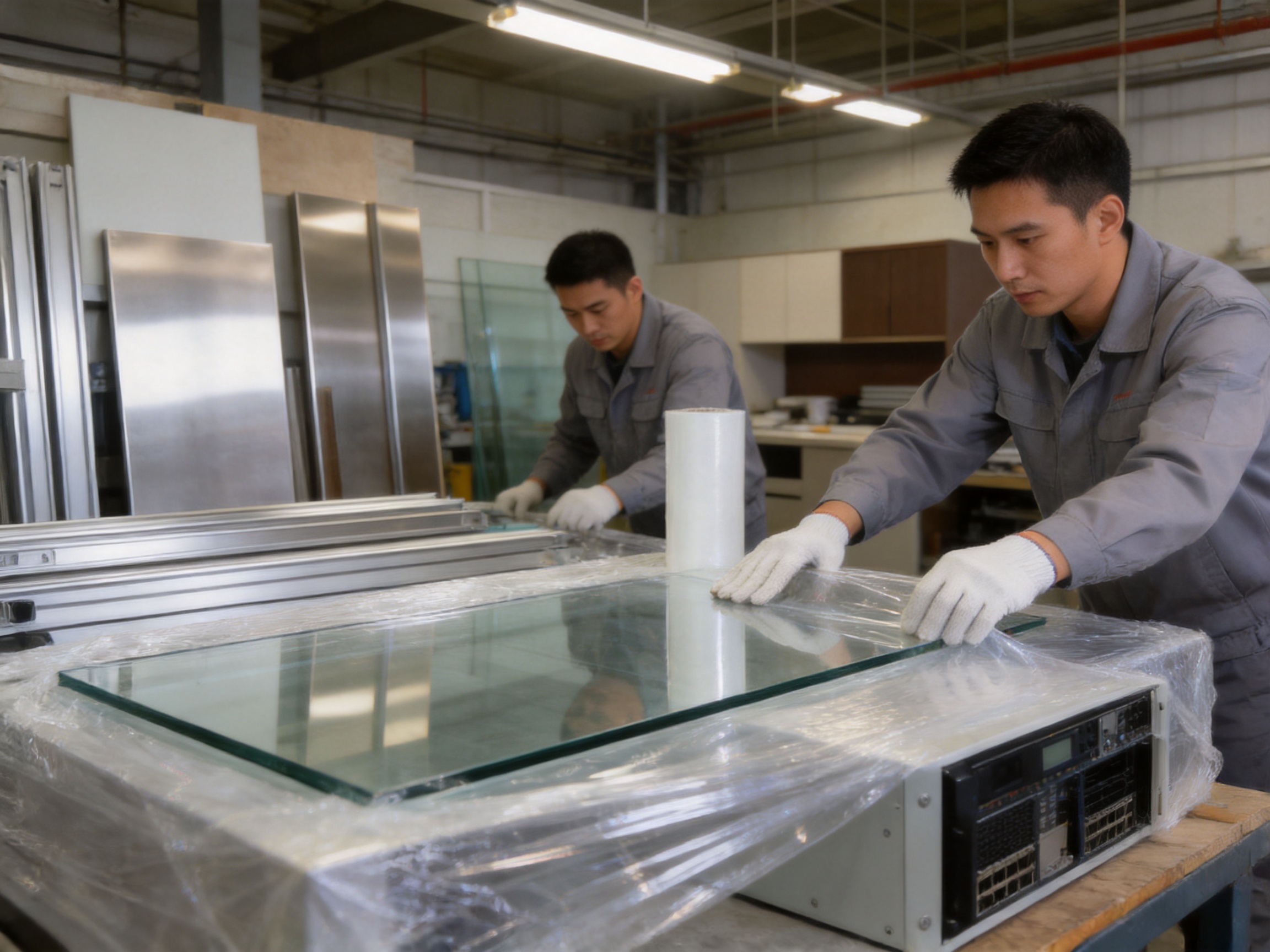
Building materials often have large surfaces that must remain clean and undamaged before installation. Aluminum windows and doors, stainless steel sheets, glass panels, artificial stone slabs, decorative boards, and profiles may be scratched, stained, or contaminated during transport and storage. Transparent Protective Film Rolls provide a flexible and economical way to cover these surfaces or wrap bundles securely.
For aluminum windows and doors, clear PE stretch film can protect exposed surfaces from dust and light abrasion. The transparency allows workers to confirm color, finish, size, and product label without removing the film. This is useful at construction sites, where materials may be moved multiple times before installation. A clear protective layer helps reduce damage caused by handling, stacking, and environmental exposure.
For stainless steel sheets and polished metal panels, surface appearance is a key value factor. Scratches, fingerprints, oil stains, and dust can reduce customer satisfaction and may require rework. Stretch film can protect surfaces during storage and transfer. For highly sensitive finishes, the film should be tested before full-scale use to confirm compatibility, especially if the product will remain wrapped for a long period or be exposed to heat.
Glass and artificial stone products can benefit from the film’s ability to prevent contamination and reduce friction. While the film does not replace structural protection against breakage, it helps keep surfaces clean and can reduce minor scuffing. When used with corner protectors, pallets, or cushioning pads, PE stretch film becomes part of a complete packaging system.
In the building materials industry, packaging often must cover large items. Custom film widths such as 1000mm or 1500mm can improve efficiency by reducing the number of wrapping passes. Larger widths may also create a smoother protective layer. This is one area where customized manufacturing capability becomes important, because the best film dimensions depend on product size, equipment, and packaging method.
Application in Metalworking, Machinery, and Industrial Manufacturing
Metalworking and industrial manufacturing environments often involve products with high surface value. Polished metal parts, machined components, precision machinery parts, and semi-finished assemblies may pass through several stages before final delivery. During these movements, surfaces can be exposed to dust, oil, friction, and accidental contact. Transparent Protective Film Rolls help reduce these risks while maintaining visibility.
For polished metal parts, clear PE stretch film can form a barrier that prevents direct rubbing between parts and packaging surfaces. This can reduce the likelihood of scratches during handling. Because the film is transparent, inspection teams can still check the component’s shape, finish, and identification marks. This is valuable in batch production, where many similar components may be handled together.
For precision machinery components, clean and stable packaging supports quality control. The film’s chemical inertia is beneficial because it is non-corrosive to many surfaces. However, as with any protective packaging, users should consider the specific oils, coatings, inks, or cleaning agents present on the product. Compatibility testing is recommended when the film will contact sensitive chemicals or when storage time is long.
Industrial manufacturing also benefits from fast application. Operators can manually wrap products or use automated equipment for higher volumes. Stretch wrapping requires no heat and no complex adhesive application. This makes it suitable for workshops where packaging must be quick, safe, and adaptable to different part shapes.
For inter-process protection, the film can be removed and reapplied more easily than many rigid packaging materials. This reduces time loss when parts must move between machining, polishing, inspection, and assembly. It also helps prevent contamination in waiting areas. For high-cleanliness applications, such as optical components or special electronics, a cleanroom-produced protective film should be selected, but for general industrial protection, clear PE stretch film offers a highly practical solution.
Application in Furniture Manufacturing and Finished Goods Packaging
Furniture products often have visible decorative surfaces, coatings, laminates, painted finishes, metal hardware, glass inserts, or plastic components. These surfaces must be protected from scratches, dust, and moisture during factory handling and delivery. Transparent PE stretch film is widely suitable for furniture packaging because it wraps irregular shapes tightly while preserving visibility.
During furniture manufacturing, products may move from assembly to finishing, inspection, warehousing, and shipping. Each movement creates potential contact with carts, pallets, tools, or other furniture pieces. Clear protective film provides an outer barrier that reduces friction and keeps surfaces cleaner. Since the film is transparent, workers can confirm model, color, surface finish, and accessories without opening the package.
For finished furniture, appearance at delivery is critical. Even minor scratches or stains can lead to customer complaints or returns. Using clear PE stretch film helps protect the finish during short-distance and long-distance transport. It can also be combined with cardboard corners, foam pads, or corrugated sheets for stronger protection at edges and impact-prone areas.
Furniture packaging also benefits from the film’s flexibility. A single roll can be used for chairs, tables, cabinets, panels, and other shapes. This reduces the need to stock many different packaging materials. For production sites handling varied product sizes, such flexibility can simplify inventory and reduce packaging preparation time.
Compared with adhesive tapes applied directly to furniture surfaces, PE stretch film is often safer because it does not require adhesive contact with the finish. The wrap holds through tension and film-to-film cling. However, furniture finishes can vary widely, so compatibility checks remain a best practice, especially for freshly painted, lacquered, or chemically treated surfaces.
Application in Electronics and Sensitive Components
Electronics manufacturing requires careful protection against scratches, dust, fingerprints, and handling contamination. Components such as LCD screens, plastic casings, panels, and intermediate assemblies may need temporary protection during production or transportation. Transparent Protective Film Rolls can support these needs when the cleanliness requirements are compatible with standard industrial film.
The main advantage in electronics applications is visibility. Operators can inspect screens, casings, labels, and component orientation without removing the film. This is valuable in assembly lines where speed and accuracy are both important. Clear film also helps protect parts during transfer between production stations.
For plastic casings and electronic housings, the film reduces surface friction and contamination. It can protect glossy or textured finishes from dust and minor scratches. For LCD screens or optical surfaces, users should determine whether a specialized cleanroom-produced film is needed. Standard industrial stretch film is effective for many general protection tasks, but ultra-clean applications may require stricter particle control and surface compatibility.
Another benefit is that the film can be used as temporary packaging during internal movement. Not every product needs final retail packaging while moving between process steps. Clear PE stretch film offers a cost-effective temporary protective layer that can be removed before final assembly or packaging.
Electronics companies also care about consistent roll quality. Uneven film thickness, unstable cling, or poor clarity can create production interruptions. A manufacturer with controlled extrusion, slitting, winding, and inspection processes can provide more reliable film for repeated industrial use. This is where the production strength of Zhejiang Geruite Packaging Materials Co., Ltd. supports customers who need dependable packaging materials rather than inconsistent commodity film.
Application in Logistics, Pallet Unitization, and Cargo Stabilization
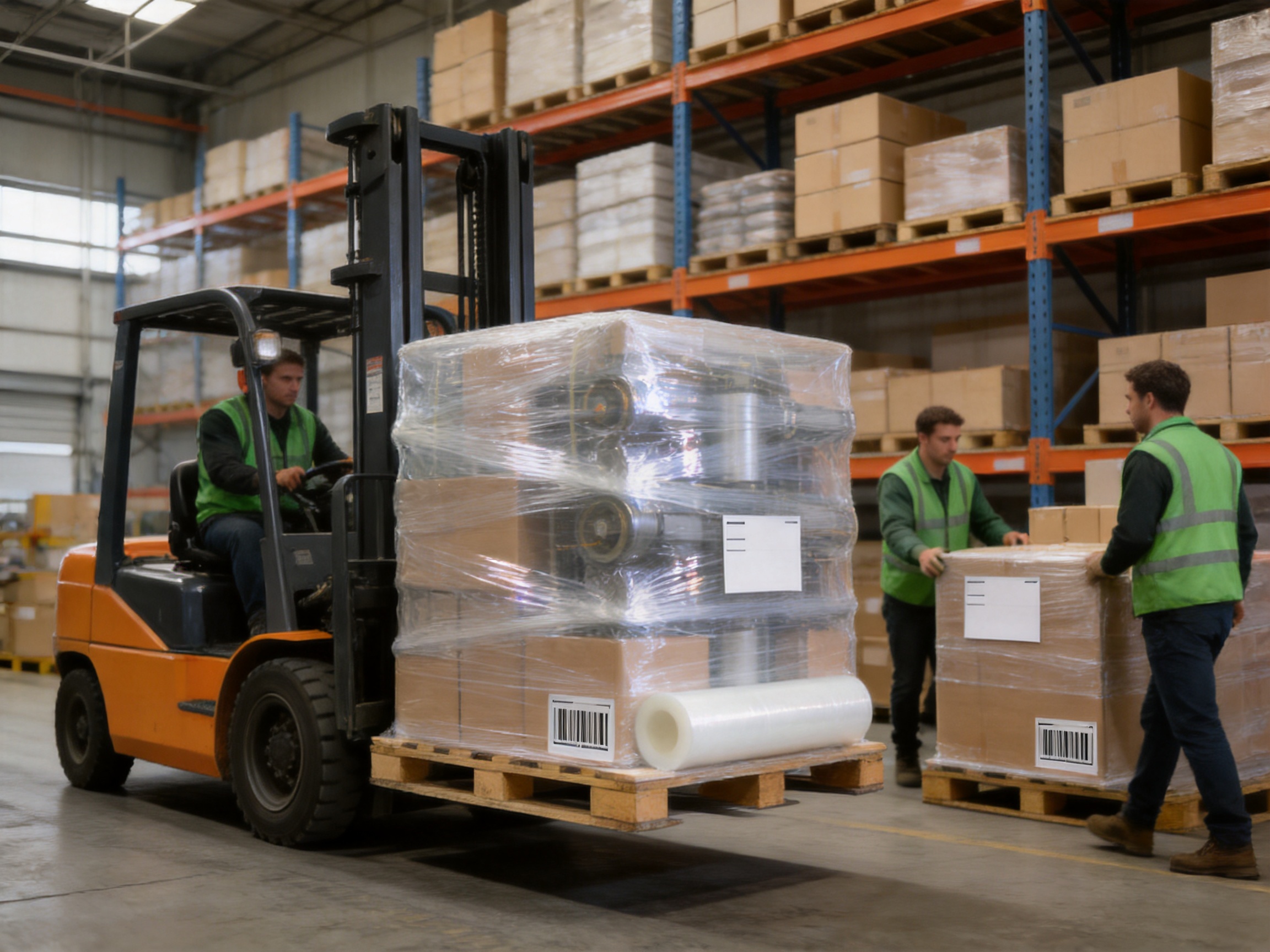
Logistics is one of the most common and important application areas for PE stretch film. During transportation, goods may experience vibration, acceleration, braking, stacking pressure, and repeated handling. If cargo is not stabilized, products may shift, fall, or become damaged. Transparent Protective Film Rolls help unitize products on pallets, bundle items, and provide surface protection during shipment.
The film’s stretch recovery creates holding force around the load. When applied correctly, it helps keep cartons, boxes, bags, or components together. This can improve safety in warehouses and during transport. A stable load is less likely to collapse, reducing damage risk and improving handling efficiency.
Transparency is also valuable in logistics. Pallet labels, product marks, and shipping documents remain visible through the film. This supports barcode scanning and inventory control. Warehouse employees can identify goods without cutting open the wrap. For mixed loads or cross-docking operations, this saves time and reduces errors.
Clear stretch film can also reduce the need for excessive strapping in some applications. Traditional strapping secures loads with concentrated tension lines, while stretch film provides distributed containment over the entire surface. For many palletized goods, stretch film offers both load stabilization and environmental protection. For very heavy or unstable loads, it may be used together with PP or PET strapping for stronger security.
In logistics, cost per wrapped pallet is a major consideration. Because PE stretch film can stretch significantly, it offers high coverage per unit of material. Good film performance allows users to achieve secure wrapping with less film, reducing waste and cost. This is one of the most important commercial advantages of high-quality stretch film over low-grade alternatives that break easily, require excessive layers, or provide poor holding force.
Manufacturing Strengths Behind Reliable Film Performance
The quality of transparent protective film depends not only on raw material selection but also on manufacturing control. Film clarity, thickness uniformity, winding quality, stretch performance, puncture resistance, and roll stability are all influenced by production technology. Zhejiang Geruite Packaging Materials Co., Ltd. has built its business around packaging material development, production, and sales, with a focus on stable quality and practical industrial performance.
Advanced production equipment supports consistent film extrusion and roll formation. In stretch film manufacturing, small variations in thickness can affect performance. If the film is too thin in certain areas, it may tear during application. If it is too thick in others, material usage increases unnecessarily. A controlled production process helps maintain uniform gauge and predictable strength.
Raw material control is another essential factor. PE resin selection, additive formulation, and process settings all influence clarity, cling, stretch rate, and puncture resistance. A professional packaging material manufacturer evaluates these factors according to customer application requirements. For example, a film designed for high-visibility product wrapping may prioritize clarity, while a film for heavier pallet loads may require improved toughness and holding force.
Slitting and winding quality also matter. A roll that is poorly wound may telescope, wrinkle, jam in equipment, or create uneven application tension. Smooth roll edges reduce handling problems and improve compatibility with dispensers and automated wrapping machines. For manual users, well-wound rolls also improve operator efficiency and reduce waste.
Quality control throughout procurement, production, and final inspection helps ensure product reliability. Zhejiang Geruite Packaging Materials Co., Ltd. emphasizes quality as a core part of its business philosophy. By managing each stage from raw materials to final inspection, the company supports consistent performance for customers in logistics, construction, electronics, industrial manufacturing, and other sectors.
Customization Capability and Product Matching
Different industries require different film specifications. A one-size-fits-all approach may lead to unnecessary cost or insufficient protection. Transparent Protective Film Rolls can be customized in thickness, width, core size, roll length, and performance characteristics. This allows customers to select film that matches their product dimensions, application method, and protection requirements.
Thickness selection is one of the first decisions. A 15μm or 20μm film may be suitable for light-duty wrapping, dust protection, or economical large-area coverage. A 23μm or 30μm film may provide a stronger balance for general industrial packaging. Thicker grades such as 35μm or 45μm may be selected for more demanding surface protection, sharper product edges, or heavier loads. The correct choice depends on the product shape, weight, handling conditions, and required protection level.
Width selection affects application efficiency. Narrower rolls may be easier for manual wrapping of small items or irregular shapes. Wider rolls, such as 1000mm or 1500mm, can cover large surfaces more quickly and reduce overlap. For automated equipment, roll width must match machine requirements. Custom width production supports better packaging productivity and material control.
Roll length and core diameter also influence usability. Standard 76mm, 3-inch cores are compatible with many dispensers and machines. Custom core dimensions may be requested when equipment or application conditions require them. Longer rolls reduce roll change frequency in high-volume operations, while smaller rolls may be easier for manual use.
Customization is especially valuable when customers need to balance cost and protection. Over-specifying film can increase packaging expense, while under-specifying can lead to damage, film breakage, or rework. A supplier with experience in multiple packaging materials can help customers identify the appropriate film grade and, when needed, combine it with tape, strapping, or other protective materials.
Cost-Effectiveness and Waste Reduction
Packaging cost should be measured not only by the price per roll, but also by total performance in use. A lower-cost film that tears often, stretches poorly, or requires many extra layers may actually cost more per package. High-quality Transparent Protective Film Rolls help reduce waste by offering better stretch, cling, and stability during application.
Because the film can stretch approximately 200% to 300% depending on formulation and process, one roll can cover a large area. Stretchability improves material efficiency. When properly applied, the film creates tension that holds products securely without excessive layers. This reduces consumption, roll changes, and disposal volume.
Good puncture resistance also supports cost savings. Film breaks create downtime, waste material, and inconsistent wrapping. In manual wrapping, frequent breaks slow operators and increase frustration. In automated wrapping, film failure can stop production and require reset time. Reliable film reduces interruptions and improves packaging productivity.
Clear visibility can also reduce costs indirectly. If workers can scan labels and inspect goods without removing packaging, labor time decreases. Fewer opened packages mean less rewrapping and lower risk of contamination or damage. In warehouses, faster identification improves inventory accuracy and order fulfillment.
Compared with bulkier packaging materials, stretch film occupies less storage space. Rolls are compact relative to the coverage they provide. This can reduce warehouse space requirements and improve material handling. For companies managing many packaging consumables, compact and versatile film simplifies inventory management.
Waste reduction is also supported by correct specification selection. Using the right thickness and width prevents overuse. A professional supplier can help customers optimize film grade for the actual application, avoiding both under-protection and unnecessary material consumption.
Quality Control and Consistency for Industrial Buyers
Industrial buyers need packaging materials that perform consistently from roll to roll. Inconsistent film can cause operational problems, product damage, and customer dissatisfaction. Quality control is therefore a major differentiator between reliable manufacturers and low-quality competitors.
Important quality factors include thickness uniformity, tensile strength, elongation, puncture resistance, cling level, clarity, roll winding, edge quality, and cleanliness. Each factor affects application. For example, inconsistent cling may cause film tails to loosen, while poor edge quality may lead to tearing. Low clarity may interfere with barcode scanning or product inspection.
Zhejiang Geruite Packaging Materials Co., Ltd. applies a rigorous approach from raw material procurement to production and final inspection. This helps ensure that products meet diverse customer needs and maintain stable performance. The company’s broader packaging material experience also strengthens its understanding of how film interacts with tapes, strapping, cartons, pallets, and automated packaging systems.
Consistency is particularly important for automated packaging equipment. Machines depend on predictable film tension and roll behavior. If rolls vary too much, the equipment may require frequent adjustment. Stable film helps improve packaging line efficiency and reduces machine downtime.
For export customers or buyers operating across multiple sites, consistent specifications are essential. A film purchased today should perform similarly to the next batch. Reliable manufacturing processes and quality control systems help support this expectation. This reliability is one of the most important advantages over suppliers that focus only on low price without process discipline.
Storage, Handling, and Safe Application
To maintain film performance, proper storage is important. Transparent Protective Film Rolls should be stored in a dry, cool place away from direct sunlight and heat sources. Excessive heat may affect roll shape, cling behavior, or film performance. Direct sunlight may also accelerate material aging, especially for standard grades without UV inhibitors.
For short-term outdoor storage, some formulas can include UV inhibitors. However, outdoor exposure should always be considered carefully. Temperature, sunlight intensity, humidity, and storage duration can influence film behavior. If outdoor use is expected, customers should request suitable film formulation and perform application testing.
During manual application, gloves are recommended to protect workers from cuts caused by film edges or roll handling. Although PE film is flexible, the edge of a stretched film or roll can still cause discomfort or minor injury. Safe handling practices improve workplace safety and operator confidence.
Compatibility testing is recommended when the film will contact sensitive inks, coatings, chemicals, or surfaces for long periods. Prolonged contact with certain inks or chemicals may cause residue, transfer, or dissolution. Testing before large-scale use helps prevent unexpected surface issues.
For extremely high cleanliness applications, such as optical components, precision displays, or specialized electronics, users should select cleanroom-produced protective film. Standard industrial transparent stretch film is suitable for many packaging and surface protection tasks, but ultra-clean environments require stricter controls for particles, additives, and surface contact.
How to Select the Right Transparent Protective Film
Selecting the right film begins with understanding the product being protected. Important questions include: What is the product surface? How sensitive is it to scratches? Will the film contact paint, ink, oil, or chemical coatings? How long will the product remain wrapped? Will it be stored indoors or outdoors? Will wrapping be manual or automated? What level of load stabilization is required?
For light dust protection and short-term wrapping, a thinner film may be sufficient. For products with sharper edges, heavier loads, or longer transportation routes, a thicker and tougher film may be better. For surfaces requiring high visibility, clear film with strong light transmittance is preferred. If barcodes must be scanned through the wrap, clarity and smooth application become especially important.
Application method also matters. Manual wrapping requires film that is easy to stretch and handle without excessive force. Machine wrapping may require film with stable tension behavior and roll quality. If film is used on automated packaging lines, roll consistency and compatibility with equipment should be confirmed.
Environmental conditions should be considered. Indoor storage in a dry warehouse is less demanding than outdoor exposure. If products will be exposed to sunlight, UV-inhibited options may be considered for short-term outdoor suitability. If moisture exposure is likely, sufficient overlap and proper wrapping technique are needed to create effective coverage.
Finally, buyers should consider total value rather than only roll price. A better film can reduce waste, improve wrapping speed, protect products more effectively, and lower claims or rework. Working with an experienced packaging material supplier helps ensure the selected film meets actual operating needs.
Company Strengths Supporting Global Packaging Needs
Zhejiang Geruite Packaging Materials Co., Ltd. is located in Zhejiang Province, China, an area known for developed manufacturing and active industrial supply chains. The company focuses on research, development, production, and sales of high-performance tapes and packaging materials. Its product range includes BOPP tapes, kraft paper tapes, masking tapes, high-temperature resistant tapes, metal tapes, PE stretch film, PP strapping, and high-strength PET strapping.
This broad product portfolio is a strength because industrial packaging often requires multiple materials working together. A pallet may need stretch film, strapping, tape, and protective pads. A manufacturing line may use masking tape for processing, PE film for surface protection, and strapping for shipment. A supplier with knowledge across these categories can better understand customer needs and recommend compatible packaging solutions.
The company has built its reputation through product quality and professional service. With advanced production equipment and quality control systems, it strives for stable performance in every stage of production. Its annual output value has reached over RMB 60 million, reflecting established production capacity and market acceptance.
For customers purchasing Transparent Protective Film Rolls, this manufacturing foundation matters. Reliable supply, technical understanding, customization capability, and quality control all help reduce procurement risk. Buyers need packaging materials that arrive on time, match specifications, and perform consistently. A packaging material manufacturer with integrated production knowledge is better positioned to support these requirements.
The company’s commitment to technological research and product structure optimization also supports future development. As packaging requirements evolve, customers may need films with improved strength, better clarity, lower material consumption, enhanced weather resistance, or compatibility with automated systems. Continuous improvement helps ensure the product remains competitive in demanding markets.
Frequently Asked Questions
What is Transparent Protective Film Roll made from?
It is made from polyethylene, commonly known as PE. PE provides flexibility, stretchability, clarity, and chemical stability, making it suitable for industrial packaging and surface protection.
Does the film use adhesive?
The film generally secures items through stretch recovery and layer-to-layer cling rather than additional adhesive. This helps reduce packaging complexity and can lower the risk of adhesive residue in many wrapping applications.
Can labels and barcodes be scanned through the film?
Yes, the clear film provides high visibility and can allow labels, product markings, and barcodes to remain visible. Actual scanning performance depends on film clarity, wrapping smoothness, label quality, and scanner conditions.
What thickness should be selected?
The best thickness depends on the application. Thinner films such as 15μm or 20μm may suit light-duty wrapping, while thicker films such as 30μm, 35μm, or 45μm may be better for heavier loads, sharper edges, or stronger surface protection.
Can the film be used outdoors?
Standard film should be stored away from direct sunlight and heat. For short-term outdoor storage, formulas with UV inhibitors may be considered. Users should confirm requirements with the supplier and perform testing under actual conditions.
Is it suitable for electronics?
It can be used for many electronics-related protection tasks, such as plastic casings, panels, and inter-process protection. For optical components or extremely high-cleanliness applications, specialized cleanroom-produced film should be selected.
Can the product be customized?
Yes, thickness, width, roll length, core inner diameter, and performance characteristics can be customized according to application and equipment requirements.
How should the film be stored?
It should be stored in a dry, cool place away from direct sunlight, heat sources, and harsh chemical exposure. Proper storage helps maintain clarity, cling, and stretch performance.
Why choose clear PE stretch film instead of paper or opaque wrapping?
Clear PE stretch film offers moisture resistance, stretchability, self-cling, and visibility. It protects products while allowing inspection and scanning, which paper and opaque materials cannot provide as effectively.
What industries commonly use this film?
Common industries include building materials, metalworking, furniture manufacturing, electronics, logistics, transportation, warehousing, and general industrial manufacturing.
Conclusion
Transparent Protective Film Rolls provide a strong combination of clarity, stretchability, cling, puncture resistance, dust protection, and moisture resistance. For industrial users, these characteristics translate into practical benefits: easier inspection, reduced surface damage, improved load stability, lower packaging complexity, and better material efficiency. The film is suitable for a wide variety of applications, from building materials and metalworking to furniture, electronics, logistics, and pallet unitization.
Compared with competing materials, clear PE stretch film offers an excellent balance of performance and cost. It is more visible than paper or opaque film, does not require heat like shrink film, provides broader surface coverage than strapping alone, and avoids many adhesive-related concerns associated with direct adhesive protective materials. Its high stretch rate can reduce material consumption, while its transparency supports scanning, inspection, and inventory control.
The quality of the film depends heavily on manufacturing strength. Controlled raw material selection, stable extrusion, precise slitting, proper winding, and rigorous inspection are essential for consistent industrial performance. Zhejiang Geruite Packaging Materials Co., Ltd. supports these requirements with advanced production equipment, broad packaging material expertise, and a commitment to quality control. Its experience across tapes, PE stretch film, PP strapping, and PET strapping enables it to understand complete packaging systems rather than isolated products.
For companies seeking reliable surface protection and logistics packaging, Transparent Protective Film Rolls represent a practical, economical, and efficient choice. With proper specification selection, storage, and application, clear PE stretch film can help protect product value, improve packaging workflow, and support safer, cleaner, and more transparent supply chain operations.
References
1. Soroka, W. Fundamentals of Packaging Technology. Institute of Packaging Professionals.
2. Robertson, G. L. Food Packaging: Principles and Practice. CRC Press.
3. Yam, K. L. The Wiley Encyclopedia of Packaging Technology. Wiley.
4. Mark, J. E. Polymer Data Handbook. Oxford University Press.
5. Selke, S. E. M., Culter, J. D., and Hernandez, R. J. Plastics Packaging: Properties, Processing, Applications, and Regulations. Hanser Publications.
6. ASTM International. Standard Test Methods for Tensile Properties of Thin Plastic Sheeting.
7. ASTM International. Standard Practices for Conditioning Plastics for Testing.
Product: Transparent Protective Film Rolls, Clear PE Stretch Film

LATEST POST
Let’s create something amazing together
contact usFeatured Products
-
Transparent Protective Film Rolls, Clear PE Stretch Film
-
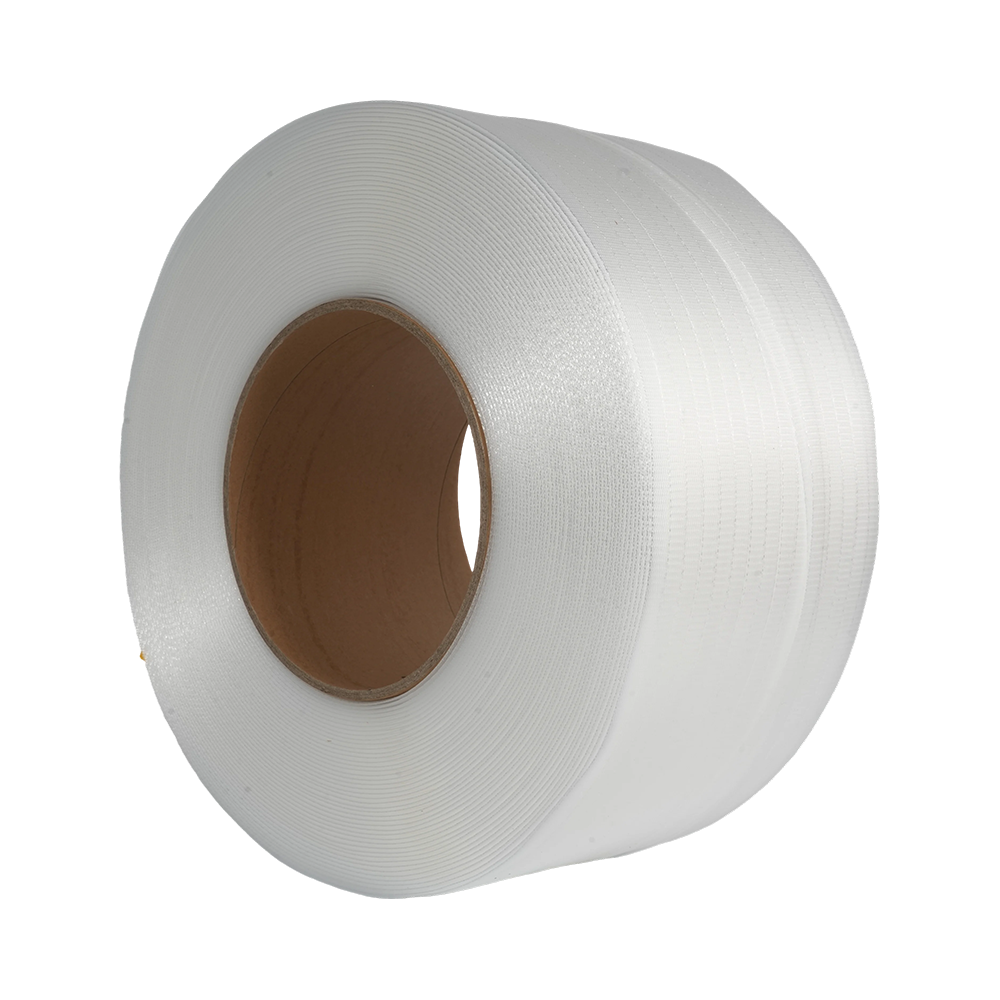
Transparent Strapping Band, Clear PP Packing Strap For Pelletizing Machine
-
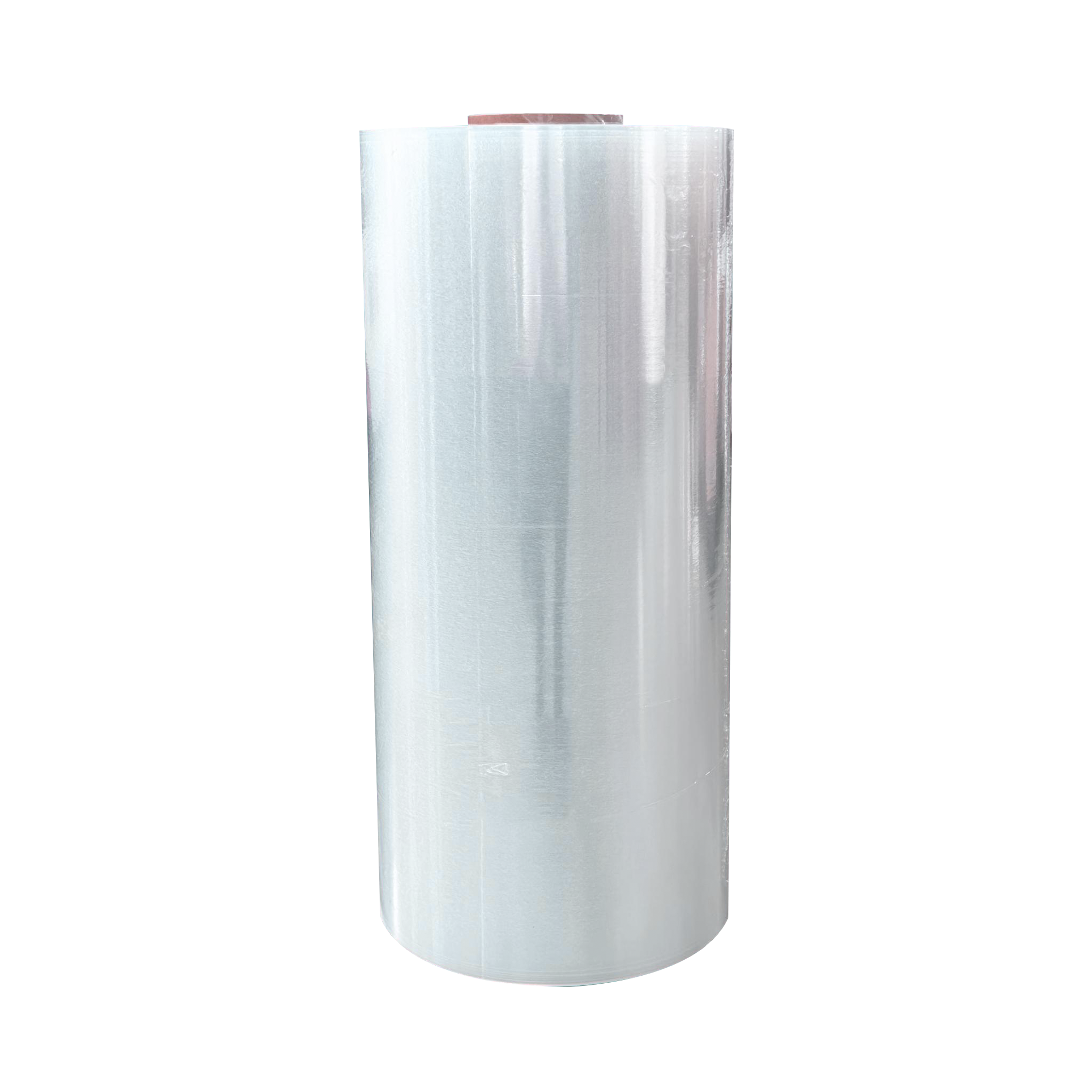
Transparent machine stretch film
-
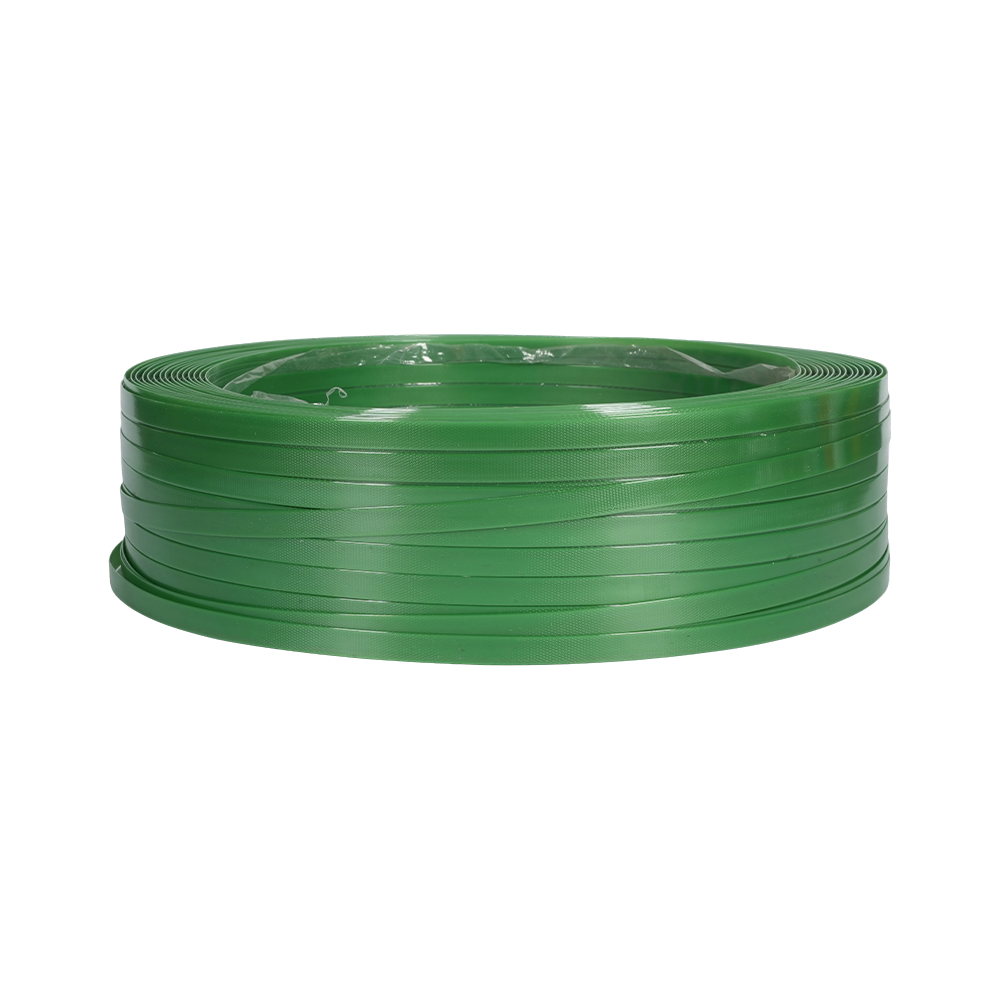
1608/1610/1910/2512 Handheld Transparent P+E+T Plastic Steel Belt
-
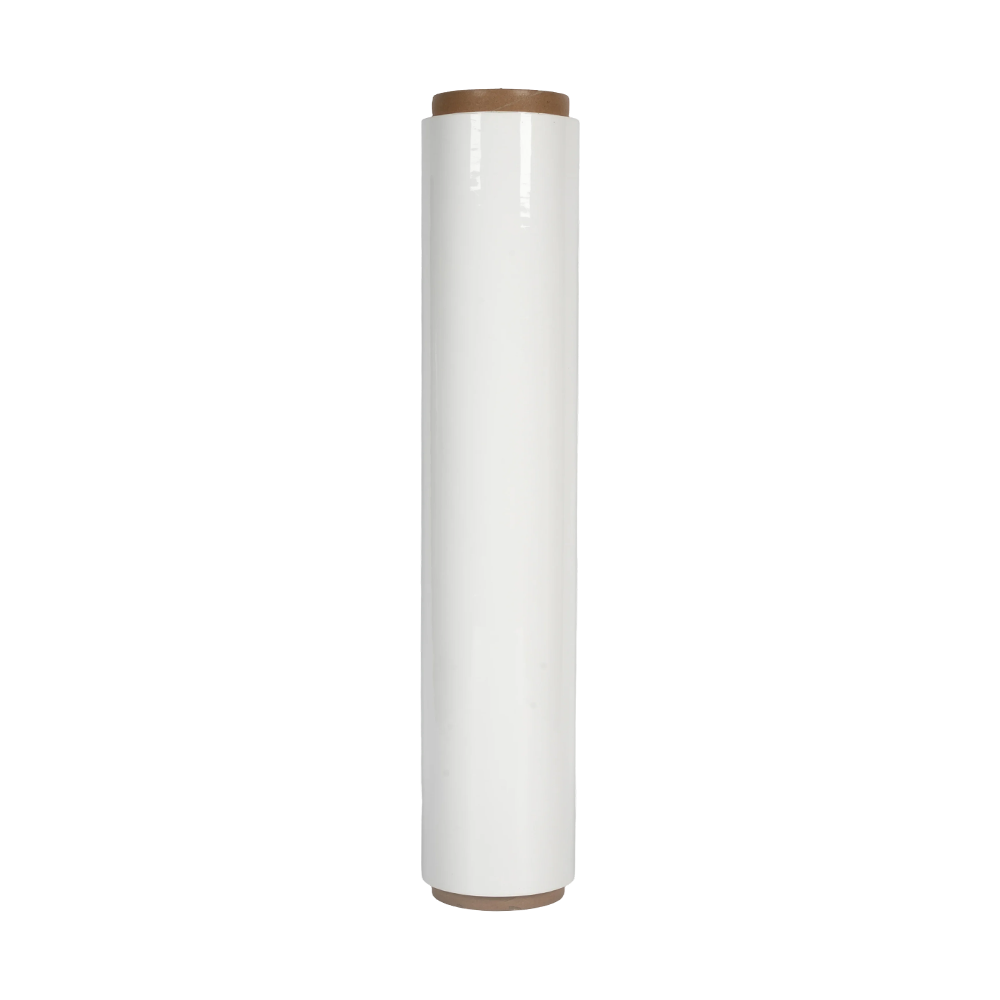
Clear Construction Building Protective Plastic Sheeting Film
-
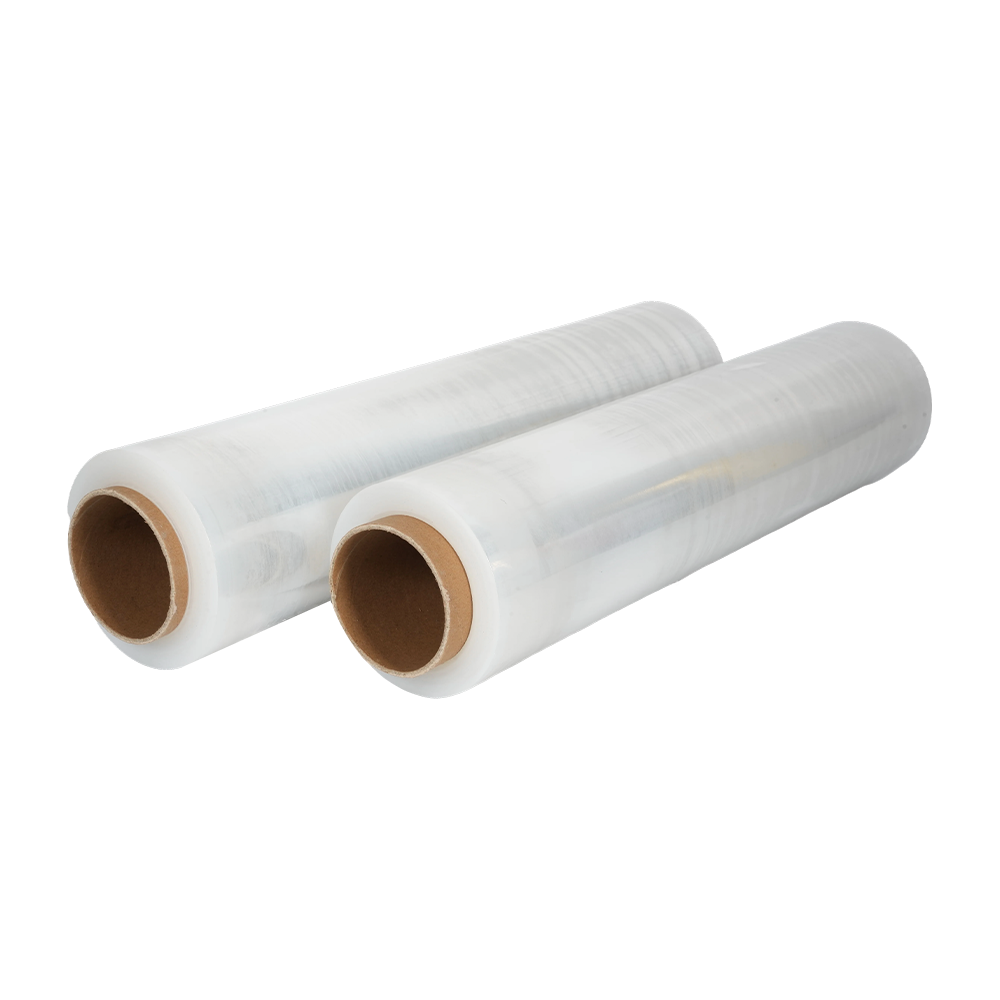
PE Hand-held stretch wrap
CONTACT DETAILS
- Address:No. 241, Yaojiafan, Zhangpanqiao, Shushan Street, Xiaoshan District, Hangzhou City, Zhejiang Province, China
- TEL:+86-0571-83175630
- Phone:+86-13336160217
- Email:anqiaocun@163.com
PRODUCTS
NEWS CENTER
MOBILE TERMINAL
Copyright© Zhejiang Geruite Packaging Materials Co., Ltd. All Rights Reserved.
Privacy Wholesale industrial packaging tape Manufacturers