


 English
  Español
  عربى
عربى 
Industrial Surface Protection Film: Reliable Temporary Protection for Manufacturing, Transport, and Storage
Content
- 1 What Is Products Protective Film?
- 2 Core Product Specifications
- 3 How the Film Protects Product Surfaces
- 4 Advantages Compared with Conventional Protection Methods
- 5 Material Design and Adhesive Control
- 6 Manufacturing Process and Quality-Control Strengths
- 7 Surface Compatibility
- 8 Industrial Applications
- 9 Commercial and Household Applications
- 10 Application Procedure
- 11 Storage and Handling Recommendations
- 12 Why Custom Slitting Matters
- 13 Quality, Service, and Manufacturing Reliability
- 14 How to Select the Right Protective Film
- 15 Limitations and Responsible Use
- 16 Application Troubleshooting
- 17 Economic and Operational Benefits
- 18 Frequently Asked Questions
- 18.1 What surfaces can this protective film cover?
- 18.2 What is the standard thickness?
- 18.3 Can the width be customized?
- 18.4 Is the film transparent?
- 18.5 What adhesive levels are available?
- 18.6 How long can the film remain on the surface?
- 18.7 Can the film protect against heavy impact?
- 18.8 How should the surface be prepared?
- 18.9 Can it be used outdoors?
- 18.10 What makes this product different from ordinary plastic sheeting?
- 18.11 Can it be combined with other packaging materials?
- 18.12 How should buyers evaluate a supplier?
- 19 Conclusion
- 20 References
- 21 Product: 0.03-0.06 Products protective film
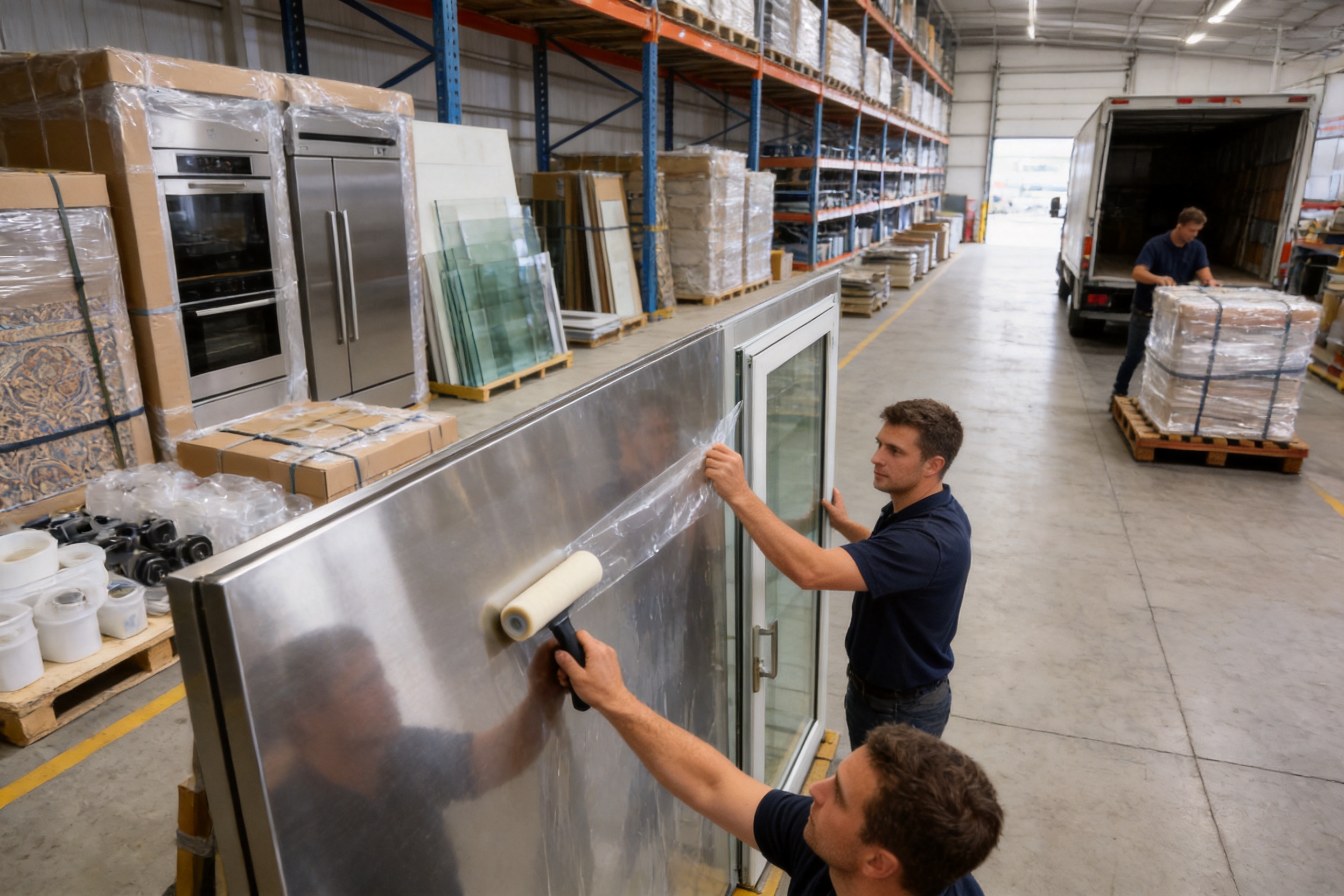
Surface damage can reduce the value of a finished product long before it reaches the customer. Scratches on polished metal, fingerprints on glass, dust on plastic panels, and scuffs on appliance housings may appear minor during manufacturing or transportation, yet they can create costly rework, customer complaints, rejected shipments, and unnecessary waste. A suitable protective film provides a practical barrier between the substrate and the surrounding environment, helping manufacturers maintain appearance and cleanliness throughout handling, assembly, packaging, and delivery.
The 0.03–0.06 mm products protective film described in this article is a thin, transparent temporary protection material developed for smooth and regular surfaces. It is designed to buffer ordinary physical contact, isolate dust and oil, and help prevent minor scratches during short- and medium-term handling. With controlled adhesion, easy removal, customizable width, and compatibility with common substrates such as glass, metal, and plastic, the film supports a wide range of industrial and commercial applications.
Unlike heavy permanent coverings or complex protection systems, this type of film is lightweight, economical, and simple to apply. It can be integrated into production lines, packaging procedures, warehouse operations, installation work, and household moving projects without significantly increasing product weight or handling time. Its high transparency also allows operators to identify the protected surface without removing the film.
What Is Products Protective Film?
Products protective film is a temporary adhesive film applied directly to the surface of an item. Its primary purpose is not to create a permanent coating or provide structural reinforcement. Instead, it acts as a removable protective layer that reduces contact between the substrate and common sources of damage, including friction, dust, oil, moisture from handling, and light abrasion.
The film generally consists of a polyethylene or polyvinyl chloride base layer combined with a pressure-sensitive adhesive system. The base film provides flexibility, transparency, and physical separation from the outside environment. The adhesive keeps the film in position while allowing it to be removed when the protection period is complete. The balance between adhesion strength, peelability, flexibility, and surface compatibility is essential to the performance of the finished material.
The common thickness range for this product is 0.03 mm to 0.06 mm, while other thicknesses from approximately 0.03 mm to 0.15 mm may be available depending on the application. Lower thicknesses are appropriate when flexibility, low material consumption, and easy conformability are important. A thicker film may be selected when the protected item requires additional resistance to handling friction or surface contact.
Because surface conditions differ significantly between industries, protective film is not a one-size-fits-all product. A film suitable for smooth glass may not be ideal for a textured plastic panel. Similarly, a low-tack adhesive used on a delicate decorative surface may not provide sufficient holding power for a metal sheet that will be moved repeatedly. For this reason, manufacturers commonly provide different adhesion levels, including low-tack and medium-tack options.
Core Product Specifications
| Parameter | Specification |
| Product Type | Temporary surface protective film |
| Common Thickness | 0.03 mm–0.06 mm |
| Broader Customizable Thickness Range | Approximately 0.03 mm–0.15 mm, depending on requirements |
| Typical Base Materials | Polyethylene (PE) or polyvinyl chloride (PVC) |
| Adhesion Options | Low-tack and medium-tack selections |
| Appearance | High-transparency film for easy substrate identification |
| Width | Custom slitting available |
| Primary Function | Temporary protection against dust, oil, friction, and minor scratches |
| Recommended Application | Clean, dry surfaces at room temperature |
| Suggested Removal Period | Within six months of application |
The table presents the standard product profile, but the final specification should be selected according to the substrate, application method, protection duration, storage conditions, and removal requirements. A professional supplier can help evaluate these factors before mass production or regular purchasing begins.
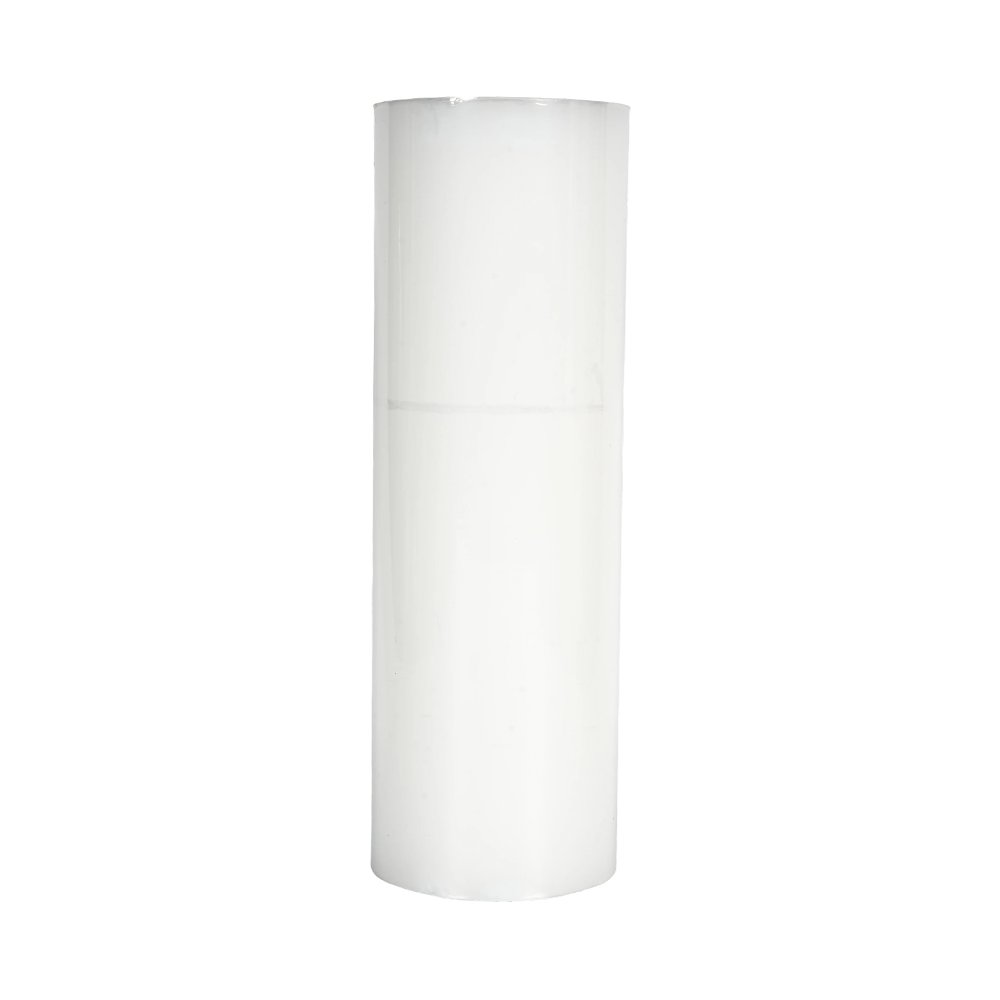
0.03-0.06 Products protective film
How the Film Protects Product Surfaces
The film protects surfaces through several complementary functions. First, it creates a physical separation between the substrate and external objects. During stacking, movement, assembly, or transportation, the film absorbs or distributes part of the contact and reduces direct rubbing. This is especially useful for polished materials whose appearance can be affected by very small particles trapped between two surfaces.
Second, the film helps isolate the surface from dust and ordinary dirt. In manufacturing and warehouse environments, airborne particles may settle on exposed items and become embedded during subsequent handling. A temporary film layer keeps much of this contamination away from the substrate, helping reduce cleaning requirements before installation or final delivery.
Third, the film can reduce the effects of fingerprints and light oil contamination. Operators frequently handle components while wearing gloves or working with tools and lubricants. When the film is applied before these operations, the protective layer receives much of the incidental contamination instead of the finished product.
Fourth, the adhesive helps the film remain in place. Proper adhesion prevents premature lifting, curling, and movement, all of which may expose part of the surface. At the same time, the adhesive must not bond so aggressively that it damages the surface or leaves residue during removal. The product is therefore designed around controlled adhesion rather than maximum adhesion alone.
Advantages Compared with Conventional Protection Methods
Compared with Paper Wrapping
Paper wrapping can provide basic separation, but it may shift during transportation and can generate dust or fibers. Paper also tends to absorb moisture, oils, and other contaminants. Transparent protective film remains directly attached to the surface, allowing more consistent coverage and making it possible to inspect the protected item without unwrapping it.
Film is also easier to use on smooth panels, glass, metal sheets, and plastic housings with regular shapes. Paper may require additional tape, folding, or manual securing, while protective film can often be applied in a continuous sheet or roll format. This can reduce preparation time and improve the uniformity of the protection process.
Compared with Loose Plastic Sheets
Loose plastic sheets offer a barrier, but they may slide, fold, or expose sections of the product. They generally require external straps, tape, or packaging materials to remain in position. Adhesive protective film is attached directly to the surface, so it can provide more stable coverage during short-term storage and movement.
The transparent appearance is another advantage. Operators can examine the item, identify labels, confirm surface condition, and organize inventory without removing the film. This supports better process visibility than opaque or loosely placed coverings.
Compared with Heavy Protective Boards or Foam
Foam, corrugated board, and rigid protective panels can offer stronger impact protection, but they also add bulk, weight, and cost. They may be appropriate for severe impact risks, but they are often excessive for ordinary dust, friction, and light scratch prevention. Thin protective film is more efficient when the primary concern is preserving appearance during normal handling rather than absorbing major impacts.
The film can also be used together with foam, cardboard, pallets, or cartons. In this arrangement, the film protects the surface directly while the outer packaging provides cushioning and structural protection. This layered approach allows users to select the minimum appropriate protection for each risk.
Compared with Permanent Coatings
Permanent coatings may provide long-term protection, but they can require specialized application equipment, curing time, chemical handling, and additional quality-control procedures. They may also alter the appearance or surface characteristics of the product. Temporary protective film is intended to be removed after processing, installation, or delivery, making it more suitable for products that need a clean final surface without a permanent covering.
Compared with Excessive Adhesive Tape Use
Using multiple strips of general-purpose tape to protect a surface can create uneven coverage, visible seams, adhesive residue, and additional labor. Protective film is produced as a continuous material that can cover large areas more efficiently. Custom slitting also allows the width to match the product or application process, reducing the need for repeated overlapping strips.
Material Design and Adhesive Control
The base film is normally manufactured from PE or PVC. Polyethylene is widely valued for its flexibility, light weight, and suitability for temporary protection. It can conform to smooth surfaces while remaining easy to handle during application. PVC can provide a different balance of dimensional stability, flexibility, transparency, and processability. The appropriate material depends on the target surface and the intended use conditions.
The adhesive layer is one of the most important parts of the product. A film that adheres too weakly may fall away during transport, allowing dirt or scratches to reach the substrate. A film that adheres too strongly may be difficult to remove, may leave adhesive traces, or may affect sensitive coatings. Controlled low-tack and medium-tack options help users match adhesion to the surface and the expected protection period.
Adhesive selection should consider surface energy, smoothness, coating type, temperature, humidity, application pressure, and removal timing. Glass and polished stainless steel may require a different adhesive balance from painted panels or plastic components. The same product should not automatically be used for every substrate without preliminary testing.
Transparency is also an important design feature. A highly transparent film allows workers and customers to see the condition of the product beneath the covering. This is useful for inspection, inventory management, identification of defects, and installation planning. Transparency also preserves the visual presentation of finished materials while they are being stored or transported.
Manufacturing Process and Quality-Control Strengths
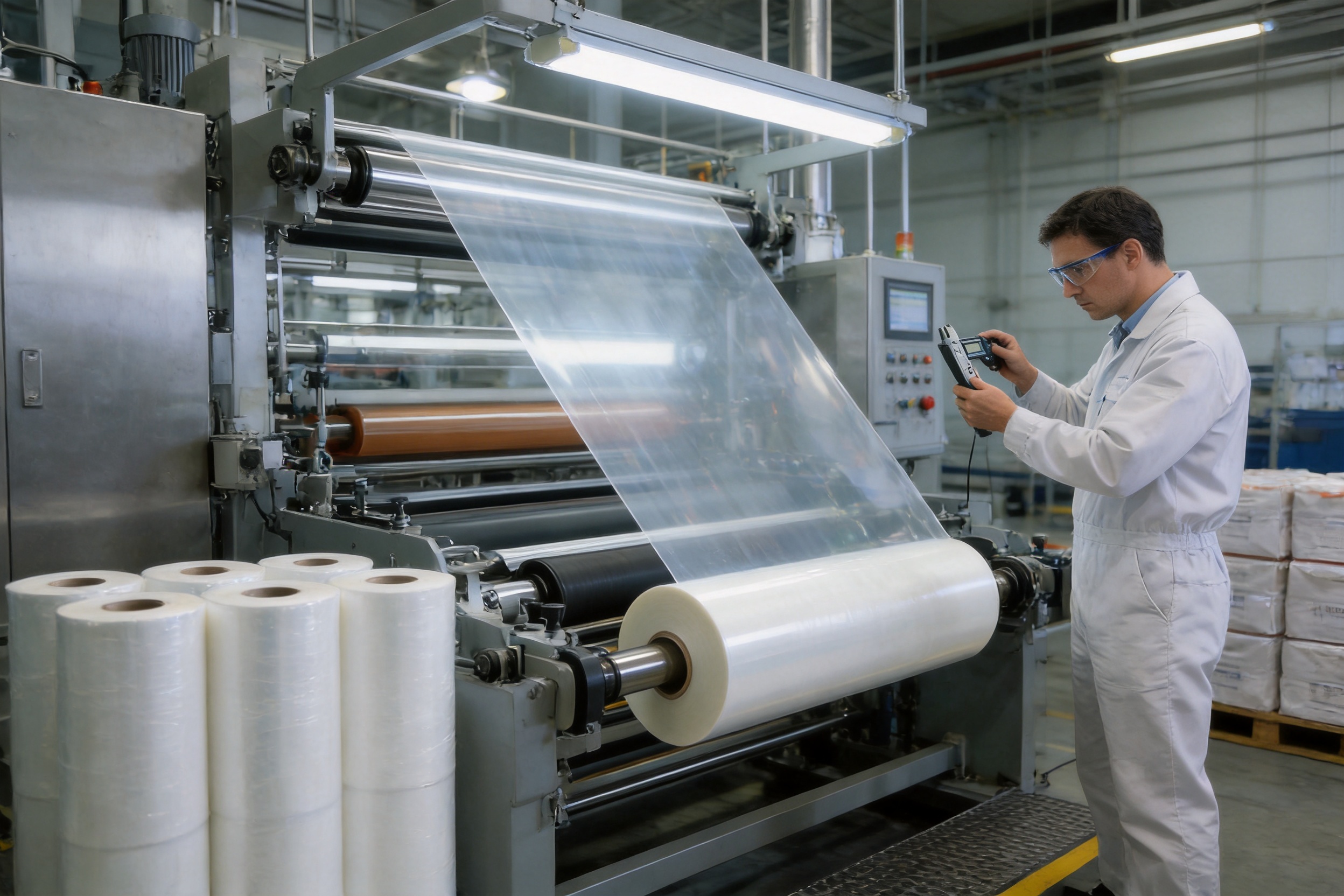
The quality of temporary protective film depends not only on the selected raw materials but also on the consistency of the manufacturing process. Zhejiang Geruite Packaging Materials Co., Ltd. focuses on the research, development, production, and sales of packaging materials and adhesive products. Its manufacturing approach is based on process control from raw-material procurement through production and final inspection.
Raw-Material Selection
The production process begins with the selection and evaluation of film substrates, adhesive components, release materials, cores, and packaging materials. Consistency at this stage is important because variations in resin, adhesive formulation, or release performance can affect transparency, thickness, tack, peeling behavior, and storage stability.
For protective film, the supplier must consider more than visual appearance. The material should have suitable flexibility, stable thickness, adequate tensile performance for handling, and a surface condition that supports uniform adhesive coating. Raw materials that are not suitable for the intended application can lead to curling, wrinkling, uneven adhesion, or premature separation.
Film Formation and Thickness Control
The selected polymer is processed into a thin film with controlled thickness. Maintaining a consistent thickness is important for predictable handling and coverage. In the 0.03–0.06 mm range, even small variations can influence flexibility, rigidity, transparency, and material consumption.
Stable film formation helps the product run smoothly through slitting, rewinding, packaging, and customer application equipment. Uniformity also reduces the risk that one section of a roll will behave differently from another. For industrial customers, consistent roll performance is especially important because production lines depend on repeatable application and predictable material usage.
Adhesive Coating
The adhesive is applied to the film under controlled production conditions. A uniform coating helps ensure that the film adheres consistently across the width and length of the roll. Uneven adhesive distribution can create local lifting, excessive tack, transfer marks, or difficult removal.
Coating control involves managing the coating weight, application uniformity, drying or setting conditions, and line speed. The exact process may vary according to the adhesive system and film construction. The goal is to create a stable adhesive layer that performs as intended without compromising transparency or surface safety.
Drying, Curing, and Stabilization
After coating, the material may pass through controlled drying or stabilization stages. These stages help remove solvents or moisture where applicable and allow the adhesive system to reach a consistent condition. Proper stabilization can improve roll quality, reduce blocking, and support more reliable peeling performance.
Temperature and ventilation control are important during these stages. If the material is not adequately stabilized, adhesive properties may change during storage. A professional production system therefore monitors relevant process conditions and allows the material to reach a suitable state before slitting and packing.
Slitting and Rewinding
Protective film is often supplied in widths suited to the customer’s product or application equipment. Custom slitting allows a broad master roll to be converted into narrower rolls with specified widths. Accurate slitting reduces uneven edges, telescoping, and waste, while making the product easier to apply.
Rewinding tension must also be controlled. Excessive tension can deform the film or affect release behavior, whereas insufficient tension may result in loose rolls, wrinkles, or unstable edges. Proper winding supports efficient storage and smooth dispensing by hand or through semi-automatic equipment.
Inspection and Final Release
Quality control may include checks of thickness, width, transparency, appearance, roll winding, adhesive behavior, and packaging condition. Surface inspection helps identify visible defects such as particles, streaks, bubbles, wrinkles, pinholes, or edge damage. Dimensional checks confirm that the finished rolls correspond to the order requirements.
Adhesion and removability should be evaluated using representative substrate samples whenever possible. Testing against the actual customer material provides more useful information than relying only on a general laboratory surface. A film that performs well on glass may behave differently on painted metal, coated plastic, or polished stone.
Zhejiang Geruite Packaging Materials Co., Ltd. states that it uses advanced production equipment and a rigorous quality-control system. This manufacturing foundation supports stable product performance and helps the company respond to different customer requirements. Its wider product portfolio includes BOPP tape, kraft paper tape, masking tape, high-temperature-resistant tape, metal tape, PE stretch film, PP strapping, and high-strength PET strapping. This broader experience in adhesive and packaging materials can support coordinated packaging solutions rather than isolated product supply.
Surface Compatibility
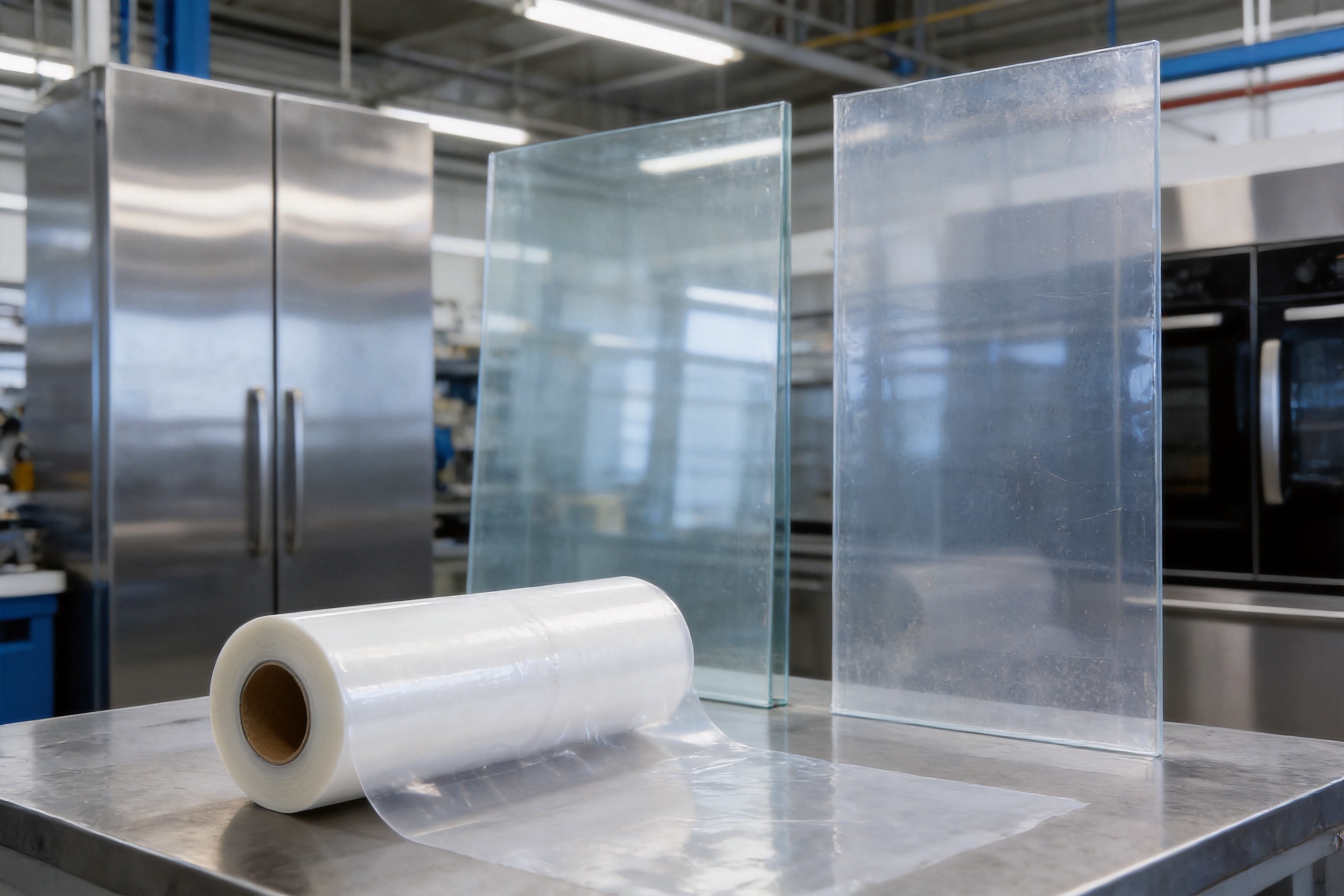
The protective film is designed for common smooth or regular surfaces. Typical compatible substrates include glass, stainless steel, other metal sheets, plastic components, instrument panels, appliance exteriors, and selected polished stone surfaces. Compatibility depends on the actual surface finish, coating, cleanliness, and environmental conditions, so application testing remains recommended.
Glass
Glass can be vulnerable to fingerprints, dust, light scratches, and contact marks during fabrication, installation, and transportation. Transparent film is useful for doors, windows, panels, and other glass products because it protects the surface while preserving visibility. It can also help installers identify the panel without removing the covering too early.
Metal
Polished stainless steel, aluminum sheets, coated metal, and decorative metal panels often require protection against rubbing and handling marks. A suitable low- or medium-tack film can help maintain the appearance of the surface during cutting, bending, assembly, shipping, and installation.
Metal surfaces may vary in finish and coating. Brushed, polished, painted, anodized, and powder-coated surfaces should be evaluated separately. Adhesive performance can be influenced by surface energy and by the presence of protective treatments or processing oils.
Plastic Components
Plastic housings, panels, trim pieces, and instrument components can be marked during assembly or packaging. Protective film provides a lightweight barrier without requiring rigid packaging for every individual part. It is particularly useful when the component has a smooth face that must remain visually clean.
Some plastics contain additives or have low surface energy, which may affect adhesion. Testing should confirm that the film remains in place during the required protection period and removes cleanly without transfer or visible change to the substrate.
Polished Stone and Decorative Materials
Polished stone, decorative panels, and building materials may require temporary protection before installation. Film can help reduce dust and light surface contact during storage and movement. Because natural and engineered stone surfaces vary widely, users should verify compatibility on an inconspicuous area before full application.
Industrial Applications
Metal Sheet Processing
During metal sheet cutting, forming, bending, and assembly, surfaces may encounter tools, supports, gloves, packaging materials, and adjacent sheets. Applying protective film before or during processing can reduce minor scratches and contamination. The film may remain in place through several steps, provided that the processing temperature, pressure, and equipment are suitable.
For decorative panels and visible components, appearance protection can be particularly valuable. The film helps manufacturers deliver a cleaner product and may reduce the need for final polishing or manual cleaning. It does not replace safe material handling or protective packaging, but it provides an efficient first layer of surface control.
Electronics and Instrument Panels
Electronic screens, control panels, instrument faces, and device housings are commonly touched and moved before final packaging. Fingerprints, dust, and light abrasions can affect perceived quality. A transparent protective film allows the item to be inspected while reducing direct contact with the visible surface.
For electronics, the film should be selected with attention to static behavior, surface coatings, and the presence of printed graphics or treated glass. The application process should avoid trapping dust, air bubbles, or moisture beneath the film.
Appliance Manufacturing
Refrigerator doors, washing machine panels, cookers, air-conditioning housings, and other appliance surfaces can be scratched while products move through assembly and distribution. Protective film can be applied to front panels, side surfaces, display areas, and other exposed sections. It can remain in place until the appliance reaches installation or the end user.
Because appliances may be stored in different climates, the selection of adhesive and the expected removal period should be reviewed carefully. Storage conditions outside the recommended range may influence tack and removability.
Construction Materials
Building materials often pass through several stages between production and installation. Door and window glass, stainless steel sheets, decorative panels, polished stone, and finished profiles can be exposed to dust, tools, scaffolding, and repeated handling. Protective film helps preserve the surface during this transition.
In construction projects, the film can also support work sequencing. A contractor may install a finished panel before surrounding construction is complete, leaving the film in place until nearby work has ended. This reduces exposure to ordinary construction dust and light contact, although the film should not be treated as protection against heavy impact, sparks, corrosive chemicals, or extreme heat unless specifically designed and tested for those conditions.
Logistics and Express Delivery
Products may be loaded, unloaded, stacked, and moved several times before delivery. Protective film helps reduce marks caused by sliding, contact with packaging materials, and handling by multiple workers. When combined with cartons, edge protectors, stretch film, and strapping, it supports a more complete packaging system.
Commercial and Household Applications
The product is not limited to industrial factories. Furniture surfaces, glass tables, appliance exteriors, cabinets, mirrors, and other household items may benefit from short-term protection during moving, renovation, decoration, or storage. The film can help prevent dust and minor scratches while work is being completed around the item.
For household use, easy removal is especially important. Users may not have specialized tools or experience with industrial adhesives. A film that can be peeled off in a controlled manner provides a more convenient solution than heavy wrapping materials or multiple layers of tape.
However, household users should still clean the surface before application and avoid applying the film to damp, dusty, heavily textured, or chemically unstable surfaces. A small test area can help confirm that the adhesive is suitable before the film is applied over a large visible section.
Application Procedure
Step One: Inspect the Surface
Before application, inspect the substrate for dust, oil, moisture, loose particles, existing damage, and irregularities. Protective film is intended to preserve a surface, not conceal an existing defect. Applying film over contamination may trap the material beneath the adhesive and make removal or cleaning more difficult.
Step Two: Clean and Dry the Substrate
The surface should be dry, oil-free, and free from dust. Use a cleaning method appropriate for the substrate. Avoid aggressive chemicals that could weaken coatings or change the surface finish. Allow any cleaning agent or moisture to evaporate fully before application.
Step Three: Cut or Select the Required Length
Prepare a piece large enough to cover the intended area without excessive overlap. Custom-slit rolls can reduce cutting work and support consistent application. For large panels, two operators may be helpful to keep the film aligned and prevent premature contact with the surface.
Step Four: Apply Gradually
Place one edge carefully and apply the film progressively across the surface. Use a soft squeegee, roller, or suitable hand tool where appropriate. Applying gradual, even pressure helps reduce wrinkles and trapped air. Avoid stretching the film excessively, as excessive tension may cause shrinkage, edge lifting, or distortion after application.
Step Five: Check the Finished Application
After application, inspect the edges and corners. Confirm that the film is firmly attached, that the protected area is adequately covered, and that no large bubbles or folds remain. If the film will remain in place during transportation, exposed edges should be minimized where practical.
Step Six: Remove at the Appropriate Time
The recommended removal period is within six months of application. Removal should be performed in a controlled manner, preferably by lifting a corner and peeling the film back at a steady angle. Avoid using excessive force or sharp tools that could damage the substrate. If the film has been exposed to unusual heat, humidity, sunlight, chemicals, or prolonged storage, test removal on a small area first.
Storage and Handling Recommendations
Protective film should be stored in a cool, dry place away from direct sunlight. Rolls should be kept in their original packaging where possible and protected from heavy pressure, impact, water, and contamination. Excessive stacking pressure may deform the rolls or affect edge quality.
Temperature and humidity can influence adhesive behavior. Very high temperatures may increase tack or accelerate aging, while very low temperatures may reduce initial adhesion. High humidity can affect surfaces and may contribute to condensation beneath the film. Applying the product at room temperature under clean and dry conditions is recommended.
During warehouse handling, avoid dragging rolls across rough floors or placing heavy objects on top of them. Keep roll edges protected from impact. If rolls are moved by forklift or pallet truck, use suitable support and avoid puncturing the packaging.
Inventory should be managed on a first-in, first-out basis. This helps ensure that older material is used appropriately and avoids unnecessary storage beyond the intended shelf-life conditions. Users should also keep production batch information where traceability is important.
Why Custom Slitting Matters
Custom slitting allows the width of the film to match the dimensions of the product, the operator’s working method, or the customer’s dispensing equipment. This creates several practical benefits. A correctly sized roll can reduce trimming, lower material waste, and make application faster. It may also improve edge alignment and reduce the need for overlapping sections.
Different departments may require different widths. A manufacturer protecting narrow profiles may need small rolls, while a glass processor may require wide-format material. A supplier capable of producing multiple widths can simplify purchasing and help standardize protective procedures across different product lines.
Slitting quality is important because uneven edges can interfere with dispensing and application. Accurate cutting, controlled rewinding, and stable roll structure contribute to a more predictable user experience.
Quality, Service, and Manufacturing Reliability
Zhejiang Geruite Packaging Materials Co., Ltd. is located in Hangzhou, Zhejiang Province, China, an important manufacturing region with a strong industrial supply chain. The company has developed its business around packaging materials, adhesive tapes, films, and strapping products. This location supports access to manufacturing resources, production expertise, and logistics connections.
The company’s stated approach emphasizes research, development, production, sales, and quality control. Rather than treating packaging materials as interchangeable commodities, the company works across different product categories and application requirements. Its portfolio includes packaging tape, BOPP tape, kraft paper tape, masking tape, high-temperature-resistant tape, metal tape, PE stretch film, PP strapping, and PET strapping.
This product breadth is useful for customers seeking coordinated packaging protection. For example, a manufacturer may use protective film on visible surfaces, stretch film to stabilize grouped products, strapping to secure loads, and adhesive tape to close cartons. Purchasing multiple packaging components from one experienced supplier can help simplify communication, specification management, and replenishment planning.
The company reports an annual output value of more than RMB 60 million. This indicates an established operating scale and provides a foundation for serving repeat industrial orders. Production capacity alone does not guarantee product suitability, but it can support more stable scheduling, regular supply, and ongoing improvement when combined with process discipline and quality inspection.
For customers comparing suppliers, important evaluation criteria include consistency between batches, ability to customize width and thickness, response to application questions, packaging quality, lead-time communication, and willingness to conduct sample testing. A competitive protective film supplier should be able to discuss the customer’s substrate and protection period rather than recommend the same adhesive level for every use.
How to Select the Right Protective Film
Consider the Substrate
Identify whether the surface is glass, metal, plastic, stone, painted material, coated material, or another substrate. Note whether it is smooth, textured, porous, polished, brushed, or printed. These characteristics influence the choice of base film and adhesive level.
Define the Protection Period
Short-term protection during factory handling may require different performance from protection lasting several weeks or months during construction and storage. The product information recommends removal within six months. Longer periods should be discussed with the supplier and verified through testing.
Assess the Environment
Consider indoor or outdoor storage, temperature changes, humidity, sunlight, dust, and contact with chemicals. Standard protective film is intended for basic temporary protection and should not be assumed to withstand severe weather, high heat, corrosive exposure, or direct sunlight for extended periods.
Identify the Main Risk
If the primary risk is dust and fingerprints, a light and easy-to-remove film may be sufficient. If the main risk is repeated rubbing between stacked panels, a stronger or thicker film may be appropriate. If the item faces significant impact, use the film in combination with cushioning and rigid packaging rather than relying on the film alone.
Confirm Application Equipment
Determine whether the film will be applied manually, with a hand roller, or by an automated or semi-automated system. Roll dimensions, core size, winding tension, and width should be compatible with the equipment. Custom slitting can improve production efficiency when the roll format is matched to the process.
Limitations and Responsible Use
Protective film is designed for temporary surface protection, not for every type of industrial hazard. It may reduce minor scratches and ordinary contamination, but it is not a substitute for impact-resistant packaging, chemical-resistant coverings, heat-resistant materials, or specialized cleanroom films unless those properties have been specifically confirmed.
Adhesion can change if the film is applied to a wet, oily, dusty, extremely cold, or extremely hot surface. Some coatings, paints, plastics, and decorative finishes may react differently to adhesive contact. Testing is especially important for newly developed substrates, sensitive coatings, high-value products, and applications involving extended storage.
Removal should not be postponed indefinitely. Prolonged exposure to heat, ultraviolet light, humidity, or contamination may make peeling more difficult. Following the recommended storage and removal guidance helps preserve the intended balance between adhesion and removability.
Users should also consider the disposal requirements for used film. Because the material may carry oil, dust, or other contaminants, recycling options can depend on local facilities and the composition of the film and adhesive. Responsible waste handling should be included in the overall packaging plan.
Application Troubleshooting
The Film Does Not Adhere Properly
Possible causes include dust, oil, moisture, low application temperature, insufficient pressure, or incompatibility between the adhesive and the substrate. Clean and dry the surface, apply at room temperature, and press the film evenly. If the problem continues, evaluate a different adhesion level or a film construction more suitable for the surface.
The Film Lifts at the Edges
Edge lifting may result from contamination, excessive stretching, poor alignment, rough surfaces, insufficient pressure, or a roll that has been stored improperly. Trim the film accurately, avoid stretching during application, and ensure that the edges are firmly pressed. For irregular surfaces, confirm whether the product is suitable before full-scale use.
Air Bubbles or Wrinkles Appear
Bubbles and wrinkles are commonly caused by fast application, uneven pressure, trapped dust, or excessive film tension. Apply gradually and use a suitable squeegee or roller. Large bubbles may require lifting and reapplying the affected section, provided that the film and substrate can safely tolerate the procedure.
Residue Remains After Removal
Residue may occur when the film has remained on the surface too long, been exposed to high temperatures, or been applied to an incompatible coating. Remove the film within the recommended period and store products under suitable conditions. If residue is observed during testing, consult the supplier before applying the film to a large production batch.
The Film Tears During Application
Tearing may be associated with excessive stretching, sharp substrate edges, damaged roll edges, or unsuitable thickness. Handle the roll carefully, check the surface for burrs, and select a thickness appropriate to the application. Protective film should support normal handling, but it must not be pulled aggressively around sharp corners.
Economic and Operational Benefits
The value of protective film extends beyond the cost of the material itself. By reducing minor surface damage, it can lower rework, cleaning, repolishing, replacement, and complaint-handling costs. It can also improve production flow because operators spend less time individually wrapping or cleaning components.
Transparent protection can reduce unnecessary film removal during inspection. Workers can identify product types, read markings, and check general condition while the film remains in place. This helps maintain protection through additional stages of handling.
Custom widths can reduce scrap and improve labor efficiency. When a roll corresponds closely to the product dimensions, operators can apply it with fewer cuts and less overlap. Consistent roll quality can also reduce interruptions caused by wrinkles, uneven edges, or unstable winding.
For distributors and packaging service providers, a diversified product range can make it easier to supply complete packaging programs. Surface film, adhesive tape, stretch film, and strapping can be selected as coordinated components based on the customer’s handling and transportation requirements.
Frequently Asked Questions
What surfaces can this protective film cover?
The film is intended for common smooth or regular surfaces, including glass, metal, plastic, instrument panels, appliance exteriors, and selected polished stone or building materials. Compatibility depends on the specific finish and coating, so sample testing is recommended for unfamiliar surfaces.
What is the standard thickness?
The common thickness range is 0.03 mm to 0.06 mm. Other thicknesses, generally within approximately 0.03 mm to 0.15 mm, may be discussed according to the application. The appropriate thickness depends on the required handling protection, flexibility, and material consumption.
Can the width be customized?
Yes. Custom slitting is available. Customers can request widths that match their product dimensions, manual application process, or dispensing equipment. Correct width selection can reduce trimming and material waste.
Is the film transparent?
The film is designed to maintain high transparency. This allows the user to inspect the substrate, identify products, and monitor the general surface condition without removing the protective layer.
What adhesive levels are available?
Typical options include low-tack and medium-tack versions. Low-tack film may be suitable for delicate or highly smooth surfaces, while medium-tack film may be considered when greater holding power is required. The correct choice should be based on the substrate, environment, and planned removal period.
How long can the film remain on the surface?
Removal within six months is recommended. Actual performance depends on temperature, humidity, sunlight, surface type, and storage conditions. If the film must remain longer, conduct an application and removal test before proceeding.
Can the film protect against heavy impact?
The product provides basic temporary protection against friction, dust, oil, and minor scratches. It is not a replacement for foam, rigid panels, edge protection, or other impact-resistant packaging when severe impact risks are present.
How should the surface be prepared?
The surface should be dry, clean, oil-free, and dust-free. Cleaning materials must be compatible with the substrate. Any moisture or cleaning residue should be allowed to evaporate before application.
Can it be used outdoors?
The provided product information describes basic temporary protection and recommends room-temperature application and storage away from direct sunlight. Outdoor or prolonged ultraviolet exposure should not be assumed suitable without confirmation and testing.
What makes this product different from ordinary plastic sheeting?
Protective film is designed to adhere directly to the surface, whereas ordinary loose sheeting may shift, fold, or require additional fastening. The protective film also offers controlled adhesion, transparency, and custom slitting for more consistent application.
Can it be combined with other packaging materials?
Yes. It can be used with cartons, foam, stretch film, strapping, edge protectors, and adhesive tape. The film protects the surface directly, while other packaging components can provide cushioning, grouping, load stability, or outer protection.
How should buyers evaluate a supplier?
Buyers should review raw-material consistency, film thickness, adhesive performance, width accuracy, roll quality, packaging, customization capability, sample support, production capacity, and quality-control procedures. Testing on the actual substrate is one of the most reliable ways to compare products.
Conclusion
0.03–0.06 mm products protective film offers an efficient solution for preserving the appearance and cleanliness of items during manufacturing, assembly, transportation, storage, installation, and short-term household handling. Its principal benefits include transparent coverage, controlled adhesion, easy removal, compatibility with common smooth surfaces, lightweight construction, and customizable width.
Compared with paper wrapping, loose plastic sheets, excessive adhesive tape, or heavy rigid protection, the film can provide more direct, uniform, and economical surface coverage for ordinary handling risks. It is especially valuable when the product must remain visible and when manufacturers need to reduce minor scratches, dust, oil marks, and friction-related damage without adding significant bulk.
The performance of the final product depends on the relationship between substrate, adhesive level, thickness, environment, application method, and removal timing. Proper cleaning, room-temperature application, suitable storage, and timely removal are therefore essential.
Zhejiang Geruite Packaging Materials Co., Ltd. supports this product category through experience in adhesive tapes, films, stretch materials, and strapping products. Its stated use of advanced production equipment, process control, and rigorous inspection provides a foundation for stable supply and customized packaging solutions. For customers seeking a practical protective layer for metal, glass, plastic, electronics, appliances, building materials, and household items, this film provides a flexible starting point for a more reliable surface-protection program.
References
1. Company-provided product specification for 0.03–0.06 mm products protective film.
2. Company-provided technical information regarding PE and PVC protective film construction, adhesion options, transparency, custom slitting, application, and storage.
3. Company-provided corporate information concerning adhesive tapes, packaging films, PP strapping, PET strapping, production equipment, quality control, and manufacturing capabilities.
4. General principles of pressure-sensitive adhesive selection for temporary surface protection.
5. General industrial packaging practices for protecting finished surfaces during processing, transportation, storage, and installation.
Product: 0.03-0.06 Products protective film

LATEST POST
Let’s create something amazing together
contact usFeatured Products
-
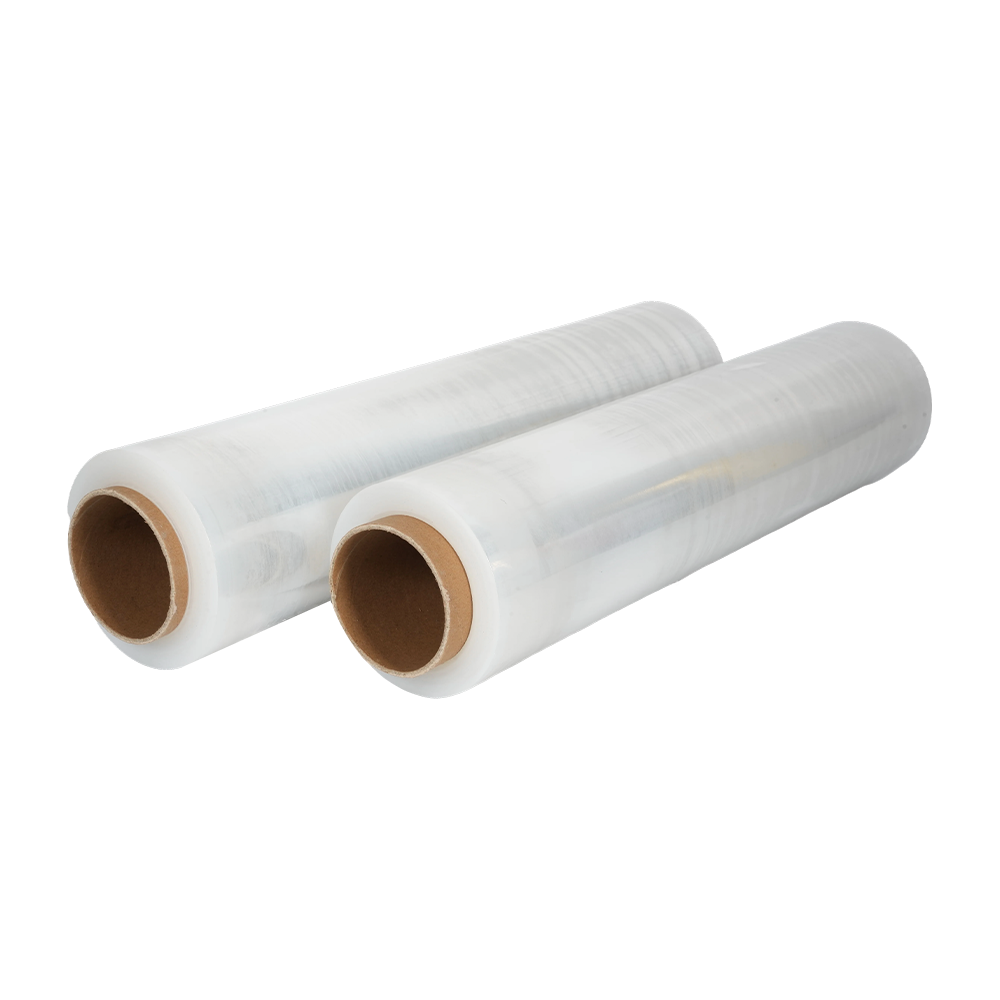
PE Hand-held stretch wrap
-
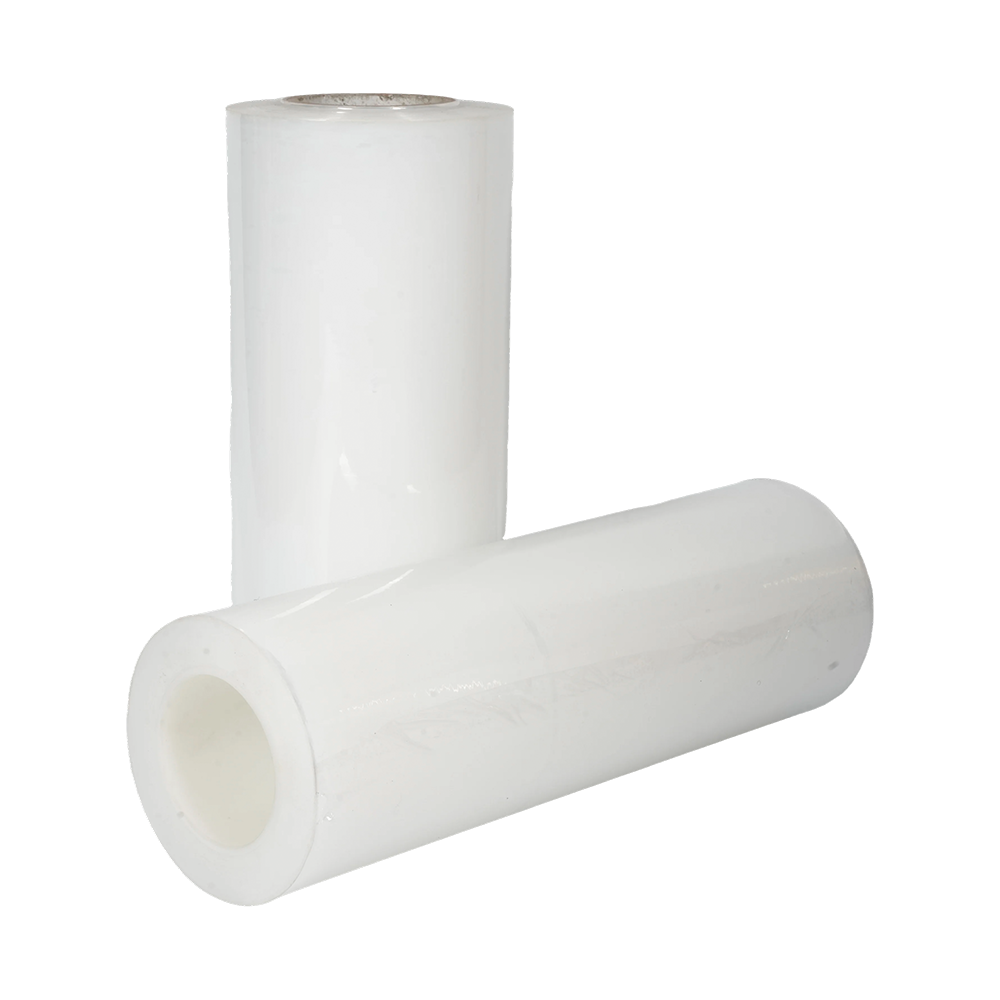
Transparent Protective Film Rolls, Clear PE Stretch Film
-
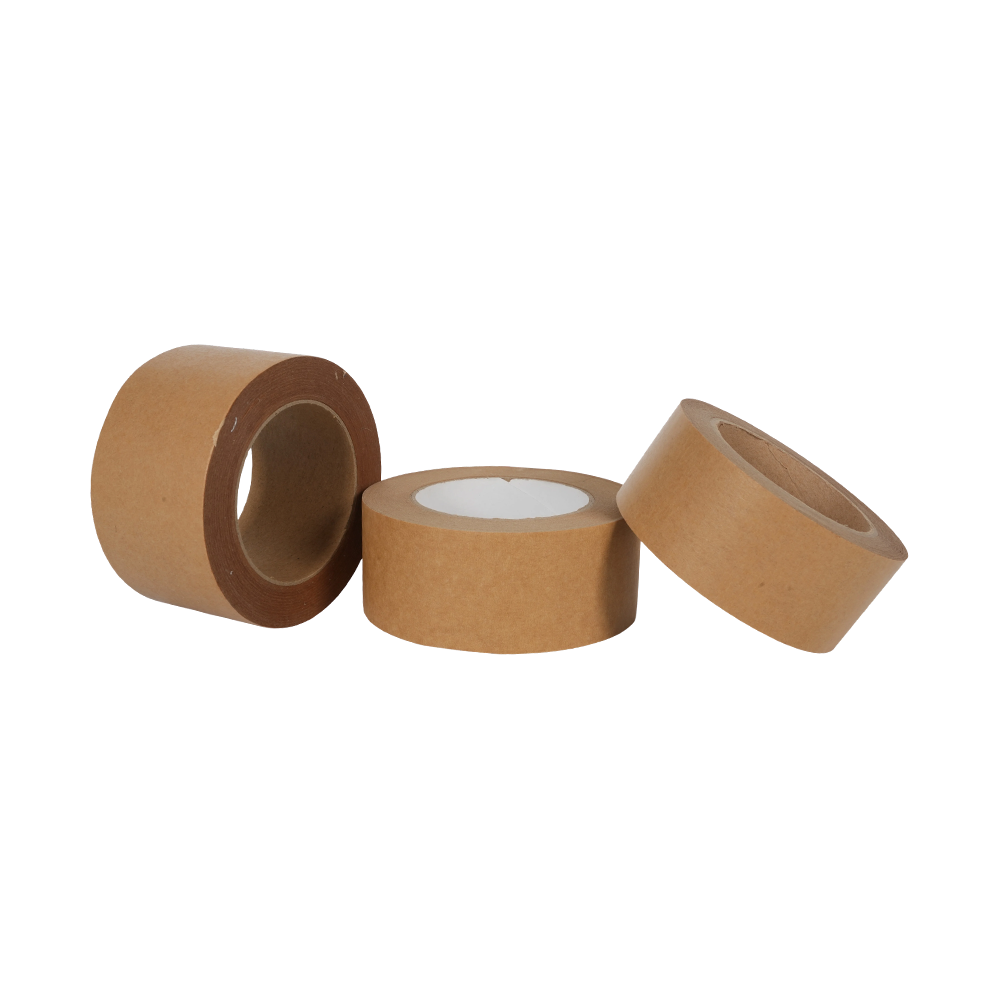
High viscosity, Tearable by hand Plastic-free kraft paper tape
-
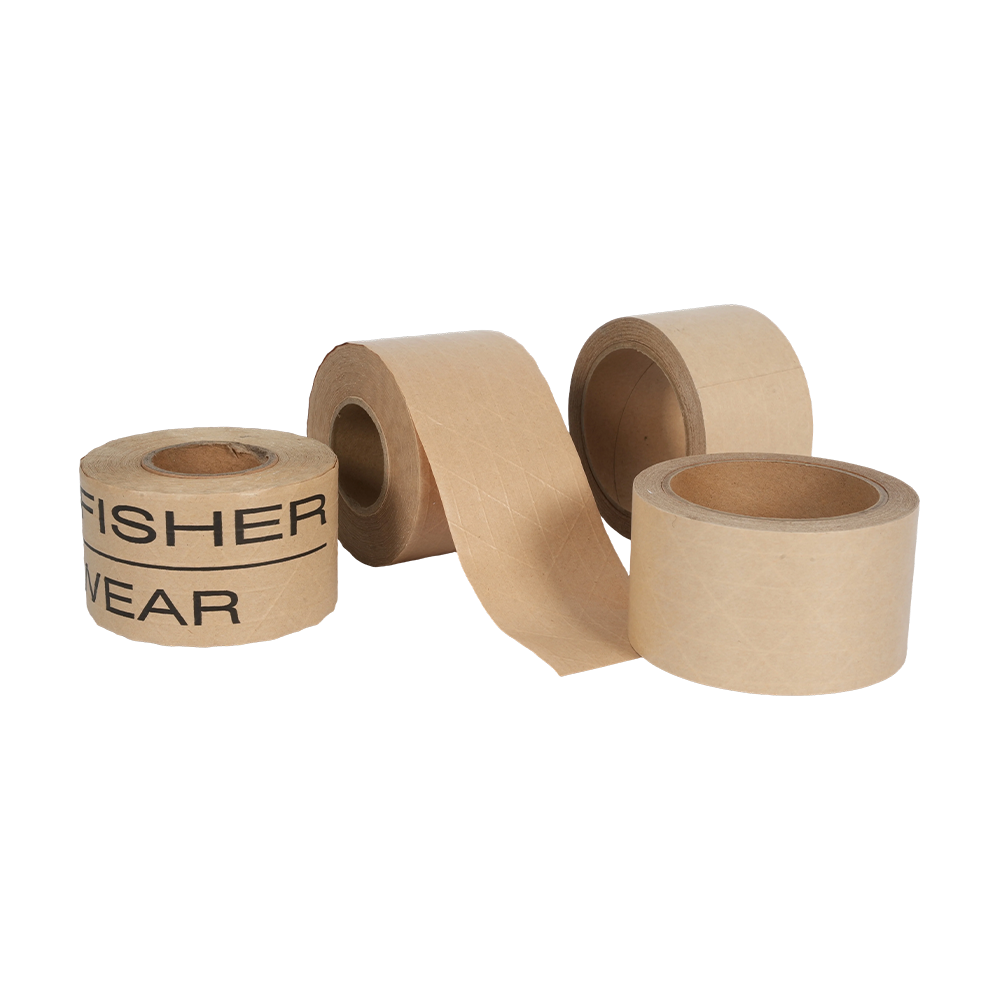
Wet water reinforced kraft paper tape
-
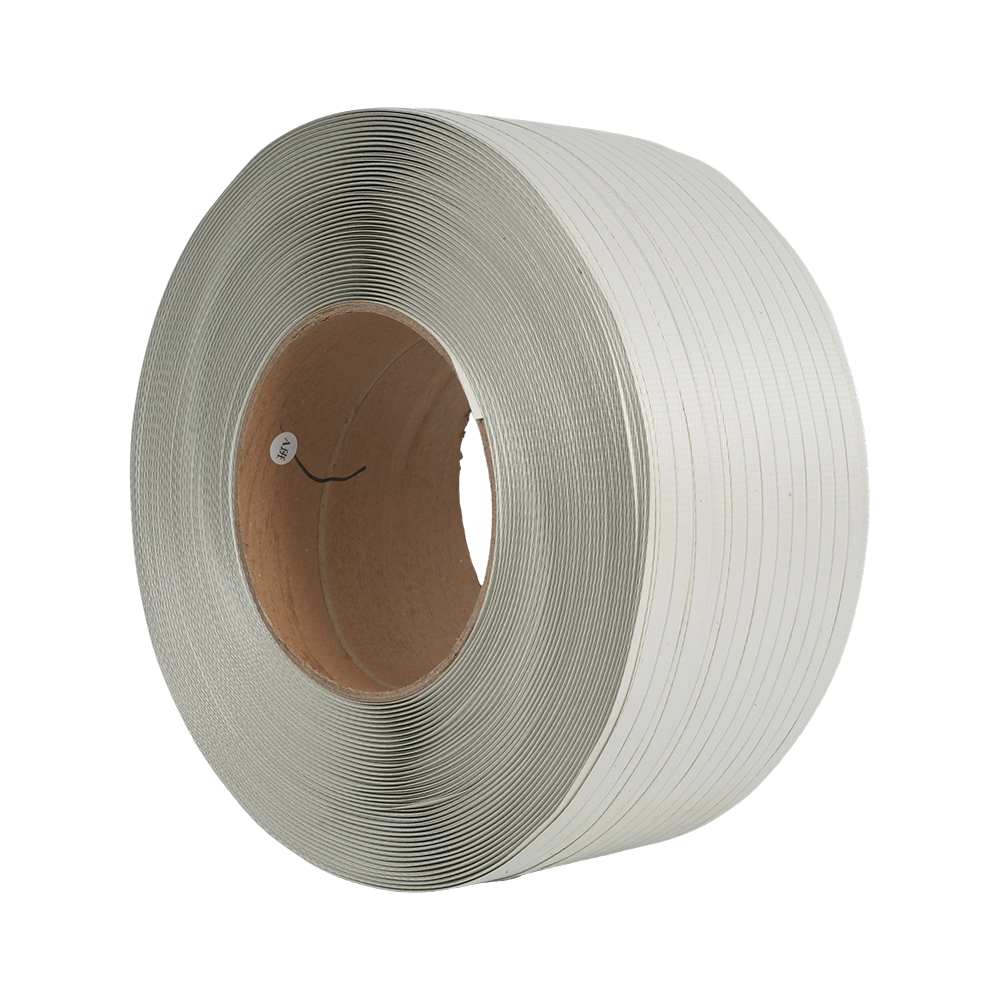
White Plastic Strapping Tape, PP Manual Strapping Band
-
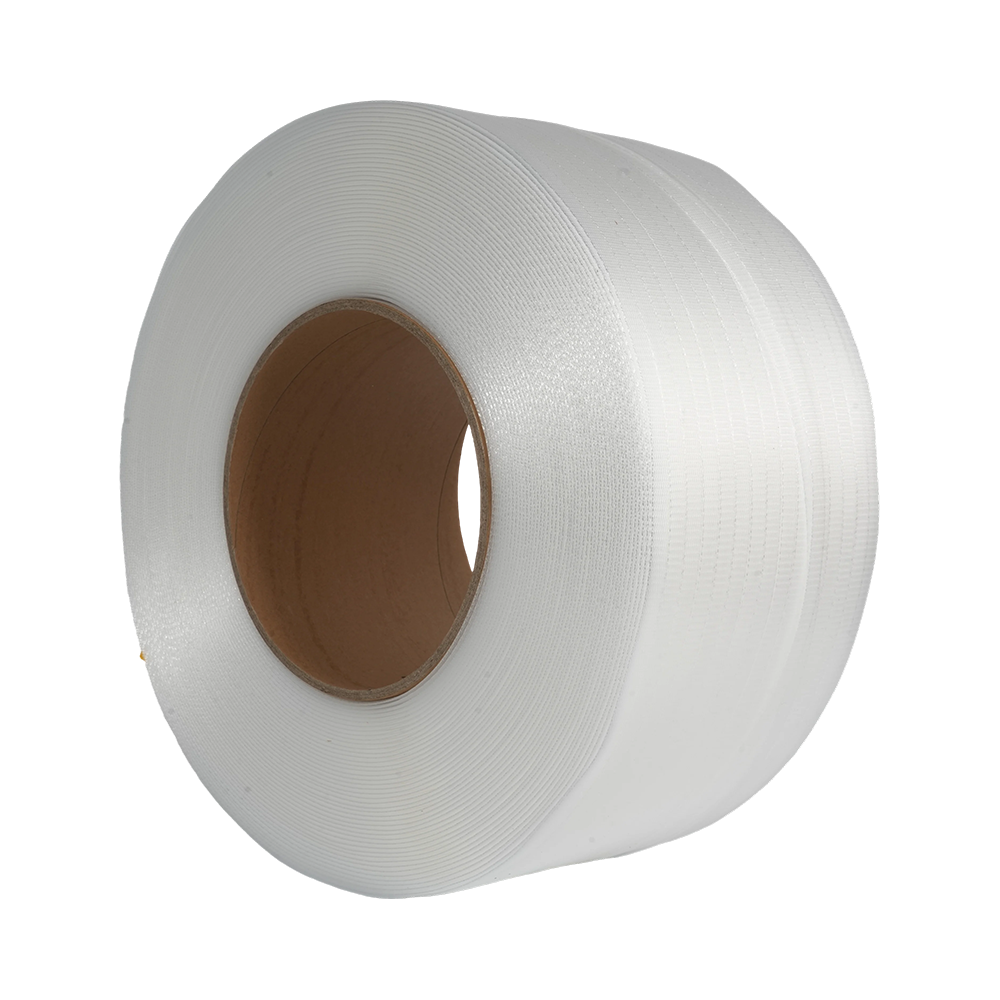
Transparent Strapping Band, Clear PP Packing Strap For Pelletizing Machine
CONTACT DETAILS
- Address:No. 241, Yaojiafan, Zhangpanqiao, Shushan Street, Xiaoshan District, Hangzhou City, Zhejiang Province, China
- TEL:+86-0571-83175630
- Phone:+86-13336160217
- Email:anqiaocun@163.com
PRODUCTS
NEWS CENTER
MOBILE TERMINAL
Copyright© Zhejiang Geruite Packaging Materials Co., Ltd. All Rights Reserved.
Privacy Wholesale industrial packaging tape Manufacturers