


 English
  Español
  عربى
عربى 
Plastic-Free Kraft Paper Tape: High-Viscosity, Hand-Tearable Performance for Modern Packaging
Content
- 1 Understanding Plastic-Free Kraft Paper Tape
- 2 Why the Product Matters in Contemporary Packaging
- 3 Core Product Advantages
- 4 Comparison with Conventional Plastic Packaging Tape
- 5 Applications Across Packaging and Industry
- 6 Manufacturing Strengths and Quality Approach
- 7 How the Tape Performs Better Than Basic Paper Tape
- 8 Recommended Application Procedure
- 9 Storage and Environmental Considerations
- 10 Customization and Procurement Options
- 11 Sustainability Without Compromising Practicality
- 12 Quality, Testing, and Customer Support
- 13 Frequently Asked Questions
- 13.1 What makes this tape plastic-free?
- 13.2 Can the tape really be torn by hand?
- 13.3 Is it suitable for sealing heavy cartons?
- 13.4 Does the tape work on plastic and metal surfaces?
- 13.5 Is the tape waterproof?
- 13.6 Can it be used for masking during painting or spraying?
- 13.7 What widths and lengths are available?
- 13.8 What is the tape thickness?
- 13.9 Is the tape recyclable?
- 13.10 How should the tape be stored?
- 13.11 How can edge lifting be minimized?
- 13.12 Can the product be customized for private-label packaging?
- 14 Why Choose an Experienced Packaging Material Manufacturer
- 15 Conclusion
- 16 References
- 17 Product: High viscosity, Tearable by hand Plastic-free kraft paper tape

Packaging operations increasingly require materials that combine dependable performance, efficient handling, and improved environmental responsibility. Plastic-Free Kraft Paper Tape answers this demand by bringing together a high-strength natural kraft paper backing, a high-tack adhesive system, and a practical hand-tearable design. It is intended for businesses that need secure bonding without relying on plastic film tape for every packaging, labeling, masking, or repair task.
Unlike ordinary paper tape that may tear unpredictably, lose adhesion quickly, or lift at the edges, this product is engineered to provide a stable balance between strength and flexibility. Its adhesive layer creates strong initial tack and durable holding power, while its soft paper backing conforms to flat and irregular surfaces. Operators can tear the tape by hand, reducing dependence on scissors, knives, or dispensers and helping workstations move more efficiently.
The tape is manufactured with natural kraft paper without a coating on the substrate. This construction supports easy recycling and gives the product a distinctive paper-based appearance suitable for cartons, labels, office materials, and many applications where a more natural packaging presentation is preferred. It is not designed to replace every industrial tape, especially in permanently wet, highly exposed, or extreme-temperature environments. However, within its intended service range, it offers a compelling alternative to conventional plastic-backed adhesive products.
Understanding Plastic-Free Kraft Paper Tape
Plastic-Free Kraft Paper Tape is a pressure-sensitive adhesive tape based on high-strength virgin kraft paper. The backing serves as the structural carrier, while an environmentally friendly adhesive provides the bonding function. The tape is produced in commonly used widths such as 25 millimeters, 50 millimeters, and 60 millimeters, with typical roll lengths of 20 meters or 50 meters. Width and length can be customized according to application requirements.
The term plastic-free refers primarily to the tape backing and its paper-based construction. The adhesive layer may be rubber-based or acrylic-based depending on the required performance profile. As with any packaging material, buyers should confirm the exact adhesive formulation, recycling requirements, and disposal conditions for their specific application. The product is designed to make recycling easier than many plastic-film alternatives, but responsible waste handling remains important.
With a reported thickness of approximately 0.014 millimeters, the tape is designed to remain lightweight and unobtrusive while still providing useful reinforcement and closure performance. Actual finished thickness and performance can vary according to adhesive formulation, paper grade, roll dimensions, and customization requirements. For procurement and quality validation, customers should request technical confirmation for the selected specification.
In use, the operator applies the tape to a clean, dry surface and presses it into place. The adhesive develops initial tack upon contact, while continued pressure helps maximize contact between the adhesive and the substrate. The kraft paper backing lies flat and follows the contours of the package or item. When a new piece is needed, the roll can generally be torn by hand, supporting fast and tool-free operation.
Why the Product Matters in Contemporary Packaging
Packaging businesses face several simultaneous pressures. They must control material costs, improve throughput, protect products, meet customer expectations, and demonstrate more responsible material selection. Traditional plastic tapes continue to offer useful properties, but they can be difficult to separate from paper cartons during recycling and may contribute to the use of unnecessary plastic in applications that do not require it.
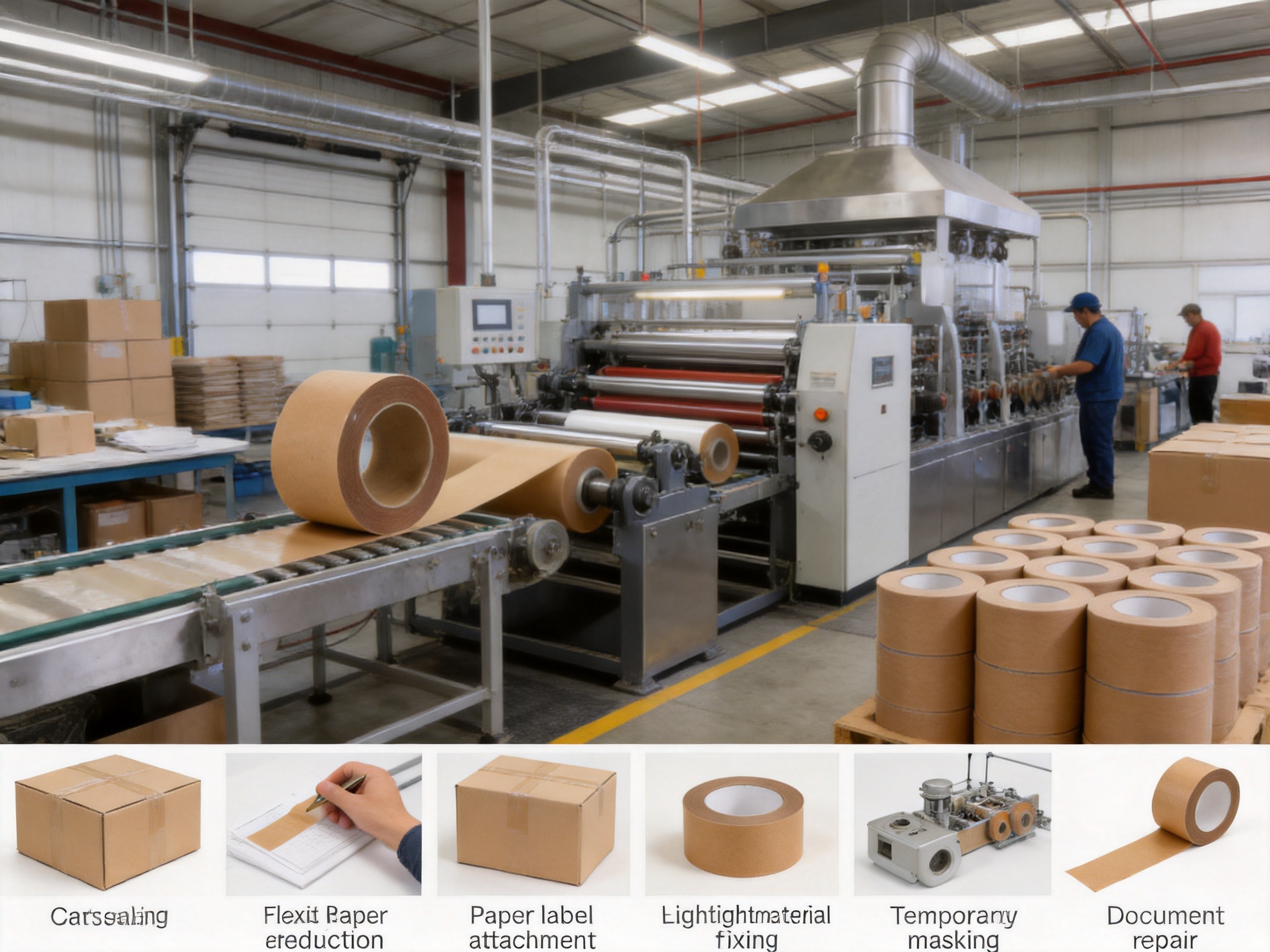
Paper tape provides an opportunity to reduce the amount of plastic used in selected packaging processes. It can be used for carton sealing, packaging reinforcement, label attachment, light-duty fixing, document repair, and temporary masking. In these situations, a paper-based tape may offer adequate performance while creating a more consistent material story for paperboard packaging systems.
For fulfillment centers and production lines, the operational benefit is equally important. A tape that can be torn by hand helps reduce small interruptions. Workers do not necessarily need to put down the package to locate a cutting tool. This can be particularly useful when sealing cartons, bundling lightweight materials, performing temporary repairs, or applying protective boundaries during finishing work.
The product also supports a clean and professional appearance. Natural kraft paper has a familiar, understated visual character that suits recycled, minimal, handmade, and sustainability-oriented packaging designs. It can be used for carton closure or labeling without creating the glossy plastic appearance associated with some conventional tapes.
Core Product Advantages
High Adhesion and Durable Holding Power
The primary performance advantage is its high-viscosity adhesive system. Strong initial tack helps the tape attach quickly when it is pressed onto the package or surface. Durable holding power helps maintain the bond during ordinary handling, storage, and transport. This combination is important because packaging tape must often hold immediately while also resisting gradual separation.
High adhesion is valuable during carton sealing and reinforcement. Carton surfaces may contain paper fibers, printing inks, dust, or slight texture variations. The adhesive must establish sufficient contact despite these conditions. A high-tack formulation helps the tape grip the substrate, while firm application pressure allows the adhesive to wet out across the contact area.
The adhesive can also support the fixing of lightweight materials, labels, documents, and temporary protective components. Performance depends on the surface energy, cleanliness, texture, temperature, and load involved. The tape should not be treated as a universal structural adhesive, but for suitable packaging and light-duty fixing tasks, its bonding stability provides a practical advantage over weak general-purpose paper tapes.
Hand-Tearable Convenience
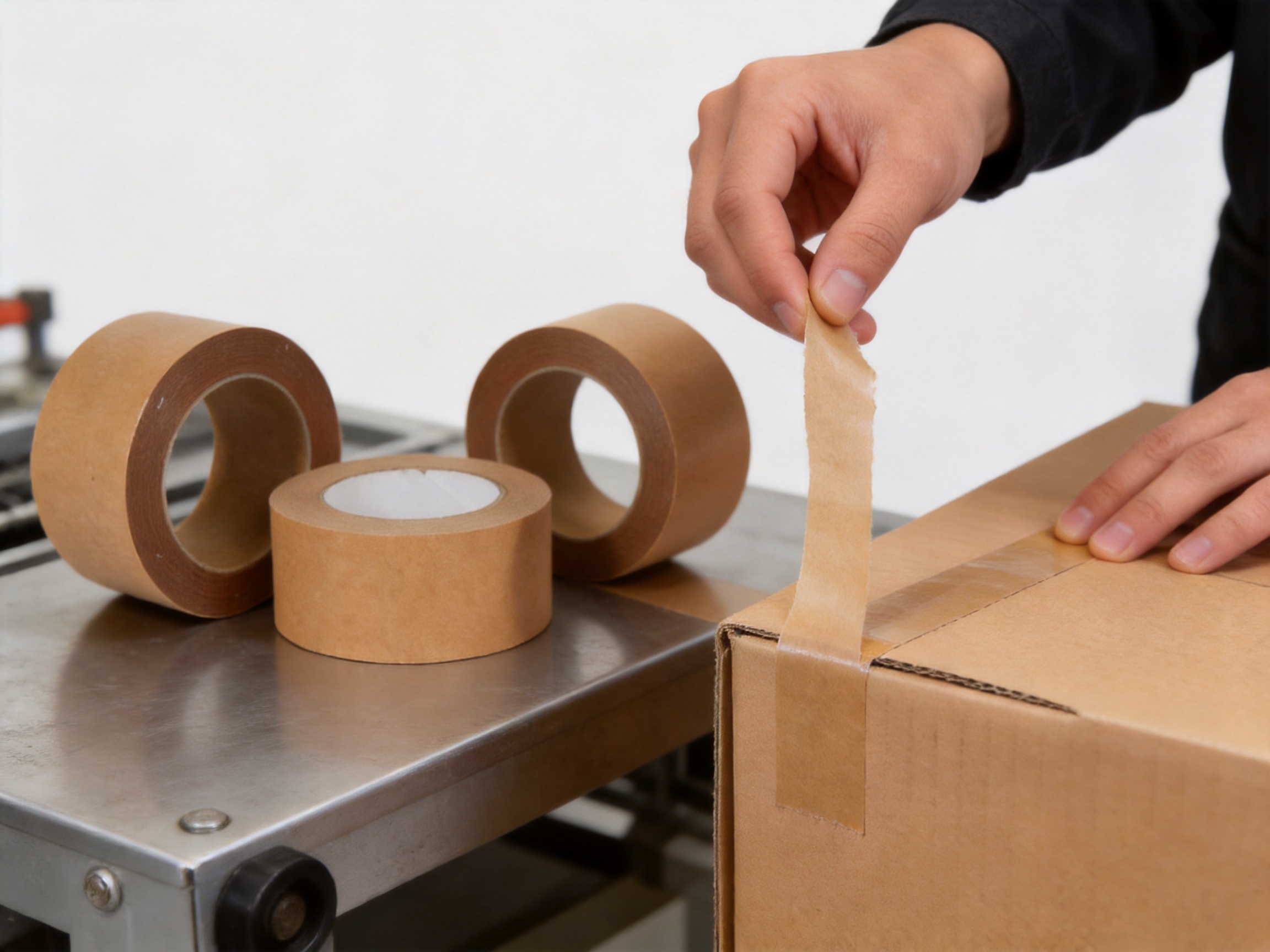
Hand tearability is one of the most visible differences between this product and many ordinary high-strength tapes. The backing is designed to separate under manual force without requiring a knife, scissors, or cutting blade. This helps simplify workstations and can reduce the number of tools required for repetitive packaging tasks.
Hand tearability is especially useful when operators apply multiple short pieces. For example, a worker may need to reinforce a carton corner, attach a temporary identification label, or secure a small bundle. With a hand-tearable roll, the operator can dispense the required length, tear it, and apply it in one continuous sequence. The result is a smoother workflow and less time spent managing tools.
The feature also offers a safety benefit in environments where sharp cutting tools create avoidable handling risks. Although all workplace procedures should follow appropriate safety rules, eliminating unnecessary blades can reduce the chance of minor cuts, damaged packaging, or accidental contact with nearby materials.
Flexible Backing for Irregular Contours
High-strength does not have to mean rigid. This tape uses a soft and flexible kraft paper backing that can conform to moderate irregularities in the surface. It can follow carton folds, package corners, curved edges, and other contours more easily than a stiff material.
Flexibility helps improve the quality of the finished application. When a tape cannot conform to a surface, it may bridge over gaps, wrinkle, or create channels where the edge can begin to lift. A flexible backing allows the operator to press the tape into closer contact, improving the visual appearance and supporting bond consistency.
The paper also provides a comfortable handling experience. It can be held, positioned, folded, and torn without the slippery sensation common to some film tapes. This is beneficial for manual packing stations where workers handle a large number of packages during a shift.
Resistance to Edge Lifting
Edge lifting is a common cause of tape failure. Even when the center of a tape remains attached, an unsealed edge can catch on another package, clothing, equipment, or handling surface. Once the edge begins to lift, the separation can continue across the applied strip.
This product is designed to lie flat and resist edge lifting after application. The result is a neater appearance and a lower risk of premature failure caused by loose corners or exposed edges. Proper surface preparation remains essential. The best adhesive cannot compensate fully for oil, moisture, dust, or an unsuitable substrate.
To achieve the best result, operators should press along the complete length of the tape, paying particular attention to the ends and corners. A firm, even application improves adhesive contact and helps prevent air pockets or unbonded areas.
Paper-Based and Easier to Recycle
The natural kraft paper substrate is uncoated and designed to support a paper-oriented material system. This can make it easier to integrate with recyclable paperboard packaging than many plastic-film tapes. Businesses seeking to reduce mixed-material packaging may find this characteristic valuable.
The tape is environmentally friendly in its intended material positioning and is easy to recycle when handled through an appropriate recycling stream. However, recycling acceptance varies by local facility and by the quantity and type of adhesive present. Users should consult local waste-management guidance rather than assuming that every recycling system treats adhesive paper tape identically.
The product should also not be described as automatically biodegradable, compostable, or suitable for unrestricted outdoor exposure unless a specific tested grade supports those claims. Its principal environmental advantages are its paper backing, plastic-free construction, and compatibility with more paper-focused packaging approaches.
Comparison with Conventional Plastic Packaging Tape
| Comparison Category | Plastic-Free Kraft Paper Tape | Conventional Plastic-Film Tape |
|---|---|---|
| Primary backing | Natural kraft paper without coating | Commonly BOPP, PVC, PE, or another plastic film |
| Hand tearability | Designed for convenient hand tearing | May require a dispenser, blade, or scissors |
| Material appearance | Natural paper appearance with a matte surface | Often glossy, transparent, or colored plastic appearance |
| Paper packaging integration | Well suited to paperboard and carton applications | May introduce a separate plastic component |
| Flexibility | Soft and conformable for many irregular contours | Varies by film type and thickness |
| Edge performance | Designed to lie flat and resist edge lifting | Depends on film, adhesive, and application pressure |
| Typical environmental positioning | Plastic-free paper backing and easier recycling potential | Plastic construction may complicate material separation |
| Moisture resistance | Limited compared with many plastic films | Often better suited to damp conditions, depending on grade |
| Best operating environment | Indoor, dry, room-temperature applications | Applications requiring greater moisture or exposure resistance |
This comparison does not mean that paper tape is superior in every situation. Plastic-film tape may be preferable for heavy-duty sealing, cold storage, wet environments, long-term outdoor use, or applications requiring very high tensile and moisture resistance. The advantage of kraft paper tape is its strong performance in the areas where paper compatibility, tool-free handling, natural appearance, and reduced plastic use are priorities.
Applications Across Packaging and Industry
Carton Sealing
Carton sealing is one of the most direct applications. The tape can be applied across the opening of a carton to help keep flaps closed during internal handling and transport. It can also be used for secondary closure, tamper-evident visual reinforcement, or sealing cartons that do not require a heavy-duty plastic tape.
Before application, the carton should be properly closed and the flaps aligned. The surface should be free from loose fibers, oil, excessive dust, and moisture. The tape should be centered over the seam and pressed firmly along its entire length. For larger or heavier cartons, users should evaluate the required tape width, number of strips, carton design, product weight, and transportation conditions.
Packaging Reinforcement
Paper tape can reinforce vulnerable areas such as carton corners, seams, fold lines, and repaired sections. Reinforcement helps distribute handling stress and can support the integrity of packaging during sorting or movement. It is especially useful when a box needs additional support but does not require a complete repackaging process.
Because the backing is flexible, it can be applied over corners and moderate curves. The operator should avoid sharp wrinkles, excessive stretching, and contaminated surfaces. When reinforcement is intended to carry substantial load, the tape must be evaluated as part of the complete packaging system rather than used as the sole structural support.
Product Labeling
The matte kraft surface can provide a suitable base for certain labeling and identification tasks. It may be used to attach paper labels, write temporary information, or create a visible closure mark on a carton. The natural color can also complement minimalist packaging designs and handmade product presentation.
Compatibility with printing instruments, label adhesives, inks, and surface treatments should be tested before full-scale production. The best results depend on the type of marker, ink, label stock, and expected handling conditions. For high-resolution printing or permanent identification, customers should request a sample and conduct a production trial.
Lightweight Material Fixing
The tape can secure lightweight materials during assembly, storage, or presentation. Possible uses include holding paper components, organizing small bundles, fixing protective sheets, and temporarily positioning packaging parts. Its strong initial tack helps the material remain in place while the next production step is completed.
Load requirements should be assessed carefully. Tape performance depends on the weight, contact area, surface condition, duration, and direction of the applied force. For heavy, flexible, vibrating, or safety-critical components, a stronger purpose-designed fastening method should be selected.
Temporary Masking Protection
The tape can serve as temporary masking protection in selected indoor tasks. It may help define boundaries during spraying, painting, finishing, or surface treatment. Its flexible paper backing can follow simple edges, while the adhesive provides sufficient temporary attachment for many routine operations.
Masking performance should always be tested against the specific coating, substrate, drying time, temperature, and removal schedule. A paper tape that performs well on one surface may adhere too strongly, leave residue, or allow seepage on another. Users should remove the tape within the recommended period and inspect the surface before beginning large-scale work.
Document Repair and Office Use
In offices, schools, warehouses, studios, and workshops, the tape can be used for temporary document repair or item fixing. It can hold a torn carton, organize paperwork, attach a note, or make a short-term repair where a clean and simple paper-based solution is preferred.
The soft backing is easy to handle, and the ability to tear a short length by hand is convenient for occasional use. If the tape will remain on archival documents, artwork, certificates, or valuable records, a conservation-grade material should be selected instead. The product is intended for general repair and temporary fixing, not necessarily for archival preservation.
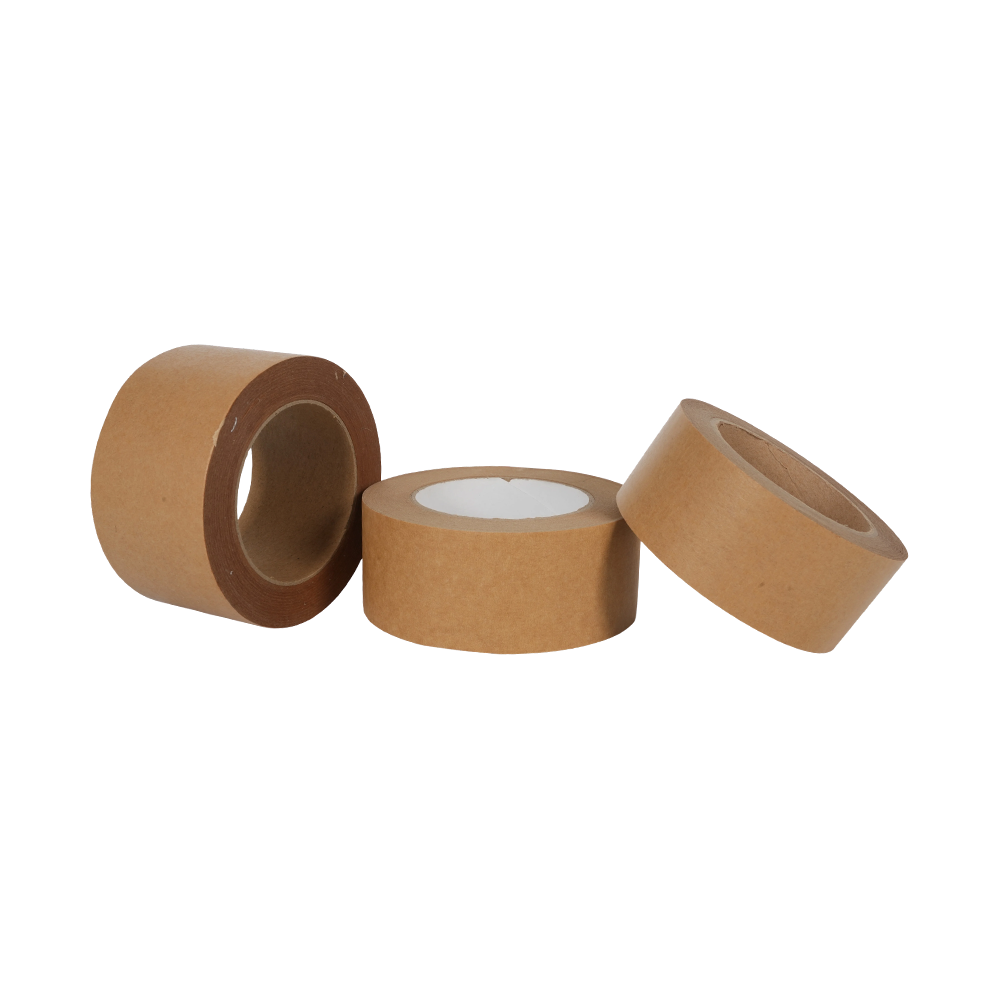
High viscosity, Tearable by hand Plastic-free kraft paper tape
Manufacturing Strengths and Quality Approach
Zhejiang Geruite Packaging Materials Co., Ltd. focuses on the research, development, production, and sales of adhesive tapes and packaging materials. Its product portfolio includes BOPP tape, kraft paper tape, masking tape, high-temperature resistant tape, metal tape, PE stretch film, PP strapping, and high-strength PET strapping. This broad range gives the company experience across both adhesive and flexible packaging technologies.
A diversified product portfolio can strengthen manufacturing capability in several ways. It requires the company to understand different substrates, adhesive systems, winding methods, converting processes, packaging formats, and inspection standards. Knowledge developed in one product area can support improvements in another, particularly in material handling, roll consistency, production planning, and customer-specific customization.
The company is located in Hangzhou, Zhejiang Province, a region with a strong manufacturing base and established supply networks. This industrial environment supports access to raw materials, equipment services, technical labor, logistics resources, and related packaging industries. Such factors are important for maintaining production continuity and responding to customized order requirements.
Raw Material Control
Product stability begins with raw material selection. For kraft paper tape, the quality of the paper backing affects tear behavior, flexibility, appearance, winding performance, and resistance to handling stress. The adhesive affects tack, holding power, application feel, residue behavior, and compatibility with different surfaces.
A controlled purchasing and incoming-inspection process helps ensure that paper and adhesive materials meet defined specifications before entering production. Relevant checks may include visual appearance, basis weight, thickness, moisture condition, roll width, surface cleanliness, adhesive uniformity, and batch documentation. The specific inspection plan can be adjusted according to the customer’s product requirements.
Using high-strength virgin kraft paper supports a consistent backing structure. Virgin paper can provide uniform fiber characteristics and a clean surface for adhesive coating. The uncoated construction also preserves the paper-based nature of the product and supports its positioning as a plastic-free alternative.
Adhesive Coating and Bond Development
Applying the adhesive evenly across the kraft paper is central to finished-tape performance. An inconsistent coating can produce weak areas, excessive ooze, poor unwind behavior, uneven tack, or visible defects. A professional manufacturing process therefore requires control of adhesive preparation, coating weight, coating uniformity, drying or curing conditions, and line speed.
Depending on the selected grade, the adhesive may be rubber-based or acrylic-based. A rubber-based system can offer strong initial tack and a responsive application feel, while an acrylic-based system may be selected for specific aging, clarity, or surface compatibility objectives. The correct choice depends on the intended use, storage conditions, and customer expectations.
Coating equipment should be operated within a controlled process window. Variables such as adhesive viscosity, temperature, web tension, coating gap, drying conditions, and line speed can influence the final result. Process monitoring helps reduce variation from roll to roll and supports reliable product behavior during converting and application.
Slitting, Rewinding, and Roll Conversion
After coating and stabilization, the master roll is converted into customer-specified widths and lengths. Slitting accuracy is important because uneven edges can affect appearance, handling, and application. Rewinding tension must also be controlled. Excessive tension may deform the core or make unwinding difficult, while insufficient tension can create telescoping, wrinkles, or loose rolls.
For hand-tearable tape, conversion quality must preserve the intended balance between paper strength and tear convenience. The finished roll should unwind smoothly while still allowing the user to tear the tape without a cutting tool. The edges should remain clean and the adhesive should not transfer excessively to adjacent layers under normal storage conditions.
Customized widths and lengths allow the product to support different operating models. A 25-millimeter roll may be suitable for narrow reinforcement or light fixing, while 50-millimeter and 60-millimeter widths can provide broader seam coverage. Roll length can be selected to match the frequency of use, packaging station design, and shipping requirements.
Quality Control from Production to Final Inspection
The company emphasizes quality as a central part of its operations. A rigorous quality-control system should cover raw materials, in-process production, finished rolls, packaging, and shipment preparation. This approach helps identify issues earlier rather than relying only on final inspection.
Typical evaluation categories for kraft paper tape may include appearance, width, length, thickness, unwind behavior, hand-tear performance, adhesive tack, holding power, edge adhesion, substrate compatibility, and resistance to common handling conditions. Not every customer requires the same test method, so product validation should be aligned with the intended application.
Visual inspection can identify wrinkles, contamination, coating voids, edge damage, telescoping, and uneven winding. Dimensional inspection verifies whether the roll matches the ordered width and length. Adhesive tests help determine whether the product provides the expected balance between immediate grip and continued holding power.
Final inspection is also important for packaging and traceability. Finished rolls should be protected from crushing, excessive heat, direct sunlight, and high humidity. Batch information and production records can support communication when customers request repeat orders or need to investigate a performance concern.
Production Capacity and Business Reliability
Geruite has reported annual output value exceeding RMB 60 million. This reflects an established business scale and indicates experience in serving packaging-material customers across multiple product categories. For buyers, supplier reliability involves more than a single product specification. It also includes production continuity, communication, customization capability, quality consistency, and delivery coordination.
A manufacturer with experience in tapes, stretch film, and strapping products can provide a broader packaging-material perspective. Customers may be able to discuss kraft paper tape alongside carton-sealing tape, stretch film, PP strapping, or PET strapping and select a more coherent packaging system. This can simplify sourcing and help align different packaging components with the same logistics requirements.
Supplier evaluation should still include samples, technical data, factory communication, order history, and application trials. The company’s manufacturing strengths provide a foundation for cooperation, while the customer’s own testing confirms suitability for a particular package and operating environment.
How the Tape Performs Better Than Basic Paper Tape
Not all paper tapes offer the same balance of properties. Some low-grade products may use a weak paper backing that tears too easily during application or breaks before the required length is applied. Others may have insufficient adhesive tack, causing the tape to detach from dusty cartons or textured surfaces. Some may curl, wrinkle, or lift at the edges after application.
The high-viscosity construction of this product is intended to address these practical problems. It provides stronger initial adhesion than ordinary low-tack paper tape, while the high-strength kraft backing gives the operator better control during dispensing and application. The tape remains flexible rather than excessively brittle, so it can be pressed around contours and package folds.
Its hand-tearable design also differentiates it from paper tapes that require a dispenser. A dispenser can improve speed in some facilities, but it adds equipment cost, maintenance requirements, and another item that workers must manage. For smaller operations, mobile packing stations, temporary work areas, and office environments, a hand-tearable roll may be more convenient.
Compared with plastic tape, its principal advantage is not maximum resistance to moisture or extreme conditions. Instead, it offers a better combination of paper compatibility, natural appearance, recycling potential, flexible handling, and reduced dependence on plastic. Selecting the right tape therefore depends on matching product strengths to actual operating conditions.
Recommended Application Procedure
Prepare the Surface
The application surface should be clean, dry, and free from oil, grease, loose dust, and excessive fibers. Carton surfaces should be closed and stable before the tape is applied. If the surface is damp or contaminated, the adhesive may not establish reliable contact.
Choose the Correct Width
Select the tape width according to the seam, package size, load, and desired coverage. Narrow tape may be suitable for labeling, small repairs, or lightweight fixing. Wider tape can provide more coverage across a carton seam or reinforcement area. For heavy packages, users should consider multiple strips or a different packaging system after testing.
Apply with Even Pressure
Place the tape carefully and press it along its complete length. Pay close attention to the ends, corners, and transitions between flat and irregular surfaces. Firm pressure helps the adhesive contact more of the substrate and reduces the possibility of air pockets or edge lifting.
Tear Cleanly by Hand
When the required length has been applied, hold the roll securely and tear the tape with a controlled motion. The hand-tearable backing is intended to eliminate the need for cutting tools in normal use. If a particularly long or reinforced strip is required, the operator should maintain the roll in a stable position to achieve a clean tear.
Allow the Bond to Stabilize
Initial tack develops quickly, but holding power can continue to stabilize after application. Avoid immediately subjecting a newly applied strip to unnecessary peeling, impact, or heavy load. The time required for the bond to develop depends on the surface, temperature, pressure, and adhesive formulation.
Storage and Environmental Considerations
Proper storage helps preserve adhesive performance and roll condition. The tape should be kept in a cool, dry place away from direct sunlight, high temperatures, and high humidity. It should remain in its original packaging until needed and should not be stored where cartons or heavy objects can crush the rolls.
Room-temperature application is recommended for optimal initial adhesion. Very cold conditions can reduce adhesive flow and make the paper backing less flexible. Excessive heat may soften the adhesive, increase transfer or ooze, and affect roll stability. High humidity can influence paper dimensions and reduce the reliability of the bond.
Because the product is paper-based, it is not recommended for long-term outdoor use or extremely damp environments. Rain, condensation, prolonged humidity, and direct weather exposure can weaken the paper substrate even when the adhesive remains attached. For outdoor or wet applications, a moisture-resistant film tape or a specialized coated paper tape may be more suitable.
Storage areas should be clean and free from solvent vapors, chemical contamination, and abrupt temperature changes. First-in, first-out inventory rotation can help ensure that older stock is used appropriately and that products are not stored indefinitely beyond the supplier’s recommended period.
Customization and Procurement Options
Packaging operations rarely have identical requirements. Some customers need a narrow roll for labels and office work, while others require a wider format for carton sealing. Some prefer 20-meter rolls for compact retail or occasional use, while others need 50-meter rolls for higher-volume packing stations. Customized width and length options help the tape fit the customer’s process rather than forcing the customer to redesign the process around a standard roll.
Before placing a customized order, buyers should define the following requirements:
1. Intended application, such as carton sealing, reinforcement, masking, labeling, or document repair.
2. Target width and roll length.
3. Required adhesive type or preferred performance characteristics.
4. Surface type, including corrugated cardboard, paperboard, painted material, metal, plastic, glass, or another substrate.
5. Expected holding period and environmental exposure.
6. Required appearance, packaging format, core size, and labeling.
7. Performance tests or acceptance standards needed for approval.
Samples should be tested under actual or simulated production conditions. A laboratory peel test alone may not reflect the results achieved on dusty corrugated cartons, printed surfaces, curved objects, or packages exposed to vibration. Trial application should include the intended application pressure, storage time, transport handling, and removal conditions.
Geruite’s experience across adhesive tapes and flexible packaging materials can support conversations about customized packaging solutions. Customers can discuss specifications, sampling, packaging, and production scheduling directly with the manufacturer to develop a product suited to their workflow.
Sustainability Without Compromising Practicality
The environmental value of a packaging material is strongest when it is practical enough to be adopted consistently. A paper tape that is difficult to apply, fails during transport, or requires frequent rework may create waste despite its paper backing. This is why high adhesion, stable edge performance, and easy handling are important parts of the product’s sustainability discussion.
Reliable adhesion can reduce the need for replacement strips and minimize packaging rework. Hand tearability can reduce reliance on auxiliary plastic dispensers or disposable cutting accessories. A natural kraft appearance can support paper-centered packaging designs. The uncoated kraft paper substrate can help companies pursue packaging systems that are easier to sort and recycle.
At the same time, responsible claims should remain specific. Plastic-free paper backing does not mean that every component has identical environmental behavior. The adhesive, release treatment if present, core, packaging, and local recycling system all influence the end-of-life pathway. Buyers should request relevant technical documentation when environmental declarations or customer-facing claims are important.
The most appropriate sustainability strategy is often a combination of material reduction, correct product selection, efficient application, and responsible disposal. This tape can contribute to that strategy in applications where paper-based adhesion provides sufficient performance.
Quality, Testing, and Customer Support
Professional buyers generally require more than a product description. They need confidence that each shipment will perform consistently. A suitable supplier should be able to discuss material construction, adhesive type, roll dimensions, tolerances, application conditions, storage guidance, and available test information.
Potential tests for this product include peel adhesion, loop tack, shear holding power, tensile strength, elongation, tear behavior, unwind force, edge adhesion, and aging under selected conditions. Testing should reflect the purpose of the tape. A carton-sealing application may prioritize holding power and package integrity, while masking may emphasize clean removal and edge definition.
Customers should also evaluate how the tape behaves after storage. A roll can appear acceptable immediately after production but perform differently after exposure to heat, humidity, or extended storage. Aging trials and packaging evaluations help identify whether the product remains stable throughout its expected service life.
Technical communication is particularly important for customized products. Changes in paper grade, adhesive formulation, width, length, or packaging may influence performance. Written specifications and sample approvals help ensure that the buyer and manufacturer share the same expectations before mass production begins.
Frequently Asked Questions
What makes this tape plastic-free?
The tape uses a natural kraft paper backing without a plastic film substrate or coating. Its adhesive layer is a separate functional component and may be rubber-based or acrylic-based depending on the selected grade. Customers with strict material requirements should confirm the complete construction with the manufacturer.
Can the tape really be torn by hand?
Yes. The high-strength kraft paper backing is designed to be hand-tearable during normal use. It can be dispensed and separated without scissors, knives, or a cutting blade, which supports convenient operation at manual packing stations.
Is it suitable for sealing heavy cartons?
It may be suitable for selected carton-sealing and reinforcement tasks, but suitability depends on carton size, product weight, seam design, transport conditions, and the number of tape strips used. Heavy or high-risk packages should be tested before production adoption and may require a specialized heavy-duty tape or strapping system.
Does the tape work on plastic and metal surfaces?
It can bond to some plastic and metal surfaces, but performance varies according to surface energy, cleanliness, texture, coating, and temperature. A sample trial is recommended before applying it to non-paper substrates or painted surfaces.
Is the tape waterproof?
No. The paper-based construction is not intended for long-term outdoor use, prolonged water exposure, or extremely damp conditions. A moisture-resistant film tape or specialized outdoor product should be considered for those environments.
Can it be used for masking during painting or spraying?
It can be used for selected temporary masking applications, including boundary protection during spraying. The exact paint, coating, surface, temperature, drying time, and removal schedule must be tested because masking performance varies between applications.
What widths and lengths are available?
Common widths include 25 millimeters, 50 millimeters, and 60 millimeters. Common lengths include 20 meters and 50 meters. Other dimensions can be customized according to order requirements, production capabilities, and application needs.
What is the tape thickness?
The provided product information lists a thickness of approximately 0.014 millimeters. Buyers should confirm the finished specification and allowable tolerance for the selected grade, because adhesive formulation and production requirements can affect the final measurement.
Is the tape recyclable?
The paper-based construction is designed to be environmentally friendly and easy to recycle. Actual acceptance depends on local recycling facilities, adhesive content, carton contamination, and regional guidelines. Users should follow local waste-management instructions.
How should the tape be stored?
Store it in a cool, dry place away from direct sunlight, high temperatures, high humidity, solvents, and crushing pressure. Room-temperature application is recommended for the best initial adhesion.
How can edge lifting be minimized?
Apply the tape to a clean, dry surface and press it firmly along the full strip, especially at the ends and corners. Avoid applying it over oil, moisture, loose dust, or heavily contaminated surfaces. Correct storage and room-temperature application also support better edge performance.
Can the product be customized for private-label packaging?
Customization should be discussed directly with the manufacturer. Available options may include width, length, core format, outer packaging, labeling, and selected adhesive performance. Sample approval is recommended before a large customized order.
Why Choose an Experienced Packaging Material Manufacturer
The performance of adhesive tape depends on the interaction of many variables. Paper quality, adhesive formulation, coating consistency, drying conditions, winding tension, slitting accuracy, storage, and packaging can all influence the customer’s experience. An experienced manufacturer is better positioned to manage these variables systematically.
Zhejiang Geruite Packaging Materials Co., Ltd. combines adhesive tape production with a broader packaging-material portfolio. Its products serve logistics, express delivery, household goods, electronics, construction and decoration, industrial manufacturing, cargo stabilization, and packaging protection. This market exposure gives the company an understanding of the different pressures placed on packaging materials in real operating environments.
The company’s stated emphasis on research, development, production, quality control, and service supports a full supplier relationship rather than a simple product transaction. Customers can seek assistance with product selection, specification confirmation, sample testing, customization, and order coordination.
Its location in Zhejiang provides access to a mature industrial ecosystem, while its reported annual output value of more than RMB 60 million indicates an established operating base. For international buyers, supplier dependability also includes timely communication, accurate documentation, clear packaging standards, and the ability to support repeat production. These factors should be assessed alongside price and product performance.
Conclusion
Plastic-Free Kraft Paper Tape offers a balanced solution for packaging and light-duty fixing applications that require strong adhesion, convenient handling, and a paper-based material profile. Its high-tack adhesive supports secure bonding, while the flexible kraft paper backing conforms to many ordinary contours and can be torn by hand. Resistance to edge lifting helps maintain a neat and stable application after the tape is pressed into place.
The product is particularly well suited to carton sealing, package reinforcement, product labeling, lightweight material fixing, temporary masking, document repair, and office use. Its natural kraft appearance complements paperboard packaging, and its uncoated paper substrate supports easier recycling within suitable systems.
Its limitations are equally clear and should guide responsible selection. It is not intended for long-term outdoor exposure, extremely damp environments, or every heavy-duty structural application. Correct surface preparation, room-temperature application, firm pressure, and suitable storage are necessary to obtain reliable results.
Backed by experience in adhesive tapes, stretch film, strapping, and other packaging materials, Zhejiang Geruite Packaging Materials Co., Ltd. provides a manufacturing platform for standard and customized packaging solutions. Through raw material control, adhesive coating management, roll conversion, quality inspection, and customer communication, the company is positioned to support buyers seeking more efficient and paper-oriented packaging operations.
For companies looking to reduce unnecessary plastic use without giving up practical packaging performance, high-viscosity, hand-tearable kraft paper tape is a useful option. The best results come from matching the selected specification to the application, validating it through realistic trials, and working with a manufacturer capable of maintaining consistent quality from production through delivery.
References
1. Information supplied for Plastic-Free Kraft Paper Tape, including product construction, characteristics, applications, specifications, usage, and storage guidance.
2. Information supplied by Zhejiang Geruite Packaging Materials Co., Ltd. regarding company history, product portfolio, manufacturing focus, quality-control approach, and business capabilities.
3. General pressure-sensitive adhesive tape evaluation principles, including adhesion, tack, holding power, unwind performance, and substrate compatibility.
4. General packaging-material selection principles for carton sealing, reinforcement, labeling, masking, recycling compatibility, and storage stability.
5. General paper-packaging handling guidance concerning moisture protection, surface preparation, application pressure, and recycling-system variability.
Product: High viscosity, Tearable by hand Plastic-free kraft paper tape

LATEST POST
Let’s create something amazing together
contact usFeatured Products
-
High viscosity, Tearable by hand Plastic-free kraft paper tape
-
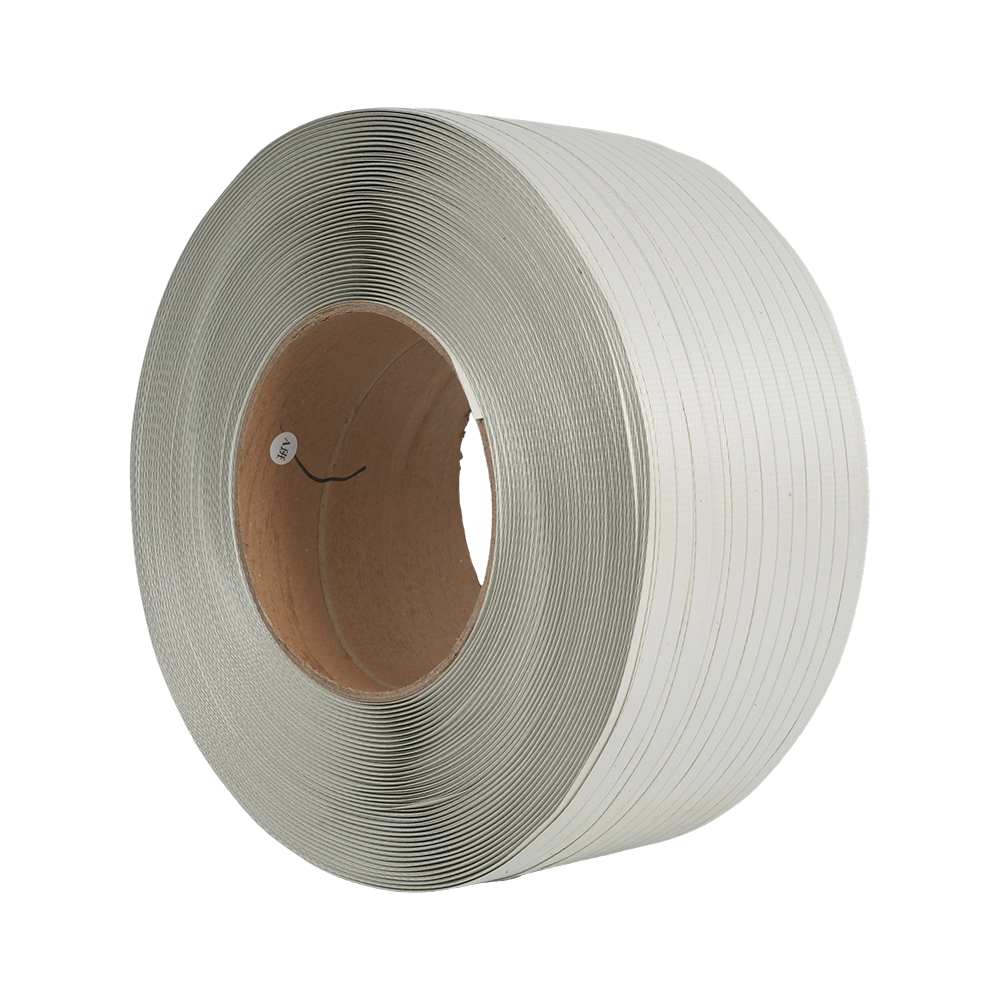
White Plastic Strapping Tape, PP Manual Strapping Band
-
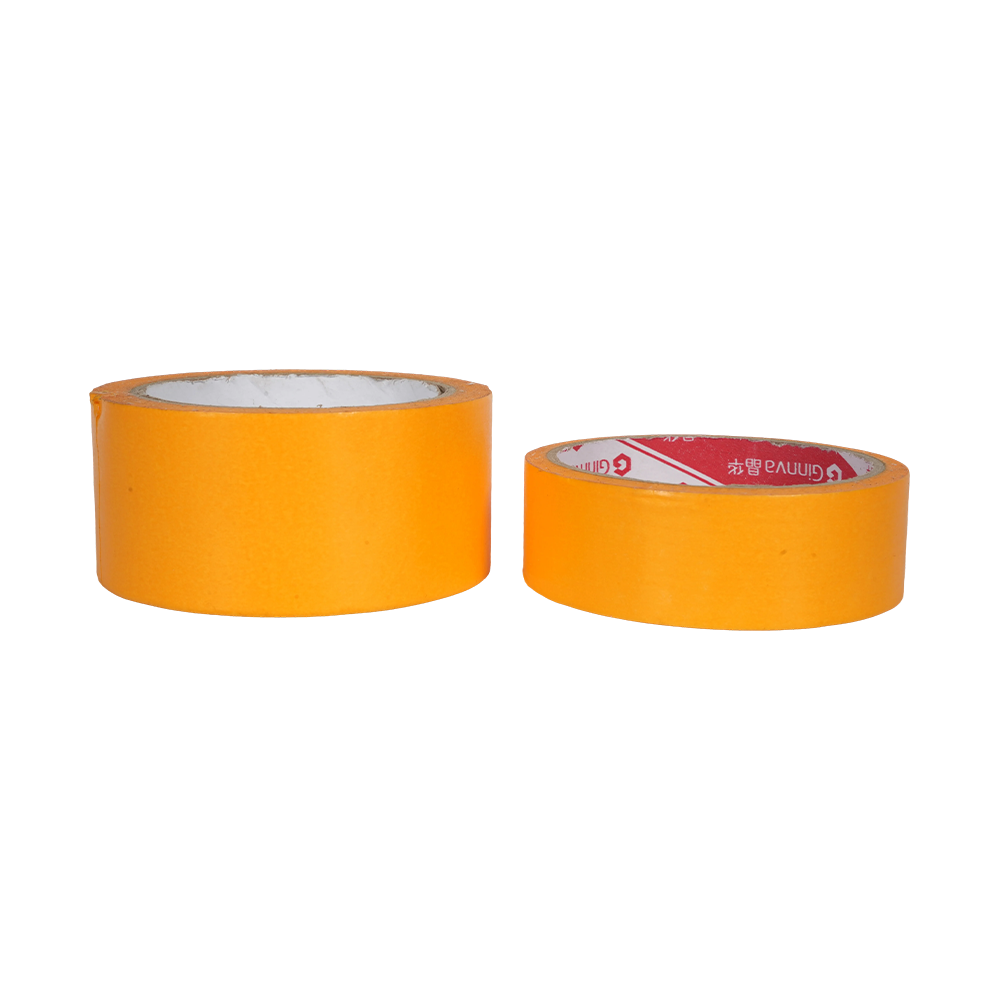
High-temperature resistant masking tape, crepe paper tape
-
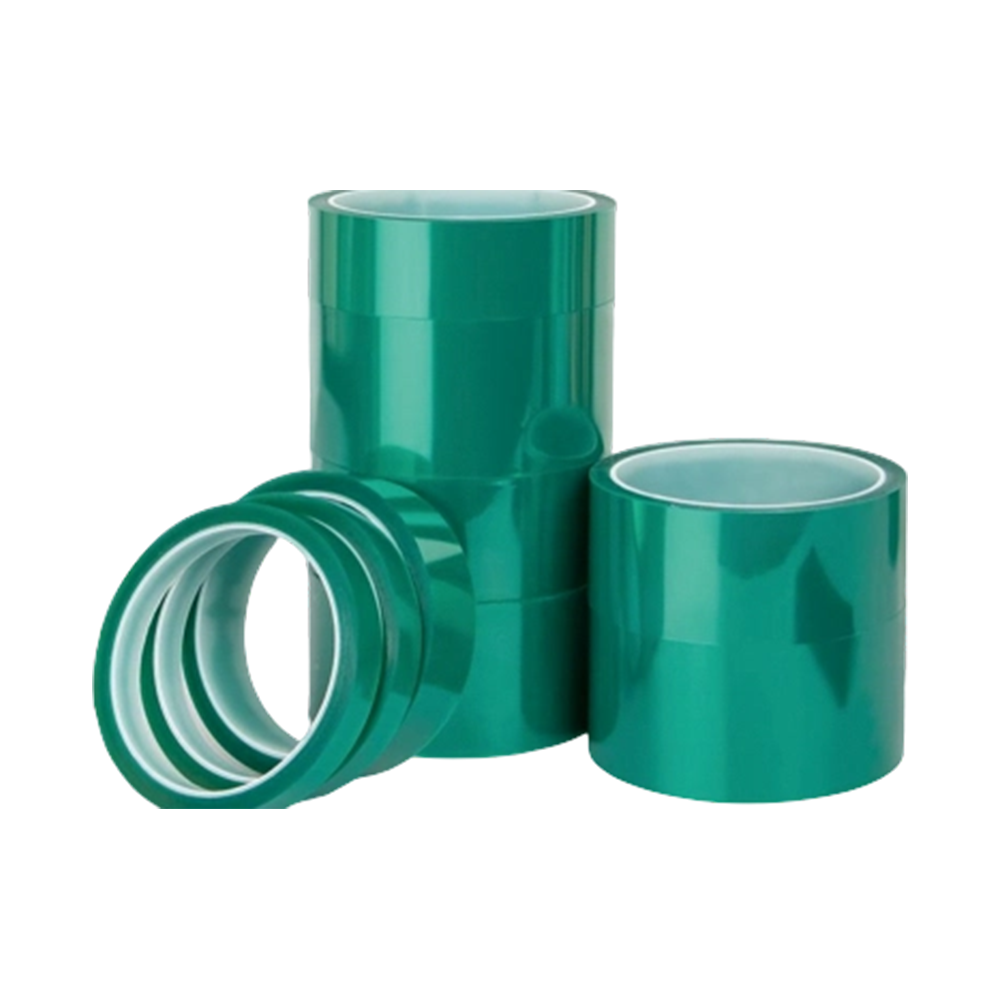
PET High-Temperature Tape
-

1608/1610/1910/2512 Handheld Opaque PET Plastic Steel Belt
-
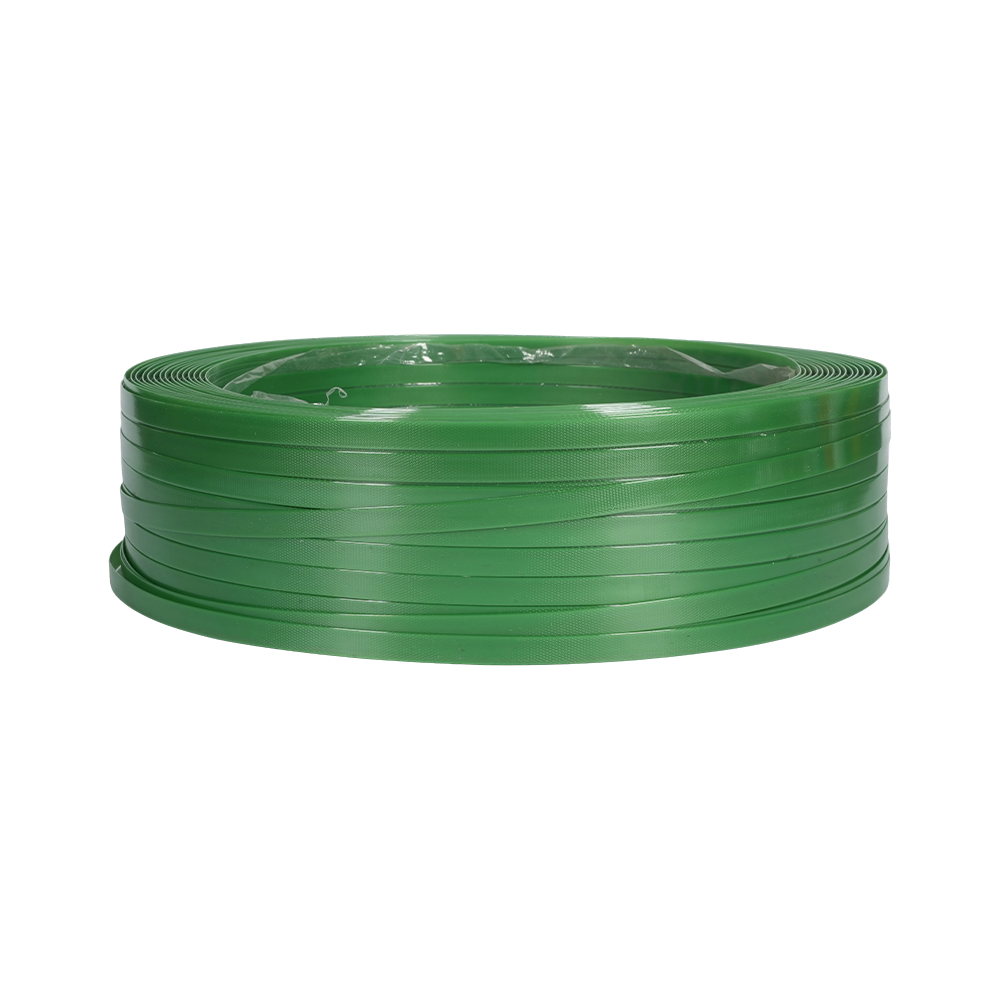
1608/1610/1910/2512 Handheld Transparent P+E+T Plastic Steel Belt
CONTACT DETAILS
- Address:No. 241, Yaojiafan, Zhangpanqiao, Shushan Street, Xiaoshan District, Hangzhou City, Zhejiang Province, China
- TEL:+86-0571-83175630
- Phone:+86-13336160217
- Email:anqiaocun@163.com
PRODUCTS
NEWS CENTER
MOBILE TERMINAL
Copyright© Zhejiang Geruite Packaging Materials Co., Ltd. All Rights Reserved.
Privacy Wholesale industrial packaging tape Manufacturers