


 English
  Español
  عربى
عربى 
PLA Biodegradable Tape: Sustainable Performance for Modern Packaging
Content
- 1 What Is PLA Biodegradable Tape?
- 2 Why Bio-Based Packaging Tape Is Gaining Attention
- 3 Core Product Advantages
- 4 Advantages Compared with Conventional Packaging Tape
- 5 Manufacturing Process and Quality Approach
- 6 Manufacturing Strengths of an Experienced Packaging Supplier
- 7 Applications for PLA Biodegradable Tape
- 8 How to Select the Correct Specification
- 9 Implementation Recommendations for Businesses
- 10 Environmental Responsibility and Correct Claims
- 11 Why Supplier Capability Matters
- 12 Ordering and Customization Checklist
- 13 Frequently Asked Questions
- 13.1 What is the backing material of PLA biodegradable tape?
- 13.2 What thicknesses are available?
- 13.3 Is the tape available in transparent form?
- 13.4 Can the tape be supplied in color?
- 13.5 Can a company print its logo on the tape?
- 13.6 Does strong adhesion make the tape suitable for every package?
- 13.7 Can PLA biodegradable tape replace strapping?
- 13.8 Is biodegradable the same as compostable?
- 13.9 How should the tape be tested before large-scale adoption?
- 13.10 What other packaging products can the supplier provide?
- 13.11 Where is the manufacturer located?
- 13.12 How can buyers request product information?
- 14 Conclusion
- 15 References
- 16 Product: PLA biodegrfadable tape
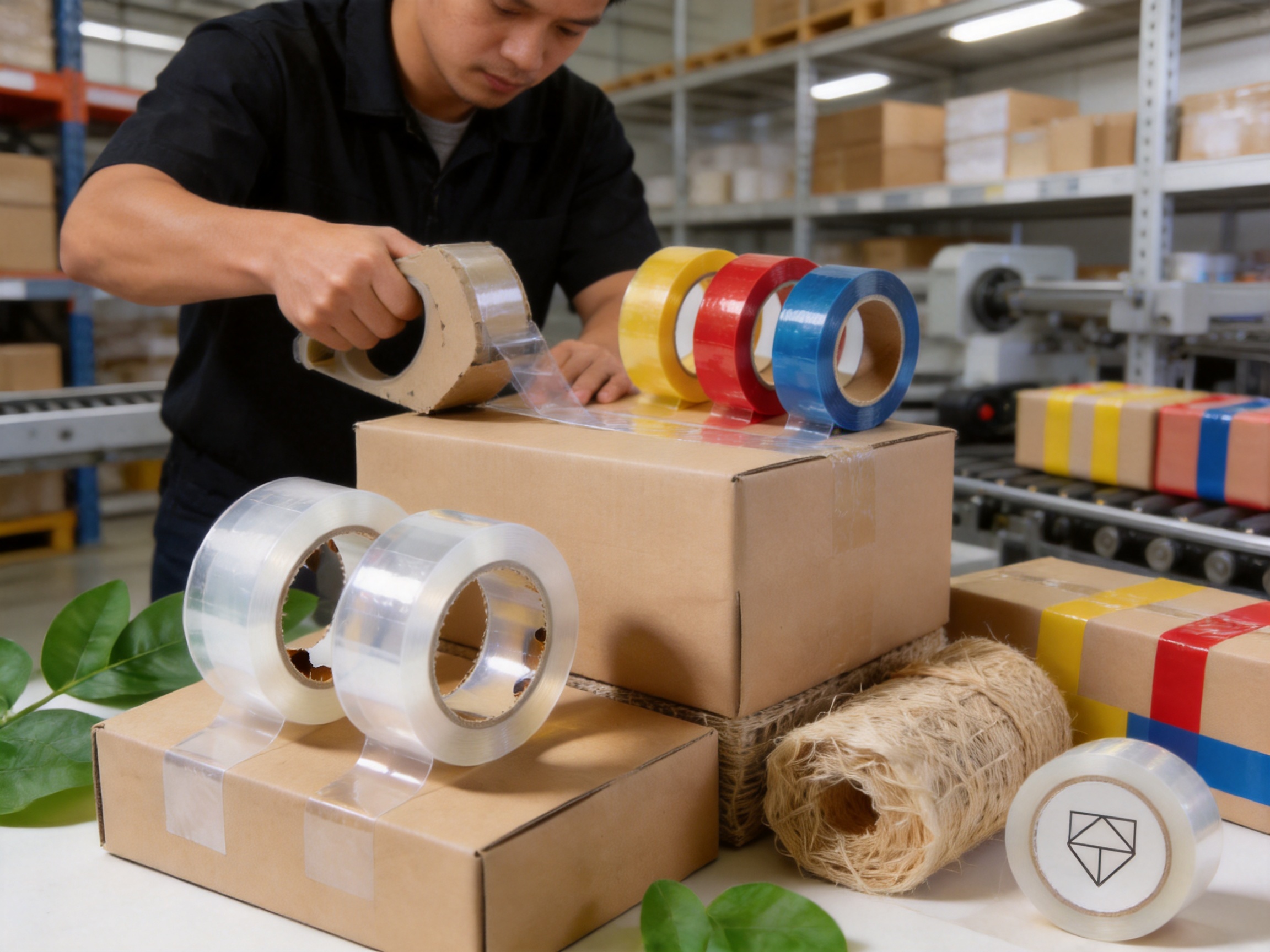
Packaging is changing rapidly. Customers, retailers, manufacturers, and logistics providers are increasingly seeking materials that protect products effectively while supporting broader environmental objectives. This shift has created growing interest in packaging tapes made with bio-based substrates and environmentally friendly adhesive systems. PLA biodegradable tape is one of the solutions attracting attention because it combines the familiar convenience of pressure-sensitive tape with a substrate derived from polylactic acid or other bio-based materials.
PLA biodegradable tape is designed for applications in which reliable adhesion, clean handling, attractive appearance, and a more sustainability-oriented material profile are important. It can be used for carton sealing, package presentation, product bundling, light-duty fixing, and other packaging tasks where conventional plastic tape may not fully match a customer’s environmental positioning. Available in transparent and colored versions, the tape can also be printed with custom logos to support brand recognition.
This article examines the material structure, performance characteristics, manufacturing strengths, application value, customization options, and purchasing considerations associated with PLA biodegradable tape. It also explains how an experienced packaging-materials manufacturer can support stable quality through research and development, production control, inspection, and product diversification.
What Is PLA Biodegradable Tape?
PLA biodegradable tape is a pressure-sensitive adhesive tape that uses PLA or another bio-based substrate as its backing material. PLA, or polylactic acid, is a polymer commonly associated with renewable raw materials and bio-based material development. In this product, the substrate is coated with a specially formulated environmentally friendly adhesive to create a tape that can be applied directly to packaging surfaces.
The tape is supplied in a practical thickness range of approximately 40 micrometers to 55 micrometers. This range gives manufacturers flexibility when balancing appearance, handling, conformability, and material consumption. A thinner construction may be suitable for applications where lightweight packaging and a low material profile are priorities, while a thicker construction may provide a more substantial handling feel and additional support during application.
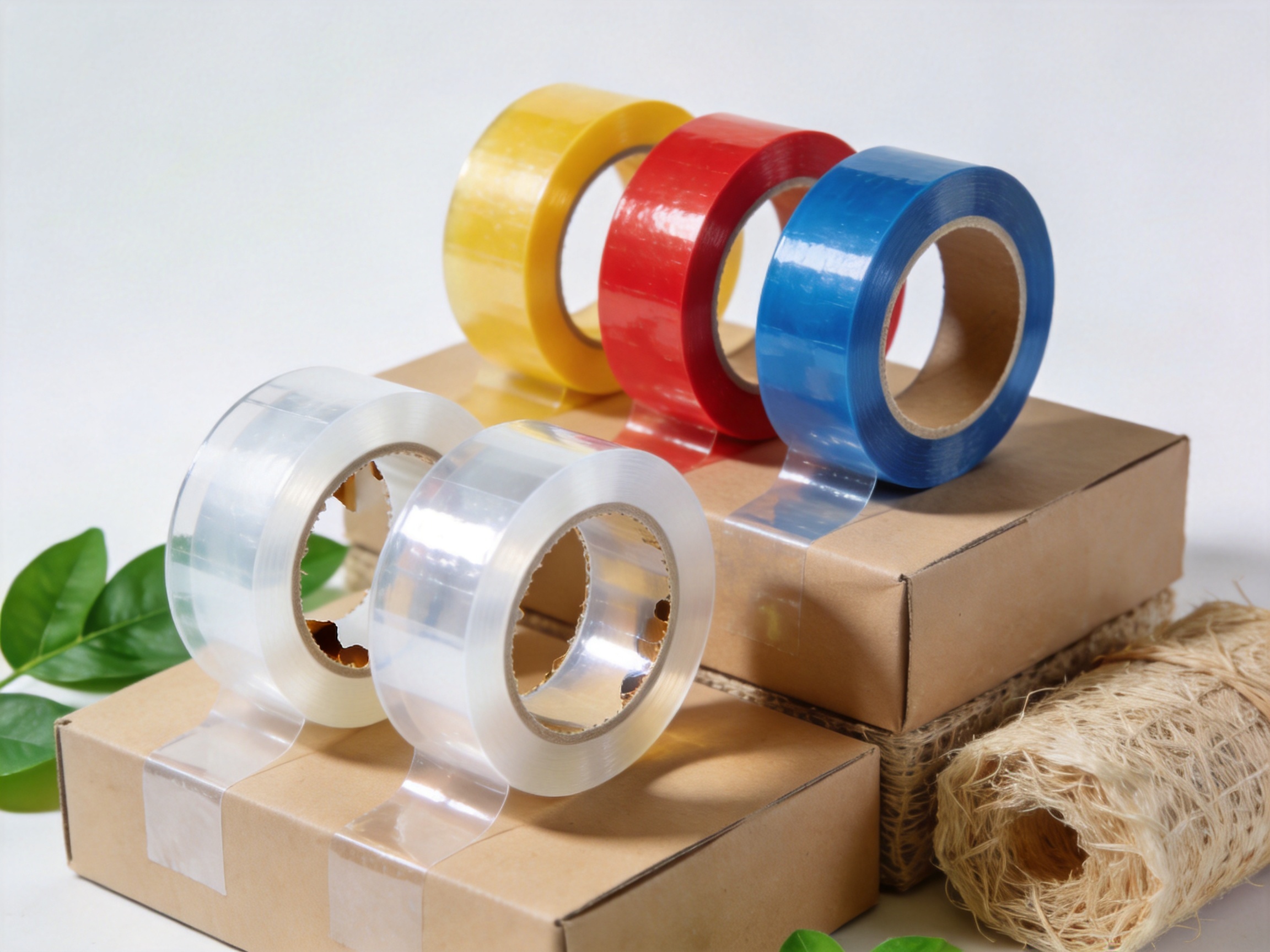
The most common version is transparent PLA biodegradable tape. Transparent tape allows carton graphics, labels, printed information, and the underlying package surface to remain visible. Colored versions, including yellow, red, and blue, are also available. These colors can be selected for visual differentiation, internal packing systems, seasonal packaging, product identification, or marketing purposes.
A further feature is surface printing. Custom logos may be printed on the tape to increase brand awareness and create a more recognizable unboxing experience. Printed tape can also help identify authorized shipments, distinguish packaging lines, and communicate a company’s visual identity throughout transportation and delivery.
| Parameter | Value |
| Substrate | PLA or other bio-based substrates |
| Adhesive | Special environmentally friendly adhesive |
| Thickness range | 40µm–55µm |
| Adhesion performance | Strong adhesion |
| Common type | Transparent tape |
| Available colors | Transparent, yellow, red, blue, and other options |
| Printing | Custom logos can be printed on the surface |
Why Bio-Based Packaging Tape Is Gaining Attention
Traditional packaging tapes have played an important role in modern distribution for decades. They are economical, easy to apply, and available in many sizes and adhesive grades. However, many conventional tapes rely on petroleum-based plastic films. As sustainability expectations develop, packaging buyers are looking for alternatives that can help reduce dependence on conventional materials or support a more environmentally responsible product story.
PLA biodegradable tape responds to this interest by using a PLA or bio-based backing. This does not mean that every environmental claim can be applied universally or that disposal conditions are identical in every region. End-of-life behavior depends on the exact formulation, local waste infrastructure, temperature, humidity, industrial composting availability, and applicable standards. Nevertheless, the use of bio-based materials gives packaging designers another option when evaluating the overall material composition of a package.
For brands, the value of a bio-based tape extends beyond the tape itself. Consumers increasingly notice small packaging details, including sealing materials, labels, films, and protective components. A package sealed with an environmentally oriented tape can contribute to a consistent sustainability message. It may be especially suitable for companies that already use recycled cartons, paper-based inserts, renewable-content packaging, or reduced-material designs.
For packaging operations, the transition must also be practical. A sustainable material must be capable of being stored, converted, printed, applied, and transported without creating unnecessary disruption. PLA biodegradable tape is therefore most valuable when its environmental positioning is combined with strong adhesion, consistent dimensions, clean unwinding, and dependable supply.
Core Product Advantages
Bio-Based Substrate Options
The primary distinction between PLA biodegradable tape and many conventional plastic tapes is the use of PLA or other bio-based substrates. A bio-based substrate can support packaging strategies that seek to increase the proportion of renewable or alternative materials used in the package. This is particularly relevant to businesses that are reviewing their packaging portfolios rather than making isolated changes to a single component.
The substrate provides the physical foundation of the tape. It must be thin enough for efficient conversion while remaining suitable for coating, slitting, printing, winding, and application. The stated thickness range of 40µm to 55µm gives the product a focused structure for packaging use instead of requiring buyers to select from an unnecessarily broad range of constructions.
Compared with a standard petroleum-based film tape, a PLA-based construction offers a different material profile that may align more closely with a sustainability-led purchasing policy. The exact environmental advantage should be evaluated using complete product data, including the adhesive, printing ink, packaging core, manufacturing energy, and disposal route. Even so, the bio-based substrate is an important starting point for customers seeking alternatives.
Strong Adhesion for Packaging Work
Environmental positioning cannot compensate for weak sealing performance. If a tape lifts from the carton, splits during application, or fails to maintain contact during transportation, the result may be product damage, repacking, returns, or wasted materials. PLA biodegradable tape is specified with strong adhesion, allowing it to serve packaging applications where reliable surface contact is required.
Adhesion is influenced by several factors, including adhesive formulation, coating uniformity, substrate surface characteristics, carton material, application pressure, storage conditions, and the cleanliness of the surface. A well-controlled coating process helps ensure that adhesive is distributed evenly across the backing. Consistent coating is essential because areas with insufficient adhesive may fail prematurely, while excessive adhesive can create handling problems, residue, or irregular unwinding.
Strong adhesion also supports efficient manual packing. Operators can apply the tape without repeatedly pressing or replacing sections that do not bond properly. In automated or semi-automated packaging environments, consistent adhesion helps reduce interruptions and can contribute to more stable line performance. Buyers should still confirm the intended carton type, application temperature, load conditions, and storage environment before final selection.
Transparent Appearance
Transparent tape remains the most common type because it provides a clean, unobtrusive appearance. When applied over a carton or printed package, it preserves visibility of the underlying design and does not compete with existing graphics. This makes it suitable for retailers, e-commerce sellers, export cartons, and brands that want the package artwork to remain the central visual element.
A transparent surface can also support quality inspection. Operators may be able to see whether the tape is correctly positioned, whether the carton seam is fully covered, and whether the package has been tampered with after sealing. The visual effect is simple and professional, which is useful for both industrial packaging and consumer-facing shipments.
Color Choices for Identification and Presentation
Although transparent is the common option, colored PLA biodegradable tape provides additional flexibility. Yellow, red, and blue versions may be used to distinguish product categories, identify departments, indicate handling instructions, or create a more recognizable package presentation. Colors can be useful when several packaging streams operate in the same facility.
Color also provides a marketing opportunity. A brand may select a signature color that complements its cartons, labels, or retail identity. Seasonal campaigns may use colors associated with holidays or limited-edition products. For internal logistics, color-coded tape can help employees identify destinations, order types, service levels, or packing requirements at a glance.
Color consistency is an important purchasing consideration. Customers should discuss the desired shade, allowable variation, roll length, core dimensions, print design, and packaging configuration with the manufacturer. A controlled specification helps ensure that repeat orders maintain a consistent appearance.
Custom Logo Printing
Custom printing turns a functional sealing material into a communication surface. A logo, company name, slogan, handling message, or other approved graphic can be printed on the tape. The printed tape then travels with every sealed package, reinforcing brand recognition at the warehouse, during transportation, and at the point of delivery.
Printed tape is especially useful for e-commerce businesses because the shipping carton may be the customer’s first physical interaction with the brand. A consistent logo on the seal can make the package feel more deliberate and professional. It may also help distinguish an official shipment from an unbranded or unauthorized package.
Printing requirements should be defined clearly before production. Important details include artwork format, print colors, repeat distance, logo size, surface appearance, roll width, and intended application method. The manufacturer can then evaluate the design against the tape width and coating structure. A balanced print layout helps preserve readability while maintaining efficient conversion.
Advantages Compared with Conventional Packaging Tape
PLA biodegradable tape should not be evaluated solely by asking whether it replaces every conventional tape in every environment. Different tapes are designed for different purposes, and conventional BOPP, kraft paper, masking, high-temperature, metal, and specialty tapes each have their own performance profiles. The more useful comparison is whether PLA biodegradable tape provides a practical advantage for packaging applications that value bio-based materials and strong general adhesion.
A More Sustainability-Oriented Material Story
Many conventional plastic tapes are selected primarily for cost, availability, and established performance. PLA biodegradable tape adds a sustainability-oriented alternative to the purchasing decision. For brands with environmental goals, it can help demonstrate that packaging improvements include secondary components as well as the main carton or film.
This advantage is strongest when the tape is incorporated into a broader packaging plan. For example, a company may combine recyclable cartons, reduced void fill, renewable-content labels, and bio-based sealing tape. The result is a more coherent material strategy than simply changing one item without reviewing the remainder of the package.
Responsible communication is important. A company should describe the tape according to verified product information and applicable regulations. Terms such as biodegradable, compostable, bio-based, recyclable, and renewable are not interchangeable. The final disposal claim should be based on the actual construction and recognized testing or certification information available for the specific product.
Brand Differentiation
Standard clear tape often disappears visually into the package. PLA biodegradable tape can provide a stronger brand story, especially when printed with a custom logo or used in a distinctive color. This gives the package an opportunity to communicate the brand’s priorities before the customer opens it.
Compared with unprinted generic tape, custom-printed tape can also improve visual consistency across multiple shipping locations. A centralized brand may use the same design on cartons packed by different warehouses or contract partners. This creates a unified appearance and can support recognition in distribution channels.
Flexible Product Presentation
The combination of transparent and colored options allows customers to choose between a discreet seal and a more prominent visual element. Conventional tape may be available in similar formats, but PLA biodegradable tape provides those choices within a bio-based product direction. The thickness range further allows customers to select a construction suited to their handling preferences and packaging process.
Integration with Existing Packaging Activities
Packaging teams generally prefer improvements that do not require a complete change in workflow. Tape remains a familiar format: it can be supplied in rolls, stored with other packaging materials, applied manually, or integrated into compatible sealing equipment after technical evaluation. This makes the transition easier than adopting a completely unfamiliar sealing method.
Before a full rollout, packaging managers should conduct a line trial. The trial can evaluate roll fit, unwinding, hand-tear behavior if relevant, sealing speed, carton surface compatibility, adhesion after transport simulation, print appearance, and storage stability. This process confirms that the alternative material meets operational needs rather than relying only on general product descriptions.
Manufacturing Process and Quality Approach
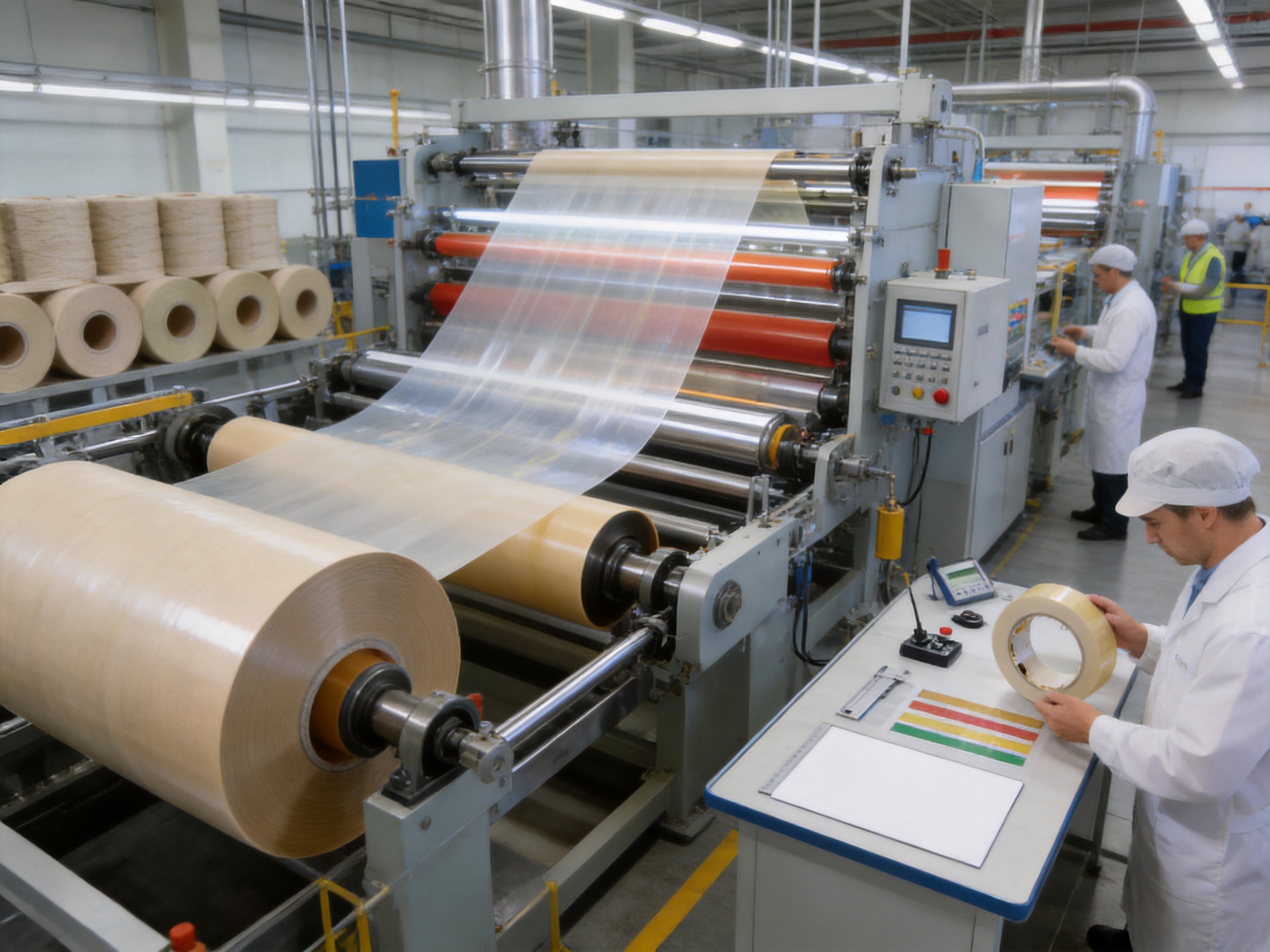
The performance of adhesive tape depends on more than the visible backing film. The substrate, adhesive, coating conditions, drying or curing, slitting, winding, printing, packaging, and inspection stages all contribute to final quality. A manufacturer with experience across multiple tape categories can use its process knowledge to manage these stages more effectively.
Material Selection and Incoming Inspection
Production begins with the selection and receipt of raw materials. For PLA biodegradable tape, this includes the PLA or bio-based substrate, adhesive components, printing materials when required, cores, and outer packaging. Incoming materials should be checked against purchasing specifications before entering production.
Material inspection may include visual review, dimensions, surface condition, roll appearance, and documentation. The purpose is to identify variation before the material reaches the coating or converting line. Consistent raw materials provide a more stable foundation for later processing.
A strong supplier-management system is especially important when manufacturing environmentally oriented products. The term bio-based may refer to different substrate compositions, and customers may have specific requirements concerning material origin or product documentation. Clear specifications help ensure that the delivered product matches the agreed construction.
Substrate Preparation
The backing material must be prepared for adhesive coating and, where required, printing. Surface cleanliness and tension control are important because dust, contamination, wrinkles, or uneven tension can affect coating quality and appearance. The substrate may be unwound from a master roll and guided through the production line under controlled conditions.
Because the product uses a relatively thin film structure, careful handling is essential. Excessive tension can deform the substrate, while insufficient tension can create wrinkles or tracking problems. Stable web movement supports consistent coating, printing, and slitting later in the process.
Environmentally Friendly Adhesive Coating
The adhesive is a central part of the product’s performance. It must provide strong contact with the intended packaging surface while remaining compatible with the PLA or bio-based backing. The coating process is designed to distribute the adhesive across the substrate in a controlled and uniform layer.
Coating weight, viscosity, web speed, drying conditions, and line tension can influence the finished tape. Process technicians must monitor the interaction among these factors rather than treating them as isolated variables. A stable coating layer contributes to consistent adhesion, smooth unwinding, and a clean surface.
The phrase environmentally friendly adhesive refers to the product’s intended adhesive direction, but customers with specific regulatory or environmental requirements should request the relevant technical documentation. Adhesive behavior can vary with carton coating, recycled fiber content, humidity, temperature, and application pressure. Testing on representative packaging surfaces is therefore recommended.
Drying, Curing, and Web Stability
After coating, the tape may pass through controlled drying or curing stages appropriate to the adhesive system. The objective is to establish the required adhesive condition without damaging the substrate or compromising the tape’s appearance. Temperature and residence time must be managed carefully because PLA-based materials may respond differently from conventional films under heat.
Stable web handling during this stage helps prevent blocking, surface defects, uneven adhesive distribution, or roll deformation. The finished master roll should have a consistent structure that can be converted into smaller rolls without excessive telescoping or edge damage.
Printing and Surface Customization
When a customer requests a logo or other surface design, printing is integrated into the production and converting plan. The printing process must account for the transparent or colored substrate, the desired ink coverage, the repeat pattern, and the final tape width. Artwork positioning is important because the printed image must remain readable after the tape is unwound and applied to a carton.
Before mass production, the manufacturer should review artwork and confirm technical details with the buyer. A proof or sample run can be used to check color, legibility, spacing, and overall appearance. This step reduces the risk of producing a large quantity with an incorrect logo or unsuitable repeat distance.
Slitting and Rewinding
Large coated or printed master rolls are converted into narrower rolls according to customer requirements. Slitting must produce clean edges, stable roll profiles, and consistent widths. Poor slitting can cause uneven edges, loose winding, telescoping, or difficulty during application.
Rewinding tension is also important. Rolls that are too tight may be difficult to unwind or may place stress on the substrate. Rolls that are too loose may deform during transport or create inconsistent application. Experienced converting personnel adjust the process to the material structure and the customer’s roll specifications.
Final Inspection and Packaging
Final inspection verifies that the converted product meets the agreed requirements. Typical checks may include roll width, thickness, appearance, winding condition, print quality, adhesion behavior, and packaging integrity. The exact inspection plan should be based on the customer’s application and the product specification.
Finished rolls must then be packed to protect them from contamination, moisture, crushing, and rough handling. Proper identification helps ensure traceability between the finished goods and their production records. Clear labeling can include product type, size, quantity, batch information, and customer-specific details when required.
A rigorous approach from raw material procurement to final inspection is one of the most important manufacturing strengths for any adhesive tape supplier. It improves repeatability and gives customers greater confidence when they place recurring orders.
Manufacturing Strengths of an Experienced Packaging Supplier
Zhejiang Geruite Packaging Materials Co., Ltd. is located in Zhejiang Province, China, an area recognized for its developed manufacturing base and active industrial economy. The company focuses on research, development, production, and sales in the packaging-materials field. Its experience extends across multiple types of tape and packaging products, providing a broad technical foundation for customers seeking a specialized material.
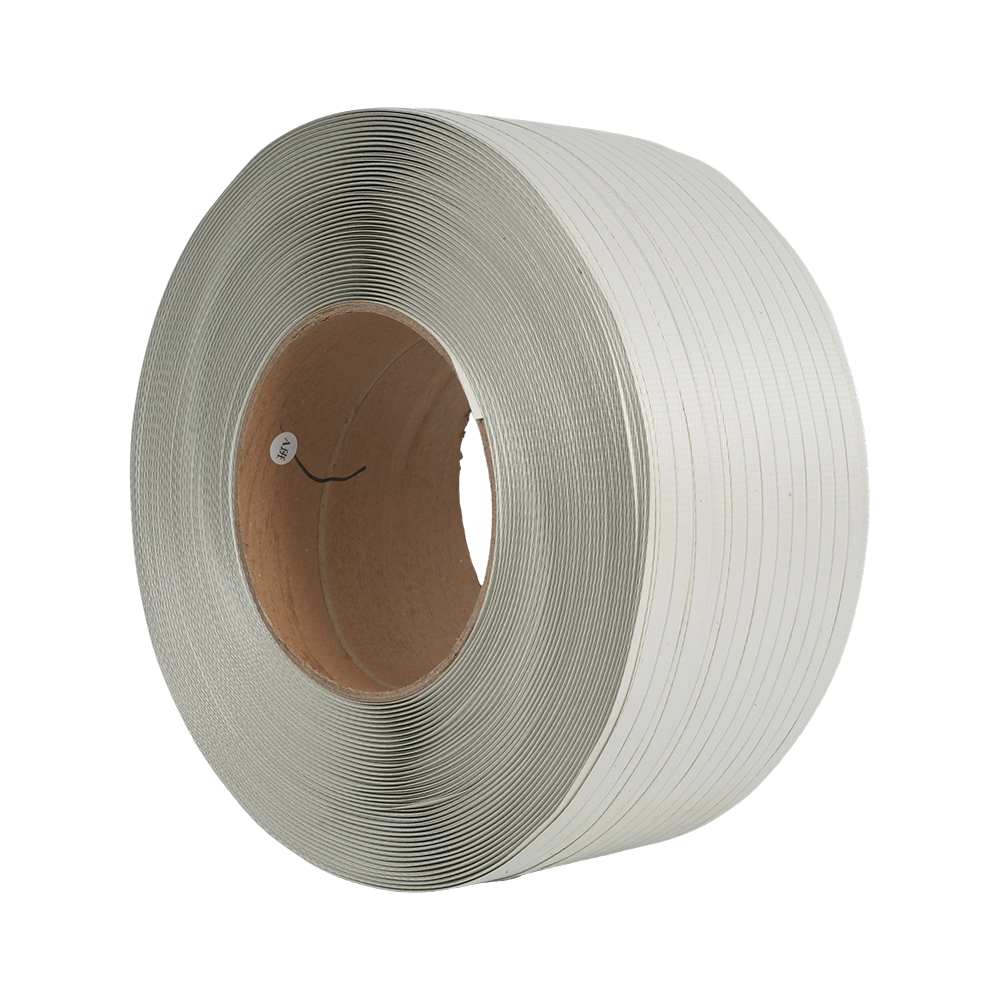
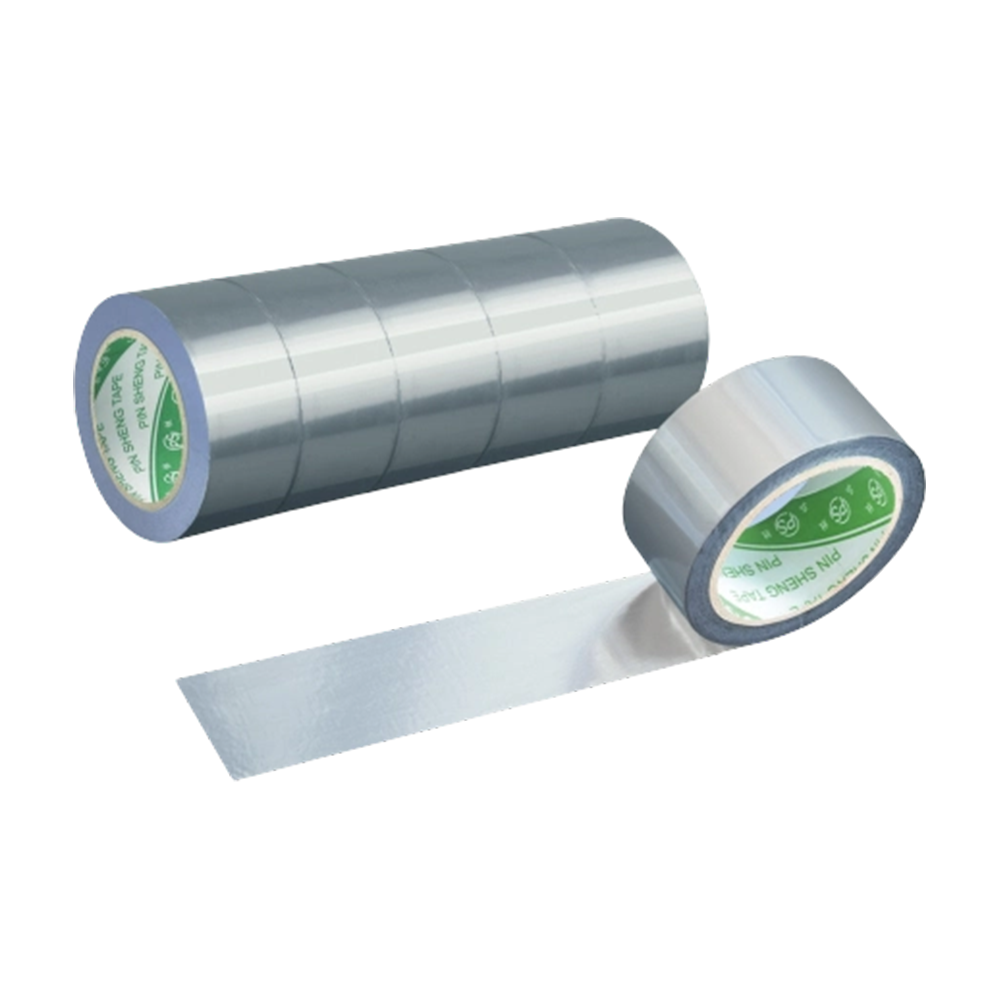
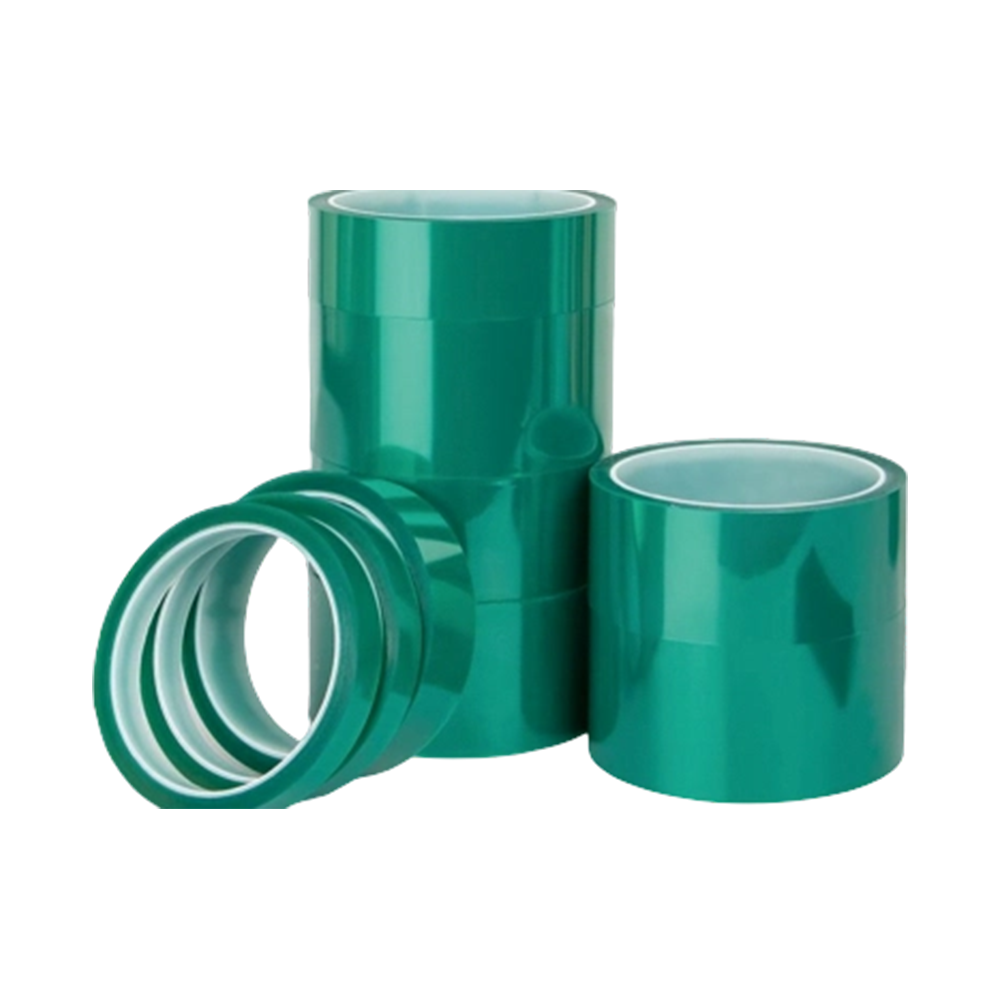
The company’s product portfolio includes BOPP tape, kraft paper tape, masking tape, high-temperature resistant tape, metal tape, PE stretch film, PP strapping, and high-strength PET strapping. This range is valuable because packaging requirements are rarely limited to one product. A customer may need carton-sealing tape, stretch film, and strapping for the same distribution program. A supplier with multiple product categories can help coordinate material selection and supply planning.
Research and Development Orientation
Packaging materials must continue to evolve as customers demand improved performance, new appearances, more efficient application, and alternative material structures. A company that invests in research and innovation is better positioned to respond to these requirements. For PLA biodegradable tape, development work may involve substrate compatibility, adhesive selection, coating stability, printability, and converting performance.
Research and development is not limited to creating a new product. It also includes refining existing formulations, reducing process variation, improving roll quality, adapting products to customer equipment, and evaluating new packaging applications. This continuous approach helps a manufacturer provide practical solutions rather than relying on a single standard specification.
Advanced Production Equipment
The company is equipped with advanced production equipment and applies a structured quality-control system. In adhesive tape manufacturing, equipment capability affects coating uniformity, web tension, drying control, printing accuracy, slitting precision, and winding quality. Appropriate equipment allows production personnel to maintain repeatable conditions across different orders.
Equipment alone does not guarantee quality. Its value depends on proper maintenance, trained operators, process records, and inspection procedures. When these elements work together, the manufacturer can produce more stable rolls and respond more effectively to customized requirements such as special widths, colors, printed logos, or packaging formats.
Quality Control Across the Production Chain
Quality control is described as extending from raw material procurement through production and final inspection. This full-chain approach is stronger than checking only the finished roll. Early inspection helps prevent unsuitable raw materials from entering production, while in-process controls identify issues before a large quantity is converted.
Final inspection provides another level of protection. It confirms that the completed rolls correspond to the required product type and customer specifications. A systematic process can reduce variation in adhesion, appearance, dimensions, winding, and packaging. For customers who use tape in high-volume shipping operations, this consistency is especially important.
Production Capacity and Business Stability
The company’s annual output value has reached more than RMB 60 million. This figure indicates a substantial operating base and a developed presence in the packaging-materials sector. Business scale can support purchasing, manufacturing organization, quality systems, customer service, and product development.
For an international buyer, supplier stability matters because packaging materials are often recurring consumables. A supplier must be able to support repeat orders, maintain product specifications, communicate production information, and manage changing demand. A manufacturer with a broad product portfolio and established production organization may be better prepared for long-term cooperation than a supplier focused on a single short-term order.
Professional Service and Application Support
Product selection is more effective when it includes communication about the customer’s actual application. Important details include carton material, package weight, sealing method, storage conditions, transportation distance, expected exposure to humidity or temperature changes, and whether the tape will be printed. A professional supplier can use this information to recommend a suitable structure and identify the tests needed before adoption.
Service also includes order communication, artwork coordination, sample review, packaging details, production scheduling, and after-sales response. These activities may appear separate from tape performance, but they influence the customer’s total purchasing experience and the success of a product launch.
Applications for PLA Biodegradable Tape
E-Commerce and Express Delivery
E-commerce packages travel through multiple handling points, including warehouses, sorting centers, vehicles, and delivery routes. The sealing tape must help maintain carton closure while presenting a clean appearance. Transparent PLA biodegradable tape can preserve package graphics, while printed tape can create a recognizable delivery experience.
Online retailers may use the tape for shipping cartons, subscription boxes, promotional packages, and return shipments. Colored tape can separate product lines or support special campaigns. Before use in high-volume fulfillment, operators should test the tape on the actual carton grades and sealing equipment.
Household Goods
Household products often require packaging that is secure, visually appealing, and aligned with consumer expectations. A bio-based tape can complement product packaging that emphasizes natural materials, responsible sourcing, or reduced environmental impact. Transparent tape works well when the package design should remain visible, while printed tape can strengthen the brand presentation.
Electronics and Accessories
Electronics packaging frequently uses printed cartons, protective inserts, labels, and organized sealing systems. PLA biodegradable tape may be considered for outer-carton sealing or accessory packaging when the application conditions are appropriate. The exact suitability should be confirmed because electronic products may have specific requirements concerning cleanliness, static behavior, temperature, or storage.
Construction and Decoration Products
Construction and decoration businesses handle many cartons and bundles of materials. Tape may be used to seal accessory boxes, group small components, or identify shipments. Color-coded tape can help distinguish product types or delivery destinations. For heavier loads, PLA biodegradable tape should be evaluated together with appropriate strapping or stretch film rather than being expected to replace those load-stabilization products.
Industrial Manufacturing
Industrial manufacturers often require packaging materials that support repeatable packing processes. A consistent adhesive tape can be used for carton closure, component packaging, internal organization, and shipment preparation. When a company purchases several packaging materials from one supplier, it may simplify inventory management and improve coordination between tape, film, and strapping requirements.
Retail and Promotional Packaging
Retail brands can use custom-printed PLA biodegradable tape to reinforce packaging identity. A logo printed repeatedly along the tape creates a visible design element without requiring a fully customized carton for every order. This can be useful for smaller brands, seasonal promotions, subscription services, and campaign-specific shipments.
How to Select the Correct Specification
Choose the Appropriate Thickness
The available thickness range is approximately 40µm to 55µm. Selection should be based on the package structure, application method, required handling feel, and transportation conditions. Buyers should avoid choosing solely by the lowest thickness because a suitable balance between material economy and practical performance is more important than minimizing one dimension.
Testing different thickness options on actual cartons can help determine the most appropriate construction. The evaluation should include initial adhesion, holding performance, unwinding, application speed, appearance, and behavior after the package has been stored or transported.
Consider the Package Surface
Cartons may have coated, uncoated, recycled, corrugated, dusty, rough, or printed surfaces. These differences affect adhesion. The tape should be tested on the precise carton material used in production, not only on a smooth laboratory surface. If the carton contains a high proportion of recycled fiber or has a dusty surface, application pressure and surface preparation may be especially important.
Evaluate Manual or Automatic Application
Manual packing allows operators to adjust pressure and tape placement as they work. Automatic equipment requires more consistent roll dimensions, winding, unwind behavior, and web tracking. Customers should provide information about the dispenser or sealing machine so that the manufacturer can confirm compatibility and recommend a suitable roll format.
Define Color and Printing Requirements
For transparent tape, the buyer should specify the desired clarity and whether the tape will be printed. For colored tape, the buyer should provide the preferred color reference or an approved physical sample where possible. Printing orders should include the logo artwork, color requirements, repeat distance, width, and any text that must remain legible.
Review Storage and Transportation Conditions
Adhesive tape should be stored in conditions that protect it from excessive heat, direct sunlight, moisture, dust, and physical damage. The storage period and local climate may affect the choice of packaging and inventory rotation. Buyers should discuss expected conditions with the supplier, particularly when tape will be shipped across different climates or stored for extended periods.
Implementation Recommendations for Businesses
Introducing a new packaging tape is most successful when it is managed as a controlled packaging improvement rather than an immediate full replacement. Begin by identifying the packages that are most suitable for a bio-based tape. Lightweight cartons, consumer-facing shipments, promotional packages, and brands with sustainability objectives may be good candidates for an initial trial.
Next, define the performance criteria. These may include sealing strength, application speed, visual appearance, logo quality, roll length, storage life, carton compatibility, and transport performance. The criteria should reflect actual operational requirements and should be agreed upon by procurement, packaging engineering, warehouse operations, quality control, and marketing teams.
Request samples in the proposed thickness, color, and print format. Run the samples through the same application process used in daily operations. Manual application should be evaluated by several operators, while automatic application should be tested at normal and high operating speeds.
Conduct a practical transport simulation whenever possible. Packages can be exposed to normal warehouse handling, stacking, vibration, and delivery conditions. The goal is not to create a universal laboratory claim but to understand whether the tape performs reliably in the company’s actual distribution system.
Document the results and identify any adjustments needed. Changes may include tape width, thickness, application pressure, carton preparation, storage conditions, or sealing pattern. Close communication with the manufacturer can shorten the adjustment process and help establish a repeatable specification.
Environmental Responsibility and Correct Claims
The environmental value of PLA biodegradable tape should be communicated accurately. Bio-based content describes the origin of some or all of the material, while biodegradability describes the ability of a product or component to break down under defined conditions. Compostability is a more specific concept that usually depends on particular facilities, time periods, and testing requirements.
Because disposal systems differ by country and region, customers should not assume that a biodegradable tape will break down in every landfill, home composting system, recycling stream, or natural environment. The tape’s adhesive, inks, core, packaging, and contamination from the carton may also influence end-of-life handling.
Businesses should request technical documents and relevant test information when they need to make formal environmental claims. Marketing language should match the evidence available for the exact product configuration. This approach protects the credibility of the brand and helps customers understand how the tape fits into their own waste-management plans.
Even with these considerations, the product can contribute to a more thoughtful packaging strategy. Selecting a PLA or bio-based substrate, reducing unnecessary packaging materials, improving package right-sizing, and working with a supplier that controls production are all practical steps toward better material management.
Why Supplier Capability Matters
A packaging tape is a relatively small component of a shipping system, but its reliability can affect the entire package. Tape failure may expose products, interrupt production, or create additional labor. For this reason, supplier capability should be assessed alongside the product specification.
An experienced supplier brings knowledge of multiple substrates, adhesive systems, converting processes, and packaging applications. This broad understanding can be valuable when a customer is unsure whether PLA biodegradable tape, kraft paper tape, BOPP tape, stretch film, or strapping is the best choice for a particular task.
Manufacturing scale also supports continuity. Customers may need trial quantities initially and larger repeat orders later. A supplier with established equipment, quality systems, and production organization is better positioned to support this progression. It can also help coordinate different packaging materials when the customer wants a broader sourcing solution.
Technical communication is equally important. The supplier should understand the intended package, clarify the limits of the product, and recommend testing rather than making unsupported universal claims. This creates a more reliable partnership and reduces the risk of selecting a tape that is technically attractive but unsuitable for the actual application.
Ordering and Customization Checklist
When requesting a quotation or sample, buyers should provide as much application information as possible. A complete request may include the tape type, width, thickness, roll length, core size, quantity, substrate preference, color, printing requirements, adhesive expectations, carton material, application method, and delivery destination.
For printed tape, submit clear artwork and identify the number of print colors. Confirm whether the logo should repeat at a fixed distance and whether text must be readable from a particular viewing distance. Ask for a proof before production if the design is important to the brand.
For colored tape, define the target shade and acceptable variation. If the tape is used for internal identification, provide the color-coding system so that the supplier can prepare consistent products for each category.
For recurring orders, establish a written specification that records approved materials, dimensions, appearance, print layout, packaging, and inspection requirements. This reduces ambiguity during future production and helps maintain consistency across purchase cycles.
Frequently Asked Questions
What is the backing material of PLA biodegradable tape?
The backing material is PLA or another bio-based substrate. The substrate is coated with a specially formulated environmentally friendly adhesive to create the finished pressure-sensitive tape.
What thicknesses are available?
The stated thickness range is approximately 40µm to 55µm. The correct thickness depends on the carton, application method, desired handling characteristics, and performance requirements.
Is the tape available in transparent form?
Yes. Transparent tape is the common type. It allows package graphics, labels, and printed carton information to remain visible after sealing.
Can the tape be supplied in color?
Yes. Available color options include transparent, yellow, red, blue, and other colors subject to production and customization requirements.
Can a company print its logo on the tape?
Yes. Custom logos can be printed on the surface to improve brand awareness. Buyers should provide artwork, print colors, repeat requirements, tape width, and other design information before production.
Does strong adhesion make the tape suitable for every package?
No single tape is suitable for every surface or condition. Strong adhesion is a key product feature, but performance also depends on the carton material, surface cleanliness, application pressure, temperature, humidity, package weight, and transportation conditions. Testing on the actual package is recommended.
Can PLA biodegradable tape replace strapping?
It is generally intended for tape-sealing applications and should not automatically be treated as a replacement for PP or PET strapping. Heavy or unstable loads may require stretch film, strapping, or other load-stabilization materials in addition to carton-sealing tape.
Is biodegradable the same as compostable?
No. Biodegradability and compostability are related but different concepts. The applicable conditions depend on the exact formulation, testing method, facility, and local regulations. Buyers should request product-specific documentation before making a detailed disposal claim.
How should the tape be tested before large-scale adoption?
Test the tape on the actual carton surface and with the intended manual or automatic application method. Evaluate adhesion, unwinding, application speed, appearance, print quality, roll dimensions, storage behavior, and package performance after handling and transport simulation.
What other packaging products can the supplier provide?
The company’s broader product range includes BOPP tapes, kraft paper tapes, masking tapes, high-temperature resistant tapes, metal tapes, PE stretch film, PP strapping, and high-strength PET strapping. This allows customers to discuss several packaging requirements with one experienced supplier.
Where is the manufacturer located?
Zhejiang Geruite Packaging Materials Co., Ltd. is located at No. 241, Yaojiafan, Zhangpanqiao, Shushan Street, Xiaoshan District, Hangzhou City, Zhejiang Province, China.
How can buyers request product information?
Buyers can contact the company by telephone at +86-0571-83175630 or +86-13336160217, or by email at anqiaocun@163.com. Product specifications, samples, customization details, and application requirements should be discussed before placing an order.
Conclusion
PLA biodegradable tape offers a practical route for businesses that want to explore bio-based packaging materials without abandoning the familiar format of pressure-sensitive sealing tape. Its PLA or bio-based substrate, environmentally friendly adhesive, strong adhesion, transparent appearance, color options, and custom-printing capability make it suitable for a wide range of packaging and branding applications.
The product’s greatest advantage is the combination of material direction and everyday usability. A tape that supports a sustainability-oriented package must still seal cartons, handle efficiently, maintain a professional appearance, and remain available in specifications that fit real operations. The 40µm to 55µm thickness range, transparent standard option, multiple colors, and logo-printing service provide flexibility for different customer requirements.
Manufacturing capability is equally important. Research and development, advanced production equipment, control from raw material procurement through final inspection, a broad packaging-materials portfolio, and established production strength all contribute to dependable supply. These capabilities allow Zhejiang Geruite Packaging Materials Co., Ltd. to serve customers seeking not only one tape product but also coordinated packaging-material solutions.
Businesses considering PLA biodegradable tape should begin with application testing, clear specifications, accurate environmental communication, and close cooperation with the manufacturer. With the right product selection and quality-control process, the tape can become a useful part of a modern packaging system that balances protection, presentation, operational efficiency, and sustainability objectives.
References
1. Product specification supplied for PLA biodegradable tape, including substrate, adhesive, thickness, adhesion, colors, and printing options.
2. Company information supplied for Zhejiang Geruite Packaging Materials Co., Ltd., including product portfolio, manufacturing capabilities, quality-control approach, and business profile.
3. General principles of pressure-sensitive adhesive tape selection, including substrate compatibility, coating uniformity, application pressure, storage, and transport testing.
4. General packaging-material evaluation practices for bio-based substrates, biodegradability terminology, end-of-life assessment, and responsible environmental communication.
5. General converting and quality-control practices for coated films, printed tape, slitting, rewinding, packaging, and final inspection.
Product: PLA biodegrfadable tape

LATEST POST
Let’s create something amazing together
contact us


CONTACT DETAILS
- Address:No. 241, Yaojiafan, Zhangpanqiao, Shushan Street, Xiaoshan District, Hangzhou City, Zhejiang Province, China
- TEL:+86-0571-83175630
- Phone:+86-13336160217
- Email:anqiaocun@163.com
PRODUCTS
NEWS CENTER
MOBILE TERMINAL
Copyright© Zhejiang Geruite Packaging Materials Co., Ltd. All Rights Reserved.
Privacy Wholesale industrial packaging tape Manufacturers