


 English
  Español
  عربى
عربى 
Aluminum Foil Adhesive Tape for Heat-Resistant Industrial Packaging and Protection
Content
- 1 What Is Aluminum Foil Adhesive Tape?
- 2 Core Construction and Available Options
- 3 Key Performance Advantages
- 4 Advantages Compared with Conventional Industrial Tapes
- 5 Industrial Applications
- 6 Manufacturing Process and Quality Approach
- 7 Why Manufacturing Capability Matters to Buyers
- 8 Application Guidelines
- 9 Storage and Handling Recommendations
- 10 Product Specification Overview
- 11 How to Choose the Correct Version
- 12 Quality, Service, and Supply Strengths
- 13 Environmental and Material Efficiency Considerations
- 14 Common Purchasing Questions
- 14.1 Is aluminum foil adhesive tape suitable for ordinary carton sealing?
- 14.2 What is the difference between lined and unlined tape?
- 14.3 When should a film-coated version be selected?
- 14.4 Can the tape be produced in custom widths?
- 14.5 What lengths are available?
- 14.6 Is the tape suitable for continuous high-temperature exposure?
- 14.7 Can it be used outdoors?
- 14.8 What surfaces are appropriate for application?
- 14.9 How can installation quality be improved?
- 14.10 How should wholesale buyers request a quotation?
- 15 Conclusion
- 16 References
- 17 Product: Aluminum Foil Adhesive Tape
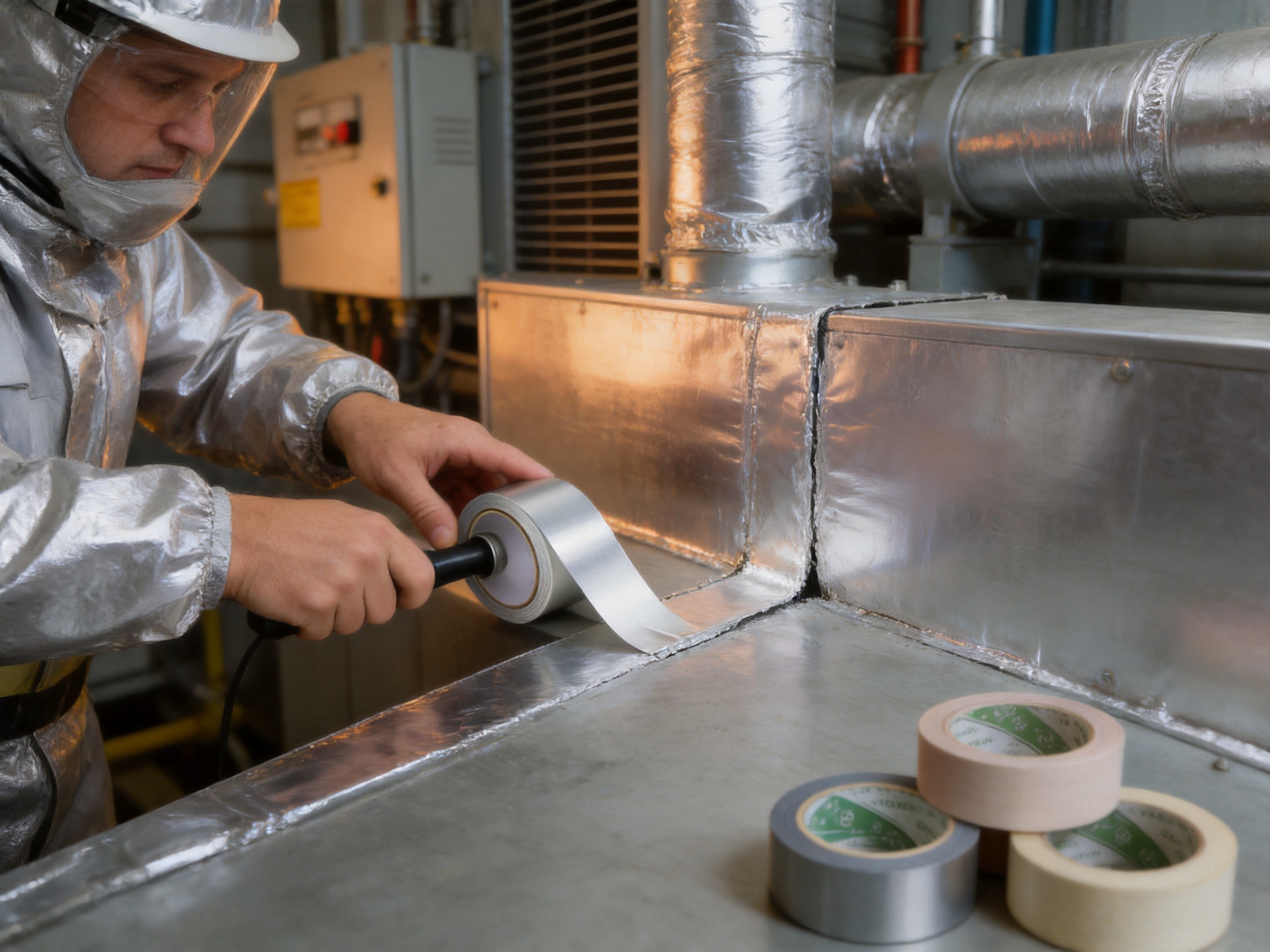
Aluminum foil adhesive tape is a versatile industrial material designed to combine the protective properties of aluminum foil with the convenience of a pressure-sensitive adhesive. It is used wherever surfaces require heat insulation, resistance to elevated temperatures, wear protection, reflective performance, and reliable sealing. Unlike ordinary packaging tapes, which are primarily intended to close cartons or bundle lightweight materials, aluminum foil adhesive tape provides a functional metallic barrier that can support demanding applications in packaging, construction, electronics, appliance manufacturing, insulation installation, and general industrial maintenance.
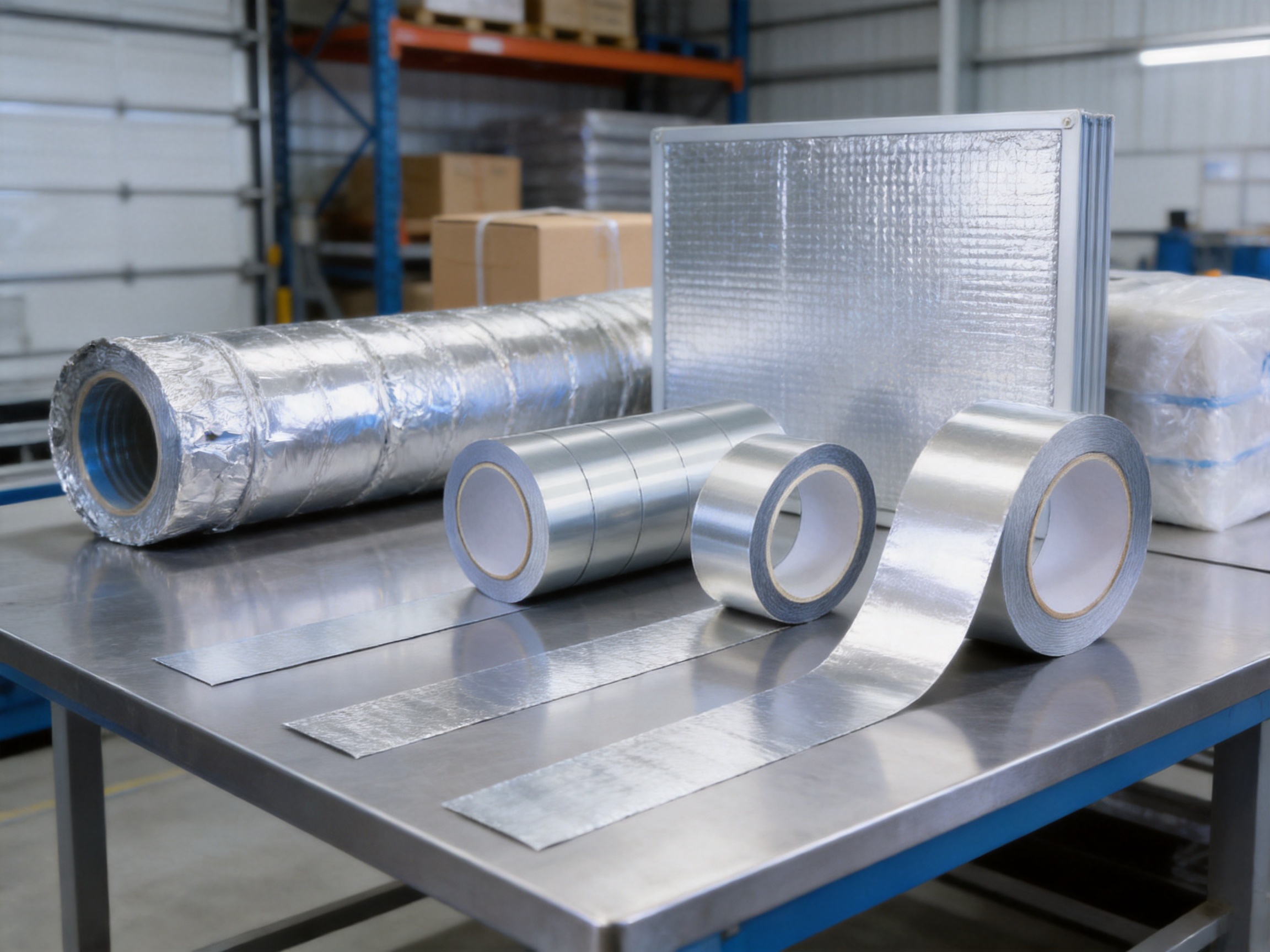
With a base material of aluminum foil, this tape is available in lined and unlined versions as well as pure aluminum and film-coated constructions. Widths can range from 10 mm to 1,000 mm, while standard lengths range from 50 m to 200 m. Custom widths are also available to meet different production, maintenance, and packaging requirements. This flexibility makes the product suitable for both narrow detail work and large-area covering or joining operations.
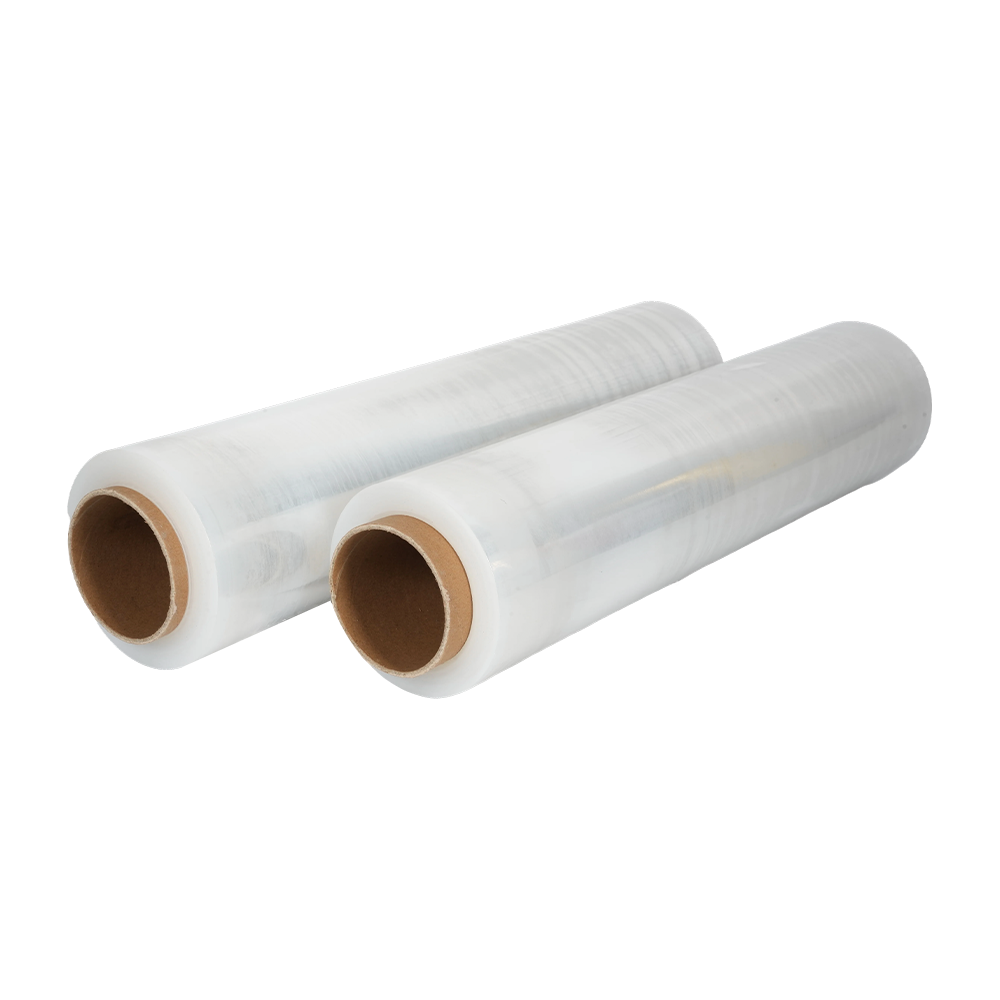
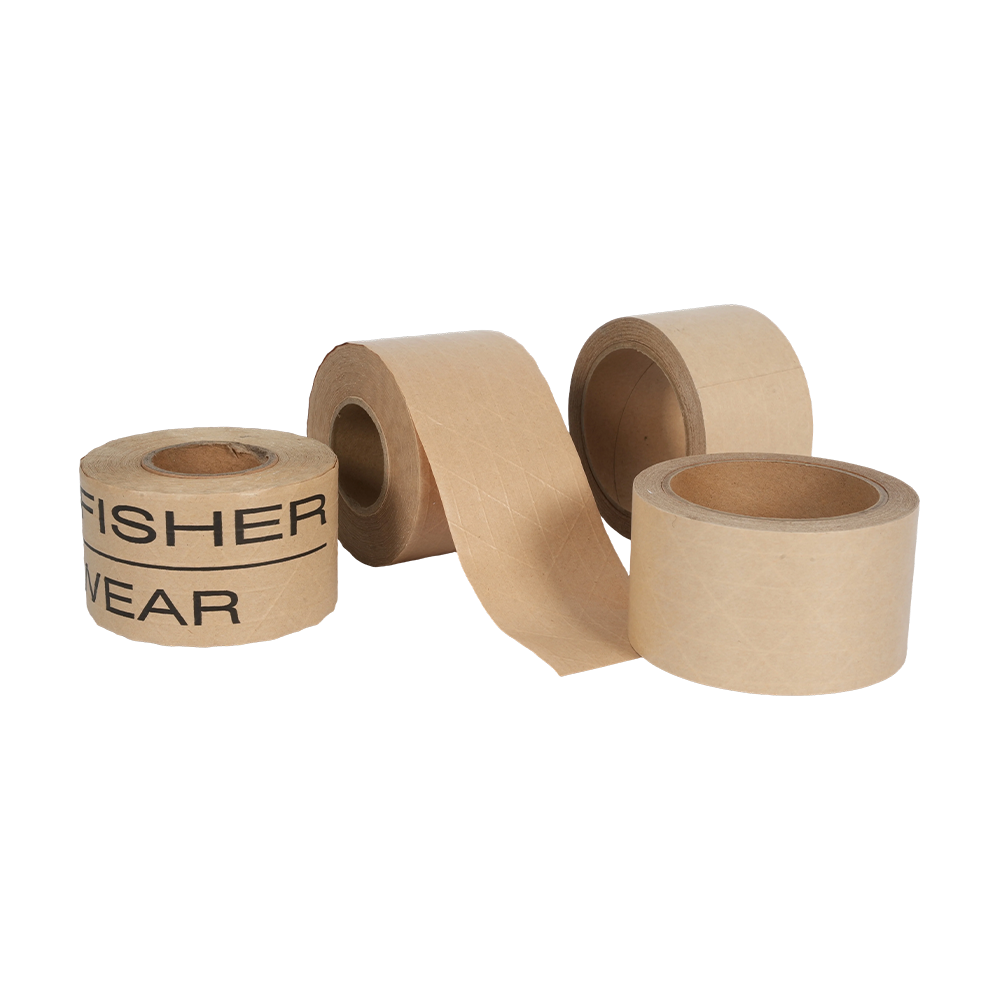
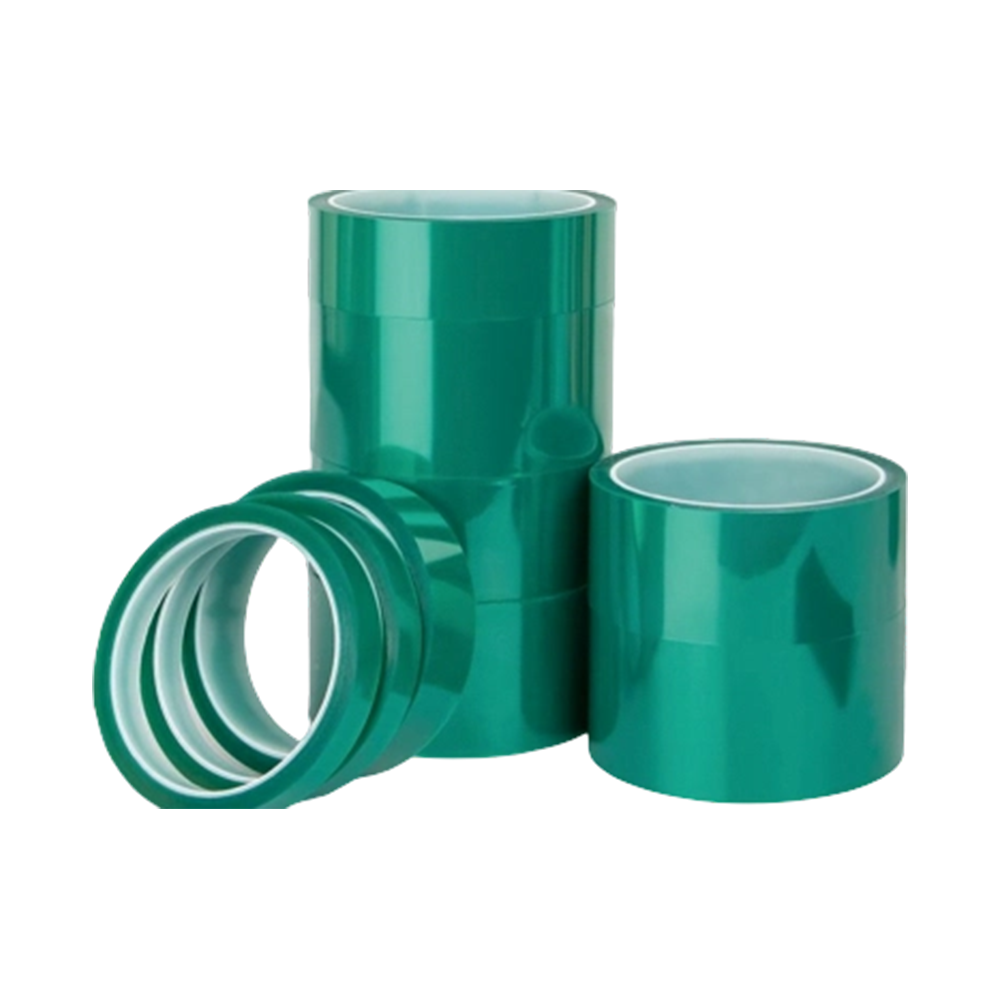
Manufactured by Zhejiang Geruite Packaging Materials Co., Ltd., the tape is part of a broader portfolio of industrial packaging materials that includes BOPP tape, kraft paper tape, masking tape, high-temperature resistant tape, metal tape, PE stretch film, PP strapping, and high-strength PET strapping. The company’s experience across adhesive tapes, films, and strapping products supports a practical understanding of packaging systems and the performance requirements faced by industrial customers.
What Is Aluminum Foil Adhesive Tape?
Aluminum foil adhesive tape consists of an aluminum foil backing coated with an adhesive layer. Depending on the selected construction, the foil may be used in a pure aluminum form or combined with a film coating. A release liner may also be included to protect the adhesive before application. Once the liner is removed, the tape can be applied to a clean, dry surface and pressed into place to form a continuous protective layer or seal.
The aluminum backing gives the tape properties that conventional paper, cloth, or plastic tapes cannot provide in the same combination. It can reflect radiant heat, help separate surfaces from the surrounding environment, and resist wear during handling and service. The metal surface also gives the tape a professional appearance and allows it to perform effectively in applications where a durable, low-profile protective covering is required.
The product belongs to the wider family of metal-backed adhesive tapes. However, its performance and handling characteristics depend on the precise combination of foil thickness, adhesive formulation, coating structure, liner selection, roll dimensions, and converting accuracy. This is why industrial buyers should evaluate more than the appearance of the tape. The construction must be selected according to the temperature, surface type, exposure conditions, application method, and expected service life.
Core Construction and Available Options
Aluminum Foil Backing
The primary backing material is aluminum foil. Aluminum is lightweight compared with many other metals, yet it provides a strong barrier surface and good resistance to everyday handling. The foil backing can be cut, overlapped, wrapped, or formed around suitable surfaces. It is especially useful where a thin metallic layer is preferred over a heavier rigid metal component.
The foil surface also contributes to heat insulation and reflective performance. In applications involving radiant heat, the metallic surface can help reduce the direct transfer of radiant energy when installed as part of a properly designed system. The tape should not be treated as a complete thermal insulation system by itself in every application, but it can serve as an important sealing, joining, covering, or finishing component within an insulation assembly.
Pure Aluminum and Film-Coated Versions
Customers can select between pure aluminum and film-coated versions. Pure aluminum constructions are appropriate when the application requires direct use of an aluminum foil surface and the desired balance of flexibility, handling, and metallic barrier performance. Film-coated versions add a protective film layer that may improve surface protection, handling convenience, or resistance to selected forms of wear.
The correct choice depends on the intended environment. A pure aluminum product may be preferred for applications where the foil surface itself is an important part of the design. A film-coated product may be more suitable when the tape is expected to experience additional abrasion, repeated handling, or contact with surfaces that could otherwise mark or damage the exposed foil. Product selection should be confirmed through application testing, especially where chemical exposure, outdoor use, or sustained high temperatures are involved.
Lined and Unlined Formats
Lined tape includes a release liner over the adhesive. The liner protects the adhesive during storage and transportation and can make the product easier to die-cut, pre-cut, or position during installation. It is useful for applications where accurate placement is important or where the tape is supplied in prepared shapes and sizes.
Unlined tape is supplied without a separate release liner. This format can reduce material waste and simplify continuous application when the tape is being unwound directly from a roll. It may be particularly efficient in production environments where trained operators or automatic equipment can apply the tape quickly and consistently.
The choice between lined and unlined formats is not simply a matter of preference. It should be based on the application process, labor requirements, equipment design, storage conditions, and the customer’s waste-reduction objectives. Zhejiang Geruite Packaging Materials Co., Ltd. can support different requirements through available product configurations and custom converting discussions.
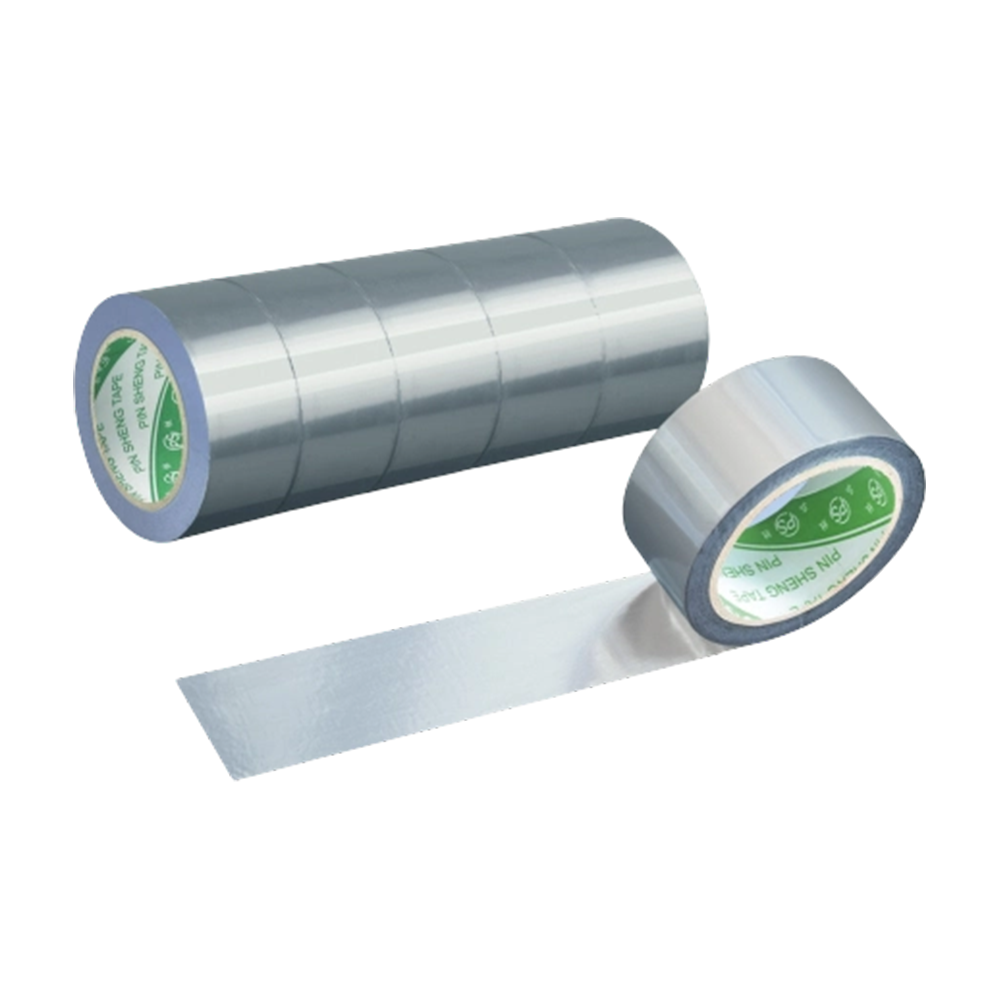
Aluminum Foil Adhesive Tape
Key Performance Advantages
Wear Resistance
Wear resistance is one of the product’s central advantages. Industrial tapes are often exposed to friction during installation, transport, maintenance, and service. A weak backing may tear, crease, or lose its protective function before the job is complete. Aluminum foil adhesive tape provides a durable metallic surface that can withstand routine handling better than many basic paper-backed or low-strength plastic tapes.
Wear resistance is particularly valuable when the tape is used to protect joints, close seams, cover edges, or reinforce vulnerable areas. The product can help maintain a continuous covering where ordinary tape might become damaged or detached through repeated contact. The exact level of resistance depends on the selected construction and the operating conditions, so customers should match the product to the anticipated mechanical load.
Heat Insulation and Reflective Function
The aluminum foil backing can contribute to heat insulation systems by reflecting radiant energy and helping seal gaps between insulation materials. When applied correctly, the tape can reduce exposed seams and protect the continuity of an insulation assembly. It is often useful in situations where a clean, metallic surface is preferred for finishing or where the tape must remain stable in a warm environment.
Its role in heat insulation is different from that of thick thermal insulation materials. The tape is generally used to join, seal, cover, or reinforce insulation components rather than replace them. Proper surface preparation and complete coverage are important because gaps, contamination, wrinkles, or incomplete adhesion can reduce the effectiveness of the finished installation.
High-Temperature Resistance
High-temperature resistance is a major reason industrial users select aluminum foil adhesive tape instead of ordinary packaging tape. Standard carton-sealing tapes are normally designed for room-temperature packaging conditions. Their adhesive systems or plastic backings may soften, shrink, or lose adhesion when exposed to heat. Aluminum foil adhesive tape is designed for applications where elevated-temperature performance is an important consideration.
Temperature performance is influenced by both the foil backing and the adhesive. The aluminum surface itself is inherently suitable for heat-related applications, but the complete tape must be evaluated as a system. The adhesive type, exposure duration, temperature cycling, surface condition, and load all affect results. Buyers should request technical confirmation or conduct application trials when the tape will be used in sustained high-temperature environments.
Lightweight Metallic Protection
Aluminum foil provides a metallic barrier without the weight and rigidity of a solid metal sheet. The tape can be transported in rolls, stored efficiently, and applied without specialized structural equipment. It is therefore a practical option for maintenance teams, packaging lines, installers, and manufacturers that need a flexible metallic covering.
The low-profile construction also allows the tape to be used around joints, corners, seams, and irregular areas where rigid materials are difficult to install. With suitable pressure and careful application, it can conform to many smooth or moderately shaped surfaces while maintaining a continuous protective layer.
Flexible Width and Length Selection
The available width range extends from 10 mm to 1,000 mm, with custom widths available. Narrow rolls can be used for small joints, edge reinforcement, wire or component protection, and detailed repair work. Medium-width rolls are suitable for routine sealing and joining tasks. Wide rolls can cover larger surfaces more efficiently and reduce the number of overlapping strips required.
Lengths from 50 m to 200 m provide options for different consumption rates. A shorter roll may be practical for occasional maintenance or specialized production tasks, while a longer roll can reduce roll changes on busy packaging or manufacturing lines. The combination of width and length can be adjusted to support material utilization, operator productivity, and packaging requirements.
Advantages Compared with Conventional Industrial Tapes
Compared with BOPP Packaging Tape
BOPP packaging tape is widely used for carton sealing because it is economical, lightweight, and easy to process. However, its primary purpose is general packaging closure. It does not provide the same metallic backing, reflective surface, or heat-related performance associated with aluminum foil adhesive tape.
When a package, component, or insulation assembly requires more than basic closure, aluminum foil adhesive tape offers a more functional solution. It can provide sealing together with a metallic barrier and improved resistance to warm operating conditions. It is not intended to replace BOPP tape in every carton-sealing application, but it is a stronger candidate where temperature, wear, or surface protection is part of the specification.
Compared with Cloth Tape
Cloth tape is valued for its flexibility, conformability, and general repair performance. Nevertheless, cloth-backed products may not offer the same reflective or metallic barrier properties. In applications involving heat insulation, surface shielding, or a need for an aluminum finish, foil tape can offer a more appropriate construction.
The supplied product information identifies the category as cloth tape, but its stated base material is aluminum foil. For accurate purchasing, customers should focus on the technical construction rather than category labels alone. The backing material, adhesive properties, liner design, width, length, and temperature requirements should all be confirmed before ordering.
Compared with Paper Tape
Paper tape is commonly selected for sustainability-oriented packaging, labeling, bundling, or light-duty sealing. It can be easy to write on and may provide a natural appearance. However, paper is generally less suitable for applications requiring metallic heat reflection, high-temperature resistance, or enhanced wear protection.
Aluminum foil adhesive tape is better suited to functional protection where the backing must remain effective under more demanding conditions. Its metallic structure gives it a different performance profile and makes it appropriate for industrial applications that exceed the normal scope of paper tape.
Compared with Ordinary Plastic Film Tape
Plastic film tapes can provide flexibility and moisture resistance, but their behavior under heat, abrasion, and radiant energy varies significantly by polymer type and thickness. Aluminum foil adhesive tape offers a recognizable metallic surface and a barrier-oriented construction that is useful for insulation joints, heat-related sealing, and industrial protection.
The best choice depends on the application. Plastic film tape may be preferable when exceptional stretch, transparency, or impact flexibility is required. Aluminum foil adhesive tape is often preferable when heat insulation, metallic coverage, and wear resistance are more important than stretchability.
Industrial Applications
Insulation Installation
One of the most common applications for aluminum foil adhesive tape is the installation and finishing of insulation materials. The tape can be used to join foil-faced insulation, close seams, cover exposed edges, and reinforce connections between adjacent sections. By sealing gaps and maintaining a continuous foil surface, it can help improve the overall neatness and functional integrity of an insulation assembly.
It may be used in buildings, workshops, equipment rooms, ducting systems, and industrial facilities where insulation materials are installed around pipes, panels, enclosures, or other components. The tape should be applied to clean surfaces, with sufficient pressure to ensure contact and without excessive wrinkling.
HVAC and Ductwork Support
Heating, ventilation, and air-conditioning systems frequently require materials that can tolerate temperature changes and provide reliable seam coverage. Aluminum foil adhesive tape can be used for selected duct insulation tasks, joint sealing, surface finishing, and repair work. Its metallic appearance also helps create a clean and consistent finish across connected sections.
Application conditions vary widely in HVAC work. Dust, condensation, oil, and surface irregularities can affect adhesion. Installers should clean and dry the surface before application, remove loose particles, press the tape firmly, and inspect overlaps for openings or lifted edges.
Appliance and Equipment Manufacturing
Manufacturers of appliances and industrial equipment may use foil adhesive tape for insulation support, component protection, seam coverage, and localized heat shielding. The tape can be applied during assembly or supplied as a converted part for repeatable production processes.
For manufacturing use, roll consistency and converting accuracy are especially important. A stable width, clean edge, reliable release liner, and consistent adhesive coating can reduce interruptions on the production line. Zhejiang Geruite’s broader manufacturing focus on tapes and packaging materials provides a foundation for discussing roll formats and production-oriented supply requirements.
Electronics and Electrical Applications
Aluminum foil adhesive tape may be used in selected electronics and electrical applications where a metallic covering or heat-related protective layer is required. Potential uses include component shielding, cable or enclosure protection, and joining of suitable insulation materials. However, electrical performance requirements vary considerably, and the tape should not be assumed to provide a specific level of electrical conductivity, electromagnetic shielding, flame resistance, or insulation unless those properties have been formally tested and specified.
For technical electrical applications, customers should provide information about voltage, temperature, surface materials, exposure time, and regulatory requirements. Product evaluation should be completed before full-scale use.
Industrial Maintenance and Repair
Maintenance departments often need a tape that can perform beyond ordinary temporary repair products. Aluminum foil adhesive tape can be used for surface covering, seam repair, protective wrapping, and localized insulation support. Its ability to be supplied in narrow or wide widths allows technicians to select a suitable format for the repair area.
The product can also help standardize maintenance work. Instead of using several unrelated tapes for heat, wear, and surface protection, a facility may use aluminum foil adhesive tape for applications where its metallic backing and adhesive construction are suitable. This can simplify inventory planning while maintaining a professional appearance.
Packaging Protection and Specialized Shipping
Although ordinary packaging tape remains the standard choice for many cartons, some products require specialized protection during storage or shipping. Aluminum foil adhesive tape can be used to cover sensitive seams, reinforce protective packaging, close insulation-related packaging, or provide a heat-resistant finishing layer for selected industrial goods.
It is especially useful when packaging must withstand more demanding handling or temperature exposure than standard warehouse conditions. The tape should be selected as part of the total packaging design, together with stretch film, strapping, cushioning, cartons, and other protective materials.
Manufacturing Process and Quality Approach
Raw Material Selection
Product performance begins with the selection of suitable raw materials. The aluminum foil must provide the required balance of thickness, flexibility, surface quality, and handling strength. Adhesive components must be selected according to the intended bonding performance, temperature exposure, coating method, and storage stability. When a film-coated construction is required, the additional film must be compatible with the foil and the overall application.
Release liners for lined products also require careful selection. A liner that releases too easily may create handling problems, while one that releases with excessive force may slow installation or damage the adhesive layer. Matching the liner to the adhesive and converting process is therefore an important part of manufacturing control.
Surface Preparation and Coating
The foil surface must be prepared so that the adhesive can be applied consistently. Depending on the construction, preparation may include cleaning, surface treatment, tension control, and inspection. The adhesive is then coated onto the backing using controlled production equipment designed to achieve a stable, even layer.
Coating consistency affects tack, adhesion, coating weight, appearance, and performance. Variations can lead to uneven bonding, exposed areas, adhesive transfer, or inconsistent unwinding. A disciplined coating process helps maintain uniformity across the roll and from one production batch to another.
Lamination and Film Coating
For film-coated versions, lamination must be carried out with appropriate control of pressure, temperature, alignment, and web tension. The film must remain securely bonded to the aluminum without introducing bubbles, wrinkles, delamination, or edge displacement. Good lamination quality improves handling and helps protect the foil surface during application.
The exact coating and lamination conditions depend on the selected raw materials and the required product structure. A flexible manufacturing system allows the producer to support different constructions rather than forcing every customer into a single standard format.
Slitting and Rewinding
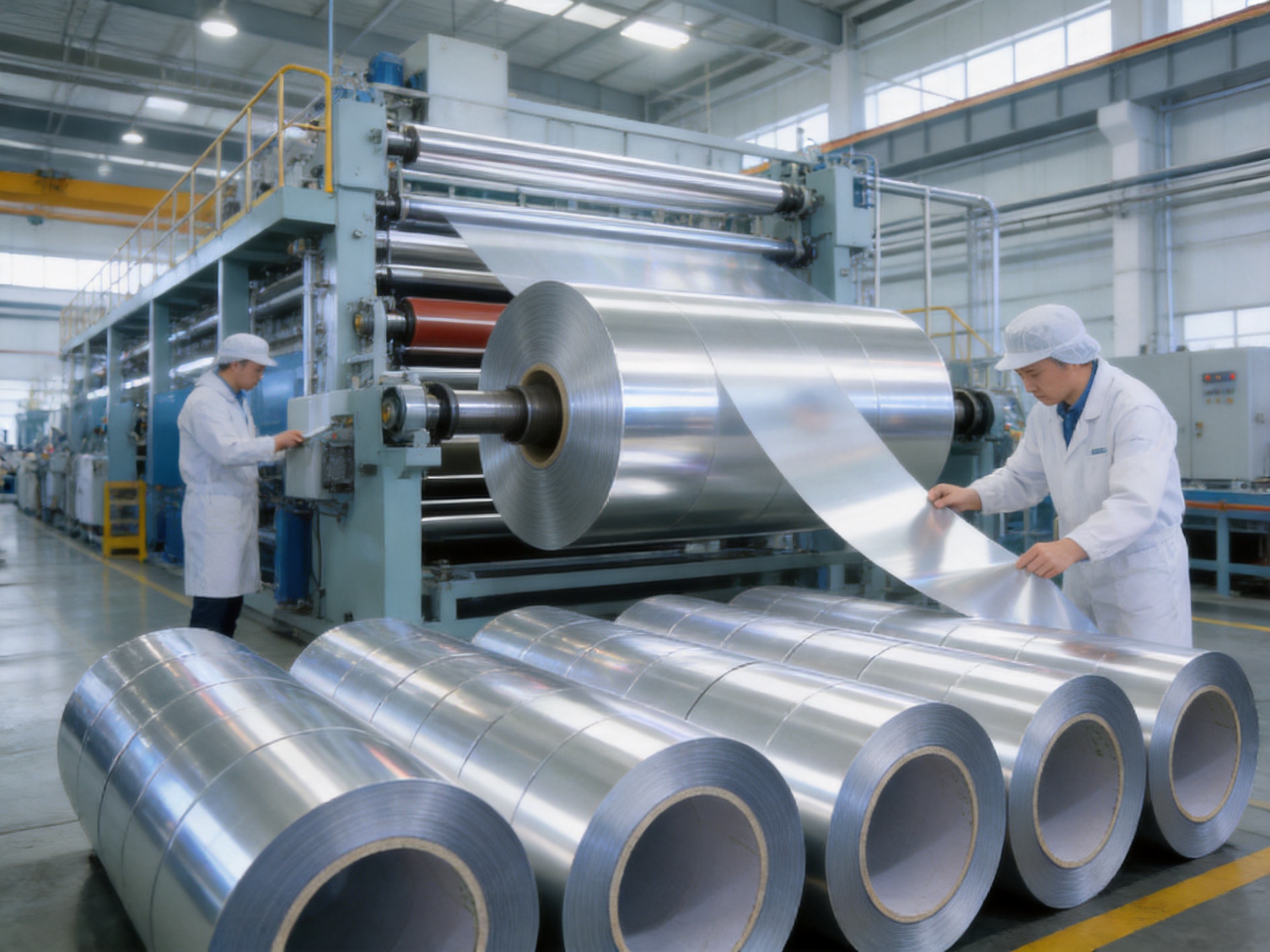
After coating or lamination, jumbo rolls are slit into narrower widths. Slitting accuracy is important because industrial users depend on consistent roll dimensions for hand application, dispensers, automatic equipment, and die-cutting operations. Clean edges reduce the chance of loose strands, telescoping, uneven unwinding, and application waste.
Rewinding must also be controlled. Excessive tension can deform the roll or affect adhesive behavior, while insufficient tension can lead to loose winding and poor handling. Proper roll formation supports smooth dispensing and helps protect the tape during transportation.
Inspection and Final Control
Quality control should cover raw materials, in-process coating, roll appearance, dimensions, adhesive behavior, and packaging. Typical inspection points may include width, length, edge condition, winding quality, surface cleanliness, liner release, and visual uniformity. Application testing can also be used to assess adhesion on representative surfaces.
Zhejiang Geruite Packaging Materials Co., Ltd. emphasizes quality from raw material procurement through production and final inspection. The company operates with advanced production equipment and a rigorous quality control system intended to support stable product performance and meet different customer requirements.
Custom Converting and Order Flexibility
The stated width range of 10 mm to 1,000 mm and the availability of custom widths provide flexibility for customers with specialized requirements. Custom converting may involve adjustments to roll width, length, core size, packaging method, liner selection, or product construction. The feasibility of each request depends on the required specification and production conditions.
For efficient quotation and production planning, customers should provide the intended application, required width and length, lined or unlined preference, pure aluminum or film-coated preference, estimated order quantity, packaging requirements, and expected operating conditions. Clear information at the beginning of the project helps reduce misunderstandings and supports more accurate product selection.
Why Manufacturing Capability Matters to Buyers
Industrial tape is a relatively small component in many products, but its failure can create disproportionate problems. A tape that lifts, tears, wrinkles, or unwinds poorly can slow assembly, create rework, compromise insulation finishing, or damage the appearance of a finished product. Manufacturing capability therefore matters because it influences consistency, availability, customization, and technical support.
A supplier with experience across several packaging material categories can often understand how tape interacts with other materials. For example, aluminum foil adhesive tape may be used together with stretch film, strapping, carton sealing tape, or protective packaging. A supplier familiar with these products can help customers consider the complete packaging process rather than treating the tape as an isolated item.
Zhejiang Geruite Packaging Materials Co., Ltd. has developed a product range covering adhesive tapes, films, and strapping products. Its stated annual output value exceeds RMB 60 million, reflecting an established production and sales operation. The company’s location in Zhejiang Province places it within a developed manufacturing region with access to industrial supply chains, production resources, and transportation networks.
The company also describes a continuing focus on research, development, process improvement, and service optimization. For customers purchasing industrial tape, these strengths can support more responsive communication, product customization, and long-term supply cooperation.
Application Guidelines
Prepare the Surface
Before applying the tape, the surface should be clean, dry, and free from dust, oil, grease, loose coatings, and moisture. Contamination can reduce contact between the adhesive and the substrate. Rough or porous surfaces may require additional preparation or a different joining method.
Cut or Unwind Carefully
Use a suitable cutter or dispenser to produce a clean edge. Avoid stretching the tape unnecessarily unless the product has been specifically designed for a stretching application. Pulling too aggressively can deform the foil, create wrinkles, or make accurate positioning more difficult.
Apply with Firm Pressure
After positioning, press the tape firmly across the surface. A roller or suitable hand applicator can help remove air pockets and improve contact. Pay particular attention to edges, overlaps, corners, and transitions between materials.
Use Adequate Overlap
When joining two pieces of insulation or covering a seam, maintain enough overlap to avoid exposed gaps. The required overlap depends on the application and design. An overlap that is too narrow may lift during service, while an unnecessarily wide overlap can increase material consumption.
Inspect the Finished Application
After installation, inspect the tape for wrinkles, lifted edges, open seams, contamination, and incomplete contact. Correct defects promptly. In high-temperature or insulation-related applications, careful inspection is especially important because small openings may reduce the performance of the overall assembly.
Storage and Handling Recommendations
Rolls should be stored in a clean, dry environment away from direct sunlight, excessive heat, and moisture. They should remain in their original packaging until needed. Heavy objects should not be placed on top of the rolls, as compression may deform the winding or affect unwinding performance.
Rolls should be handled carefully to prevent dents, edge damage, and contamination. The aluminum backing can be durable in use but may still be marked or creased by rough handling. Store products in a stable position appropriate to the roll design and avoid dropping them.
Before production use, customers should allow the tape to reach the application environment if it has been stored under significantly different temperature conditions. A trial application can help confirm unwinding, positioning, adhesion, and surface compatibility before a full batch is installed.
Product Specification Overview
| Item | Details |
| Product | Aluminum Foil Adhesive Tape |
| Base Material | Aluminum foil |
| Available Constructions | Lined or unlined; pure aluminum or film-coated |
| Key Features | Wear resistance, heat insulation, and high-temperature resistance |
| Width Range | 10 mm to 1,000 mm |
| Custom Widths | Available according to customer requirements |
| Length Range | 50 m to 200 m |
| Typical Uses | Insulation joining, seam sealing, heat-related protection, equipment maintenance, specialized packaging, and industrial covering |
How to Choose the Correct Version
Begin by identifying whether the tape will be used for general sealing, insulation finishing, heat-related protection, surface covering, repair, or specialized packaging. This determines whether the application needs a pure aluminum or film-coated version and whether lined or unlined tape is more practical.
Next, assess the operating temperature. Consider both the highest temperature and the duration of exposure. Short-term contact with heat may have different requirements from continuous service or repeated temperature cycling. Also consider whether the tape will be exposed to moisture, dust, chemicals, ultraviolet radiation, vibration, or mechanical abrasion.
Surface compatibility is equally important. Aluminum foil adhesive tape may be applied to metal, insulation materials, coated surfaces, plastic components, glass, or other substrates. Adhesion can vary according to surface energy, cleanliness, roughness, curvature, and coating condition. A sample trial is recommended when the substrate is unfamiliar or the application is critical.
Finally, select the roll width and length according to the application method. Narrow tape can improve control in detail work, while wide tape may reduce installation time over broad surfaces. Longer rolls can improve productivity, but the roll size should remain manageable for the operator or equipment.
Quality, Service, and Supply Strengths
A competitive industrial tape supplier must provide more than a basic roll of adhesive material. Customers generally need stable quality, clear specifications, dependable delivery, responsive communication, and the ability to support repeat orders. These factors are particularly important when tape is incorporated into a production process or supplied as part of a standardized maintenance system.
Zhejiang Geruite Packaging Materials Co., Ltd. focuses on the research, development, production, and sales of packaging tapes and related materials. Its product range allows it to serve customers in logistics, express delivery, household goods, electronics, construction and decoration, industrial manufacturing, cargo stabilization, and packaging protection.
The company’s quality philosophy places emphasis on every stage of production, from raw material procurement to final inspection. This approach is important for aluminum foil adhesive tape because product performance depends on the interaction of several layers and processing steps. Foil quality, adhesive coating, film lamination, slitting, rewinding, and packaging must work together to create a reliable finished roll.
Its manufacturing base in Zhejiang and its established industrial focus also support wholesale and export-oriented supply. The company can discuss product specifications, custom widths, packaging arrangements, and application requirements with buyers seeking a long-term packaging materials partner.
Environmental and Material Efficiency Considerations
Material efficiency is an important consideration in industrial tape selection. Choosing the correct width can reduce unnecessary overlap and offcut waste. Selecting a lined or unlined product according to the application process can also influence liner consumption and workplace waste. Longer rolls may reduce the number of cores and packaging units used per production volume, provided that the roll remains practical to handle.
Customers should evaluate the complete product system rather than focusing on one material characteristic. Aluminum foil, adhesive, film coatings, liners, cores, and packaging all contribute to the product’s environmental profile. Efficient application, low defect rates, accurate slitting, and reduced rework can improve material utilization over the service life of the product.
Where environmental declarations, recyclability requirements, or regulatory documentation are necessary, buyers should discuss the exact specification with the supplier before ordering. Product claims should be based on verified construction details and applicable testing rather than assumptions based only on the metallic appearance of the tape.
Common Purchasing Questions
Is aluminum foil adhesive tape suitable for ordinary carton sealing?
It can be used for specialized carton or package protection, but ordinary BOPP packaging tape is usually more economical for standard carton closure. Aluminum foil adhesive tape is most valuable when the package or product also requires heat-related protection, a metallic barrier, wear resistance, or a specialized finishing layer.
What is the difference between lined and unlined tape?
Lined tape includes a release liner that protects the adhesive before application and can help with positioning or die-cutting. Unlined tape has no separate liner and is often convenient for continuous roll application. The correct format depends on the application equipment, operator preference, and waste-reduction objectives.
When should a film-coated version be selected?
A film-coated version may be selected when additional surface protection or improved handling is desired. It can be useful where the exposed foil may experience abrasion or repeated contact. The specific benefit depends on the film and adhesive construction, so application testing is recommended.
Can the tape be produced in custom widths?
Yes. The available width range is 10 mm to 1,000 mm, and custom widths are available. Customers should provide the required width, roll length, core information, packaging preference, order quantity, and application details for confirmation.
What lengths are available?
The stated length range is 50 m to 200 m. The most suitable length depends on consumption, application equipment, storage space, operator handling, and the desired frequency of roll changes.
Is the tape suitable for continuous high-temperature exposure?
The product is designed with high-temperature resistance as a key feature, but the applicable temperature limit depends on the complete tape construction, especially the adhesive. For continuous or critical high-temperature service, customers should confirm the technical rating and conduct a representative application test.
Can it be used outdoors?
Outdoor suitability depends on exposure to sunlight, rain, humidity, temperature cycling, chemicals, and mechanical stress. Aluminum foil provides a durable metallic backing, but the complete product and installation system should be evaluated for the specific outdoor environment.
What surfaces are appropriate for application?
The tape may be used on suitable clean, dry, smooth, or moderately shaped surfaces, including selected insulation materials, metals, panels, and equipment surfaces. Adhesion varies by substrate. A small trial should be completed before applying the tape to a large or critical area.
How can installation quality be improved?
Clean and dry the surface, use a suitable width, avoid excessive stretching, apply firm pressure, maintain adequate overlap, and inspect all edges and seams. A roller or dispenser can improve consistency in repeated work.
How should wholesale buyers request a quotation?
Wholesale buyers should provide the desired construction, width, length, lined or unlined preference, pure aluminum or film-coated requirement, estimated quantity, packing method, delivery destination, and technical application. This information helps the supplier prepare an accurate quotation and production schedule.
Conclusion
Aluminum foil adhesive tape provides a practical combination of metallic protection, adhesive convenience, wear resistance, heat insulation support, and high-temperature performance. Its flexible formats make it suitable for narrow repair work, broad insulation seams, equipment protection, specialized packaging, and production applications. Compared with ordinary paper, cloth, plastic, or carton-sealing tapes, it offers a more specialized performance profile for environments where heat and surface protection matter.
The availability of lined and unlined versions, pure aluminum and film-coated constructions, widths from 10 mm to 1,000 mm, and lengths from 50 m to 200 m enables customers to select a format suited to their processes. Custom widths further improve its usefulness for industrial users with specific equipment or application layouts.
Zhejiang Geruite Packaging Materials Co., Ltd. supports this product with experience in adhesive tapes, stretch film, strapping, and other packaging materials. Its manufacturing process emphasizes raw material control, advanced equipment, coating and converting consistency, and inspection from production through final delivery. For customers seeking a reliable industrial tape supplier, this combination of product flexibility, manufacturing capability, and packaging-material expertise offers a strong basis for long-term cooperation.
References
1. Product information supplied for Aluminum Foil Adhesive Tape, including base material, available options, key features, width range, and length range.
2. Company information supplied for Zhejiang Geruite Packaging Materials Co., Ltd., including manufacturing capabilities, product portfolio, quality-control approach, and industry applications.
3. General industrial principles for pressure-sensitive adhesive tape application, including surface preparation, pressure application, storage, and compatibility testing.
4. General packaging engineering practices concerning the selection of tapes, films, strapping, insulation materials, and protective packaging components.
5. General manufacturing practices for coated, laminated, slit, and rewound adhesive tape products.
Product: Aluminum Foil Adhesive Tape

LATEST POST
Let’s create something amazing together
contact us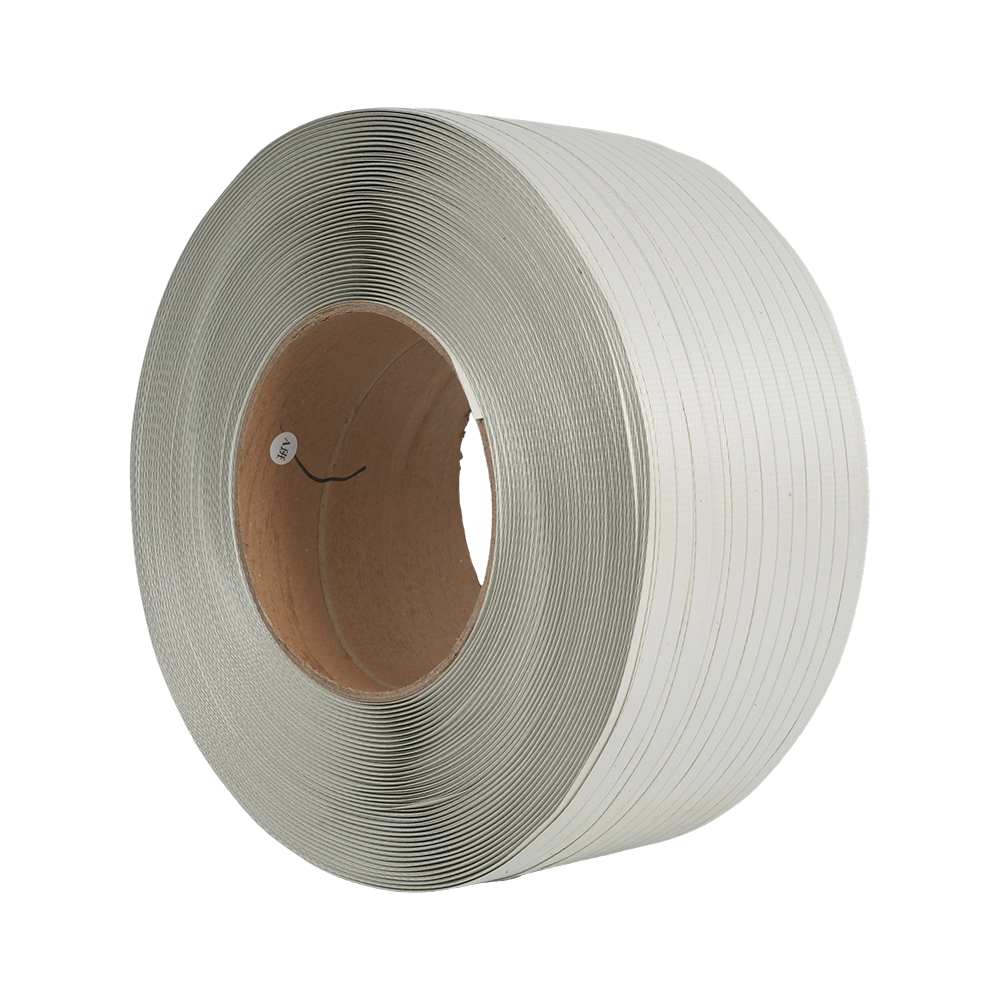

CONTACT DETAILS
- Address:No. 241, Yaojiafan, Zhangpanqiao, Shushan Street, Xiaoshan District, Hangzhou City, Zhejiang Province, China
- TEL:+86-0571-83175630
- Phone:+86-13336160217
- Email:anqiaocun@163.com
PRODUCTS
NEWS CENTER
MOBILE TERMINAL
Copyright© Zhejiang Geruite Packaging Materials Co., Ltd. All Rights Reserved.
Privacy Wholesale industrial packaging tape Manufacturers