


 English
 Español
 عربى

High-Temperature Gold Finger Tape for Precision Electronics Protection
Content
- 1 Understanding Gold Finger Tape
- 2 Key Product Specifications
- 3 Advantages of PET-Based High-Temperature Tape
- 4 Applications in Electronics Manufacturing
- 5 Applications Beyond Electronics
- 6 How the Product Compares with Conventional Tape
- 7 Manufacturing Strengths of the Supplier
- 8 Quality Control and Customer Qualification
- 9 Efficient Use in Production
- 10 Purchasing and Customization Considerations
- 11 Why Manufacturer Capability Matters
- 12 Environmental and Operational Considerations
- 13 Conclusion
- 14 Questions and Answers
- 14.1 What is PI Gold Finger Tape used for?
- 14.2 Is the tape made from polyimide?
- 14.3 What color is the tape?
- 14.4 What temperature can it withstand?
- 14.5 What widths are available?
- 14.6 What roll lengths are available?
- 14.7 Can it be used on printed circuit boards?
- 14.8 Does it leave residue after removal?
- 14.9 Can it replace polyimide tape?
- 14.10 How should the tape be stored?
- 14.11 Can the supplier provide custom formats?
- 14.12 What information should be included in a quotation request?
- 15 References
- 16 Product: PI Gold Finger Tape
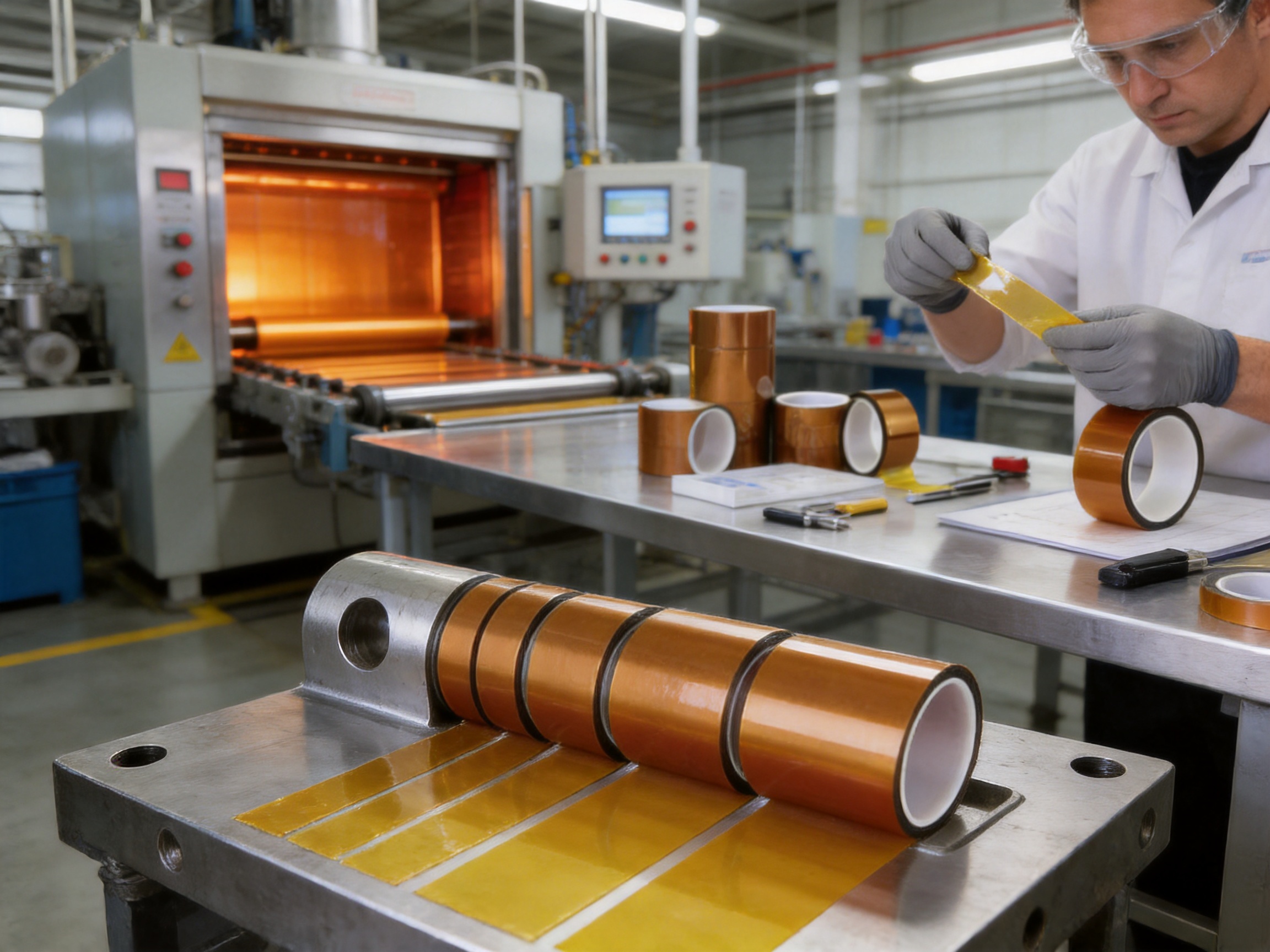
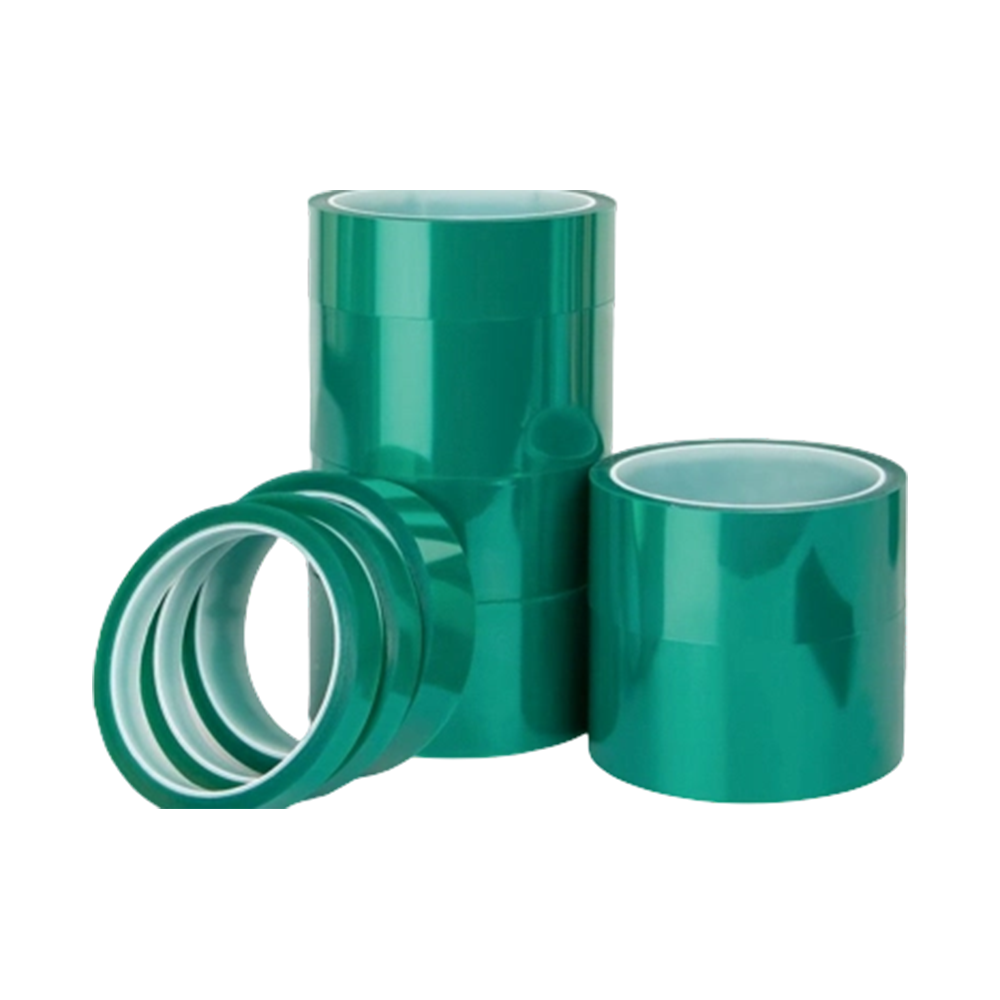
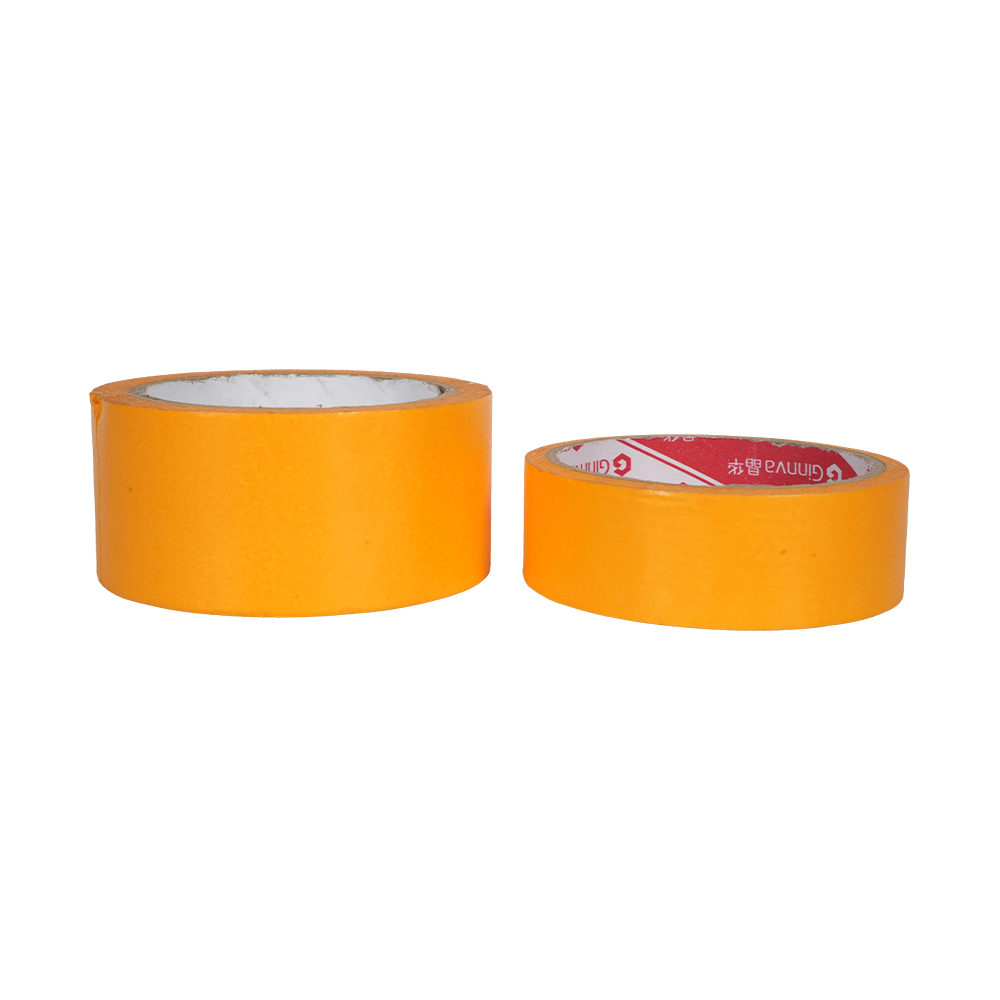
PI Gold Finger Tape is an amber-colored high-temperature adhesive tape designed for applications that require reliable insulation, surface protection, edge masking, and process stability. Supplied in widths from 5 mm to 500 mm and standard lengths from 33 m to 66 m, the tape can be adapted to a broad range of production requirements. Custom widths are also available, allowing buyers to reduce trimming, simplify application, and improve material utilization.
Although the product is commonly associated with gold finger masking and other demanding electronic assembly processes, its potential use extends across industrial manufacturing, electrical insulation, powder coating, soldering protection, and high-temperature component processing. Its listed base material is thermoplastic polyester, or PET, and its amber appearance provides a visible contrast against many substrates and components. With temperature resistance of up to 280°C, it is positioned as a specialized alternative to ordinary packaging tapes, general-purpose plastic films, and lower-temperature masking products.
The tape is manufactured by Zhejiang Geruite Packaging Materials Co., Ltd., a packaging materials producer based in Hangzhou, Zhejiang Province, China. The company develops and manufactures a broad portfolio of tapes, films, strapping products, and packaging accessories. Its experience across adhesive and protective materials supports the production of specialized tapes intended to perform consistently in logistics, electronics, construction, industrial manufacturing, and packaging protection.
Understanding Gold Finger Tape
Gold finger tape is used to protect selected areas during manufacturing, processing, assembly, and finishing. In electronics, the term “gold finger” generally refers to the plated contact edges of printed circuit boards, memory modules, connectors, and related components. These contact areas must remain clean, accurately defined, and free from unwanted coating, contamination, scratches, or process residue. A suitable masking tape helps isolate the protected area while other operations are performed around it.
The name of the product does not necessarily mean that the tape itself contains gold. Rather, the name relates to the application environment and the gold-plated or contact-edge areas that may need protection. The amber color makes the tape easy to identify during application and removal. This visual distinction can help operators confirm coverage, recognize overlaps, and locate the tape during inspection.
PI Gold Finger Tape is specified with a thermoplastic polyester base material. PET is widely valued in industrial tape construction because it offers a balance of dimensional stability, tensile strength, flexibility, electrical insulation, and surface smoothness. When converted into a specialized adhesive tape, PET can provide a controlled backing for applications where ordinary polyethylene films or soft packaging tapes may stretch excessively, deform, or lose positional accuracy.
The stated temperature resistance of up to 280°C makes the product suitable for selected high-temperature processes. Actual suitability depends on the complete process profile, including the duration of exposure, heating rate, cooling conditions, substrate, pressure, surface energy, and the type of adhesive used. Buyers should validate the tape under their own production conditions before full-scale adoption. Nevertheless, the stated temperature rating gives the product a clear advantage over common packaging tapes that are designed primarily for room-temperature sealing and bundling.
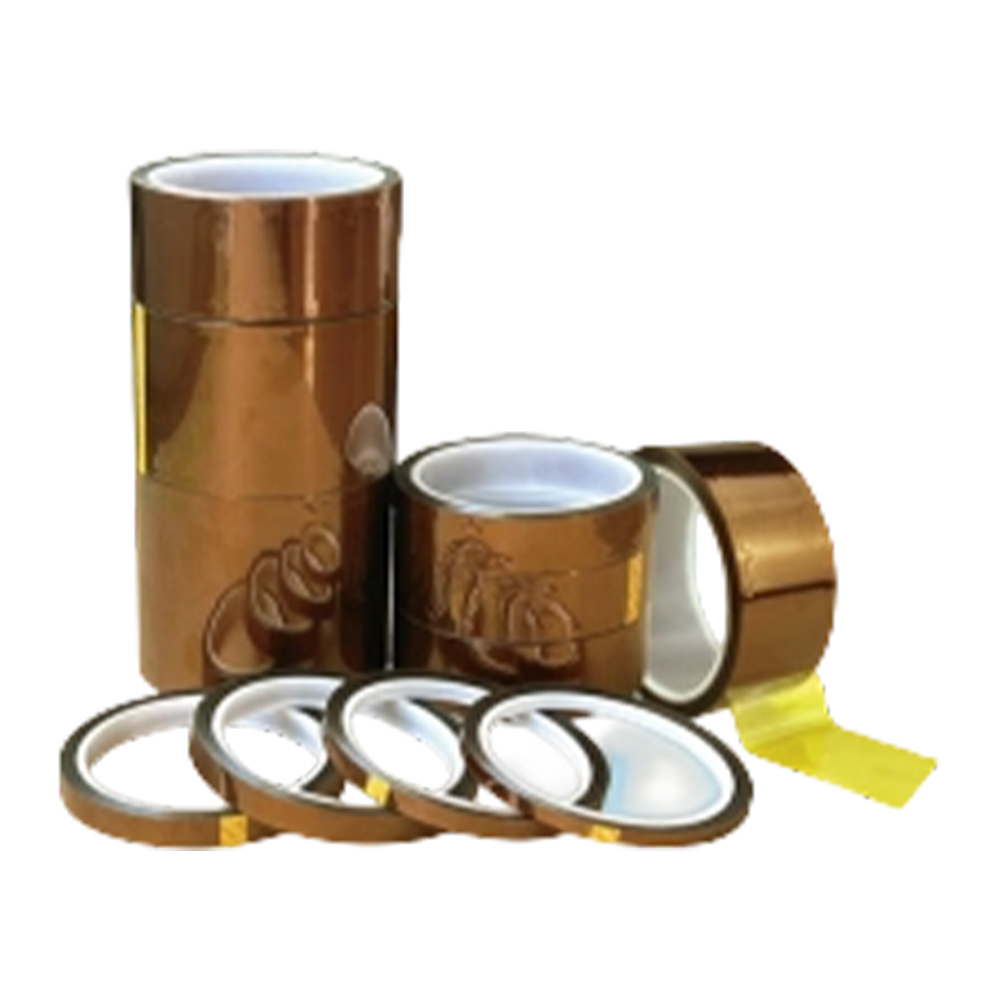
PI Gold Finger Tape
Key Product Specifications
The following table summarizes the available information for the tape. These specifications provide a starting point for product selection and purchasing discussions. For demanding applications, customers should request current technical documentation and confirm the final construction, adhesive performance, roll dimensions, packaging, and testing requirements.
| Specification | Details |
| Product | PI Gold Finger Tape |
| Product Category | Mylar Tape |
| Base Material | Thermoplastic Polyester (PET) |
| Color | Amber |
| Temperature Resistance | Up to 280°C |
| Width Range | 5 mm to 500 mm |
| Custom Widths | Available according to customer requirements |
| Length Range | 33 m to 66 m |
| Typical Product Positioning | High-temperature masking, insulation, surface protection, and electronics-related processing |
The width range is particularly important for industrial buyers. Narrow 5 mm rolls may be useful for fine masking, edge protection, narrow contact zones, and small components. Wider formats can support larger surfaces, panels, production fixtures, and general-purpose process protection. Custom widths may reduce the need for downstream slitting or manual cutting, which can help improve line efficiency and reduce waste.
The available lengths of 33 m to 66 m provide options for different application volumes and operating methods. Shorter rolls can be convenient for smaller production runs, sample validation, maintenance work, or applications where frequent material changes are acceptable. Longer rolls may reduce replacement frequency in continuous or higher-volume processes. The appropriate roll length depends on equipment compatibility, operator handling, storage conditions, and the balance between inventory cost and production efficiency.
Advantages of PET-Based High-Temperature Tape
Dimensional Stability
One of the most important advantages of a PET-backed tape is its ability to maintain a relatively stable shape during handling and processing. In precision masking, excessive stretching can cause the tape to move away from the intended boundary. A dimensionally stable backing helps operators place the tape more accurately and maintain a cleaner masking line.
Dimensional stability is especially valuable when the tape is applied to narrow contact regions or when it must cover a defined area during heating, coating, plating, soldering, or chemical treatment. A stable film can also make the application process more repeatable from one workpiece to the next.
High-Temperature Capability
Ordinary carton-sealing tape, stationery tape, and many general-purpose plastic films are not designed for exposure to temperatures approaching 280°C. They may soften, shrink, curl, lose adhesion, leave residue, or become difficult to remove. A specialized high-temperature product is designed for a more demanding operating environment.
The stated resistance of up to 280°C gives manufacturers greater process flexibility. It may allow the tape to remain in place during short-duration heating or other elevated-temperature operations where a conventional tape would fail. This can reduce the need for multiple masking materials and help standardize material selection across related production steps.
Temperature resistance should always be interpreted as a process parameter rather than an unlimited guarantee. The maximum temperature, exposure time, pressure, heating method, and surface condition all affect performance. A tape that performs well during a brief peak-temperature cycle may not have the same result during prolonged exposure. This is why production trials remain an important part of responsible material qualification.
Electrical and Surface Protection Potential
PET film is commonly selected for applications requiring a clean, smooth, and electrically insulating backing. In electronic assembly and component processing, the tape may help separate surfaces, protect contact zones, cover edges, or prevent accidental contact with process materials. It may also assist with temporary holding and bundling where a thin, flexible, nonmetallic material is preferred.
The tape should not automatically be treated as a substitute for a certified electrical insulation system. Electrical performance depends on thickness, adhesive formulation, voltage, frequency, humidity, temperature, aging, and the nature of the adjacent material. However, the PET construction provides a useful foundation for applications where a film-backed insulating tape is required.
Visible Amber Color
The amber color provides a practical operational benefit. Transparent materials can be difficult to identify on clear, reflective, or similarly colored substrates. An amber tape is easier to see during application, inspection, and removal. Operators can more readily identify whether a boundary has been covered and whether a strip has been accidentally omitted.
Visual identification can also support quality control. In a production environment, the color allows supervisors and inspectors to check tape placement without relying entirely on touch or magnification. It can help distinguish high-temperature masking tape from ordinary clear packaging tape and other materials stored in the same work area.
Broad Width Availability
The width range from 5 mm to 500 mm supports both fine-detail work and larger-area protection. Many competing products are offered only in a limited group of standard widths, forcing users to cut, overlap, or combine several strips. While overlapping can sometimes be acceptable, it may create additional seams, uneven edges, or more opportunities for lifting.
Custom width availability is a further benefit for manufacturers with specialized fixtures, repeatable component geometries, or automated application systems. A width matched to the workpiece can reduce manual preparation and make the process easier to document. It may also reduce scrap generated by cutting wider rolls into narrow strips at the customer’s facility.
Adaptability Across Industries
The same tape platform can support more than one application. Electronics manufacturers may use it for gold finger masking, component protection, and insulation. Industrial processors may use it for high-temperature surface masking or temporary protection. Repair departments may use it for localized work where a strong, visible, heat-resistant film is more appropriate than a general-purpose tape.
This versatility can simplify purchasing and inventory management. Instead of maintaining separate low-temperature masking products for every task, a company may be able to qualify one specialized tape for several compatible operations. Any consolidation should be based on testing and process requirements, but the broad specification range makes such evaluation practical.
Applications in Electronics Manufacturing
Gold Finger and Contact-Edge Protection
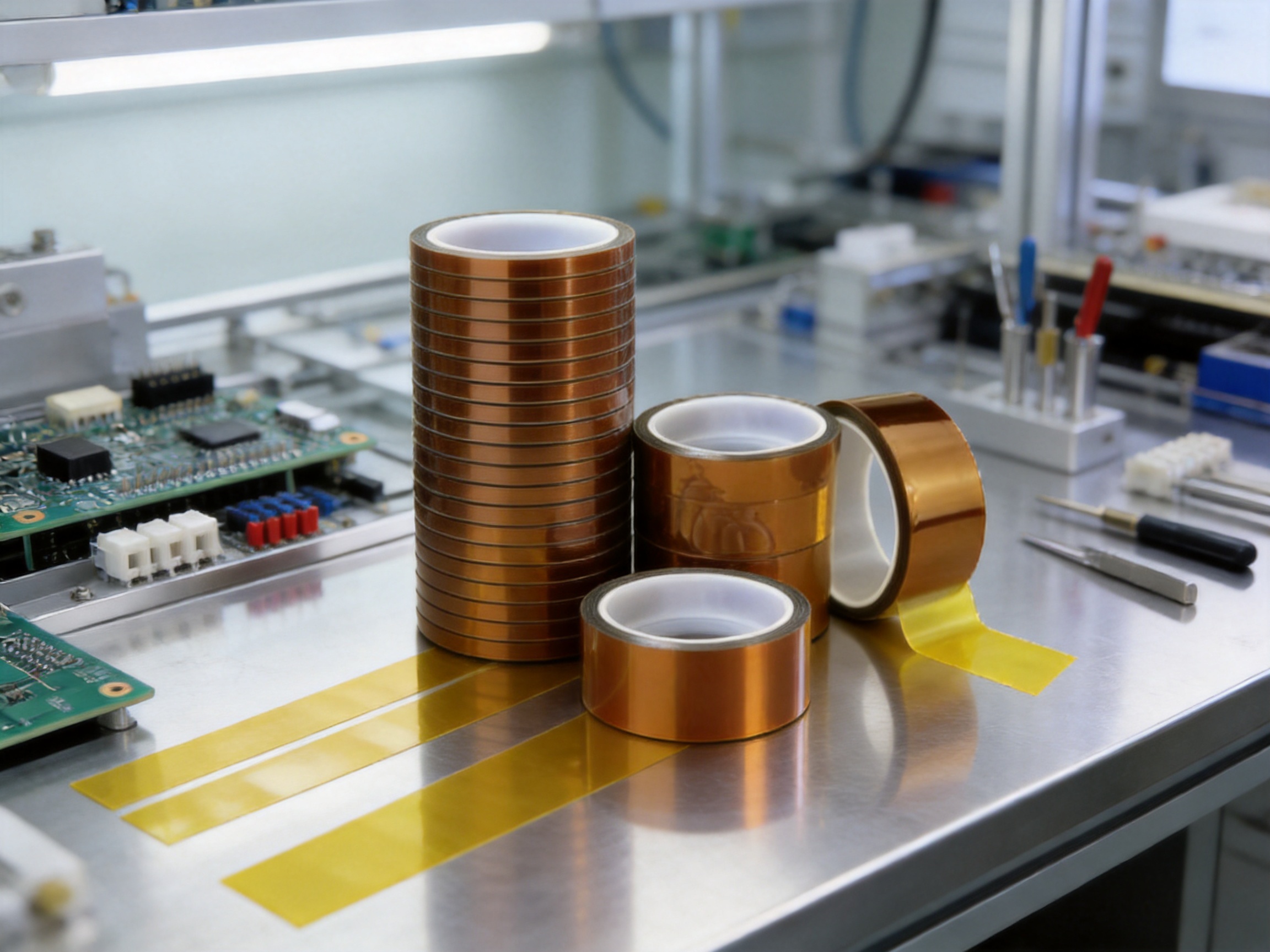
Printed circuit boards and electronic modules often include exposed contact areas that must remain free from coating, contamination, scratches, and unwanted process materials. Gold finger tape can be applied over these areas before a nearby process is performed. The tape creates a temporary barrier and can be removed after processing, leaving the protected area available for subsequent assembly or connection.
Accurate placement is essential. The tape should cover the intended region without extending into functional contact zones that must remain exposed. It should also avoid trapping excessive contamination at the edges. Operators should apply the tape to clean, dry surfaces using controlled pressure and should inspect the boundary before the board enters the next operation.
Masking During Coating and Finishing
When a coating, plating, paint, or protective finish is applied to a component, selected surfaces may need to remain untreated. High-temperature PET tape can serve as a temporary mask when the process involves heat or when a thin, stable film is required. Its amber color can assist with confirming the masked region before and after the operation.
Performance depends on compatibility between the adhesive and the coating chemistry. Some chemicals may soften an adhesive, create residue, or weaken the bond. For this reason, the tape should be tested with the exact coating, solvent, cleaning agent, and curing cycle used in production.
Component and Connector Protection
Small connectors, terminals, edge contacts, and sensitive component surfaces can be protected during assembly, storage, and processing. The tape can help reduce contact with dust, splashes, particles, and accidental abrasion. The thin film format may be suitable for applications where bulky protective caps or rigid covers are impractical.
For small components, application technique has a direct effect on quality. Wrinkles, folds, air pockets, and excessive overlap may create irregular protection or make removal more difficult. A controlled dispensing method, appropriate roll width, and operator training can improve consistency.
Temporary Holding and Insulation
During assembly, a tape may be used to hold wires, films, labels, or lightweight parts in a defined position. The PET backing can provide a stable carrier, while the adhesive helps maintain temporary contact. In some cases, the material may also be used as a layer of electrical separation.
Temporary holding should not be confused with permanent structural bonding. The product is best evaluated according to the required duration, load, temperature, and environmental conditions. If the tape will carry mechanical stress, support heavy components, or remain inside a sealed product for an extended period, additional qualification is necessary.
Applications Beyond Electronics
Industrial Heat Processing
Many industrial operations involve ovens, heated tooling, thermal forming, or curing. A high-temperature tape can be used to protect selected surfaces, mark process boundaries, or hold lightweight materials during the operation. The stable film construction is helpful where the tape must retain its shape rather than stretch or collapse under heat.
Manufacturers may also use amber tape for maintenance and equipment preparation. It can identify areas that must not be painted, coated, blasted, or exposed to a particular treatment. Because it is visually distinctive, it can support clearer communication between operators and maintenance personnel.
Powder Coating and Painting Preparation
Masking is an important part of coating preparation. Holes, threads, contact surfaces, machined areas, and connection points may need to remain free from powder or liquid coating. A suitable high-temperature tape can be applied before the coating and removed after curing, subject to compatibility testing.
For powder coating, the tape must be evaluated for edge definition, adhesion at the processing temperature, removal behavior, and residue. The best material depends on the substrate and the specific powder system. Metal surfaces, painted surfaces, plastics, and composite materials may produce different results.
Transformers, Motors, and Electrical Assemblies
Film-backed tapes are commonly considered in electrical manufacturing because they can provide separation, surface protection, and temporary fixation. PET’s insulating nature makes it relevant to selected motor, transformer, coil, and wire-processing operations. However, the final application must meet the applicable electrical, thermal, and safety requirements.
When used around coils or windings, the tape may need to withstand tension, repeated handling, varnish or resin contact, and thermal cycling. Buyers should confirm dielectric properties, adhesive behavior, thickness tolerance, and aging performance before using it in a critical electrical assembly.
General Manufacturing and Repair
Maintenance teams often need a tape that can tolerate more heat than ordinary packaging materials. The product may be useful for temporary shielding, edge protection, identification, and localized masking during repair. Its available narrow widths can support small-area jobs, while wider rolls can cover panels or larger surfaces.
Using the correct product for each repair can help reduce unplanned downtime. A tape that remains stable during the required operation is less likely to require repeated replacement. This can improve work consistency, although the product should still be removed after the intended operation if it is designed as a temporary material.
How the Product Compares with Conventional Tape
Conventional BOPP packaging tape is primarily designed for carton sealing and general packaging. It is valued for cost efficiency and ease of use, but it is not normally selected for high-temperature masking or precision electronics protection. At elevated temperatures, its adhesive and film may not provide the stability required by a technical process.
Paper masking tape is useful for painting and general surface protection, particularly at moderate temperatures. However, paper can absorb moisture, tear more easily, and change shape under demanding conditions. A PET-backed tape generally offers a smoother, more stable film surface for applications that require controlled dimensions and higher heat resistance.
Soft polyethylene film tape can offer flexibility, but excessive flexibility may become a disadvantage when accurate placement and edge definition are important. Stretching during application can create dimensional variation. PET provides a more controlled backing for applications in which the tape must remain aligned.
Specialized polyimide tapes are also used in high-temperature electronics applications. Polyimide products can offer excellent thermal performance, but they may involve different cost structures, colors, adhesive systems, and processing characteristics. The present product is specified as PET-based, so buyers should compare it with alternative materials according to the actual operating temperature, exposure time, electrical requirements, removal needs, and budget.
The primary competitive advantages of this product are therefore its stated temperature capability, PET backing, amber visibility, broad width selection, and custom-width service. These features can provide a practical balance between performance and purchasing flexibility. The best choice will depend on whether the customer values fine-width availability, roll length, visual identification, thermal stability, or compatibility with a particular process.
| Comparison Factor | PI Gold Finger Tape | General Packaging Tape | Paper Masking Tape |
| Primary Positioning | High-temperature masking and technical protection | Carton sealing and packaging | General masking and painting |
| Backing Type | PET film | Common plastic film | Paper |
| Listed Temperature Resistance | Up to 280°C | Typically intended for ordinary packaging conditions | Depends on grade and process |
| Color | Amber | Often clear or printed | Often cream or tan |
| Available Widths | 5 mm to 500 mm, with custom widths | Usually selected standard widths | Usually selected standard widths |
| Precision Applications | Suitable for evaluation in electronics and industrial masking | Generally limited for precision thermal masking | Suitable for selected moderate-temperature tasks |
Manufacturing Strengths of the Supplier
The supplier’s strength is supported by its broad experience in packaging materials and adhesive products. Zhejiang Geruite Packaging Materials Co., Ltd. develops, produces, and sells BOPP tapes, kraft paper tapes, masking tapes, high-temperature resistant tapes, metal tapes, PE stretch film, PP strapping, and high-strength PET strapping. This product range gives the company experience with multiple film, paper, adhesive, and converting technologies.
A diversified product portfolio can benefit specialized tape production. Knowledge gained from stretch film, strapping, and other packaging materials can support better understanding of film handling, winding, tension control, roll conversion, packaging, and logistics. Experience with different adhesive tape categories can also help the manufacturer respond to varying requirements for adhesion, flexibility, thermal performance, and surface protection.
The company states that it operates with advanced production equipment and a rigorous quality control system. Its stated quality approach covers raw material procurement, production, and final inspection. For a technical tape, this process discipline is important because product consistency depends on more than the visible film. Film thickness, adhesive coating, winding tension, roll hardness, edge quality, and packaging protection can all affect performance at the customer’s site.
Production control begins with incoming materials. The backing film and adhesive-related materials should be checked against defined purchasing and quality requirements. Consistent raw material properties help reduce variation in finished rolls. If a material differs significantly in thickness, surface treatment, or thermal behavior, the result may be uneven coating, inconsistent adhesion, or different performance during processing.
Coating is another critical manufacturing stage. The adhesive must be applied evenly across the backing to create a uniform functional layer. Excessive coating variation can cause differences in tack, holding power, residue, and removal behavior. Controlled coating conditions and process monitoring help the manufacturer produce rolls with a more predictable surface.
Drying and curing must also be managed carefully. If the adhesive is not properly dried or cured, residual components may affect odor, adhesion, temperature resistance, and storage stability. A well-controlled process supports the finished tape’s ability to withstand handling and the intended process environment.
Slitting and rewinding determine whether the tape is easy to use. Customers expect clean edges, stable roll structure, and consistent width. Poorly controlled slitting may produce ragged edges or loose layers. Uneven winding can cause telescoping, blocking, wrinkles, or dispensing problems. These issues can create waste even when the adhesive itself is acceptable.
Inspection before shipment is equally important. Finished rolls can be checked for dimensions, appearance, winding quality, packaging integrity, and other agreed requirements. For customers using automated or semi-automated equipment, roll consistency is especially valuable. A stable roll format can support smoother feeding, fewer interruptions, and more predictable material consumption.
Quality Control and Customer Qualification
Before purchasing in volume, customers should define the performance criteria that matter most for their process. These may include maximum temperature, exposure time, adhesion to the target substrate, clean removal, residue level, tensile behavior, elongation, thickness, roll length, width tolerance, and storage life.
A practical qualification program should use the actual substrate and process. Testing the tape on a clean metal coupon may not predict its behavior on a plated circuit board, coated plastic, painted panel, or textured surface. Similarly, a short heating test may not represent a long curing cycle. The more closely the trial matches production, the more useful the result will be.
Customers should also test application and removal. The tape should be easy enough for operators to place accurately without excessive wrinkling. After processing, it should remove at the intended speed and angle without tearing or leaving unacceptable residue. If the substrate is delicate, removal force should be controlled to avoid lifting coatings or damaging surface finishes.
Storage conditions can influence performance. Rolls should generally be kept clean, dry, and protected from direct sunlight and extreme temperature changes. They should remain in their original packaging until needed whenever possible. Before production use, the customer should follow the supplier’s recommended storage period and conditioning instructions.
Traceability is another important consideration for industrial users. Batch identification, production records, and clear packaging labels can help customers investigate any performance variation. A supplier capable of providing consistent product identification gives quality departments better support during audits and process improvement work.
Efficient Use in Production
Surface Preparation
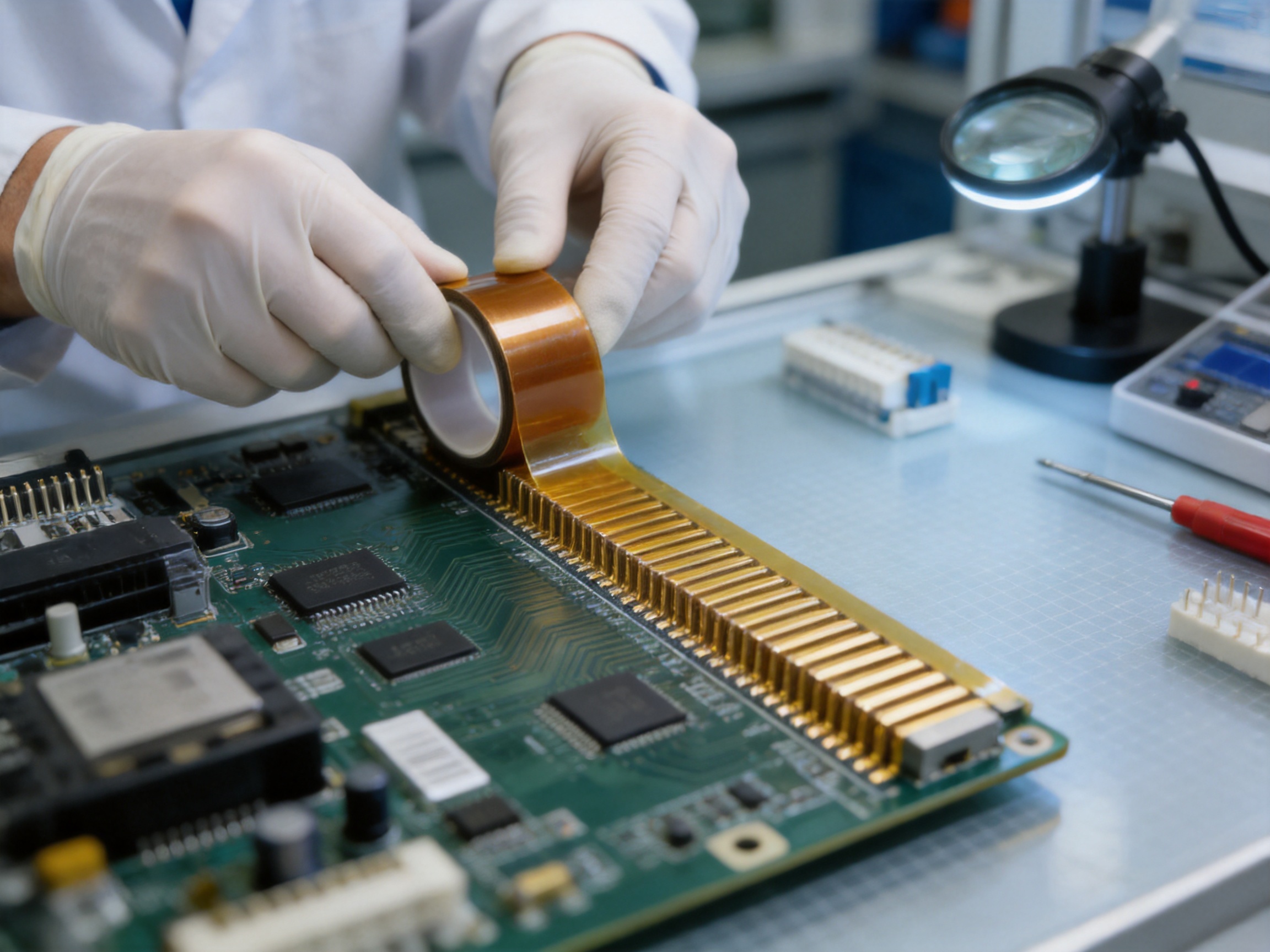
The surface should be free from dust, oil, moisture, loose particles, and other contamination before application. Cleaning methods must be compatible with the substrate. Some solvents can damage plastics, coatings, or printed markings, while insufficient cleaning can reduce adhesion. The tape should be applied only after the surface is dry and ready.
Application Pressure
Even pressure helps the adhesive make consistent contact with the surface. Operators should avoid stretching the film during application unless the process specifically requires it. Stretching can change the tape’s dimensions and may create tension that encourages lifting during heating.
Edge Control
Edges should be pressed down firmly, particularly when the tape is used to prevent coating or chemical penetration. Corners and transitions deserve additional attention because they are common starting points for lifting. For repeatable work, application templates or dedicated fixtures may improve alignment.
Removal Practice
Removal should follow the process requirement and be performed after the workpiece has reached a suitable condition. Pulling at a controlled angle and speed can help reduce tearing and residue. If the tape has been exposed to severe heat or chemicals, a small trial should be used to confirm removal behavior before processing a large batch.
Waste Reduction
Custom widths can reduce offcuts, but material planning remains important. The required strip length should be measured in advance, and operators should avoid excessive overlap. Proper roll storage and dispensing can prevent crushed edges and unusable sections. These measures improve the practical cost performance of the tape, not merely its purchase price.
Purchasing and Customization Considerations
When requesting a quotation, buyers should specify the required width, length, roll core, packaging format, and estimated order volume. They should also describe the application, substrate, temperature profile, exposure time, and removal expectations. Clear information allows the supplier to recommend the most appropriate available construction and avoid unnecessary trial and error.
Width customization is useful when the tape must match a fixed component geometry. A custom-width roll may be supplied for a specific production line, provided the requested dimension is compatible with manufacturing capability and order volume. Buyers should confirm width tolerance and whether the custom format affects lead time, minimum order quantity, or packaging.
Length selection should consider both application speed and storage. Longer rolls can reduce changeovers, but they may be less convenient for manual operations or low-volume work. Shorter rolls can support flexibility and sampling. A balanced purchasing plan may include different lengths for production, maintenance, and laboratory evaluation.
Packaging should protect the rolls from dust, moisture, crushing, and deformation during transportation. For export shipments, buyers may also need palletization, carton markings, documentation, and destination-specific requirements. The supplier’s experience in international packaging materials can help support these logistics discussions.
Geruite’s location in Hangzhou, Zhejiang Province, places the company within a major Chinese manufacturing region with established industrial supply networks. Its stated annual output value of more than RMB 60 million reflects a substantial operating scale for a packaging materials producer. Scale alone does not replace product testing, but it can support production organization, sourcing capacity, and ongoing customer service.
Why Manufacturer Capability Matters
Technical tape performance is influenced by the entire manufacturing chain. A supplier may offer a suitable specification on paper, but the customer also needs repeatability from batch to batch. Consistent film supply, controlled adhesive coating, precise slitting, stable winding, and protective packaging all contribute to the product’s value.
A manufacturer with a broad product range may be able to support customers beyond a single tape purchase. For example, an electronics or industrial buyer may also require stretch film, strapping, protective bags, masking tapes, or other packaging materials. A supplier with knowledge across these categories can potentially help coordinate material selection and simplify procurement.
The company’s stated focus on research, development, production, sales, quality, and service indicates an integrated approach to packaging material supply. Its goal is not simply to provide a roll of tape, but to offer a product that fits into a customer’s handling, manufacturing, protection, and logistics system.
For international customers, communication and technical responsiveness are also important. Product details, sample arrangements, customization, packaging, and shipment planning should be discussed clearly. A reliable supplier should be able to explain available dimensions, provide relevant technical information, and support trial evaluation where appropriate.
Environmental and Operational Considerations
Material selection should consider the full operating cycle. Using a tape that remains stable during the required process can reduce rework caused by lifting, tearing, or contamination. Accurate widths can reduce trimming waste, and suitable roll lengths can reduce unused material at the end of a production run.
PET is a widely used industrial polymer, but disposal requirements vary by adhesive construction, contamination, local regulations, and the customer’s waste management system. Buyers should consult the supplier regarding available product documentation and should follow local rules for disposal or recycling. In high-volume operations, customers may also evaluate whether used tape can be segregated for appropriate waste handling.
Operational efficiency is often the most immediate sustainability benefit. A product that reduces rejected parts, repeated masking, and process interruptions may lower material and energy consumption indirectly. Such benefits should be measured through production data rather than assumed solely from the product specification.
Conclusion
PI Gold Finger Tape is a specialized amber PET tape intended for high-temperature masking, electronics protection, insulation-related tasks, and other industrial applications requiring a stable film backing. Its listed resistance of up to 280°C, width range of 5 mm to 500 mm, custom-width availability, and 33 m to 66 m length options give it a flexible position in the technical tape market.
Compared with ordinary packaging tape, the product is better aligned with elevated-temperature and precision applications. Compared with paper masking materials, its PET backing offers a smoother and more dimensionally stable film format. Compared with highly specialized premium alternatives, it may provide a practical balance of performance, visibility, format flexibility, and purchasing efficiency, subject to application testing.
The supplier strengthens the product offering through experience across adhesive tapes, films, strapping, and packaging materials. Its stated use of advanced production equipment, quality control from raw material procurement through final inspection, and broad manufacturing portfolio supports a structured approach to consistency and customer service.
For best results, buyers should evaluate the tape under actual production conditions. Temperature, dwell time, substrate, adhesive compatibility, removal behavior, storage, and electrical requirements should all be considered. When properly qualified and applied, the tape can help manufacturers protect sensitive surfaces, improve masking accuracy, reduce process interruptions, and standardize high-temperature protection across a range of industrial operations.
Questions and Answers
What is PI Gold Finger Tape used for?
It is used for high-temperature masking, electronics protection, contact-edge protection, temporary insulation, surface protection, and selected industrial processing operations. It is particularly relevant when a visible, stable film tape is needed around electronic contacts or other sensitive areas.
Is the tape made from polyimide?
The provided product specification identifies the base material as thermoplastic polyester, or PET, and lists the product category as Mylar Tape. Buyers should therefore treat it as a PET-based tape unless the supplier provides a different construction for a specific order. The word “PI” in the product title should not replace confirmation of the technical material specification.
What color is the tape?
The tape is amber. This color makes it easier to identify during application, inspection, and removal, especially when compared with clear packaging tapes or transparent films.
What temperature can it withstand?
The stated temperature resistance is up to 280°C. Actual performance depends on exposure duration, heating and cooling rates, substrate, adhesive condition, pressure, and the complete process environment. Customers should conduct a production-representative trial.
What widths are available?
Available widths range from 5 mm to 500 mm. Custom widths are available according to customer requirements and manufacturing feasibility.
What roll lengths are available?
The listed length range is 33 m to 66 m. The most suitable length depends on application volume, dispensing method, storage capacity, and the desired frequency of roll changes.
Can it be used on printed circuit boards?
It may be suitable for selected printed circuit board and electronic component applications, including masking and contact-area protection. The exact substrate, plating, coating, heating cycle, and removal conditions should be tested before production use.
Does it leave residue after removal?
Residue performance depends on the surface, temperature, exposure time, adhesive condition, and removal method. Customers requiring clean removal should evaluate the tape on their actual substrate after the complete process cycle.
Can it replace polyimide tape?
It should not be assumed to be a direct replacement for every polyimide tape application. Both products must be compared according to temperature, electrical, chemical, mechanical, and removal requirements. The PET-based specification may be advantageous for certain applications, but qualification is necessary.
How should the tape be stored?
Rolls should be kept clean, dry, and protected from direct sunlight, moisture, crushing, and extreme temperature fluctuations. The supplier’s storage instructions and recommended shelf-life conditions should be followed.
Can the supplier provide custom formats?
Custom widths are specifically listed as available. Other format requirements, such as packaging, roll length, core dimensions, and order quantities, should be confirmed directly with the supplier before ordering.
What information should be included in a quotation request?
Buyers should provide the required width and length, estimated quantity, substrate, process temperature, exposure time, intended application, removal requirements, packaging needs, and destination. This information helps the supplier assess the appropriate format and support a more accurate quotation.
References
1. Product specification supplied for PI Gold Finger Tape: PET base material, amber color, temperature resistance up to 280°C, width range, and length range.
2. Company information supplied for Zhejiang Geruite Packaging Materials Co., Ltd., including product portfolio, manufacturing focus, quality control approach, location, and annual output value.
3. General industrial guidance on pressure-sensitive adhesive tape selection, surface preparation, temperature exposure, storage, and removal evaluation.
4. General materials engineering principles concerning PET film dimensional stability, electrical insulation, film converting, slitting, winding, and industrial masking applications.
Product: PI Gold Finger Tape

CONTACT DETAILS
- Address:No. 241, Yaojiafan, Zhangpanqiao, Shushan Street, Xiaoshan District, Hangzhou City, Zhejiang Province, China
- TEL:+86-0571-83175630
- Phone:+86-13336160217
- Email:jeffrey@grtpk.com
- WeChat/WhatsApp:+86-18058115265
PRODUCTS
NEWS CENTER
MOBILE TERMINAL
Copyright© Zhejiang Geruite Packaging Materials Co., Ltd. All Rights Reserved.
Privacy Wholesale industrial packaging tape Manufacturers