


 English
 Español
 عربى

Plastic Carton Sealer: A Lightweight, Affordable Solution for Everyday Packaging
Content
- 1 Understanding the Role of a Carton Sealer
- 2 Product Positioning and Intended Users
- 3 Key Product Features
- 4 Advantages Over Conventional Metal Carton Sealers
- 5 Manufacturing Strengths and Quality Approach
- 6 Operational Benefits in E-Commerce Fulfillment
- 7 Use in Relocation and Trade Fair Projects
- 8 Correct Loading and Operating Method
- 9 Procurement Considerations for Wholesale Buyers
- 10 Comparison with Alternative Packaging Tools
- 11 Sustainability and Lifecycle Considerations
- 12 Why Manufacturer Support Matters
- 13 Frequently Asked Questions
- 13.1 What is a plastic carton sealer used for?
- 13.2 What type of tape does this product support?
- 13.3 Is the tool suitable for heavy industrial packaging?
- 13.4 How does it compare with a metal carton sealer?
- 13.5 Can one person operate the dispenser?
- 13.6 Does the product require special training?
- 13.7 Are different colors available?
- 13.8 Can the product be customized?
- 13.9 What is the confirmed product weight?
- 13.10 How should the tool be maintained?
- 13.11 Is the product appropriate for fewer than 500 orders per day?
- 13.12 What should buyers check before placing a bulk order?
- 14 Conclusion
- 15 References
- 16 Product: Plastic Carton Sealer
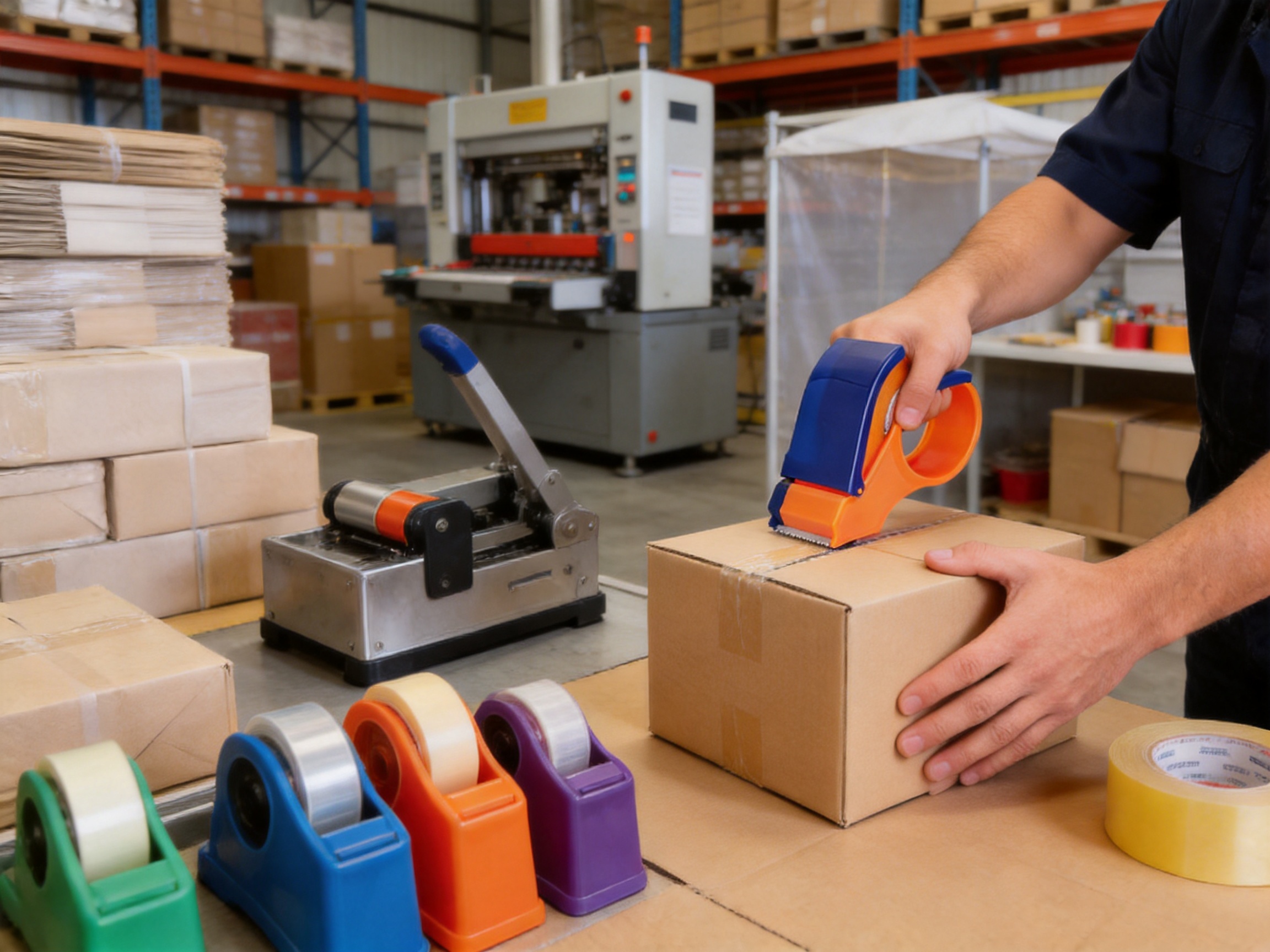
Efficient carton sealing is an essential part of modern packaging operations. Whether a business ships online orders, prepares products for retail distribution, moves office equipment, or assembles exhibition materials, cartons must be closed securely, neatly, and consistently. The right dispenser can reduce wasted tape, improve operator comfort, accelerate packing, and support a more organized workflow. For many lightweight and medium-duty applications, a plastic carton sealer offers a practical alternative to heavier and more expensive metal tools.
The plastic carton sealer discussed in this article is designed for users who need straightforward, economical, and easy-to-operate packaging equipment. It is particularly suitable for small and medium-sized e-commerce sellers, warehouses with moderate packing volumes, temporary relocation projects, trade fair installations, offices, retail backrooms, and general-purpose carton sealing. Its lightweight plastic construction, compact format, simple serrated cutting blade, and accessible purchase cost make it a useful tool for everyday packing tasks.
Unlike heavy-duty dispensers created for demanding industrial environments, this product is positioned as an uncomplicated solution for ordinary sealing requirements. It does not attempt to compete with metal carton sealers in every area. Instead, it focuses on affordability, low handling effort, easy deployment, and sufficient functionality for normal packaging work. This clear positioning allows buyers to match the product with the right operating environment and obtain better value from their packaging budget.
Understanding the Role of a Carton Sealer
A carton sealer is a handheld dispenser that holds a roll of pressure-sensitive packaging tape and enables an operator to apply and cut the tape in one continuous movement. Most carton sealers combine a roll holder, a tension or braking mechanism, a guide surface, and a serrated blade. When the tool is pressed and pulled along the carton seam, the tape is applied to the box while the blade allows the operator to tear or cut the tape cleanly at the required length.
Although carton sealing may appear simple, the tool used for the job can have a noticeable effect on labor efficiency. Applying tape by hand often results in uneven tension, unnecessary tape consumption, and difficulty cutting the material. A dispenser guides the tape more consistently and helps the operator maintain a repeatable sealing method. This is especially useful when several employees perform the same packing task throughout the day.
The plastic carton sealer is intended for tape widths up to 50 millimeters. This format covers many standard carton-sealing tapes used in parcel shipping, warehouse packing, office relocation, and general product protection. The tool is therefore compatible with a broad range of common packaging tape rolls, provided that the roll dimensions and core size are also suitable for the dispenser.
For businesses that process lightweight cartons, the product provides an efficient balance between basic performance and cost control. It gives workers a dedicated tool without requiring the company to purchase expensive industrial equipment for every packing station.
Product Positioning and Intended Users
The product is designed primarily for light-duty and low-to-medium-frequency applications. It is a suitable choice for small and medium-sized e-commerce sellers handling fewer than approximately 500 orders per day, although actual suitability will depend on carton size, tape type, operator habits, and the number of active packing stations.
Online retailers often need several employees to pack orders at the same time. Supplying every worker with a separate carton sealer can eliminate tool sharing and reduce interruptions. Because the product is priced at approximately one-third of the cost of a metal box sealer according to the supplied product positioning, businesses may be able to equip more workstations without significantly increasing their tooling budget.
The same advantage applies to seasonal businesses and temporary projects. A company preparing for a holiday sales period may require additional packing tools for only a few months. A business relocating premises may need several dispensers for a limited period. Event organizers, exhibitors, and trade fair contractors may also need simple sealing equipment that can be distributed across different teams and work areas.
The plastic carton sealer can also be useful in office supply rooms, school storage areas, small warehouses, repair facilities, retail stores, and household moving projects. In these situations, the tool does not need to withstand continuous industrial use. It needs to be easy to understand, convenient to handle, and affordable enough to keep available whenever a carton must be closed.
Recommended Application Environments
The product is well matched with environments where packaging work is regular but not extremely intensive. Typical applications include sealing corrugated shipping boxes, closing cartons containing household goods, preparing parcels for courier collection, assembling promotional shipments, packing display materials, and securing boxes during temporary storage.
It is also suitable for organizations that need simple tools for many users. For example, a distribution department may assign different colors to different packing teams. A retailer may use one color in the online fulfillment area and another color in the returns department. A moving company may use color-coded tools for separate customer projects. This approach can make tool allocation and inventory control easier.
The product should not be selected solely on price for environments that demand continuous, high-volume operation, frequent impact resistance, or maximum service life. In such cases, a reinforced metal dispenser or an industrial-grade automatic sealing system may be more appropriate. The value of the plastic carton sealer comes from its sensible performance-to-cost ratio in the application range for which it was designed.
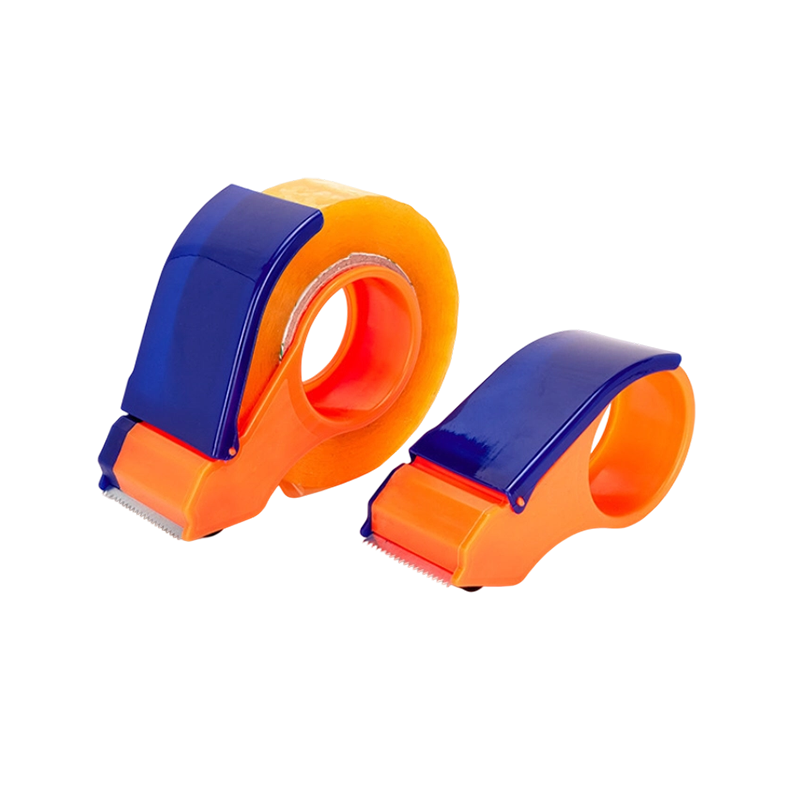
Plastic Carton Sealer
Key Product Features
Lightweight Plastic Construction
The body is made from plastic, which reduces material weight and helps keep the purchase price accessible. Compared with many metal carton sealers, a plastic body can be easier to carry, distribute, and store. It may also reduce hand and wrist fatigue during ordinary packing tasks, particularly when operators repeatedly move between cartons or workstations.
The supplied product description presents the sealer as weighing less than 200 grams during operation, while the listed technical information states a net weight of 300 grams. This difference should be clarified with the supplier before ordering, especially when weight is a decisive factor for ergonomic planning or freight calculations. Regardless of the final confirmed specification, the product is positioned as a lightweight alternative to conventional metal dispensers.
Plastic construction also allows the tool to be offered in multiple colors. Color availability can support internal organization and visual identification. A warehouse can assign colors according to work area, team, customer, or packaging line. This is a small but useful feature for businesses that maintain multiple tools and want to reduce misplaced equipment.
One-Handed Operation
The carton sealer is designed to be operated with one hand. This makes it possible for a worker to hold the carton, stabilize a product, or guide the package with the other hand while applying tape. One-handed operation can simplify the sealing process, especially when closing irregular cartons or preparing boxes that need to remain aligned during application.
A simple one-handed tool also reduces the learning curve for new staff. Workers do not need to master complicated adjustments or electronic controls. After the tape roll is installed correctly, the operator can pull the dispenser along the carton seam, apply the required length, and use the serrated blade to cut the tape.
Ease of use is particularly important in temporary or seasonal operations. Businesses often bring in temporary workers during busy periods. A product that can be understood quickly helps reduce training time and supports consistent packaging practices across the team.
Support for Tape Up to 50 Millimeters Wide
The listed suitable tape width is up to 50 millimeters. This dimension is widely used in carton sealing and provides adequate coverage for many small and medium-sized corrugated boxes. Before purchasing, buyers should confirm the tape roll diameter, core diameter, and maximum roll width, because tape width alone does not determine compatibility.
Using an appropriate tape width is important for secure closure. Narrow tape may not provide enough contact area on a heavy or oversized carton, while excessively wide tape may be difficult to position accurately with a compact dispenser. For ordinary lightweight shipping boxes, tape up to 50 millimeters wide is often a practical standard.
Serrated Cutting Blade
The serrated blade provides a simple method for separating the tape after application. It eliminates the need for scissors or a separate cutting tool, which helps keep the packing process continuous. The operator can pull the required tape length and angle the dispenser against the serrated edge to complete the seal.
The blade is intended to meet everyday sealing needs rather than extreme industrial demands. Operators should use it correctly and avoid treating the tool as a general-purpose cutter. The blade should be kept away from hands and stored safely when the dispenser is not in use. Appropriate handling supports longer service life and safer working conditions.
Compact Dimensions
The supplied information lists a size of 50, with customization available, and product dimensions of approximately 45–48 millimeters and 50–60 millimeters. Since these figures are presented in a shortened format, buyers should request a complete dimensional drawing before placing a large order. Clarification may be needed regarding length, width, height, roll capacity, core size, and the meaning of each dimensional range.
Even so, the product concept is clearly compact. A compact dispenser occupies little space in a packing station, toolbox, storage cabinet, or shipping preparation area. It is also easier to transport to temporary work locations such as trade fairs, warehouses, and relocation sites.
| Specification | Listed Information | Practical Meaning |
|---|---|---|
| Product type | Plastic carton sealer | Handheld dispenser for packaging tape and carton closure |
| Primary category | Dispensers | Suitable for use as a tape application and cutting tool |
| Body material | Plastic | Supports low weight, accessible cost, and color options |
| Suitable tape width | Up to 50 mm | Compatible with many standard carton-sealing tape formats |
| Net weight | 300 g listed; marketing text states less than 200 g | Weight should be confirmed before procurement |
| Size information | 50; customizable | Customization may be available, subject to supplier confirmation |
| Product dimensions | Approximately 45–48 mm and 50–60 mm | Complete dimensional specifications should be requested |
| Cutting method | Serrated blade | Allows tape to be separated without a separate cutting tool |
| Recommended duty level | Light-duty to low-to-medium frequency | Best suited to everyday packaging rather than extreme continuous use |
Advantages Over Conventional Metal Carton Sealers
Lower Purchase Cost
The most direct advantage is cost. The product is positioned at approximately one-third the price of a metal box sealer. This difference can have a significant effect when a company needs multiple units. Instead of equipping only one or two stations with expensive tools, a business may be able to provide a dispenser to every worker who seals cartons.
Widespread tool availability can improve workflow efficiency. Employees do not need to wait for a shared dispenser, walk across the warehouse to locate one, or improvise with scissors. When the cost of equipping additional workstations is manageable, the entire packing process can become more organized.
Lower cost can also make replacement easier. A tool that is lost, damaged, or assigned to a temporary project does not create the same financial burden as a higher-priced metal dispenser. This is useful in busy warehouses and mobile work environments where equipment may move between departments.
Reduced Handling Effort
Metal tools are often valued for their strength, but they may be heavier than necessary for light cartons. A plastic dispenser can reduce the physical effort required to carry and use the tool. For workers who seal many small parcels, even a modest reduction in tool weight may improve comfort over the course of a shift.
Reduced handling effort is especially relevant when a worker must repeatedly pick up the dispenser, position it, pull tape, cut the tape, and place the tool down. A lightweight format may make these movements feel less demanding. However, buyers should use the confirmed product weight rather than relying on an unverified description when performing ergonomic comparisons.
Easy Color Coding
Plastic carton sealers can be produced in a range of colors, creating an organizational advantage that is not always available with standard metal tools. Color coding helps distinguish equipment quickly. It can identify packing lines, shifts, departments, or customer orders. It may also help managers determine whether tools have been returned to their designated locations.
Color coding is simple to implement. A warehouse might assign blue dispensers to outbound shipping, red dispensers to returns, and green dispensers to internal transfers. A company with multiple locations may use different colors for each site. This system can improve visibility without adding labels, electronic tracking devices, or complex inventory procedures.
Simpler Training
Many heavy-duty metal dispensers include tension controls, adjustable brakes, reinforced components, or other features that require training. Those features can be valuable in demanding applications, but they may be unnecessary for occasional users. The plastic carton sealer emphasizes straightforward operation, making it easier for new employees to become productive quickly.
A simple tool can also reduce misuse caused by incorrect adjustment. If the packaging task is basic, fewer controls may mean fewer opportunities for errors. Workers can concentrate on carton alignment, tape placement, and safe cutting rather than learning a complicated mechanism.
Appropriate Performance for Light-Duty Work
Not every packaging application requires maximum durability. A small retailer shipping lightweight products does not necessarily need a reinforced industrial dispenser. Purchasing equipment with more capacity and strength than required can result in unnecessary capital expenditure.
The plastic carton sealer is intended to provide adequate performance for ordinary sealing tasks. Its advantage is not that it is universally stronger than metal alternatives. Its advantage is that it provides the necessary basic functions at a lower cost and with less handling effort in the applications it is designed to serve.
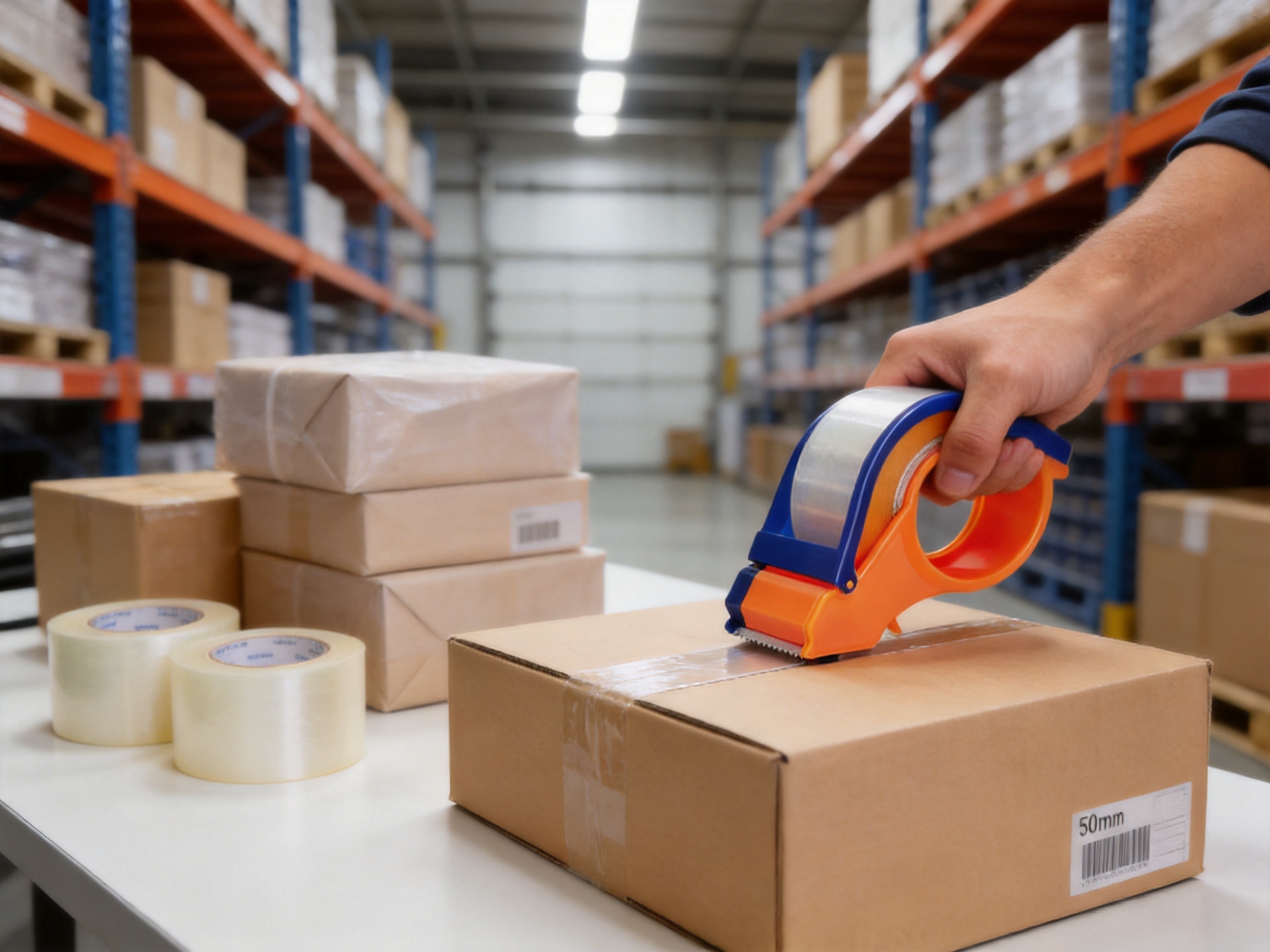
Manufacturing Strengths and Quality Approach
The product is supplied by Zhejiang Geruite Packaging Materials Co., Ltd., a packaging materials manufacturer located in Hangzhou, Zhejiang Province, China. Zhejiang is recognized for its developed manufacturing base, extensive industrial supply chains, and strong packaging-related production capabilities. This environment provides access to material suppliers, production equipment, skilled technical personnel, and logistics infrastructure.
The company focuses on the research, development, production, and sales of packaging materials and related products. Its stated product range includes BOPP tapes, kraft paper tapes, masking tapes, high-temperature-resistant tapes, metal tapes, PE stretch film, PP strapping, and high-strength PET strapping. This broader product portfolio is relevant to the plastic carton sealer because it indicates experience with multiple packaging formats and applications rather than dependence on a single product category.
Integrated Packaging Product Experience
A manufacturer working across adhesive tapes, stretch film, strapping, and protective materials can develop a broader understanding of packaging workflows. Different products must work together in real distribution environments. Carton tape may be used alongside stretch film, strapping, corner protection, protective bags, and other materials. Knowledge of these related applications can support more practical product development and customer service.
For example, a carton sealer must be considered not only as an isolated plastic tool but also as part of a complete packaging station. The correct dispenser should suit the tape being used, the type of carton being closed, the operator’s work pattern, and the final shipping conditions. A manufacturer with experience across packaging categories is better positioned to discuss these connections with customers.
Production Equipment and Process Control
The company states that it is equipped with advanced production equipment and a rigorous quality control system. In the case of a plastic carton sealer, consistent process control is important for maintaining dimensional accuracy, smooth assembly, reliable blade installation, and stable handling characteristics.
Plastic components must be formed within controlled tolerances so that the tape roll fits correctly and the dispenser operates smoothly. If the body is too loose, the tape may shift during application. If components are too tight, the roll may not turn freely. A reliable production process helps reduce these variations.
Quality control should also cover the cutting blade, roll holder, handle structure, and contact surfaces. The serrated blade must be securely positioned and sufficiently sharp for normal tape separation. The handle should be comfortable to hold and free from sharp plastic flash. The tape path should allow consistent dispensing without unnecessary sticking or obstruction.
Inspection from Raw Materials to Finished Products
The company describes quality as a core principle and indicates that control extends from raw material procurement through production and final inspection. For plastic tools, incoming material inspection may include checking the type, appearance, consistency, and suitability of the plastic used in molding. Production inspection may focus on dimensions, surface quality, assembly, and functional movement.
Final inspection can include visual checks, sample operation tests, blade positioning checks, and packaging verification. A disciplined inspection program helps identify defects before products are shipped to customers. This is particularly important for wholesale orders, where a small defect rate can become a significant number of affected units.
Customers purchasing in bulk should ask for information about inspection standards, sampling procedures, packaging methods, and any available quality documentation. They may also request pre-shipment samples or approve a production sample before mass manufacturing begins. These steps are useful when the order involves custom colors, customized dimensions, private labeling, or special packaging.
Research and Development Capability
The company states that it has emphasized research and innovation in packaging materials since its establishment. For a product such as a plastic carton sealer, development work may involve improving the body shape, optimizing the tape path, selecting suitable plastic materials, refining the blade position, and making the tool more comfortable to hold.
Even a simple tool benefits from thoughtful engineering. The dispenser must be easy to load, stable during application, and sufficiently strong for its intended duty level. Small design improvements can reduce tape waste, simplify operator movement, and improve user confidence.
The availability of customization is another indication that the product may be adaptable to different buyer requirements. Potential customization could involve color, packaging, dimensions, printing, or bulk-order configuration. However, the exact scope, minimum order quantity, production lead time, and tooling cost should be confirmed with the manufacturer before a commercial decision is made.
Manufacturing Scale and Business Stability
The company reports annual output value exceeding RMB 60 million. While output value alone does not guarantee product quality, it suggests an established operation with meaningful manufacturing and sales activity. A stable supplier may offer better continuity for repeat orders, more dependable communication, and stronger capacity to support customers requiring several product categories.
Long-term purchasing decisions should consider more than unit price. Buyers should evaluate production capacity, quality consistency, delivery reliability, technical communication, after-sales support, and the supplier’s ability to maintain the same specifications across repeat batches. An experienced packaging manufacturer can be a valuable partner when a customer later expands from carton sealing tools into tape, stretch film, strapping, or protective packaging materials.
Operational Benefits in E-Commerce Fulfillment
E-commerce businesses often operate under pressure to pack orders quickly while maintaining accuracy and presentation quality. A plastic carton sealer can support this process by keeping the tape application step simple and repeatable. The worker can position the product inside the carton, fold the flaps, apply the tape, and separate the tape without changing tools.
For small and medium-sized sellers, the product can be especially useful because it does not require a large investment in automated packaging machinery. A business may begin with a few dispensers and add more as order volume grows. This gradual approach avoids purchasing equipment that exceeds immediate needs.
The tool may also be useful for distributed packing stations. If each employee receives a dispenser, the company can reduce movement between stations. Color coding can make it easier to identify which tools belong to a particular line or shift. When combined with standard carton sizes and clearly defined packing procedures, the dispenser can contribute to a more consistent operation.
Businesses should still consider the relationship between order volume and tool duty cycle. Fewer than 500 orders per day is a general reference point from the supplied product description, not a guaranteed capacity limit. A single operator sealing hundreds of heavy cartons may place different demands on the product than several employees sealing smaller parcels. Workload should therefore be assessed by user, shift, carton weight, tape type, and frequency of use.
Use in Relocation and Trade Fair Projects
Temporary relocation projects often require a large number of cartons to be closed over a short period. The tools may be used by employees who do not normally work in packaging. A simple plastic dispenser can be distributed to different teams without extensive instruction, helping maintain momentum during office or warehouse moves.
At trade fairs and exhibitions, packaging equipment must often be transported between storage areas, loading zones, booths, and temporary workspaces. A compact dispenser takes up little room in a project kit. It can be used to close cartons containing displays, marketing materials, samples, brochures, fixtures, and spare equipment.
The lower cost of the product is valuable in temporary projects because tools may be exposed to unusual handling, moved between locations, or left with different teams. Purchasing several affordable units can be more practical than relying on one expensive tool that must be carefully tracked throughout the project.
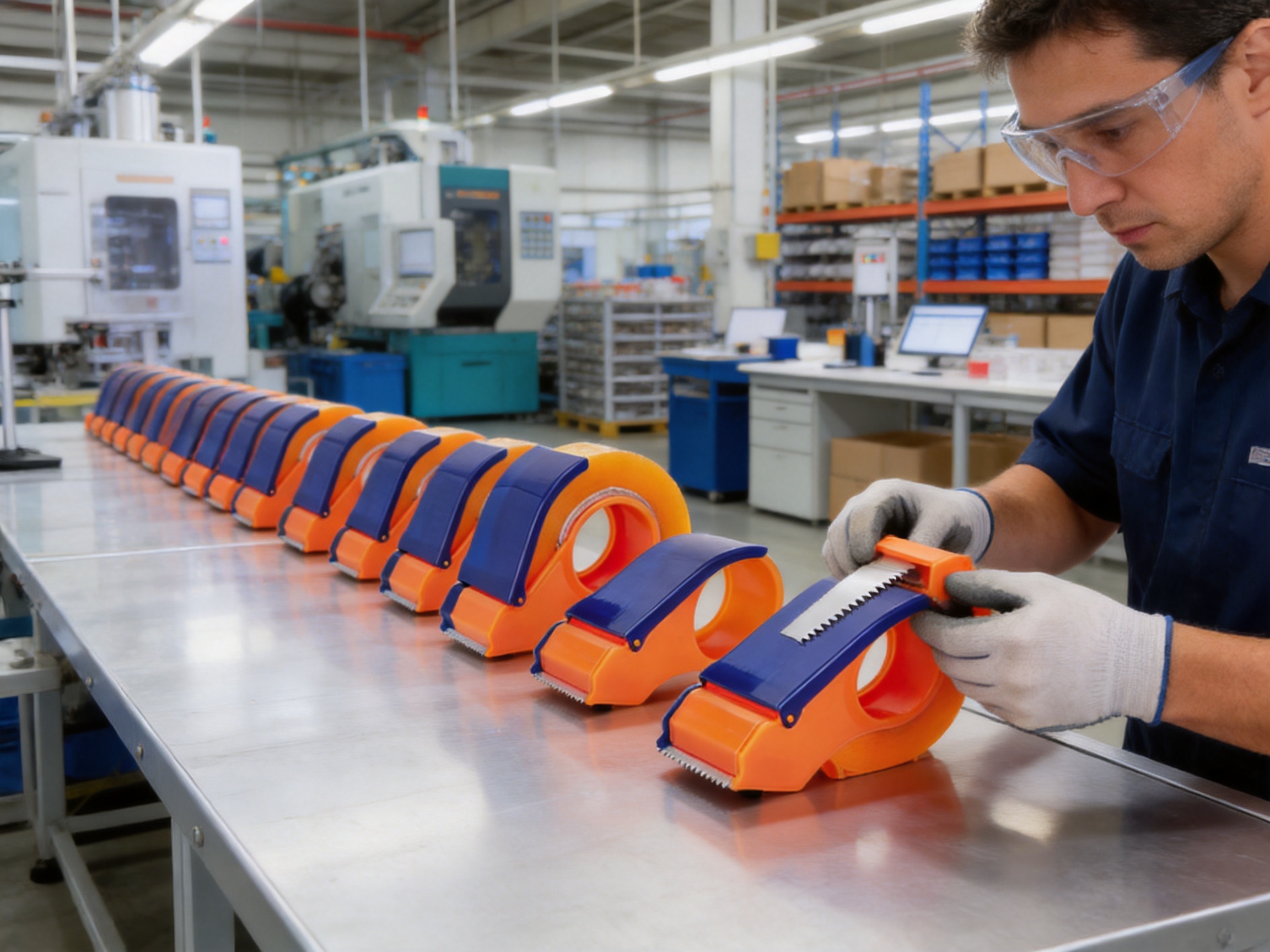
Correct Loading and Operating Method
Before using the carton sealer, inspect the tool and confirm that the tape roll is suitable for the dispenser. Check the tape width, roll diameter, core size, and adhesive condition. The roll should turn smoothly without excessive looseness or resistance.
Install the tape so that the adhesive side faces the carton when the tape leaves the dispenser. Feed the tape through the intended guide path according to the product instructions. Incorrect loading can cause the tape to twist, stick to the tool, or fail to apply evenly.
Place the carton on a stable surface and align the top flaps. Begin the tape application at one end of the seam. Pull the dispenser steadily along the joint while applying moderate pressure. Avoid sudden changes in direction, as these may create wrinkles or uneven adhesion.
When the required length has been applied, angle or lift the dispenser against the serrated blade to separate the tape. Keep fingers away from the blade and avoid pulling the tape directly toward the hand. After cutting, press the loose tape end firmly onto the carton surface.
Good results depend on more than the dispenser. The carton surface should be clean, dry, and free from excessive dust or oil. The adhesive tape should be stored in suitable conditions and used within its recommended service period. Very cold, hot, damp, or dusty environments can affect tape adhesion even when the dispenser is working properly.
Maintenance and Storage
Routine maintenance is simple. Remove loose adhesive residue from the contact surfaces when necessary. Check that the tape holder and guide areas are free from cardboard fibers and debris. Inspect the serrated blade periodically for damage or excessive wear.
Do not expose the plastic carton sealer to unnecessary heat, direct sunlight, corrosive chemicals, or heavy impact. Store it in a dry location when not in use. If the tool is kept in a warehouse, placing it in a designated container or hanging area can reduce the risk of damage and make it easier to locate.
A damaged blade, cracked body, loose holder, or malfunctioning tape path should be addressed before continued use. Although the product is economical, proper care can extend its useful life and reduce unnecessary replacement.
Procurement Considerations for Wholesale Buyers
Wholesale buyers should define the intended application before placing an order. Important questions include the average number of cartons sealed per day, carton size and weight, tape width, tape roll diameter, number of operators, expected service life, and working environment.
Buyers should also verify the apparent discrepancy between the stated weight of less than 200 grams and the technical listing of 300 grams. A confirmed specification sheet should be requested. The same applies to the shortened size and product dimension information. Complete measurements are essential for packaging design, tool storage, shipping calculations, and compatibility checks.
For large orders, color selection can be planned as part of the warehouse management system. Buyers may request a single standard color for brand consistency or several colors for internal identification. If custom colors are required, the supplier should confirm color matching, minimum quantities, sample approval, and production lead time.
Packaging for bulk shipment should also be discussed. Individual polybags, cartons, printed boxes, barcode labels, instruction sheets, and pallet configurations may all affect warehouse receiving and distribution. A supplier experienced in packaging materials may be able to recommend a suitable packing format based on the customer’s sales channel.
Quality approval is another important step. A buyer may request samples before mass production and evaluate tape loading, cutting performance, handle comfort, plastic finish, and compatibility with the intended tape. Sample testing helps identify issues early and provides a reference for later production batches.
Questions to Ask Before Ordering
What is the confirmed net weight of the finished product?
What tape roll core sizes and maximum roll diameters are supported?
Is the stated maximum tape width of 50 millimeters exact?
Are the dimensions fixed, or can the design be customized?
What colors are available as standard options?
Can the product be customized with a logo, label, or special packaging?
What is the minimum order quantity for each color or customization?
What inspection procedures are used before shipment?
Are replacement blades or other spare parts available?
What is the recommended duty level for continuous daily use?
What are the production and delivery lead times for repeat orders?
Comparison with Alternative Packaging Tools
Applying tape by hand is the least expensive method at the equipment level, but it may be inefficient. Hand application can create inconsistent tape lengths, wrinkles, poor seam coverage, and difficulty separating the tape. It may also require scissors or a separate cutter. A carton sealer provides more control and allows the operator to complete the task with fewer movements.
A metal carton sealer generally offers greater resistance to impact, repeated heavy use, and demanding industrial conditions. It may be the better choice for large distribution centers, manufacturing plants, and high-volume shipping lines. However, its higher weight and cost can be unnecessary for occasional or moderate use.
Automatic carton sealing machines provide higher throughput and consistent results in specialized operations. They also require more space, investment, maintenance, and technical support. A small business may not achieve a reasonable return on investment from automation if order volume is variable or packaging formats change frequently.
The plastic carton sealer occupies a useful middle position. It is more organized and efficient than applying tape entirely by hand, but less expensive and less complex than a heavy-duty metal tool or automated machine. This makes it suitable for businesses seeking practical improvements without major capital expenditure.
| Tool Type | Main Strength | Typical Limitation | Best-Suited User |
|---|---|---|---|
| Manual tape application | Minimal equipment cost | Slower and less consistent; requires separate cutting method | Very occasional household or office use |
| Plastic carton sealer | Low cost, light handling, simple operation | Not intended for extreme continuous-duty work | Small businesses, e-commerce sellers, temporary projects |
| Metal carton sealer | Strong construction and greater durability | Higher weight and purchase cost | Frequent or demanding warehouse operations |
| Automatic sealing machine | High throughput and repeatability | Large investment, space, and maintenance requirements | High-volume standardized production lines |
Sustainability and Lifecycle Considerations
Plastic products should be evaluated over their complete lifecycle rather than by material type alone. A lightweight tool may require fewer resources to transport than a heavier alternative, particularly when large quantities are shipped. Its lower purchase price may also allow businesses to distribute tools efficiently and reduce wasted employee movement.
At the same time, responsible use requires attention to durability, maintenance, and end-of-life handling. The plastic carton sealer is not promoted as an extreme-durability product, so users should select it for suitable applications rather than subjecting it to heavy abuse. Using the correct tool for the correct duty level can reduce premature disposal.
Businesses should follow local waste management requirements when a dispenser reaches the end of its service life. Where recycling programs accept the relevant plastic type or mixed components, the product may be directed through those channels. The serrated blade should be handled carefully during disposal, and damaged tools should not be left where they can create a cutting hazard.
Packaging suppliers can also support more responsible purchasing by offering efficient bulk packaging, reducing unnecessary secondary materials, and providing accurate product information. Buyers should discuss carton quantities, protective packaging, and shipment configuration with the supplier before finalizing an order.
Why Manufacturer Support Matters
A carton sealer is a relatively simple product, but supplier support remains important for wholesale and customized purchases. Accurate advice can help buyers choose compatible tape, confirm dimensions, understand duty limitations, and select an appropriate packaging configuration.
The company’s wider product portfolio may allow customers to consolidate purchasing across several packaging categories. A buyer may source carton-sealing tape, stretch film, strapping, protective film, bags, and dispensers from one supplier. Consolidation can simplify communication, purchase order management, quality coordination, and shipment planning.
Long-term cooperation may also support product improvement. Feedback from customers can identify opportunities to refine grip shape, tape loading, color options, blade design, packaging, or dimensional accuracy. A manufacturer that combines production experience with research and development can use this feedback to improve future versions.
Customers should maintain clear records of approved samples, specifications, colors, packaging details, and inspection requirements. These records create a practical reference for repeat orders and help ensure that future production remains consistent with the original purchase.
Frequently Asked Questions
What is a plastic carton sealer used for?
A plastic carton sealer is used to apply pressure-sensitive packaging tape to carton seams and cut the tape after the required length has been applied. It is commonly used for shipping boxes, storage cartons, office relocations, retail packaging, e-commerce fulfillment, and trade fair preparations.
What type of tape does this product support?
The supplied specification lists suitable tape widths of up to 50 millimeters. Buyers should also confirm the compatible tape core size, roll diameter, and tape thickness before ordering, because these factors affect whether a particular roll will fit and dispense correctly.
Is the tool suitable for heavy industrial packaging?
The product is positioned for lightweight sealing and low-to-medium frequency use. It is not described as an extreme-durability tool. For continuous heavy-duty packaging, large cartons, or harsh industrial environments, a reinforced metal dispenser or automatic sealing system may be more suitable.
How does it compare with a metal carton sealer?
Its main advantages are lower cost, reduced handling effort, simple operation, and the availability of multiple colors. A metal carton sealer may offer stronger impact resistance and longer service life under demanding conditions. The best choice depends on workload, carton weight, operating environment, and budget.
Can one person operate the dispenser?
Yes. The product is designed for one-handed operation. The user can hold or stabilize the carton with the other hand while applying and cutting the tape.
Does the product require special training?
It is designed to have a short learning curve. Operators generally need to learn how to load the tape, guide the dispenser along the carton seam, and use the serrated blade safely. Basic workplace safety instruction is still recommended.
Are different colors available?
The supplied product description states that the dispenser is available in a variety of colors. Buyers should confirm the available standard colors, minimum quantities, and whether custom colors can be produced for a particular order.
Can the product be customized?
The information lists the size as customizable. The exact customization options are not specified, so buyers should contact the supplier to confirm whether customization relates to color, dimensions, printing, packaging, or other features. Minimum order quantities and tooling requirements should also be discussed.
What is the confirmed product weight?
The product description states that the tool weighs less than 200 grams, while the technical table lists a net weight of 300 grams. This inconsistency should be clarified with the supplier before purchase. The confirmed weight should be used for ergonomic assessments and freight calculations.
How should the tool be maintained?
Keep the tape path clean, remove adhesive residue when necessary, inspect the serrated blade, and store the tool in a dry location away from excessive heat and impact. Replace or discontinue use of any tool with a cracked body, loose components, or damaged cutting edge.
Is the product appropriate for fewer than 500 orders per day?
The supplied positioning identifies small and medium-sized e-commerce sellers handling fewer than 500 orders per day as a suitable user group. Actual suitability depends on the number of packing stations, carton size, carton weight, tape type, and the number of times each dispenser is used per shift.
What should buyers check before placing a bulk order?
Buyers should confirm weight, dimensions, tape compatibility, roll capacity, colors, customization, minimum order quantity, quality inspection, packaging, delivery time, and recommended duty level. Testing a sample with the intended tape and cartons is strongly recommended.
Conclusion
The plastic carton sealer is a practical solution for businesses that need simple, affordable, and lightweight carton-closing equipment. Its most important advantages are its accessible purchase cost, one-handed operation, compact design, serrated cutting blade, compatibility with tape up to 50 millimeters wide, and availability in multiple colors. These characteristics make it particularly suitable for small and medium-sized e-commerce operations, offices, retail environments, temporary relocation work, trade fair preparation, and other light-duty packaging tasks.
Its competitive strength lies in appropriate design rather than excessive construction. Compared with a metal carton sealer, it may not offer the same level of impact resistance or extreme service life. However, many users do not require that level of performance. For everyday cartons and moderate workloads, a lower-cost plastic tool can provide the necessary function while allowing businesses to equip more workstations and simplify tool management.
The manufacturer’s broader experience in adhesive tapes, stretch film, strapping, and related packaging materials adds value for customers seeking a comprehensive packaging supplier. Its stated use of production equipment, quality control procedures, final inspection, research and development, and established manufacturing operations provides a foundation for wholesale cooperation.
Before ordering, customers should verify the conflicting weight information, request complete dimensions, confirm tape-roll compatibility, and evaluate the product with their actual cartons and adhesive tape. When selected for the right operating conditions and maintained properly, the plastic carton sealer can deliver a useful combination of convenience, affordability, and everyday packaging performance.
References
1. Product specification and application information supplied for the plastic carton sealer.
2. Company profile and manufacturing information supplied for Zhejiang Geruite Packaging Materials Co., Ltd.
3. General principles of pressure-sensitive packaging tape application and carton sealing practice.
4. General warehouse ergonomics guidance concerning handheld packaging tools and repetitive operations.
5. General packaging procurement practices for product compatibility, sample approval, inspection, and bulk-order quality control.
6. General handling and storage principles for plastic packaging tools, adhesive tapes, and carton-sealing equipment.
Product: Plastic Carton Sealer

Featured Products
-
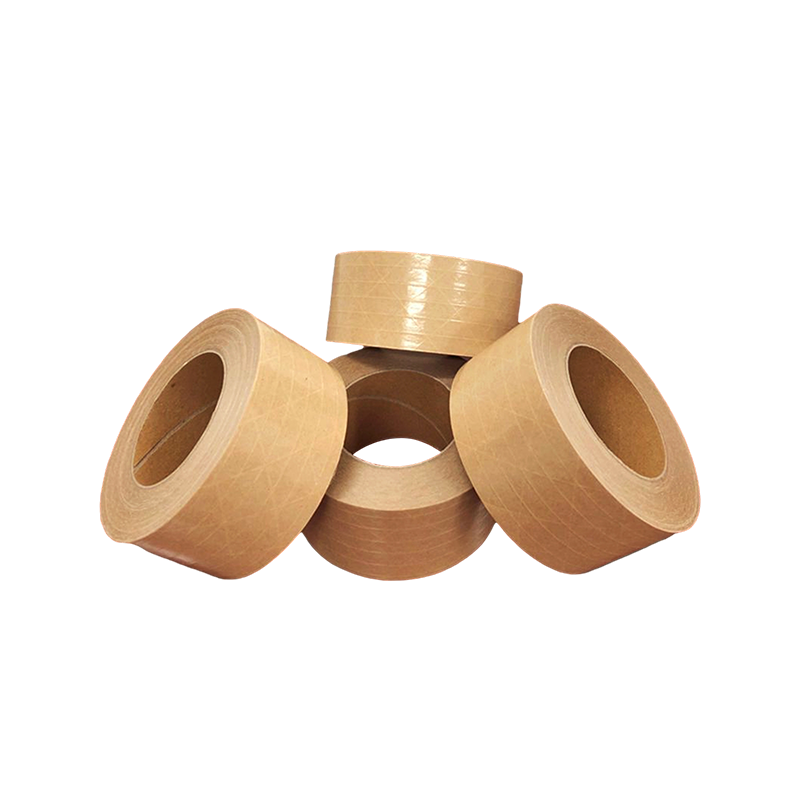
Water-Activated Reinforced Kraft Paper
-
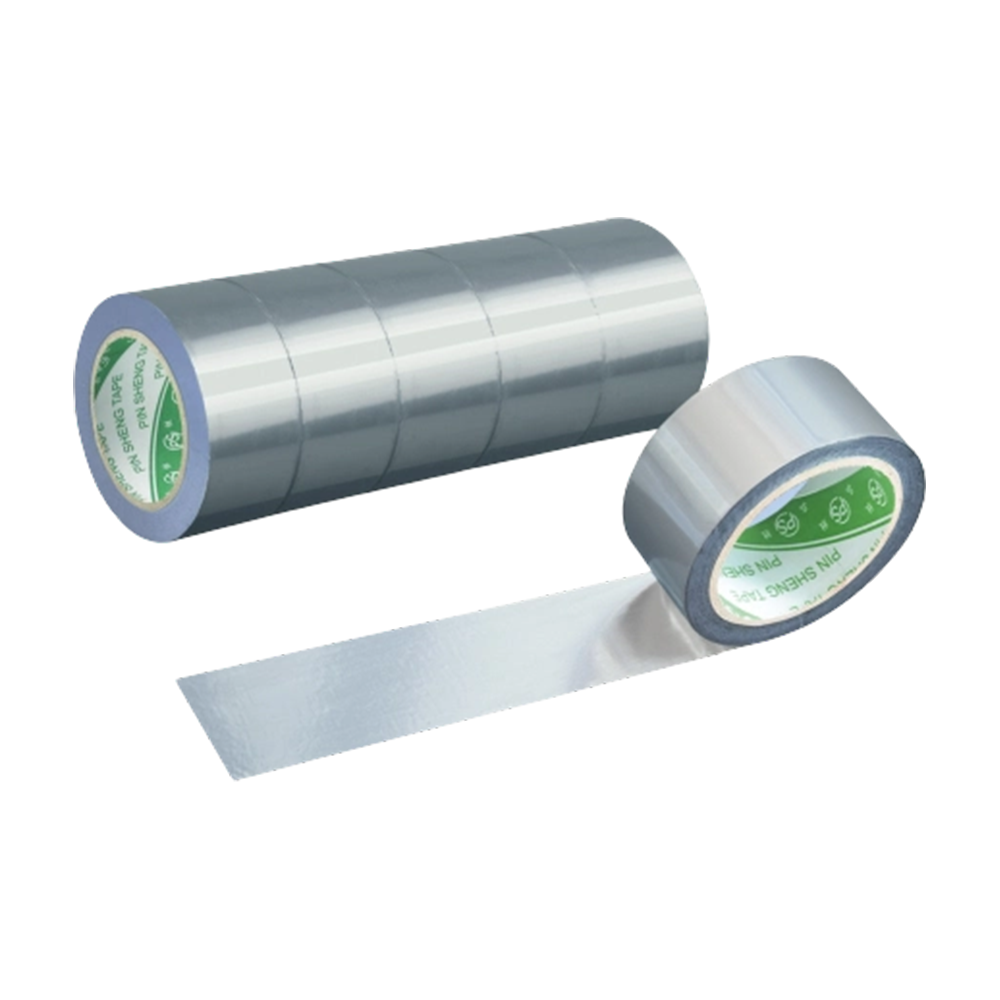
Aluminum Foil Adhesive Tape
-
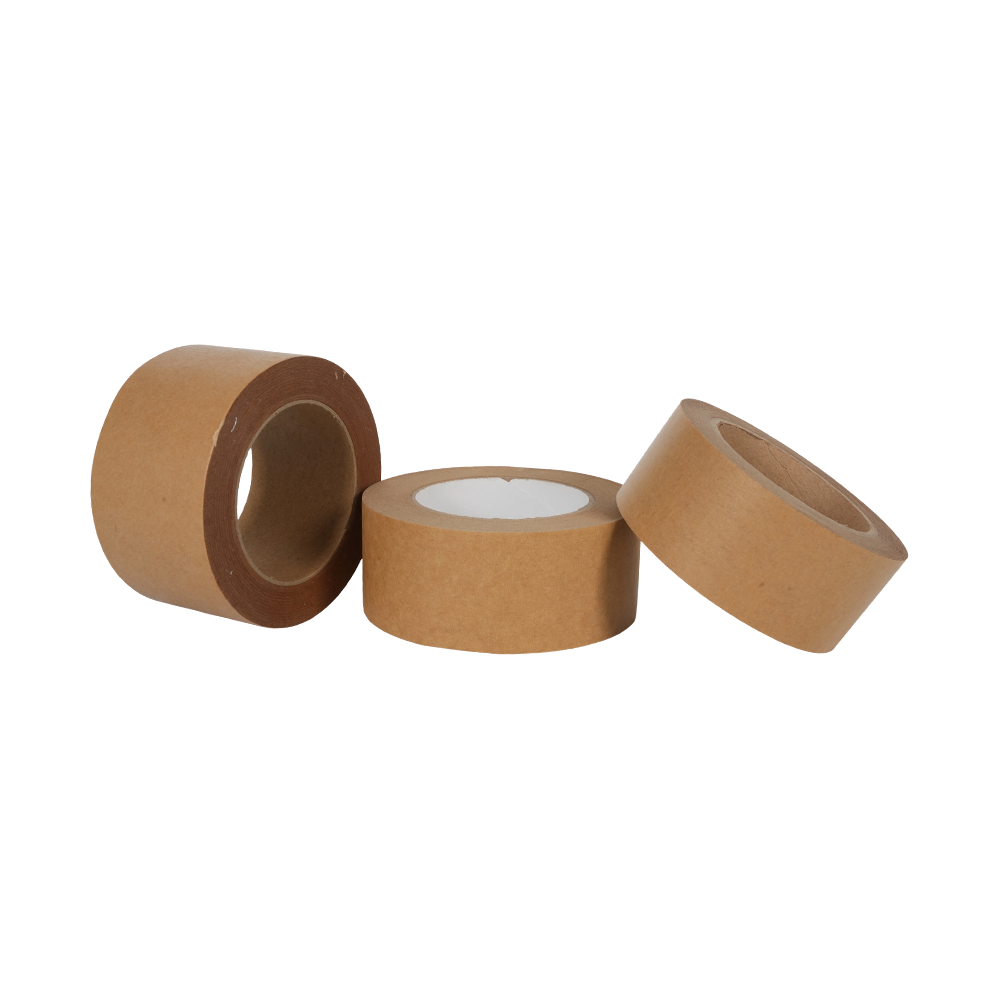
High viscosity, Tearable by hand Plastic-free kraft paper tape
-
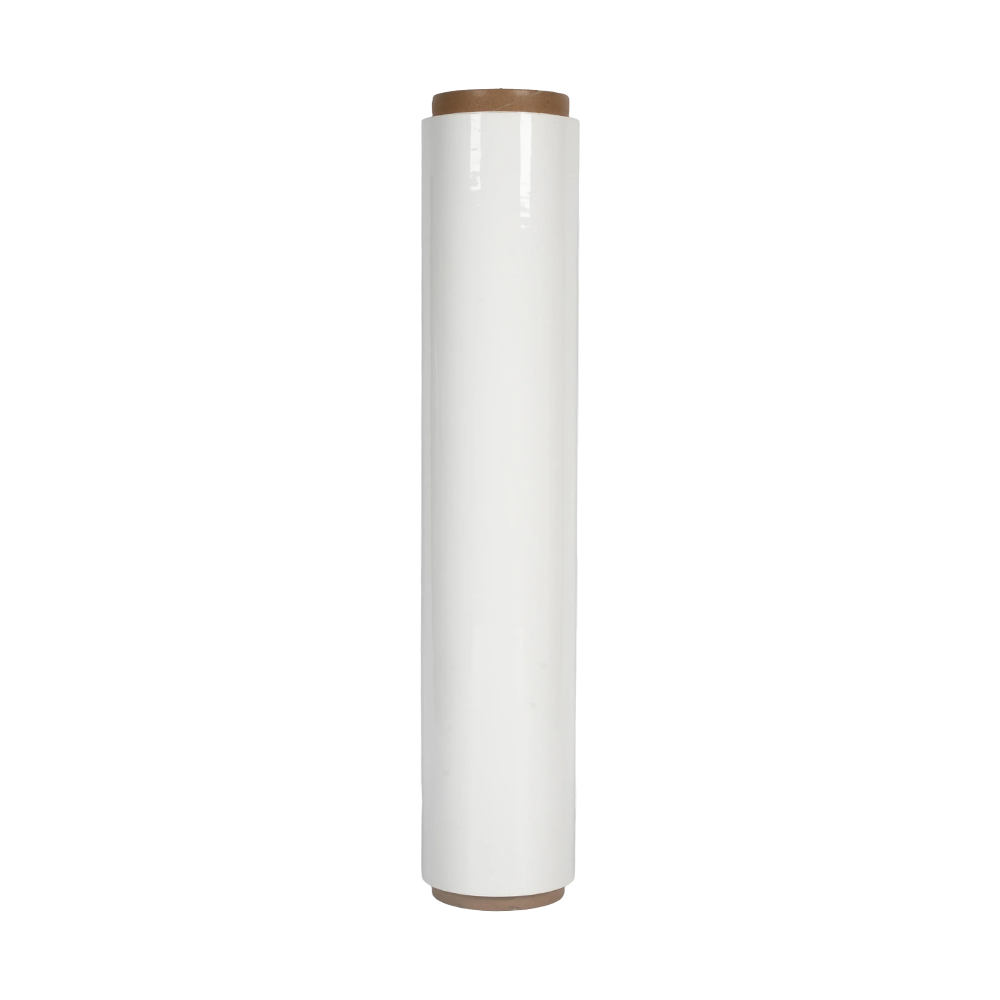
Clear Construction Building Protective Plastic Sheeting Film
-

1608/1610/1910/2512 Handheld Opaque PET Plastic Steel Belt
-
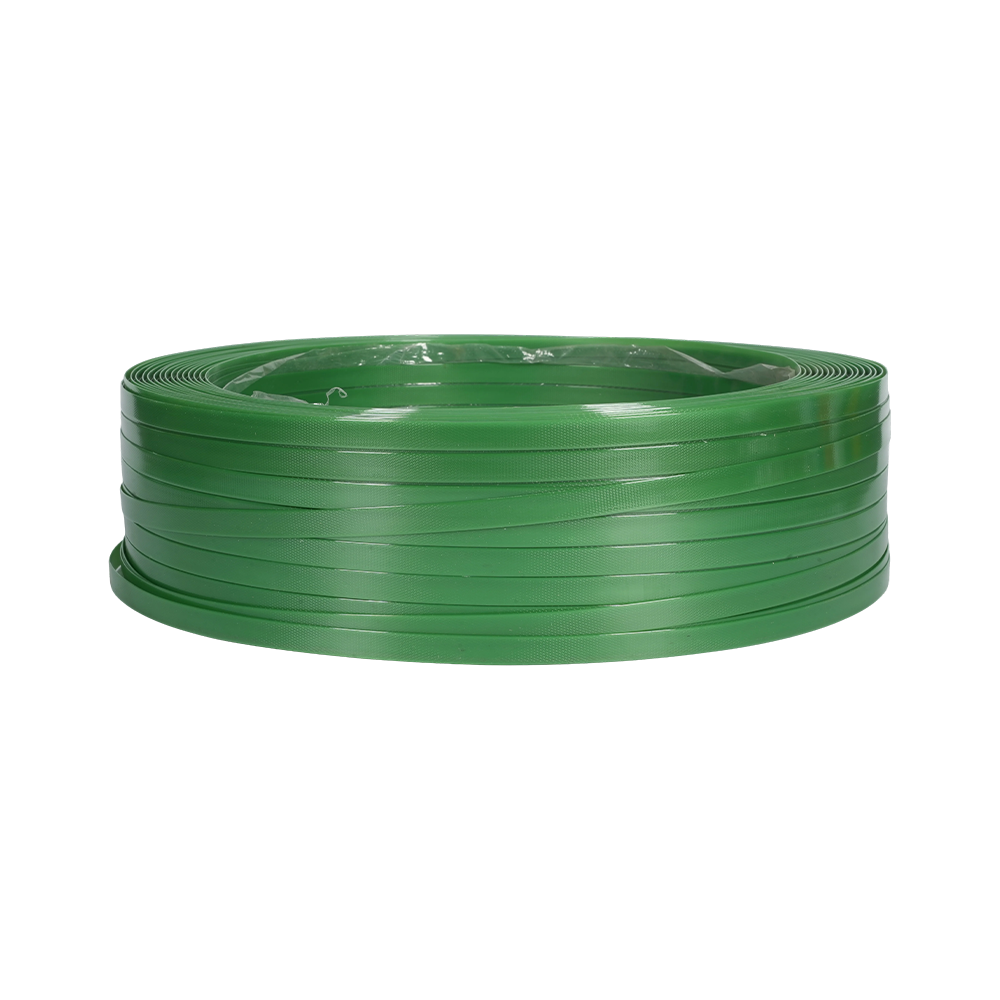
1608/1610/1910/2512 Handheld Transparent P+E+T Plastic Steel Belt
CONTACT DETAILS
- Address:No. 241, Yaojiafan, Zhangpanqiao, Shushan Street, Xiaoshan District, Hangzhou City, Zhejiang Province, China
- TEL:+86-0571-83175630
- Phone:+86-13336160217
- Email:jeffrey@grtpk.com
- WeChat/WhatsApp:+86-18058115265
PRODUCTS
NEWS CENTER
MOBILE TERMINAL
Copyright© Zhejiang Geruite Packaging Materials Co., Ltd. All Rights Reserved.
Privacy Wholesale industrial packaging tape Manufacturers