


 English
  Español
  عربى
عربى 
0.03–0.06 mm Protective Film for Reliable Surface Protection
Content
- 1 Understanding the Role of Temporary Protective Film
- 2 Product Overview and Main Specifications
- 3 Key Advantages of the Protective Film
- 4 Why the 0.03–0.06 mm Thickness Range Matters
- 5 Base Materials and Film Construction
- 6 Manufacturing Process and Quality Controls
- 7 Advantages Compared with Less Specialized Alternatives
- 8 Applications in Industrial Manufacturing
- 9 Applications in Electronics
- 10 Applications in Building Materials
- 11 Applications for Household Items and Appliances
- 12 Correct Application Procedure
- 13 Removal and Storage Recommendations
- 14 Manufacturing Strengths of Zhejiang Geruite Packaging Materials Co., Ltd.
- 15 How the Product Supports Cost Control
- 16 Environmental and Operational Considerations
- 17 Quality Evaluation Before Large-Scale Use
- 18 Comparison of Application Priorities
- 19 Ordering and Customization Considerations
- 20 Application Limitations
- 21 Q&A: Frequently Asked Questions
- 21.1 What is 0.03–0.06 mm protective film used for?
- 21.2 What materials are commonly used as the film base?
- 21.3 Does the film leave adhesive residue?
- 21.4 Can the film be used on glass?
- 21.5 Can it be used on metal surfaces?
- 21.6 What is the difference between low-tack and medium-tack film?
- 21.7 How long can the film remain on a product?
- 21.8 Can the film be custom slit?
- 21.9 Is the film suitable for outdoor use?
- 21.10 Can protective film replace impact packaging?
- 21.11 How should rolls be stored?
- 21.12 Why is surface cleaning important before application?
- 21.13 What information should be provided when requesting a quotation?
- 22 Conclusion
- 23 References
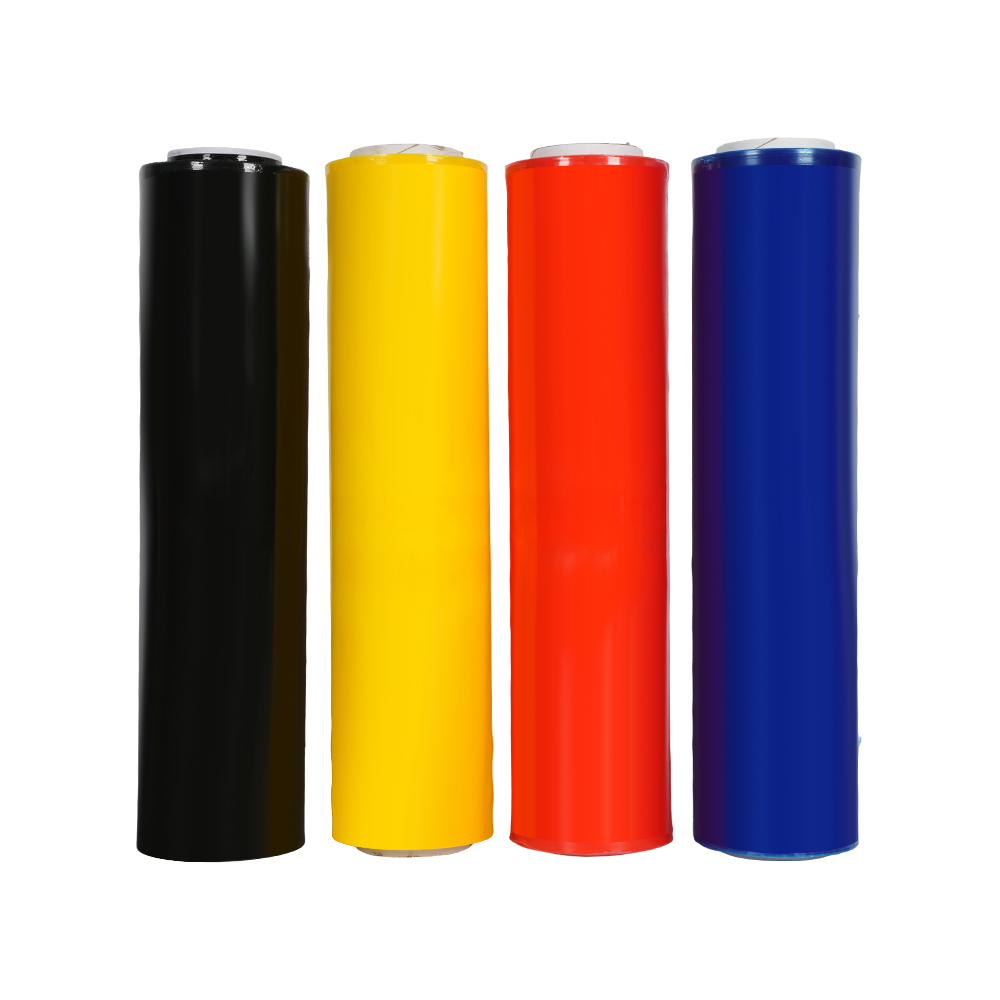
- 24 Product: 0.03-0.06 Products protective film
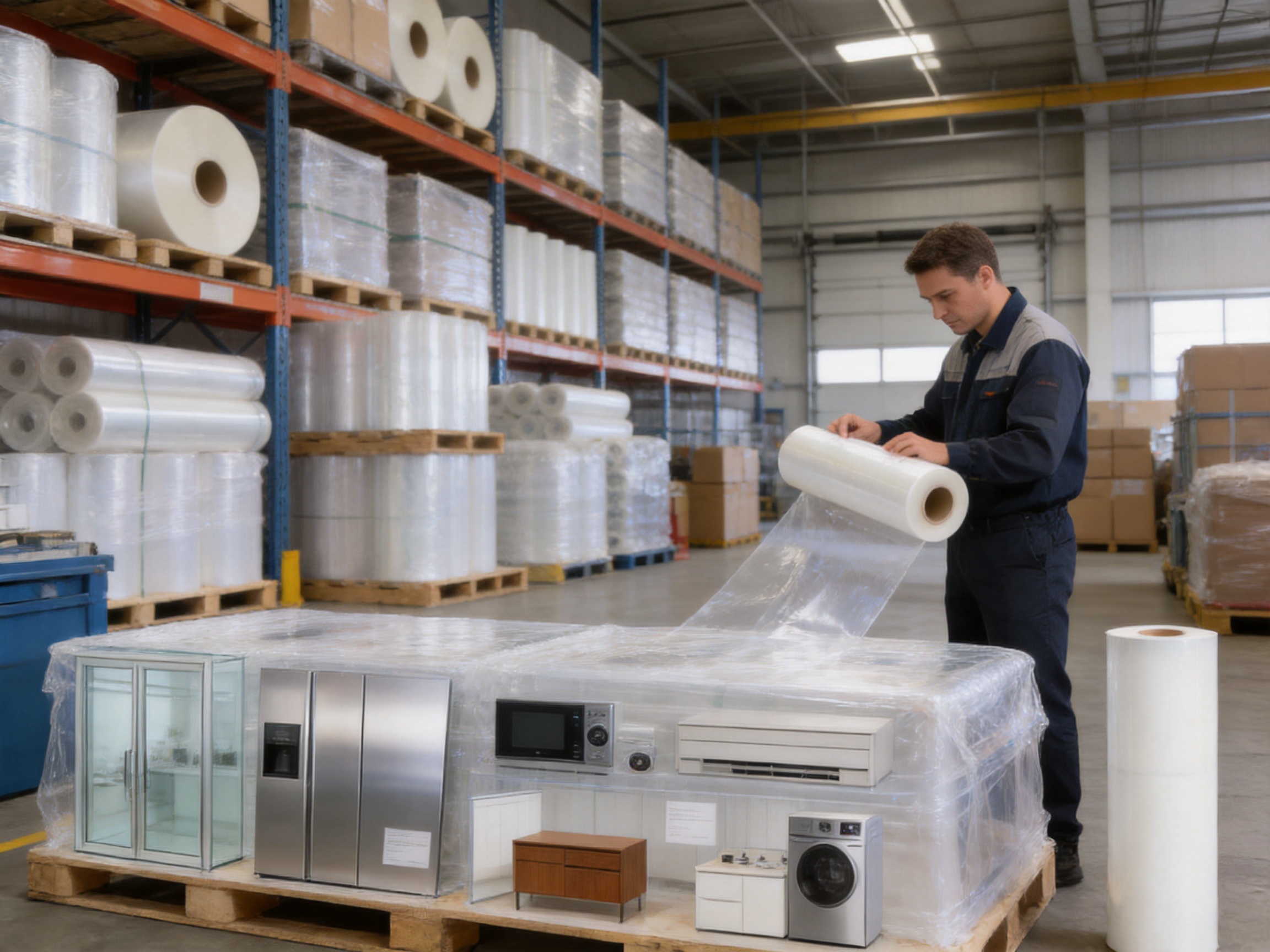
Protective film is a practical and efficient material for preserving the appearance and condition of surfaces during manufacturing, packaging, transportation, installation, storage, and daily handling. The 0.03–0.06 mm protective film described in this article is designed as a thin, temporary surface protection solution for glass, metal, plastic, polished materials, electronic components, household products, and many other smooth or regularly shaped substrates.
Although protective film is thin and lightweight, its role in a production or logistics process can be significant. A clean and undamaged surface helps reduce rejected products, rework, cleaning costs, customer complaints, and delays during final delivery. By creating a controlled barrier between the substrate and its surrounding environment, the film helps isolate dust, oil, fingerprints, minor scratches, and physical friction. It also provides a convenient way to keep products presentable until the film is removed immediately before installation, assembly, sale, or use.
This product is manufactured by Zhejiang Geruite Packaging Materials Co., Ltd., a packaging materials enterprise based in Hangzhou, Zhejiang Province, China. The company develops and produces a range of adhesive tapes, stretch films, strapping products, and other packaging materials. Its experience across packaging applications supports a practical understanding of material selection, adhesive control, slitting, quality inspection, and customer-specific converting requirements.
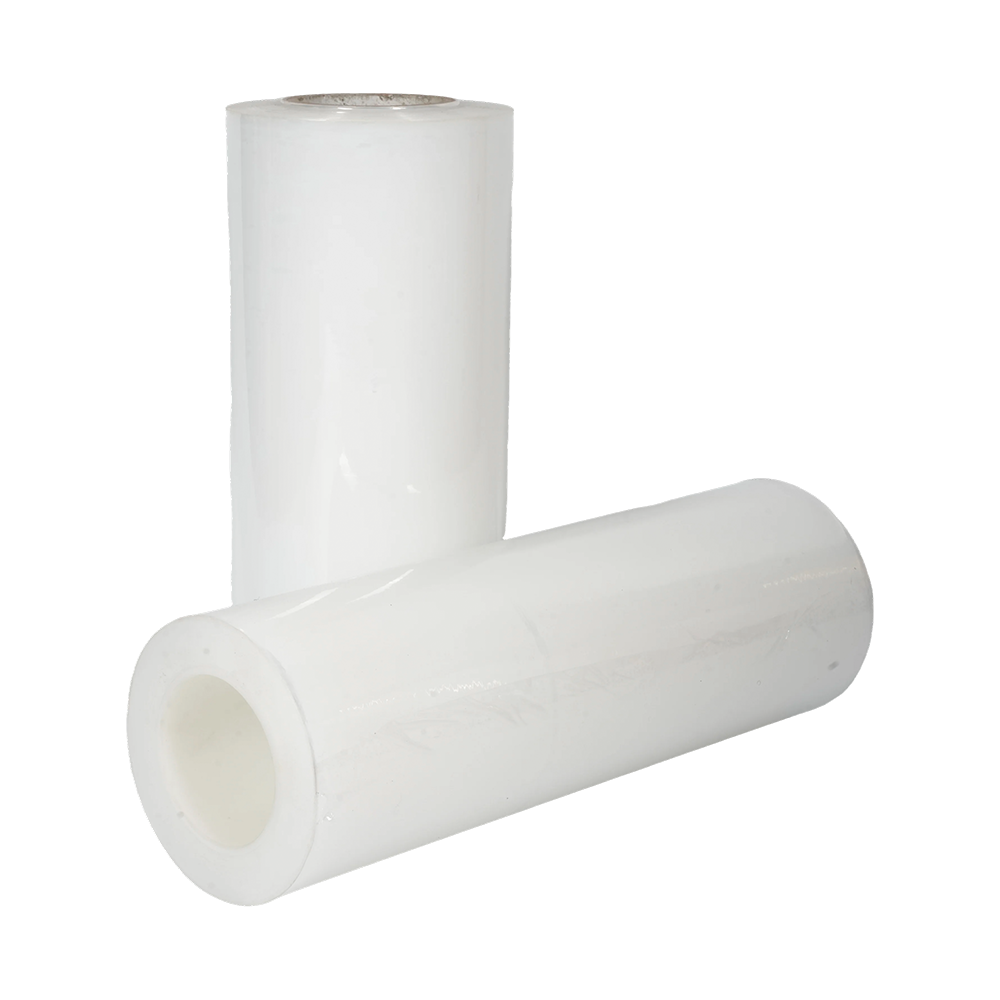
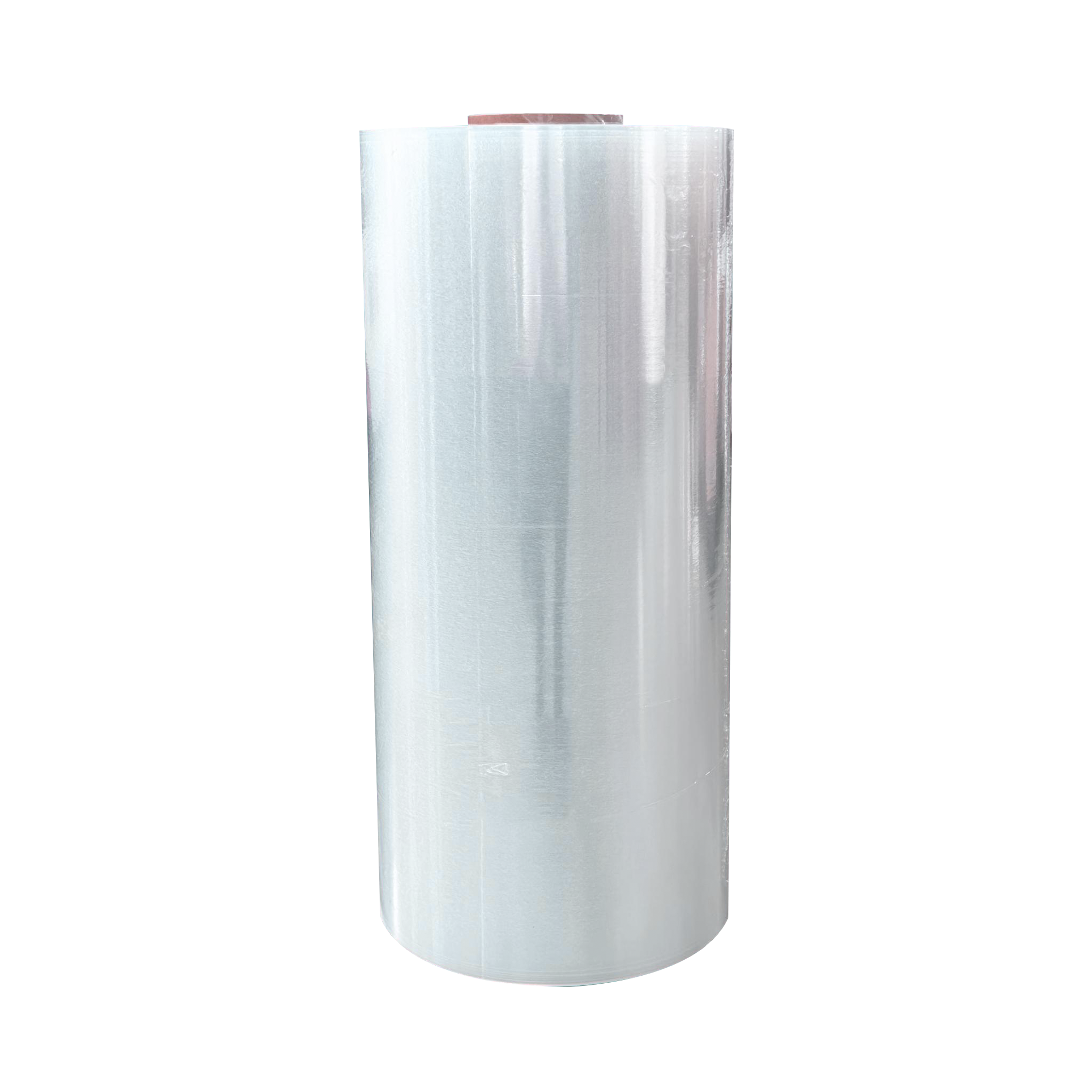
The protective film is available in a common thickness range of 0.03 mm to 0.06 mm, with custom slitting available according to customer requirements. It normally uses polyethylene or polyvinyl chloride as the base material and can be supplied with different adhesion levels, including low-tack and medium-tack options. Its high transparency allows operators, inspectors, installers, and customers to identify the condition of the protected surface without removing the film unnecessarily.
Understanding the Role of Temporary Protective Film
Many products experience their greatest risk of cosmetic damage before they reach the end user. A metal sheet may be placed on a worktable, transferred between processing stations, stacked with other components, or moved through a warehouse. A glass panel may be installed several days after delivery and may be exposed to dust, construction debris, fingerprints, and contact with tools. A plastic housing or electronic screen may be packed, transported, unpacked, inspected, and repacked before it reaches its final destination.
In these situations, the substrate may already meet all functional and appearance requirements, but a small scratch or stain can reduce its value. A protective film offers a simple method of reducing these risks. It is applied to the exposed surface and remains in place during the temporary period when the product is vulnerable. At the appropriate stage, the film can be peeled away to reveal a clean surface.
The product is not intended to replace permanent coatings, heavy-duty protective packaging, impact-resistant cases, or specialized barrier materials. Instead, it serves a focused purpose: temporary protection against ordinary surface contamination and minor mechanical contact. This focused design makes it easy to integrate into production and packaging workflows without adding excessive weight, complicated equipment, or difficult removal procedures.
Compared with thicker protective sheets or rigid covers, a thin film can conform closely to the surface and occupy very little storage and transport space. Compared with unprotected products, it provides an additional barrier against dust, oil, and light abrasion. Compared with strongly bonded tapes or permanent labels, a controlled-adhesion protective film is intended to be removed with less risk of adhesive transfer or surface disturbance.
Product Overview and Main Specifications
The product is identified as 0.03–0.06 mm protective film, while the broader production range may extend from approximately 0.03 mm to 0.15 mm depending on the application and customization requirements. The standard focus of this product is the thinner 0.03–0.06 mm range, which balances flexibility, transparency, coverage, handling convenience, and basic surface protection.
| Parameter | Specification |
| Product type | Temporary surface protective film |
| Common thickness | 0.03 mm–0.06 mm |
| Broader possible thickness range | Approximately 0.03 mm–0.15 mm, subject to customization |
| Base material | Typically polyethylene or polyvinyl chloride |
| Adhesion options | Low-tack and medium-tack options |
| Appearance | High transparency for substrate visibility |
| Width | Custom slitting available |
| Recommended use | Temporary protection during processing, packaging, transportation, installation, and storage |
| Recommended removal period | Within six months of application |
The final specification should be selected according to the surface type, application duration, environmental conditions, handling method, and removal requirements. A low-tack film may be appropriate for smooth surfaces that require light temporary coverage and easy removal. A medium-tack option may be more suitable when the film must remain attached during repeated handling or transportation. The correct choice helps balance holding performance with clean release.
Key Advantages of the Protective Film
Surface Compatibility
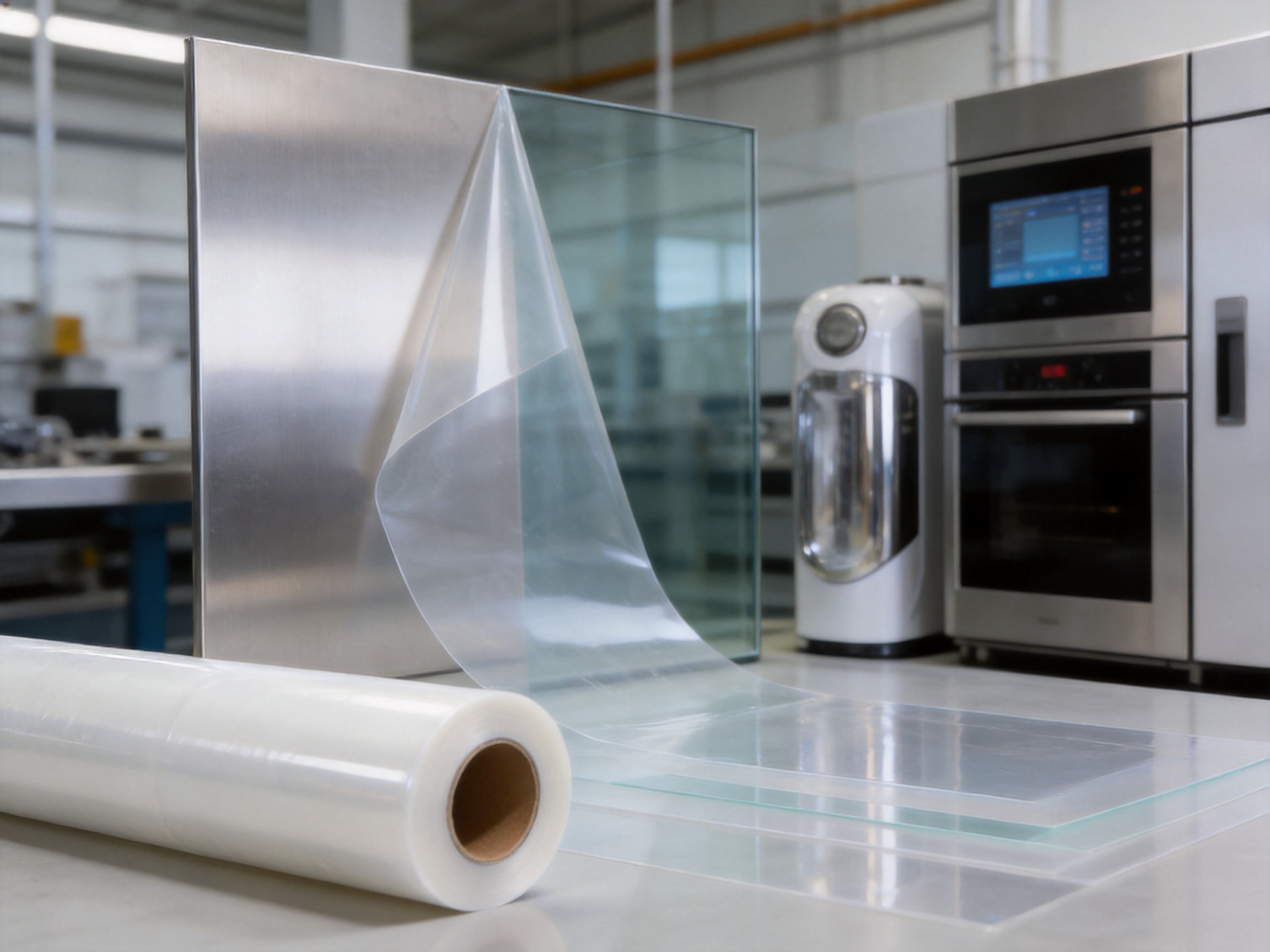
The film is designed for use on various common smooth or regularly shaped surfaces. These may include glass, stainless steel, coated metal, aluminum, plastic components, instrument panels, furniture surfaces, appliance exteriors, screens, and other finished materials. Its flexibility enables it to follow the general contours of the substrate while maintaining contact across the protected area.
Surface compatibility is important because different materials can react differently to pressure, adhesive contact, temperature, moisture, and storage duration. A film that works well on one substrate may not be appropriate for another without testing. For this reason, customers should evaluate the selected film on a representative sample before full-scale application. The supplied adhesion level, application temperature, surface cleanliness, and removal timing all influence results.
Controlled Adhesion
Adhesive control is one of the most important performance factors in temporary protective film. The film must remain attached during ordinary handling, yet it should be removable when protection is no longer required. If adhesion is too weak, edges may lift, dust may enter beneath the film, and the film may detach during transport. If adhesion is too strong, removal may become difficult, adhesive residue may remain, or the substrate may be affected.
The availability of low-tack and medium-tack options allows the product to serve different working conditions. Low-tack film is generally associated with easier removal and reduced risk of strong adhesive interaction. Medium-tack film can provide additional holding force where the protected item will be handled frequently or exposed to vibration during transportation. Selecting the appropriate option is more effective than using a single adhesive strength for every application.
Basic Protection Against Scratches and Contamination
The film creates a sacrificial surface between the substrate and ordinary sources of damage. It can help reduce contact from dust, dirt, oil, fingerprints, packaging particles, and minor rubbing. During stacking or movement, it may cushion light friction that would otherwise mark the finished surface.
Its protection should be understood as basic temporary protection rather than heavy impact resistance. It is not designed to prevent damage from sharp tools, severe compression, puncture, strong impact, or improper handling. Nevertheless, the majority of cosmetic defects in routine processing and delivery may result from light surface contact and contamination. For these everyday risks, a thin protective film can provide a cost-effective preventive measure.
High Transparency
High transparency supports visual inspection without requiring immediate removal. Operators can review the general appearance of a protected surface, identify labels or markings, and confirm that the product remains in acceptable condition. This is useful in manufacturing lines where products pass through several inspection points before final packaging.
Transparency also helps warehouse and logistics personnel identify the contents and condition of packaged items. In building material applications, installers can distinguish the protected surface from the surrounding packaging. In electronics and household goods, transparent film allows product identification while keeping the surface covered until the final preparation stage.
Easy Application and Removal
A temporary film should not create unnecessary complexity. The product can be applied by aligning one edge with the substrate and gradually smoothing the film across the surface. Depending on the size and shape of the item, application may be manual or integrated into a semi-automatic process. Proper application helps minimize wrinkles, bubbles, folded edges, and unprotected areas.
When the product is ready for installation, sale, or use, the film can be peeled away. The easy-removal design reduces labor requirements and helps limit the chance of surface contamination caused by aggressive scraping or solvent cleaning. Removal should be performed carefully and within the recommended period, particularly when the film has been exposed to heat, humidity, sunlight, dust, or prolonged pressure.
Why the 0.03–0.06 mm Thickness Range Matters
Thickness influences film strength, flexibility, handling, coverage, transparency, and cost. A film in the 0.03–0.06 mm range is thin enough to remain lightweight and adaptable while providing a practical layer of separation between the substrate and its environment.
The 0.03 mm option may be suitable when the customer prioritizes low material consumption, high flexibility, and easy handling. It can work well for short-term protection of relatively smooth surfaces that are not exposed to heavy rubbing. Its reduced thickness may also be useful where the film must fit into narrow packaging clearances or where the customer wants to minimize the amount of packaging material used.
A 0.06 mm option provides a thicker protective layer and may offer greater resistance to routine handling, minor abrasion, and edge damage. It can be considered for products that move through several processing stages or remain covered for a longer temporary period. However, thickness should not be selected solely on the basis of maximum strength. The adhesive system, substrate characteristics, surface condition, and environmental exposure remain equally important.
The thickness range gives manufacturers and distributors an opportunity to match the film more closely to the actual need. Using a film that is too thin may reduce protection in demanding handling conditions. Using a film that is unnecessarily thick may increase material usage and handling costs. A balanced selection can support both product protection and efficient packaging operations.
Base Materials and Film Construction
Polyethylene Film
Polyethylene, commonly referred to as PE, is widely used in flexible packaging and protective film applications. PE-based film is valued for its flexibility, light weight, and general suitability for temporary surface coverage. It can conform to many flat or gently curved surfaces and is commonly considered for products that require a practical barrier against dust and light abrasion.
PE film can be processed into different thicknesses and widths. The film may be combined with an adhesive layer selected for the intended substrate and use period. Its flexibility can make it convenient for manual application, especially when operators need to cover large panels, sheets, or irregularly sized components.
Polyvinyl Chloride Film
Polyvinyl chloride, or PVC, is another material commonly used as a protective film base. PVC can provide a different balance of stiffness, clarity, dimensional behavior, and handling characteristics compared with PE. Depending on the product design, it may be selected for applications where a somewhat firmer film feel or specific processing performance is preferred.
The choice between PE and PVC should be based on application requirements rather than general assumptions. Customers should consider the substrate material, surface finish, film thickness, adhesive level, temperature, storage duration, and removal conditions. Zhejiang Geruite Packaging Materials Co., Ltd. can evaluate customer requirements and support a more suitable product selection within its available manufacturing and converting capabilities.
Adhesive Layer
The adhesive layer is designed to provide temporary attachment without becoming a permanent part of the finished product. Adhesion must be sufficiently uniform across the film so that the product remains stable during use and releases consistently during removal.
Uneven adhesive application can lead to local lifting, air channels, inconsistent peel force, or residue in certain areas. Manufacturing controls therefore have an important role in the final performance of protective film. Base film quality, adhesive formulation, coating consistency, drying or curing conditions, winding tension, and storage conditions can all affect the customer’s experience.
Manufacturing Process and Quality Controls
Reliable protective film begins with controlled manufacturing. Zhejiang Geruite Packaging Materials Co., Ltd. emphasizes research, development, production, and sales as interconnected parts of its packaging materials business. This integrated approach helps the company connect customer requirements with material selection, production planning, converting, inspection, and delivery.
Raw Material Selection
The production process begins with the selection and verification of suitable raw materials. The base film must meet the required standards for thickness, clarity, flexibility, surface condition, and processability. Adhesive materials must be compatible with the selected film and intended substrate. Raw material quality has a direct influence on film appearance, coating uniformity, release behavior, and storage stability.
A rigorous procurement and incoming inspection system helps prevent unsuitable materials from entering production. Material records and batch identification can support traceability and allow quality personnel to review the source of a problem if an abnormality is discovered. This is especially valuable for industrial customers that require consistent performance across repeated orders.
Film Formation and Processing
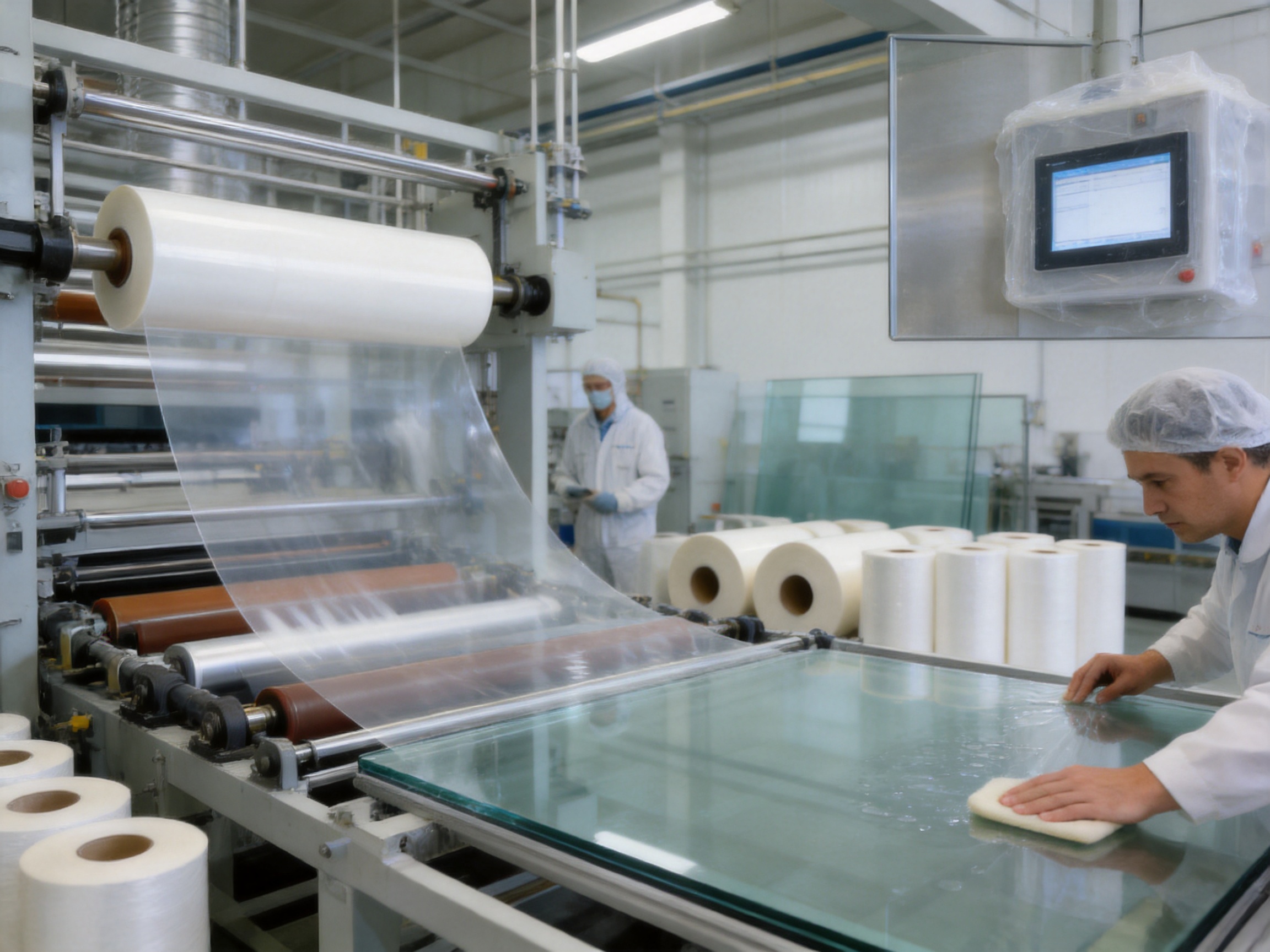
Depending on the selected base material and production route, the film is formed into a continuous web with controlled thickness and surface characteristics. The process must maintain stable material flow and minimize defects such as pinholes, gels, wrinkles, uneven edges, foreign particles, and thickness variation.
Thickness control is particularly important for a product specified in a narrow range. A stable web allows the converter to achieve predictable application and protection performance. Excessive variation can create inconsistent stiffness, uneven winding, or different behavior at the edges and center of a roll.
Adhesive Coating
After the base film is prepared, the adhesive may be applied in a controlled coating operation. The coating process aims to distribute the adhesive evenly across the usable width. The coating amount and formulation influence tack, peel force, residue risk, and the period during which the film can remain on the substrate.
Low-tack and medium-tack products require careful adjustment. The objective is not simply to maximize adhesion, but to establish a balanced relationship between holding strength and clean removability. Coating conditions, drying, and the interaction between the adhesive and film surface must be managed to achieve repeatable results.
Slitting and Roll Converting
After coating and any required curing or stabilization period, the wide film web can be slit into narrower rolls. Custom slitting allows the product to be matched to customer equipment, substrate dimensions, packaging methods, and labor practices. Width customization can reduce trimming waste and improve application speed.
Slitting quality affects edge cleanliness, roll appearance, winding stability, and ease of unwinding. Proper tension control is necessary to prevent telescoping, blocking, wrinkles, or deformation. A well-converted roll should unwind smoothly and provide a consistent film web during manual or automated application.
Inspection and Final Release
Quality inspection may include checks for appearance, thickness, width, roll condition, transparency, adhesion behavior, and basic removal performance. Depending on customer requirements, samples may be applied to representative substrates and observed under specified conditions.
The company describes a rigorous quality control system that covers raw material procurement, production, and final inspection. This full-process approach is important because a protective film can appear acceptable as a roll but perform poorly if adhesion is uneven or if the film has been stored under unsuitable conditions. Evaluating multiple stages helps improve product consistency and customer confidence.
Advantages Compared with Less Specialized Alternatives
Compared with Unprotected Surfaces
The most direct comparison is between using protective film and leaving a finished surface exposed. An unprotected surface may accumulate dust, oil, fingerprints, and minor scratches as soon as it leaves the processing station. Cleaning may be required before inspection, assembly, installation, or delivery. Some scratches cannot be removed by cleaning and may result in rework or rejection.
Protective film adds a low-cost temporary barrier. It can reduce the frequency of cleaning and preserve the original visual condition of the product through several handling stages. The film is particularly beneficial when the final surface is glossy, polished, transparent, or otherwise sensitive to visible marks.
Compared with Paper Wrapping
Paper can provide separation and basic packaging protection, but it may not conform closely to the surface. It can shift during handling, create loose fibers, absorb moisture, or obstruct visual inspection. Protective film adheres directly to the substrate and remains in position, allowing the product to be seen while covered.
Paper may still be useful as an outer packaging layer, especially for cushioning or grouping multiple components. However, film provides a more direct surface barrier. In many packaging systems, both materials can be used together, with protective film preserving the surface and paper, carton, or foam protecting the overall package.
Compared with Rigid Protective Covers
Rigid covers can provide stronger impact protection, but they generally require more storage space, more material, and additional handling. They may be difficult to adapt to different product dimensions and can increase packaging weight. A thin protective film is more suitable when the main risks are dust, light contact, fingerprints, and minor scratches rather than heavy impact.
The film can also be applied over large surfaces without requiring a custom-molded cover. This flexibility is useful for metal sheets, glass panels, doors, windows, furniture, and appliance surfaces that vary in length or width.
Compared with Strongly Bonded Adhesive Materials
General-purpose adhesive tapes and labels are not always designed for clean removal from finished surfaces. Their adhesives may be formulated for permanent bonding, carton sealing, mounting, or high holding power. Applying such products directly to a sensitive surface can increase the risk of residue, staining, or difficult removal.
Protective film is developed specifically for temporary surface coverage. Its controlled adhesion and removable design make it a more appropriate choice for products that must remain visually clean and undamaged until a later stage.
Applications in Industrial Manufacturing
Industrial manufacturing environments often involve repeated movement between cutting, forming, machining, assembly, inspection, and packaging. Metal sheets, plastic components, instrument panels, and finished housings may be exposed to tools, worktables, gloves, packaging materials, and airborne particles throughout the process.
Protective film can be applied before a vulnerable process or immediately after a finished surface is created. For example, a stainless steel panel may receive film protection after polishing so that it remains presentable during cutting, transportation, and installation. A plastic component may be covered after molding or painting to limit fingerprints and friction while other parts are assembled.
The film may also support visual organization on a production line. Because it is transparent, operators can identify the protected item without removing the film. This reduces unnecessary exposure and allows the protection to remain effective until the product reaches final inspection or packaging.
Applications in Electronics
Electronic products often include high-gloss casings, touch screens, display panels, control surfaces, and decorative components that can show minor marks easily. During production and logistics, products may pass through multiple hands and may be placed in trays or cartons. A transparent protective film can reduce the risk of scratches and surface contamination during these stages.
For screens and casings, the choice of adhesion is important. The film should remain stable during transportation but should not create unnecessary difficulty when the product is unpacked. Surface cleanliness before application is also essential because dust or oil trapped beneath the film may affect appearance and adhesion.
Protective film can be used as part of a larger packaging system that includes foam inserts, cartons, bags, and separators. The film protects the product surface directly, while the outer packaging protects against impact, compression, and environmental exposure. This layered approach allows each packaging material to perform a specific function.
Applications in Building Materials
Door and window glass, stainless steel sheets, decorative panels, polished stone, and other building materials may be manufactured long before installation. These products can remain in warehouses, travel to construction sites, and wait for installation while exposed to dust, tools, and repeated handling.
A protective film helps maintain a clean appearance during this temporary period. Transparent film allows the material, color, finish, and general condition to remain visible while providing a barrier against ordinary site contamination. The film should be removed according to the supplier’s recommendations after installation or before final handover.
Construction environments can be demanding. High temperatures, high humidity, direct sunlight, cement dust, abrasive particles, and long storage periods may affect film performance. Customers should select the film according to the actual project conditions and should conduct application trials when the product will remain covered for an extended period.
Applications for Household Items and Appliances
Furniture, refrigerators, washing machines, ovens, cabinets, decorative panels, and other household products can benefit from temporary surface protection during manufacturing, moving, renovation, and installation. Smooth painted, coated, stainless steel, glass, and plastic surfaces may be vulnerable to fingerprints, dust, and minor contact marks.
During a move or renovation, the film can provide an additional layer of protection for appliance exteriors and furniture surfaces. It can also help keep newly installed products clean while other work is completed nearby. Because the film is thin and transparent, it can cover the surface without substantially changing the product’s dimensions or appearance.
Users should avoid leaving the film in place indefinitely. Temporary protection is most effective when the film is removed within the recommended period and before environmental conditions become unsuitable. If the product has been exposed to heat, sunlight, moisture, or pressure, removal should be performed carefully.
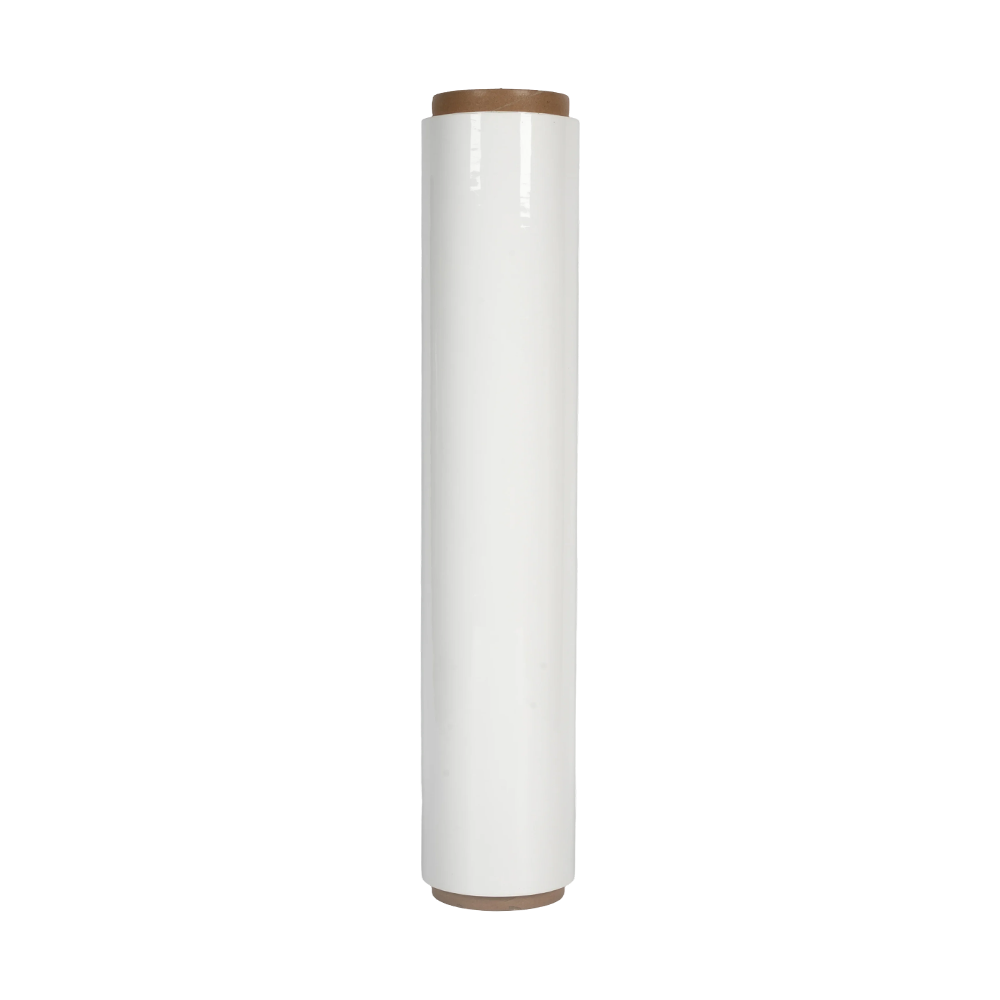
0.03-0.06 Products protective film
Correct Application Procedure
Prepare the Surface
The substrate should be dry, clean, and free from oil, grease, dust, loose particles, and other contamination. Cleaning agents should be fully removed, and the surface should be allowed to dry before film application. Applying film over contamination may trap particles beneath the adhesive and create visible marks or localized adhesion problems.
Confirm Compatibility
Before applying the film to a large production quantity, test it on a representative sample. The test should use the actual substrate, surface finish, application method, and expected storage period. Observe the film immediately after application and again after the planned holding time. The sample should then be peeled slowly to check for residue, staining, lifting, or changes to the substrate.
Align the Film
Position the film carefully before applying pressure. Alignment is easier when one edge is established first. For large panels, two operators may reduce wrinkles and improve positioning. Avoid stretching the film excessively because tension can contribute to shrinkage, edge lifting, or dimensional changes after application.
Smooth the Film
Use a clean, suitable squeegee or soft application tool when necessary. Move gradually from the applied edge toward the opposite side to reduce trapped air. Excessive pressure should be avoided, particularly on sensitive surfaces. If a bubble or wrinkle appears, lift the film carefully and reapply the affected area rather than forcing the defect flat.
Protect the Edges
Edges are often the first areas to lift because they are exposed to friction, dust, and handling. The film should be cut to an appropriate size, with sufficient coverage but without excessive overhang. When the application involves corners or curves, the film should follow the substrate without sharp folds or stressed sections.
Removal and Storage Recommendations
The recommended removal period is within six months of application. This recommendation helps preserve peeling performance and reduce the possibility of adhesive interaction caused by prolonged contact. Actual performance may vary according to the substrate, adhesive level, temperature, humidity, ultraviolet exposure, pressure, and storage conditions.
To remove the film, begin at an accessible corner or edge and peel it back slowly at a controlled angle. Sudden pulling may increase the risk of tearing or leaving portions of the film behind. If the film has been exposed to high temperatures or direct sunlight, test a small area first and proceed carefully.
Protective film rolls should be stored in a cool, dry place away from direct sunlight. They should be protected from heavy pressure, excessive humidity, heat sources, and contamination. Rolls should remain properly packaged until use. Poor storage can affect the film, adhesive, roll shape, and unwinding performance before the product is applied.
| Condition | Recommended Practice | Reason |
| Surface | Keep dry, clean, oil-free, and dust-free | Improves contact and reduces trapped contamination |
| Application temperature | Apply at room temperature whenever possible | Supports more stable adhesion and conformability |
| Humidity | Avoid high-humidity application and storage | Helps maintain adhesive and film performance |
| Sunlight | Keep rolls and applied film away from direct sunlight | Reduces environmental stress during storage |
| Pressure | Do not place heavy loads on rolls | Helps prevent deformation and winding problems |
| Removal | Remove within six months when practical | Supports easier peeling and lower residue risk |
Manufacturing Strengths of Zhejiang Geruite Packaging Materials Co., Ltd.
Zhejiang Geruite Packaging Materials Co., Ltd. is located in Xiaoshan District, Hangzhou City, Zhejiang Province, China. Zhejiang is recognized as an important manufacturing region with developed industrial supply chains, strong logistics resources, and a broad packaging materials sector. This location supports access to production resources, transportation networks, and industrial customers.
The company’s business covers research, development, production, and sales of packaging materials. Its product range includes BOPP tapes, kraft paper tapes, masking tapes, high-temperature resistant tapes, metal tapes, PE stretch film, PP strapping, and high-strength PET strapping. This wider product portfolio gives the company experience with multiple film structures, adhesive systems, packaging applications, and converting requirements.
A manufacturer with products across adhesive tape, strapping band, and film categories can evaluate packaging needs from more than one perspective. A customer may require surface protection together with carton sealing, pallet stabilization, stretch wrapping, or load securing. The ability to discuss these materials within one supplier relationship can simplify communication and support more coordinated packaging solutions.
The company places emphasis on product quality and describes quality as a central part of its operating philosophy. Its quality control process covers raw material procurement, production, and final inspection. This approach is important for protective film because performance depends on the relationship between several elements rather than on one specification alone.
Research and development also support the company’s ability to adjust product structure, adhesion level, thickness, width, and application suitability. Customers may require custom slitting, different roll formats, or a film designed for a particular substrate and temporary use period. A responsive manufacturer can help identify the practical combination of properties instead of offering only a standard product without application guidance.
The company reports an annual output value of more than RMB 60 million. This indicates an established operating scale and reflects its participation in a broad packaging materials market. Production scale can support material planning, order coordination, repeat supply, and the ability to serve customers with different volume requirements.
Professional service is another important strength. Protective film selection often involves questions about surface compatibility, adhesion, storage, removal, and application conditions. Clear communication before production can help reduce avoidable problems. A supplier that understands these factors can assist customers with specification confirmation, sample evaluation, custom width requirements, and repeat-order consistency.
How the Product Supports Cost Control
Surface defects can generate costs at several points in the supply chain. A damaged item may need cleaning, polishing, repainting, rework, replacement, or additional inspection. If the defect is discovered only after delivery, the customer may also face return transportation, installation delays, and reputational costs.
Protective film is a preventive material. Its cost is generally easier to estimate than the cost of repairing a damaged finished surface. By applying film before vulnerable handling stages, manufacturers can reduce the likelihood that minor damage will become a larger commercial problem.
Custom slitting can further support efficiency. When roll width is matched to the substrate or application equipment, less trimming may be required and operators can work more quickly. Correct thickness selection can also avoid unnecessary material consumption. A thin film that provides adequate protection may lower packaging weight and storage volume compared with thicker alternatives.
Labor efficiency is another consideration. A film that applies smoothly and removes cleanly can reduce the time required for surface preparation and final cleaning. In high-volume manufacturing, even a small reduction in handling time may produce meaningful gains across many units.
Environmental and Operational Considerations
Protective film should be used thoughtfully and according to the actual risk. Customers should select the thinnest practical specification that provides sufficient temporary protection for the intended application. Avoiding unnecessary over-specification can reduce material usage and packaging volume.
Efficient roll planning and custom slitting can help minimize offcuts. Operators should apply the film only to surfaces that require protection and should plan cutting patterns carefully when working with different product sizes. Clean collection of used film can support appropriate recycling or disposal procedures according to local regulations and the composition of the material.
PE and PVC have different material characteristics and recycling considerations. Customers should confirm the base material before establishing a waste management process. Industrial users may also wish to maintain records of film consumption, recovery, and disposal as part of their internal environmental management programs.
The product’s environmental suitability also depends on storage and use. Correct storage helps prevent damaged rolls from becoming waste before application. Proper handling reduces rejected pieces and ensures that more of the purchased material performs its intended function.
Quality Evaluation Before Large-Scale Use
A practical evaluation should begin with the customer’s surface and process conditions. Important questions include whether the substrate is glass, metal, plastic, coated, painted, polished, textured, or otherwise treated. The surface energy and finish can affect the way the adhesive behaves.
The evaluation should also consider how the film will be applied. Manual application, automatic lamination, intermittent use, and high-speed production may require different film handling characteristics. Roll width, core size, winding direction, and roll length should be confirmed before ordering large quantities.
Environmental conditions should be recorded. The customer should identify the expected application temperature, storage temperature, humidity, sunlight exposure, outdoor or indoor use, and estimated time before removal. A film suitable for short indoor storage may not provide the same results during prolonged outdoor exposure.
Finally, the customer should define what constitutes acceptable performance. Evaluation criteria may include clarity, absence of bubbles, edge stability, lack of residue, peeling force, surface appearance after removal, and protection against the expected types of contact. Clear acceptance criteria make communication between the customer and manufacturer more efficient.
Comparison of Application Priorities
| Application | Typical Surface | Primary Risk | Important Film Considerations |
| Metal processing | Stainless steel, aluminum, coated sheets | Light scratches, oil, dust, friction | Suitable tack, clean removal, custom width |
| Electronics | Displays, screens, plastic housings | Fingerprints, surface marks, handling abrasion | Clarity, low residue, stable adhesion |
| Building materials | Glass, doors, windows, polished stone | Construction dust, tools, repeated handling | Coverage, edge stability, planned removal |
| Household products | Furniture, appliances, decorative panels | Moving damage, dust, fingerprints | Easy application, transparency, convenient peeling |
| Warehouse storage | Finished smooth components | Stacking friction and contamination | Roll handling, holding power, storage control |
Ordering and Customization Considerations
When requesting a quotation or product recommendation, customers should provide the substrate material, surface finish, approximate dimensions, application method, expected protection period, and environmental conditions. These details help the manufacturer determine whether a low-tack or medium-tack option is more appropriate.
Width is available for custom slitting. Customers should specify the required finished width, acceptable tolerance, roll length, core requirements, packaging method, and labeling information. If the film will be used on automatic equipment, machine speed and unwinding direction may also be relevant.
Customers should also clarify whether transparency must be maximized, whether printing or identification marks are needed, and whether the film will be applied to a flat or curved surface. Although the standard product is transparent and intended for temporary protection, different production conditions may require additional specification review.
Sample testing is recommended before a large order, particularly for sensitive surfaces or long application periods. A sample can help confirm whether the selected film provides the expected balance of adhesion, protection, clarity, and removal. It can also reveal whether application tools, operator training, or storage adjustments are needed.
Repeat orders should use consistent specifications whenever possible. Maintaining the same base material, thickness, adhesive level, width, and roll format supports stable production. If the substrate or process changes, the film should be reevaluated rather than assumed to perform identically under the new conditions.
Application Limitations
Protective film is not a universal solution for every surface or environment. Highly textured, porous, dusty, freshly painted, chemically treated, or contaminated surfaces may not provide suitable contact. Some coatings may interact with adhesives after prolonged contact. Testing is necessary when the substrate is sensitive or unfamiliar.
The film is also not designed as a primary barrier against heavy impacts, sharp objects, high compression, or severe abrasion. If products are exposed to these risks, protective film should be combined with suitable cartons, foam, corner protectors, pallets, separators, or other protective packaging.
High temperatures, high humidity, ultraviolet radiation, and extended outdoor exposure may change film and adhesive performance. The recommendation to apply at room temperature and avoid high-temperature or high-humidity conditions should be followed whenever possible. If the actual application cannot meet these conditions, customers should request a dedicated evaluation.
Finally, leaving the film on the substrate beyond the recommended period may affect removal. Temporary protection works best when it is treated as part of a defined process with a clear application date and planned removal date.
Q&A: Frequently Asked Questions
What is 0.03–0.06 mm protective film used for?
It is used to provide temporary protection for smooth or regularly shaped surfaces during manufacturing, packaging, transportation, processing, installation, and storage. Typical substrates include glass, metal, plastic, screens, instrument panels, appliances, furniture, and polished building materials.
What materials are commonly used as the film base?
The film typically uses polyethylene or polyvinyl chloride as its base material. The most appropriate material depends on the required flexibility, clarity, handling behavior, surface compatibility, and application conditions.
Does the film leave adhesive residue?
The film is designed for controlled adhesion and clean removal, with low-tack and medium-tack options available. When applied to a suitable, clean surface and removed within the recommended period, it is intended to minimize residue. Customers should conduct a sample test before full production use, especially on sensitive coatings or long-term applications.
Can the film be used on glass?
Yes. Glass is one of the common application areas for temporary protective film. It can help reduce dust, fingerprints, minor scratches, and handling marks before installation or final delivery. The glass should be clean and dry before application, and the film should be removed according to the planned project schedule.
Can it be used on metal surfaces?
Yes. The film can be considered for stainless steel, aluminum, coated metal sheets, instrument panels, and other smooth metal surfaces. The adhesive level should be selected according to the finish and the expected protection period. A compatibility test is recommended for polished, painted, or specially coated materials.
What is the difference between low-tack and medium-tack film?
Low-tack film generally prioritizes easier removal and lighter adhesive contact. Medium-tack film provides a stronger hold for applications involving more handling or movement. The correct choice depends on the surface, transportation conditions, and desired duration of protection.
How long can the film remain on a product?
Removal within six months of application is recommended. The actual suitable period depends on temperature, humidity, sunlight, pressure, substrate properties, and adhesive selection. Longer application periods should be validated through testing rather than assumed to be suitable.
Can the film be custom slit?
Yes. Custom slitting is available. Customers can request widths suitable for their products, application tools, machinery, and packaging process. Roll dimensions and packaging details should be confirmed before production.
Is the film suitable for outdoor use?
The standard product is intended primarily for temporary protection and should be evaluated carefully before outdoor use. Direct sunlight, heat, rain, humidity, and dust can affect adhesion and removal. An application trial under representative outdoor conditions is recommended.
Can protective film replace impact packaging?
No. Protective film helps address dust, oil, fingerprints, minor scratches, and light friction. It does not replace cartons, foam, edge protection, pallets, or other packaging designed to withstand heavy impact, compression, or puncture.
How should rolls be stored?
Store the rolls in a cool, dry location away from direct sunlight, heat sources, moisture, and heavy pressure. Keep the original packaging intact until use and avoid conditions that may deform the roll or affect the adhesive.
Why is surface cleaning important before application?
Dust, oil, moisture, and loose particles can prevent uniform contact between the adhesive and the substrate. They may also become trapped beneath the film, creating visible defects or localized lifting. A clean and dry surface supports more stable application and removal.
What information should be provided when requesting a quotation?
Customers should provide the substrate type, surface finish, required width, preferred thickness, adhesion level, application method, expected duration, storage conditions, roll format, quantity, and any special packaging or labeling requirements. Sample testing can then be arranged when necessary.
Conclusion
The 0.03–0.06 mm protective film provides a practical way to reduce surface contamination and minor handling damage without adding substantial weight or complexity to a packaging process. Its main benefits include broad surface compatibility, controlled adhesion, high transparency, easy application, clean removal, flexible thickness selection, and custom slitting capability.
For industrial manufacturers, electronics suppliers, building material producers, furniture companies, appliance manufacturers, warehouses, and logistics operators, the film can help preserve product appearance from production through delivery. It is especially useful when the finished surface must remain visible but protected until the final stage.
The product’s performance depends on selecting the correct base material, thickness, adhesive level, width, application method, and storage conditions. Proper surface preparation and timely removal are equally important. By testing the film on a representative substrate and establishing a defined protection and removal process, customers can achieve more consistent results.
Zhejiang Geruite Packaging Materials Co., Ltd. supports this product with experience in adhesive tapes, stretch film, strapping products, and packaging materials. Its research and development capabilities, production experience, custom slitting service, and quality controls from raw materials through final inspection provide a foundation for stable supply and application-oriented support. For buyers seeking a thin, transparent, and removable barrier for temporary surface protection, this protective film offers a balanced solution for a wide range of industrial and commercial uses.
References
1. Internal product specification for 0.03–0.06 mm protective film, including thickness, width customization, base materials, adhesion options, and recommended storage conditions.
2. Zhejiang Geruite Packaging Materials Co., Ltd. company information concerning research and development, manufacturing, product categories, quality control, production capability, and packaging material applications.
3. General technical principles for temporary surface protection films, pressure-sensitive adhesive selection, substrate compatibility, application procedures, and clean-removal practices.
4. General packaging engineering guidance concerning contamination prevention, scratch reduction, material selection, roll converting, storage, and protective packaging design.
5. General industrial handling practices for glass, metal, plastic, electronic components, building materials, appliances, and furniture during processing, transportation, installation, and storage.
Product: 0.03-0.06 Products protective film

CONTACT DETAILS
- Address:No. 241, Yaojiafan, Zhangpanqiao, Shushan Street, Xiaoshan District, Hangzhou City, Zhejiang Province, China
- TEL:+86-0571-83175630
- Phone:+86-13336160217
- Email:anqiaocun@163.com
PRODUCTS
NEWS CENTER
MOBILE TERMINAL
Copyright© Zhejiang Geruite Packaging Materials Co., Ltd. All Rights Reserved.
Privacy Wholesale industrial packaging tape Manufacturers